

Kritika
Writer
Updated On - Aug 13, 2026
20 min
Published On - Jun 10, 2026
A First-Timer's Honest Guide to the Himalayas
No Instagram filters. No glossy brochure promises. Just everything you genuinely need to know before you set foot on the roof of the world — from a company that has been sending people up there for years.
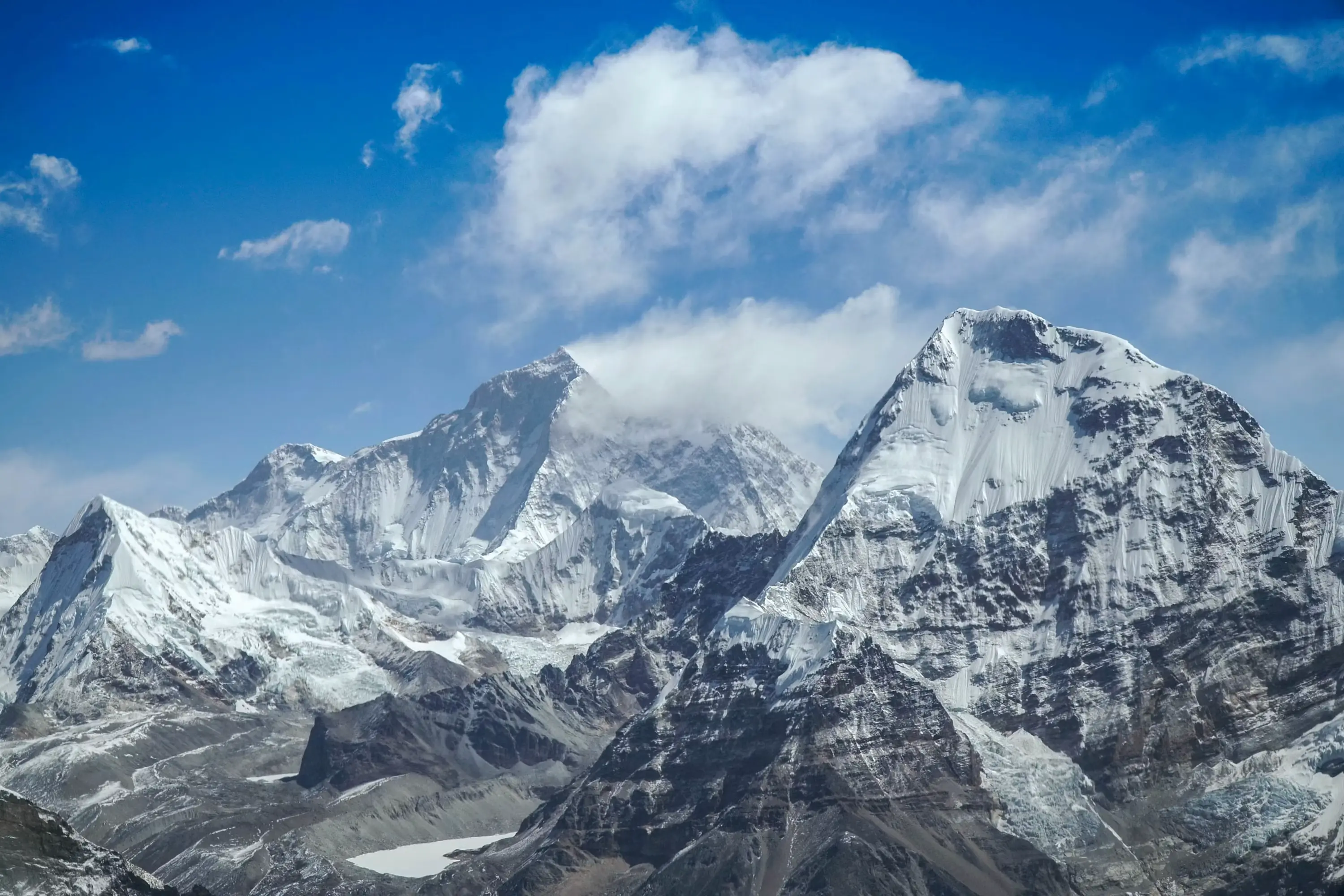
Sometimes a geography lesson is the only way to start, especially with something as humungous as the Himalayas. The name itself comes from the Sanskrit — hima meaning snow, alaya meaning abode — the Abode of Snow. And it has, over time, evolved into the plural, Himalayas, because there is not one range but many: the Outer Himalayas (also called the Siwalik Range), the Lesser Himalayas, the Tethys or Tibetan Himalayas, the Trans-Himalayas, and the Great Himalayas, home to Mount Everest and every dramatic peak you have ever seen on a screensaver.
The Indian Himalayan Region alone dips and dives through the states of Jammu & Kashmir, Ladakh, Himachal Pradesh, Uttarakhand, Sikkim, Arunachal Pradesh, Assam and West Bengal. Each one claims its own piece of the pie. Ladakh is a high-altitude cold desert of extraordinary Buddhist culture. Uttarakhand is a land of glacial rivers, ancient pilgrimage routes and meadows that turn so green in summer you wonder if someone painted them. Sikkim is compact, Buddhist and wrapped in cloud. Arunachal Pradesh is wild, tribal and breathtakingly remote. The point being: when someone says they are going to 'the Himalayas,' they really need to be much more specific. This guide will help you get specific, in all the right ways.
On my first proper journey into the Indian Himalayas I made the very common mistake of treating it like a standard holiday. I arrived in Leh, felt absolutely fine, and promptly tried to drive to Pangong Tso the next morning. What followed was not the Instagram moment I had planned. That is the Himalayas in a nutshell — awesome, fabulous, life-changing, and completely on their own terms. This guide is the one I wish I had read first.
ON MY FIRST TRIP TO INDIA I WAS EXCITED TO SEE THE GOLDEN TRIANGLE. BUT THAT IS LIKE ONLY HAVING ONE PIECE OF THE TOBLERONE. THE INDIAN HIMALAYAS ARE LIKE BEING PRESENTED WITH THE WHOLE BAR. AND THE GIANT ONE AT THAT.
Things to do in the Indian Himalayas...
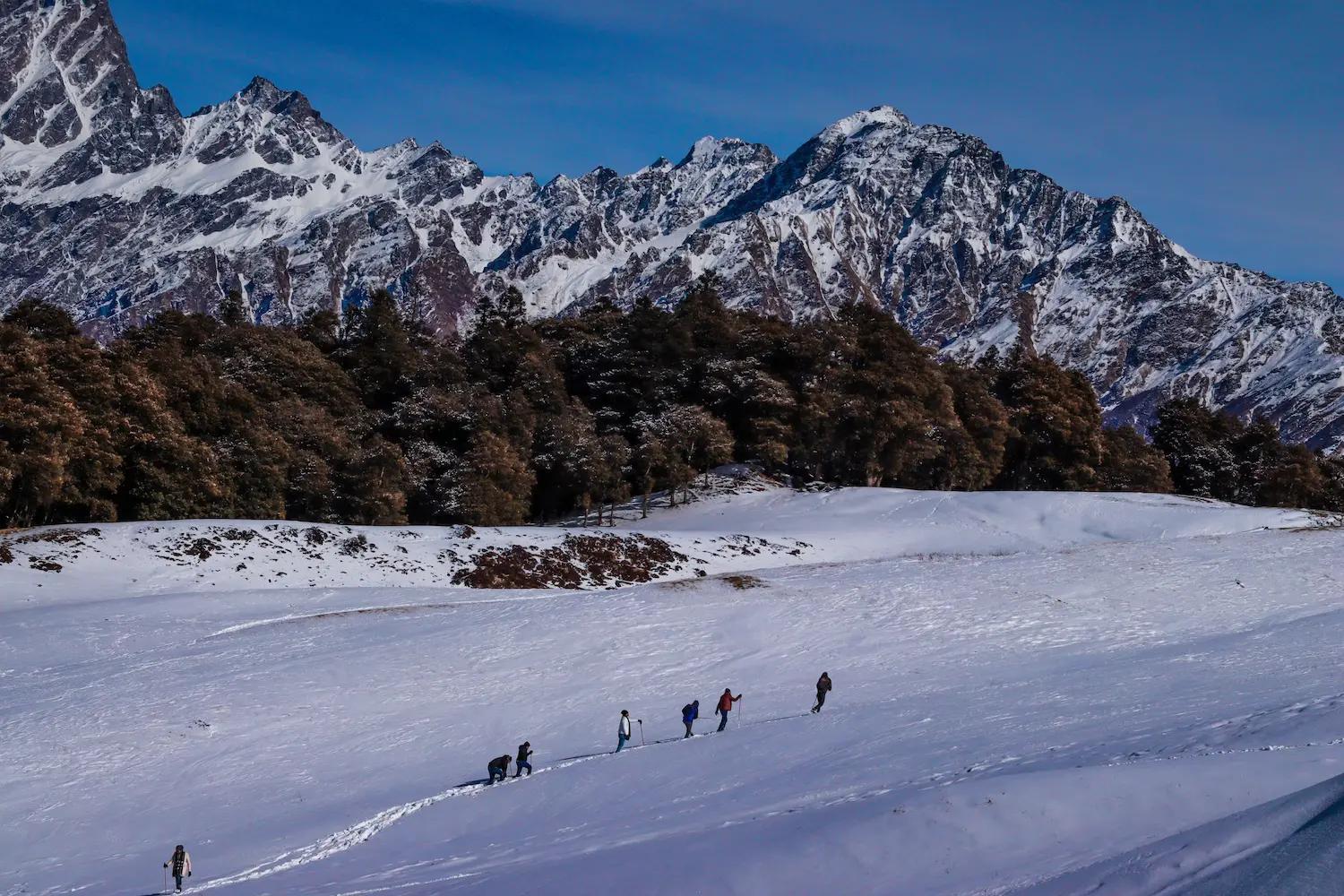
Choose your region before you choose your adventure. This sounds obvious but most first-timers skip it entirely. They book a flight to Delhi, Google 'best Himalayan trek' and end up on a route that is either overcrowded, wrong for their fitness level, or open for only three weeks of the year. Sit with a map. Understand that Spiti Valley is cold, dry and remote, while the Uttarakhand foothills are green, warm and well-connected by road. The Indian Himalayas are a wonderful place to explore — but they are not one place. They are more like a tasting menu with seven extraordinary courses. You would not order all of them at once.
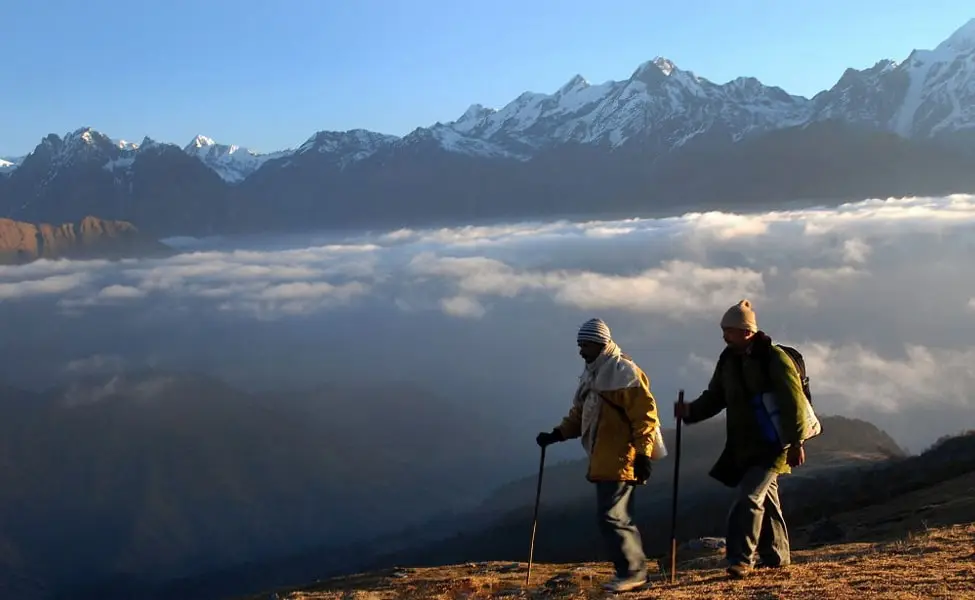
Acclimatise like your life depends on it. Because, sometimes, it does. Acute Mountain Sickness (AMS) is completely non-discriminatory. Marathon runners, gym enthusiasts, experienced sea-level hikers — all have been floored by altitude above 3,500 metres. The golden rule is climb high, sleep low. Ascend no more than 300 to 500 metres per day above 3,000 metres. Take mandatory rest days — in Leh before venturing to any pass, at Sarchu on the Manali-Leh highway, at Namche Bazaar on the Everest trail. Drink three to four litres of water daily. There is an expression in Hindi — aaaram se, meaning to chill out. It is the single best piece of altitude advice anyone will ever give you.
Sort your permits well in advance, especially near border zones. Large stretches of the Indian Himalaya sit along international borders and require Inner Line Permits (ILP) or Protected Area Permits for both Indian and foreign nationals. Ladakh requires an ILP for Nubra Valley, Pangong Tso and Tso Moriri. Arunachal Pradesh requires an ILP for everyone — including Indian nationals. Spiti and parts of Himachal's border zones have their own requirements. The paperwork is not complicated, but it does require lead time. Arriving at a checkpoint without the right permit means being turned back. This happens regularly.
Pack for four seasons in a single day. At 4,000 metres in September you can have blazing sunshine at noon, monsoon rain at two in the afternoon, hail by four and sub-zero temperatures by eight in the evening. Layering is everything — a moisture-wicking base, a fleece or down mid-layer and a waterproof shell that can handle whatever the mountain throws at you. Bring boots that are already broken in. New trekking boots at altitude are a guarantee of blisters and misery, which is like trying to enjoy that box of exquisite handmade chocolates while someone is standing on your foot.
Hire a local guide, at least the first time. The Himalayas reward local knowledge enormously. A good guide knows when a pass will be icy, which teahouse uses filtered water, when to push on and when to turn back. In Nepal, mandatory guide rules for foreign trekkers came into effect in January 2026. In the Indian Himalaya, guides are strongly recommended for any border-area trek and all national park routes. Beyond the safety question, a good local guide transforms the entire experience — you stop walking through a landscape and start genuinely understanding it. That is a different trip entirely.
Time your visit to the season, not to the Instagram grid. October and November are the gold standard — crystal clear post-monsoon skies, extraordinary visibility, cool but comfortable temperatures. April and May are equally fabulous for rhododendrons and warmth. June and July are the secret weapon for Spiti and Ladakh, which sit in the rain shadow of the Himalayas and stay bone dry while everywhere else turns gloriously waterlogged and green. Winter is specialist territory — stunning, genuinely cold, and logistically challenging, but the only time you can track snow leopard coming down from the frozen peaks in Hemis National Park. And that, honestly, is extraordinary.
Build an honest budget, including the bad days. Most first-timers budget for everything going well. Budget for the bad days too. A helicopter evacuation from a high-altitude medical emergency can cost between one and a half to four lakh rupees depending on where you are. Travel insurance that specifically covers high-altitude trekking and helicopter evacuation is not optional — it is the cost of admission. Check that your policy covers the maximum elevation of your planned route, usually at least 4,000 to 5,000 metres. Without it, you are not travelling in the Himalayas. You are gambling in them.
THINK OF ACCLIMATISATION LIKE MARINATING A REALLY GOOD PIECE OF MEAT. RUSH IT AND YOU RUIN IT ENTIRELY. GIVE IT TIME AND WARMTH AND PATIENCE, AND THE RESULT IS SOMETHING TRULY EXTRAORDINARY. THE MOUNTAIN HAS BEEN THERE FOR FIFTY MILLION YEARS. IT WILL WAIT FOR YOU.
Things not to do in the Indian Himalayas...
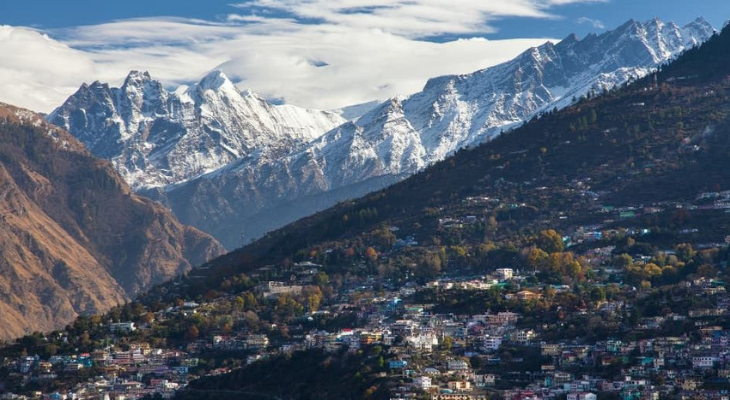
Underestimate the altitude because you are fit. This is the most common and most dangerous mistake first-timers make. Some of the strongest athletes ever to have visited Ladakh have needed to descend from Namche Bazaar. Some retirees on their very first Himalayan trip have walked comfortably to 5,000 metres without a single symptom. There is no predicting it, which is exactly why you need to know the warning signs. A persistent headache, unusual fatigue, nausea, dizziness — stop. Do not push on. Descend immediately if symptoms worsen. Even a few hundred metres of descent can produce a dramatic improvement. Always travel with an expert local guide who knows the route, and ensure that someone always knows where you are going.
Skip the rest days on your itinerary. Travel companies — including us at BizareXpedition — build rest days into itineraries for a reason. They are not lazy days. They are physiological investment days. Your body is quietly producing extra red blood cells to carry oxygen more efficiently at altitude, and it needs undisturbed time to do so. Skipping the rest day in Leh to 'save time' before driving to Pangong Tso has put people in emergency situations. The mountain will still be extraordinary tomorrow. Be patient with yourself.
Be culturally blasé. These are remote landscapes with rural villages where religion and culture play roles far more central than most urban visitors are used to. Dress appropriately — men and women alike. No shorts or short skirts in villages, and women should keep shoulders covered in places of worship. Be sensitive and genuinely thoughtful about photographs. Take your time getting to know people first. Always ask permission. Visit Dharamsala and McLeod Ganj without reading up a little about the Tibetan exile community and the reasons that bring people here. Even better, come back with a deeper understanding and support organisations like Free Tibet when you return home.
Use plastic water bottles all the time. Plastic is not recycled at high altitude and it never biodegrades in these conditions. Single-use bottles are the Himalayas' most visible environmental crisis — you can see the evidence on every major trekking route, from Kedarkantha to Everest Base Camp. Carry a reusable metal bottle and use purification tablets or a LifeStraw filter. These are fabulous inventions that cut out plastic bottles completely. And while you are at it, try the local fresh apricot juice in Ladakh or the sea buckthorn juice in Spiti. The mountains offer you better drinks anyway.
Book the cheapest operator you can find. The Indian Himalaya has a thriving ecosystem of budget operators who cut corners on safety, skip permits, use under-qualified guides and have no emergency protocol worth speaking of. The difference between a good operator and a bad one is entirely invisible until something goes wrong — and at altitude, something going wrong escalates fast. Ask directly: Are your guides trained in wilderness first aid? Do you carry emergency oxygen? What is your evacuation procedure? The answers will tell you everything you need to know.
"THE INDIAN HIMALAYAS ARE LIKE AN EXTRAORDINARY BOX OF HANDMADE CHOCOLATES. EVERY VALLEY A DIFFERENT FLAVOUR, EVERY PASS A DIFFERENT TEMPERATURE, EVERY MONASTERY A DIFFERENT STORY. BUT UNLIKE CHOCOLATE, THESE MOUNTAINS CAN GENUINELY BITE BACK IF YOU ARE NOT PAYING CLOSE ATTENTION."
Indian Himalayan Regions — At a Glance
| Region | Best For | Best Season | Altitude Range | Difficulty |
|---|---|---|---|---|
|
Ladakh (UT) |
Desert landscapes, Buddhist culture, Pangong Tso, Nubra Valley |
June–September |
3,500m–5,600m |
Moderate–Hard |
|
Spiti Valley (HP) |
Remote monasteries, off-beat culture, stargazing |
June–October |
3,800m–4,500m |
Moderate |
|
Uttarakhand Himalayas |
Pilgrimage yatras, bugyals, wildlife, alpine meadows |
April–June, Sep–Nov |
1,500m–5,000m |
Easy–Hard |
|
Sikkim Himalayas |
Compact, Buddhist, green valleys, Khangchendzonga views |
March–May, Oct–Nov |
600m–5,600m |
Easy–Moderate |
|
Arunachal Pradesh |
Tribal culture, Tawang Monastery, extreme remoteness |
Oct–April |
200m–4,500m |
Moderate–Hard |
|
Himachal Foothills |
Road trips, colonial hill stations, first-timer treks |
Year-round (varies) |
500m–3,000m |
Easy–Moderate |
Indian Himalayan Regions — At a Glance
Altitude Sickness — Know the Levels
| Condition | Key Symptoms | Altitude Onset | What to Do |
|---|---|---|---|
|
Mild AMS |
Headache, fatigue, mild nausea, poor sleep |
Above 2,500m |
Rest, hydrate, do not ascend further |
|
Moderate AMS |
Severe headache, vomiting, dizziness |
Above 3,500m |
Rest 24 hours. If no improvement: descend immediately |
|
HAPE (lung fluid) |
Breathlessness at rest, persistent cough, bluish lips |
Above 4,000m |
Emergency descent. Oxygen. Evacuate urgently |
|
HACE (brain swelling) |
Confusion, inability to walk straight, loss of consciousness |
Above 4,500m |
Emergency descent. Dexamethasone. Helicopter evacuation |
Altitude Sickness — Know the Levels
Season Guide — When to Go Where
| Season | Months | Best Regions | What to Expect | Crowds |
|---|---|---|---|---|
|
Spring |
March–May |
Uttarakhand, Sikkim, Nepal foothills |
Rhododendrons in bloom, clear skies, warming days |
Moderate |
|
Pre-Monsoon |
June–July |
Ladakh, Spiti, Zanskar |
Dry, warm, high passes open, wildflowers |
Low–Moderate |
|
Monsoon |
July–September |
Ladakh & Spiti (rain-shadow only) |
Heavy rain in most areas; green and atmospheric |
Low (except Ladakh) |
|
Autumn |
October–November |
All regions |
Crystal clear skies, best mountain visibility, cool nights |
High |
|
Winter |
December–February |
Lower Himachal, Uttarakhand foothills |
Snow, very cold, most high passes closed |
Very Low |
Season Guide — When to Go Where
Permit Requirements — Indian Himalaya 2026
| Region | Permit Required | Who Needs It | How to Get It | Processing Time |
|---|---|---|---|---|
|
Ladakh (Nubra, Pangong, Tso Moriri) |
Inner Line Permit (ILP) |
All visitors — Indian and foreign |
Online via lahdcouncil.nic.in or Leh District Collectorate |
Same day to 24 hours |
|
Arunachal Pradesh |
Inner Line Permit (ILP) |
All Indian nationals. Foreign nationals need additional RAP |
Online via arunachalilp.com |
2–7 days |
|
Sikkim restricted zones |
Protected Area Permit (PAP) |
Foreign nationals |
Through registered travel agent only |
3–7 days |
|
Uttarakhand border zones (Adi Kailash etc.) |
District Permit + STF registration |
All visitors; foreigners need special clearance |
Local SDM office |
1–3 days |
|
Spiti border zones (Himachal Pradesh) |
Inner Line Permit or SADA fee |
Foreign nationals for specific corridors |
ADC Kaza office or online |
1–2 days |
|
National Parks (GHNP, Nanda Devi, Valley of Flowers) |
Entry + Forest Permit |
All visitors; registered guide mandatory in core zones |
Park entry point office |
Same day |
Permit Requirements — Indian Himalaya 2026
Essential Gear — The First-Timer's List
| Category | Must Have | Good to Have |
|---|---|---|
|
Footwear |
Broken-in waterproof trekking boots, wool socks (3–4 pairs), camp sandals |
Lightweight trail runners for easy approach days |
|
Clothing Layers |
Moisture-wicking base layer, fleece or down mid-layer, waterproof shell jacket and trousers |
Sun-protective full-sleeve shirts, buff/scarf, lightweight gloves |
|
Sleep & Shelter |
Sleeping bag rated to -10°C, sleeping bag liner |
Trekking pillow, earplugs for teahouse stays |
|
Navigation & Safety |
Offline maps (Maps.me or Gaia GPS), headtorch + spare batteries, whistle |
Satellite communicator (Garmin inReach), emergency bivvy |
|
Health |
First aid kit, Diamox (consult doctor first), water purification tablets or LifeStraw, SPF 50+ sunscreen |
Anti-nausea medication, electrolyte sachets, blister kit |
|
Power |
Power bank (20,000mAh+), universal adapter |
Portable solar charger for extended expeditions |
Essential Gear — The First-Timer's List
Daily Budget Guide — Indian Himalayan Trips
| Category | Budget (₹/day) | Mid-Range (₹/day) | Premium (₹/day) |
|---|---|---|---|
|
Accommodation |
₹300–₹800 (dorm/basic guesthouse) |
₹1,500–₹3,500 (comfortable guesthouse or hotel) |
₹5,000–₹15,000+ (boutique eco-resort) |
|
Food |
₹300–₹500 (local dhaba, thali) |
₹600–₹1,200 (mid-range restaurant) |
₹1,500+ (in-resort or curated dining) |
|
Transport |
₹150–₹400 (shared jeep or bus) |
₹800–₹2,000 (private taxi) |
₹3,000–₹6,000 (dedicated vehicle) |
|
Guide or Porter |
₹500–₹800/day (local guide) |
₹1,200–₹2,000/day (certified guide) |
₹3,000+/day (specialist expedition guide) |
|
Permits (average) |
₹100–₹400/day (national park) |
₹500–₹2,000 (ILP plus forest permits) |
Variable for remote or multi-zone routes |
|
Emergency Insurance |
₹2,000–₹5,000 (10-day policy) |
₹5,000–₹12,000 (2–3 week policy) |
₹15,000+ (extended expedition cover) |
Daily Budget Guide — Indian Himalayan Trips
Best First-Timer Routes — By Region and Difficulty
| Route | Region | Max Altitude | Duration | Why It Works for First-Timers |
|---|---|---|---|---|
|
Kedarkantha Summit Trek |
Uttarakhand |
3,810m |
4–6 days |
Excellent intro to Himalayan trekking; snow in winter; well-marked trails throughout |
|
Triund Trek |
Himachal Pradesh |
2,875m |
1–2 days |
Short, accessible, spectacular Dhauladhar views — a brilliant confidence builder |
|
Chopta–Chandrashila |
Uttarakhand |
4,090m |
2–3 days |
High-altitude introduction with a temple at the summit; forgiving distances |
|
Leh City Stay + Acclimatisation |
Ladakh |
3,500m base |
3–4 days |
Urban acclimatisation; ideal Ladakh introduction before venturing to passes |
|
Poon Hill, Nepal |
Nepal Himalaya |
3,210m |
4–5 days |
Classic sunrise views over Annapurna; excellent teahouse infrastructure throughout |
|
Dzukou Valley |
Nagaland/Manipur border |
2,452m |
1–2 days |
Lower altitude, extraordinary seasonal flower valley, great North East India introduction |
Best First-Timer Routes — By Region and Difficulty
Travelling responsibly in the Himalayas...
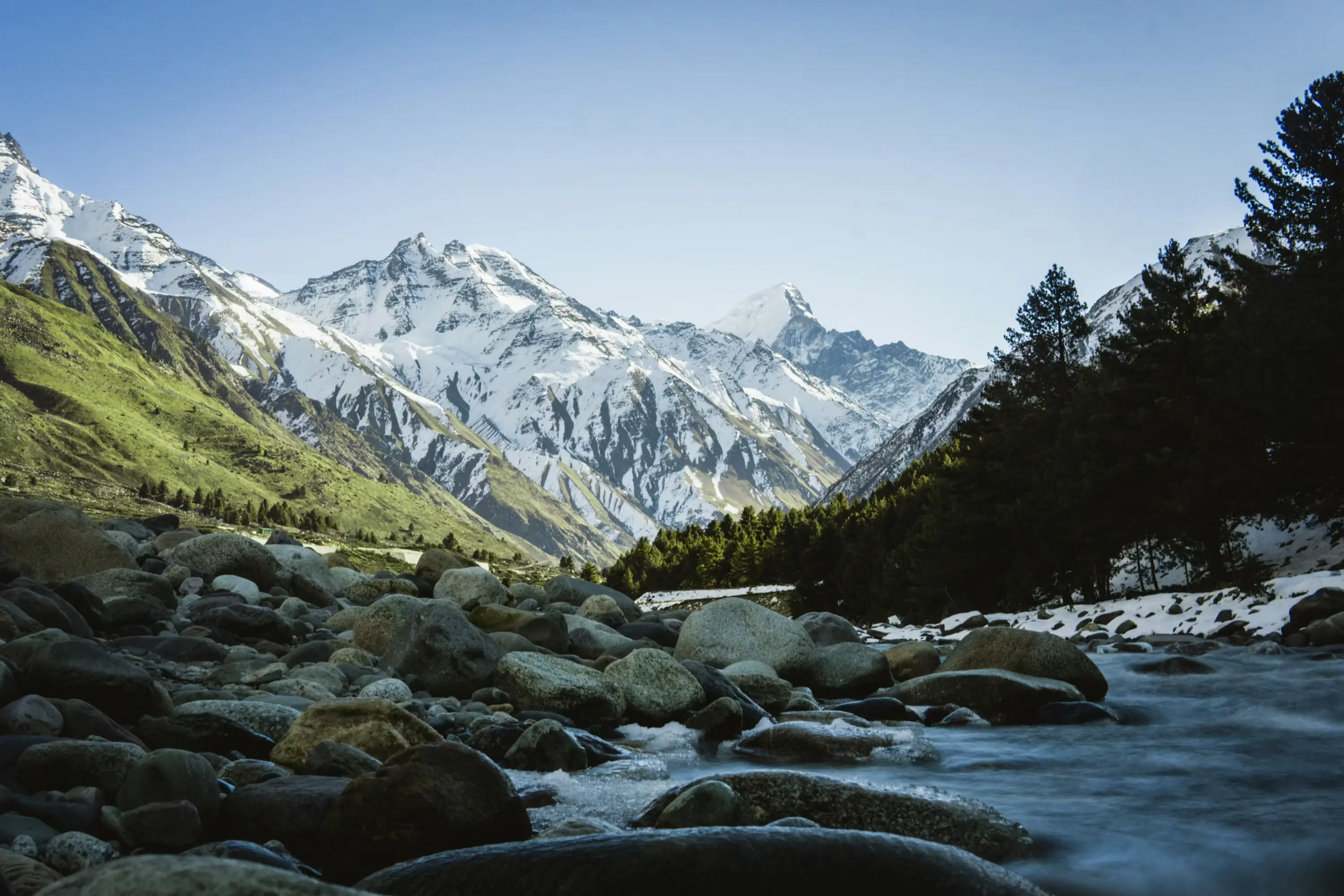
The Himalayas are under genuine environmental stress. Glaciers are retreating, traditional forests are being degraded and popular trekking corridors are accumulating plastic waste at a rate that is becoming very visible indeed. Your choices as a traveller either contribute to this or help reverse it. Fortunately, the responsible choices are also usually the most rewarding ones.
Plastic is not recycled here and it never biodegrades at altitude. One of the best tips anyone can give you is to invest in a LifeStraw self-filtering water bottle before you travel. It cuts out the use of plastic bottles completely, and the water coming off Himalayan glaciers — once filtered — is extraordinary. While you are at it, drink the local fresh apricot juice in Ladakh. Or the sea buckthorn juice. The mountains are offering you far better drinks than anything in a plastic bottle.
Spend your money locally and spend it thoughtfully. Eat at family-run dhabas and homestays rather than the nearest chain hotel. Buy local products — Ladakhi dried apricots, Uttarakhand honey, Spitian sea buckthorn, Sikkim cardamom, handwoven pashminas as opposed to the mass-produced machine-woven versions that flood the souvenir markets. The rupees you spend at a local family shop fund a winter. At a corporate hotel, they fund a balance sheet in a city you flew in from.
Be sensitive and genuinely thoughtful about photography. Ask before pointing your camera at a monk, a village elder or a child. In Tibetan Buddhist communities, photographing inside monastery sanctuaries is often restricted or requires a separate fee. Respect this without complaint. Take your time getting to know people first — the portraits you earn through patience and warmth are always better than the ones you steal in a hurry anyway.
Before you go...
Book your travel insurance before you book anything else. Specifically a policy that covers high-altitude trekking and helicopter evacuation to your route's maximum elevation. This is not an optional extra. It is the cost of responsible travel in the mountains.
Consult a doctor about Diamox (acetazolamide) at least two weeks before departure. Not everyone needs it, but everyone should have the conversation. Carry it regardless of whether you intend to use it. Download offline maps of your specific region before you lose mobile signal — apps like Maps.me and Gaia GPS work without internet, and in the Indian Himalaya, you will lose signal on the very roads you most want navigation on.
Tell someone your itinerary. Leave a detailed day-by-day copy with a trusted contact who is not travelling with you. Include planned campsite names, emergency contact numbers and the name of your guide or operator. Check in when you can. Mountains do not care about phone reception schedules.
At BizareXpedition, we build fully customised Himalayan journeys — pilgrimages, high-altitude adventures, honeymoon escapes and cultural experiences, each one designed around you specifically. Whether you are planning your first gentle walk through Uttarakhand's magnificent bugyals or your first crossing into the cold desert of Ladakh, we take care of every detail so that the only thing you have to think about is looking up. Visit bizarexpedition.com to start planning.
The Himalayas have been there for fifty million years. They will still be extraordinary next year if you need more time to prepare. Go when you are ready — but go. There is genuinely nothing else like it on earth.
Best Selling Tour Packages
Explore other exciting options for your next adventure!