

Abhinav
Writer
Updated On - Aug 12, 2026
20 min
Published On - May 14, 2026
Where the Ganges Does Half the Healing: Luxury Mindfulness Retreats in Rishikesh
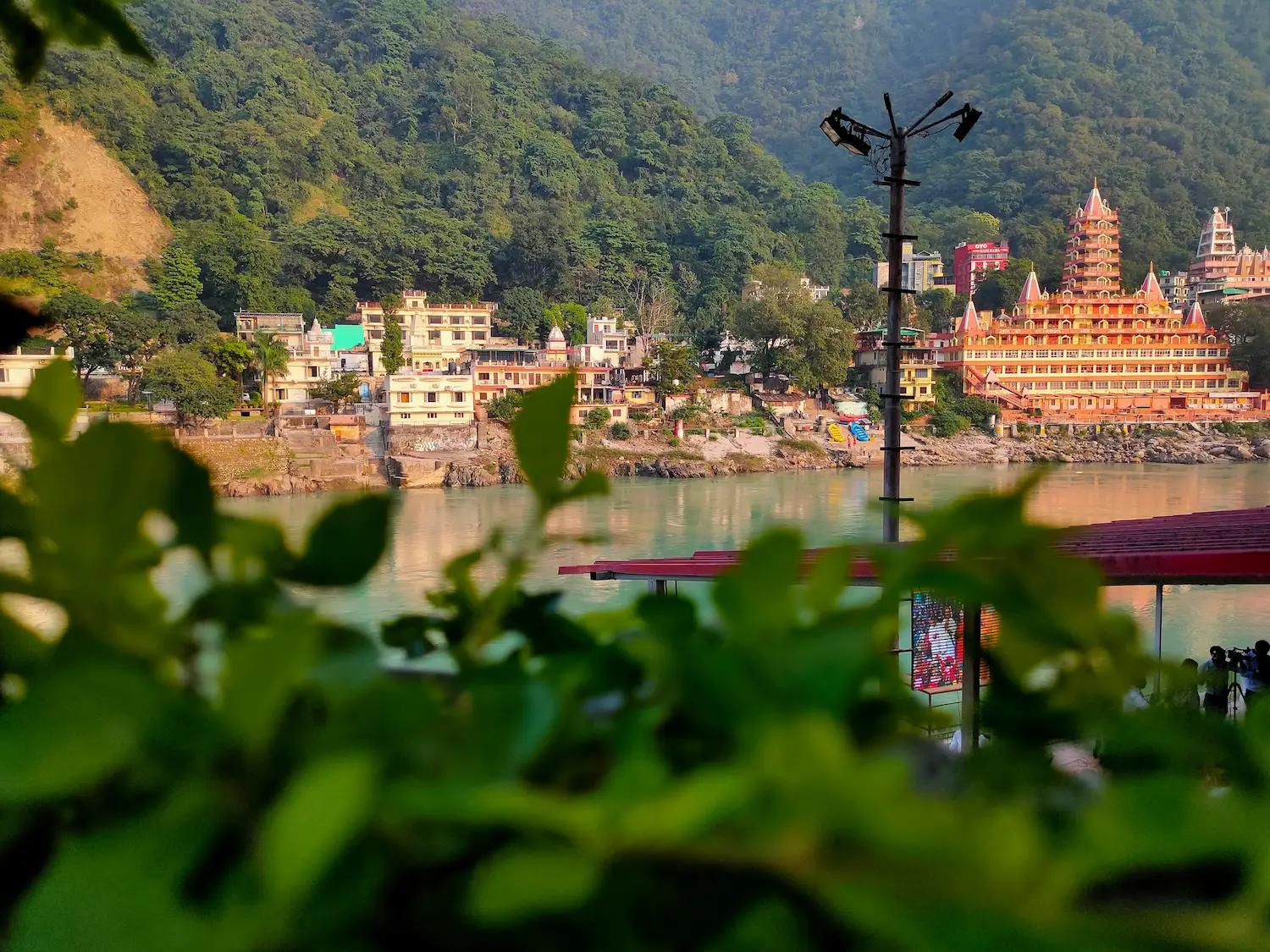
Experience mindful luxury in the spiritual heart of India, where the Ganges nurtures peace and inner healing. Reconnect with yourself through yoga, meditation, wellness therapies, and serene Himalayan surroundings. Rishikesh offers a transformative retreat where nature, spirituality, and luxury meet in harmony.
Most people who come to Rishikesh come for the yoga teacher training, the rafting, or the Char Dham route that begins here. A smaller, quieter group comes specifically to stop. To not do anything in particular, with intention, for several days in a row. They tend to spend considerably more money than the average visitor, stay considerably longer, and leave looking like a different version of themselves.
This guide is about that group — and the properties, programs and experiences that have been built for them.
The market context is worth understanding before anything else. Global wellness tourism generated $651 billion in 2023 and is projected to reach $1.4 trillion by 2027, growing at 16% annually. India is one of the fastest-growing source and destination markets in this segment — and Uttarakhand, which recorded its highest-ever tourist count of 6.03 crore visitors in 2025, including 1,92,533 international travellers, is where most of India’s luxury wellness infrastructure has concentrated.
The Uttarakhand Tourism Development Board’s stated strategic priority for 2026 is shifting from visitor volume to visitor value — higher-spending, longer-staying travellers who generate economic impact without the crowd management problems that peak pilgrimage season creates. Luxury mindfulness retreats are central to that plan, and investment has followed accordingly.
What the Luxury Segment Actually Means Here
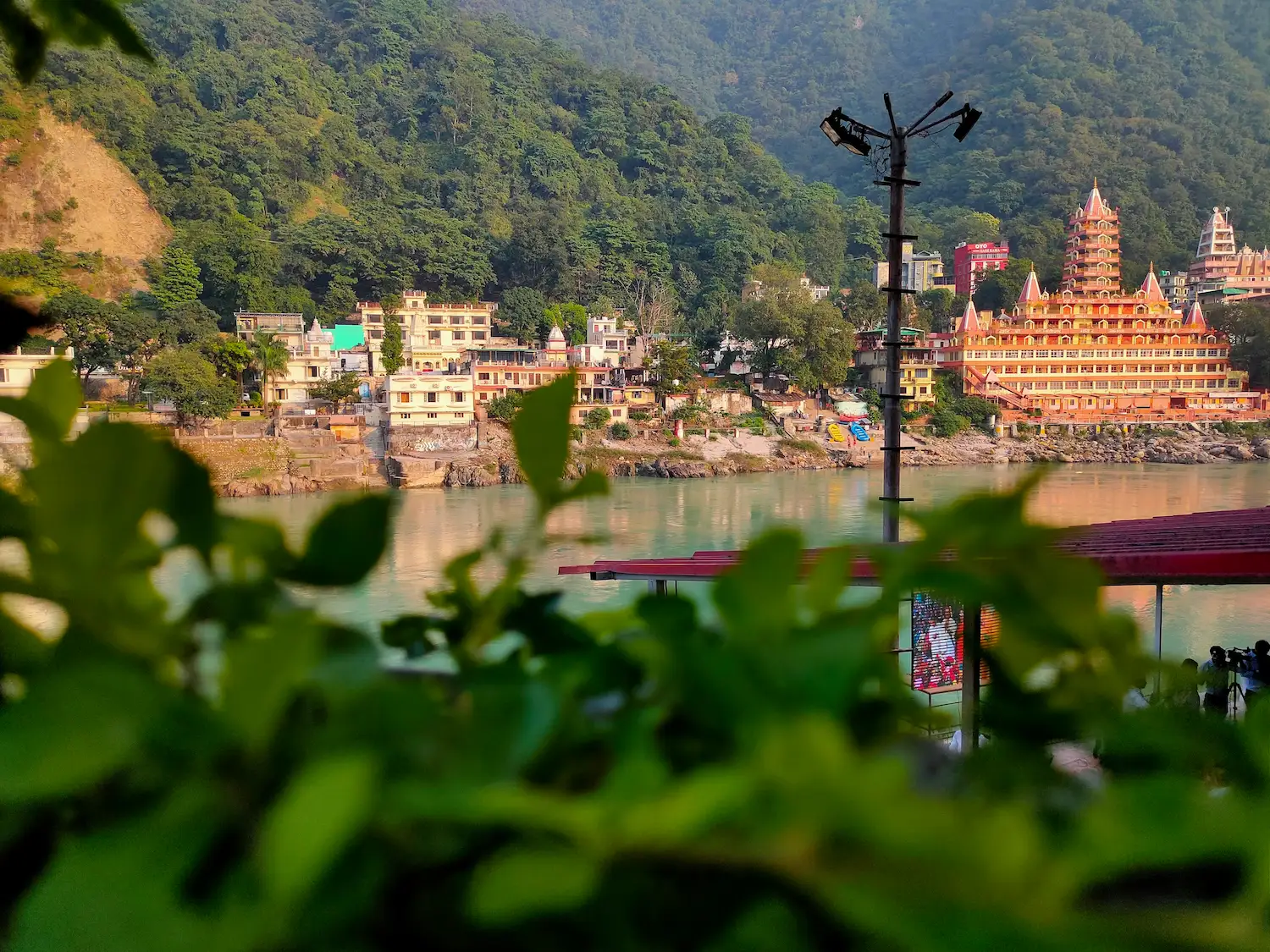
The distinction is not a trivial one. Rishikesh has hundreds of yoga schools, ashrams, and wellness centres operating across every price point, and the difference between a ₹2,000-a-night ashram stay and a ₹30,000-a-night luxury retreat is not simply a matter of thread count.
At the top of the market, what changes is personalisation, expertise, and the quality of the practitioner. A luxury mindfulness retreat in Rishikesh is built around an individual wellness consultation conducted before arrival — doctors, not instructors, assessing your body constitution, sleep patterns, stress markers and health history, then designing a program specifically around what your particular body and mind need. The difference between a group yoga class with a fixed schedule and a seven-day program designed individually for a 44-year-old executive with chronic sleep disruption and a Pitta imbalance is roughly the same as the difference between a public gym and a personal physician.
The properties at this level also have something that most of the wellness travel market in Rishikesh does not: genuine specialists. Certified Ayurvedic doctors with clinical training, Tibetan medicine practitioners from recognised lineages, sound therapists, and meditation teachers with decades of practice rather than a recent certification. The Ganges is present at all of them — either directly, as a riverfront location, or as the orienting spiritual geography that the programs are built around.
The Properties
1. Ananda in the Himalayas
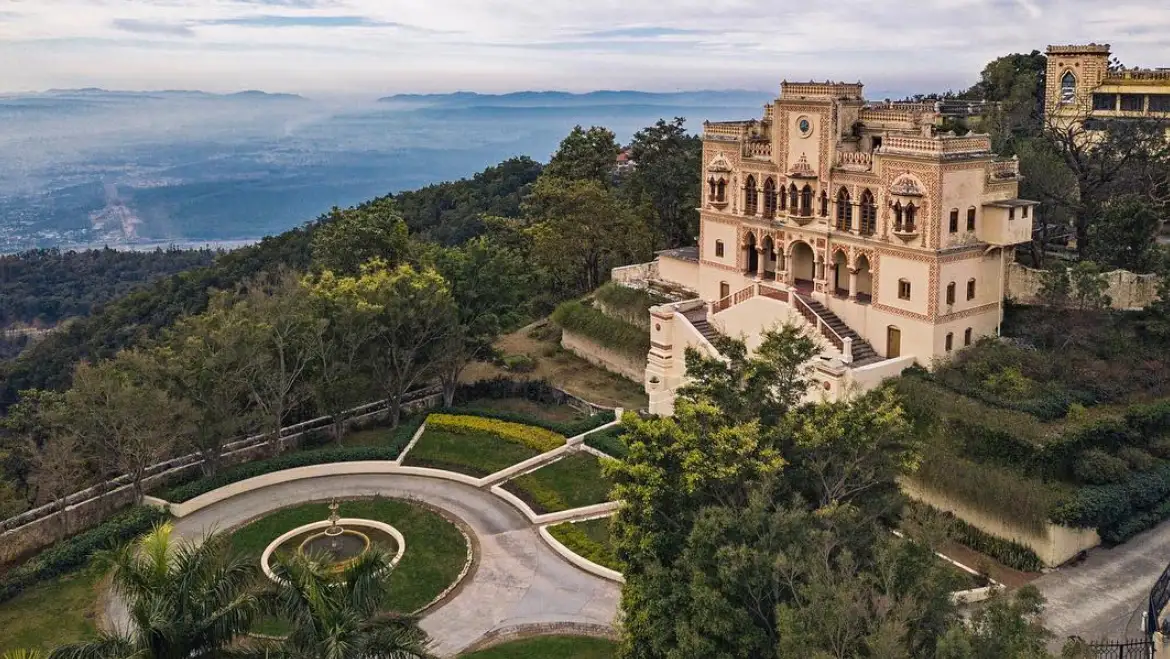
Ananda is the one property in this list that requires no introduction to anyone who follows the global wellness travel circuit, and the one most conspicuously absent from earlier coverage of this topic. It is the oldest, most awarded, and most internationally recognised luxury wellness retreat in India — and it sits on a 100-acre Maharaja’s Palace Estate in the Himalayan foothills, overlooking the Ganges River valley and the spiritual town of Rishikesh.
Established over 25 years ago, Ananda has been consistently featured in Condé Nast Traveller’s Wellness & Spa Guide, Tatler’s Spa Guide, and The Sunday Times World’s 50 Best Spas. Its 25,000 sq. ft. spa houses 24 treatment rooms, hydrotherapy pools, an open-air Yoga & Meditation Pavilion, and a state-of-the-art fitness centre. The retreat integrates Ayurveda, yoga, Vedanta philosophy, Traditional Chinese Medicine (TCM), and emotional healing into 15 signature wellness programs, each further customised to the individual through pre-arrival consultations with Ayurvedic physicians.
A minimum stay of seven nights is required for comprehensive wellness programmes, and longer durations are recommended for meaningful outcomes. Children below 14 are not permitted, preserving the retreat’s essential quality of silence. Accommodation ranges from Deluxe Garden View and Valley View Rooms to Garden Suites, Deluxe Suites with panoramic Ganges Valley views, the historic Viceregal Suite in the original Maharaja’s Palace, and private Ananda Villas with personal temperature-controlled pools, saunas, and dedicated butler service.
For international travellers, Ananda represents something that very few properties anywhere in the world can claim: a 25-year legacy of genuine wellness transformation, in the physical location where the practices being taught were first codified. This is not an adopted tradition. It is the source.
Starting rates: ₹1,20,000–₹3,50,000+ for a 7-night comprehensive wellness programme (all-inclusive). Rooms from $1,444/night.
2. Six Senses Vana, Dehradun (40 minutes from Rishikesh)
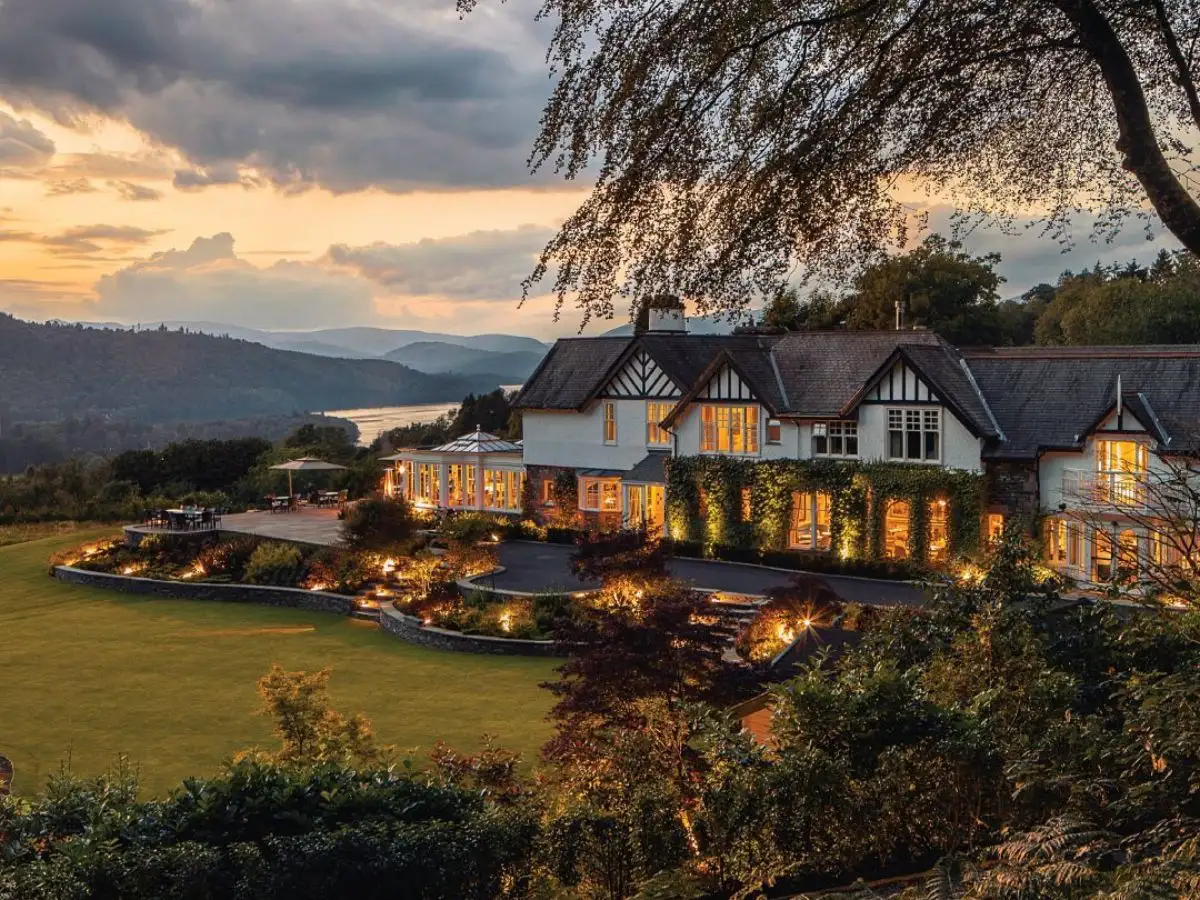
Six Senses Vana is, alongside Ananda, the most exceptional luxury wellness retreat in the Uttarakhand region. It sits on a 21-acre Sal forest estate in Dehradun and integrates four distinct wellness traditions under one roof: Ayurveda, Sowa Rigpa (Tibetan medicine), yoga, and contemporary wellness science.
The retreat was personally blessed by the Dalai Lama in 2016, and its resident Tibetan medicine specialist Dr. Tenzin Sopa — trained at the Chagpori Tibetan Medical Institute in Darjeeling — offers diagnostic consultations and treatment approaches unavailable at any comparable property in India.
Every stay includes full-board accommodation, personalised nutrition, a daily retreat program, wellness consultation, all meals, private treatment sessions, attire within the retreat, and return airport transfers. Programs range from 5-night Sleep and Detox intensives to 21-night Ayurveda Panchakarma courses. The retreat operates on “wellness weights” — each night of stay earns one unit of private specialist consultation time, ensuring that longer programs translate into progressively deeper personal attention.
Where Ananda’s strength is its 25-year legacy and programme depth across traditional Indian systems, Vana’s differentiator is the Tibetan medicine dimension: diagnostic and treatment approaches from a lineage that is not available elsewhere in the luxury wellness market at this quality level.
Starting rates: $1,200 (approx. ₹1,00,000) for a 7-day all-inclusive programme.
3. Taj Rishikesh Resort & Spa
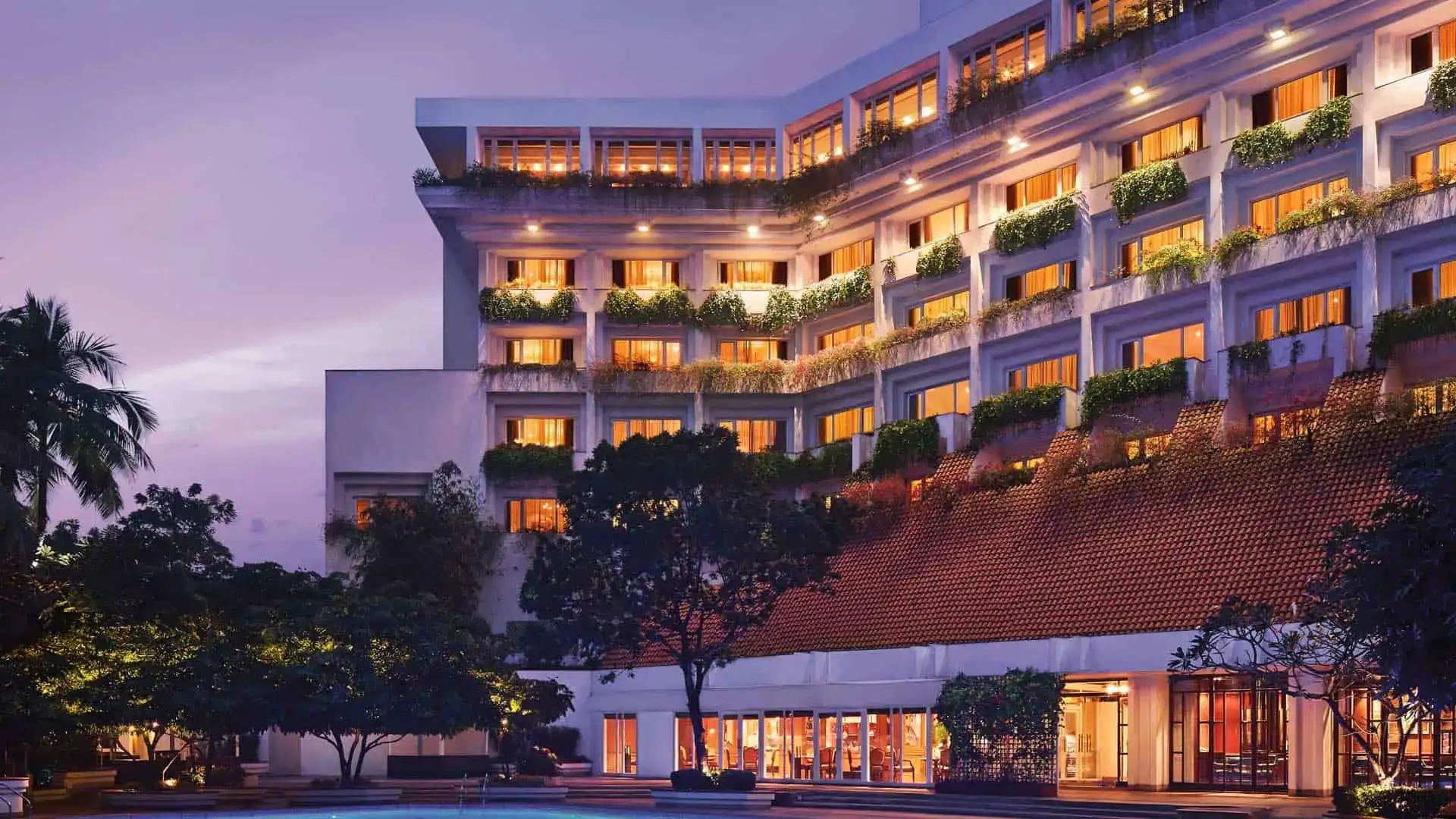
Built from locally sourced artisan stone, timber, and slate across 50,585 square metres in Singthali village — 30 kilometres from Rishikesh — Taj Rishikesh is the most architecturally considered luxury resort property in the region. The design draws from Garhwali temple fort traditions. Jaali screens, warm fireplaces, and curated antiques sit in rooms where every window faces the Ganges or the mountains without obstruction.
The accommodation spans 16 Superior Rooms, 12 Deluxe Rooms, 39 Premium Villas, 6 Gangotri Villas, a Luxury Pool Villa, and a Presidential Villa. The wellness programme — the “Wellness Woyage” — integrates ancient Indian healing with contemporary spa therapies around Ayurveda, pranayama, meditation, and sattvic nutrition. All meals are prepared from seasonal, organic, locally sourced ingredients.
The distinction from Ananda and Vana is positioning: Taj Rishikesh is a luxury resort with a serious wellness offering, rather than a wellness retreat with luxury accommodation. For travellers who want brand-name five-star comfort alongside a genuine mindfulness experience — without committing to a programme-led stay — it is the strongest option in the market.
Starting rates: ₹25,000–₹60,000 per night depending on room category and season.
4. The Westin Resort & Spa, Himalayas
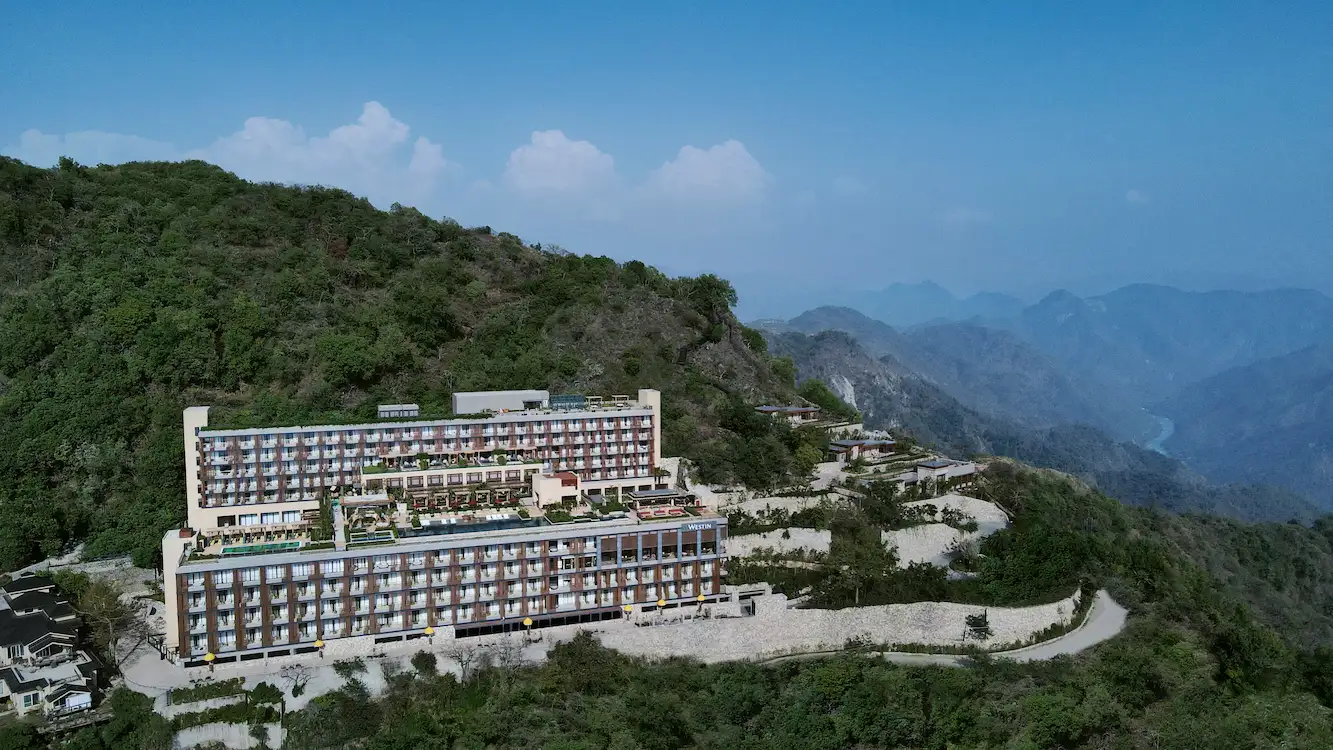
The Westin Resort & Spa, Himalayas opened as part of the Marriott Bonvoy portfolio and sits across 12 lush acres at 4,500 feet above sea level in the Himalayan foothills, 45 minutes from Jolly Grant Airport, Dehradun. The architecture is built around the concept of biophilia — organic forms, seed-pod furniture, woven basketry elements, and carved Jali screens by local craftsmen — designed to provoke what the property describes as “thoughtful moments of community, spirituality and celebration.”
The dedicated wellness floor spans 1,115 square metres with ten treatment rooms and the Heavenly Spa by Westin™ experience, offering holistic massages, body wraps, Ayurvedic treatments, and signature exfoliating treatments alongside an infinity pool and steam room. The property channels Westin’s six signature well-being pillars — Sleep Well, Eat Well, Move Well, Feel Well, Work Well and Play Well — through tailor-made yoga, meditation, and Ayurveda programmes.
The Westin’s specific advantage in this market is its position within the Marriott Bonvoy ecosystem: a booking platform with over 180 million members globally, making it the most internationally accessible property in this list for travellers arriving through corporate travel programs or loyalty redemptions. It is also the strongest option for corporate mindfulness offsites — it houses Rishikesh’s largest conference facility alongside its wellness offering, and the combination of structured mindfulness programming, adventure activities (rafting, archery, wildlife safaris), and a Ganga Aarti experience makes it the most versatile property for group bookings.
Starting rates: ₹20,000–₹45,000 per night. Programme packages available through Marriott Bonvoy.
5. The Roseate Ganges
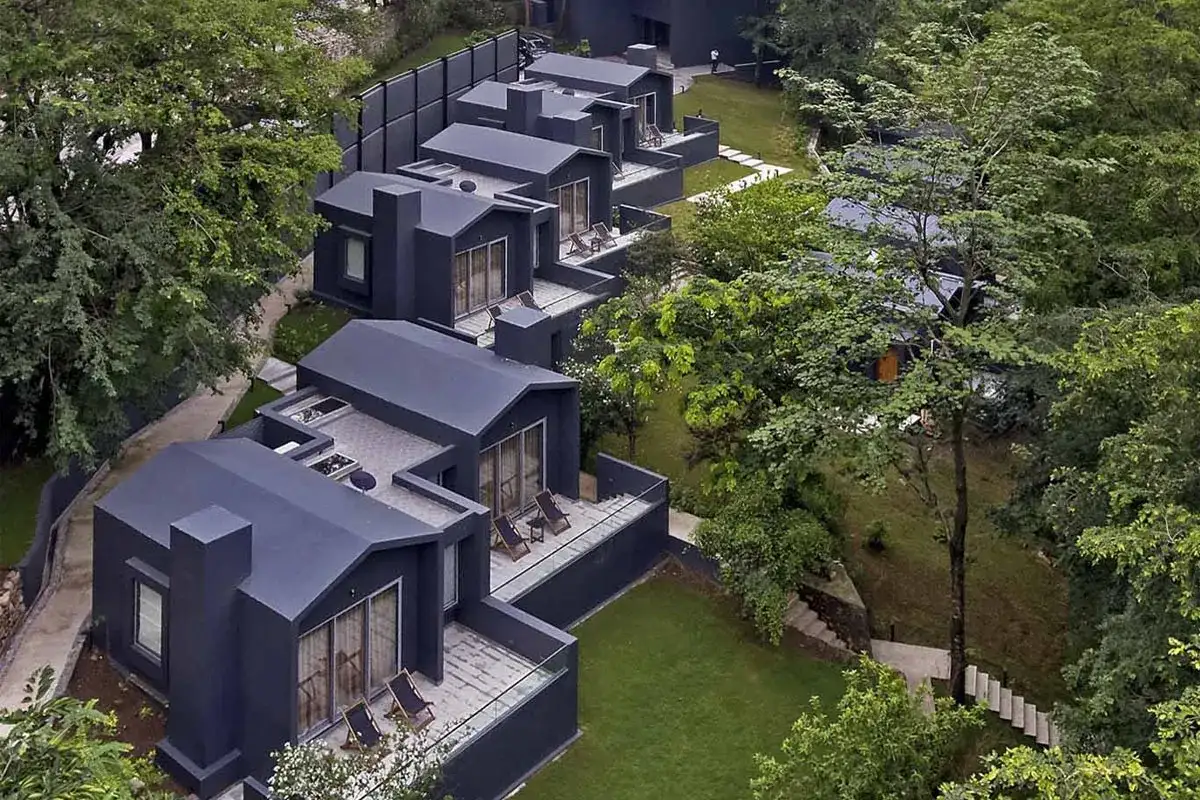
Set in a private valley with direct riverbank access and a white-sand beach along the Ganges, The Roseate Ganges is among the most intimately positioned luxury properties in Rishikesh. Guests walk from their rooms directly to the river. Morning meditation on the private beach — before the day begins and before other guests are awake — is the experience that most reviews consistently return to.
The spa delivers Ayurvedic therapies through Art of Living-certified practitioners, with programs anchored in dosha analysis and seasonal wellness principles. Evening Ganga Aarti ceremonies — conducted privately at the resort’s riverbank rather than at the crowded public ghats — form a deliberate part of the daily program. The cuisine philosophy is explicit: local, seasonal, organic, designed around the traveller’s wellness intention rather than hotel convention.
Starting rates: ₹15,000–₹35,000 per night.
6. VILEEN Rishikesh
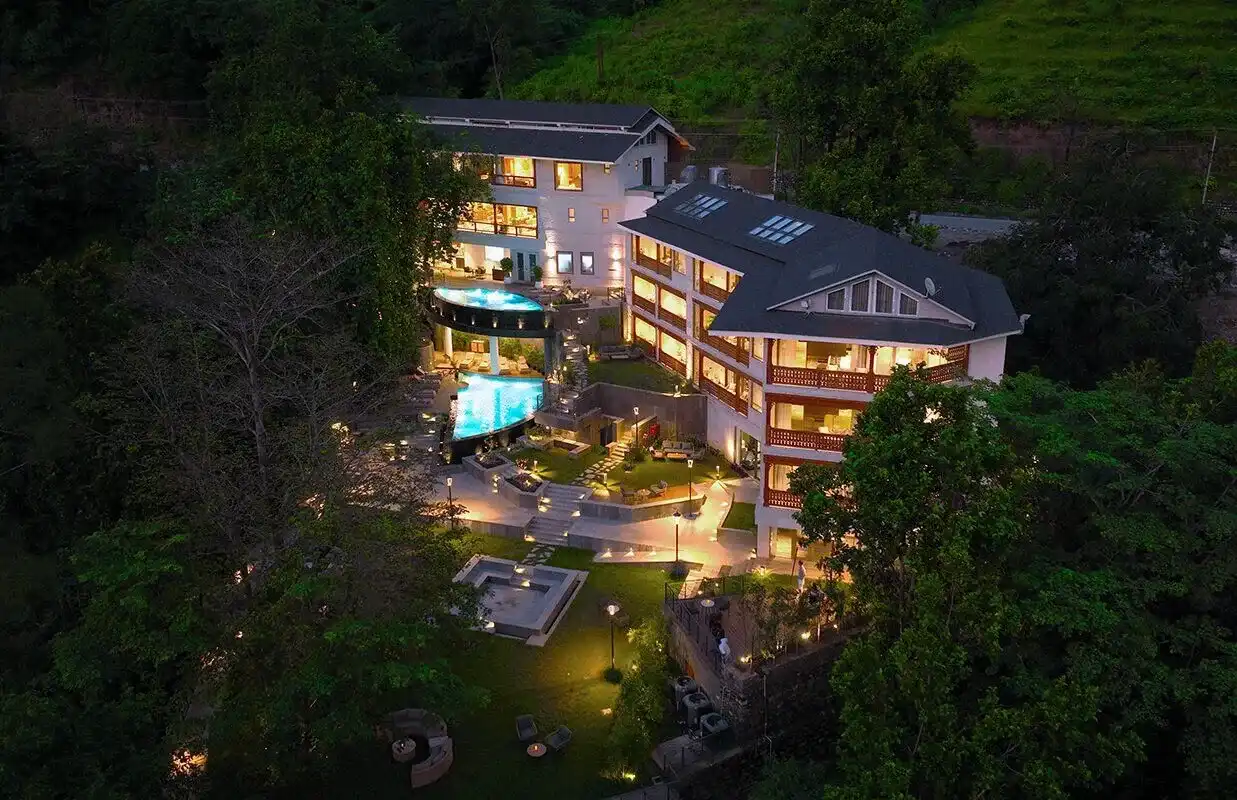
VILEEN sits 170 metres above the Ganga River, overlooking the Shivalik mountains, and operates at the intersection of 5-star infrastructure and boutique-scale personalisation. Suites have private balconies, panoramic Himalayan views, meditation corners, and Jacuzzis. The in-house Ayurvedic doctor designs individual programs — Panchakarma courses, sleep enhancement protocols, mindfulness intensives — rather than selling pre-packaged wellness weeks.
The property handles the luxury end of the market without the formal structure of a retreat institution. Guests are not on a program with other guests. They are in their own program, at their pace, with their own practitioner. For the traveller who wants more than a hotel but finds the programme-led structure of Ananda or Vana too prescriptive, VILEEN is the answer.
Starting rates: ₹10,000–₹25,000 per night.
Properties at a Glance
| Property | Location | Starting Rate | Specialist Depth | Ganges Access | Best For |
|---|---|---|---|---|---|
|
Ananda in the Himalayas |
Narendranagar, 45 min |
₹1.2L–₹3.5L+/7 nights |
Highest — 25-yr legacy, 80+ therapies |
Valley views of Ganga |
Deep Ayurveda; international awards; solo travellers |
|
Six Senses Vana |
Dehradun, 40 min |
$1,200/7 days all-in |
Ayurveda + Tibetan medicine (Sowa Rigpa) |
40-min drive |
Most exceptional overall; long-stay healing |
|
Taj Rishikesh Resort & Spa |
Singthali, 30 km |
₹25K–₹60K/night |
High — Ayurveda, spa, pranayama |
Riverside villas |
Brand comfort + spiritual Ganges setting |
|
The Westin Himalayas |
Narendranagar, 45 min |
₹20K–₹45K/night |
High — 1,115 sqm wellness floor, Heavenly Spa |
Mountain + valley views |
Corporate groups; Marriott Bonvoy; family wellness |
|
The Roseate Ganges |
Rishikesh |
₹15K–₹35K/night |
High — Art of Living-certified |
Private Ganga beach |
Riverside intimacy; private Ganga Aarti |
|
VILEEN Rishikesh |
Above Rishikesh |
₹10K–₹25K/night |
High — in-house Ayurvedic doctor |
170m above Ganga |
Best value; boutique personalisation |
Properties at a Glance
What Happens in a Day
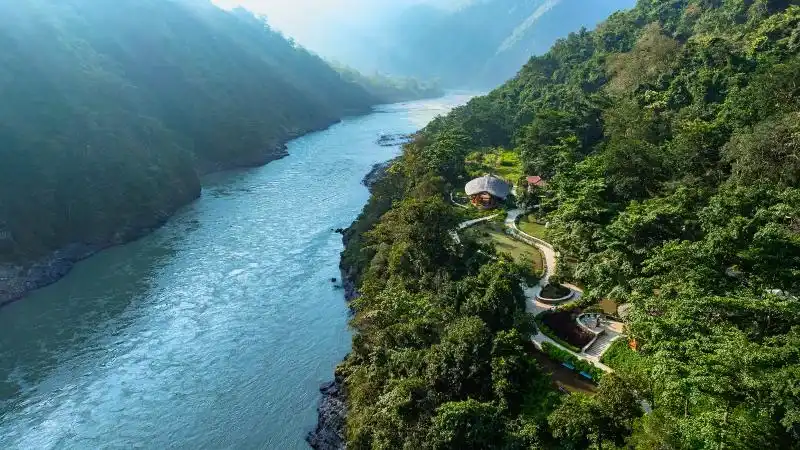
The structured day at a luxury mindfulness retreat is worth describing in detail, because most travellers who haven’t done one have a vague impression of it that undersells the experience considerably.
The morning begins at 5:30 AM with riverside or garden meditation before sunrise — not because ascetic discipline is the point, but because the pre-dawn window is when cortisol is beginning its natural daily rise and meditation during this period has the strongest neurological effect. Research from Harvard Medical School has documented cortisol reduction of up to 25% in participants after eight weeks of consistent mindfulness practice. At a well-designed retreat, the physiological logic is built into the schedule.
Pranayama and yoga follow at 7:00 AM — private or small-group sessions calibrated to the guest’s constitution, not a fixed syllabus. Breakfast at 8:30 AM is sattvic — freshly prepared, organic, without stimulants, aligned with what the Ayurvedic practitioner has recommended.
The morning treatment at 10:00 AM is the core of the program: Abhyanga (warm oil massage calibrated to body type), Shirodhara (oil poured in a continuous stream on the forehead, inducing a meditative state most guests describe as the deepest relaxation they have encountered), Panchakarma therapies, or specialist consultations depending on where the program has reached.
Afternoons are unstructured by design. The most counterintuitive component of a serious retreat program is the deliberate removal of activity — rest, reading, walking, journaling, sitting by the river without purpose. The University of Rochester Medical Center’s research on structured journaling has documented anxiety reduction of up to 28% in consistent practitioners. Most retreats now incorporate guided journaling sessions as a formal component.
Evening Ganga Aarti at 6:00 PM is the pivot of the day. Whether attended privately at the resort or at Triveni Ghat among the public ritual, it is consistently the moment that guests are least prepared for and most affected by. Nearly every guest who writes about it says the same thing: they did not expect to feel that.
Dinner at 8:00 PM is light and early. Some retreats practice noble silence from sunset. Sleep by 10:00 PM is the intention, and after two or three days of this rhythm, most guests report sleep quality they have not experienced in years.
The Ganges Is Not the Backdrop
It would be easy to treat the river as scenery — the photogenic element in the property brochure, the sound behind the meditation session. The best retreats in Rishikesh do not make this mistake.
The Ganges above Rishikesh carries water with scientifically documented properties. IIT Roorkee researchers have documented exceptional levels of bacteriophages — viruses that destroy harmful bacteria — in the upper Ganges. The water runs cold, fast, and oxygen-rich. The negative ions generated by fast-moving water at this volume have measurable effects on serotonin levels. These are documented phenomena, not spiritual claims.
And then there is the dimension that is harder to measure but impossible to ignore for anyone who has spent time there. The Ganges at Rishikesh has been a site of human contemplative practice for longer than recorded history. Millions of people across thousands of years have sat beside it in silence, prayed at it, grieved at it, and found in it something that changed them. The retreats that earn the premium they charge are the ones that understand the river is the primary therapist. Everything else is support.
Pricing in Global Context
The standard reference point for luxury wellness travel is Bali, Switzerland, and Thailand. A seven-day mindfulness retreat in Ubud, Bali runs $2,500–$4,000. In Switzerland, $5,000–$10,000. In Chiang Mai, $1,500–$3,500. At Ananda in the Himalayas, a 7-day comprehensive programme starts at $1,444 per night, all-inclusive. At Six Senses Vana, from $1,200 for the full seven days.
The difference is not quality. In the case of both Ananda and Vana, the practitioner depth is not replicated at any Balinese resort regardless of price. The difference is currency, cost base, and the fact that India’s luxury wellness market is still early enough in its international positioning that prices have not caught up with the experience being delivered.
International wellness travellers visiting India’s premium retreat properties are currently spending an average of $1,800–$3,500 per trip. The projected trajectory of India’s wellness tourism market — growing at 43.1% CAGR toward a $137 million domestic market by 2030 — suggests the pricing gap with equivalent international destinations will narrow significantly over the next five years.
| Destination | 7-Day Luxury Retreat (per person) | Practitioner Depth |
|---|---|---|
|
Ananda in the Himalayas, India |
$1,444/night all-inclusive |
Ayurveda + TCM + Vedanta; 25-yr legacy |
|
Six Senses Vana, India |
$1,200 (~₹1,00,000)/7 days |
Ayurveda + Tibetan medicine (Sowa Rigpa) |
|
Ubud, Bali |
$2,500–$4,000 |
Yoga + Balinese spa |
|
Chiang Mai, Thailand |
$1,500–$3,500 |
Thai + Ayurvedic therapies |
|
Swiss Alps |
$5,000–$10,000 |
Western integrative medicine |
|
Rishikesh premium (3–5 days) |
$750–$2,000 |
Ayurveda + Ganges riverside setting |
International destinations
When to Go
The season matters at Rishikesh not because the experience changes fundamentally but because the quality of the environment — the river, the air, the light, the temperature — is significantly different across months, and the program works differently when the context is right.
| Month | Conditions | Crowds | Notes |
|---|---|---|---|
|
October–November |
Post-monsoon clarity; river clear and fast |
Moderate |
Best overall — ideal weather; international visitors peak; book 4–6 weeks ahead |
|
February–March |
Crisp winter clearing; Himalayan views sharp |
Low |
Excellent — International Yoga Festival in March; strong practitioner availability |
|
December–January |
Cold, dry, exceptionally clear |
Very Low |
Rising segment — UTDB winter push; lowest pricing; most intimate atmosphere |
|
April–May |
Warm; pre-monsoon clarity |
High |
Strong domestic season; properties busy but functional; good for corporate groups |
|
July–August |
Monsoon; heavy rain; lush greenery |
Low |
Specialist only — Ayurveda most effective per practitioners; prices 30–50% lower; access harder |
|
September |
Post-monsoon freshness; skies clearing |
Low–Moderate |
Underrated window — best value in a quality month; prices reasonable; fewer crowds |
When to Go
The monsoon window deserves a separate note. July to September is when Ayurvedic practitioners consider their treatments most effective — the high humidity and moderate temperature optimise tissue absorption of herbal oils and preparations. Guests willing to accept the rain consistently report that treatment outcomes during this period exceed what the same program delivers in peak season. The price advantage of 30–50% off makes the calculation more straightforward.
Who Makes the Trip
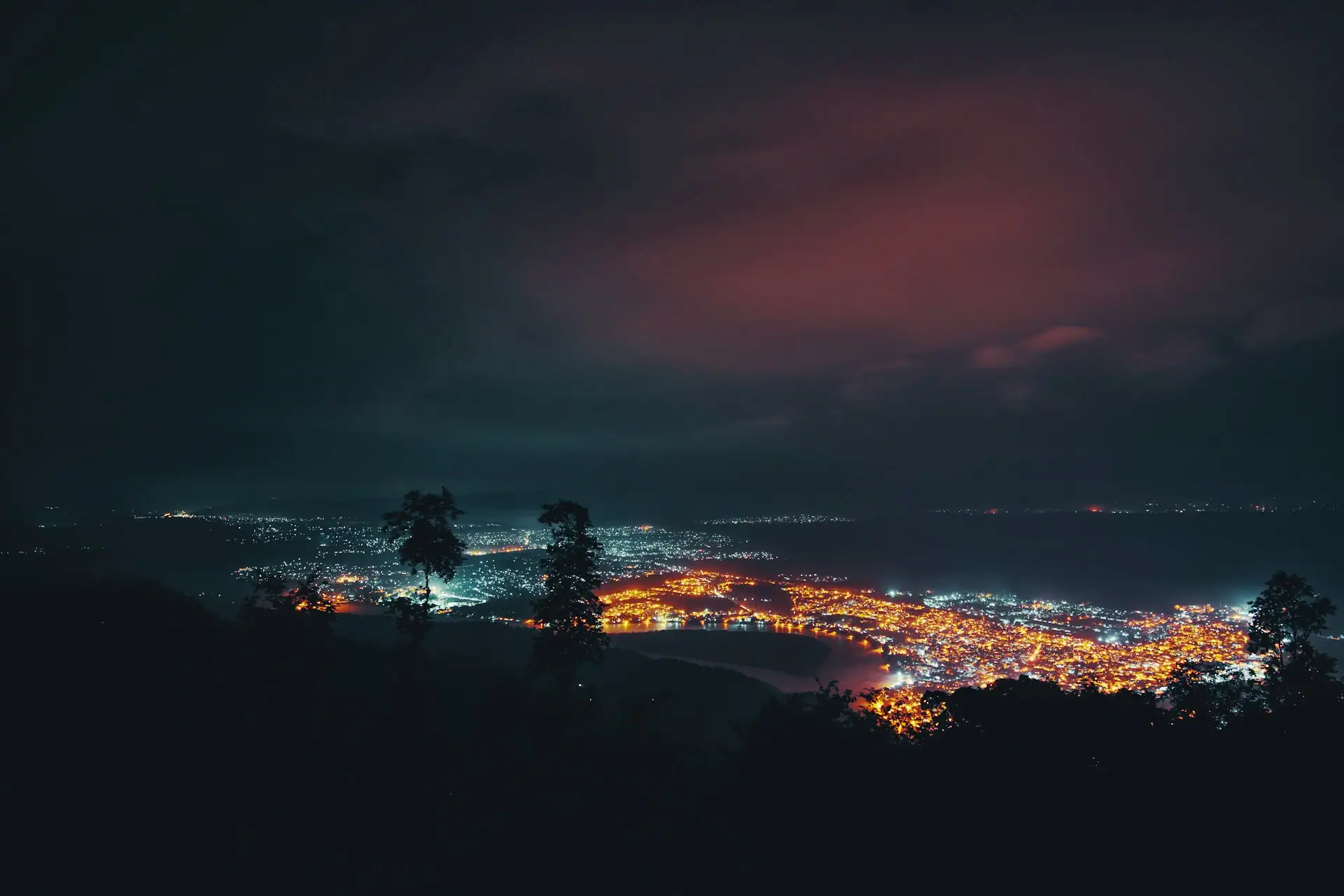
The traveller arriving at a luxury mindfulness retreat in Rishikesh is not a single type. A corporate leadership team arriving for a three-day offsite is using the same river and the same silence as a 58-year-old woman arriving alone to process the end of a marriage. What they have in common is the specific quality of what they are looking for — which is not relaxation in the resort sense, but a genuine recalibration of something that has gone wrong.
McKinsey’s research on mindfulness in leadership contexts has documented decision-making quality improvements of up to 20% following sustained mindfulness practice. Organisations including KPMG, Deloitte, and several major Indian conglomerates have sent senior leadership groups to Rishikesh retreat properties in the last three years. The Westin’s conference infrastructure and Ananda’s programme depth make them the two strongest options for this segment.
The international segment is the other significant growth driver. Rishikesh offers something that Bali, Chiang Mai, and the Swiss Alps do not: authenticity of origin. Yoga was not adopted here — it came from here, or from a tradition of which this river valley is one of the oldest surviving centres. For a traveller willing to pay $3,000 to sit still and breathe for a week, the difference between doing that on a manufactured wellness campus and doing it on the banks of the Ganges, with practitioners from a lineage that has been doing this for centuries, is not a small one.
What to Know Before You Book
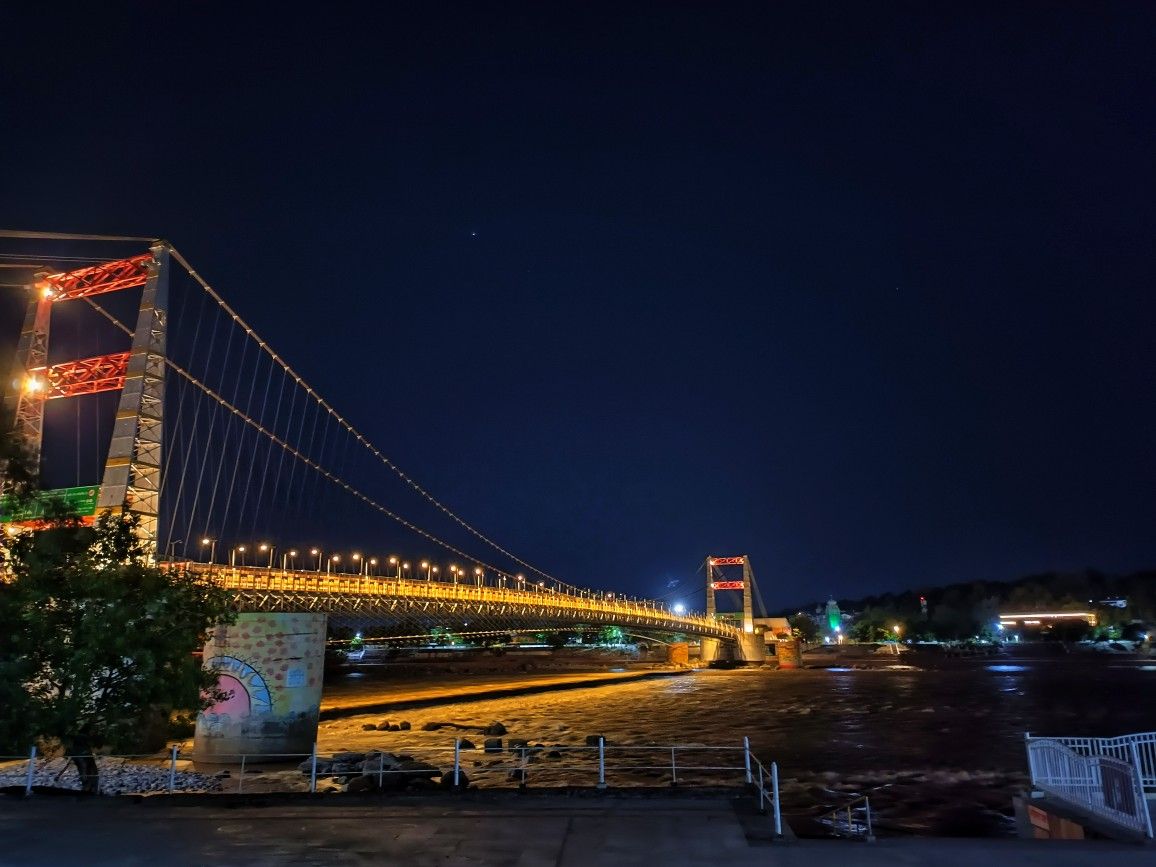
A few practical points that most travel content about Rishikesh retreats omits.
The transition period matters. Arriving at a luxury retreat after a 6 AM Delhi departure, spending two hours in Jolly Grant Airport traffic, and walking into an Abhyanga session at 4 PM is a suboptimal beginning. Most practitioners recommend arriving the evening before the program begins, eating lightly, and using the first morning to orient before any treatment. Similarly, leaving the day of your last session on a 6 PM flight is the most reliable way to undo what the program builds. If the program is worth the money, the transition out of it is worth one additional night.
The best properties will ask for a detailed health history before arrival and will use it. If a property does not ask, that is a data point about the quality of personalisation you will receive.
Ananda requires a minimum stay of seven nights for comprehensive wellness programmes, and does not permit children below 14. Six Senses Vana accepts a minimum of three nights, with five, seven, fourteen, and twenty-one-day programs the most common choices. The five-night program is the minimum at which guests consistently report meaningful internal change. Three nights is a preview. Seven nights is a program.
The Westin is the only property in this list that actively accommodates children and families alongside its wellness offering, and it holds the strongest corporate group infrastructure. For any booking involving more than six people, or any group that includes families, it is the most practical starting point.
A Market Still Finding Its Price
Luxury mindfulness travel in Rishikesh is not a new idea, but it is in an early stage of its international positioning. Ananda has been doing this for 25 years and remains underpriced against its global equivalents. Six Senses Vana offers Tibetan medicine at a level unavailable elsewhere in the luxury market. The Westin brings Marriott Bonvoy’s global distribution to a destination that most international travellers still associate primarily with backpackers and river rafting.
The properties exist. The practitioners are exceptional. The Ganges has not changed. What is still catching up is the rest of the world’s awareness that this combination — at this quality level, at this price point — is available here. That window will not remain this open indefinitely.
The Ganges at Rishikesh at 5:30 in the morning — before anyone else is awake, before the prayers begin at the ghats, before the first helicopter lifts off for Kedarnath — has been running cold and clear through this valley for longer than the practice of yoga has had a name. The window to experience it in deliberate silence, with genuine expertise around you and no noise beyond the river, is open. It is worth using.