

Sakshi
Writer
Updated On - Aug 12, 2026
15 min
Published On - Jun 04, 2026
Panch Kailash Yatra: The Complete Guide to All Five Sacred Abodes of Lord Shiva
Mount Kailash in Tibet, Adi Kailash in Uttarakhand, and Shrikhand Mahadev, Kinnaur Kailash and Manimahesh Kailash in Himachal Pradesh — routes, difficulty, costs and everything you need to plan for 2026.
The Panch Kailash — five peaks across the Himalayas each considered a sacred abode of Lord Shiva — is one of those pilgrimage systems that most Shiv bhakts have heard of and relatively few have actually planned around, partly because the five are spread across Tibet, Uttarakhand and three different districts of Himachal Pradesh, and partly because nobody has put together a clear guide to all of them in one place. Mount Kailash in Tibet is the holiest, the one that most devotees aspire to, and the one that requires a government-organised tour with balloting, permits from both India and China, and a 52-kilometre circumambulation at over 5,000 metres altitude. Adi Kailash in Pithoragarh, on the other hand, is now largely motorable since the BRO completed the highway in 2020, suitable for senior citizens and families, and open every year from May to October with a straightforward Inner Line Permit. Shrikhand Mahadev in Kullu is consistently described as the toughest pilgrimage in India — a 32-kilometre trek to a natural Shivalingam at 5,227 metres, with mandatory medical screening and an age cap of 60 — and it earns that reputation completely.
Travellers interested in pilgrimage, high-altitude trekking or both will be pleasantly surprised by how well-organised most of these yatras have become in recent years, and by how varied the five are in terms of difficulty, accessibility and overall character. You can visit Manimahesh Lake in Chamba on a 13-kilometre moderate trek and be part of the largest annual pilgrimage in Himachal Pradesh, with 3 to 4 lakh devotees and langars set up along the route. Or you can do Kinnaur Kailash from Kalpa and watch a 79-foot vertical Shivling rock pillar turn from gold at dawn to copper at sunset — which is one of the more extraordinary things the Himalayas have to offer, and one of the least talked about. Each of the five is different enough that completing all of them is genuinely a life's work for most pilgrims, and most people do them over several trips across several years. Here is what you need to know about each one.
All Five at a Glance
| Kailash | State / Country | Altitude | Difficulty | Best Season | Key Draw |
|---|---|---|---|---|---|
|
1. Mount Kailash |
Tibet (China) |
6,638 m |
High — international travel, permits, altitude |
May–Sep |
Lord Shiva's primary abode. 52 km parikrama. MEA-organised tour only. |
|
2. Adi Kailash (Chhota Kailash) |
Pithoragarh, Uttarakhand |
5,945 m |
Easy — largely motorable since 2020 |
May–Oct |
Most accessible of the five. Parvati Sarovar at base. Combined with Om Parvat. |
|
3. Shrikhand Mahadev |
Kullu, Himachal Pradesh |
5,227 m |
Very hard — India's toughest pilgrimage |
Jul–Aug (yatra only) |
Natural 75-foot Shivalingam. 32–35 km one way. Age limit 18–60. Medical screening mandatory. |
|
4. Kinnaur Kailash |
Kinnaur, Himachal Pradesh |
6,050 m |
Moderate to high — demanding trek |
Jun–Sep |
79-foot Shivling rock pillar that changes colour through the day. |
|
5. Manimahesh Kailash |
Chamba, Himachal Pradesh |
5,574 m |
Moderate — 13 km trek to the lake |
Aug–Sep (yatra) |
3–4 lakh devotees annually. Largest pilgrimage in Himachal. Helicopter available. |
Table 1 — Panch Kailash: Location, Altitude, Difficulty and Season
1. Mount Kailash, Tibet
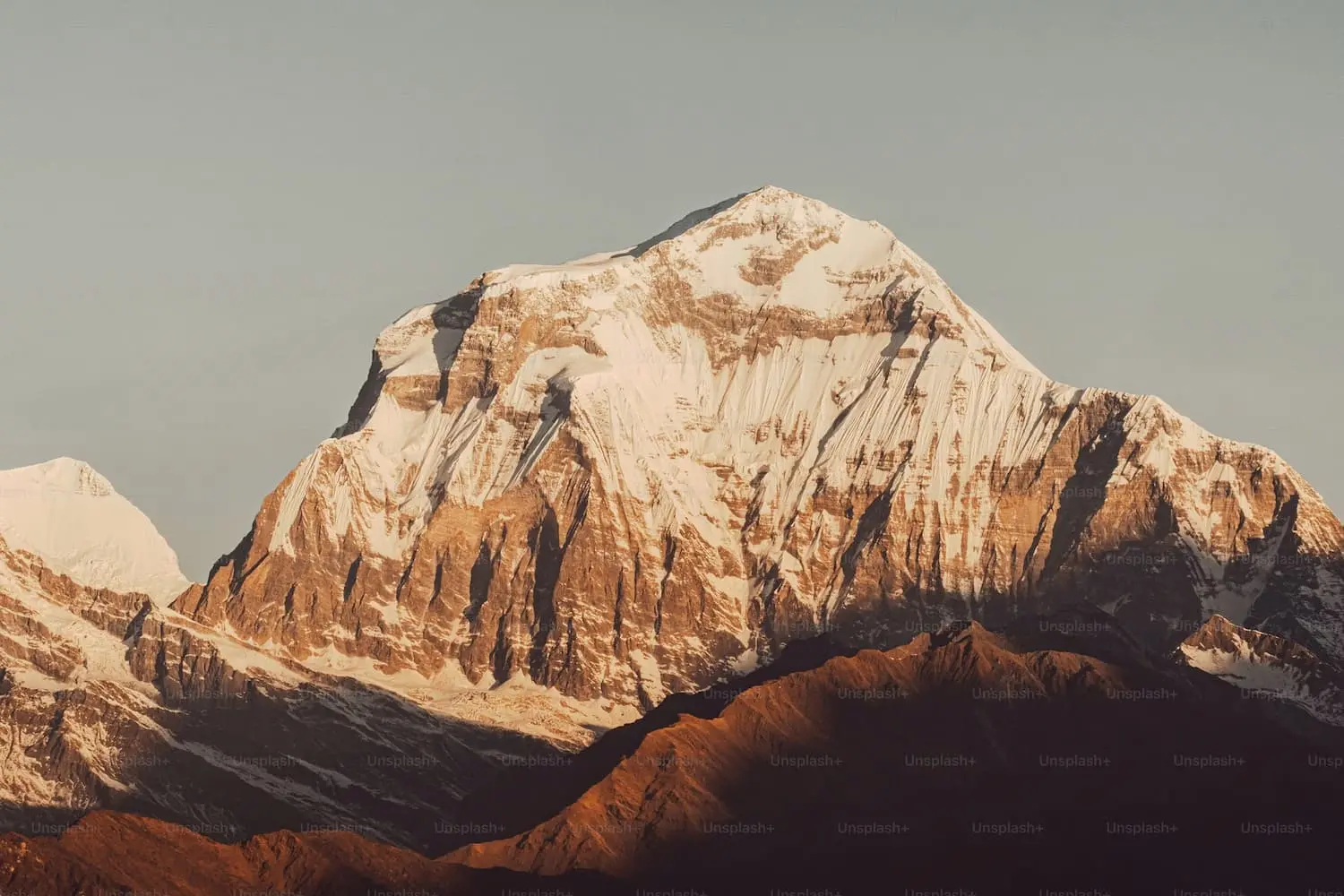
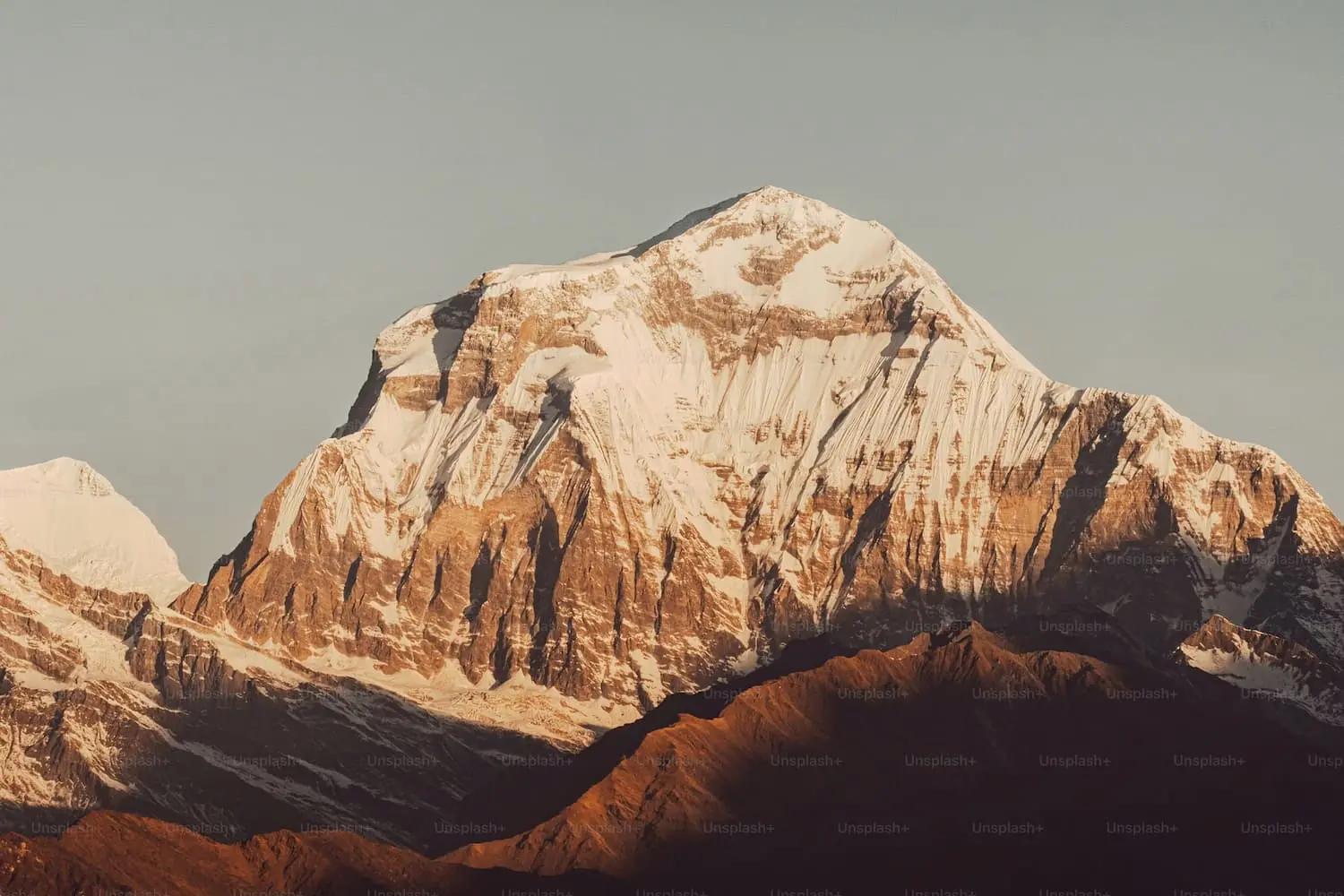
Mount Kailash, at 6,638 metres on the Tibetan Plateau, is the centrepiece of the Panch Kailash system and the peak from which the other four derive their significance by comparison. It is sacred to Hindus, Buddhists, Jains and followers of the Bon faith, making it one of the most universally venerated mountains on earth, and the central act of the pilgrimage is the parikrama — a 52-kilometre circumambulation of the peak over three days at altitudes between 4,600 and 5,630 metres. Completing even one parikrama is believed to erase the sins of a lifetime; completing 108 is believed to guarantee liberation.
Access for Indian pilgrims is through the Ministry of External Affairs, which organises the Kailash Mansarovar Yatra annually between May and September through batches entering Tibet via Lipulekh Pass in Uttarakhand or Nathu La in Sikkim. Applications go through the MEA portal at mea.gov.in/kailash-mansarovar-yatra.htm — seats are limited and allotted by balloting, so applying early in the year matters. The full yatra from Delhi to Delhi takes 22 to 25 days and costs ₹1,60,000 to ₹2,50,000 per person including all logistics, accommodation, meals and permits. For those who cannot manage the ground route — whether due to age, health or time — a helicopter aerial darshan from Pithoragarh or Lucknow gives you a view of Kailash and Mansarovar from the air for ₹80,000 to ₹1,20,000 over five to seven days, and several thousand people do this every year.
2. Adi Kailash, Uttarakhand
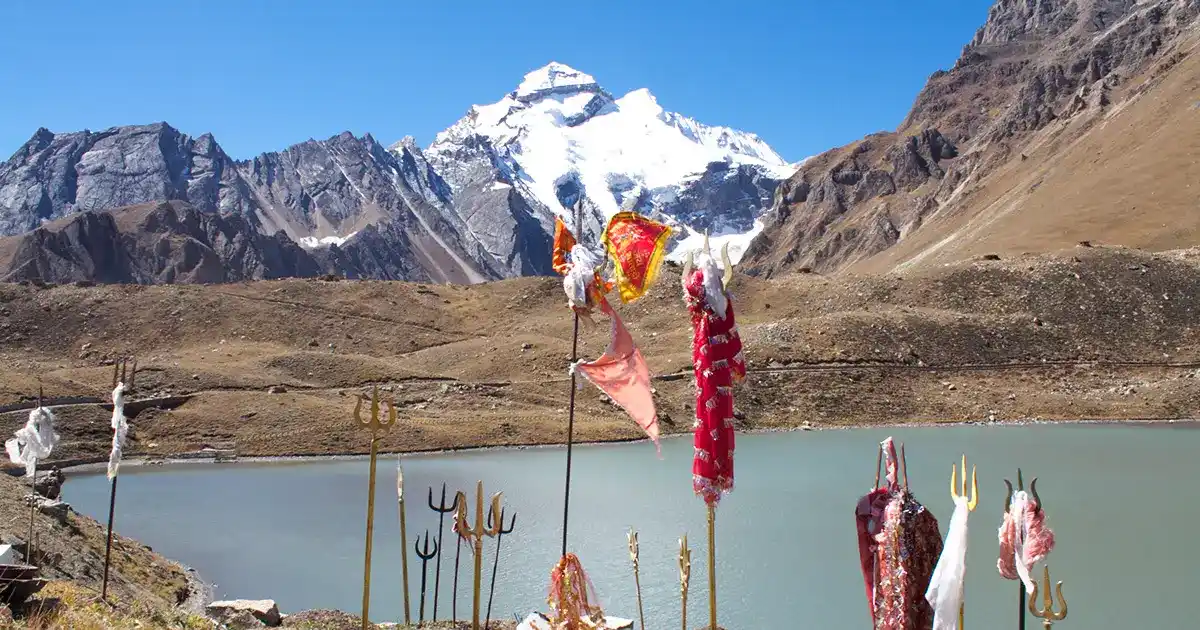
Adi Kailash — also known as Chhota Kailash or Jonglingkong Peak — is in the Pithoragarh district of Uttarakhand at 5,945 metres, close enough to the Indo-Tibetan border that on a clear day the Tibetan plateau is visible from the higher viewpoints. It is the Panch Kailash that most closely mirrors Mount Kailash in shape, which is why most Indian pilgrims who cannot reach Tibet consider it the closest available alternative. At its base is Parvati Sarovar at 4,501 metres, a glacial lake with a Shiv Parvati temple on its shore, and the circuit is typically combined with an Om Parvat darshan at Nabhidhang — the only accessible viewpoint in India for the natural ॐ snow formation on Om Parvat.
What sets Adi Kailash apart from the other four is accessibility. The BRO completed the Dharchula–Lipulekh Pass Highway in 2020, making the circuit largely motorable — only a 2 to 3 kilometre walk remains at Jolingkong, and ponies are available for those who need them. This means the yatra is now genuinely suitable for senior citizens and families, which has made it the most popular of the five among first-time Panch Kailash pilgrims. An Inner Line Permit is mandatory for all Indian nationals and is applied for online at ilp.pithoragarh.online or from the SDM office in Dharchula. Standard packages from Kathgodam run eight days and cost ₹27,000 to ₹34,000; the season opens 8 May 2026. Plus, if you want to skip the two-day road approach entirely, a helicopter from the Pithoragarh helipad to Gunji takes 35 to 40 minutes.
3. Shrikhand Mahadev, Himachal Pradesh
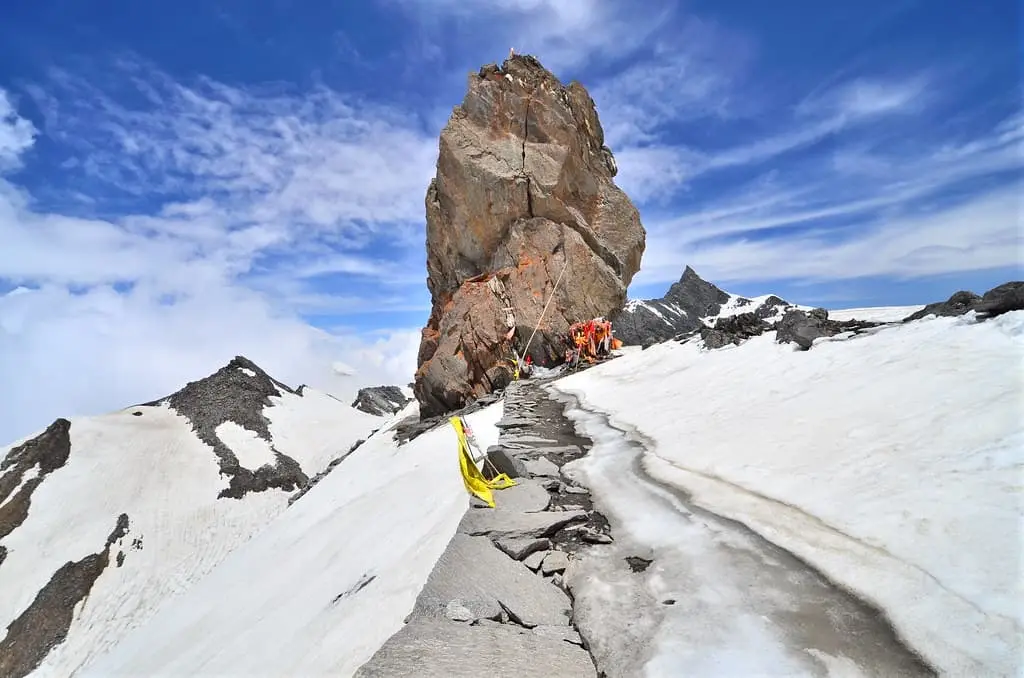
Shrikhand Mahadev is the third most sacred of the Panch Kailash and the toughest pilgrimage in India — that is not marketing copy, it is the consistent assessment of everyone who has done it. The summit at 5,227 metres features a natural Shivalingam approximately 75 feet tall, considered one of the holiest in the Himalayas, and reaching it from Jaon village in the Kullu district requires a 32 to 35 kilometre trek one way with an altitude gain of over 3,000 metres across three days, crossing glaciers, narrow ridges and seven minor peaks before the summit. The Kullu District Administration organises an official yatra for approximately 15 to 20 days in late July and early August each year — exact dates are announced annually — and participation requires mandatory registration, a valid medical certificate and medical screening at Singhaad base camp before you are permitted to continue. The age limit is 18 to 60 years; the registration fee is ₹200 to ₹300. During the official yatra, langars (free food stalls) set up by local and religious groups along the route provide welcome support.
Outside the official yatra window, the route has no support infrastructure and is not recommended for general pilgrims. The full package from Chandigarh railway station runs seven days and ₹12,000 to ₹20,000, and most reputable operators will be very clear about the fitness requirements before you book — because the trek genuinely does require them.
4. Kinnaur Kailash, Himachal Pradesh
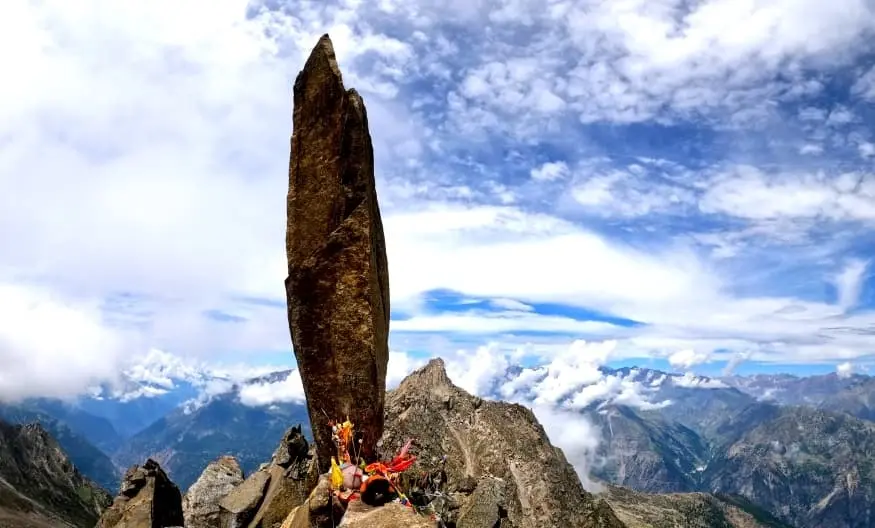
Kinnaur Kailash is at 6,050 metres in the Kinnaur district of Himachal Pradesh, above the Sutlej River valley, and its most distinctive feature is a 79-foot vertical rock pillar — the Kinnaur Kailash Shivling — that stands at approximately 5,880 metres and changes colour through the day: gold at dawn, white at noon, copper at sunset and silver in moonlight. It is one of the most visually extraordinary things in the Himalayas and one of the most underappreciated, because Kinnaur gets significantly less tourist traffic than Manali or Shimla. The base is Kalpa village at 1,960 metres, 244 kilometres from Shimla on NH5, and the trek to the darshan viewpoint is approximately 15 kilometres one way to around 4,800 metres — demanding, but considerably more manageable than Shrikhand Mahadev. A full parikrama of the Kinnaur Kailash range, covering 35 to 40 kilometres, is also undertaken by pilgrims. No Inner Line Permit is required for Indian nationals on the standard pilgrimage route.
Kinnaur Kailash pairs very well with a stay in Sangla and a visit to Chitkul — the last Indian village before Tibet on this route — which together make one of the better itineraries in Himachal Pradesh for anyone interested in both pilgrimage and landscape. The season runs June to September; Shivratri draws the most devotees for the most auspicious darshan.
5. Manimahesh Kailash, Himachal Pradesh
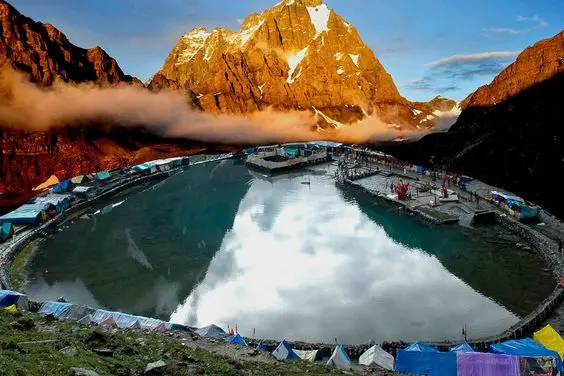
Manimahesh Kailash at 5,574 metres is in the Chamba district, and unlike the other four Kailash where the pilgrimage goes to or around the peak, here the sacred destination is Manimahesh Lake at 4,080 metres at the base — a glacial lake believed to be Lord Shiva's bathing spot, reflecting the peak in its still water. The annual Manimahesh Yatra, held during Janmashtami and Radha Ashtami each August and September, draws between 3 and 4 lakh devotees, making it the largest annual pilgrimage in Himachal Pradesh by attendance. The trek is 13 kilometres one way from Hadsar village, starting at 2,600 metres and ending at the lake — a gain of 1,480 metres over 13 kilometres, which is moderate and manageable for most reasonably fit pilgrims.
The base town is Bharmour in Chamba district, 65 kilometres from Chamba town, accessible from Pathankot or Chandigarh. During the official yatra, a helicopter service runs between Bharmour and a drop point near the lake at ₹3,000 to ₹5,000 one way, which makes the pilgrimage accessible to elderly devotees. Packages from Chandigarh run five to six days at ₹8,000 to ₹18,000. And to add to that — if you want the lake and the mountain in near-silence rather than the full yatra crowd, visiting in June or early July gives you a completely different and equally rewarding experience.
Route Details for Each Kailash
| Kailash | Route, Base, Distance and How to Get There |
|---|---|
|
1. Mount Kailash |
Base: Darchen, Tibet (4,560m). Parikrama: 52 km circumambulation of the peak, 3 days, altitude up to 5,630m. How to reach: Only through MEA-organised tour — apply at mea.gov.in/kailash-mansarovar-yatra.htm (balloting system, limited seats). Entry via Lipulekh Pass (Uttarakhand) or Nathu La (Sikkim). Duration: 22–25 days Delhi to Delhi. Helicopter aerial darshan: Available from Pithoragarh/Lucknow for those who cannot do the ground route (₹80,000–₹1,20,000, 5–7 days). |
|
2. Adi Kailash |
Base: Gunji (3,200m) and Jolingkong (4,378m), Pithoragarh district. Route: Delhi → Kathgodam → Pithoragarh → Dharchula → Gunji → Jolingkong. Trek: 2–3 km walk from Jolingkong to Parvati Sarovar (4,501m) — ponies available. ILP: Mandatory, apply at ilp.pithoragarh.online or SDM Dharchula. Combined with: Om Parvat darshan at Nabhidhang (44 km round trip from Gunji). Season: Opens 8 May 2026. Duration: 8 days from Kathgodam. Helicopter: Pithoragarh helipad → Gunji in 35–40 mins (₹12,000–20,000 one way). |
|
3. Shrikhand Mahadev |
Base: Jaon village, Kullu district (approx 2,200m), 300 km from Chandigarh. Route: Chandigarh → Shimla → Rampur → Jaon → Thachdu → Bheemdwar → Summit. Trek: 32–35 km one way; altitude gain over 3,000m in 3 days. Registration: Mandatory with Kullu District Administration. Age: 18–60. Medical certificate + medical screening at Singhaad base camp. Fee: ₹200–300. Yatra window: ~July 20–August 5 (exact dates announced annually by Kullu administration). Duration: 7 days from Chandigarh. |
|
4. Kinnaur Kailash |
Base: Kalpa village (1,960m), Kinnaur district, 244 km from Shimla on NH5. Route: Shimla → Rampur → Kalpa → Tangling village → darshan point. Trek: ~15 km one way to darshan point (~4,800m). Full parikrama: 35–40 km. ILP: Not required for Indian nationals. Best paired with: Sangla Valley and Chitkul (last Indian village on this route). Season: June–September. Duration: 10–12 days including Shimla approach. |
|
5. Manimahesh Kailash |
Base: Bharmour (2,195m), Chamba district, 65 km from Chamba town. Start: Hadsar village (2,600m). Trek: 13 km one way to Manimahesh Lake (4,080m). Route: Pathankot/Chandigarh → Chamba → Bharmour → Hadsar → Dhancho → Manimahesh Lake. ILP: Not required. Helicopter: Bharmour to lake during yatra (₹3,000–5,000 one way). Duration: 5–6 days from Chandigarh. Yatra: August–September (Janmashtami to Radha Ashtami). Footfall: 3–4 lakh annually. |
Table 2 — Route, Base, Distance and Planning Guide1. Mount Kailash\
How Difficult Is Each One
| Kailash | Max Altitude Reached | Trek Distance | Physical Level | Age Limit | Best For |
|---|---|---|---|---|---|
|
Mount Kailash |
5,630m (parikrama high point) |
52 km circumambulation |
High |
18–70 (MEA) |
Serious pilgrims; those who can manage 22+ day international trip |
|
Adi Kailash |
5,000m (Gauri Kund) |
2–3 km walk only |
Low — suitable for all |
10–70 (UTTB) |
Families, senior citizens, first-time pilgrims — most accessible of all five |
|
Manimahesh |
4,080m (lake level) |
13 km one way |
Moderate |
No official bar; fitness advised |
Pilgrims with some fitness; helicopter option for those who need it |
|
Kinnaur Kailash |
~4,800m (darshan point) |
15 km one way |
Moderate to high |
18–55 recommended |
Experienced pilgrims and trekkers; good pair with Sangla-Chitkul trip |
|
Shrikhand Mahadev |
5,227m (summit) |
32–35 km one way |
Very high — toughest in India |
18–60 (mandatory) |
Experienced trekkers only; medical screening compulsory; not for beginners |
Table 3 — Difficulty Comparison: All Five Kailash
Season and Yatra Calendar
| Kailash | Season | Yatra / Festival Dates | Notes |
|---|---|---|---|
|
Mount Kailash |
May–September |
Guru Purnima most auspicious; MEA batches run May–Sep |
Government-organised only. Apply by January–February for the same year. Balloting system. |
|
Adi Kailash |
May–October |
Season opens 8 May 2026; no single festival date |
ILP mandatory. Register early — popular dates fill up. Om Parvat best viewed May–July. |
|
Shrikhand Mahadev |
July–August only |
~July 20–August 5 (exact dates by Kullu administration yearly) |
Outside official yatra window: no support infrastructure. Registration and medical certificate compulsory. |
|
Kinnaur Kailash |
June–September |
Shivratri most auspicious; no single fixed yatra date |
Independent trekking possible with preparation. Best with a local guide. |
|
Manimahesh Kailash |
Aug–Sep (yatra); Jun–Oct (general trekkers) |
Janmashtami to Radha Ashtami — August/September each year |
Langars set up throughout route during official yatra. Visit a week before yatra for quieter experience. |
Table 4 — When to Go and What Happens During the Yatra
What Does It Cost
| Kailash | Cost Per Person | Duration | What's Included |
|---|---|---|---|
|
Mount Kailash — MEA ground tour |
₹1,60,000–₹2,50,000+ |
22–25 days |
All logistics India to Tibet, accommodation, meals, Chinese permits, medical support. International flight extra. |
|
Mount Kailash — helicopter aerial darshan |
₹80,000–₹1,20,000 |
5–7 days |
Helipad to aerial darshan of Kailash and Mansarovar, accommodation en route. |
|
Adi Kailash — standard package |
₹27,000–₹34,000 |
8 days from Kathgodam |
Private vehicle, twin-sharing, 3 meals/day, ILP, guide. |
|
Adi Kailash — premium package |
₹45,000–₹75,000+ |
8 days |
Best vehicles, dedicated guide, solo rooms, buffer day coverage. |
|
Shrikhand Mahadev |
₹12,000–₹20,000 |
7 days from Chandigarh |
Transport, camping, meals, guide, porter. Registration ₹200–300 extra. |
|
Kinnaur Kailash |
₹18,000–₹30,000 |
10–12 days |
Transport, Kalpa stay, meals, guide, trek support. |
|
Manimahesh — standard trek |
₹8,000–₹18,000 |
5–6 days from Chandigarh |
Transport to Bharmour/Hadsar, accommodation, meals, guide. |
|
Manimahesh — helicopter (one way) |
₹3,000–₹5,000 |
During yatra only |
Bharmour to lake and back. Available only during August–September yatra. |
Table 5 — Package Costs and Duration (2026)
Which Kailash Should You Visit First
Adi Kailash is the right starting point for most people — it is within India, the circuit has been largely motorable since 2020, the ILP process is straightforward, and the 2026 season opens on 8 May. Senior citizens and families who cannot trek can do it comfortably; younger pilgrims get Parvati Sarovar, Gauri Kund and Om Parvat darshan in one eight-day trip. Manimahesh is a natural second — the 13-kilometre trek to the lake is manageable, the yatra atmosphere in August and September is unlike anything else in Himachal, and it pairs well with a Chamba valley and Dalhousie trip. Kinnaur Kailash works best as a third, combined with a Sangla-Chitkul journey that is one of the better Himachal road trips regardless. Shrikhand Mahadev should be last — only after you have proper high-altitude trekking experience and the medical clearance to back it up. And Mount Kailash, for most pilgrims, is the goal that everything else points toward: apply through the MEA well in advance, go when your health and time allow, and do the parikrama.
Completing all five is considered the highest spiritual achievement in this tradition, but most of the pilgrims who have done it took the better part of a decade to get there. The mountain does not impose a deadline — and given how good even one of the five is, there is no reason to rush.
Quick Reference
| What You Need to Know | The Answer |
|---|---|
|
What is Panch Kailash? |
Five peaks considered the earthly abodes of Lord Shiva — Mount Kailash (Tibet), Adi Kailash (Uttarakhand), Shrikhand Mahadev, Kinnaur Kailash and Manimahesh Kailash (all Himachal Pradesh). |
|
Which is holiest? |
Mount Kailash, Tibet — at 6,638m, Lord Shiva's primary abode across Hindu, Buddhist, Jain and Bon traditions. |
|
Which is easiest? |
Adi Kailash — motorable since 2020, suitable for senior citizens and families. Season opens 8 May 2026. |
|
Which is hardest? |
Shrikhand Mahadev — India's toughest pilgrimage. 32–35 km trek, mandatory registration, age limit 18–60, medical screening at base camp. |
|
Can all five be done in one trip? |
Not practically — they span Tibet, Uttarakhand and three parts of Himachal. Most pilgrims complete them over 2–4 trips across several years. |
|
Does completing all five bring moksha? |
According to Hindu scripture, yes — completing all five is considered spiritually equivalent to achieving liberation. Visiting even one brings significant blessings. |
|
ILP required for which? |
Adi Kailash: yes — apply at ilp.pithoragarh.online. Mount Kailash: MEA permit (international). Shrikhand, Kinnaur, Manimahesh: no ILP for Indians. |
|
Mount Kailash — how to apply 2026 |
MEA portal: mea.gov.in/kailash-mansarovar-yatra. Balloting system. Also via Uttarakhand and Sikkim state government batches (Lipulekh and Nathu La routes respectively). |
|
Shrikhand Mahadev registration |
Kullu District Administration. Mandatory. Age 18–60. Medical certificate. Screening at Singhaad base camp. Fee ₹200–300. |
|
Manimahesh annual footfall |
3–4 lakh devotees during Janmashtami–Radha Ashtami (Aug–Sep). Largest annual pilgrimage in Himachal Pradesh. |
|
Kinnaur Shivling colour change |
79-foot vertical rock pillar that changes — gold at dawn, white at noon, copper at sunset, silver in moonlight. At ~5,880m. |
|
Adi Kailash 2026 season |
Opens 8 May 2026. Closes October/early November. ILP mandatory. Book early for May–June dates. |
|
Best month for Manimahesh |
August–September for yatra atmosphere and langars; June–July for quieter trekking experience. |
|
Helicopter options across Panch Kailash |
Adi Kailash: Pithoragarh → Gunji (₹12,000–20,000). Mount Kailash aerial darshan (₹80,000–1,20,000). Manimahesh: Bharmour → lake during yatra (₹3,000–5,000). |
|
Which to visit first? |
Adi Kailash for most people — accessible, within India, no trekking required, opens May 2026. Manimahesh is a good second. Shrikhand last — only after serious trekking experience. |
Table 6 — Panch Kailash Master Reference 2026
Each of the five Kailash is sacred in its own right and rewards the pilgrim who arrives prepared. Start with the one that fits your 2026 calendar, your fitness level and your budget — the other four will follow.