

Kritika
Writer
Updated On - Nov 18, 2026
20 min
Published On - Sep 30, 2025
Rimkhim & Lapthal – The Grand Canyon of Uttarakhand
Discover Rimkhim Bugyal & Lapthal, the hidden Grand Canyon of Uttarakhand. Trek routes, permits, best season, stay tips & safety guidelines.
Discover Rimkhim Bugyal & Lapthal, the hidden Grand Canyon of Uttarakhand. Trek routes, permits, best season, stay tips & safety guidelines.
Plan your Rimkhim & Lapthal trek – offbeat Uttarakhand’s hidden valleys. The guide includes permits, routes, best time, photography, and safety tips.
Explore Uttarakhand’s unseen frontier: Rimkhim Bugyal & Lapthal plateau. Trek maps, permits, birding, stay options & Grand Canyon gorge views.
Explore the Niti Valley Frontier with BizareXpedition
Interested in the remote landscapes and borderland culture of Uttarakhand? Explore BizareXpedition Badrinath, Mana and Niti Valley tour, featuring a guided journey to Niti village, subject to the required permissions.
Introduction: Into the Unseen Valleys of Uttarakhand
When most travelers think of Uttarakhand, the names that echo are Auli’s ski slopes, the Valley of Flowers, or the spiritual pull of Badrinath. The remote frontier regions of Uttarakhand hold some of the Himalayas' most intriguing landscapes and stories. Rimkhim and Lapthal are two such locations, known for their high-altitude terrain, strategic significance and proximity to the India–China border. However, these areas remain restricted and are not open to tourist groups.
For travellers interested in experiencing the region, accessible destinations such as Malari and Niti village offer an opportunity to explore the landscapes, local culture and history of the Niti Valley, subject to the applicable government permissions.
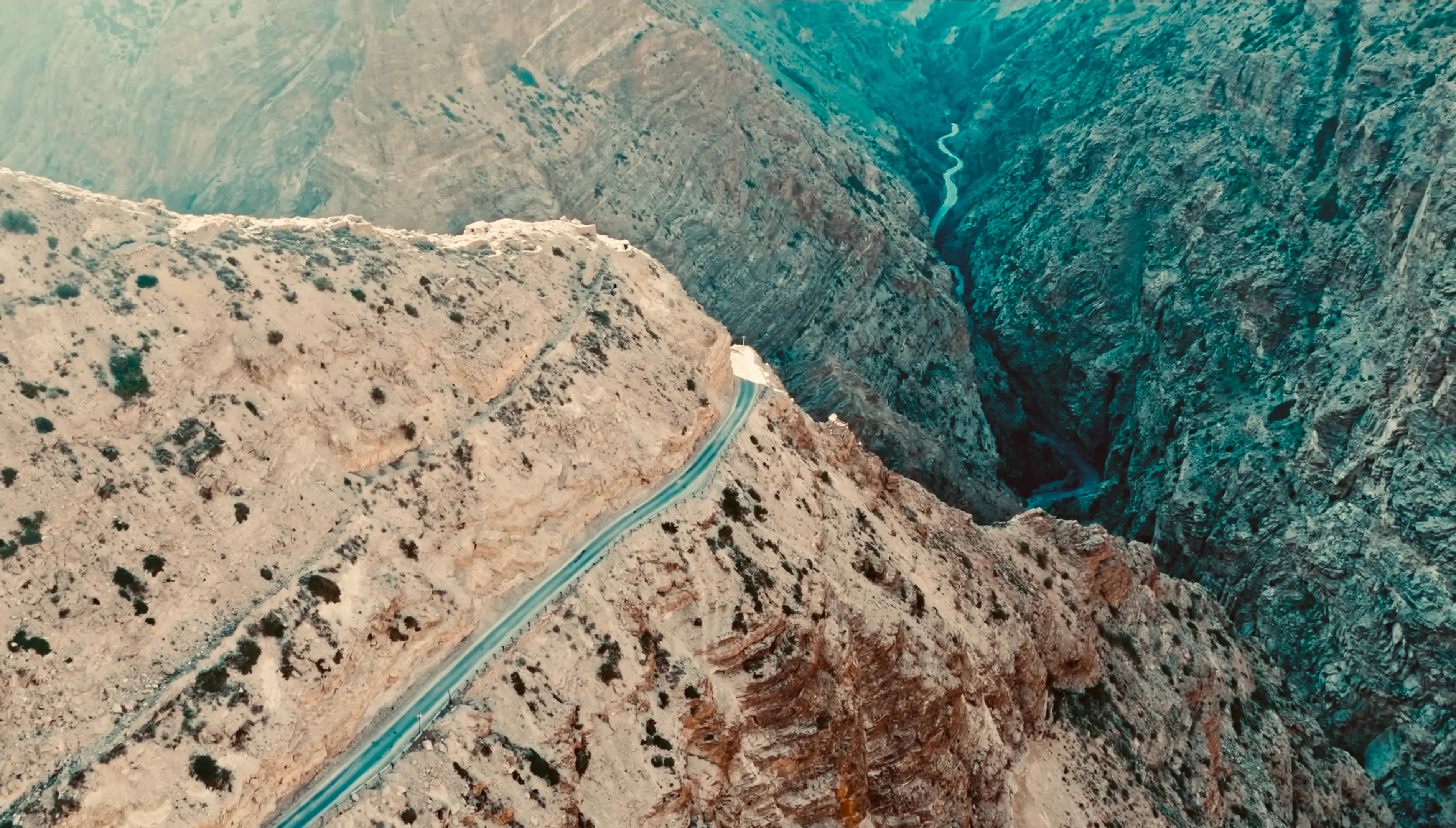
Out here, the Himalayas wear a different face: raw, dramatic, and untouched. The cliffs of Dhauli Ganga carve out gorges so steep and barren that seasoned mountaineers often whisper of them as the “Grand Canyon of India.”
Reflection: Driving into this valley is less a journey and more of a passage in time, slipping from the bustle of Joshimath into a silence where only the wind, rivers, and distant prayer flags move.
The Road to the Frontiers – Joshimath to Malari & Niti
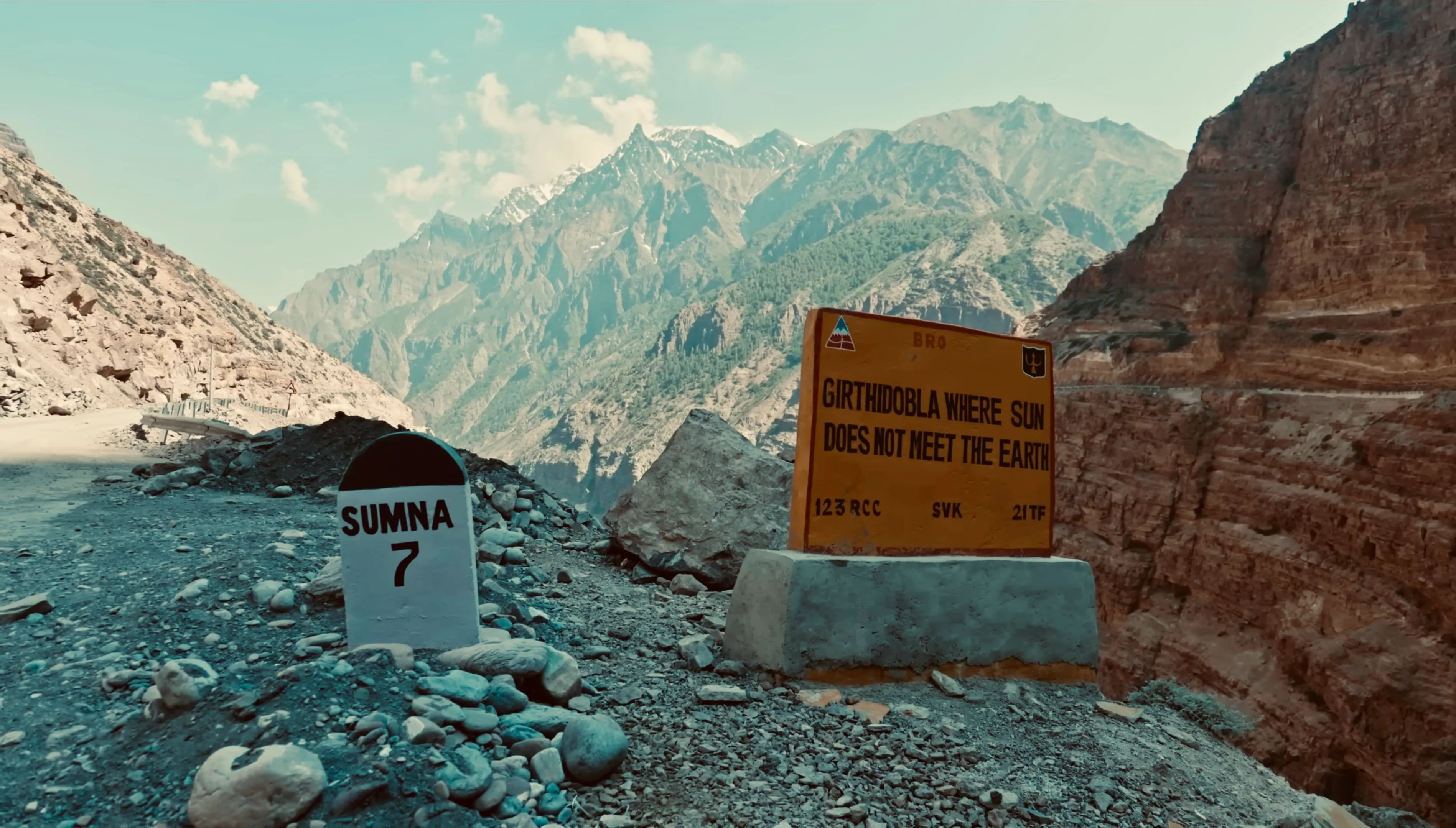
The journey from Joshimath towards Malari and Niti follows the Dhauli Ganga valley through a remote Himalayan landscape. Along the way, travellers encounter traditional mountain settlements, dramatic river valleys and views of the surrounding frontier region.
Malari and Niti village are important stops for understanding the geography and cultural history of the Niti Valley. However, travel beyond the permitted areas is restricted. Rimkhim and Lapthal are not included in regular tourist itineraries.
Road and Safety Note: The Joshimath–Malari–Niti road is a challenging mountain route that can be affected by landslides, snowfall and seasonal closures. Travellers should confirm road conditions and journey permissions with the local administration and tour operator before departure.
Rimkhim Bugyal – The Hidden Meadows of Niti Valley
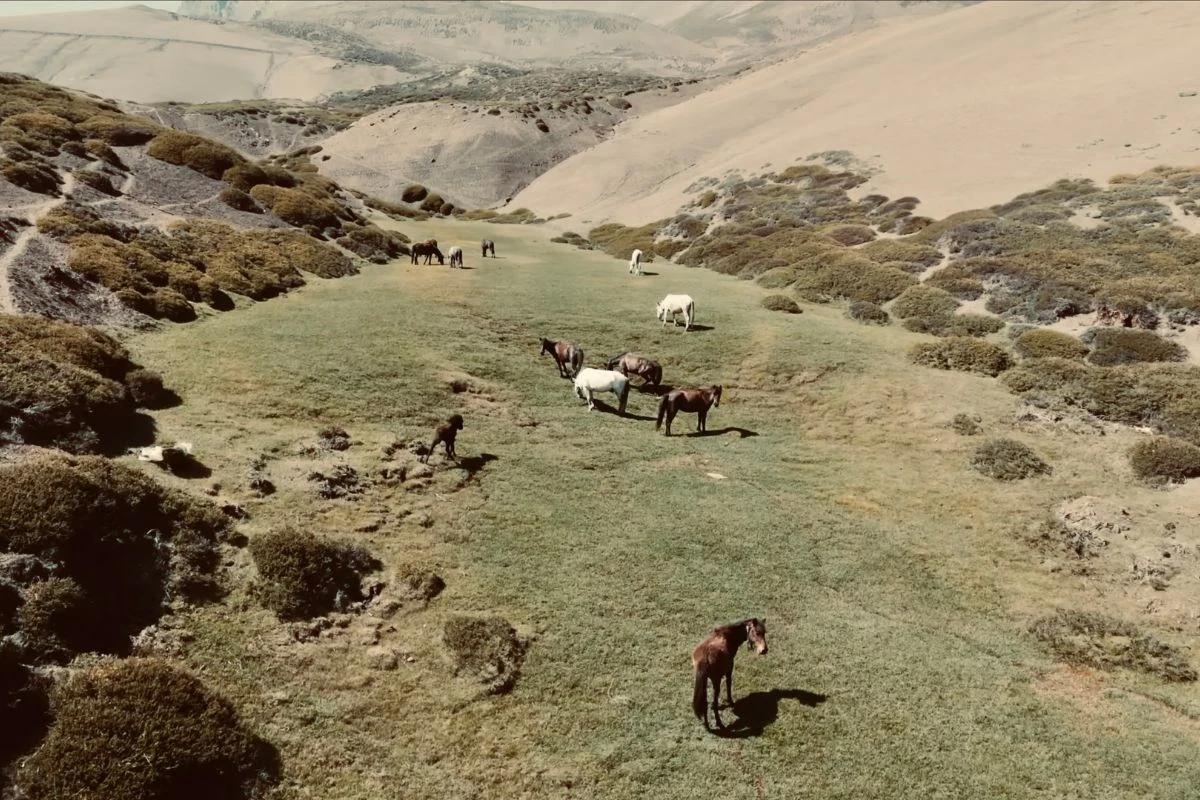
The climb starts gently from the roadhead, weaving past patches of juniper shrubs and prayer‑flag‑fluttering rocks. At around 3,700 m, suddenly, the valley opens into an alpine amphitheatre: this is Rimkhim Bugyal.
In spring (May–June), wildflowers explode — blue poppies, primulas, and carpets of yellow daisies. The meadow looks stitched together by nature’s own hand.
In autumn (September–October), the grass turns golden, the skies crystallise, and the Dhauli Ganga’s gorge glints far below.
Winter, of course, buries everything in silence and snow.
You’ll likely spot shepherds with their herds, draped in woollen shawls, camped briefly before heading higher. Amidst the stillness, the valley hums with bird calls — Himalayan Monal, Snow Partridge, and the elusive finch.
Reflection: At Rimkhim, you realize the Himalayas aren’t just about peaks and passes. They are about silences stitched with bird‑songs, winds carrying ancient stories, and meadows that seem to breathe with the weight of centuries.
Trek Route, Distance & Difficulty
Start Point: Malari (3,050 m)
Trek Distance: ~9–10 km (one way)
Trail Condition: Easy–moderate; gradual climb, narrow shepherd trails, some loose scree sections.
Difficulty: Suitable for trekkers with basic fitness, but altitude may cause breathlessness.
How Rimkhim Feels Different from Auli/Gorson
Auli/Gorson Bugyal: Touristic, chair‑lifts, skiing vibes.
Rimkhim Bugyal: Raw, isolated, only ITBP and shepherds as your company.
If you long for a selfie spot with crowds → Auli wins.
If you long for solitude and wilderness → Rimkhim is the bugyal of your dreams.
BizareXpedition™ Tip :
Carry a light tent or tarp if permissions allow you to camp. A night under Rimkhim’s star‑strewn skies is unforgettable — but you must manage permissions strictly through ITBP.
Safety Note:
This is an Inner Line Permit zone. Even seasoned trekkers cannot just show up. Always have your documents, permits, and take a local villager guide, as ITBP trails aren’t always marked
The Permit Story
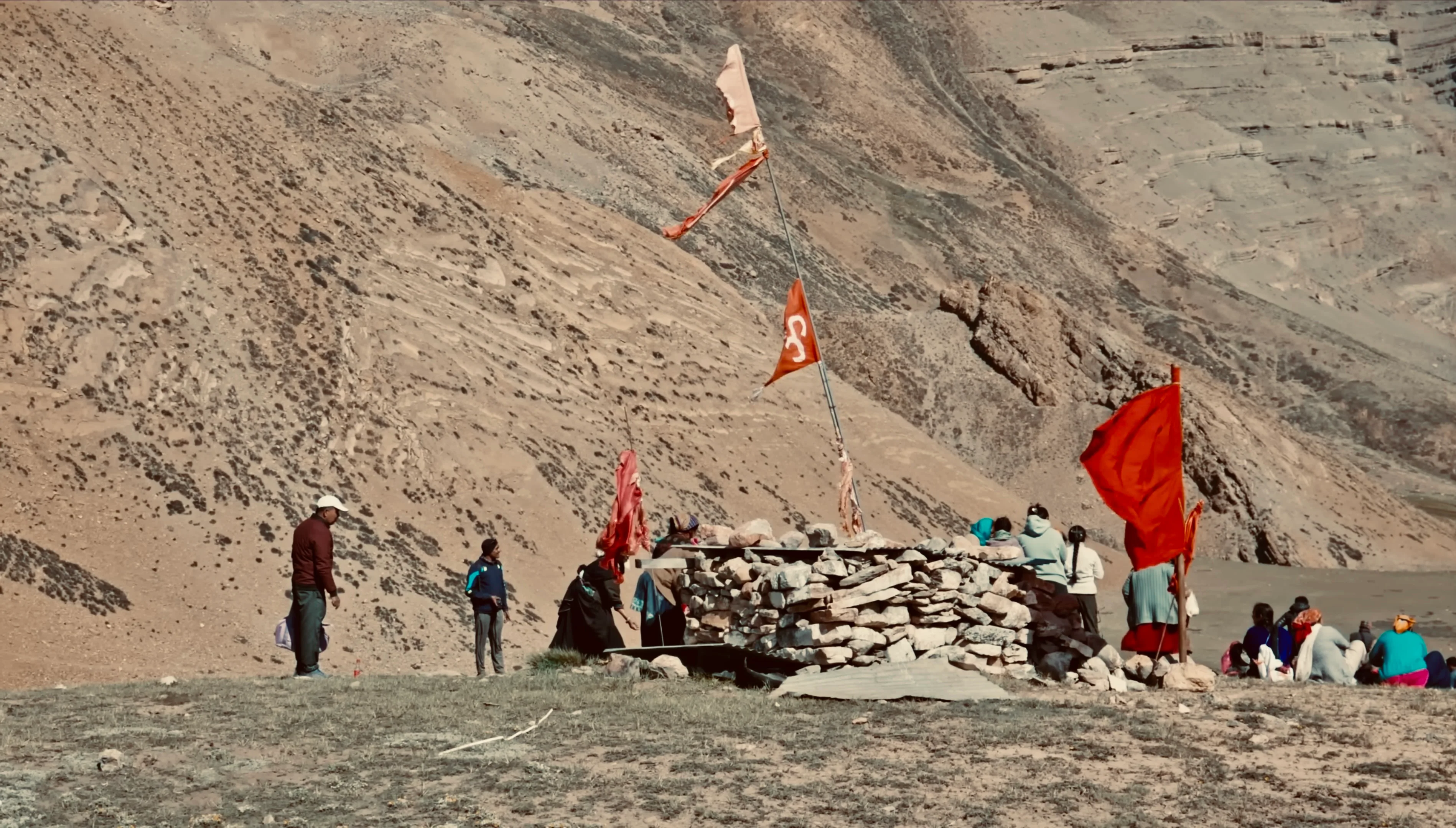
Understanding Travel Permissions in the Niti Valley
The Niti Valley lies close to the India–China border and includes areas with specific access restrictions. Travellers should understand the difference between visiting permitted settlements such as Niti village and attempting to enter restricted frontier locations.
ITBP approval: At the check‑post, uniformed jawans glance at papers with the seriousness of men who stand guard a few kilometres from Tibet.
Sometimes, they share a cup of tea with you, curious: “Why do you want to go Rimkhim?”
Other times, the rule book is strict: ‘Same‑day return only’.
But in every interaction, you sense it, this isn’t just a trek. It’s a walk into India’s geopolitical edge zones, where mountains aren’t just wilderness but walls of history and sovereignty.
BizareXpedition™ Tip :
Apply for your permit in Joshimath at least 1 day in advance. Carry 4–5 passport photos, ID copies, and extra photocopies. Sometimes, ITBP check‑posts along the route ask again.
Safety Note:
Never argue with officials. If the weather looks bad or the jawans advise against trekking further, listen to them. These mountains can turn within hours, and they know them intimately.
The Grand Canyon of Uttarakhand
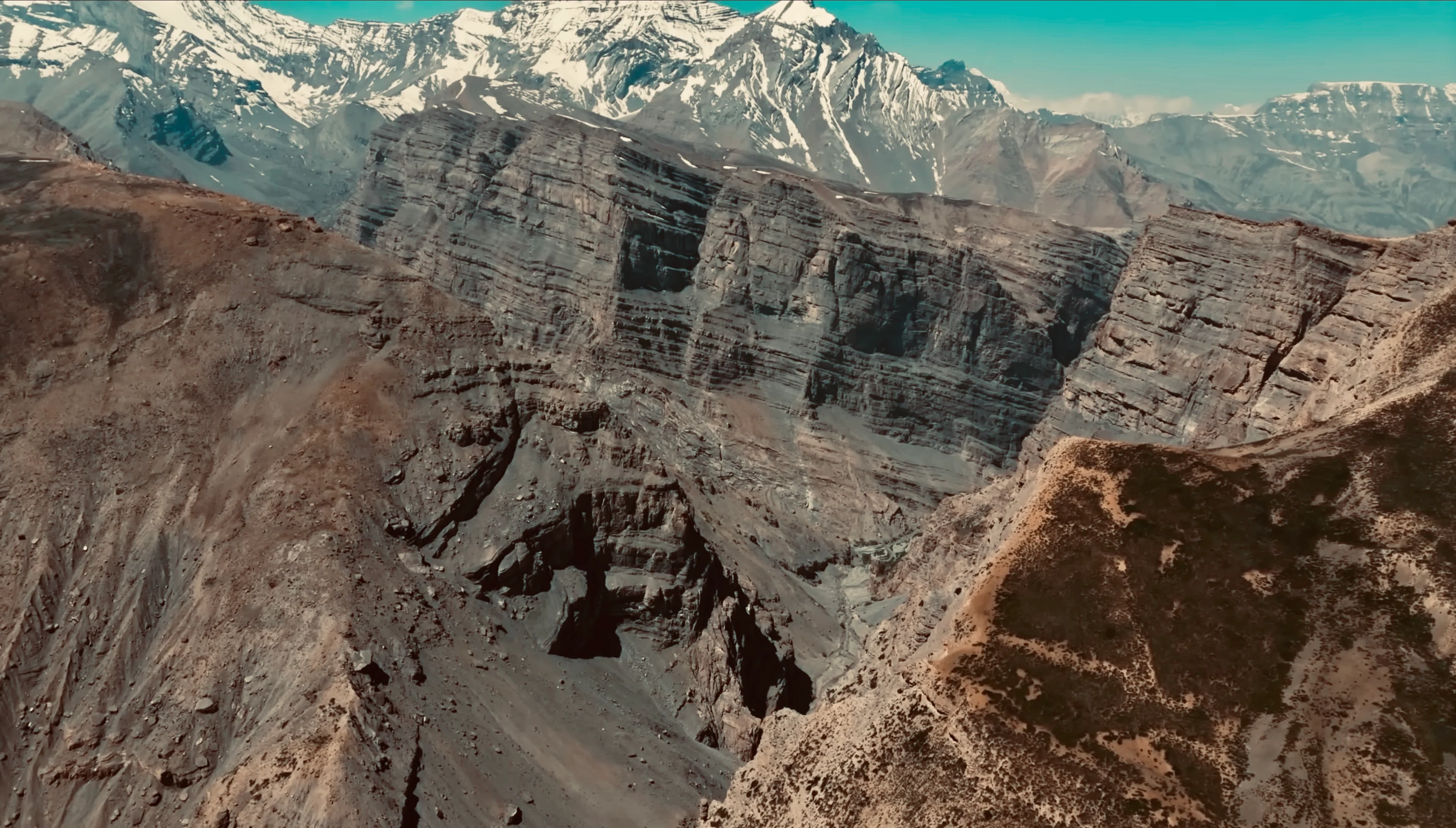
The cliffs are painted in shades of rust, ochre, and slate grey. Layer upon layer of geological history stands naked before you. Deep below, the river foams and roars — a constant reminder of how water shapes even the fiercest mountains.
Hikers often find themselves sitting in stunned silence. Here, the Himalayas are not the gentle slopes of Auli; they are raw scars, gorges plunging a thousand meters, a place where you feel both minute and blessed.
Photography Hotspots: The ridge just before Rimkhim, overlooking the gorge.
Best Season: Autumn (Sep–Oct) for crystal clear skies, golden light.
Experience: Almost no tourist chatter, only the rush of wind filling the canyon.
Reflection : Standing at the edge of this Himalayan Grand Canyon, I felt a strange paradox. The silence was so complete, yet the gorge was roaring with the story of thousands of years. Out here, one learns humility — we are not explorers of these lands, we are merely visitors.
Safety Note:
Do not attempt to scramble down the canyon cliffs; the slopes are unstable scree. Stay on established shepherd trails. Always respect ITBP boundaries.
BizareXpedition™ Tip :
Visit the canyon in late afternoon light. The cliffs turn fiery orange and create surreal contrasts with the sky. Morning treks here can be shaded, while sunset turns the valley almost mystical.
Lapthal: The Last Frontier
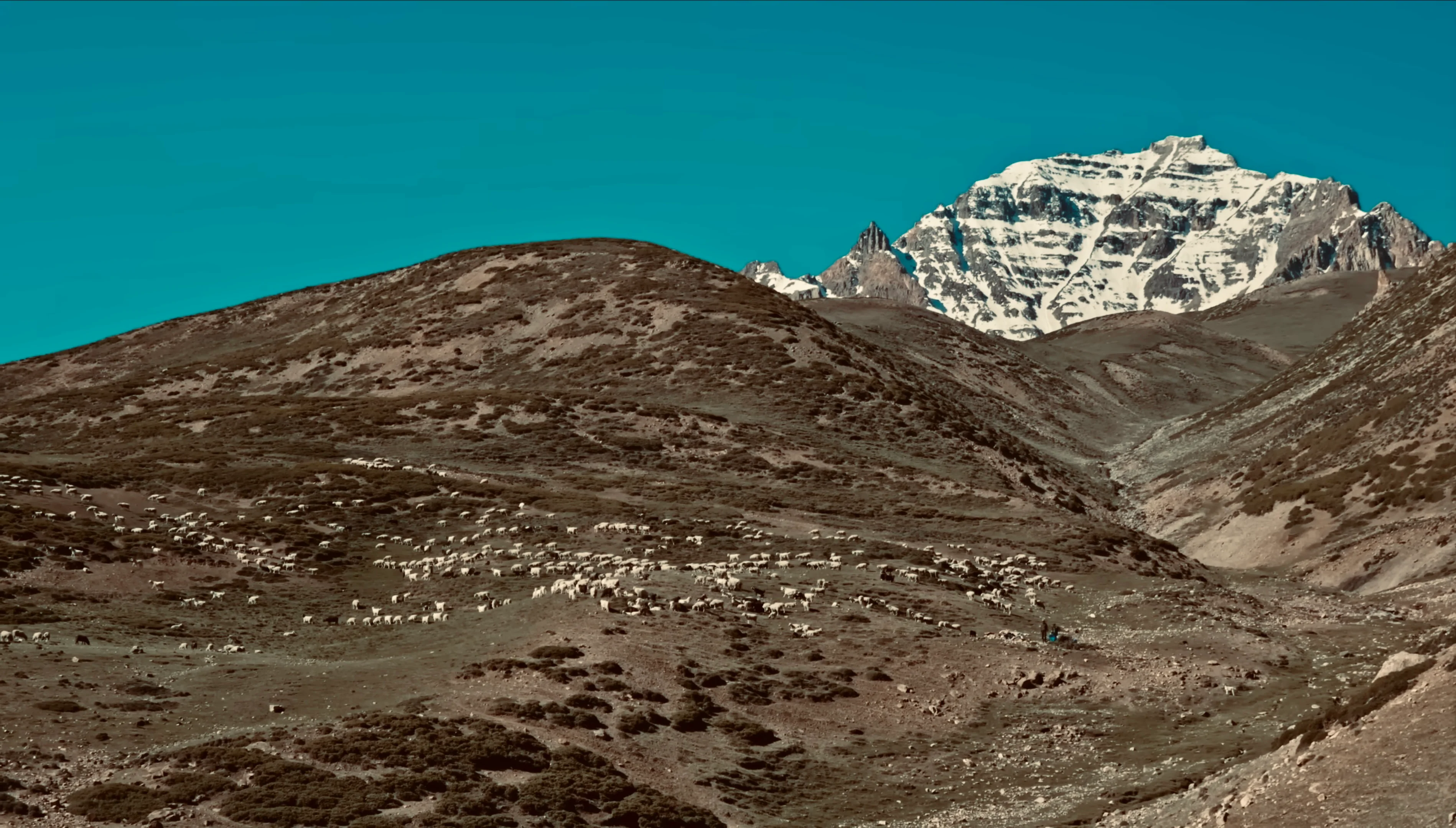
You start the Lapthal story not from Joshimath, but from Munsiyari — that quaint town tucked under Panchachuli peaks. The route winds through Milam Glacier, across bugyals, and into valleys where even BRO roads vanish, and only yak trails remain.
Altitude: 4,600-4,700 m
Trail: Long, exposed, littered with boulder fields and broken bridges.
Trek Duration: 7–9 days return from Milam.
Difficulty: Moderate to tough — acclimatization mandatory, as AMS (altitude sickness) is common here.
Unlike Rimkhim’s accessible bugyals, Lapthal is pure wilderness. The plateau stretches barren and vast, ringed by ridges brushed with snow. ITBP huts stand lonely, almost ghostly in this landscape.
The silence here is starker than even Rimkhim’s. Shepherds rarely venture to Lapthal; only jawans, scientists, and occasional trekking groups dare the remoteness.
Season: May–June (snow melting) & Sep–Oct (stable weather, best skies).
Summer sights: Carpets of wild alpine herbs, gurgling streams.
Autumn sights: Golden light spilling across endless grasslands.
Winter: A no‑go zone — deep snow, bone‑freezing winds.
Permits & Rules for Lapthal
Issued by Munsiyari SDM office & cleared by ITBP.
Inner Line Permit mandatory.
Documents required: Photocopies of ID (Passport/Aadhaar), photos, and group details.
Often, photography restrictions apply due to sensitive location.
Lapthal vs Nanda Devi East Base Camp
Trekkers often debate — should one choose Lapthal or Nandadevi East?
Nanda Devi East Base Camp: More popular, established trail, bustling with trekking groups.
Lapthal: Wilder, lonelier, for those who want raw frontiers and not just a trek.
In truth, they cannot be compared. Nanda Devi is about the majesty of peaks. Lapthal is about the remoteness of silence.
Reflection : At Lapthal, I was struck not by mountains, but by the emptiness between them. The vastness teaches you that adventure isn’t always a summit — sometimes it’s about standing in the middle of nowhere, surrounded by silence.
BizareXpedition™ Tip :
Carry a satellite phone or GPS communicator. Regular mobile networks fail entirely after Milam. Inform family or base team before disconnecting.
Safety Note:
Lapthal is notorious for sudden snow squalls, rockslides, and icy stream crossings. Never trek solo. Always go with local guides who know the landscape — and plan buffer days as weather delays are common.
Encounters with Nature: Birds, Wildlife & Shepherd Stories
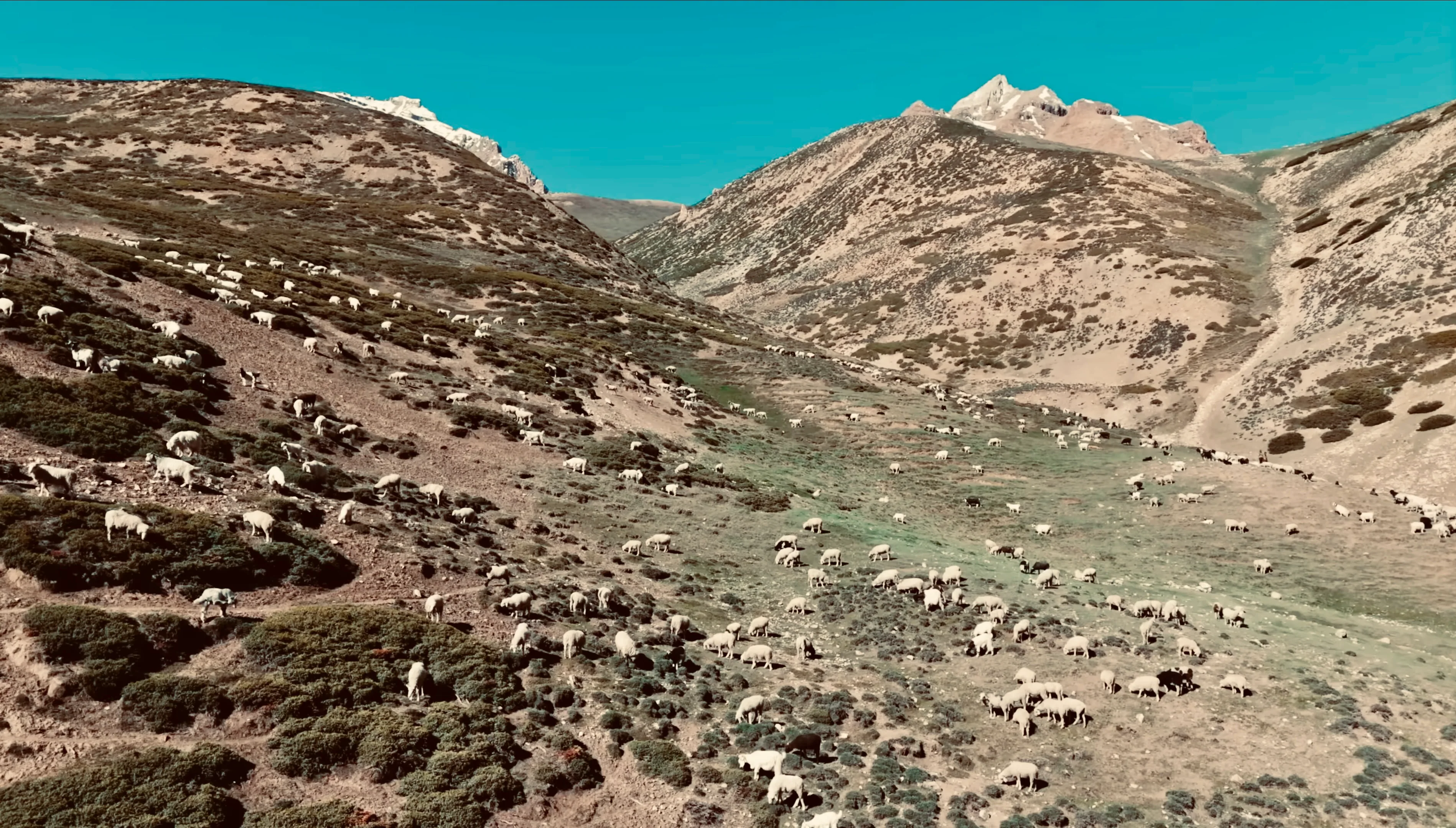
The true charm of Rimkhim and Lapthal doesn’t only lie in the breathtaking landscapes, but in the quiet encounters along the trail. You don’t just walk here, you listen, you notice, you become part of a living, breathing alpine world.
Alpine Flora – Wildflowers of the Bugyals
Come spring, the bugyals transform. Rimkhim turns into a colour‑splashed canvas spread under Himalayan skies. Clusters of:
Himalayan blue poppy (rare, delicate, iconic)
Primulas in hues of pinks and purples
Anemones & buttercups painting the meadows
Wild sainfoin & orchids tucked between rocks
At Lapthal, the scene changes — it’s rougher, drier, with hardy alpine herbs: edelweiss‑like blooms, high‑altitude sedges, and medicinal roots used by locals. These aren’t ornamental; they’re survivors of thin air and snow-blasted winds.
Birds of the High Himalayas
Bring binoculars, for Rimkhim is a known birding paradise. Even a beginner can spot:
Himalayan Monal (the rainbow‑plumage state bird of Uttarakhand)
Snow partridge in pairs camouflaged against scree
Singing finches, rosefinches & accentors
Griffon vultures circling lazily in thermal streams
Lapthal’s solitude means rarer sightings — perhaps an altai accentor, or a sudden rush of bearded vultures (lammergeier) gliding silently over the cliffs.
Wildlife – A Realm of the Untamed
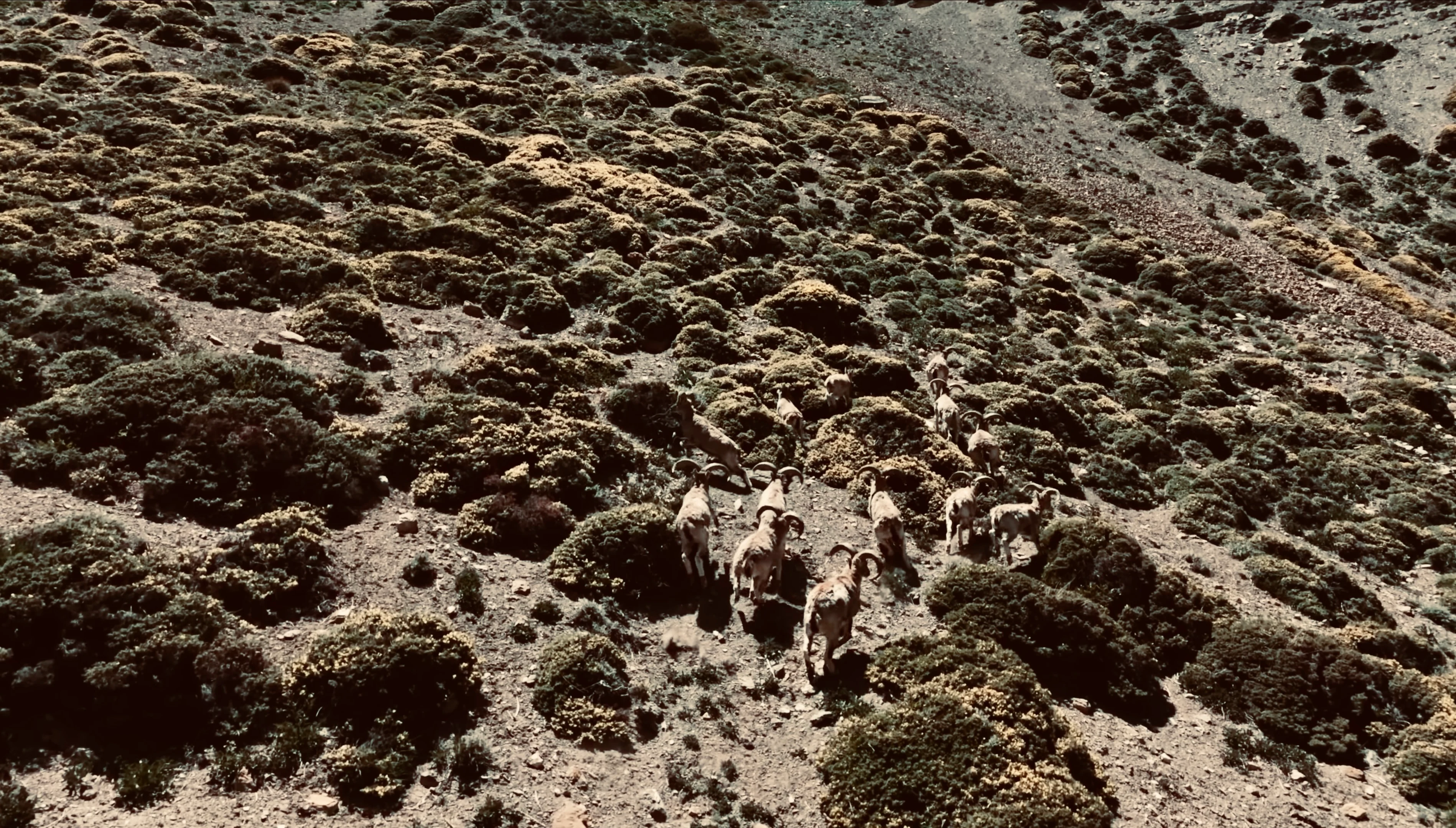
Ask any shepherd in Gamshali or Malari, and they’ll tell you: the high pastures are not empty. They belong to bharal (blue sheep), the favorite prey of the mythical snow leopard.
While spotting the snow leopard itself is akin to chasing shadows, trekkers have reported:
Fresh pugmarks near high ridges
Bones of prey around rocky outcrops
Mysterious movement in twilight
Besides, marmots whistle warnings as you walk past their burrows, while pikas scurry with tufts of grass in their mouths, busily preparing for long winters.
Shepherd Stories & Borderland Culture
Perhaps the most heartwarming encounters aren’t with wildlife, but with people guarding timeless traditions. Rimkhim is still traversed by Bhotia shepherds, descendants of Indo‑Tibet traders.
Picture this:
An old shepherd sitting against his staff, yaks grazing behind him
A pot of salty butter tea simmering over stones
Tales of older trade days when caravans carried wool and salt across passes into Tibet
These stories breathe life into the otherwise silent valleys.
Reflection : Sharing a meal of roasted barley with a shepherd at Rimkhim, I realized how humans here are just another species adapting to the mountains — closer to nature than we city‑dwellers can ever dream of being.
Safety Note:
Avoid plucking wildflowers or disturbing marmot burrows. These ecosystems are delicate — leave no trace.
BizareXpedition™ Tip :
Carry a bird‑field guide or plant book (like Oleg Polunin’s Flowers of the Himalaya). Identifying a primula at 3,600 m or spotting a monal iridescent in sunrise light will enrich your journey beyond photographs.
Practical Travel: How, When & Where to Go
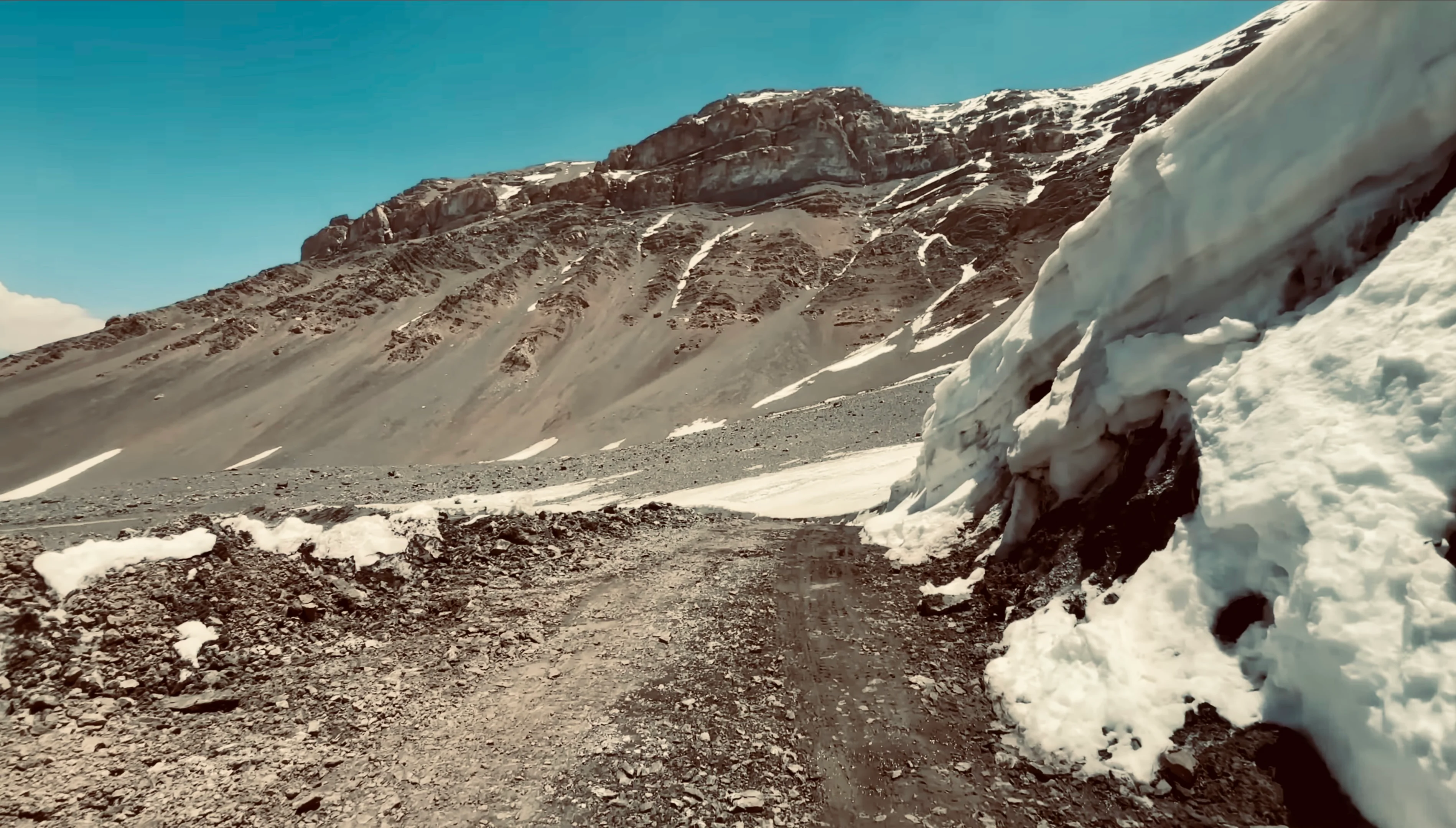
Now that the beauty and wilderness have lured you in, let’s bring in the practical mapwork every trekker needs. Rimkhim and Lapthal aren’t places you stumble into — they require planning, preparation, and respect.
Best Seasons to Visit
Rimkhim Bugyal:
o Spring (May–June): Wildflowers in bloom, bird activity high.
o Autumn (Sep–Oct): Best skies, golden bugyals, perfect photography.
o Winter (Nov–Apr): Inaccessible due to snow closure.
Lapthal Plateau:
o Early summer (May–June): Meadows open, snow patches linger.
o Monsoon (July–Aug): Avoid — landslides & swollen creeks.
o Autumn (Sep–Oct): Clear, crisp, best chance of safe trekking.
o Winter (Nov–Apr): Completely closed.
Stay Options
Joshimath: Hotels, homely guesthouses (base prepare).
Malari / Gamshali / Niti villages: Basic homestays; stone huts, minimal facilities, authentic Bhotia culture.
En‑route camping: Allowed only with permits. Carry your own tent, stove, sleeping system.
For Lapthal: Munsiyari guesthouses, trekking camps at Rilkot & Milam (basic tents/trekker huts).
Packing Checklist (High‑Altitude Treks)
Clothing: Layered system (base + fleece + down + shell)
Shoes: Trekking boots with ankle support
Weather gear: Raincoat/poncho (Jun–Sep), windproof jackets
Accessories: Woollen cap, gloves, sunglasses (UV essential)
Health: First‑aid kit, altitude meds (Diamox if advised), hydration system
Trek gear: Trekking pole, sturdy backpack, sleeping bag (–5°C comfort min)
Misc: Powerbank, torch, ID copies (multiple), dry fruit snacks
BizareXpedition™ Tip : Always keep extra photocopies of permits. You may need to show papers again at unexpected ITBP check‑posts.
Access & Road Status
Rimkhim: Joshimath → Tapovan → Lata → Gamshali → Malari (~65 km). From Malari, trek ~9 km to Rimkhim.
Lapthal: Munsiyari → Bogudiyar → Rilkot → Milam → Lapthal (multi‑day trek).
Road conditions: BRO‑maintained but fragile. Expect:
o Broken patches near waterfalls
o Landslides in monsoon
o Seasonal roadblocks (call BRO control room/Joshimath SDM for live updates).
Safety Guidelines
Trek in groups with local guides.
Acclimatize — especially for Lapthal (stay at Milam before ascending).
Always carry buffer food and one spare day in your itinerary.
Respect restricted photography zones near ITBP posts.
Rimkhim vs Auli & Valley of Flowers – Which to Choose?
Auli/Gorson: Easy access, tourist‑friendly, ideal for families.
Valley of Flowers: UNESCO heritage, flower paradise but crowded in season.
Rimkhim: Wild, less known, requires permits, perfect for solitude seekers.
Lapthal: For seasoned trekkers craving absolute wilderness.
Reflection : Standing in Rimkhim, with no tourists, no chatter, just endless ridges and the roar of Dhauli Ganga — you realize some journeys are not about seeing more, but about seeing less of the world, and more of yourself.
Quick Practical Summary
Rimkhim Altitude: 3,700 m | Easy–Moderate trek
Lapthal Altitude: 4,000 m | Moderate–Tough trek
Permits: Mandatory (Joshimath SDM/ITBP for Rimkhim; Munsiyari SDM/ITBP for Lapthal)
Stay: Homestays in Malari–Niti, camping with permission, guesthouses in Joshimath/Munsiyari
Best time: Spring & Autumn windows
Main Risks: Roadblocks, altitude sickness, sudden snow, restricted zones
Comparisons: Rimkhim vs Auli vs Valley of Flowers vs Lapthal
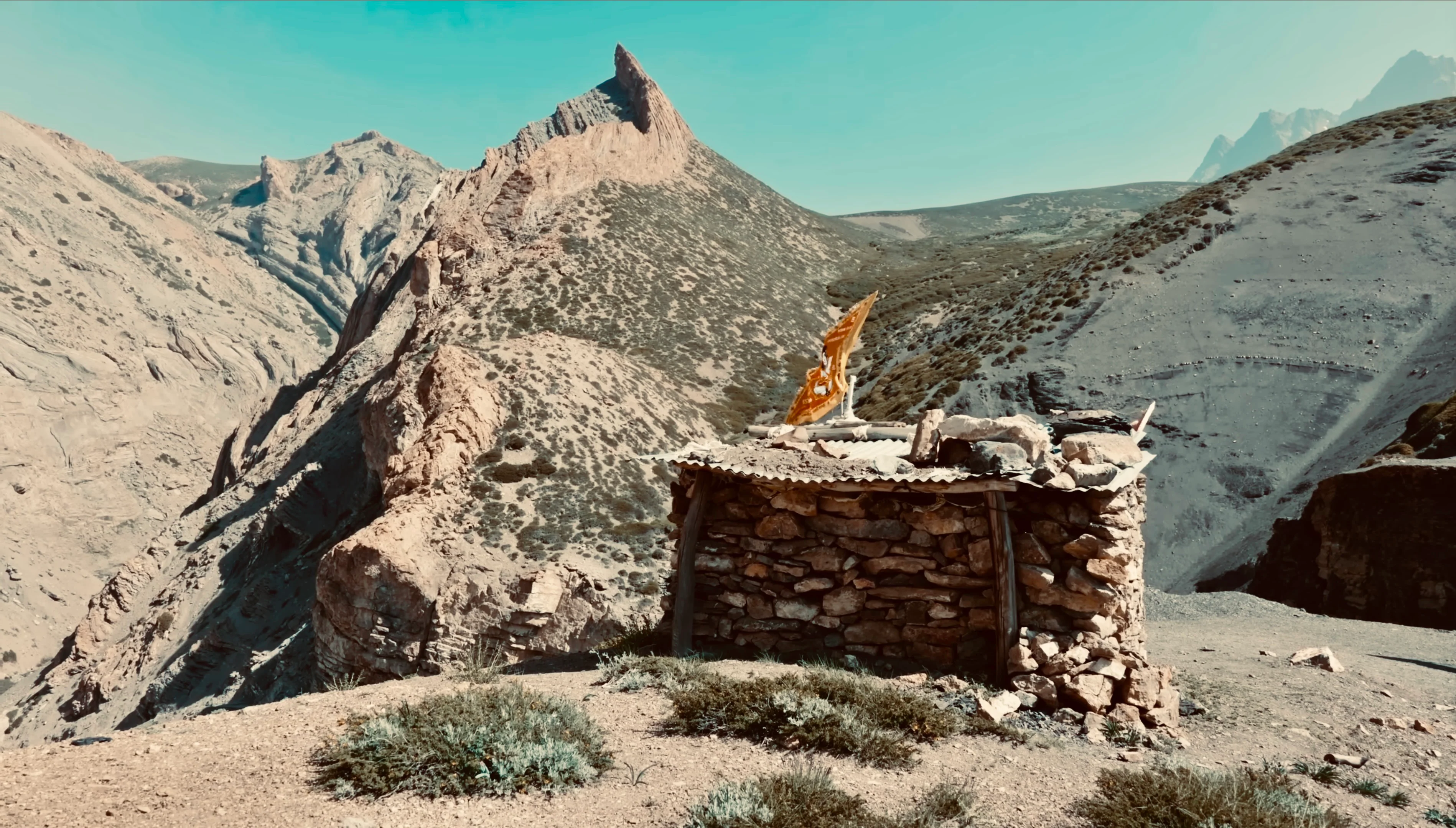
Travelers often ask: “Why should I go through the hassle of permits, fragile BRO roads, and trekking hardships just to see Rimkhim or Lapthal, when Auli, Gorson, and Valley of Flowers exist?”
The answers lie in what each destination offers — and what you seek in your journey.
Auli & Gorson Bugyal – The Popular Face of Uttarakhand
Accessibility: Ropeways, ski resorts, smooth roads, family‑friendly.
Experience: Buzz of tourists, modern skiing infrastructure.
Vibe: If you love blending comfort with Himalayan views, this is your place.
But often, the experience feels curated — landscapes for consumption, not exploration.
Valley of Flowers – The UNESCO Darling
Highlight: Famous for carpets of alpine flora during monsoon, ethereal beauty.
Accessibility: Well‑trodden trail, regulated entry, no special permits.
Experience: Crowds of trekkers, yet magical fields, mist rising over blooms.
It’s paradise, yes — but you rarely feel alone with wilderness.
Rimkhim Bugyal – The Hidden Meadow Frontier
Highlight: A high bugyal blooming silently away from fame.
Accessibility: Tough road to Malari, mandatory permits, basic infrastructure.
Experience: Silence, solitude, borderland aura.
Unique Angle: From Rimkhim ridge you glimpse the Grand Canyon of Uttarakhand — something no popular trail offers.
This is where you go when flower fields alone can’t quench your wanderlust — when you crave the story behind the silence.
Lapthal – The Last Frontier
Highlight: The raw edge of India, a plateau at the very end of Uttarakhand.
Accessibility: Multi‑day trek via Milam, exhausting but transformative.
Experience: Silence so loud it shakes your core. The most remote you can be without leaving India.
Unique Angle: Ideal for those who want no trails, no tourists, just wilderness.
Reflection : If Valley of Flowers teaches you to marvel at beauty, Rimkhim teaches you to seek beauty in silence. If Auli teaches you the play of snow and sports, Lapthal teaches you the resilience of life in emptiness.
Why Rimkhim & Lapthal Matter
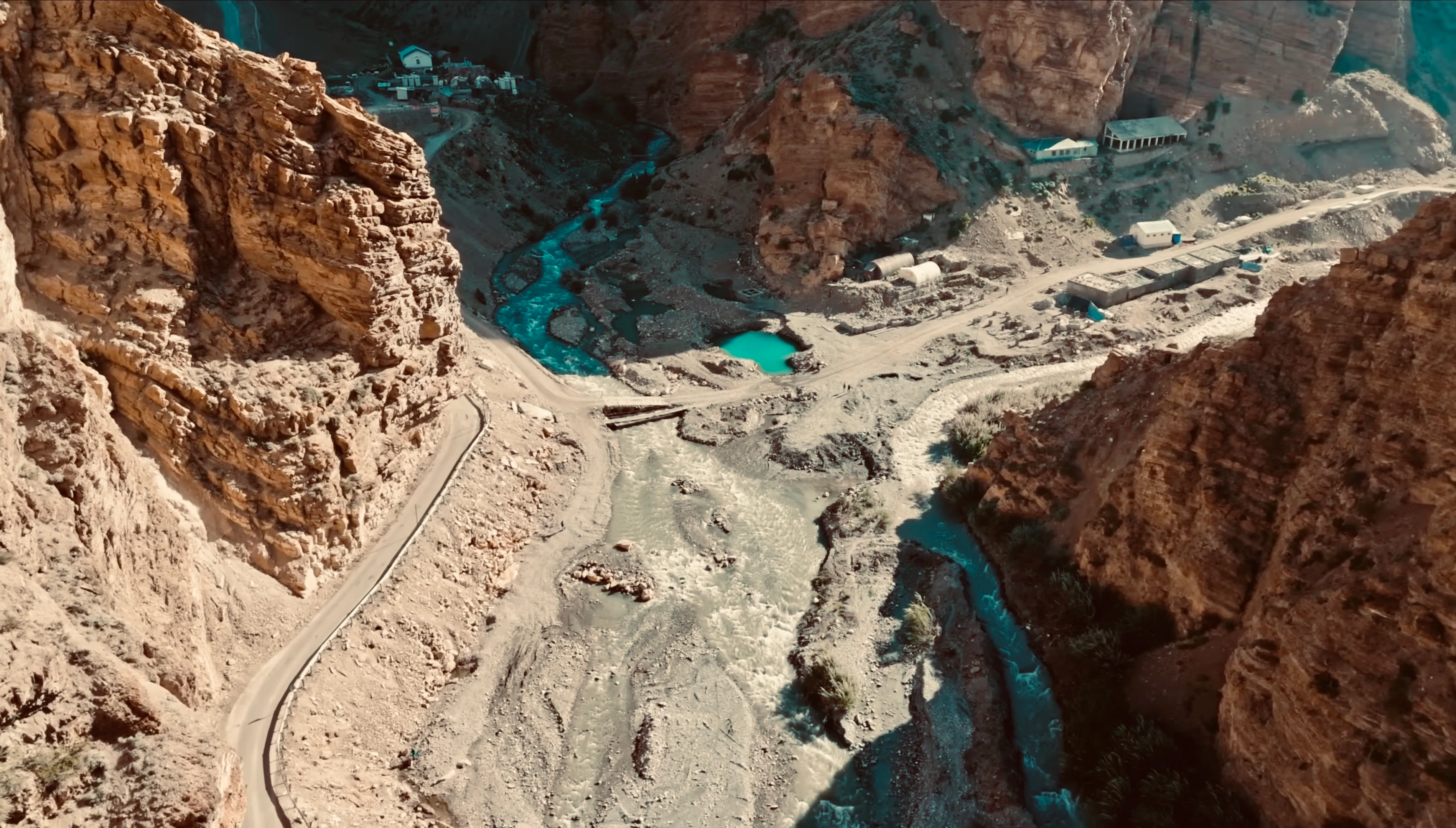
In an era where exploration often gets reduced to Instagram checklists, why fight permits, unpaved roads, and thin air just to stand in Rimkhim or Lapthal?
Because these places remind us what travel was meant to be — a rediscovery, not recreation.
The Cultural Echoes
Walking through Malari and Gamshali, you glimpse the quiet Bhotia culture — houses roofed in slate, laughter echoing from wooden balconies, prayers whispered over steaming butter tea.
These villages were once linked to India and Tibet through trade, before borders hardened. Rimkhim & Lapthal are not just meadows; they are conserved whispers of stories that spanned nations.
The Wilderness Philosophy
At Rimkhim, you stand in bugyals where only the monal sings.
At Lapthal, you stand on plateaus where only winds walk beside you.
These aren’t “destinations” — they are states of belonging.
Fragility of Frontiers
Climate change, landslides, and military sensitivities have kept visitor numbers low.
Perhaps that is Rimkhim & Lapthal’s blessing — they remain raw because they remain restricted.
Travelers must step softly: permitting, respecting, not extracting.
BizareXpedition™ Tip :
Treat Rimkhim & Lapthal not as “places to conquer,” but as landscapes to apprentice under. Go slow. Listen more than you walk.
Safety & Respect
Always honor ITBP instructions. These aren’t arbitrary restrictions, but lived
frontline realities.
Always trek with locals, share conversations, and leave no litter.
Always step out knowing you are guests in one of the world’s most fragile landscapes.
Final Reflection – The Silence of the Frontiers
There’s a moment at Rimkhim when the sun sinks behind Nanda Devi, painting the gorges in gold. Wind rushes over the Dhauli Ganga, carrying voices of shepherds who’ve long headed down. The meadow falls quiet.
And there’s a moment at Lapthal, miles from Milam, where you unzip your tent and realize you are standing at the end of India. The vast emptiness rolls into Tibet. The silence is so profound that for the first time, you hear your own heartbeat.
These aren’t tourist spots. These are frontiers of the soul.
Auli will charm you, Valley of Flowers will enchant you.
Rimkhim will teach you humility.
Lapthal will change your perspective on wilderness.
And perhaps, in that silence, you’ll find what you didn’t even know you were searching for.
Quick Travel Recap
Rimkhim Bugyal: 3,700 m | Permit from Joshimath SDM/ITBP | Best May–Jun, Sep–Oct | Trek ~9 km from Malari | Stay at Gamshali/Niti basic homestays.
Lapthal Plateau: 4,000 m | Permit from Munsiyari SDM/ITBP | Best May–Jun, Sep–Oct | Multi‑day trek via Milam (~18 km from Milam) | Very remote, no stay infra, camping only.
Must Carry: Trek shoes, layers, IDs, multiple photocopies, medical kit, dry foods.
Risks: Road closure, AMS, snowstorms, landslides.
Reward: Silence, solitude, and the Grand Canyon of Uttarakhand.
Reflection: Some journeys are loud celebrations — like cities, like festivals. Others are silent awakenings. Rimkhim and Lapthal belong to the latter. If you dare walk their trails, you return not with stories to boast, but silences that stay with you.
Planning a Niti Valley Adventure?
Discover the remote beauty of Uttarakhand with BizareXpedition. Explore Mana village, Badrinath and the Niti Valley frontier through a thoughtfully planned itinerary with permit assistance, subject to government approval.
Frequently Asked Questions
1. Where are Rimkhim and Lapthal located in Uttarakhand?
Rimkhim is located beyond Malari in the Niti Valley region of Chamoli district. Lapthal is a remote high-altitude area accessed through a separate trekking corridor near Sumna or Munsiyari.
2. Can tourists visit Rimkhim and Lapthal?
Rimkhim and Lapthal are restricted frontier areas and are not currently open to tourist groups. They do not have a tourist permit pathway, so travellers should not plan independent visits to these locations.
3. What is the best time to explore the Niti Valley region?
May to June and September to October are generally preferred for exploring the Niti Valley region. Actual travel depends on road conditions, weather, local restrictions and the permissions required for the journey.
4. Do travellers need permits to visit Niti Valley?
Certain travellers, particularly foreign visitors, require a Protected Area Permit (PAP) for the Niti Valley route. Requirements differ by nationality and travel category. Check the latest rules before booking.
5. What can travellers explore near Rimkhim and Lapthal?
Travellers can explore accessible destinations such as Malari and Niti village, subject to applicable permissions. The region also offers views of the Dhauli Ganga gorge and opportunities to learn about Bhotiya culture and the area's frontier history.
6. Can I book a Niti Valley tour with BizareXpedition?
Yes. BizareXpedition offers a Badrinath and Mana tour that includes a permit-based visit to Niti Valley, subject to approval. The itinerary covers Malari and Niti village, with a briefing about the restricted areas of Rimkhim and Lapthal. These locations themselves are not included as tourist stops.
Best Selling Tour Packages
Explore other exciting options for your next adventure!