
Ayodhya Tour Packages
Ayodhya Tour Packages
Somewhere between the ghats of the Sarayu river and the gold dome of the new Ram Mandir, Ayodhya has quietly become one of India's most-searched pilgrimage destinations again. If you've been typing "Ayodhya tour packages" into Google at 11 pm trying to figure out trains, hotel budgets, and whether two days is enough — this guide is built for exactly that moment. BizareXpedition put this together to answer every real question travelers ask before booking, not just sell you a package.
What Is Ayodhya Famous For?
Ayodhya is famous as the birthplace of Lord Rama, one of Hinduism's most revered deities, and is considered one of the seven sacred Sapta Puri cities of India. The city sits on the banks of the Sarayu River in Uttar Pradesh and has been a center of pilgrimage, mythology, and now major infrastructure development, for thousands of years.
What makes Ayodhya different from a regular Indian heritage town is that it isn't just historical — it's living. Aartis happen every evening on the ghats the same way they likely did centuries ago, except now there's a new airport runway a few kilometers away and a temple complex that took decades of legal and emotional history to complete. That contrast — ancient ritual meeting brand-new infrastructure — is honestly half the reason people are flocking here in 2025-2026.
A Quick Cultural Snapshot
Ayodhya's culture revolves almost entirely around the Ramayana. Every lane, ghat, and festival traces back to episodes from Lord Rama's life — his birth, his exile, his return, his coronation. Locals don't treat this as distant mythology; it's woven into daily conversation, shop names, and even how rickshaw drivers describe directions ("turn left after Hanuman Garhi"). A few cultural nuances worth knowing before you go:
Modesty matters. Most temples expect shoulders and knees covered. Carry a stole even in summer.
Footwear comes off, often early. Several approach roads to temples require barefoot walking for the last stretch — flip-flops are more practical than lace-up shoes.
Prasad culture is strong. Don't be surprised if strangers hand you sweets near temple gates — it's customary, not solicitation.
Photography rules vary by temple. Phones are sometimes banned inside the inner sanctum of Ram Mandir; check signage rather than assuming.
Top Places to Visit in Ayodhya
If someone asks "what to see in Ayodhya," the honest answer is: plan for at least 2 full days, because the must-visit list is longer than people expect.
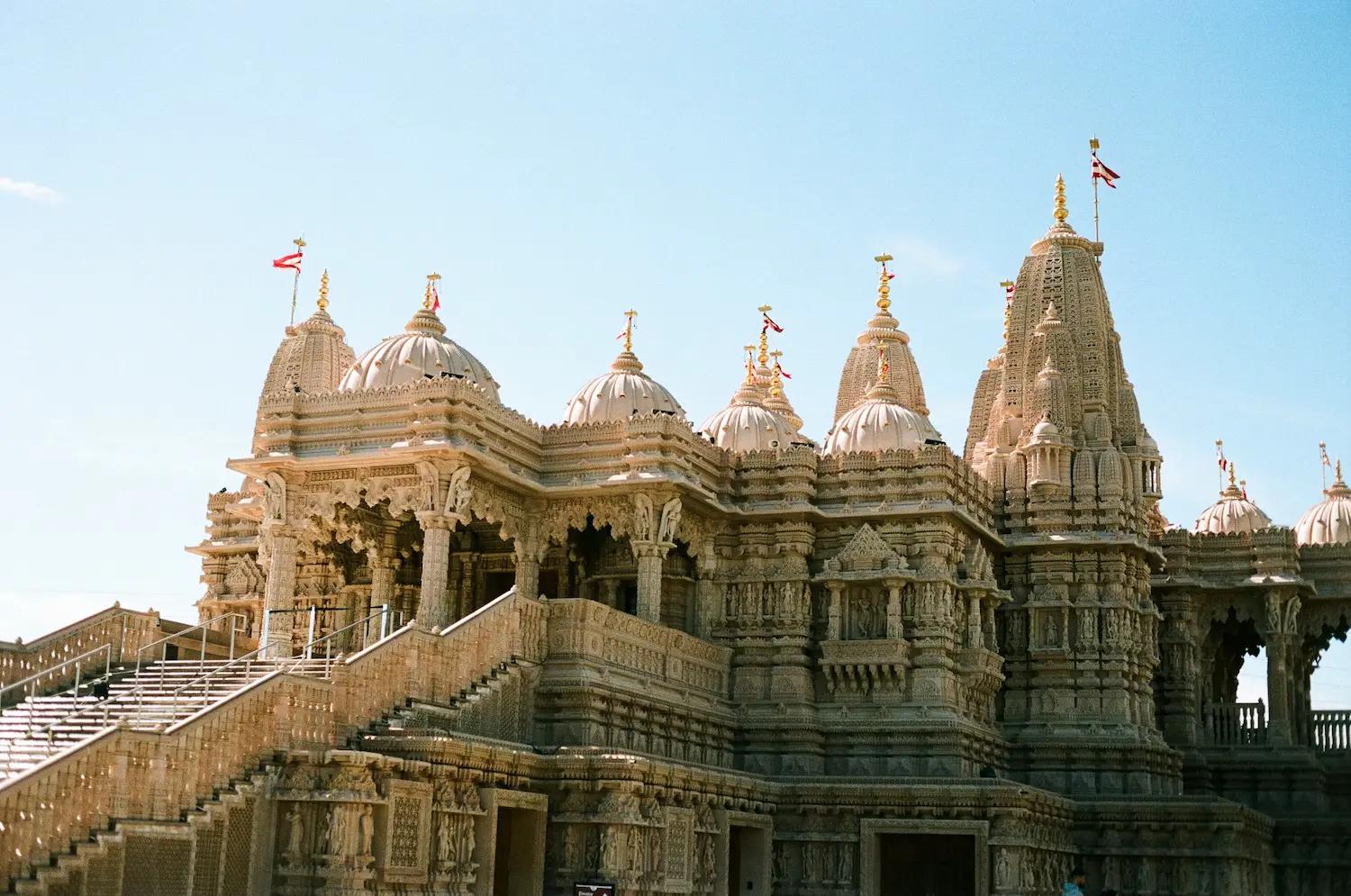
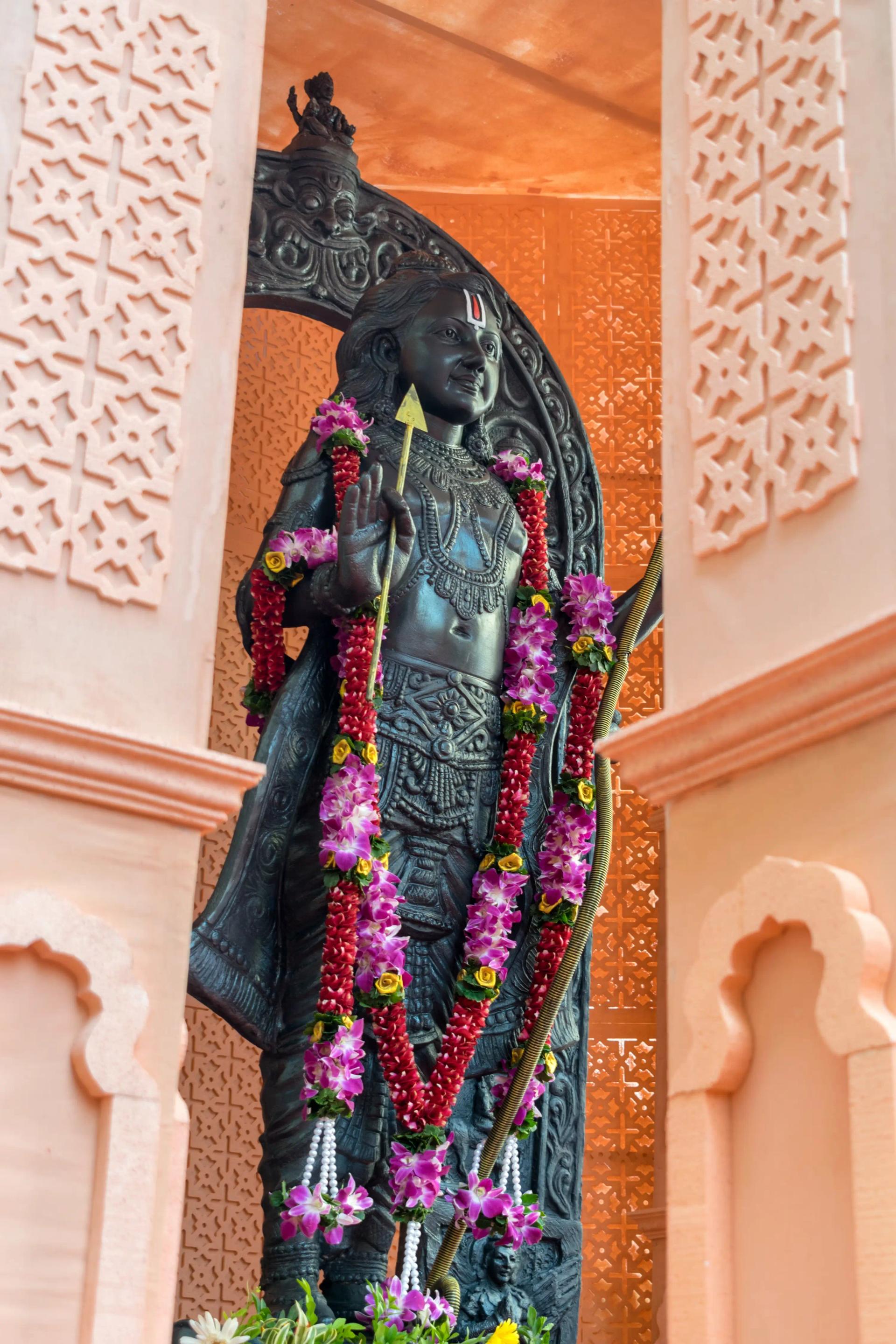
Ram Janmabhoomi Temple (Ram Mandir) — The newly built grand temple marking Lord Rama's birthplace, and the undisputed centerpiece of any Ayodhya trip. Expect security checks, no-phone zones near the sanctum, and crowds that swell dramatically around festivals.
Hanuman Garhi — A hilltop temple dedicated to Lord Hanuman, reached by climbing roughly 76 steps. Locals consider it customary to visit Hanuman Garhi before Ram Mandir, since Hanuman is seen as the temple's protector.
Kanak Bhawan — Known for its intricately carved architecture and the idols of Ram-Sita believed to have been a gift from Sita's mother-in-law. The evening aarti here has a quieter, more intimate atmosphere than the bigger temples.
Sarayu Ghat (Ram Ki Paidi) — A long stretch of riverside steps where the evening Saryu Aarti takes place, often compared in scale and devotion to the Ganga Aarti in Varanasi. Worth experiencing at sunset.
Treta Ke Thakur — An ancient temple believed to mark the spot where Lord Rama performed the Ashwamedha Yagna, with black sandstone idols dating back generations.
Nageshwarnath Temple — A Shiva temple said to have been established by Rama's son Kush, popular especially during Maha Shivratri.
Guptar Ghat — A peaceful, less crowded riverside spot believed to be where Lord Rama took jal samadhi (final submersion into the river). Good for travelers wanting a calmer, reflective stop away from the main crowds.
Choti Chhawni and Bara Hanuman Temples, Mani Parbat, Sita Ki Rasoi — Smaller but historically rich sites that round out a fuller 2-3 day itinerary.
Note: Ayodhya isn't a "rush through in half a day" city anymore. With the temple complex now drawing massive footfall, queues at Ram Mandir alone can take 1-2 hours during peak season. Build buffer time into your schedule rather than stacking back-to-back stops.
Festivals in Ayodhya You Should Plan Around
Festivals genuinely transform Ayodhya — the same streets that feel calm on a regular Tuesday turn into rivers of people, lights, and chanting during these dates.
Ram Navami (March/April) — The single biggest festival, marking Lord Rama's birth. Expect the heaviest crowds of the year, special processions, and extended temple hours.
Deepotsav (around Diwali) — Ayodhya's signature event in recent years, where lakhs of diyas are lit along the Sarayu ghats, often breaking world records for the most lamps lit simultaneously. This has become a major tourist draw in its own right.
Sawan Jhula Mela — Celebrated through the monsoon month of Sawan, with decorated swings (Jhulas) installed in temples.
Parikrama Mela (around Kartik month) — A devotional circumambulation of the city undertaken by thousands of pilgrims on foot.
Maha Shivratri — Particularly significant at Nageshwarnath Temple.
If your dates are flexible, timing a visit around Ram Navami or Deepotsav gives you a far more immersive experience — but also means booking accommodation 2-3 months in advance and accepting that everything will be crowded and intense.
Ayodhya Local Food: What to Actually Eat
Ayodhya's food culture is rooted in satvik (pure vegetarian, no onion-garlic) temple cuisine, which surprises a lot of first-time visitors expecting typical North Indian street food.
A short list of what to try:
Kachori-sabzi at small local breakfast stalls — simple, filling, and everywhere.
Thandai and lassi, especially refreshing in summer.
Khichdi and dal-bati style satvik thalis served near temple areas.
Peda and other milk-based sweets, often bought as prasad to take home.
Litti-chokha, a more regional UP-Bihar specialty available at several eateries.
Don't expect a heavy non-vegetarian or alcohol scene here — Ayodhya is a temple town through and through, and most restaurants reflect that.
How to Reach Ayodhya: Trains, Flights, and Roads
By Air: Ayodhya now has its own airport — Maharishi Valmiki International Airport — with direct flights connecting it to Delhi, Mumbai, Ahmedabad, Kolkata, and a growing number of other cities. This is the fastest option if you're traveling from outside Uttar Pradesh.
By Train: Ayodhya Junction (formerly Ayodhya Cantt) is well connected to Delhi, Lucknow, Varanasi, Mumbai, and several other major cities, with both regular express trains and newer high-speed connections added after the temple's inauguration. Lucknow is roughly 2.5 hours away by road if your train route goes through there first.
By Road: Ayodhya is well-connected by national highways from Lucknow (about 130 km), Varanasi (about 200 km), and Gorakhpur. State buses, private cabs, and tourist coaches all operate regularly, and many visitors actually combine Ayodhya with a Varanasi-Prayagraj-Ayodhya circuit by road.
Mode : Nearest Hub(Approx. Travel Time from Delhi)
Flight: Ayodhya Airport(~1.5 hours)
Train: Ayodhya Junction(~10-12 hours)
Road: Via Lucknow(~12-14 hours)
Ayodhya Tour Package Cost
Cost is one of the most-asked questions, and the honest answer is "it depends heavily on travel style" — but here's a realistic range. Prices typically spike 30-50% around Ram Navami and Deepotsav due to demand, so booking early genuinely saves money during these windows.
Budget packages (2D/1N): Roughly ₹4,000–₹7,000 per person, covering basic hotel/dharamshala stay, local sightseeing by shared transport, and breakfast.
Mid-range packages (3D/2N): Roughly ₹8,000–₹15,000 per person, with better hotels, private cab for sightseeing, and meals included.
Premium packages (3D/2N or more): ₹18,000 and above, with 4-star stays, private guided tours, and flexible itineraries that can extend to nearby Varanasi or Prayagraj.
Best Time to Visit Ayodhya
The best time to visit Ayodhya is between October and March, when the weather is pleasant for walking between temples and standing in outdoor queues without summer heat or monsoon disruption.
A quick seasonal breakdown:
October–March: Cool, comfortable, ideal for sightseeing — peak tourist season.
April–June: Hot and dry, though Ram Navami falls in this window and draws huge crowds despite the heat.
July–September: Monsoon season, lush but with occasional flooding near the ghats — manageable but less comfortable for long walking days.
If crowd-free, comfortable travel is your priority, aim for November-February (outside Ram Navami). If devotional intensity matters more than comfort, plan around Ram Navami or Deepotsav and accept the crowds as part of the experience.
Why Book Ayodhya Tour Packages With BizareXpedition
Planning Ayodhya independently is doable, but between temple queue timings, festival-season hotel scarcity, and figuring out which ghat to be at for sunset aarti, a structured package genuinely removes a lot of guesswork. BizareXpedition's Ayodhya tour packages are built around flexible durations (1N/2D, 2N/3D, and extended circuits with Varanasi or Prayagraj), private or shared transport options, and itineraries that actually account for realistic temple wait times instead of squeezing in unrealistic numbers of stops.
Frequently Asked Questions (FAQs) & People Also Ask — ayodhya Tour Packages
We help you prepare for your trip and ensure an effortless and enjoyable travel experience.