
Jammu Tour Packages
Jammu Tour Packages
Jammu is the largest city in the Jammu region of the Union Territory of Jammu & Kashmir, set on the banks of the Tawi River and known locally and across India as the “City of Temples” for the density of shrines packed into its old city. It has a long history as a seat of Dogra rule, consolidated in the 19th century under Maharaja Gulab Singh, and its heritage — the Raghunath Temple complex, Bahu Fort, the Mubarak Mandi Palace Complex, and Amar Mahal — reflects that Dogra-era patronage as much as it does the city’s older temple traditions.
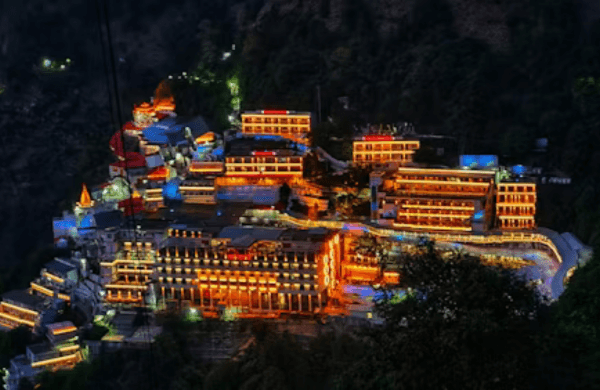
For most travellers, though, Jammu is not primarily a heritage destination in itself — it is the gateway to the Vaishno Devi shrine, one of the most visited Hindu pilgrimage sites in India, set in the Trikuta Hills above the town of Katra, roughly 50 km from Jammu city. A BizareXpedition Jammu tour package, in practice, is built around this reality: most itineraries combine a compact heritage circuit in Jammu city itself with a dedicated pilgrimage leg based out of Katra, where the actual yatra begins. The shrine can be reached on foot, by pony or palki, by battery-operated vehicle along part of the route, or by helicopter, and which combination makes sense depends heavily on the size of your group, ages involved, and how much time you have — decisions BizareXpedition works through with you before the trip rather than leaving to be figured out at the base camp.
| Info | Details |
|---|---|
|
Location |
Banks of the Tawi River, Jammu & Kashmir |
|
Known as |
City of Temples |
|
Historic status |
Former seat of the Dogra dynasty, founded under Maharaja Gulab Singh in the 19th century |
|
Signature sights |
Raghunath Temple, Bahu Fort, Amar Mahal Palace, Mubarak Mandi Palace Complex |
|
Primary pilgrimage draw |
Vaishno Devi shrine, Trikuta Hills, near Katra (approx. 50 km from Jammu) |
|
Nearby hill station |
Patnitop (approx. 110 km) |
|
Best travel season |
October – March |
|
Nearest airport |
Jammu Airport (Satwari) |
|
Major railhead |
Jammu Tawi Railway Station |
|
Approx. distance from Delhi |
~580–610 km by road |
|
Tour type |
100% private — no group coaches, no fixed departures |
Jammu at a Glance
Because Vaishno Devi draws such consistently high pilgrim volumes, the practical details — yatra registration, timing your ascent to avoid the worst of the queues, choosing between trekking and a helicopter transfer, and simply having confirmed hotel rooms in Katra during a busy season — matter more here than the sightseeing itself. That’s the core of what a private, tailor-made Jammu package from BizareXpedition actually solves: a properly sequenced itinerary, arranged transport and registration, and a vehicle and driver who stay with you through both the city heritage circuit and the Katra pilgrimage leg, rather than treating them as two separate, disconnected bookings.
Why Book Your Jammu Tour With BizareXpedition?
Every BizareXpedition itinerary is built from scratch for one traveller, one couple, or one family — never sold as a seat on a shared coach. For a Jammu-Vaishno Devi trip, that means transfers and yatra logistics (registration, travel mode to the shrine, timing around darshan queues) handled in advance rather than figured out on arrival, a driver who waits through the Bahu Fort and Raghunath Temple visits at your pace, and the flexibility to add Patnitop or extend toward Srinagar without renegotiating anything. It’s the difference between a rushed pilgrimage stopover and a properly planned trip.
What Does a Jammu Itinerary Include?
A typical BizareXpedition Jammu package includes airport or railway station transfers, a private vehicle with driver for the full stay, hotel accommodation on your chosen tier in Jammu and/or Katra, daily breakfast, and sightseeing across the city’s core temples and heritage sites. Vaishno Devi yatra arrangements — including registration, transport to Katra, and helicopter or battery car options for the shrine ascent — can be built in as the centrepiece of the trip.
What’s Included vs. What’s Optional
| Included as standard | Available as an add-on |
|---|---|
|
Private vehicle with driver for the full stay |
Vaishno Devi yatra registration and logistics support |
|
Airport / railway station transfers |
Helicopter transfer for the Vaishno Devi ascent (seasonal, weather-dependent) |
|
Hotel stay on your chosen tier (Jammu and/or Katra) |
Battery car / palki arrangement for the shrine climb |
|
Daily breakfast |
Patnitop day trip or overnight extension |
|
Sightseeing at Raghunath Temple, Bahu Fort, Amar Mahal Palace |
Guided heritage walk through the Mubarak Mandi Palace Complex |
|
Dedicated trip coordinator |
Extension toward Srinagar or the Kashmir Valley |
Jammu What’s Included vs. What’s Optional
How Many Days Do You Need for Jammu?
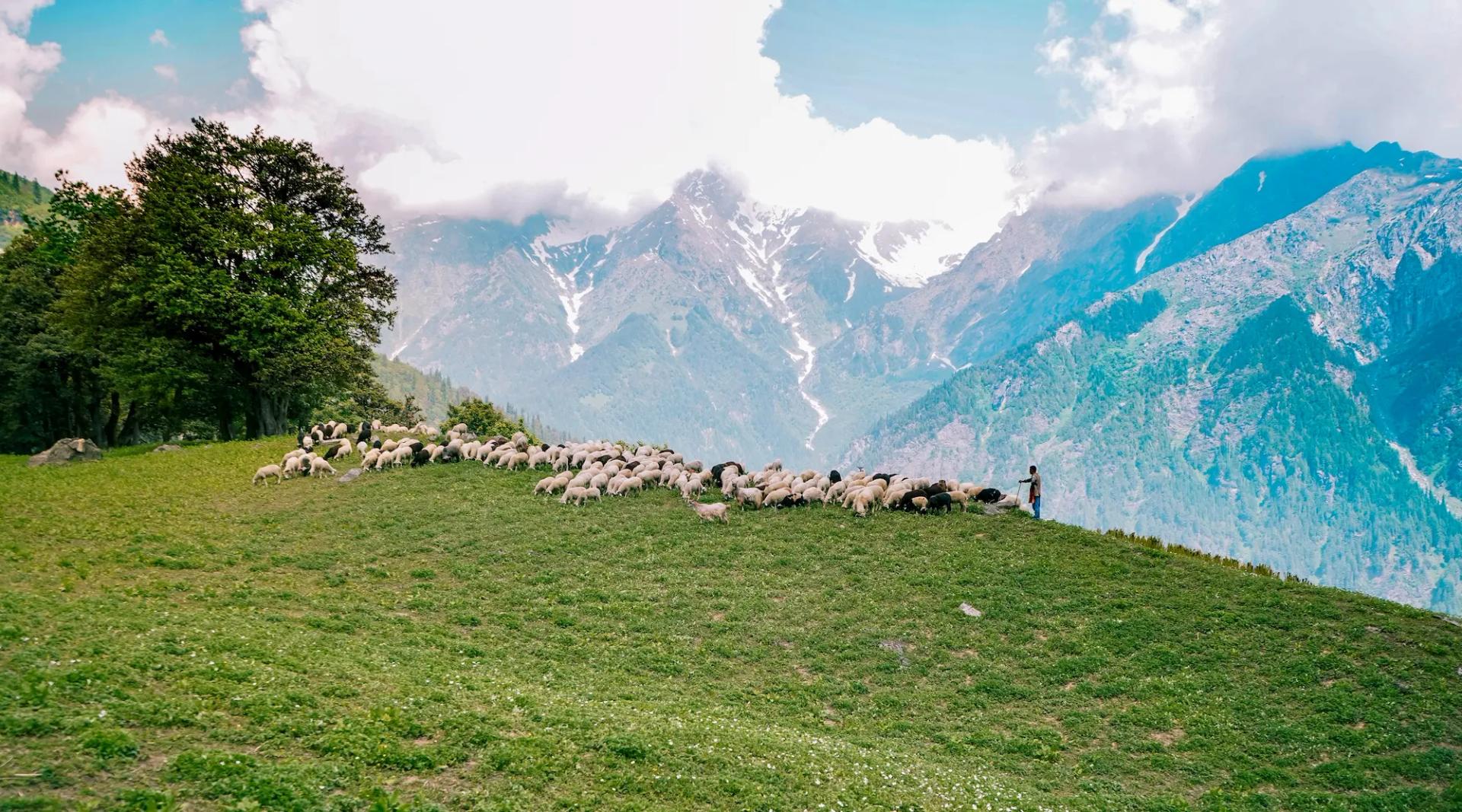
Most itineraries split time between Jammu city and Katra (the Vaishno Devi base town), since the two serve different purposes — heritage sightseeing in one, pilgrimage in the other.
| Duration | Pace | Best suited for |
|---|---|---|
|
2 Nights / 3 Days |
Focused — Jammu city plus the Vaishno Devi yatra |
Short pilgrimage-focused trips |
|
3 Nights / 4 Days |
Balanced — the most-booked option |
Most travellers, families |
|
4–5 Nights |
Relaxed — adds Patnitop |
Travellers wanting a hill-station add-on |
|
Combined with Kashmir |
Varies |
Travellers extending onward to Srinagar and the Valley |
Jammu Trip Days Do You Need
Every duration is fully customisable — nights in Jammu versus Katra, and whether Patnitop or a Kashmir extension is included, are built around what matters most to you.
What Are the Jammu Package Tiers?
BizareXpedition structures Jammu packages across three tiers, each private and tailor-made:
Premium — Comfortable 3-star hotels in Jammu and Katra, a private vehicle, and all core sightseeing and yatra logistics — a well-run, hassle-free trip without excess.
Luxury — 4-star properties, upgraded vehicle options, and a more curated pace with added conveniences like helicopter arrangements for the Vaishno Devi ascent.
Ultra-Luxury — The best available hotels in both Jammu and Katra, a premium vehicle with an experienced driver, private guides, and fully bespoke pilgrimage logistics — including priority helicopter scheduling where available and dedicated on-ground support through the yatra.
| Tier | Hotel category | Vehicle | Guide/Support | Best for |
|---|---|---|---|---|
|
Premium |
3-star hotels in Jammu/Katra |
Private sedan/SUV |
Shared local guide, yatra logistics support |
Hassle-free, well-run trips without excess |
|
Luxury |
4-star properties |
Upgraded SUV |
Private guide, helicopter arrangement support |
A more immersive, comfortable pace |
|
Ultra-Luxury |
Best available hotels, Jammu & Katra |
Premium vehicle, experienced driver |
Private guide, dedicated yatra support throughout |
Fully bespoke pilgrimage trips, priority logistics |
Jammu Package Tiers
Exact pricing depends on travel dates, hotel selection, and group size — reach out for a tailored quote for your preferred tier and season.
When Is the Best Time to Visit Jammu?
October through March is the most comfortable window, with mild days well-suited to both city sightseeing and the Vaishno Devi climb. Summer (April–June) brings significant heat to the Jammu plains, though the yatra itself continues year-round and remains popular even in warmer months for travellers on fixed schedules. The monsoon (July–September) brings humidity and occasional landslide risk on hill roads toward Katra and Patnitop, which BizareXpedition factors into route planning.
| Months | Weather | Verdict |
|---|---|---|
|
October – November |
Pleasant, mild days |
Excellent — comfortable for both the city and the yatra |
|
December – February |
Cool to cold, occasional snow at Patnitop |
Very good — popular for a snow add-on at Patnitop |
|
March |
Mild, transitioning toward warmer months |
Very good |
|
April – June |
Hot in the Jammu plains |
Yatra continues; early starts recommended for comfort |
|
July – September |
Monsoon — humid, landslide risk on hill roads |
Use caution on the Jammu-Katra-Patnitop route |
Jammu Season-by-Season Guide
Can the Jammu Tour Be Combined With Other Destinations?
Yes. Jammu is most often booked either as a focused pilgrimage trip centred on Vaishno Devi, or as the starting leg of a longer journey into Jammu & Kashmir. Patnitop is a common short hill-station add-on, and travellers with more time frequently extend the trip onward to Srinagar and the wider Kashmir Valley — Dal Lake, Gulmarg, and Pahalgam — turning a pilgrimage visit into a longer regional circuit.
Good to Know Before You Go
A handful of practical facts that shape how a Jammu itinerary is planned:
Vaishno Devi is one of India’s most visited pilgrimage sites, drawing pilgrims year-round to the shrine in the Trikuta Hills near Katra — the climb can be done on foot, by pony, palki, battery car (part of the route), or by helicopter, and BizareXpedition arranges the option that suits your fitness level and schedule.
Katra, not Jammu city, is the actual base for the Vaishno Devi yatra — most itineraries include a night or two in Katra specifically for this leg, separate from time spent sightseeing in Jammu city itself.
The Raghunath Temple complex, built in the mid-19th century under the Dogra rulers Maharaja Gulab Singh and Maharaja Ranbir Singh, is one of North India’s largest temple complexes and remains central to Jammu’s identity as the “City of Temples.”
Bahu Fort, overlooking the Tawi River, houses a shrine to Bawe Wali Mata (a form of Kali) and is one of the city’s oldest structures, with a history that local tradition traces back many centuries.
Jammu has historically served as the winter seat of governance for the region, with Srinagar taking that role in summer — a pattern that shaped much of the city’s administrative and cultural development, though current arrangements should be confirmed against present-day sources given periodic changes to this practice.
Registration is required for the Vaishno Devi yatra, and BizareXpedition handles this as part of any itinerary that includes the pilgrimage, along with guidance on the most comfortable ascent option for your group.
Ready to Plan Your Jammu Journey?
Share your travel dates, group size, and preferred tier, and BizareXpedition will put together a private, day-wise Jammu and Vaishno Devi itinerary — with or without a Patnitop or Kashmir extension — built entirely around you.
Frequently Asked Questions (FAQs) & People Also Ask — jammu Tour Packages
We help you prepare for your trip and ensure an effortless and enjoyable travel experience.