
Kerala Tour Packages
Kerala Tour Packages
The BizareXpedition Kerala Tour Packages are curated travel experiences covering Kerala's backwaters, hill stations, wildlife sanctuaries, beaches, Ayurvedic retreats, and cultural heritage. Whether you want a houseboat stay on Alleppey's canals, a trek through Munnar's tea estates, or a lazy afternoon on Varkala's cliffs — BizareXpedition builds Kerala tours that go beyond the postcard.
Why Visit Kerala? What Makes It Different from Every Other Indian State?
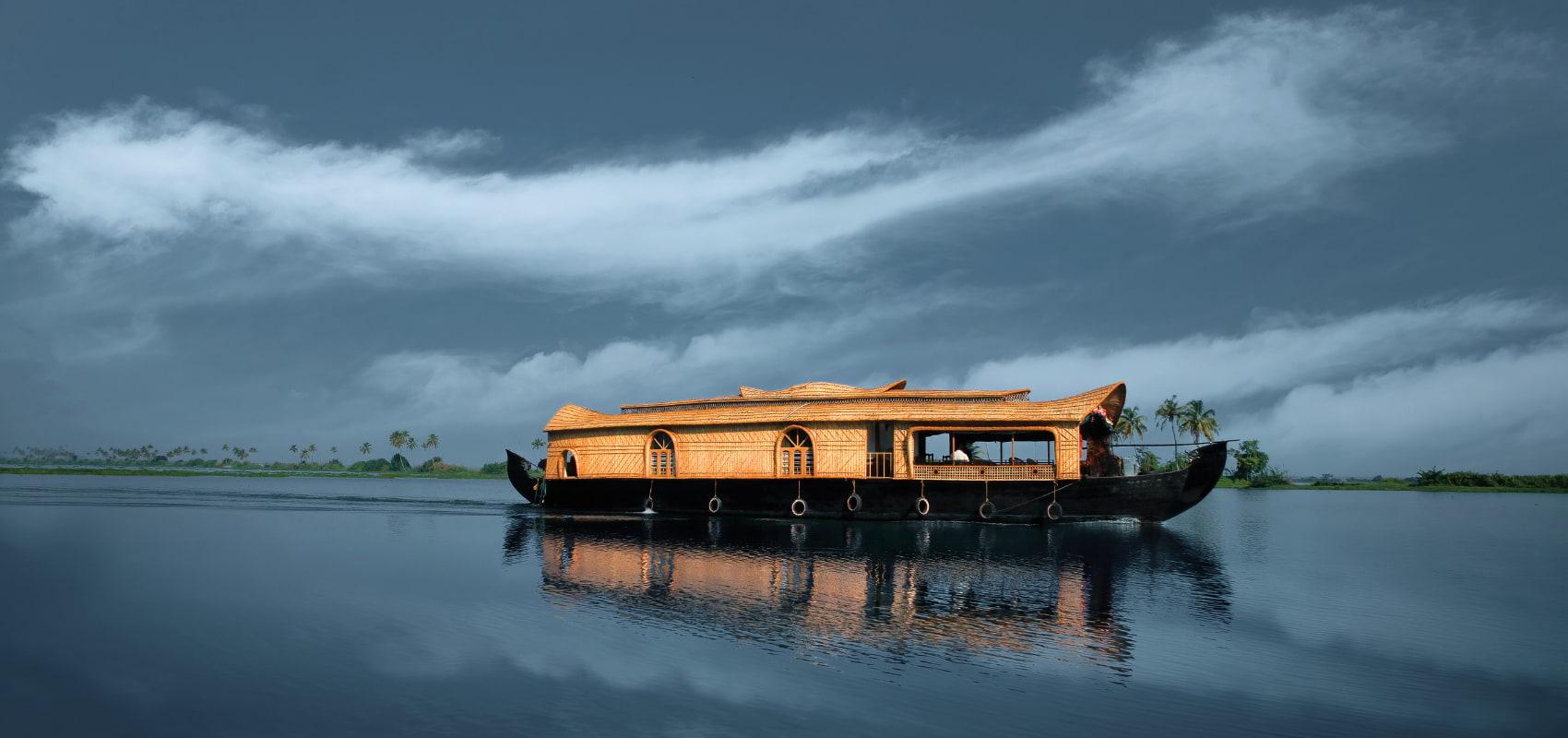
There's a reason Kerala is called Bhagwan ki apni zameen — God's Own Country. And unlike most tourism slogans that age poorly, this one earns it every single day. In a country full of extraordinary places, Kerala does something unusual: it slows you down. The backwaters don't rush. The hill stations don't perform. The beaches don't hustle. And the people — the Malayalis — have a particular way of being unhurried that is almost contagious. Sit on the upper deck of a houseboat drifting through Alleppey's canals at dawn, coconut palms reflected in still water, a kingfisher cutting across your path, the sound of nothing you need to be doing — and you'll understand what Kerala actually is.
For non-Keralites, here are a few things to know going in: Kerala is the most literate state in India (literacy rate above 96%). This matters because a literate, educated population creates a culture that is progressive, proud, and welcoming in ways that are distinct from elsewhere. Keralites are fiercely attached to their language (Malayalam — reportedly one of the most difficult languages to learn, and yes, it's the same word forwards and backwards), their food (Kerala sadhya is a religious experience), their kalari martial arts, their Kathakali dance, and their toddy (kallu), which is fermented coconut palm sap and a completely legitimate part of local culture.
Kerala is also the land that gave the world Ayurveda in its most authentic form. Not the hotel-spa version — the real thing. Panchakarma. Shirodhara. Kizhi. If you've only had a Swedish massage in your life, Kerala Ayurveda is a different universe entirely.
Why Kerala stands apart — at a glance:
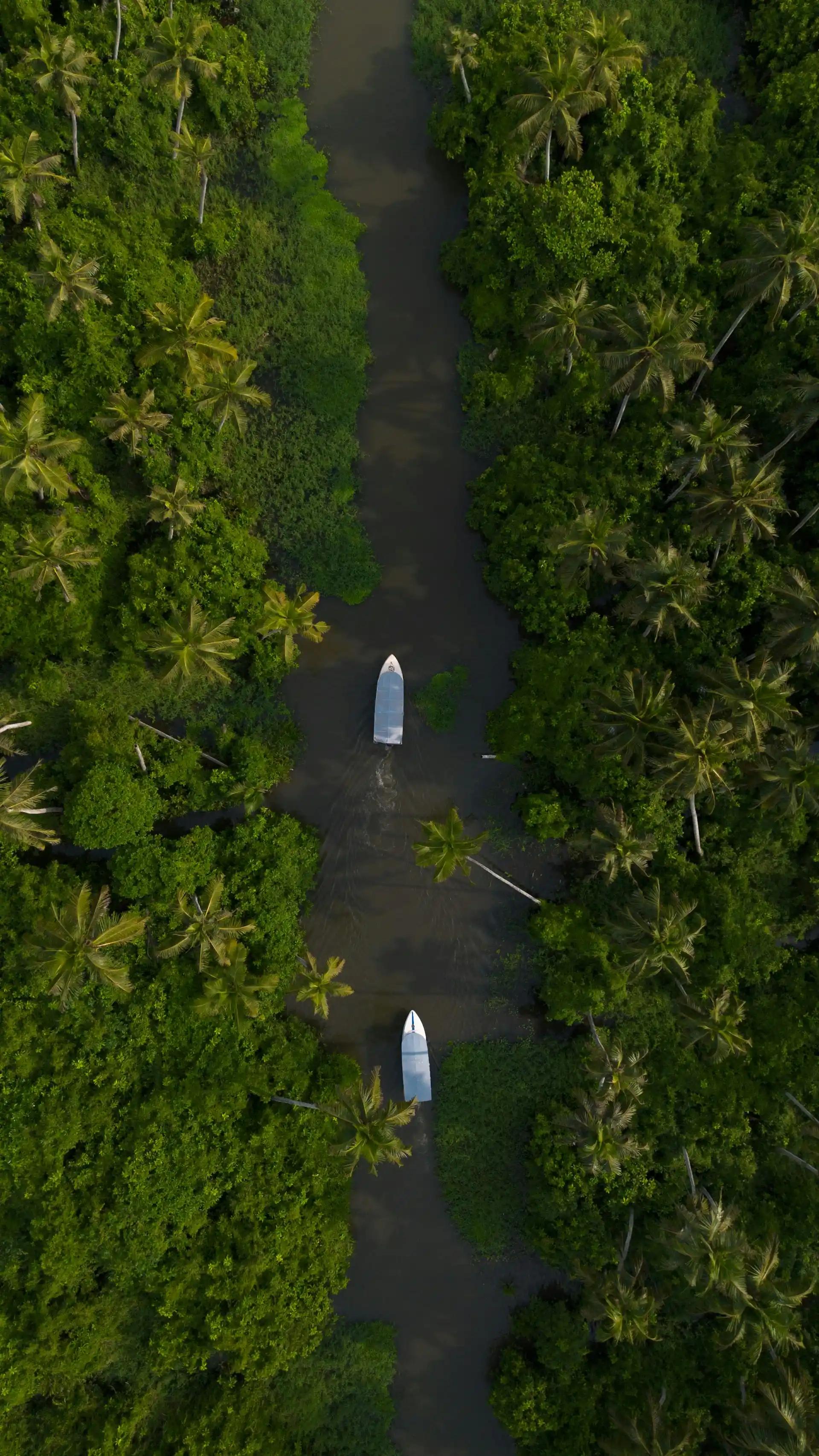
Backwaters — 1,500+ km of interconnected canals, lakes, and lagoons found nowhere else in India
Hill Stations — Munnar, Wayanad, Thekkady: tea, spice, mist, and trekking
Beaches — Kovalam, Varkala, Marari, Bekal: varied from party to pristine
Wildlife — Periyar Tiger Reserve, Wayanad, Silent Valley: elephants, tigers, leopards
Ayurveda — The original, authentic Ayurvedic treatment tradition of India
Arts — Kathakali, Mohiniyattam, Koodiyattam (UNESCO), Theyyam, Kalari
Food — Rice, coconut, spice, seafood: the most distinct cuisine in South India
History — Spice trade, Jewish heritage, Portuguese churches, Dutch forts, synagogues
What Is the History of Kerala?
Kerala's history is the history of spices — and the extraordinary lengths the world went to in order to get them. Black pepper (Piper nigrum), the "black gold" of ancient trade, grew abundantly in Kerala's forests. This single fact connected Kerala to Rome, Arabia, China, and eventually Europe, setting off a chain of events that reshaped the world.
The Chera dynasty ruled much of Kerala from the early centuries CE, leaving behind a distinct culture, architecture (tharavad ancestral homes, the Nalukettu layout), and a matrilineal social system (Marumakkathayam) where property descended through the mother's line — something almost unique in India. The Zamorin of Calicut (Kozhikode) was powerful enough to receive Vasco da Gama when he arrived in 1498, beginning the Portuguese colonial era that would eventually be followed by the Dutch and then the British.
Jewish traders settled in Cochin (Kochi) over 2,000 years ago — the Paradesi Synagogue in Mattancherry (1568) is the oldest active synagogue in the Commonwealth. The Syrian Christians of Kerala trace their origins to the apostle Thomas, who is believed to have arrived in 52 CE. These aren't myths — Kerala's religious and ethnic diversity has roots measured in millennia, not centuries.
What Is the Culture of Kerala?
Kerala's culture is layered in ways that surprise visitors. Beneath the natural beauty is one of the most sophisticated artistic and intellectual traditions in India — one that quietly runs parallel to everything you see. The cultural pillars of Kerala — what defines the state:
Kathakali — The elaborate masked classical dance-drama of Kerala. Performers spend hours in makeup (green face = heroic characters; black = demonic). The eye movements alone (navarasas — nine emotions expressed only through eyes) take years to master.
Kalaripayattu — The world's oldest martial art, originating in Kerala. Flexible, acrobatic, and beautiful — the root from which many Asian martial arts (via Buddhist monks and traders) potentially derived.
Mohiniyattam — The graceful solo dance form of Kerala, performed only by women. Flowing white and gold costumes, fluid movements — completely different from the angular Bharatanatyam of Tamil Nadu.
Theyyam — A spirit-possession ritual performance from North Kerala where performers become deities. Not a performance for tourists — a living religious practice that happens to be visually extraordinary.
Sopana Sangeetham — Classical music sung on the temple steps. Distinctly different from Carnatic music, though related.
Temple Elephants — Kerala's Thrissur Pooram festival is the most spectacular elephant procession in Asia. Caparisoned elephants, percussion orchestras (Panchavadyam), fireworks — it's as overwhelming as anything you'll see in India.
Literacy & Politics — Kerala reads. The state has the highest newspaper readership per capita in India. Political consciousness here is intense — you'll find debates in tea shops that would do justice to a university seminar.
What Are the Best Places to Visit in Kerala?
The best places to visit in Kerala include Alleppey (Alappuzha) backwaters, Munnar hill station, Thekkady (Periyar), Fort Kochi, Varkala beach, Kovalam, Wayanad, Thrissur, Palakkad, Bekal Fort, and Kannur. Each offers a completely different face of Kerala — and no single trip can do all of them justice.
| Destination | Type | Distance from Kochi | Best For |
|---|---|---|---|
|
Alleppey (Alappuzha) |
Backwaters / Houseboat |
53 km |
Houseboat stays, canoeing, rice fields |
|
Munnar |
Hill Station |
130 km |
Tea estates, trekking, Neelakurinji, mist |
|
Thekkady (Periyar) |
Wildlife / Spice |
190 km |
Tiger reserve, spice plantations, and bamboo rafting |
|
Fort Kochi |
Heritage / Culture |
0 km (Kochi) |
Chinese fishing nets, synagogue, Dutch palace, cafes |
|
Varkala |
Beach / Cliff |
55 km from Trivandrum |
Mineral springs, red cliffs, yoga retreat |
|
Kovalam |
Beach |
16 km from Trivandrum |
Lighthouse beach, Ayurveda resorts, surfing |
|
Wayanad |
Hills / Wildlife |
270 km from Kochi |
Tribal culture, waterfalls, Edakkal Caves |
|
Thrissur |
Culture / Temple |
76 km from Kochi |
Thrissur Pooram, Vadakkunnathan Temple |
|
Kumarakom |
Backwaters |
60 km from Kochi |
Bird sanctuary, luxury resorts, quiet backwaters |
|
Bekal |
Fort / Beach |
500 km from Kochi |
Bekal Fort (the largest in Kerala), North Kerala beach |
|
Kannur |
Culture / Beach |
480 km from Kochi |
Theyyam rituals, weaving, St. Angelo Fort |
|
Palakkad |
Heritage / Nature |
150 km from Kochi |
Palakkad Fort, Silent Valley, Malampuzha |
|
Trivandrum (Thiruvananthapuram) |
Culture / Beach |
220 km from Kochi |
Padmanabhaswamy Temple, Napier Museum |
Kerala best places to visit
Alleppey (Alappuzha) — The Venice of the East
Alleppey's backwaters are the single most iconic Kerala experience for a reason. Over 1,500 kilometres of interconnected canals, lagoons, and rivers thread through a landscape of rice paddies, coconut groves, and fishing villages that haven't changed dramatically in centuries. A houseboat (Kettuvallam — literally "knotted boat", traditionally built entirely without nails using bamboo, rope, and planks) drifting through these waters is the closest India gets to stillness.
But Alleppey is also where the famous Nehru Trophy Boat Race happens every second Saturday of August — a thundering, spectacular snake boat race where crews of 100+ rowers pull in perfect synchrony. It's one of the most electrifying sporting events in South Asia.
Munnar — Where Tea Meets the Sky
Munnar sits at 1,600 metres above sea level in the Western Ghats, and it smells of rain and tea. The Kannan Devan Hills — bought by the British in the 19th century for tea cultivation — are today India's most visited hill station destination. Rolling green hills, neat rows of tea bushes catching mist, occasional elephants on the road, and temperature drops that make you reach for a jacket in May — Munnar is Kerala's breathing room.
Thekkady (Periyar Tiger Reserve)
Thekkady is where Kerala's wildlife opens up. The Periyar Tiger Reserve is built around a lake created by a British dam in 1895 — and the boat safari across this lake, watching wild elephants drink at the water's edge at dawn, is one of Kerala's defining experiences. Beyond the lake, guided treks through the reserve offer chances to spot bison, sambar deer, wild boar, and if you're very lucky, a tiger or leopard.
The spice gardens around Thekkady — cardamom, pepper, cloves, nutmeg, cinnamon growing together — are a sensory experience. This is why Vasco da Gama sailed here.
Fort Kochi — Where Kerala's History Lives
Fort Kochi is where India's oldest European church stands (St. Francis Church, 1503 — where Vasco da Gama was first buried), where Chinese fishing nets (cheena vala) still operate along the waterfront (introduced by Chinese traders in the 14th century, found nowhere else in India), where the Paradesi Synagogue (1568) stands in Jew Town, where Dutch-era mansions line heritage lanes, and where Mattancherry Palace (Dutch Palace) displays extraordinary Kerala murals.
Today Fort Kochi is also Kerala's most cosmopolitan neighbourhood — cafes, galleries, homestays, and the internationally acclaimed Kochi-Muziris Biennale (Asia's largest contemporary arts festival, held every two years) have made it one of India's most interesting small urban spaces.
Varkala — Kerala's Cliff Beach
Varkala is unlike any other beach in India. A dramatic red laterite cliff drops vertically to the Arabian Sea, and along its top edge runs a strip of cafes, Ayurvedic clinics, and yoga shalas that look out over the ocean. The beach below has a natural mineral spring emerging from the cliff face (Papanasam — "sin-destroyer"). It's simultaneously a pilgrimage site and a hippie retreat and a yoga destination, and somehow all three coexist without awkwardness.
What Are the Best Kerala Tour Packages by BizareXpedition?
BizareXpedition offers thoughtfully designed Kerala tour packages that cater to every type of traveler. Whether you're planning a romantic honeymoon, a family vacation, a wellness retreat, or an adventure-filled holiday, you'll find a package that matches your travel style and interests.
Kerala Backwaters Package (4–5 Days): Cruise through the peaceful backwaters of Alleppey and Kumarakom, enjoy a houseboat stay, and experience Kerala's charming village life.
Kerala Hill Stations Package (5–6 Days): Explore the scenic beauty of Munnar, Wayanad, and Thekkady with tea gardens, spice plantations, and breathtaking mountain views.
Kerala Beach Package (4–5 Days): Relax on the beautiful beaches of Kovalam, Varkala, Marari, and Bekal while enjoying stunning coastal landscapes.
Kerala Heritage & Culture Package (4–5 Days): Visit Fort Kochi, Mattancherry, Thrissur, and other heritage destinations to experience Kerala's rich history, architecture, and cultural traditions.
Kerala Wildlife Package (5–6 Days): Discover Kerala's wildlife at Periyar Tiger Reserve, Wayanad Wildlife Sanctuary, and Silent Valley with exciting nature experiences.
Kerala Ayurveda Package (7–14 Days): Rejuvenate with authentic Ayurvedic treatments, wellness therapies, yoga sessions, and relaxing spa experiences.
Kerala Honeymoon Package (6–7 Days): Enjoy a romantic getaway featuring a houseboat stay, misty hill stations, beautiful beaches, and memorable couple experiences.
Kerala Family Package (7–8 Days): Perfect for families, this tour combines sightseeing, backwater cruises, hill stations, and fun activities suitable for all ages.
Complete Kerala Grand Tour (10–12 Days): Experience the best of Kerala by covering its famous backwaters, hill stations, beaches, wildlife, and cultural attractions in one comprehensive trip.
What Is the Cost of a Kerala Tour Package?
The cost of a Kerala tour package depends on duration, accommodation type, activities included, and season. Cost factors that affect pricing:
| Package Type | Price | Accommodation Level |
|---|---|---|
|
Superior Kerala Package |
₹16,000 – ₹19,000 (4–5 days) |
Guesthouses, budget homestays |
|
Mid-Range Kerala Package |
₹18,000 – ₹35,000 (5–7 days) |
3-star hotels, standard houseboat |
|
Premium Kerala Package |
₹40,000 – ₹80,000 (6–8 days) |
Heritage hotels, luxury houseboat, resort stays |
|
Luxury / Ayurveda Package |
₹80,000 – ₹2,00,000+ (7–14 days) |
Premium resorts, premium Kettuvallam |
Kerala Tour Package Cost
Accommodation — Budget guesthouse vs. heritage mansion vs. luxury houseboat vs. Ayurveda resort
Season — Peak season (Oct–Feb) is 30–50% more expensive than off-season
Houseboat type — Standard 1-bedroom vs. premium 2-bedroom vs. luxury AC houseboat
Activities — Periyar boat safari, trekking, Kathakali show, and cooking classes all add up
Transport — AC private car throughout vs. public buses/trains
Group size — Larger groups get significantly better per-person rates.
What is the best time to visit in Kerala?
The best time to visit Kerala is from October to February, when the weather is cool, pleasant, and ideal for sightseeing, houseboat cruises, beach vacations, and hill station tours. If you love lush greenery and peaceful surroundings, the monsoon season (June to September) is perfect for nature lovers and Ayurvedic retreats. March to May is best for budget travelers, with attractive deals and pleasant weather in hill stations like Munnar and Wayanad.
Hill station temperature note: Munnar in December–January can drop to 5–8°C at night. Wayanad is slightly warmer. Always pack layers for the hills regardless of when you go.
What Food you can try in Kerala?
Kerala food is built on three things: rice, coconut, and spice. It's the most distinct regional cuisine in India — different from North Indian, different from Tamil Nadu's food, and different from what most Indian restaurants outside Kerala serve. Non-Keralites are often genuinely surprised by how good it is.
Coconut is in everything — coconut oil, coconut milk, grated coconut. If you're worried about this, you may struggle. If you embrace it, you'll be happy.
Banana leaf is not decoration — it's the plate. When served a sadhya, fold the leaf after eating if you're satisfied; fold toward you if the host should serve more.
Fish — Keralites eat fish the way Bengalis do: seriously, daily, and with strong opinions about preparation. Karimeen (pearl spot) is the pride of the backwaters.
Toddy is cultural — Kallu Shaap (toddy shops) are part of Kerala's cultural landscape. Freshly tapped morning toddy is sweet and mildly alcoholic; by evening it's strong. The Kaappa (tapioca) and fish curry served at toddy shops is some of the best food in Kerala.
Hotel" means restaurant — When a Keralite says "Let's go to a hotel", they mean a restaurant. Don't be confused.
What Is Onam? Why Is It Important for a Kerala Visit?
Onam is Kerala's most important and joyous festival — a 10-day harvest celebration (August–September) rooted in the legend of the demon king Mahabali (Maveli) who ruled Kerala in a golden age of equality and prosperity. According to legend, Mahabali visits Kerala once a year during Onam, and Keralites prepare to welcome him with flowers, food, and celebration.
The Onam Sadhya is the most elaborate traditional feast in India — 26+ dishes served on a single banana leaf (Vazhayila), eaten in a specific order, with specific etiquette. This is not lunch. This is a ceremony. Non-Keralites who experience a proper Onam Sadhya for the first time — the avial, the olan, the payasam, the sambharam, the tiny banana (Nenthrakaya)* — universally report it as a food memory that stays with them for life.
What Is Ayurveda in Kerala? Why Is Kerala Ayurveda Different?
Kerala Ayurveda is the most authentic form of this ancient healing system practiced in India today. While other states offer Ayurvedic spas that are effectively glorified massages with herbal oil, Kerala's Ashtavaidya tradition (eight families of hereditary Ayurvedic physicians) has preserved the complete classical system — including diagnosis, herbal medicine, and intensive treatment protocols that take weeks, not hours.
| Treatment | What It Is | Duration | Best For |
|---|---|---|---|
|
Shirodhara |
Warm medicated oil poured in a steady stream on the forehead |
45–60 min |
Stress, anxiety, sleep disorders, headaches |
|
Abhyanga |
Full-body warm oil massage by two therapists simultaneously |
60–90 min |
General relaxation, circulation, muscle tension |
|
Panchakarma |
Complete body detoxification program — the full Ayurvedic system |
7–21 days |
Deep systemic healing; not a spa treatment |
|
Kizhi |
Herbal bolus (cloth bundles of medicinal leaves) massage |
45–60 min |
Joint pain, arthritis, muscle disorders |
|
Njavara Kizhi |
Massage with boluses of Njavara rice cooked in herbal milk |
60–90 min |
Skin conditions, neurological issues, nourishment |
|
Pizhichil |
Warm medicated oil poured and massaged simultaneously |
60–90 min |
Paralysis, arthritis, anti-ageing |
|
Nasyam |
Medicated oil instilled through the nostrils |
30 min |
Sinusitis, migraine, neurological conditions |
Kerala Ayurveda Treatments you can Try
Monsoon season (June–September) is considered the best time for Ayurvedic treatments — the open pores and cool, damp air are believed to enhance absorption of herbal medicines. Many serious Ayurveda seekers schedule their Kerala visit specifically for the monsoon.
How to Reach Kerala?
Kerala is well connected by air, rail, and road, making it easy to reach from across India and abroad. The state has four major international airports—Kochi, Thiruvananthapuram, Kozhikode, and Kannur—with regular flights from major cities. Kerala also has an extensive railway network connecting popular destinations like Kochi, Munnar (via Aluva), Alleppey, and Trivandrum. Travelers can also reach Kerala by road through national highways, with frequent bus services and private taxis available from neighboring states such as Karnataka and Tamil Nadu.
By Flight — Kerala's Major Airports
| Airport | Code | City Served |
|---|---|---|
|
Cochin International Airport |
COK |
Kochi (Central Kerala) |
|
Trivandrum International Airport |
TRV |
Thiruvananthapuram (South Kerala) |
|
Calicut International Airport |
CCJ |
Kozhikode (North Kerala) |
|
Kannur International Airport |
CNN |
Kannur (Far North Kerala) |
Kerala Major Airports
Which airport to fly into? For Alleppey + Munnar + Kochi itineraries: fly into Kochi (COK). For Varkala + Kovalam + Trivandrum: fly into Trivandrum (TRV). For Wayanad + Calicut: fly into Kozhikode (CCJ).
By Train
Kerala's coastal railway is one of India's most scenic — crossing rivers, hugging coastlines, passing through palm groves. Book the train for at least one leg of your journey just for the view. Book 60–90 days in advance for peak season (October–February).
By Road — Driving to Kerala
Kerala is connected to Tamil Nadu via the Palakkad Gap (NH 544) — the main road entry from eastern India
Bangalore to Kochi: ~560 km, 9–10 hours
Bangalore to Trivandrum: ~730 km, 12–13 hours
Chennai to Kochi: ~680 km, 10–11 hours
The Ghat roads (especially the Munnar and Wayanad routes) are winding mountain roads — allow extra time and avoid night driving
What to Pack for a Kerala Trip?
Light cotton clothes for coast and cities
Layers / light sweater for hill stations (Munnar at night: 5–12°C)
Comfortable walking shoes
Sunscreen and sunglasses (coastal sun is intense)
Insect repellent (essential for backwaters and forests)
Waterproof bag/case for houseboat/boat activities
Modest clothing for temple visits (no shorts or sleeveless in temples)
What BizareXpedition's Kerala packages give you:
Carefully vetted accommodation — from boutique heritage homestays to certified Ayurveda centres to luxury houseboats
Local guides who know the region's stories, not just its geography
Food experiences beyond the tourist trail — real sadhya, real karimeen, real toddy
Flexible, customisable itineraries for different travel styles and budgets
Festival-specific experiences — Onam, Thrissur Pooram, Nehru Trophy, Theyyam
Seamless logistics — airport transfers, inter-city transport, houseboat bookings, permits
Kerala will soften you. The backwaters will slow your pulse. The hills will clear your head. The food will make you rethink everything you thought you knew about South Indian cuisine.
And if BizareXpedition is planning it — you'll see the real version, not the screensaver.
Frequently Asked Questions (FAQs) & People Also Ask — kerala Tour Packages
We help you prepare for your trip and ensure an effortless and enjoyable travel experience.