
Published On - Sep 30, 2026
Updated On - Sep 30, 2026
5 min
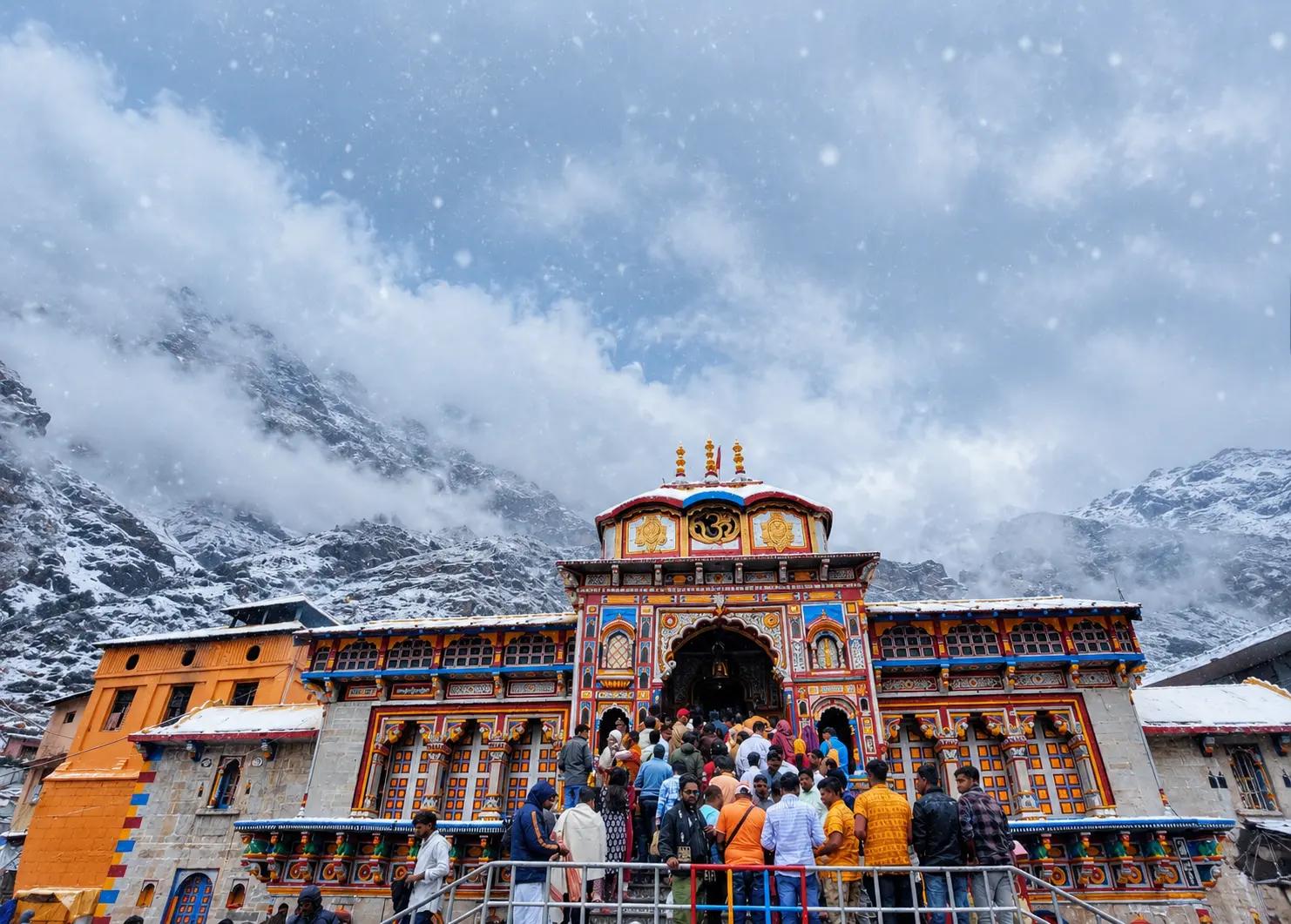
Season’s First Snowfall Blankets Badrinath, Pithoragarh & Adi Kailash
Uttarakhand’s high-altitude belt has begun seeing the first clear signs of winter, with fresh snow reported from Hemkund Sahib, the Badrinath-Satopanth side, and parts of the Pithoragarh high Himalayas including the Adi Kailash–Om Parvat region.
Uttarakhand’s high-altitude belt has begun seeing the first clear signs of winter, with fresh snow reported from Hemkund Sahib, the Badrinath-Satopanth side, and parts of the Pithoragarh high Himalayas including the Adi Kailash–Om Parvat region. The change follows days of rain, fog, road disruption, and unstable mountain weather, making this an important update for pilgrims, trekkers, and travellers tracking snowfall in Uttarakhand today. Hemkund Sahib recorded the season’s first snowfall on September 17, while fresh snow was later reported along the Satopanth route from Badrinath on September 23.
Where is snowfall in Uttarakhand 2026?
The confirmed snowfall area in Uttarakhand in late September 2026 is mainly in higher Himalayan zones rather than lower hill towns. Hemkund Sahib in Chamoli district received the season’s first snowfall on September 17, with rain and poor visibility also affecting the Kedarnath side. Fresh snowfall was then reported around Chakratirth on the Satopanth route from Badrinath on September 23, as the post-monsoon chill reached higher trekking routes.
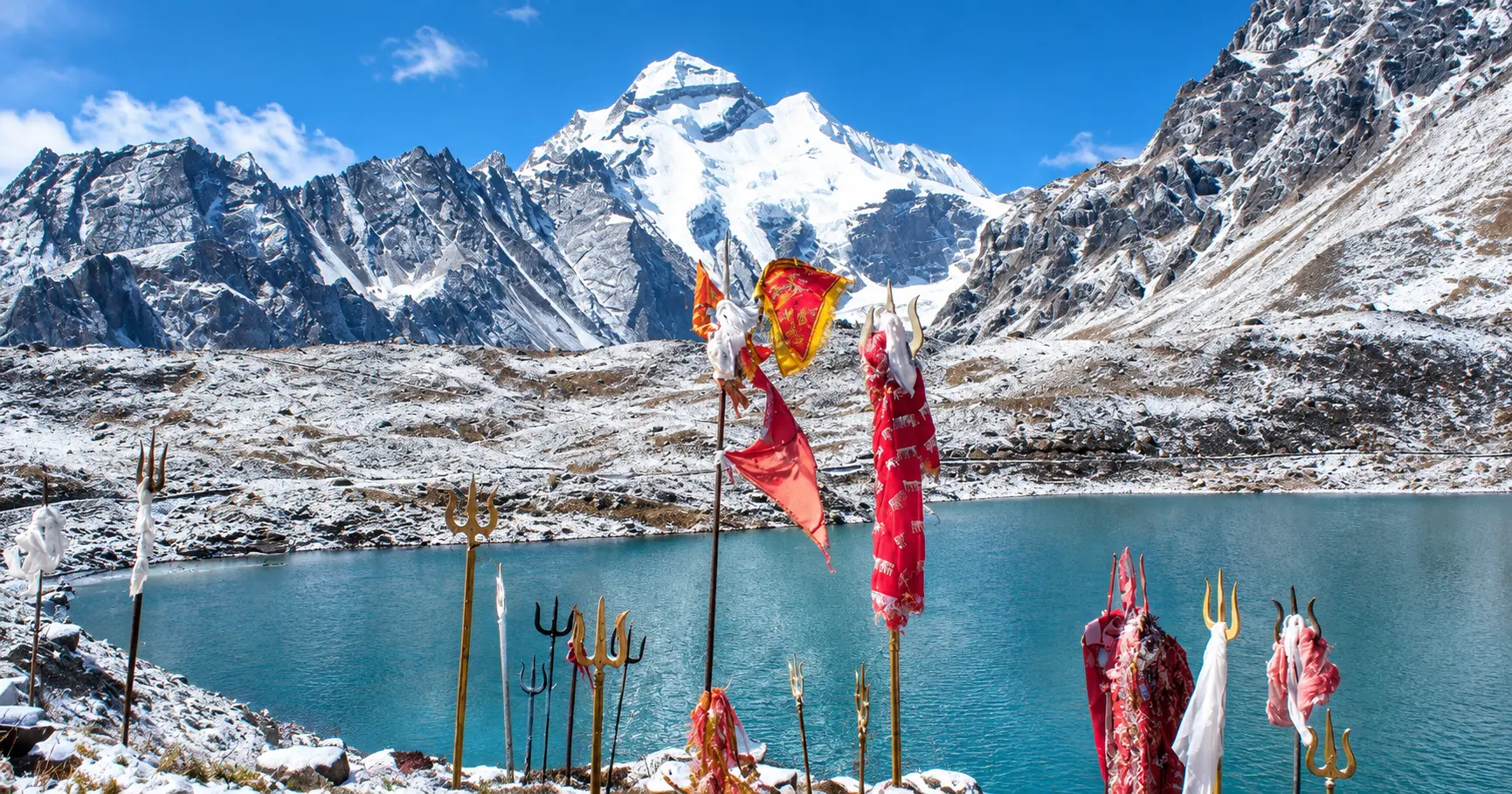
Reports from Pithoragarh also point to season’s first snowfall around Adi Kailash and Om Parvat in the Vyas Valley, where continuous rain and road closures added to travel difficulties. This means the main snowfall Uttarakhand watchers should note is not in regular tourist towns yet, but in high-altitude pilgrimage and trekking belts above the valleys.
Key updates at a glance
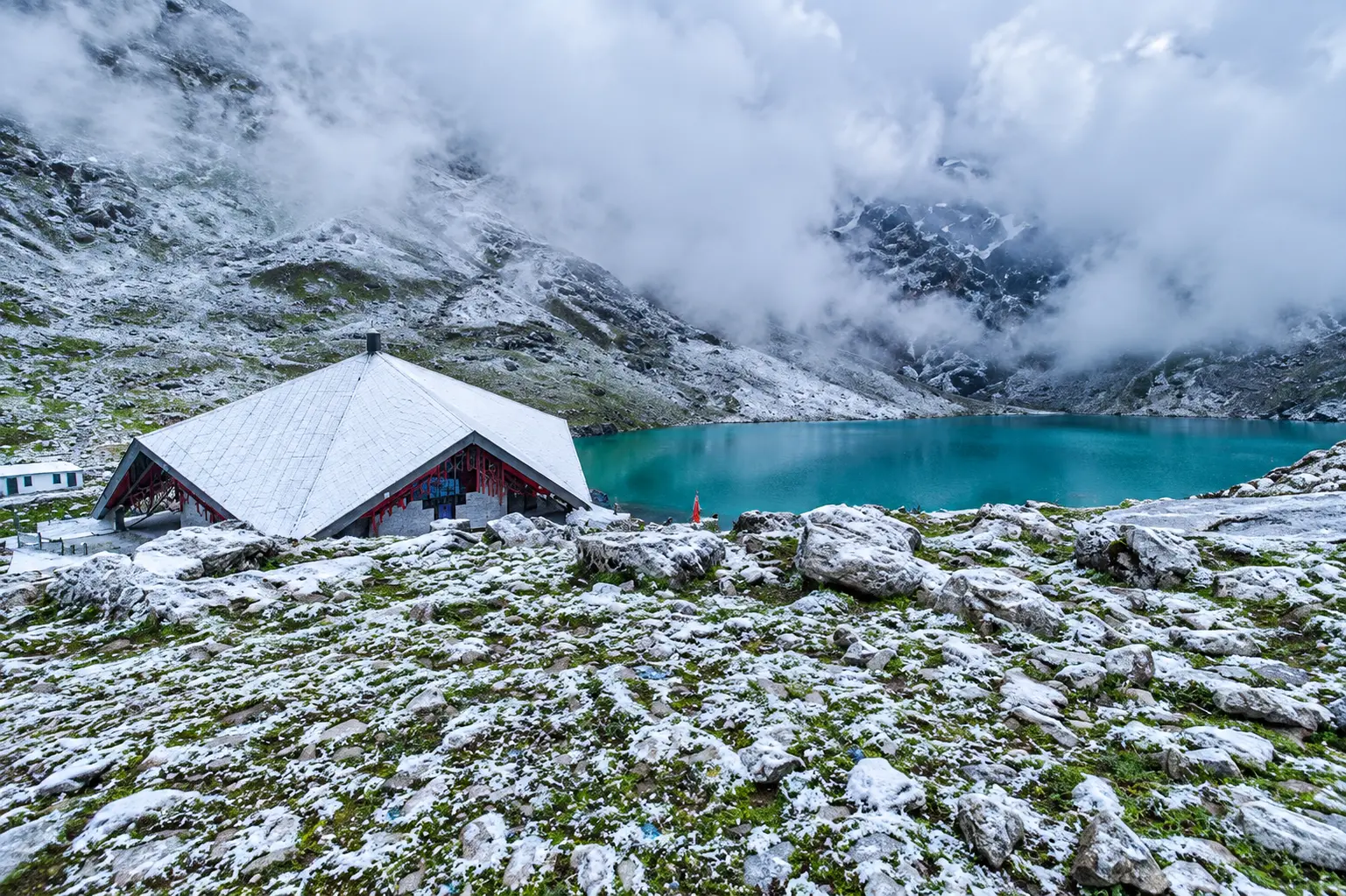
Hemkund Sahib: Season’s first snowfall was reported on September 17, covering the shrine area and nearby peaks in white.
Badrinath-Satopanth route: Fresh snow was reported near Chakratirth on September 23, where trekkers camping on the route experienced a sudden change in conditions.
Pithoragarh high altitudes: Adi Kailash and Om Parvat areas saw fresh snow, while rain-triggered disruption affected roads in the district.
Adi Kailash Yatra: The second phase had already been deferred until September 20 because of persistent bad weather and road closures, including a washed-out Bailey bridge near Kulagarh.
Weather warning context: The IMD listed a September 27 press release for isolated heavy to very heavy rainfall over Uttarakhand and West Uttar Pradesh, showing that the broader weather pattern remained active after the first snow reports.
Snow arrives as monsoon conditions linger
The latest Uttarakhand snow does not mean winter has fully settled across the state. In the Himalayas, snow can appear at very high elevations while lower valleys continue to receive rain and remain comparatively mild. This is why Badrinath, Kedarnath, Hemkund Sahib, Adi Kailash, and high trekking routes can feel wintry even when nearby roadheads are still dealing with rain, fog, slush, and landslide-prone conditions.
For travellers searching “snowfall in Uttarakhand 2026” or “where is snowfall in Uttarakhand 2026,” the practical answer is altitude-specific. Snow is being seen in high Himalayan locations and on upper pilgrimage or trekking routes, not across all Uttarakhand mountains. A valley town may have rain on the same day that a nearby pass, shrine, or glacier trail receives snow.
Pilgrimage routes face weather-linked disruption
The first snowfall has added to a difficult late-monsoon travel window for pilgrims. At Hemkund Sahib, pilgrims continued to offer prayers despite cold conditions after the shrine area received fresh snow and rain. Around Kedarnath, rain and poor visibility disrupted movement, underlining how quickly mountain weather can affect Char Dham and Sikh pilgrimage routes.
In Kumaon, the Adi Kailash route has also been weather-sensitive. The Pithoragarh district administration deferred the second phase of the pilgrimage until September 20 after bad weather and road closures disrupted access to the high-altitude shrine. The report also noted that a Bailey bridge near Kulagarh had been washed away, cutting the principal approach to upper Himalayan valleys.
What travellers should do now
Anyone planning a trip for snowfall Uttarakhand views should avoid treating social media clips as a green signal to travel. The first snow looks beautiful, but it often arrives with slippery trails, falling temperatures, cloud cover, roadblocks, and sudden visibility loss. Conditions can differ sharply between Rishikesh, Joshimath, Badrinath, Govindghat, Dharchula, Gunji, and the final high-altitude approach roads.
Before leaving, travellers should:
Check official weather warnings for Uttarakhand weather updates, especially rain alerts and district-level advisories.
Confirm road status locally with administration, police, transport operators, or registered yatra coordinators.
Carry winter layers early, even if travelling in September or October, because high-altitude wind chill changes fast.
Avoid night driving in mountain rain, especially on landslide-prone stretches and narrow approach roads.
Do not push beyond permitted points on treks or yatras when fog, snow, or road damage is reported.
Early snow is a reminder, not a guarantee
This first spell of snowfall in Uttarakhand is an early-season signal for the high Himalayas, not a guarantee of continuous snow cover everywhere. Hemkund Sahib, Satopanth, Adi Kailash, Om Parvat, and upper Badrinath-side routes may receive more intermittent snow as temperatures dip, while many accessible towns may still see rain or cloudy weather. The coming weeks will decide how quickly the seasonal snowline descends.
For now, the safest reading is clear: Uttarakhand’s upper mountains have started turning white, but travel remains highly weather-dependent. Pilgrims, trekkers, photographers, and tour operators should plan with flexibility, follow official advisories, and treat every high-altitude route as dynamic until the weather stabilises.
Best Selling Tour Packages
Explore other exciting options for your next adventure!