
Wildlife and Nature Tour
Wildlife and Nature Tour
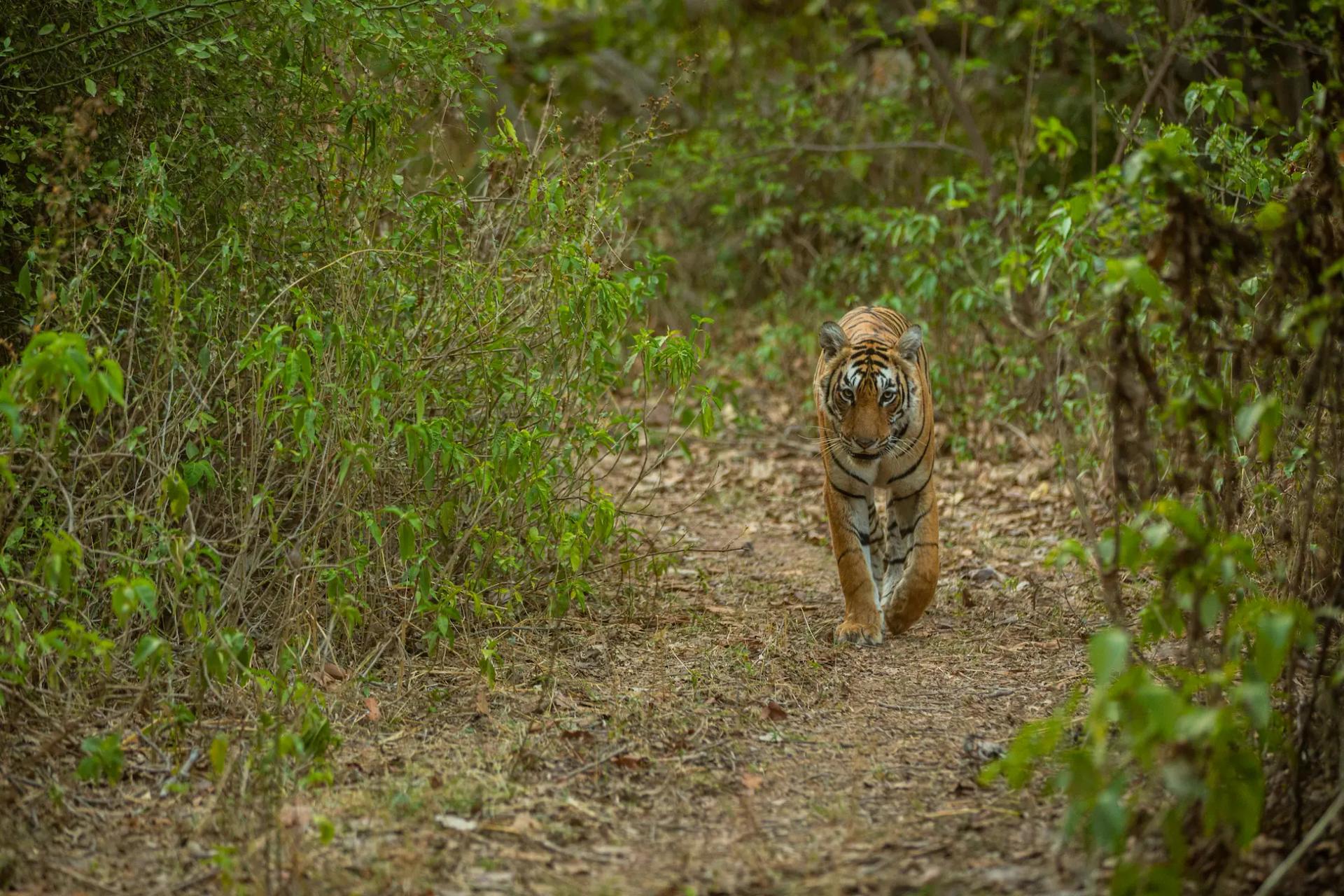
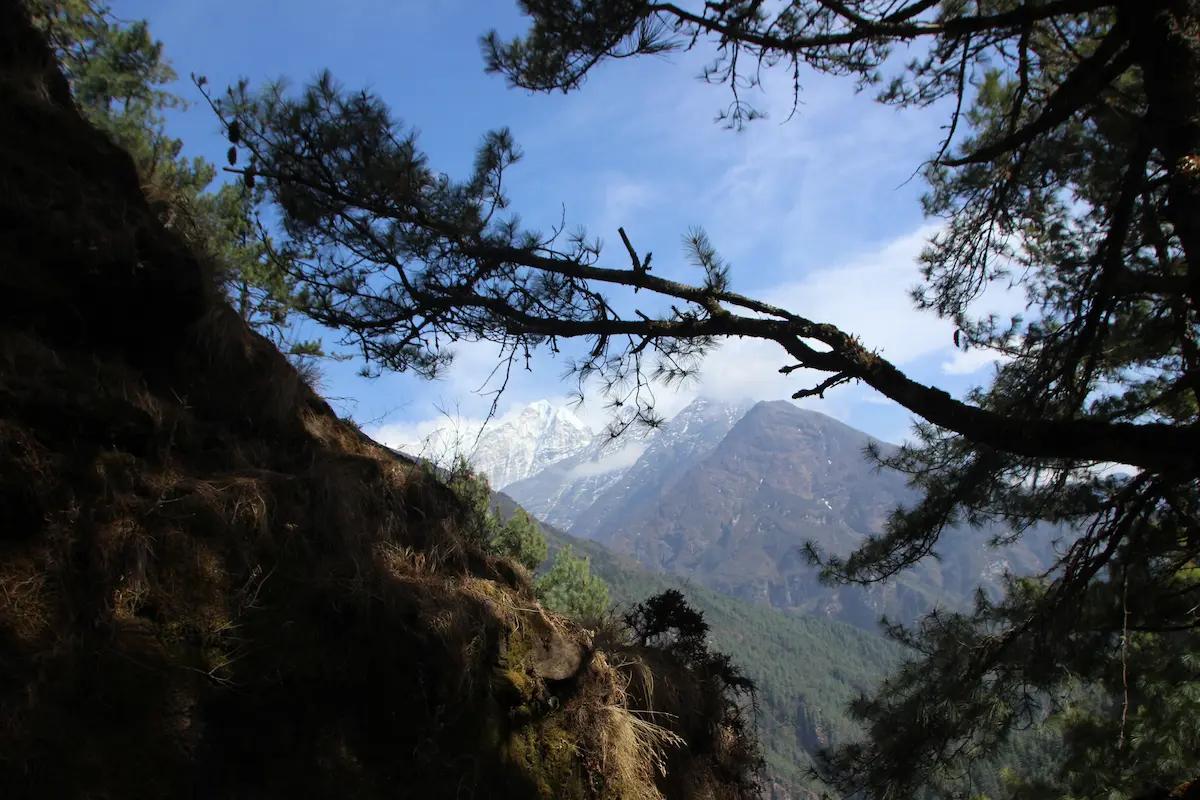
India’s wild corners tell different stories depending on where you stand. In Uttarakhand, dawn breaks over sal forests and tiger trails. Himachal whispers through cedar valleys and trout streams. Rajasthan’s scrublands glow gold as a gypsy edges into Ranthambore’s famed zones. Gujarat’s lion country melts into salt-desert horizons. And Sikkim unveils alpine meadows, jade lakes, and monasteries wrapped in clouds.
This BizareXpedition™ Wildlife & Nature Travel Handout is your compact, human-first guide to planning nature-centric getaways across five stunning states—covering easy routes, best seasons, top experiences, local food, and practical tips, with direct links to helpful tour pages and cab options.
Keywords in bold can be retained where necessary for SERP benefits, and relevant ones can be linked to your internal pages.
Introduction
Here’s what a true nature trip feels like:
You wake to a river thrumming behind your stay. In the half-light, a jeep noses into the sal forests and someone whispers, “Listen.” A langur’s alarm call trembles through the canopy; deer pause mid-step; a peacock rises like scattered colour. Whether or not a big cat appears, the forest makes you gentler, quieter.
India has endless wilds, but the Uttarakhand–Himachal–Rajasthan–Gujarat–Sikkim arc gives you almost everything: tiger country, lion territory, high meadows, bugyals, glacial lakes, birding wetlands, salt deserts, riverside trails, and monasteries above cloud-lines.
The joy isn’t just the checklist—tiger, lion, musk deer, blackbuck, blue sheep—but the spaces between them: deodar-shaded walks, hot chai on bends, trout sizzling near a stream, monks chanting above a cloud-lake, desert breezes moving across silent dunes.
Uttarakhand can pair its Jim Corbett jungles with lake districts, bird-rich sanctuaries, rhododendron treks, and monsoon-flower valleys.
Himachal flows slower—cedars, stone villages, trout streams, and easy trails.
Rajasthan brings tiger lakes, desert skies, and some of India’s richest wetlands.
Gujarat offers lions, blackbucks, flamingos, and sea-salt evenings.
Sikkim bends into cloud forests, skywalks, jade lakes, and peaceful highlands.
Travel simply. Eat local. Keep mornings open for the wild. You’ll return feeling more alive, not more tired.
Getting There & Best Time (Quick Practical Guide)
How to Reach
By Air
Uttarakhand: Dehradun (DED) for Garhwal; Pantnagar (PGH) for Kumaon.
Himachal: Chandigarh (IXC), Kullu (KUU) for Manali; Dharamshala (DHM) for Kangra.
Rajasthan: Jaipur (JAI) for Ranthambore; Udaipur/Jodhpur for secondary circuits.
Gujarat: Ahmedabad (AMD), Rajkot (RAJ), Diu (DIU).
Sikkim: Pakyong (PYG) limited; Bagdogra (IXB) is reliable.
By Rail
Uttarakhand: Haridwar, Dehradun, Kathgodam, Ramnagar.
Himachal: Shimla toy train; Pathankot for Kangra; Chandigarh/Una for main entry.
Rajasthan: Sawai Madhopur for Ranthambore; Jaipur/Jodhpur/Udaipur well connected.
Gujarat: Ahmedabad, Rajkot, Jamnagar, Bhuj.
Sikkim: NJP (New Jalpaiguri).
Local Transport
Use right-sized cabs—Sedan for 2–3, SUV for 4–6, Tempo/Urbania for groups.
For Uttarakhand-specific routes, options like:
Haridwar → Rishikesh (Sedan)
Dehradun → Mussoorie (Crysta)
Haridwar/Dehradun → Chopta (Urbania)
Chardham transfers (Sedan/Crysta/Urbania)
Best Time by Region
Uttarakhand
Safaris (Corbett): Oct–June. Summer = high visibility. Winter = lush and beautiful.
Treks: Mar–May (rhododendrons), Jul–Aug (Valley of Flowers), Sep–Nov (clear skies).
Himachal
Nature stays: Mar–June & Sep–Nov.
Winters: Snowy and scenic; lower wildlife visibility but great landscapes.
Rajasthan
Prime wildlife: Oct–Apr.
Best sightings: May–June (hot but waterhole action).
Gujarat
Gir: Oct–June; Dec–Mar is most pleasant.
Little Rann: Nov–Feb for birds and comfortable desert weather.
Sikkim
Spring: Mar–May (flowers & colors).
Autumn: Sep–Nov (clear views).
Winters: Snow in the high north; check permits.
Top Attractions & Experiences
Uttarakhand: Forest Heart + Meadow Edge
Jim Corbett
Binsar Birding
Valley of Flowers & Hemkund
Auli Winters
Himachal: Cedar Shade + Trout Streams
GHNP + Tirthan Valley
Jalori–Serolsar
Kangra Birding
Dalhousie–Khajjiar
Rajasthan: Big Cats, Big Skies
Ranthambore
Jawai Leopards
Keoladeo (Bharatpur)
Sariska
Thar Desert
Gujarat: Lions, Blackbuck & Salt Desert
Gir National Park
Velavadar Blackbuck Sanctuary
Jamnagar Marine NP
Nal Sarovar
Beach–Wildlife Combos
Sikkim: Cloud Forests to High Lakes
Lachen–Lachung–Yumthang
Zero Point
Gurudongmar
Pelling–Ravangla Nature Circuits
Dzongri Short Trek
Culture & Food
Your section is already rich and evocative. I’ve only polished grammar and flow.
Uttarakhand: Garhwali/Kumaoni thalis—mandua rotis, pahadi dal, aloo ke gutke with banjha (ringal) baskets on the wall. Evenings bring river hum and temple bells from a distance. In Corbett’s belt, try homestyle chicken curry and red rice; in Kumaon, bhatt ki churkani with local ghee. In Chopta/Auli, chai stalls on bends with views that silence conversations.
Himachal: Cedar smoke at dusk, stone-and-wood homes, apple orchards, dhaam feasts at festivals. Trout fried golden by a riverside dhaba. Gaddi shepherd stories over salt tea as Dhauladhars catch fire at sunset.
Rajasthan: Millets and desert wisdom: bajra rotis, ker-sangri, robust laal maas. Folk songs carry across courtyards; a sarangi note rises like a bird. Fort silhouettes turn orange; Ranthambore gypsies roll back, and a kettle whistles back at camp.
Gujarat: Kathiawadi heat (think lasaniya bataka), farsan plates loaded, sugar-tinged Gujarati thalis that balance tang and spice. Near the coast: coconut, fresh catch, sea air, and salt rim on your lips. In Kutch, a family spreads out embroidered textiles while you sip chaas.
Sikkim: Soulful bowls—thukpa, phagshapa, momos with a side of mountain view. Temi tea fragrance, butter lamps in monasteries, prayer flags snapping over deep valleys.
Practical Guide
Where to Stay: Choose eco-lodges, forest-front resorts, homestays near trailheads, or desert camps with proper access.
Meal Options: Opt for early tea + biscuit before safaris; eat light during the day; avoid plastics.
Short Itineraries: Your 3-day and 5-day plans are already excellent. I adjusted grammar/phrasing while keeping structure.
Do’s & Don’ts
Do’s
Pre-book core-zone safaris.
Start early; wildlife moves in cooler hours.
Wear muted colours, keep phones silent.
Hydrate and acclimatize in high-altitude regions.
Don’ts
Don’t feed or approach wildlife.
Don’t litter or play loud music.
Don’t push long night drives in the hills.
Conclusion: The Wild is Patient—Meet It Halfway
Travellers remember the sightings, sure—but more than that, they remember the hush of a waking forest, a homestay kitchen’s warmth, and the way mountain roads soften noisy thoughts. Across these five states, nature asks for presence and simplicity. Give it early mornings, quiet steps, and a willingness to sit still.
It’ll give you stories for a lifetime.
Frequently Asked Questions (FAQs) & People Also Ask — wildlife and nature tour Tour Packages
We help you prepare for your trip and ensure an effortless and enjoyable travel experience.