
Wildlife And Safari Tours India
Wildlife And Safari Tours India
India is one of the few countries in the world where you can see a wild tiger, a wild Asiatic lion, a one-horned rhino, an Asian elephant and a snow leopard, all in one country. Its national parks range from the dry forests of Rajasthan and the sal forests of Central India to the grasslands of Assam, the rainforests of the Western Ghats and the high cold desert of Ladakh. Many of these parks also hold ruined forts, old temples and villages, so a safari here is often part history, part wilderness.
This page brings together our wildlife and safari journeys. You will find how we think about wildlife travel, how we plan safaris, a guide to India's parks region by region, and the journeys you can book. Every journey can be changed to suit your dates, interests and level of comfort.
Who we are
BizareXpedition is a private travel company based in Haridwar, on the edge of the Himalayan foothills, close to Rajaji National Park. The company was founded in 2016 by Deepika Negi. We plan private journeys across India, Nepal and Bhutan, and wildlife is one of the themes our guests ask for most. Some come for a tiger. Others come for birds, for the high mountains or for the quiet hours of waiting that every good safari includes.
Our promise is India, arranged around you. On a wildlife journey, that means the right parks for your season, the right zones within each park, lodges close to the gates, and a naturalist who matches your interest, whether that is big cats, birds or photography.
What wildlife travel means to us
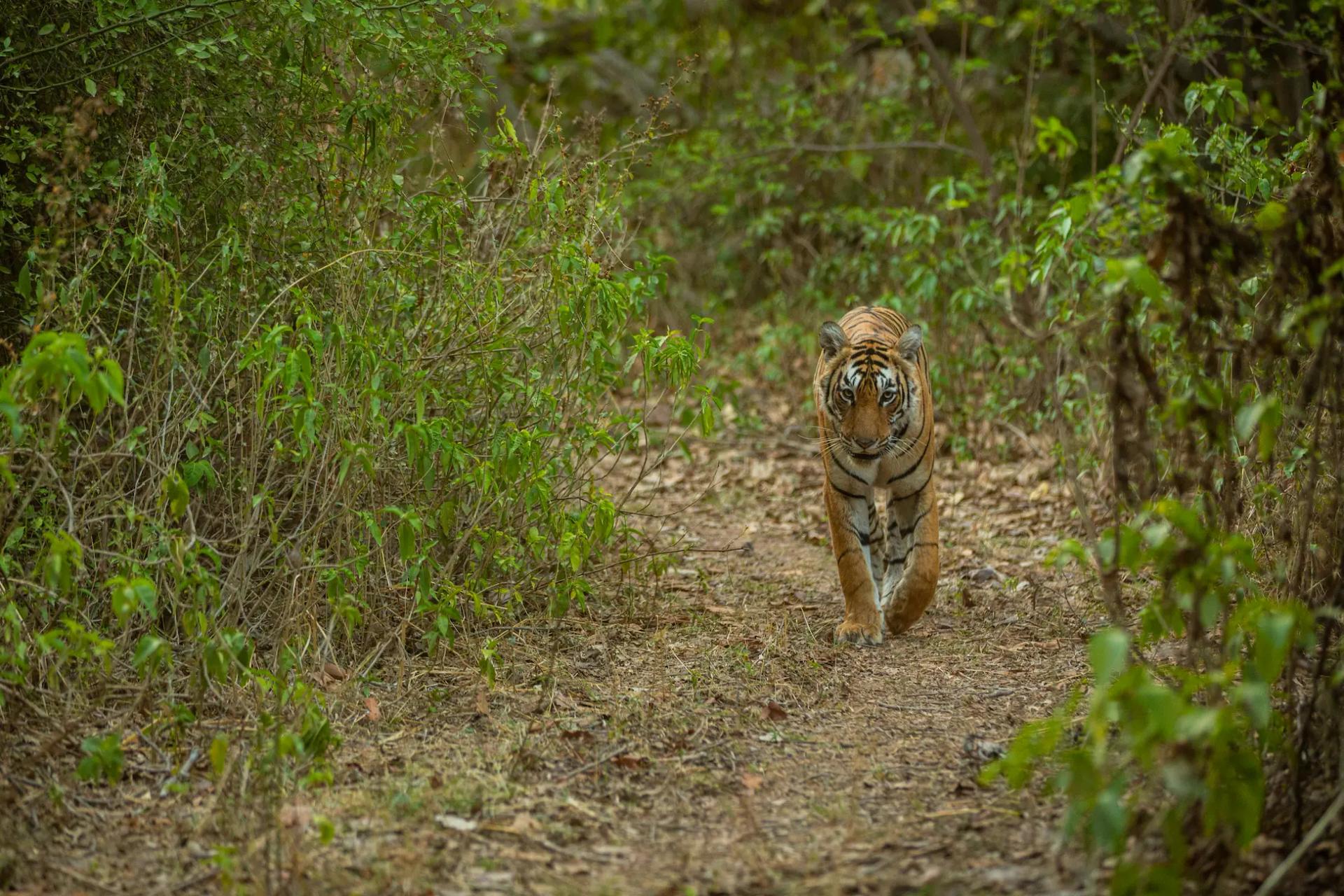
A wildlife journey runs on the animals' clock. You wake before dawn, you drive into the forest as the light grows, and you wait. Sometimes a tiger walks across the track within minutes. Sometimes it is the fourth drive before you see one. We are always honest about this: a sighting is never promised. What we can give you is the right season, the right park, a guide who reads the signs and enough time in the forest to give you a real chance.
For us, the forest is more than the animal you came to see. It is the alarm call of a spotted deer, the paw print in the dust, the kingfisher on a branch, the smell of the forest after rain. Good naturalists help guests see all of it, and those moments often stay with people as long as the tiger itself.
We also believe wildlife travel matters. Visitors' fees help fund protection of the parks, and lodges employ people from nearby villages. When guests travel with respect, keep to the rules and choose responsible lodges, tourism becomes part of the reason these places survive.
How we plan your safari
Every journey starts with a conversation about what you most want to see, how many safaris you would like, whether you are a photographer, and how active you want to be. Then we build a route and refine it with you.
The right parks, the right season. Each park has its best months. We plan around them, and around the seasonal closures of core zones during the monsoon.
Enough drives. We recommend at least three to four safaris in each tiger park, over two or three nights, to give you a fair chance of a sighting.
Permits booked early. Safari permits are limited and allocated by zone. We book them as early as possible, usually as soon as you confirm.
Lodges near the gates. We choose lodges close to the zones you will visit, so early mornings are easier and less time is spent on the road.
Naturalists who know the forest. Our lodges and partners work with experienced naturalists. For birdwatchers and photographers, we can arrange specialists.
Three levels of comfort. Each journey comes in Premium, Luxury and Ultra-Luxury versions, from comfortable safari lodges to some of India's finest jungle retreats.
Support throughout. Our team follows your journey and can adjust plans if a zone changes or the weather turns.
India's wildlife, region by region
Central India: tiger country
Madhya Pradesh holds some of India's best-known tiger reserves. Kanha's meadows and sal forests inspired The Jungle Book. Bandhavgarh has a high density of tigers and an ancient fort on its hill. Pench, Panna and Satpura each have their own character: Satpura is known for walking safaris and canoe trips, and Panna for its river gorges.
Rajasthan: Ranthambore and Jawai
Ranthambore's tigers live among the ruins of a thousand-year-old fort and lakes lined with old pavilions. Further west, the granite hills of Jawai are known for leopards that live close to villages, and for the herders who share the land with them.
Gujarat: Gir and the grasslands
Gir National Park is the only place in the world where wild Asiatic lions live. Gujarat also has Velavadar, a grassland famous for blackbuck antelope, the Little Rann of Kutch, home of the Indian wild ass, and a marine national park near Jamnagar.
The North East: Kaziranga and beyond
Kaziranga, in Assam, is home to most of the world's one-horned rhinos, along with elephants, wild water buffalo, swamp deer and tigers. Safaris here are by jeep through tall grass and wetland, and the birdlife is outstanding.
The Himalaya: snow leopards and high-altitude wildlife
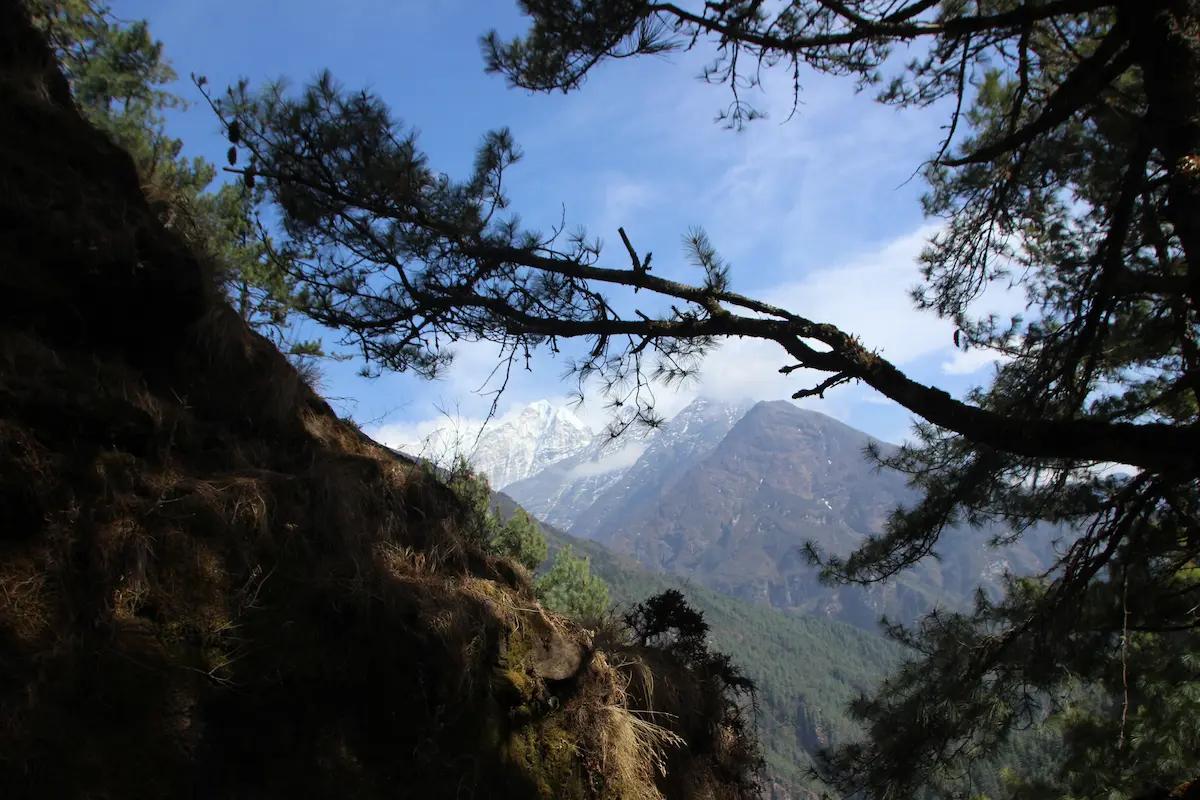
In winter, snow leopards come down to lower valleys in Ladakh and Spiti, following their prey. Spotting one takes patience, skilled trackers and cold early mornings, and it is one of the great wildlife experiences anywhere. Uttarakhand's Rajaji and Corbett parks have elephants and tigers in the foothills.
South India: elephants and the Western Ghats
Nagarhole, Bandipur and Periyar protect large herds of Asian elephants, along with tigers, leopards, gaur and many endemic birds. Periyar offers boat safaris on its lake, and the forests of the Western Ghats are rich in birds and butterflies.
| Region | Main parks | Signature wildlife | Best months |
|---|---|---|---|
|
Central India |
Kanha, Bandhavgarh, Pench, Panna, Satpura |
Tiger, leopard, gaur, barasingha |
October to June; core zones close in the monsoon |
|
Rajasthan |
Ranthambore, Jawai |
Tiger, leopard |
October to June |
|
Gujarat |
Gir, Velavadar, Little Rann of Kutch |
Asiatic lion, blackbuck, wild ass |
Mid-October to mid-June |
|
North East |
Kaziranga |
One-horned rhino, elephant, wild buffalo |
November to April |
|
Ladakh and Spiti |
Hemis area, Ulley, Kibber |
Snow leopard, Himalayan ibex |
January to March |
|
South India |
Nagarhole, Bandipur, Periyar |
Asian elephant, tiger, endemic birds |
October to May |
Wildlife & Safari Tours in India - 2027
Ways to experience the wild
Jeep safaris. The classic Indian safari is in an open jeep, called a Gypsy, with a driver and naturalist, in the early morning and late afternoon.
Walking and canoe safaris. In Satpura and a few other parks, you can explore on foot or by boat with a trained guide.
Birdwatching. India has well over a thousand bird species. Bharatpur, Kaziranga, the Western Ghats and the Little Rann are especially rich.
Snow leopard tracking. Spend winter days scanning the slopes of Ladakh with expert spotters and telescopes.
Photography. Specialist photography safaris use dedicated vehicles and longer drives where park rules allow.
Village and conservation visits. Meet people working to protect the parks and learn how villages live alongside wildlife.
Choosing the right wildlife journey
If a tiger is your goal, Central India and Ranthambore give the best chances, ideally with two parks and six or more safaris. Twelve days allows a good circuit of the Central Indian parks. If you would like to combine wildlife with heritage, a route such as Taj, Tigers & Lakes adds Ranthambore to Agra and Rajasthan. For rhinos, Kaziranga is the place; for lions, Gir; for snow leopards, Ladakh in late winter.
Birders and photographers often prefer longer stays in fewer places. Tell us your interests and we will suggest the right mix.
A day on safari
Your alarm goes off at five. It is still dark and, in winter, very cold. You pull on warm layers, drink a quick cup of tea at the lodge, and climb into an open jeep with your driver and naturalist. At the park gate, the vehicles line up and the forest guards check permits. Then the gate opens and you drive into the trees as the first light comes through the mist.
For the next few hours, your naturalist listens as much as looks. A sambar deer barks a warning. A troop of langur monkeys calls from the trees. Fresh pugmarks, the paw prints of a tiger, cross the track. You wait by a waterhole, engine off, in complete silence. Sometimes the tiger appears. Sometimes it is a leopard, a sloth bear, a crested serpent eagle or nothing at all, and the forest itself is the reward. By late morning you are back at the lodge for breakfast, a swim and a rest. In the afternoon you go out again until dusk, and in the evening you share stories around a fire.
Who our wildlife journeys suit
First-time visitors often combine one tiger park with the Taj Mahal and Rajasthan. Dedicated wildlife lovers prefer longer circuits through several parks, with more safaris and more time in the forest. Birdwatchers enjoy India's rich birdlife in every season. Photographers need longer drives and the right light, and we plan for both.
Families with children are welcome too. Many lodges have family rooms and nature activities for younger guests, and seeing an elephant or a rhino in the wild is something children remember for life.
Wildlife through the year
The best months depend on the animal and the park. This simple guide helps you plan.
| Season | Best for | Notes |
|---|---|---|
|
October to November |
Central India and Ranthambore reopen; South India |
Green forest, pleasant weather |
|
December to February |
All tiger parks, Kaziranga, Gir; snow leopards in Ladakh |
Cold mornings in the north; peak season |
|
March to May |
Tiger parks in Central India and Rajasthan |
Hot, but animals gather at water; good sightings |
|
June |
Some parks remain open |
Very hot; monsoon arrives later in the month |
|
July to September |
Most core zones closed |
Some buffer zones open; Kaziranga closed |
Wildlife through the year - 2027
Park opening dates are set each year by the forest departments, and we check them before confirming your plan.
What our guests take home
Ask a guest about their safari and they rarely start with the tiger. They talk about the hush in the jeep when an alarm call rang out, the moment the naturalist pointed to a shape in the grass, the rhino and her calf crossing a river in Kaziranga, or the lion that walked past their vehicle in Gir without a glance. They remember the forest at dawn, the birds and the people who shared the experience with them.
They also take home an understanding of how India protects its wildlife. India has one of the world's largest populations of wild tigers, and its parks sit close to villages and farmland. Seeing how people and animals share this land is one of the most interesting parts of a safari here.
Combining wildlife with the rest of India
Wildlife journeys combine well with almost every other theme. Ranthambore fits into Rajasthan and the Golden Triangle. Bandhavgarh and Kanha pair with the temples of Khajuraho and with Varanasi. Kaziranga is often part of a North East journey with Meghalaya and Sikkim, and Gir combines with Gujarat's temples and the Rann of Kutch. The South Indian parks fit easily between Kerala's hills and backwaters. Tell us your plans and we will suggest the right parks.
Birding hotspots
For birdwatchers, Keoladeo National Park at Bharatpur is famous for winter migrants, the Little Rann and Nal Sarovar in Gujarat hold flamingos and cranes, and the North East and Western Ghats are rich in species found nowhere else.
Where you stay on safari
Your lodge is your home in the forest, and it shapes the whole experience. In Central India and Ranthambore, lodges range from comfortable safari camps to luxury jungle retreats with private pools and fine dining. Many sit on land that has been rewilded, so deer, birds and even leopards can be seen from your veranda. In Kaziranga, lodges look over tea gardens and the edge of the park. In Gir, they sit in quiet groves near the forest. In Ladakh, snow leopard expeditions use warm homestays in high villages, where local families share their homes and kitchens.
At every level, we look for lodges with good naturalists, early breakfasts packed for the morning drive, and a calm, welcoming atmosphere. We tell you honestly what each lodge offers, so you can choose with confidence.
Our wildlife and safari journeys
| Journey | Region | Length |
|---|---|---|
|
On the Tiger's Trail: Central Indian Parks |
Madhya Pradesh |
12 days |
|
Small-Group Overland Central India Wildlife |
Madhya Pradesh |
13 days |
|
Panna and Satpura Birding Expedition |
Madhya Pradesh |
9 days |
|
Bandhavgarh Private Tiger Safari |
Madhya Pradesh |
4 days |
|
Taj, Tigers & Lakes |
Agra and Rajasthan |
8 days |
|
Golden Triangle with Ranthambore Safari |
Delhi, Agra, Jaipur, Ranthambore |
8 days |
|
Rajasthan Nature and Tiger Safari |
Rajasthan |
9 days |
|
Jodhpur, Jawai and Jaisalmer |
Rajasthan |
On request |
|
Gujarat Grand Wildlife Circuit |
Gujarat |
10 days |
|
Asiatic Lion Conservation Naturalist Tour |
Gujarat |
6 days |
|
North East Wildlife Conservation Circuit |
Assam and the North East |
11 days |
|
Search for Snow Leopards in Ladakh |
Ladakh |
14 days |
|
Snow Leopard Winter Expedition, Spiti |
Himachal Pradesh |
16 days |
|
South India Wildlife Grand Circuit |
Kerala, Karnataka, Andhra Pradesh |
11 days |
|
Karnataka and Kerala Wildlife Corridor |
Karnataka and Kerala |
8 days |
|
Rajaji Elephant and Tiger Safari |
Uttarakhand |
4 days |
Our wildlife and safari journeys - 2027
Practical tips for safaris
Wear quiet colours. Greens, browns and khaki are best. Avoid bright colours and strong perfume.
Dress for cold mornings. Open jeeps are cold at dawn from November to February. Bring a warm jacket, hat and gloves.
Bring binoculars. A good pair of binoculars makes a big difference, for animals and birds alike.
Follow park rules. Stay in the vehicle, keep quiet and never ask the driver to go off the track.
Book early. Permits for popular zones sell out months ahead in peak season.
Be patient. Sightings come to those who wait. Enjoy the whole forest, not only the animal you came to see.
Travelling with respect
We choose lodges that employ local people and treat waste and water carefully, and we follow park rules strictly. We ask guests to keep noise low, to never feed animals, to avoid single-use plastic and to respect the distance the animals need. Responsible tourism helps keep these parks protected for the future.
Start planning your safari
Tell us which animals you dream of seeing and when you can travel. We will suggest the right parks and send a first route with lodges at each level and an indicative price. You can reach us at info@bizarexpedition.com or on +91 95604 08806.
Best Selling wildlife and safari tours india
Book exciting wildlife and safari tours india with BizareXpedition Updated On: Nov 26, 2026
Frequently Asked Questions (FAQs) & People Also Ask — wildlife and safari tours india Tour Packages
We help you prepare for your trip and ensure an effortless and enjoyable travel experience.