
Published On - Jul 16, 2026
Updated On - Aug 27, 2026
25 min
Madhya Pradesh Complete Travel Guide
The Heart of Incredible India — where tigers walk unhurried through sal forest, dynasties carved their devotion into stone, and every highway seems to end at either a temple or a jungle gate.
The tiger crossed the fire trail at Bandhavgarh so close to our jeep that our naturalist did not even raise his voice — he simply lifted two fingers, and the entire vehicle stopped breathing. She was in no hurry. She paused mid-stride to scent-mark a sal trunk, looked directly at us for perhaps four seconds with an indifference that felt like the oldest privilege in the world, and melted back into the bamboo as though she had never been there at all. Nobody spoke for a full minute afterwards. That is Madhya Pradesh in a single frame — enormous, unbothered, and utterly certain of its own worth.
Most of India moves in a hurry. Madhya Pradesh, sitting exactly in the country's middle, seems to have opted out of the rush entirely. It has more tiger reserves than any other Indian state, a UNESCO temple town that predates most European cathedrals, a Buddhist stupa older than the Roman Empire, and a stretch of pure white marble cliffs that Bollywood still can't resist filming. And somehow, none of it feels crowded.
Why 'Madhya' — The Heart of the Country
Madhya Pradesh means, literally, 'Middle Province' — a name earned by simple geography. The state sits at the dead centre of the Indian landmass, on the Malwa Plateau and the wide sweep of the Vindhya and Satpura ranges, cradling the source of the Narmada, one of India's seven sacred rivers, which rises at Amarkantak in the state's east and cuts west across the entire peninsula to the Arabian Sea — a rare river that runs against the grain of nearly every other major waterway on the subcontinent. Before it was Madhya Pradesh, this land was Gondwana, home to the Gond, Baiga, Bhil, and Korku peoples, whose descendants still farm and forage across its forests today, and whose name geologists later borrowed for the ancient supercontinent itself, because rock formations here proved old enough to anchor the theory.
Dynasty after dynasty left fingerprints on this plateau. The Mauryan emperor Ashoka built the first stupa at Sanchi in the 3rd century BCE, two centuries before Christ. The Chandela Rajputs, seven centuries later, carved the temples of Khajuraho into some of the most technically accomplished stone sculpture anywhere on earth. The Bundela kings raised Orchha on the Betwa's banks in the 1500s, and the Scindias fortified Gwalior into what Emperor Babur himself called the pearl among the fortresses of Hind. Layer all of that history over India's single densest concentration of tiger reserves — Kanha, Bandhavgarh, Pench, Panna, and Satpura — and you understand why Madhya Pradesh Tourism's own tagline, 'the heart of incredible India,' is less a marketing line than a simple geographic fact.
| Detail | Information |
|---|---|
|
Capital |
Bhopal |
|
Largest city |
Indore |
|
UNESCO World Heritage Sites |
Khajuraho, Sanchi, Bhimbetka Rock Shelters |
|
Tiger reserves |
Kanha, Bandhavgarh, Pench, Panna, Satpura |
|
Best circuits |
Wildlife (Kanha–Pench–Bandhavgarh), Heritage (Khajuraho–Orchha–Gwalior), Spiritual (Ujjain–Omkareshwar–Sanchi) |
|
Ideal trip length |
8–12 days to cover one wildlife + one heritage circuit |
|
Best season |
October to March; April–June for Mandu's pre-monsoon romance, monsoon for Pachmarhi |
|
Main gateway airports |
Bhopal, Indore, Jabalpur, Khajuraho, Gwalior |
|
State language |
Hindi |
Madhya Pradesh — Essential Facts
Madhya pradesh is india's tasting menu — a temple course, a jungle course, and a plate of indori poha in between, so that nobody leaves the table hungry.
Getting There — Gateways Into the Heart of India
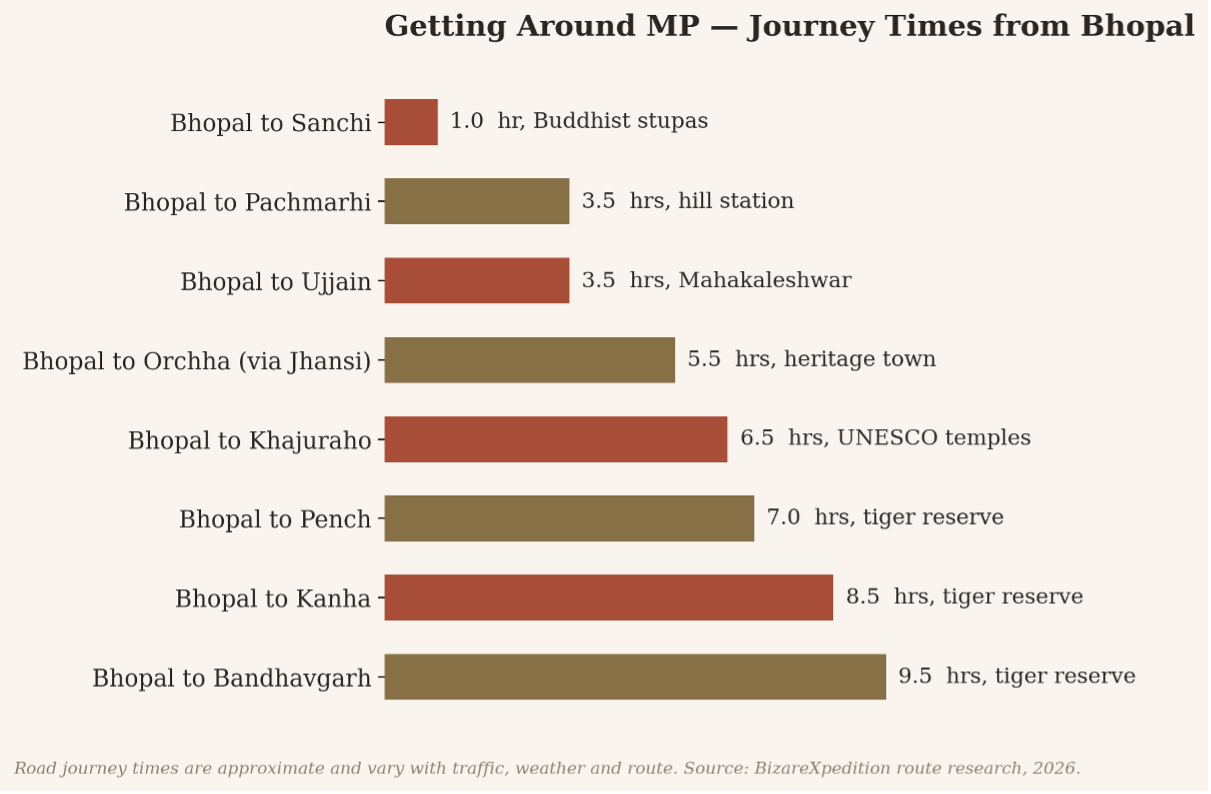
Madhya Pradesh has no single gateway, and that is precisely its logistical charm — you can enter from almost any direction and land close to something worth seeing immediately. Bhopal's Raja Bhoj Airport is the natural hub for the state's centre, well connected to Delhi, Mumbai, and Bangalore, and sits under an hour from Sanchi and around three and a half hours from Pachmarhi. Indore, the state's largest and cleanest city, works best as a base for Ujjain, Omkareshwar, and Mandu, all within a two-to-three-hour radius. Jabalpur is the wildlife gateway of choice — closest to Kanha and Bandhavgarh, and the jumping-off point for the marble cliffs of Bhedaghat. Khajuraho has its own small airport with direct flights from Delhi and Varanasi, making the heritage circuit surprisingly easy to slot into a longer Uttar Pradesh itinerary. Gwalior, finally, sits just off the Delhi–Agra corridor, letting road-trippers coming down from North India fold Gwalior Fort and Orchha into a trip that started at the Taj Mahal.
Rail remains the backbone for budget-conscious travellers and for the tiger circuit specifically — Jabalpur and Umaria stations put Kanha and Bandhavgarh within an hour or two of a platform, while Nagpur, just across the Maharashtra border, is the fastest airport approach to Pench. Road conditions across the state's core highways are consistently good by Indian standards; the last stretch into any tiger reserve, however, is invariably a rural two-lane road that slows to a crawl after dusk, so we always plan the final approach for daylight.
| Route | Distance | Approx. Time |
|---|---|---|
|
Bhopal → Sanchi |
46 km |
1 hr |
|
Bhopal → Pachmarhi |
195 km |
3.5 hrs |
|
Bhopal → Ujjain |
185 km |
3.5 hrs |
|
Jabalpur → Bandhavgarh (via Umaria) |
165 km |
3.5 hrs |
|
Jabalpur → Kanha |
165 km |
4 hrs |
|
Nagpur → Pench |
90 km |
2 hrs |
|
Jhansi → Orchha |
18 km |
30 min |
|
Orchha → Khajuraho |
175 km |
4 hrs |
Route For Madhya Pradesh
When to Go — A State With Three Different Calendars
Winter, from October to March, is when most of Madhya Pradesh performs at its best simultaneously — tiger reserves reopen after their monsoon closure, Khajuraho's stone carvings sit under a soft, low winter light that photographers chase for weeks, and daytime temperatures across the plateau stay a gentle 15°C to 28°C. This is peak season everywhere, and safari permits for Bandhavgarh's Tala zone or Kanha's core zones sell out three to four months ahead for the December-to-February window. Summer, April to June, turns brutal on the plains — Khajuraho and the wildlife parks can cross 42°C by May — with one glorious exception: Mandu, whose hilltop elevation and Sultanate ruins turn genuinely romantic in the pre-monsoon haze, and whose Roopmati Pavilion looks out over 80 kilometres of shimmering plain on a clear evening.
Monsoon, roughly July to September, closes the core zones of every tiger reserve — buffer-zone safaris continue, but sightings thin out — while it simultaneously transforms Pachmarhi and Bhedaghat into the best versions of themselves. Pachmarhi's waterfalls run full, its forest trails turn a saturated green found nowhere else in Central India, and the Marble Rocks at Bhedaghat swell the Narmada into a far more dramatic show than its gentle winter trickle. If wildlife is the priority, build the trip around November to April. If landscape and quiet are the priority, monsoon in the Satpura hills rewards travellers who don't mind packing a rain jacket.
| Season | Months | Typical Temp | Best For |
|---|---|---|---|
|
Winter |
Oct – Mar |
8°C to 28°C |
Tiger safaris, Khajuraho, Sanchi, Orchha |
|
Summer |
Apr – Jun |
25°C to 44°C |
Mandu's romantic haze; early-morning safaris only |
|
Monsoon |
Jul – Sep |
22°C to 32°C |
Pachmarhi, Bhedaghat, lush landscapes; parks closed |
When to Go
Choosing a season in madhya pradesh is like choosing a course from a full malwa thali — winter is the main dish everyone orders, but monsoon in pachmarhi is the dessert nobody warns you about.
Things to do in Madhya Pradesh...
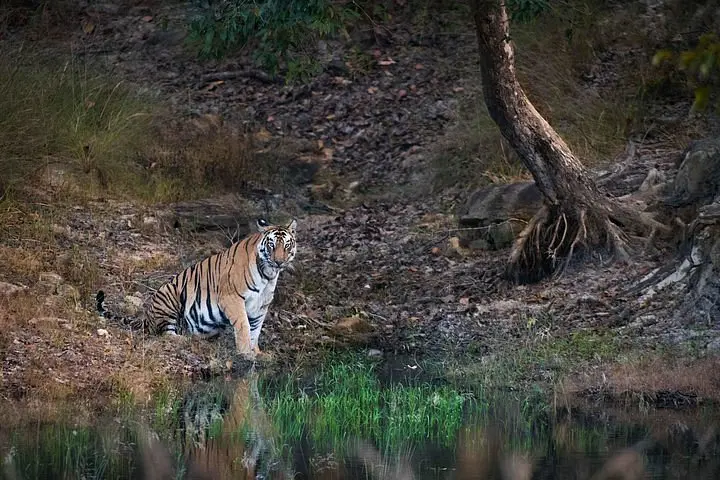
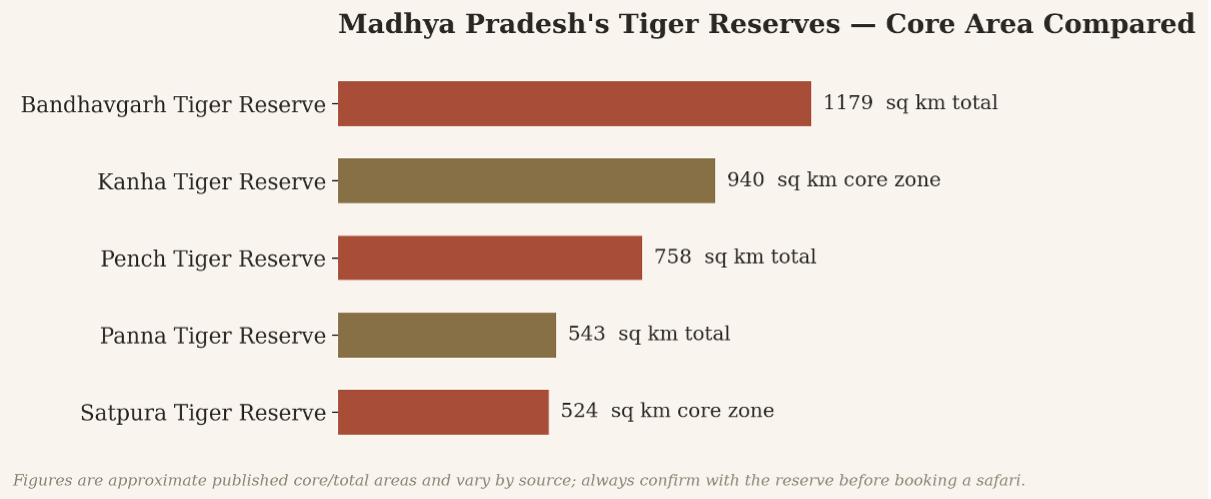
Go looking for a tiger in Kanha, Bandhavgarh, or Pench. Madhya Pradesh holds the country's largest concentration of tiger reserves, and each has its own personality. Bandhavgarh, spread across roughly 1,179 square kilometres in the Vindhya hills, has the highest tiger density in India and the ruins of an ancient fort brooding over its Tala zone. Kanha, the reserve that inspired Kipling's Jungle Book, offers wide sal and bamboo meadows and the best odds anywhere of spotting the hard-ground barasingha, saved from near-extinction within these grasslands. Pench, straddling the MP–Maharashtra border, is smaller and gentler, with excellent birdlife around its reservoir alongside its tigers. Two to three nights and four to five safaris at any one park give a realistic chance of a sighting; stitching two reserves into one trip multiplies the odds considerably.
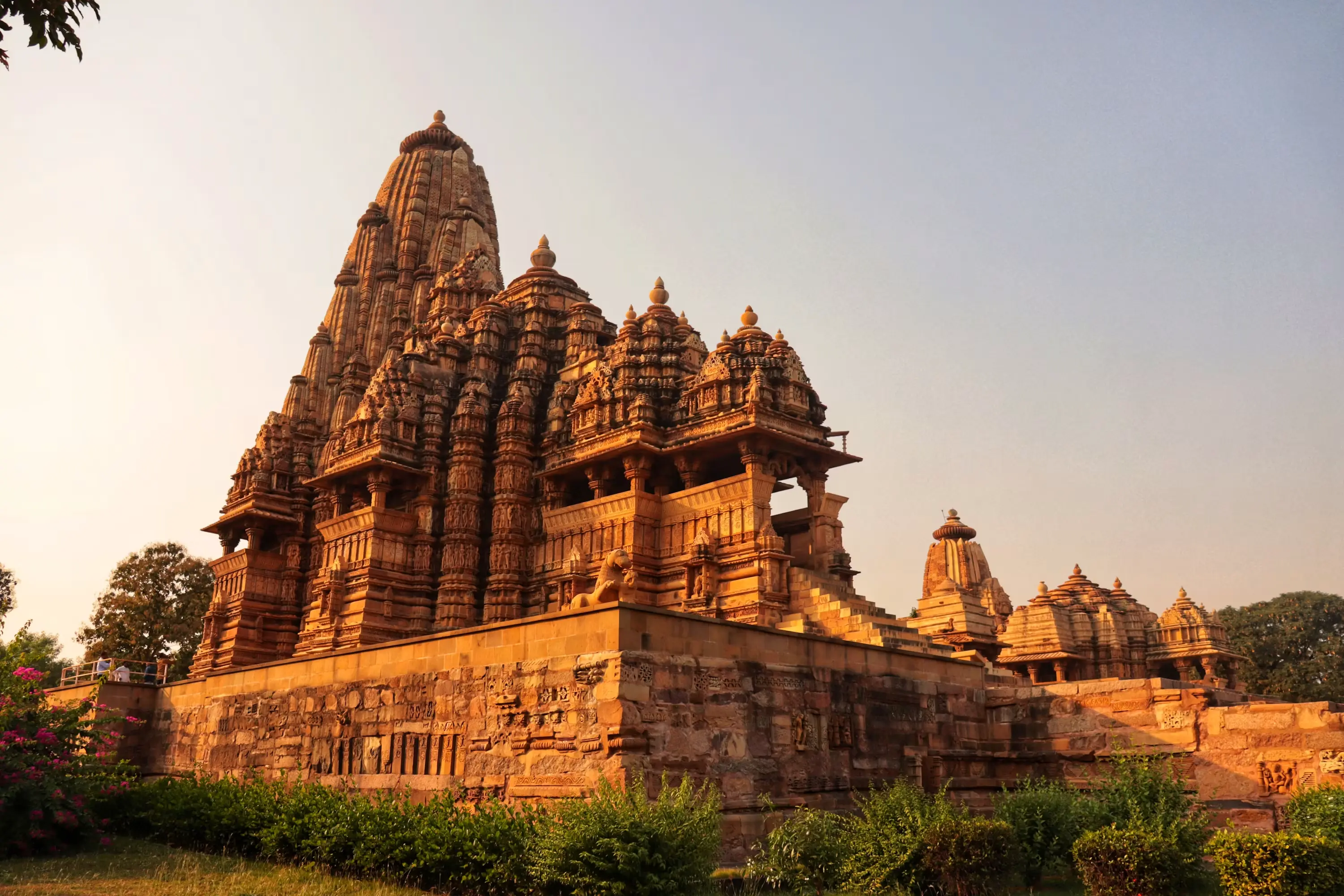
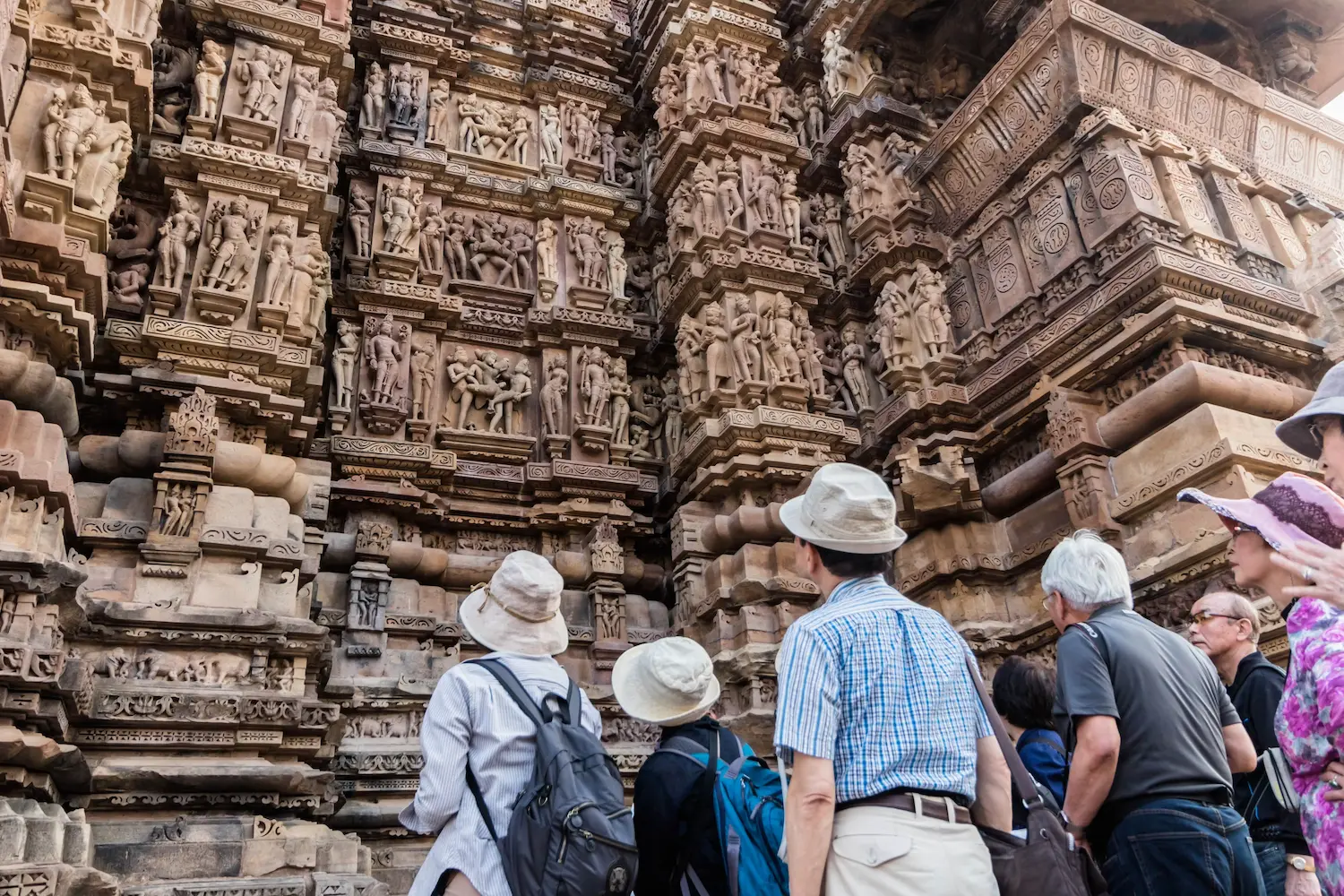
Stand before the temples of Khajuraho at first light. Of the original eighty-odd temples the Chandela dynasty built between 950 and 1050 CE, twenty-five survive, grouped into Western, Eastern, and Southern clusters. The carvings — deities, dancers, mythical beasts, and the famously intricate erotic friezes that draw curious visitors from across the world — represent some of the finest stone sculpture in Asia, and the Western Group, still an active temple complex, is best walked in the hour after sunrise, before the tour buses from Jhansi arrive.
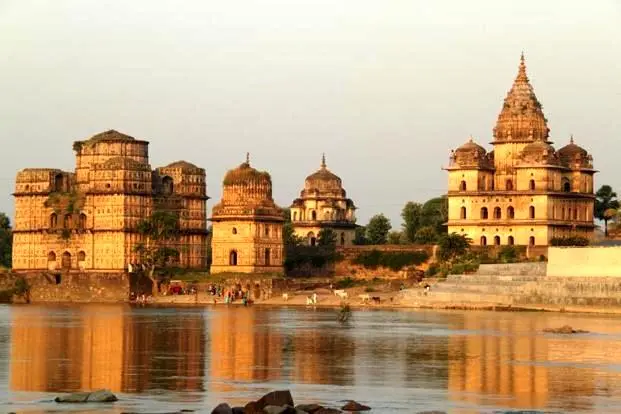
Walk the ramparts of Orchha, unhurried. Founded in 1531 by the Bundela king Rudra Pratap Singh on the banks of the Betwa, Orchha feels like a town that time genuinely forgot — the Jahangir Mahal's honeycombed domes, the riverside chhatris where Bundela kings were cremated and memorialised, and Ram Raja Temple, uniquely a palace-turned-temple where Lord Ram is worshipped as a reigning king, complete with a daily changing of the guard. A single overnight here, rather than a rushed day trip from Jhansi, is the difference between seeing Orchha and actually feeling it.
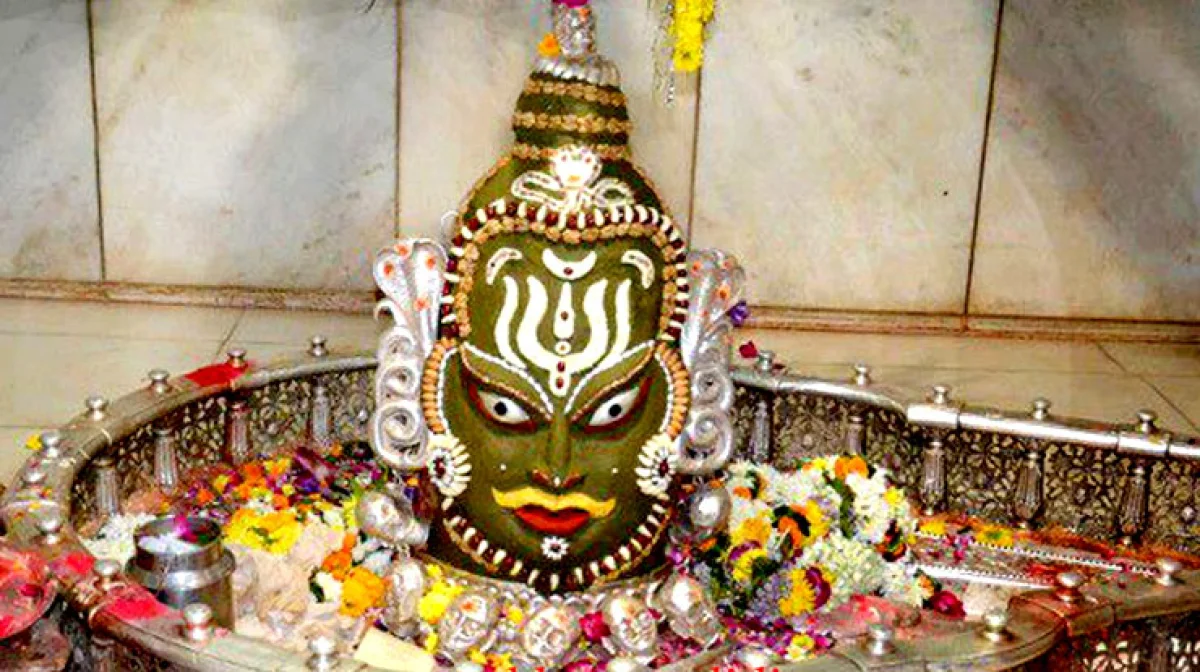
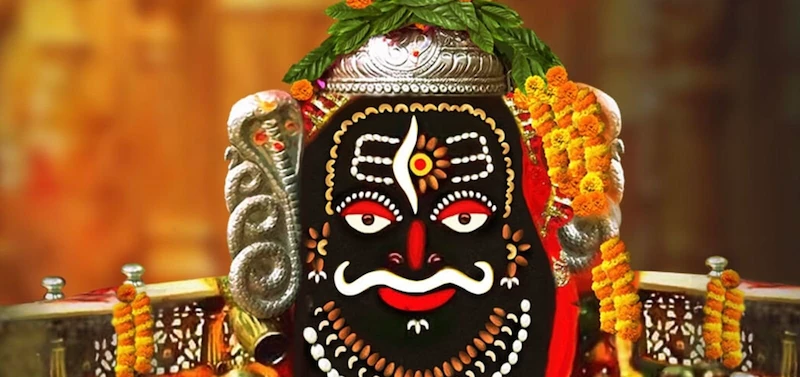
Take the Bhasma Aarti at Mahakaleshwar, Ujjain. One of India's twelve Jyotirlingas, Mahakaleshwar Temple in Ujjain performs a pre-dawn ritual, the Bhasma Aarti, in which the lingam is bathed in sacred ash before sunrise — a ceremony that draws devotees from across the country and requires advance booking through the temple's official portal. Ujjain's Ram Ghat on the Kshipra river, and its position as one of the four cities that host the Kumbh Mela on a twelve-year rotation, make it one of the most spiritually charged towns in Central India.
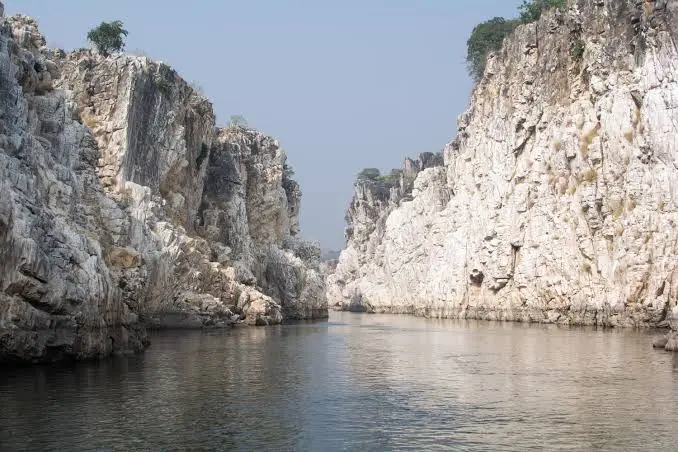
Cruise the marble cliffs of Bhedaghat by moonlight. Twenty kilometres from Jabalpur, the Narmada squeezes through a gorge of pure white and occasionally rose-tinted marble rising up to 30 metres on either bank, before crashing over the Dhuandhar ('smoke cascade') Falls in a permanent mist. A boat ride through the gorge, ideally on a full-moon evening when the marble genuinely seems to glow, is one of the most cinematic hours Central India offers.
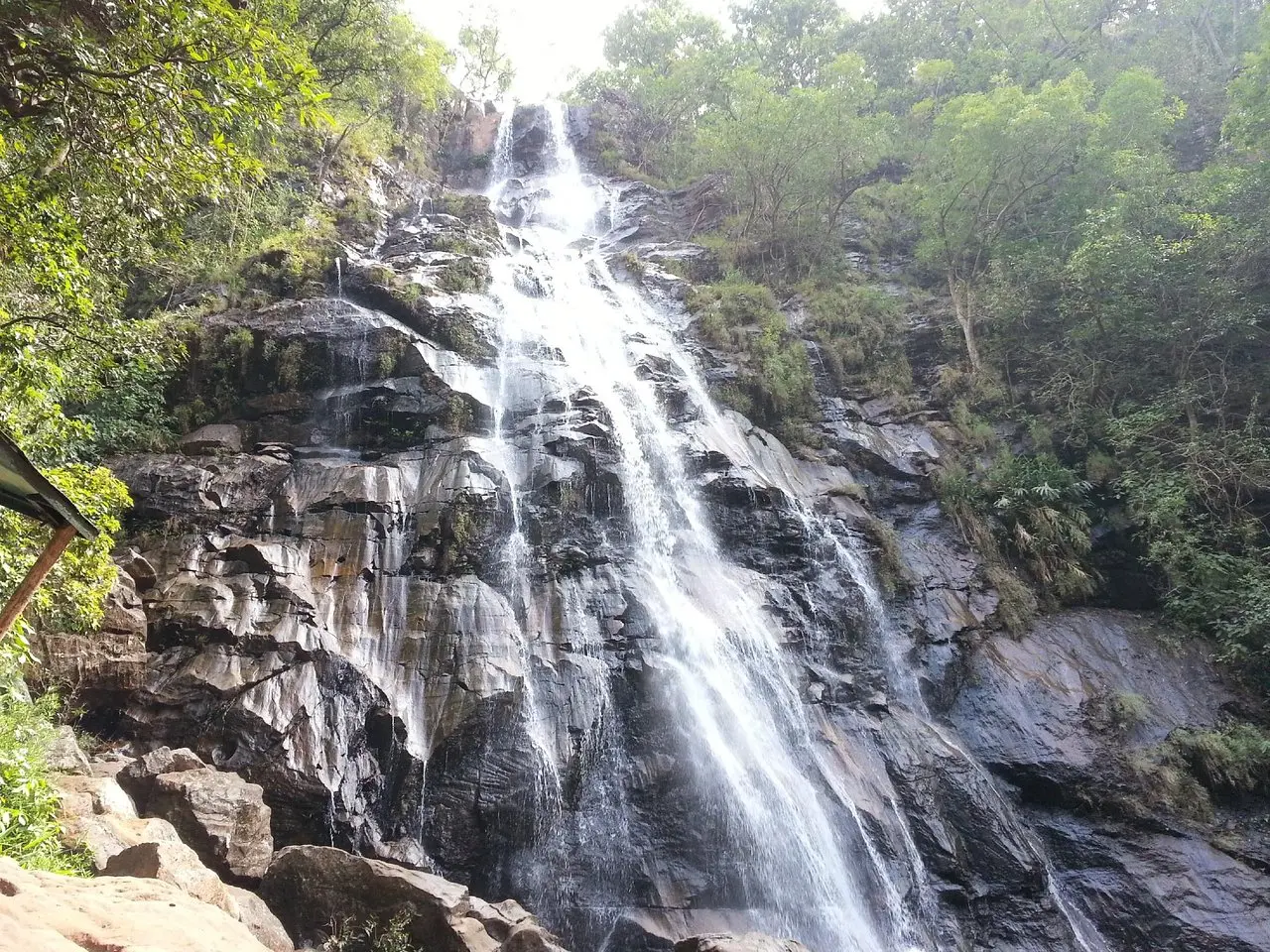
Escape to Pachmarhi, the only hill station in the state. At 1,067 metres in the Satpura range, Pachmarhi mixes Victorian-era bungalows with 10,000-year-old cave paintings at the Pandav Caves, waterfalls like Bee Falls and the dramatic Handi Khoh gorge, and Dhoopgarh, Central India's highest point, from where sunset views stretch for miles. It is the state's default answer to summer heat and its best-kept monsoon secret.
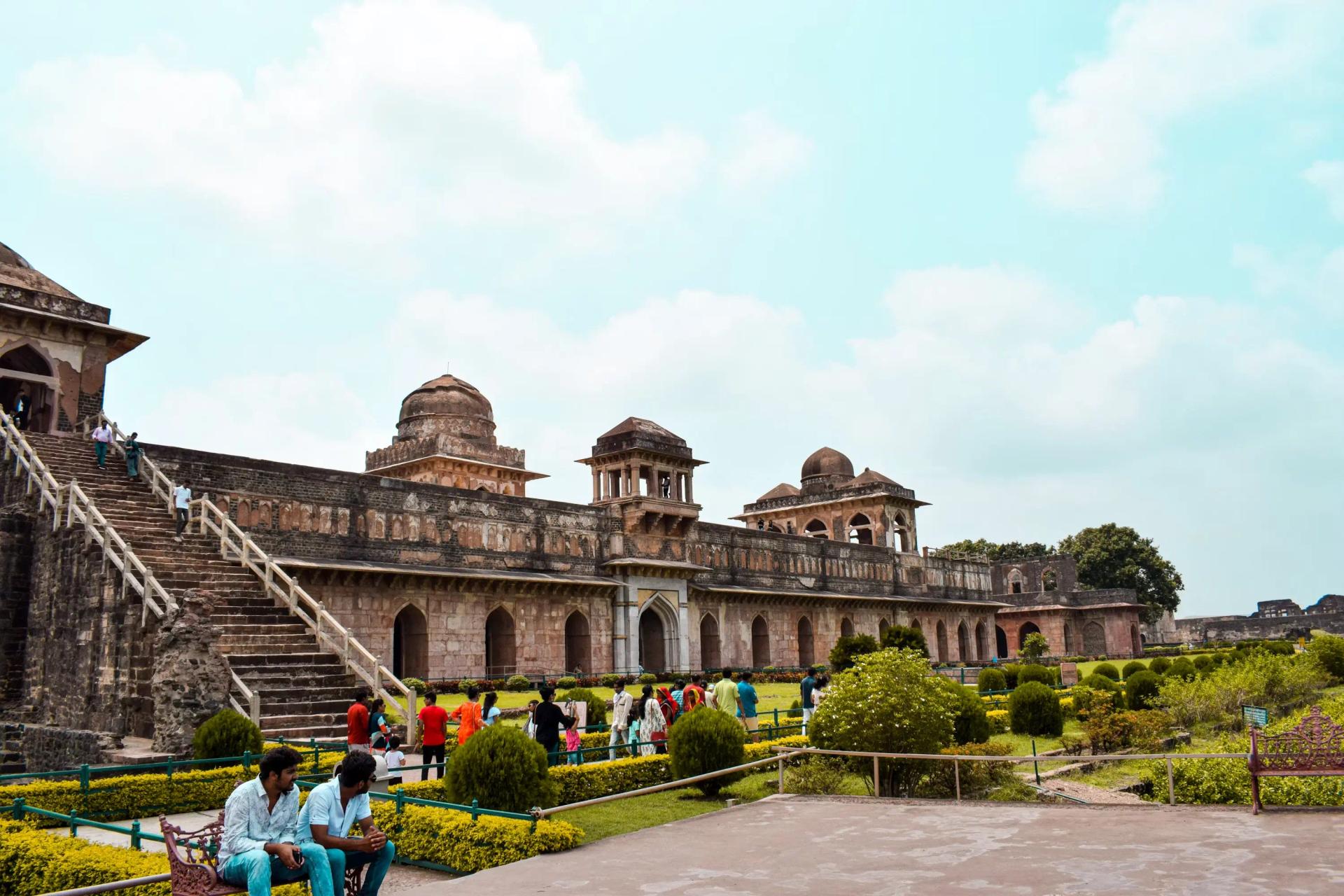
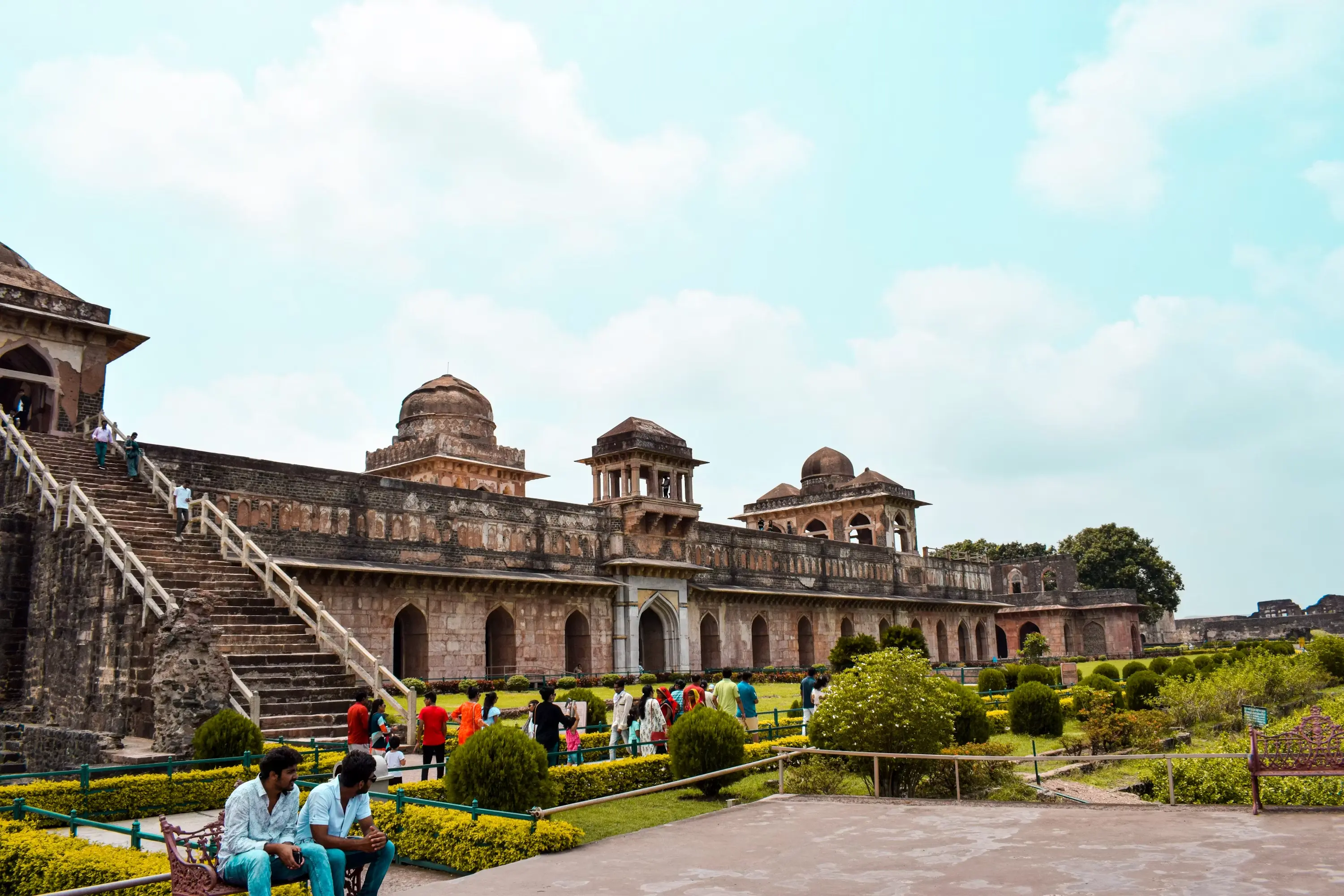
Wander Mandu in the pre-monsoon haze. A hilltop plateau roughly 100 kilometres from Indore, Mandu is scattered with 15th-century Sultanate ruins, chief among them the Roopmati Pavilion and Jahaz Mahal, the ship-shaped palace that seems to float between two reservoirs. Locals and honeymooning couples alike consider Mandu Central India's most romantic ruin, particularly as the monsoon turns its plateau a startling green.
| Site | Region | Best Time | Time Needed |
|---|---|---|---|
|
Khajuraho Group of Monuments |
Chhatarpur district |
Oct – Mar, early morning |
1–2 days |
|
Sanchi Stupa |
Near Bhopal |
Year-round |
Half day |
|
Orchha Fort & Chhatris |
Niwari district |
Oct – Mar |
1 day, ideally overnight |
|
Bhedaghat Marble Rocks |
Near Jabalpur |
Year-round; monsoon most dramatic |
Half day |
|
Mahakaleshwar Temple |
Ujjain |
Year-round; book Bhasma Aarti ahead |
Half day |
|
Pachmarhi hill station |
Satpura range |
Monsoon and winter |
2–3 days |
|
Mandu ruins |
Near Indore |
Apr–Jun (romantic), monsoon (green) |
1–2 days |
Things to do in Madhya Pradesh
A madhya pradesh circuit is built like a bhopali thali — a tiger course, a temple course, and a slow spiced finish of malwa sweetness that lingers long after the plate is cleared.
Things not to do in Madhya Pradesh...
Don't book a tiger safari at the last minute. Core-zone permits for Bandhavgarh's Tala range, Kanha's core zones, and Pench's premium gates get allotted through a strict online quota system that regularly sells out ninety to a hundred and twenty days ahead of peak-season dates. Decide your dates early and book through MP Forest Department's official portal or a licensed operator well in advance.
Don't skip the modest dress code at temples. Mahakaleshwar, the Khajuraho temple complexes, and Ram Raja Temple in Orchha are active places of worship, not just monuments — shoulders and knees covered, shoes off at the threshold, and a respectful, unhurried pace inside are simply expected, regardless of how touristy the surroundings feel.
Don't underestimate summer heat on safari days. April and May can push Central India's plains past 42°C, and while morning safaris are bearable, afternoon drives in an open gypsy at that temperature are genuinely punishing. Carry more water than feels necessary and avoid scheduling long road transfers through the midday heat.
Don't assume every park is open year-round. Core zones of Kanha, Bandhavgarh, Pench, and Panna close for the monsoon, typically from July 1 to around October 15, though buffer-zone safaris often continue. Check specific reserve calendars before locking dates, especially for a monsoon trip built around wildlife.
Don't rush Khajuraho into a half-day stop. The temptation on a Delhi–Agra–Khajuraho itinerary is to treat Khajuraho as a quick photo stop before rushing onward. The carving detail alone rewards a slow, guided morning at the Western Group followed by an unhurried afternoon at the quieter Eastern and Southern clusters — rushing it is the single most common regret we hear from returning travellers.
Don't drive unfamiliar rural roads after dark. The final stretch into most tiger reserves and heritage towns runs through narrow village roads with minimal lighting and the occasional stray livestock. Time your last leg to arrive before sunset wherever possible.
| Requirement | Detail |
|---|---|
|
Safari permits |
Book online via MP Forest Department portal 90–120 days ahead for peak season |
|
Park closure |
Core zones typically shut July 1 – mid-October (monsoon); buffer zones vary |
|
ID for entry permits |
Government photo ID required at every reserve gate |
|
Bhasma Aarti booking (Ujjain) |
Reserve in advance via the temple's official online system |
|
Photography inside temples |
Restricted or discouraged in inner sanctums; ask before shooting |
Things not to do in Madhya Pradesh
Where to Stay — Jungle Lodges to Heritage Havelis
Accommodation in Madhya Pradesh splits cleanly by circuit. Around the tiger reserves, independent jungle lodges dominate — some genuinely excellent, built by naturalist-led outfits with resident guides who know individual tigers by name and territory, ranging from comfortable mid-range cottages to properties like Taj Baghvan and Reni Pani that sit at the very top of India's safari-lodge market. On the heritage circuit, Madhya Pradesh Tourism's own heritage hotels — including a wing of the Orchha fort complex itself — offer atmosphere that private chains struggle to match at a fraction of the price, while Indore and Bhopal carry the state's best selection of dependable business and boutique hotels for travellers threading the spiritual and urban circuit together.
| Category | Where | Per Night (Couple) | Honest Note |
|---|---|---|---|
|
MPT budget hotels |
Statewide |
₹2,000 – ₹3,500 |
Reliable, simple, excellent value near heritage sites |
|
Mid-range jungle lodges |
Kanha, Bandhavgarh, Pench |
₹6,000 – ₹10,000 |
Good naturalist guides; check safari inclusions |
|
Heritage hotels |
Orchha, Gwalior, Indore |
₹5,000 – ₹9,000 |
Character and history; book ahead in winter |
|
Premium jungle lodges |
Kanha, Bandhavgarh |
₹15,000 – ₹28,000 |
Excellent naturalists, private safaris available |
|
Ultra-luxury safari lodges |
Pench, Satpura |
₹35,000+ |
Taj Baghvan, Reni Pani; top-tier service and access |
Where to Stay
Travelling Madhya Pradesh Responsibly
Carry a LifeStraw bottle through the wildlife circuit rather than accumulating plastic bottles across four or five safari days; most lodges now provide filtered refill stations at reception. Spend locally wherever the itinerary allows — the handloom Chanderi and Maheshwari sarees woven within the state, Gond tribal art bought directly from artisan cooperatives rather than city emporiums, and the small family-run thali restaurants of Indore's Sarafa Bazaar rather than hotel buffets alone. Inside a running safari vehicle, resist the pressure to chase a sighting; MP's forest guides operate under a strict code that prioritises the animal's space over a photograph, and the best naturalists will tell you plainly when to put the camera down and simply watch. At temples, ask before photographing devotees mid-ritual, and remember that Khajuraho's carvings, however striking, are inside working religious complexes that deserve the same quiet respect as any other shrine.
Before you go...
Pack layers even for a winter wildlife trip — pre-dawn safari starts in an open gypsy in December can dip close to 5°C, warming quickly once the sun clears the tree line. Carry cash in smaller denominations for rural stretches between Jabalpur, Umaria, and the reserve gates, where card machines remain unreliable. If tigers are the priority, build in at least two full days per reserve rather than a single rushed overnight — sightings in Central India reward patience over speed. And book safari permits the moment your travel dates are fixed; this is the one part of an MP itinerary that genuinely cannot be arranged at the last minute.
| Checklist Item | Note |
|---|---|
|
Government photo ID |
Required at every safari gate and several temple entries |
|
Safari permits booked |
90–120 days ahead for peak-season core zones |
|
Layered clothing |
Cold pre-dawn safaris even in a warm-daytime winter |
|
Cash in small denominations |
Rural stretches near reserves have patchy card acceptance |
|
Modest temple wear |
Shoulders and knees covered at Mahakaleshwar, Khajuraho, Orchha |
|
Binoculars |
Genuinely useful across every wildlife zone, not just for birders |
Before you go
At BizareXpedition, our Himalayan roots in Haridwar don't stop us from loving Central India's slower, denser rhythm — we build Madhya Pradesh circuits the way we would want to travel them ourselves, pairing an experienced naturalist-led safari lodge with unhurried mornings at Khajuraho or Orchha, so the trip reads less like a checklist and more like the state actually intends it to.
Budget Guide
A comfortable 10-day Madhya Pradesh trip — combining one tiger reserve, the Khajuraho–Orchha heritage circuit, and a night or two in Bhopal or Indore — typically runs between ₹55,000 and ₹1.4 lakh per couple in mid-range comfort, safari and permit fees included. Layer in a premium jungle lodge stay and the number climbs comfortably past ₹2 lakh, still remarkable value against the density of experience on offer.
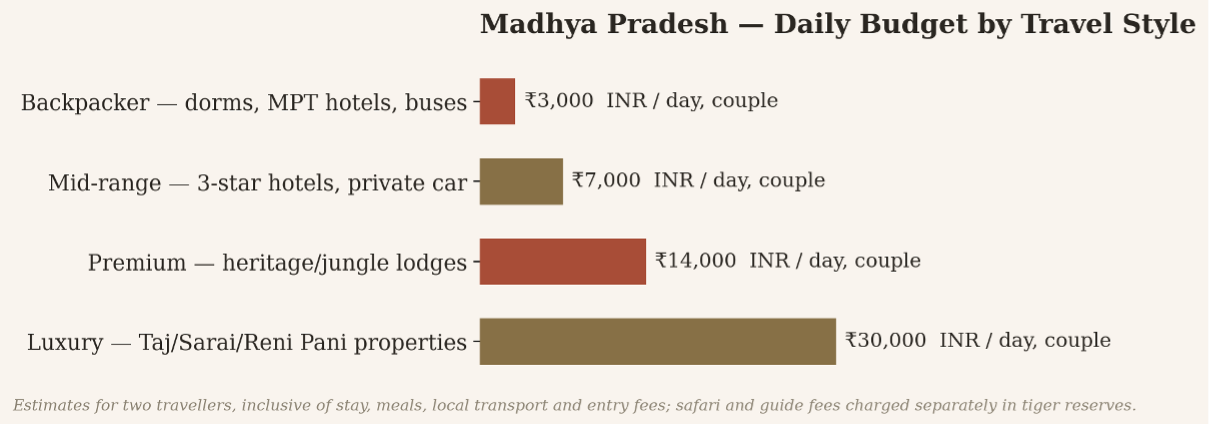
| Style | Per Day (Couple) | 10-Day Total (approx.) |
|---|---|---|
|
Backpacker |
₹3,000 |
₹30,000 |
|
Mid-range |
₹7,000 |
₹70,000 |
|
Premium |
₹14,000 |
₹1,40,000 |
|
Luxury safari lodge |
₹30,000+ |
₹3,00,000+ |
Budget Guide
Somewhere between the last sal tree of Bandhavgarh and the first carved apsara at Khajuraho, you stop measuring the trip in kilometres and start measuring it in silences — the hush before a tiger steps out, the hush inside a thousand-year-old shrine — and that, more than any single monument, is what Madhya Pradesh actually gives a traveller willing to slow down.