
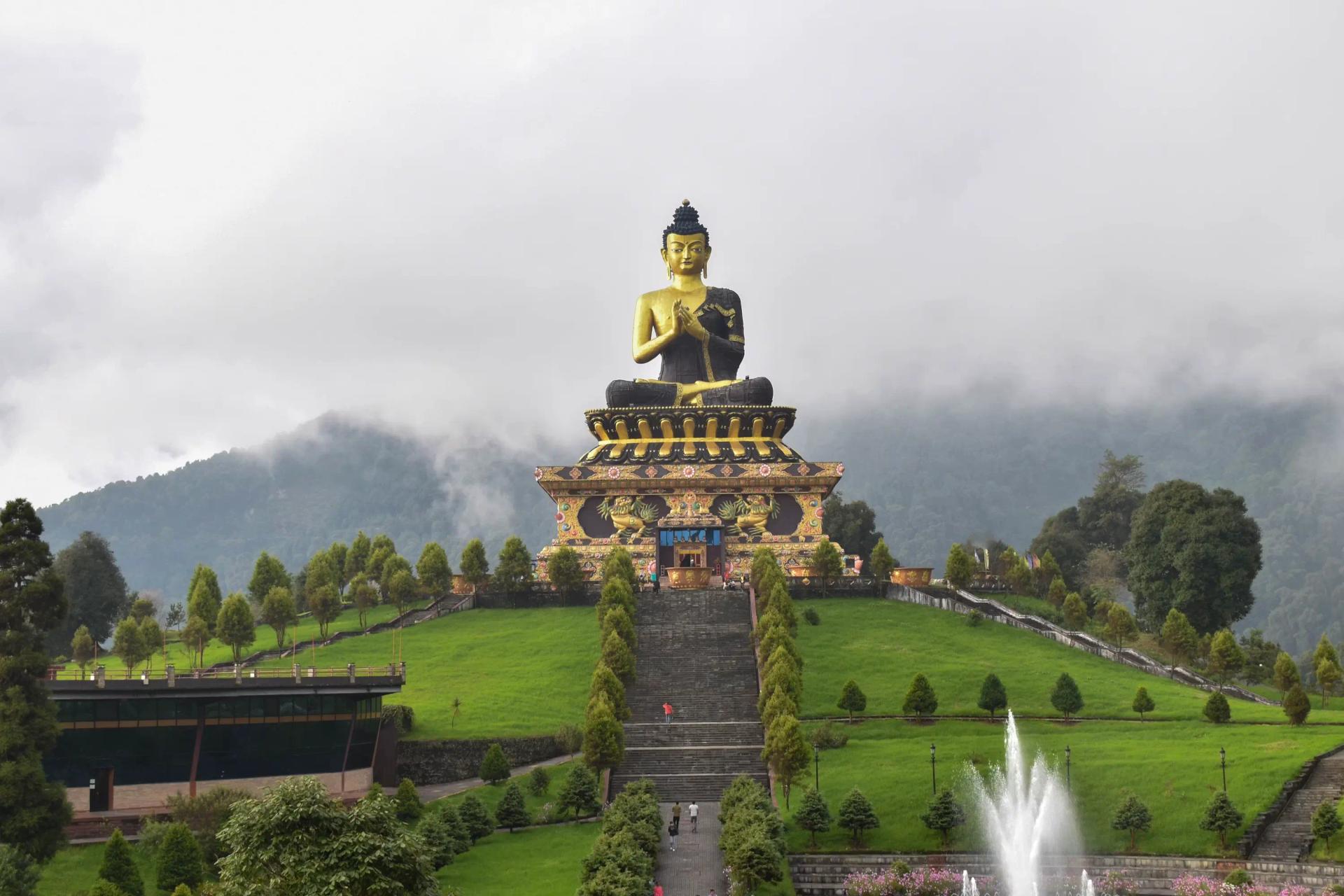
Published On - Jun 06, 2026
Updated On - Aug 12, 2026
20 min
Sikkim Travel Guide 2026: Everything You Need to Know Before You Go
Four districts, permits explained, the transport system decoded, rhododendron season, Gurudongmar Lake and the complete planning guide for 2026.
Located in the eastern Himalayas, bordered by Nepal, Tibet, Bhutan and West Bengal, Sikkim is everything you want from a Himalayan destination without the driving distances of Ladakh or the permit complexity of Arunachal Pradesh, yet varied enough across its four districts — East, North, West and South — to keep you engaged for ten days without covering the same ground twice. India's second smallest state at 7,096 square kilometres, it has the world's third highest mountain (Kangchenjunga at 8,586 metres), one of the highest lakes on earth (Gurudongmar at 5,183 metres), over 40 species of rhododendrons blooming from March to May, and the distinction of being India's only fully organic state — no chemical pesticides used anywhere. Sikkim recorded 17,12,360 tourist arrivals in 2025, up from 16,25,241 the previous year.
There's plenty to do across all four districts and travellers interested in Buddhist culture, high-altitude landscapes and mountain views will be pleasantly surprised by how well-organised the experience is. You can visit the Rumtek Monastery in East Sikkim — one of the most important Kagyu Buddhist centres in the world — do a day trip to Tsomgo Lake and Nathula Pass on the India-China border, drive to Pelling in West Sikkim for Kangchenjunga views from your hotel window, and experience the rhododendron bloom at Yumthang Valley in North Sikkim in April, which is worth planning a trip around specifically. In the meantime, there are two things most first-time Sikkim visitors are not prepared for: the permit system, and the transport system. Both are logical once you understand them, and both are genuinely confusing if you arrive without being briefed. This guide covers both in full.
Why Your Car Keeps Changing — The Transport System Explained
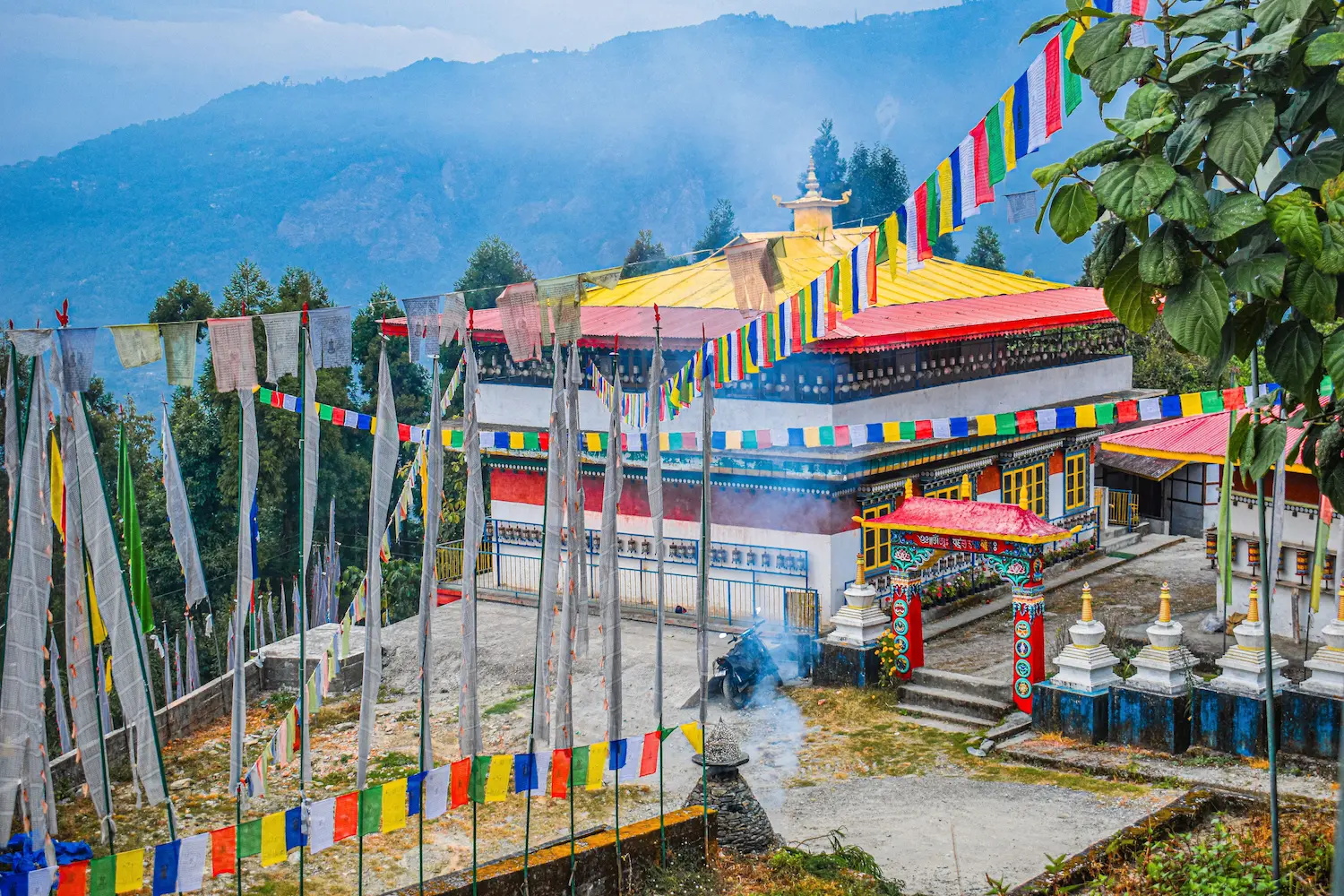
If you have booked a trip from Bagdogra Airport through Darjeeling to Gangtok and noticed that your vehicle seems to change at every major point, you are not being cheated. The entire Northeast India and Sikkim region operates under a carefully regulated transport system where different zones have different vehicle permit jurisdictions — a vehicle permitted to operate in West Bengal cannot legally operate as a commercial taxi inside Sikkim, and vice versa. Your trip from Bagdogra to Gangtok actually crosses three distinct permit zones, each governed by a different authority and requiring a different registered vehicle.
The key transfer point is Rangpo — a small town on the Sikkim-West Bengal border where West Bengal taxis drop off passengers and Sikkim taxis pick them up. A WB 73-registered taxi from Siliguri can bring you to Rangpo but cannot enter Sikkim beyond the checkpost. An SK 01-registered Gangtok taxi will be waiting on the other side. Your luggage transfers here too, so keep it tagged with your name and phone number. This is also where your Inner Line Permit for Sikkim is checked — it should already be arranged by your operator before you reach Rangpo.
| Zone | Area Covered | Governing Authority | Vehicle Permit Type | Registration Prefix |
|---|---|---|---|---|
|
Zone 1 |
Bagdogra Airport, Siliguri, NJP |
West Bengal Government |
WB Commercial Taxi Permit |
WB 73 (Siliguri), WB 75 (Jalpaiguri) |
|
Zone 2 |
Darjeeling, Kurseong, Kalimpong |
West Bengal / GTA (Gorkhaland Territorial Administration) |
WB Hill Taxi Permit |
WB 74 (Darjeeling), WB 76 (Kalimpong) |
|
Zone 3 |
Gangtok and all of Sikkim |
Sikkim State Government |
Sikkim Commercial Vehicle Permit |
SK 01 (East), SK 02 (West), SK 03 (North), SK 04 (South) |
|
Zone 4 — Most Restricted |
Nathula Pass border zone |
Sikkim Govt + Indian Army |
Special Nathula Border Zone Permit |
SK 01 only + Army-cleared driver + border endorsement |
Table 1 — The Four Transport Zones: Who Governs What and Which Vehicle Goes Where
The vehicle registration prefix tells you at a glance which zone you are in and whether the vehicle is legally permitted to be there. WB 73 is a Siliguri-registered taxi; WB 74 is from Darjeeling. SK 01 means East Sikkim (Gangtok area); SK 02 is West Sikkim for Pelling routes; SK 03 is North Sikkim for Lachen and Lachung; SK 04 is South Sikkim. If you are heading to Nathula Pass, even the SK 01 taxi you used for Gangtok sightseeing cannot take you there — Nathula requires a specific SK 01 vehicle with a border zone endorsement and an Army-cleared driver, arranged 24 to 48 hours in advance through a registered operator.
| Leg | Route | Vehicle | Permit Type | What Happens |
|---|---|---|---|---|
|
1 |
Bagdogra Airport → Darjeeling |
WB 73 / WB 74 taxi |
WB Commercial Taxi Permit |
Standard West Bengal taxi. No Sikkim permit needed yet. |
|
2 |
Darjeeling → Gangtok |
WB 73/74 drops at Rangpo; SK 01 picks up |
Interstate handover at Rangpo |
Vehicle and sometimes driver changes here. This is legal and mandatory — not your agent cutting corners. |
|
3 |
Gangtok local sightseeing |
SK 01 Gangtok taxi |
Sikkim Tourist Taxi Permit |
Standard East Sikkim taxi for all Gangtok-based excursions. |
|
4 |
Gangtok → Nathula → Gangtok |
Special SK 01 with Nathula endorsement |
Nathula Border Zone Permit |
Army-cleared driver, specific vehicle. Arranged 24–48 hrs in advance only. |
|
5 |
Gangtok → Bagdogra return |
SK 01 to Rangpo; WB 73 from Rangpo |
Reverse of Leg 2 |
Vehicle changes at Rangpo again. Keep luggage tagged — transfers can cause mix-ups. |
Table 2 — Your Full Multi-Leg Trip: What Vehicle Takes You Where
And to add to that — shared jeeps are the most economical and, in many ways, the most authentic way to move between destinations in this region. The Toyota Sumo and Mahindra Bolero shared jeeps running on fixed routes with fixed per-seat fares are how most local residents travel, they leave from dedicated stands and they are considerably cheaper than private cabs. The trade-off is that they leave when full and they follow fixed schedules — usually early morning from 6:30 to 7:30 AM — so you need to be at the stand early and have some flexibility in your plan.
| Route | Vehicle Type | Fare Per Seat | Practical Notes |
|---|---|---|---|
|
Siliguri (SNT Stand) → Gangtok |
Shared Sumo / Jeep |
₹200–₹250 |
4–5 hrs. Departs when full — usually 6:30–7:30 AM. Arrive early for a window seat. |
|
Siliguri → Darjeeling |
Shared Jeep |
₹150–₹200 |
3–4 hrs. Frequent departures from Siliguri taxi stand. |
|
Darjeeling → Gangtok |
Shared Sumo via Siliguri |
₹250–₹350 |
5–6 hrs total. Change at Siliguri or direct via Teesta Valley. |
|
Gangtok → Pelling (West Sikkim) |
Shared Sumo |
₹200–₹250 |
4 hrs. Morning departures from Gangtok's SNT stand. |
|
Gangtok → Lachen (North Sikkim) |
Private vehicle only — permit required |
₹3,000+ (full vehicle) |
North Sikkim cannot be done in shared vehicles. Must be through a registered operator with PAP. |
|
Gangtok local taxi (within city) |
SK 01 metered or fixed fare |
₹100–₹300 per trip |
Short trips within Gangtok. MG Marg to Rumtek is ₹500–700 round trip in a private cab. |
Table 3 — Shared Jeep Routes, Fares and Practical Notes
The Four Districts: What Each One Offers
| District | Base Town | Altitude Range | Best Season | What It's Known For |
|---|---|---|---|---|
|
East Sikkim |
Gangtok |
1,650m–4,310m |
Mar–May, Sep–Nov |
Gangtok city, Tsomgo Lake, Nathula Pass (Indians only), Rumtek Monastery, Old Silk Route |
|
North Sikkim |
Lachen / Lachung |
2,750m–5,183m |
Apr–Jun, Sep–Nov |
Gurudongmar Lake, Yumthang Valley rhododendrons, Zero Point at 4,428m |
|
West Sikkim |
Pelling |
1,200m–2,150m |
Mar–May, Sep–Nov |
Kangchenjunga views, Pemayangtse Monastery, Khecheopalri Lake, Singshore Bridge |
|
South Sikkim |
Namchi |
900m–2,200m |
Year-round |
Char Dham replica, Samdruptse statue, Ravangla, Temi Tea Estate |
Table 4 — Sikkim's Four Districts at a Glance
1. Gangtok and East Sikkim
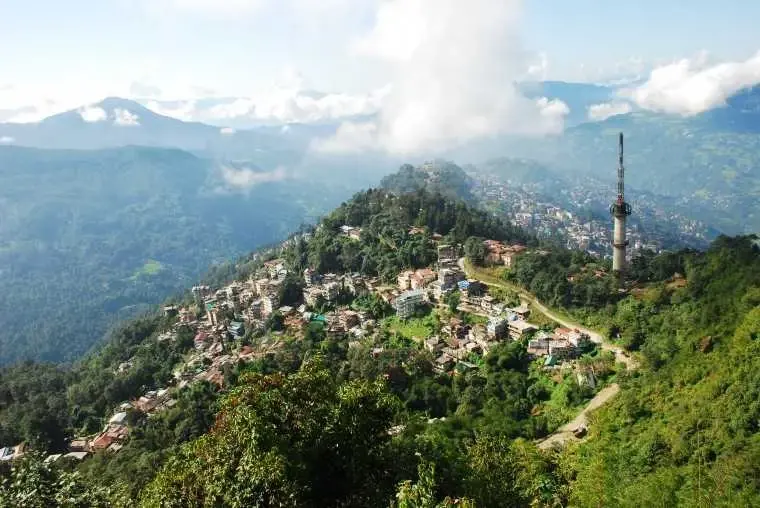
Gangtok, the capital at 1,650 metres, is the right base for any Sikkim trip and deserves two nights of its own rather than being treated purely as a transit point. MG Marg, the pedestrian zone at the heart of the city, is one of the more pleasant commercial streets in any Himalayan capital — lined with cafés, restaurants and shops selling local crafts, with a relaxed evening crowd that makes it worth a stroll after dinner. You can visit the Rumtek Monastery, 24 kilometres away and one of the most significant Kagyu Buddhist centres in the world, for the morning puja before the tour groups arrive, followed by the Enchey Monastery and the Institute of Tibetology, which is the best museum in the state for anyone interested in Buddhist art and manuscripts. All Gangtok sightseeing and day trips are done in SK 01-registered taxis, arranged through your hotel or a local operator.
The standard East Sikkim day trip — Tsomgo Lake at 3,753 metres, Baba Mandir and Nathula Pass at 4,310 metres — requires a Protected Area Permit that most operators arrange for ₹1,500 to ₹2,500 per person including a dedicated SK 01 Nathula-permitted vehicle. Tsomgo is a glacial lake that changes colour through the seasons; Nathula is the India-China border on the old Silk Route — Indians only, no foreign nationals — open Wednesday to Saturday and requiring a 24-hour advance defence clearance. One of the few places in India where you can stand on the Line of Actual Control and look across into Tibet. Always confirm the Nathula permit two days before your day trip — the daily quota is limited and closures due to military exercises or bad weather happen without notice. If Nathula is not available on your day, Tsomgo Lake alone does not require the special Nathula endorsement and is still worth the visit.
2. North Sikkim: The High-Altitude Circuit
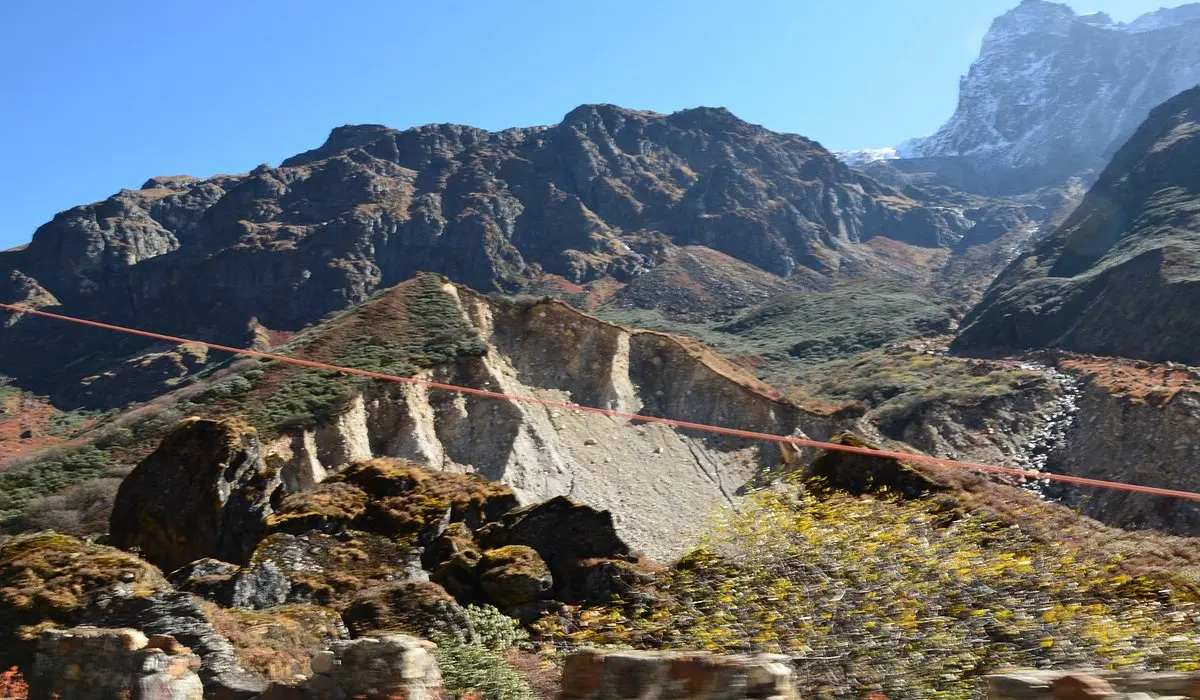
North Sikkim is the most dramatic district and the most regulated to visit in 2026. The permit specifies your exact route and cannot be changed after issue, the vehicles must be SK 03-registered or carry a special zone endorsement, and independent travel — meaning you cannot hire a random Gangtok cab and go — is not permitted. You must go through a registered operator with a North Sikkim Protected Area Permit. The standard circuit runs Gangtok to Lachen on the first day (107 km, 5 hours in an SK 03 vehicle), an early morning excursion to Gurudongmar Lake the next morning, then on to Lachung, followed by Yumthang Valley and Zero Point before returning to Gangtok. This is the pre-approved format that most operators run, and it works well.
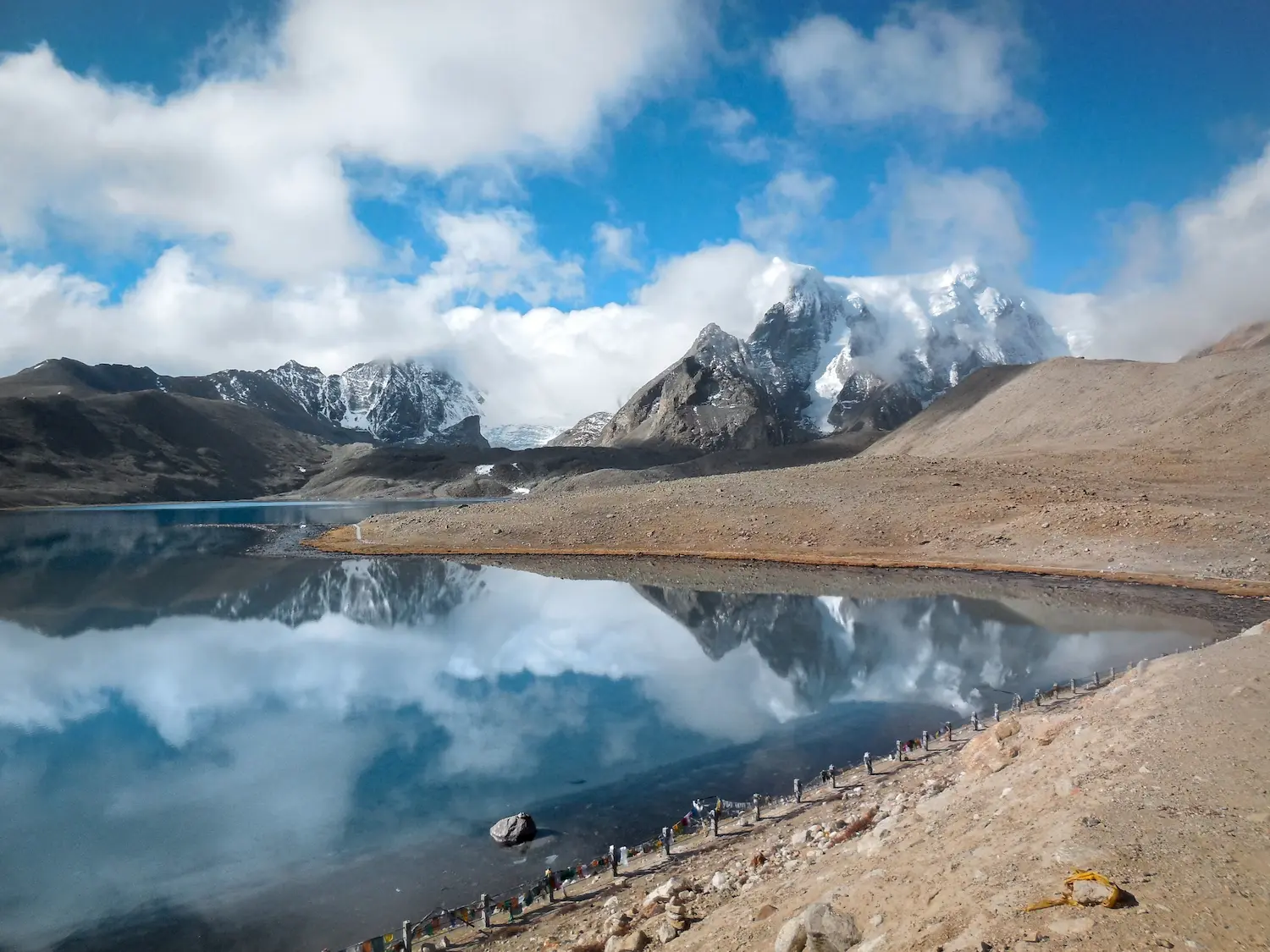
Gurudongmar Lake at 5,183 metres is one of the highest lakes in the world, sacred to both Buddhists and Sikhs, and available to Indian nationals only — foreign nationals are not permitted at Gurudongmar or Nathula under any circumstances. Acclimatise for two full nights in Gangtok before attempting North Sikkim. Yumthang Valley at 3,564 metres fills from March to May with over 24 species of rhododendrons — it is the best rhododendron destination in the Northeast and worth planning a trip around specifically. Zero Point at 4,428 metres, 25 kilometres beyond Yumthang, is snowbound year-round and the last point Indian civilians can reach before Tibet. Apply for the North Sikkim permit through a registered operator two to three weeks ahead in the April to May and September to October peak windows.
3. West Sikkim and Pelling
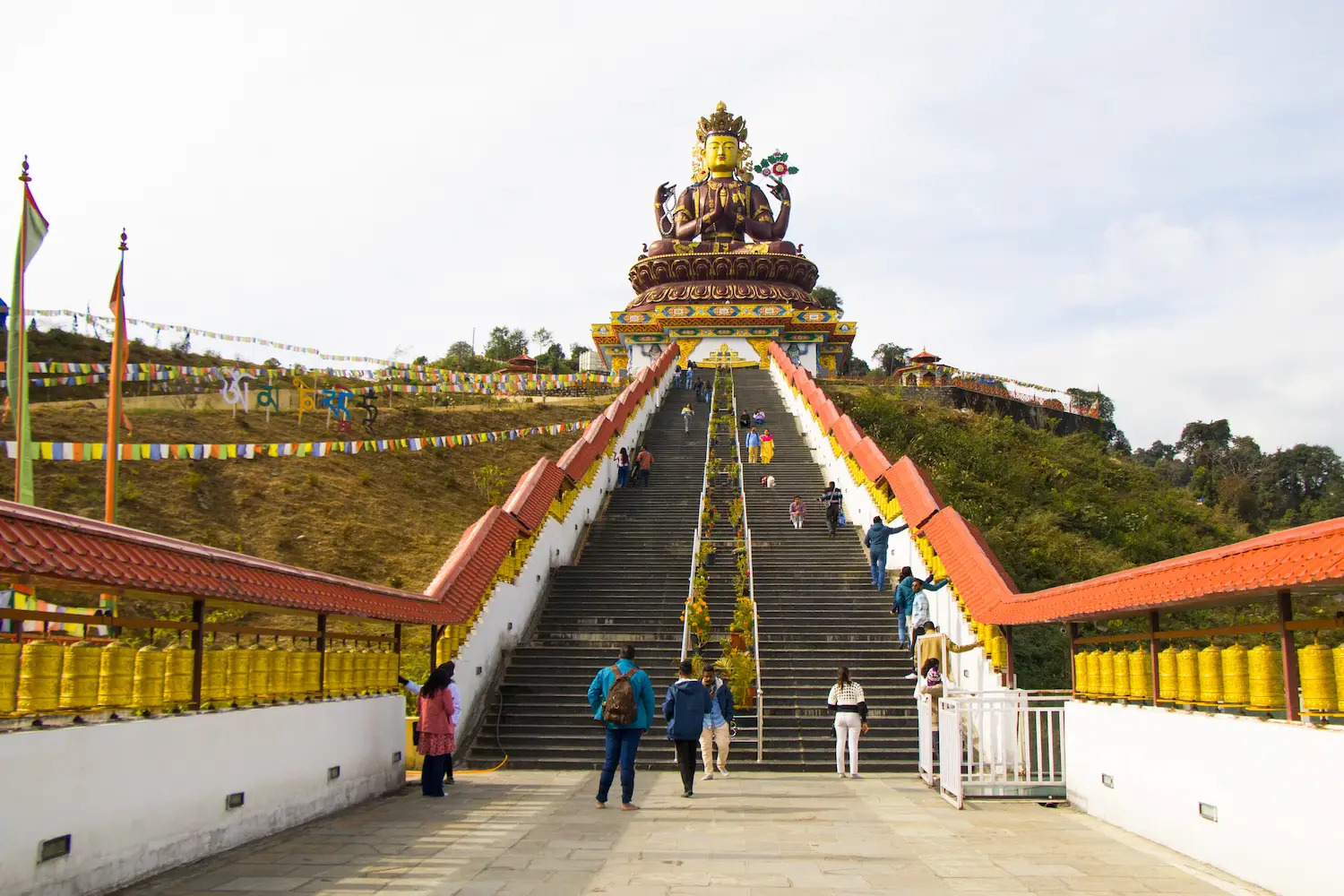
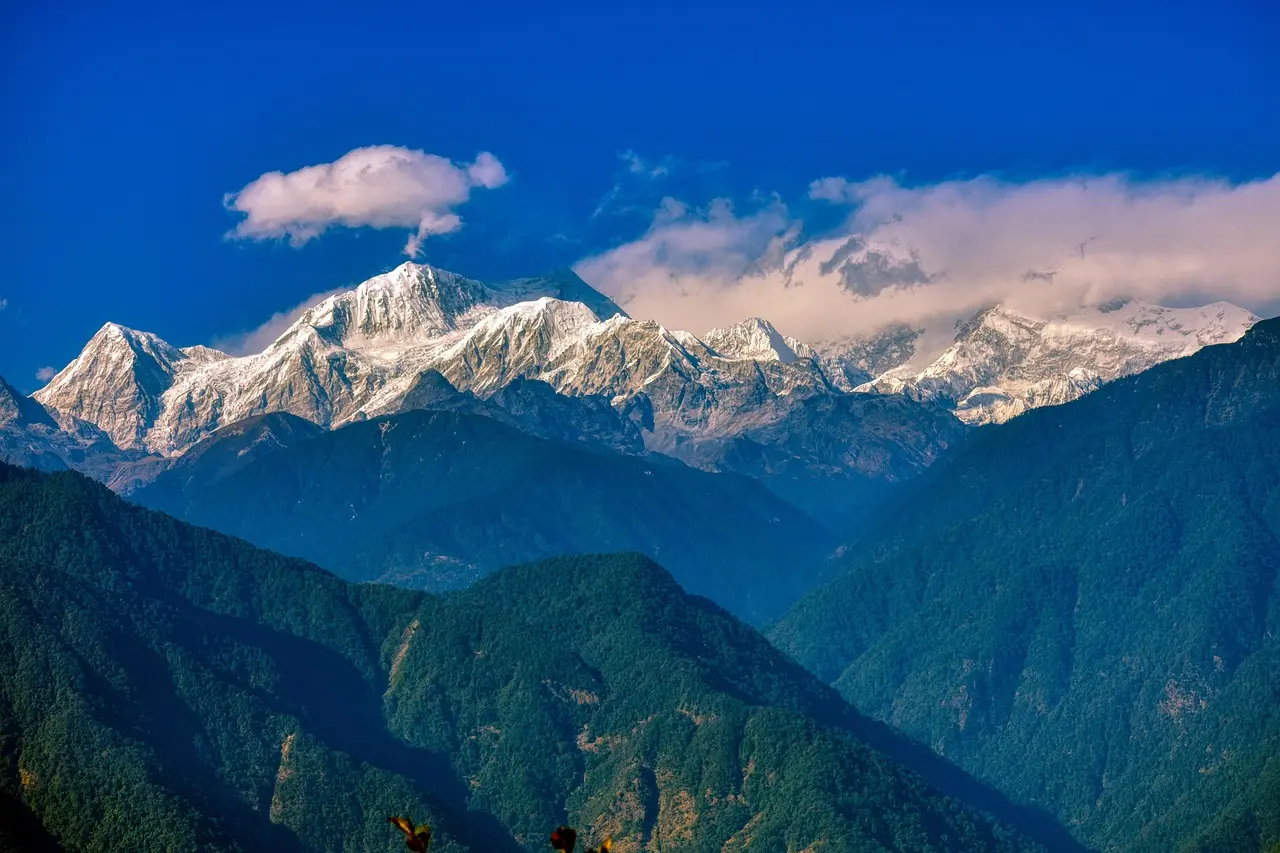
Pelling, the main base for West Sikkim at 2,150 metres, is reached from Gangtok in an SK 02-registered vehicle — the zone change from SK 01 to SK 02 happens smoothly within Sikkim and your operator handles it without a passenger transfer point like Rangpo. West Sikkim is less visited than East and North, which makes it a better choice for a quieter experience. The Kangchenjunga views on a clear morning are good from most hotel rooftops — the third highest mountain in the world at 8,586 metres visible on the western horizon. You can visit Pemayangtse Monastery, one of the oldest gompas in Sikkim, the Rabdentse Ruins and the Singshore suspension bridge at 198 metres — one of the highest in Asia. Khecheopalri Lake, 34 kilometres from Pelling, is a sacred lake surrounded by prayer flags with a pleasant three-kilometre walking path around it.
4. South Sikkim and Namchi
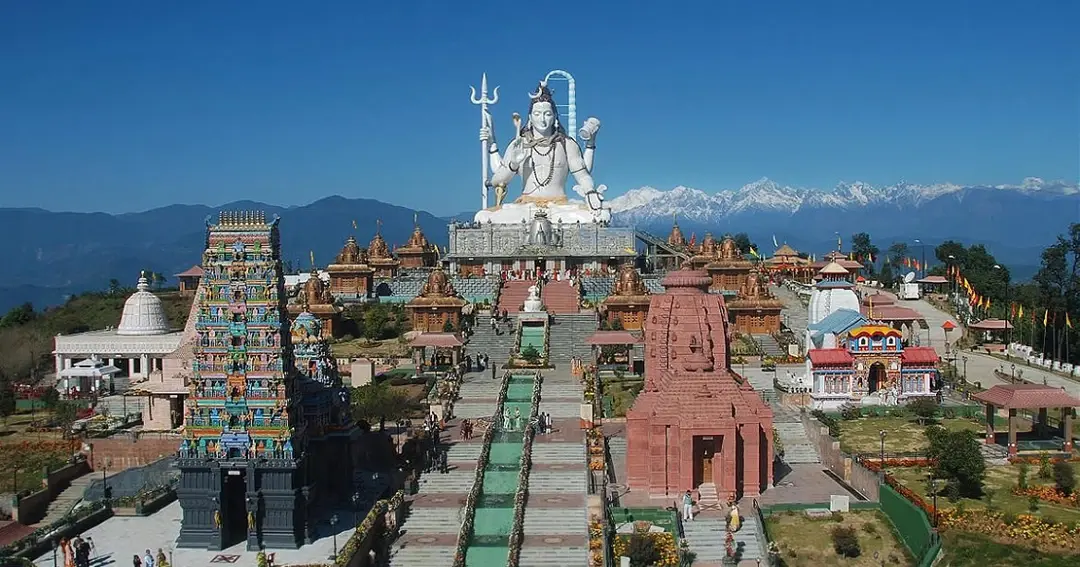
South Sikkim, centred on Namchi at around 900 metres and served by SK 04-registered vehicles, is the most accessible district and the most overlooked. You can visit the Char Dham replica at Solophok Hill — all four major Hindu pilgrimage sites recreated on a single hilltop — and the 87-foot Samdruptse statue of Guru Padmasambhava, one of the largest in the world. Plus, if you're interested in Sikkim's organic farming story, the Temi Tea Estate — the only tea garden in the state — can be visited with prior arrangement and is a good half-day stop on the drive between South Sikkim and Pelling.
Permits: The Complete Reference
The ILP for Indian nationals is free and available on arrival at Rangpo, Melli or Rhenock border checkposts — carry your original Aadhaar, Voter ID or Passport. You can also get it online before travel at the Sikkim tourism portal. For most tourist areas (Gangtok, Pelling, Namchi), this is all you need. The Protected Area Permit for Tsomgo, Nathula, North Sikkim and the Silk Route is arranged through a registered operator and costs ₹800 to ₹3,000 per person depending on the zone. Foreign nationals need a Restricted Area Permit for all of Sikkim — arranged through a registered operator before travel, not on arrival. Nathula and Gurudongmar are off-limits to foreign nationals regardless of permit type.
| Area / Zone | Indian Nationals | Foreign Nationals | How to Get It |
|---|---|---|---|
|
General Sikkim — Gangtok, Namchi, Pelling |
ILP at Rangpo checkpost (free, on arrival) or online at Sikkim tourism portal. Valid ID required. |
RAP required for all of Sikkim — arrange before travel through a registered operator |
ILP at Rangpo, Melli or Rhenock border checkposts. Carry Aadhaar/Voter ID/Passport original. |
|
Tsomgo Lake, Baba Mandir |
PAP required — arranged through Gangtok operator, ₹800–1,000 per person with shared vehicle |
PAP required |
Same-day or 1-day advance through any registered Gangtok operator. |
|
Nathula Pass — Indians only |
PAP + Nathula-specific permit + 24-hr advance defence clearance. SK 01 vehicle with Army-cleared driver only. |
NOT permitted — no exceptions, ever |
Through registered operator only. Open Wednesday–Saturday (closed Monday and Tuesday). Daily quota limited — book 2 days ahead. |
|
North Sikkim — Lachen, Lachung, Gurudongmar, Yumthang, Zero Point |
PAP required. SK 03 vehicle or special zone endorsement. Min group of 2 with licensed guide. Route pre-specified — no changes after issue. |
Gurudongmar, Zero Point: NOT permitted. Yumthang accessible with PAP only. |
Through registered Sikkim operator only. Peak season apply 2–3 weeks ahead. |
|
Old Silk Route — Zuluk |
PAP required |
PAP with additional conditions |
Through registered operator. Best done as a package. |
Table 5 — Complete Permit Reference 2026
When to Go
| Month | Temp (Gangtok) | Rhododendrons | Road / Access | Best For |
|---|---|---|---|---|
|
Jan–Feb |
4–12°C |
None |
East/South fine; North may close in snow |
Winter quiet. Snow at Nathula. Not ideal for North Sikkim. |
|
Mar–Apr |
8–18°C |
Peak — Mar lower, Apr Yumthang |
All open. Book 6–8 weeks ahead. |
Best months. Rhododendrons at Yumthang in April. All circuits accessible. Top pick. |
|
May |
14–22°C |
Ending at lower; still Yumthang |
All routes open |
Good overall. Slightly warmer. Pre-monsoon comfortable. |
|
Jun–Aug |
16–24°C |
None |
Monsoon — North Sikkim landslide risk |
Off-season. Lush. Discounted rates. North may close. |
|
Sep–Oct |
12–20°C |
None |
All open post-monsoon |
Second-best. Clear skies. Kangchenjunga outstanding. Silk Route golden-grass season. |
|
Nov |
8–15°C |
None |
Good; North winding down for winter |
Good for Gangtok and Pelling. Cold nights. Fewer crowds. |
|
Dec |
4–10°C |
None |
North may close |
Quiet. Snow at altitude. Good for solitude. |
Table 6 — Month-by-Month Season Guide
What It Costs
| Budget Level | 5–7 Day Cost (2 people) | What You Get |
|---|---|---|
|
Budget — shared jeeps + homestays |
₹10,000–₹18,000 total |
Shared Sumo from Siliguri (₹250/seat), homestays ₹1,000–2,000/night in Lachen and Pelling. Most authentic and cost-effective way to travel Sikkim. |
|
Mid-range — private cab + 3-star |
₹30,000–₹55,000 total |
Private SK-registered cab ₹2,500–3,500/day, 3-star hotels in Gangtok, decent restaurants. Most popular bracket for families. |
|
Premium |
₹60,000–₹1,20,000 total |
Properties like Taj Guras Kutir or Elgin Mount Pandim ₹8,000–20,000/night. Private vehicle throughout, curated experiences. |
|
Standard package (6N/7D) |
₹22,000–₹40,000 per person |
Private SK-registered vehicle, accommodation, most meals, all permits included. Flight to Bagdogra extra. |
|
North Sikkim add-on (2N/3D) |
₹8,000–₹15,000 per person |
SK 03 vehicle, accommodation in Lachen/Lachung, meals, PAP, guide. Book through registered operator only. |
|
Nathula day trip (from Gangtok) |
₹1,500–₹2,500 per person (shared vehicle) |
Includes Tsomgo Lake + Baba Mandir + Nathula all permits + shared SK 01 special vehicle. |
Table 7 — Budget Guide (2026)
Quick Reference
| What You Need to Know | The Answer |
|---|---|
|
Why does your car change at each destination? |
Not your agent cutting corners — it is the law. Each zone (West Bengal, Sikkim, Nathula border) requires a different government-permitted vehicle. A WB-registered taxi cannot operate commercially in Sikkim, and vice versa. |
|
Where does the vehicle change happen? |
Rangpo — a small town on the Sikkim-West Bengal border. WB taxis drop passengers here; SK taxis pick them up. Your luggage transfers too — keep it tagged. |
|
Vehicle registration prefixes — what they mean |
WB 73 = Siliguri taxi. WB 74 = Darjeeling. SK 01 = East Sikkim (Gangtok). SK 02 = West Sikkim (Pelling). SK 03 = North Sikkim (Lachen). SK 04 = South Sikkim (Namchi). |
|
Nathula Pass vehicle rule |
Only SK 01-registered vehicles with a specific Nathula border endorsement permitted. Driver must have Army-zone clearance. Arranged 24–48 hours ahead — not on the day. |
|
Nathula — when is it open? |
Wednesday to Saturday only. Closed Monday and Tuesday. Also closed during military exercises, bad weather and national holidays. Always have a Tsomgo Lake backup plan. |
|
North Sikkim transport rule |
SK 03 vehicle or special zone endorsement only. Cannot be done in a regular Gangtok taxi. Must go through a registered operator with PAP. No independent travel. |
|
Cheapest way from Siliguri to Gangtok |
Shared Sumo from SNT Stand, Siliguri — ₹200–₹250 per seat. 4–5 hrs. Leaves when full, usually 6:30–7:30 AM. |
|
ILP for Indians at Sikkim border |
Free ILP at Rangpo, Melli or Rhenock checkposts on arrival. Carry original ID (Aadhaar/Voter ID/Passport). Can also get it online before travel at Sikkim tourism portal. |
|
Foreign nationals — Nathula and Gurudongmar |
Not permitted under any circumstances. No exceptions. RAP covers general Sikkim only. |
|
State size |
7,096 sq km. India's second smallest but four climate zones and the world's third highest mountain. |
|
Kangchenjunga altitude |
8,586m — third highest in the world. Best viewed from Pelling and North Sikkim. |
|
Tourist arrivals 2025 |
17,12,360 total — up from 16,25,241 in 2024. |
|
Organic state |
India's first and only fully organic state — zero chemical pesticides. |
|
Rhododendron season |
March–May. 40+ species. April at Yumthang Valley (North Sikkim) is the best. |
|
Best month overall |
April — rhododendrons peak, all circuits open, manageable crowds. |
|
Second best month |
October — post-monsoon clarity, Kangchenjunga outstanding, Silk Route golden. |
|
ATMs beyond Gangtok |
Limited or none in North Sikkim, Nathula approach and remote areas. Carry ₹5,000–10,000 cash before leaving Gangtok. |
Table 8 — Sikkim Master Reference 2026
Before You Book
Sikkim is the most well-organised Himalayan state in India for a first-time visitor — roads are good relative to the altitude, accommodation ranges from ₹1,000 homestays in Lachen to ₹20,000 luxury resorts in Gangtok, and the permit and transport systems, while structured, are handled daily by operators who know them well. A 7 to 10 day trip covering Gangtok, North Sikkim and Pelling gives you the best of three districts. April is the month to go for rhododendrons; October is the right call for clear skies and Kangchenjunga views.
The transport system — vehicle changes at Rangpo, zone-specific registrations, Nathula's Army-cleared SK 01 vehicles — looks confusing until you understand the logic behind it. Once you do, it makes complete sense and the Rangpo handover feels like what it is: a smooth relay between two well-regulated systems. Book through a registered operator, confirm your ILP before leaving Bagdogra, carry cash beyond Gangtok, and note down each driver's number at every transfer point. The mountain is not going anywhere, but a Nathula permit quota fills up faster than most people expect.
Sikkim is India's smallest state by population and one of its most varied by landscape. The permit and transport system that governs it exists for good reasons — ecology, security, local livelihoods — and once you work with it rather than around it, the whole trip runs considerably more smoothly.
Best Selling Tour Packages
Explore other exciting options for your next adventure!