

Komal
Writer
Updated On - Oct 29, 2026
25 min
Published On - Oct 29, 2026
Dalhousie and Khajjiar — The Hill Station That Switzerland Recognised
A Victorian-era convalescent depot spread across five Himalayan hills, named after a Governor-General who never once visited it. And twenty-two kilometres away, a saucer of green meadow beside a serpent-god's temple that a Swiss diplomat declared, in 1992, looked more like his homeland than anywhere else on the Indian subcontinent.
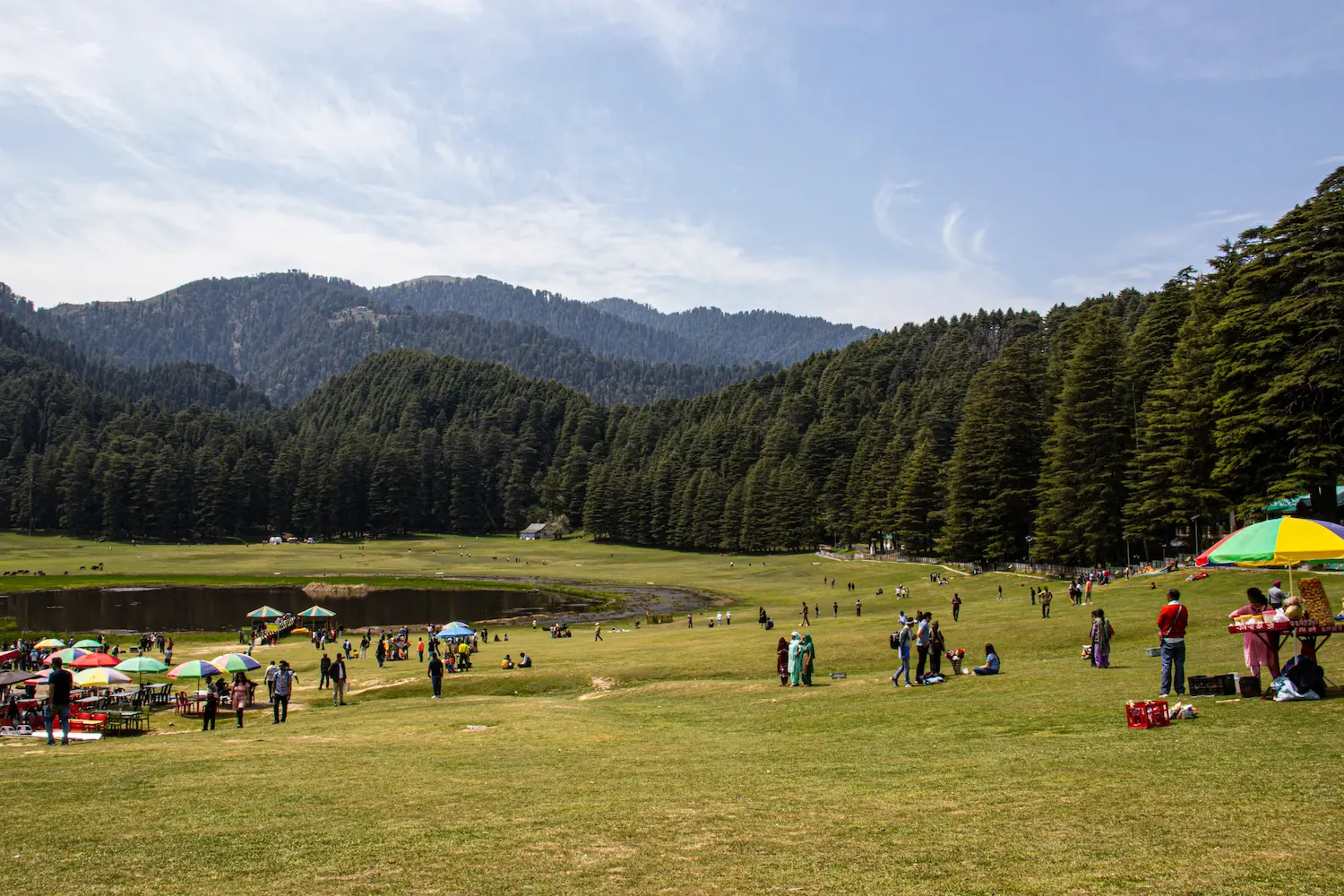
There is a signboard at the edge of the Khajjiar meadow that has been photographed approximately as many times as the meadow itself. It shows a yellow Swiss hiking footpath symbol — the kind that appears on mountain trails between Geneva and Zurich — and beneath it, in plain black text: 6,194 km to Bern. It was placed here in July 1992 by Willy T. Blazer, Vice-Counsellor and Head of Chancery of Switzerland in India, who had visited Khajjiar, looked at the deodar-rimmed meadow and the floating lake and the snow-capped ridges above, and decided that this was one of 160 places in the world that bore a genuine topographic resemblance to his country. He took a stone from the meadow home to Switzerland; it now sits among soil samples from other Switzerland-like locations in the garden of the Swiss Parliament building in Bern. Khajjiar, in other words, has an official representative in the Swiss capital. No other Indian hill station can say the same.
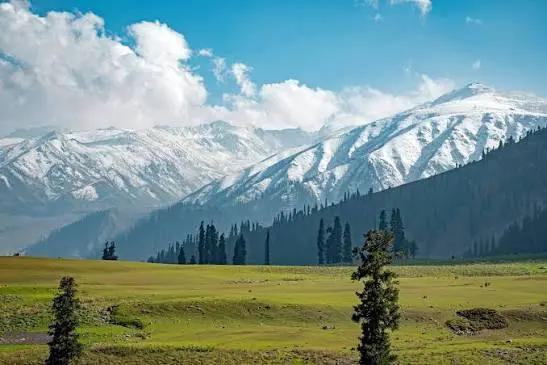
The meadow is genuinely, rather than aspirationally, extraordinary. It sits in a natural saucer-shaped depression at 1,920 metres, ringed by deodar cedar and pine at angles that catch the morning light in long, horizontal shafts across the grass. At the centre is Khajjiar Lake — small, still, surrounded by a floating island of weed that creates the impression of a water feature inside a water feature, like a matryoshka doll made of reflections. The Khajji Nag Temple, its golden dome and spire visible from almost anywhere on the meadow, has been standing at the edge of this grass since the 12th century — and it is from this serpent deity that the meadow, the lake, and the village all take their name. The meadow is not named for Switzerland. Switzerland was named, in a certain informal sense, for the meadow.
Dalhousie, the hill station twenty-two kilometres away and forty-five minutes by road, is the base from which almost everyone explores Khajjiar — and it is, in its own right, a destination of considerable interest. Spread across five named hills — Bhangora, Bakrota, Terah (known locally as Moti Tibba), Potreyn, and Kathalagh — at a mean elevation of 1,970 metres, it was established in 1854 by the British East India Company as a convalescent depot for European troops and a summer retreat for colonial administrators seeking relief from the Punjab plains below. It was named after Lord Dalhousie, the Governor-General of India from 1848 to 1856. A detail that a 2017 book brought to public attention, and that has since become part of the town's quiet self-deprecating mythology: Lord Dalhousie never once visited the hill station that bears his name. The five hills were acquired from the Raja of Chamba, who received a reduction of two thousand rupees in his annual tax obligation to the East India Company in exchange. He appears, in retrospect, to have got slightly the better of the deal.
The Geography of Chamba District...
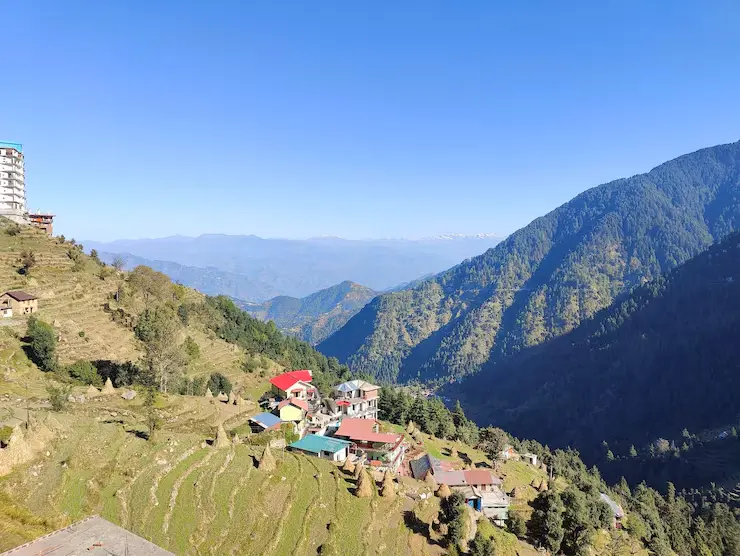
Dalhousie sits at the western edge of the Dhauladhar range, in Chamba district — a vast, relatively undiscovered region that stretches from the Ravi River valley in the south to the high passes of Pangi and Lahul in the north. Chamba district is one of the most historically significant and least touristically developed areas of Himachal Pradesh: its principal town, Chamba, was the capital of a Hindu dynasty from the 6th century AD, contains a 10th-century temple complex of considerable beauty, and maintains a textile tradition — the Chamba rumal, a form of embroidered handkerchief that is a UNESCO-recognised intangible cultural heritage — that has been practised without significant interruption for at least four hundred years. The district's cultural riches are in inverse proportion to its tourist infrastructure, which makes it one of the more rewarding places in the state for those willing to go a little beyond the standard itinerary.
The landscape around Dalhousie is forest: deodar cedar, pine, oak, and rhododendron on the slopes, with the high ridges above the treeline carrying meadow and alpine scrub. The Kalatop Khajjiar Wildlife Sanctuary, which covers both the area around the hill station and the Khajjiar plateau itself, is home to a population of Himalayan black bears, leopards, black martens, red foxes, and an avifauna that makes it one of the quieter birdwatching sites in Himachal Pradesh during the shoulder seasons. The Ravi River — which Chamba town sits on, and which the scenic drive from Dalhousie to Chamba follows for long stretches — originates in the Bara Bangahal area of Kangra district and is one of the major tributaries of the Indus. The valley it has carved between the Dhauladhars and the outer ridges is the corridor through which the old Chamba kingdom maintained contact with the rest of the world.
The colonial architecture of Dalhousie is the most visible remnant of the British period: St. John's, St. Andrew's, St. Patrick's, and St. Francis churches represent a century of ecclesiastical building in Scottish and Victorian Gothic styles, complete with stained glass, pointed arches, and the specific silence of buildings that were designed for a congregation whose descendants have all gone home. The Grand View Hotel, in operation since the early 19th century, claims to have been a favourite of the British military and administrative establishment; its Imperial Block still has the verandas, the sloped roofs, and the garden benches of a colonial rest house, surrounded now by Himalayan pine. Subhash Chandra Bose stayed in Dalhousie during his early years; the Subhash Baoli — a spring where he is said to have spent time in reflection — is a quiet corner of Gandhi Chowk area that receives visitors who know to look for it.
| FACT | DETAIL |
|---|---|
|
Dalhousie altitude |
1,970 m (6,460 ft) — spread across five hills |
|
Khajjiar altitude |
1,920 m (6,299 ft) |
|
Dainkund Peak altitude |
2,755 m (9,038 ft) — highest point in Dalhousie |
|
Five hills of Dalhousie |
Bhangora, Bakrota, Terah (Moti Tibba), Potreyn, Kathalagh |
|
District |
Chamba, Himachal Pradesh |
|
Dalhousie to Khajjiar |
22 km / 45 min–1 hr |
|
Dalhousie to Chamba town |
~55 km / 1.5–2 hrs |
|
Dalhousie to Kalatop Sanctuary |
8 km / 15–20 min |
|
Nearest railway station |
Pathankot Junction, ~80 km; 2–2.5 hrs by road |
|
Nearest airport |
Gaggal (Kangra/Dharamshala) Airport, ~115 km |
|
Distance from Delhi |
~570 km / 12–13 hrs by road |
|
Distance from Chandigarh |
~335 km / 7–8 hrs by road |
|
Khajji Nag Temple age |
12th century CE — built by Prithvi Singh, Raja of Chamba |
|
Mini Switzerland designation |
July 7, 1992 — Willy T. Blazer, Swiss Vice-Counsellor |
|
Khajjiar to Bern (Switzerland) |
6,194 km (shown on the Swiss signboard at Khajjiar meadow) |
|
Best season |
March–June; October–January (for snowfall) |
|
Peak season |
May–June and December–January (school holidays) |
|
Permit required |
None for Indian nationals — carry valid photo ID |
ESSENTIAL FACTS
KHAJJIAR IS LIKE AN ENTIRE BOX OF SWISS DARK CHOCOLATE DELIVERED TO THE WRONG ADDRESS — FLOWN ACCIDENTALLY ACROSS 6,194 KILOMETRES OF AIR AND MOUNTAIN AND ENDED UP, INEXPLICABLY, IN THE CHAMBA DISTRICT OF HIMACHAL PRADESH. THE SWISS SENT A DIPLOMAT TO CONFIRM IT. HE AGREED. HE TOOK A STONE HOME AS EVIDENCE.
Getting to Dalhousie and Khajjiar...
The journey to Dalhousie is, for most visitors, an overnight one. From Delhi, the most practical option is an overnight bus to Pathankot — HRTC Volvo services depart from ISBT Kashmiri Gate in the 7–9 PM window, covering the roughly 450 kilometres to Pathankot in eight to nine hours. From Pathankot, taxis to Dalhousie cost ₹800–1,200 for the cab (four seats) and take about two hours on a mountain road that climbs through successive ridges of pine-covered hill country. Shared taxis from Pathankot run ₹100–150 per person and operate until approximately 5 PM; for later arrivals, a private cab is the only reliable option. The Pathankot to Dalhousie road is the approach route that most guidebooks describe as spectacular and that most first-time visitors, arriving in early morning after an overnight bus, experience as a gradual revelation through increasingly heavy eyelids.
The nearest airport, Gaggal (Kangra/Dharamshala), is approximately 115 kilometres from Dalhousie — about three hours by taxi (₹2,500–3,500). Pathankot also has a small airport with limited flights. Neither option is as reliable as the rail-then-road route for most travellers. For those combining Dalhousie with a McLeod Ganj visit — a strongly recommended combination — the Dharamshala to Dalhousie road (approximately 115 km, three to three and a half hours) is a fine mountain drive that makes an excellent segue between the Tibetan cultural world of the Kangra Valley and the Victorian hill-station world of Chamba district.
Once in Dalhousie, Khajjiar is straightforwardly accessible: shared taxis from Subhash Chowk and the bus stand charge ₹50–80 per person one way in peak season. Private taxis cost ₹600–900 for a return trip with waiting time. The road from Dalhousie to Khajjiar via the Kalatop forest — itself part of the wildlife sanctuary — is one of the most pleasant drives in the district, cutting through deodar forest with occasional clearings that offer views of the Ravi valley to the south and the higher ridges to the north. Confirm the last return shared taxi timing before committing to an extended meadow afternoon; the last service is typically around 5–6 PM, and private taxis are available later but at premium rates.
| ROUTE | FROM | DISTANCE / TIME | NOTES |
|---|---|---|---|
|
HRTC/private overnight bus to Pathankot, then taxi to Dalhousie |
Delhi ISBT / Chandigarh |
~570 km / 12–13 hrs total |
Most used route; overnight bus to Pathankot (₹600–900); taxi Pathankot to Dalhousie ~₹800–1,200 / 2 hrs |
|
Direct HRTC/private Volvo bus to Dalhousie |
Delhi ISBT / Chandigarh |
~570 km / 12–14 hrs |
Direct buses available; less frequent than Pathankot option; confirm departure point and timing before booking |
|
Train to Pathankot Junction + taxi |
Delhi (multiple trains) |
~6–8 hrs train + 2 hrs road |
Chakki Bank / Pathankot served by multiple trains; taxis to Dalhousie ₹800–1,200; last shared taxi around 5 PM |
|
Via Dharamshala / McLeod Ganj |
Dharamshala / McLeod Ganj |
~115 km / 3–3.5 hrs |
Excellent scenic combination; taxi ₹2,500–3,500 one way; connects Kangra Valley to Chamba district |
|
Dalhousie to Khajjiar (day trip) |
Dalhousie |
22 km / 45–55 min |
Shared taxi ₹50–80/person; private taxi ₹600–900 return; route via Kalatop is scenic |
|
Dalhousie to Chamba via Khajjiar |
Dalhousie |
55 km / 1.5–2 hrs |
Full day excursion; morning Khajjiar stop + afternoon Chamba; taxi ₹1,800–2,500 full day |
|
Dalhousie to Kalatop Sanctuary |
Dalhousie |
8 km to Lakkadmandi trailhead / 15–20 min |
Shared taxi or walk; entry ₹250/person; open 9 AM–6 PM |
|
Chamera Lake (boating day trip) |
Dalhousie |
8 km to Lakkadmandi trailhead / 15–20 min |
Taxi ₹1,200–1,800 return; boating ₹100–200/person; reservoir on Ravi River; beautiful sunset spot |
ROUTES AND TRANSPORT
When to go...
Dalhousie is, genuinely, a year-round destination — but the two finest windows are March to June and October to January. March to June brings the valley back to life after winter: the rhododendrons flower in March and April, the deodar forest turns that specific shade of vivid green that only high-altitude forests achieve in their spring growth, and the Khajjiar meadow reaches its fullest, most absurdly lush expression in May and June. The summer school holiday season (May–June and again in the winter vacation of December–January) brings the largest crowds; Dalhousie's infrastructure copes with them well by hill-station standards, but accommodation books up quickly and the Khajjiar meadow on a Sunday afternoon in May requires some tolerance for fellow visitors.
October is the month that regular visitors consistently recommend above all others. The post-monsoon clarity — the same quality of air that September and October bring to every Himalayan destination — here produces views of the Pir Panjal range and the Chamba valley that are razor-sharp, the autumn light is at its most flattering, the forest paths are quiet, and the meadow at Khajjiar in October morning light is the version of the place that the Swiss diplomat saw and recognised as kindred. December and January bring the snow, and with it one of north India's more accessible winter wonderland experiences: Khajjiar under snow, with the deodar trees white and still, is one of the genuinely lovely seasonal transformations available in the Indian Himalaya without a serious mountain expedition.
| MONTH | TEMP | CONDITIONS | BEST FOR | AVOID |
|---|---|---|---|---|
|
January |
−2 to 8°C |
Heavy snowfall likely; magical winter landscape; roads may ice |
Snow experiences; very quiet; winter photography; new year visitors |
Road closures possible to Khajjiar after heavy snow; drive carefully |
|
February |
0–10°C |
Snow melting; still cold; rhododendrons start appearing |
Photography; offseason peace; budget prices |
Cold nights; some smaller guesthouses may be shut |
|
March |
5–15°C |
Spring begins; pleasant; clear air after winter |
Excellent weather; trails open; Khajjiar meadow turns green |
None — this is an ideal month |
|
April |
10–20°C |
Warm, green, blooming |
All activities; Dainkund trek; Khajjiar at its lushest |
Weekends can be busy — book ahead |
|
May |
14–24°C |
Peak season; very busy; warm and pleasant |
All activities; summer vacation crowd brings energy |
Accommodation fills completely; book 3–4 weeks ahead |
|
June |
16–26°C |
Last pre-monsoon window; green and warm |
Khajjiar meadow at full lush; Dainkund trek |
Monsoon approaches end of month; humidity rises |
|
July–August |
14–22°C |
Monsoon; rain; lush green valleys; misty atmosphere |
Forest walks; Kalatop birdwatching; Khajjiar meadow spectacular in rain |
Landslides on Pathankot–Dalhousie road possible; Chamera Lake boating limited |
|
September |
12–20°C |
Post-monsoon; clear blue skies; crisp air |
One of the finest months; trails clear; crowds thin |
First week may still see some rain |
|
October |
8–18°C |
Autumn; golden light; cool and clear |
Photography; trekking; Chamba Minjar Mela aftermath; apple season |
None — excellent month |
|
November |
2–12°C |
Cold; first snows on Dainkund; very quiet |
Snowfall begins; quietest and cheapest month |
Some cafés and smaller hotels close |
|
December |
2 to 8°C |
Possible snowfall; Christmas–New Year peak |
Snow; festive atmosphere; New Year celebrations |
Peak prices; book well ahead for New Year week |
MONTH-BY-MONTH SEASON GUIDE
OCTOBER IN KHAJJIAR IS A TOBLERONE TRIANGLE OF A MONTH — POINTED AT THE TOP, PERFECTLY FORMED, THE BEST PART OF A SEQUENCE THAT HAS BEEN BUILDING SINCE SPRING. THE MEADOW IS EMPTY BY NINE IN THE MORNING, THE DEODAR TREES ARE GOLDEN-GREEN, AND THE LAKE REFLECTS A SKY THAT HAS BEEN WASHED COMPLETELY CLEAN BY THREE MONTHS OF MONSOON.
Things to do in Dalhousie and Khajjiar...
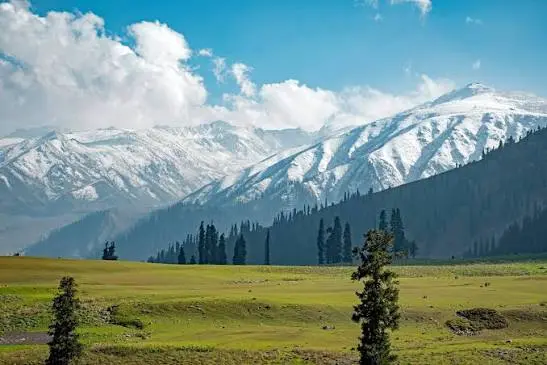
Walk the Khajjiar meadow at sunrise — the single piece of advice given by virtually every experienced Dalhousie visitor about Khajjiar is this: go before 9 AM. The meadow — 2.3 kilometres in circumference — is at its most unearthly in the first hour of daylight, when the mist that has settled overnight in the saucer-shaped depression begins to lift in the warming air, the deodar trees emerge from the whiteness in slow stages, and the lake's surface holds the sky in an inversion that is, for a few minutes, simply more beautiful than seems reasonable. After 10 AM, the horse-riding operators set up, the zorbing operators inflate their spheres, the chai stalls open, the tourist vehicles arrive. All of this is perfectly enjoyable. But the previous hour is the meadow's actual character, and it belongs to whoever gets up early enough to claim it.
The Khajji Nag Temple — the reason the meadow has its name — the 12th-century temple at the meadow's edge is one of those Himalayan shrines whose significance runs deeper than its size. Built by Prithvi Singh, Raja of Chamba, the temple is dedicated to Khajji Nag — the serpent deity, patron protector of the region, whose name gives Khajjiar its own. Inside the mandapam, wooden carvings of the five Pandavas and a scene of the dice game between the Pandavas and Kauravas are laid with craftsmanship that the 800 years since their creation have not diminished. The temple's golden dome and spire are the first thing you see from the meadow on a clear morning and the last thing you see at dusk. It sits between a Shiva shrine and a Hadimba shrine, which means that this small complex at the edge of a saucer-shaped meadow in Chamba district contains more mythology per square metre than many dedicated pilgrimage sites. Remove your shoes. Stay for a few minutes in the inner courtyard. The meadow can wait.
Dainkund Peak — the Singing Hill — the highest point in Dalhousie at 2,755 metres, eight kilometres from the town along a road that climbs through deodar forest to the Lakkadmandi base, is called the Singing Hill because the wind through the forest canopy produces a sustained, low musical resonance — not metaphorically, but literally, in the way that blowing across a bottle produces a note. The name
Dainkund means Lake of the Witches, from dain (witch) and kund (lake), referencing a local belief that the peak was inhabited by supernatural presences that created the wind-sound. The trek from Lakkadmandi is 5–6 kilometres round trip, easy to moderate, well-marked, and ends at the Pholani Devi Temple on the summit — a small shrine containing no idol, only a lone trishul standing in the earth, representing the goddess whose presence is felt but not embodied. An Indian Air Force base sits adjacent to the summit; the combination of military establishment and goddess shrine at the top of a singing hill is one of the more specifically Himalayan juxtapositions in travel. The 360-degree panorama from the top on a clear day — the Ravi valley to the south, the Pir Panjal range to the north, the Khajjiar meadow visible as a green circle below — is outstanding.
Kalatop Wildlife Sanctuary — the bear's forest — eight kilometres from Dalhousie, the Kalatop Wildlife Sanctuary (its name means 'black cap' after the dark, dense forest that covers the hill) is one of the more accessible wildlife experiences in Himachal Pradesh. Entry costs ₹250 per person at the gate; the sanctuary is open from 9 AM to 6 PM. The forest trails inside are well-laid and peaceful, winding through oak, pine, and deodar that become increasingly dense as you move away from the gate. The sanctuary's residents include Himalayan black bears, leopards, black martens, red foxes, grey langurs, and a bird list that includes monal pheasant, koklass pheasant, and a variety of Himalayan woodland species. The HPTDC Forest Rest House inside the sanctuary — one of the genuinely outstanding offbeat accommodation options in the district — can be booked through the HPTDC portal and provides an overnight experience that few hill-station travellers think to seek out.
The Bakrota Hills walk — Dalhousie's own evening — the Thandi Sadak — literally the 'cold road', a 5-kilometre circuit through the deodar and pine forest of Bakrota Hill — is the walk that Dalhousie takes every evening. It has been taking it since the British officers strolled it for exercise in the 1860s and 1870s, and the colonial bungalows that stand at intervals along the route are the architectural record of that era. The road is closed to vehicles in the early morning and early evening, making it a proper walking circuit rather than a shared lane. In the autumn, the forest turns amber and gold; in the spring, the rhododendrons add red at the margins. The views of the Ravi valley and the Chamba ranges appear through the treeline at intervals. This is the unhurried version of Dalhousie, and it is, many frequent visitors quietly insist, the best one.
The day excursion to Chamba town — the historic capital of the Chamba kingdom, 55 kilometres from Dalhousie along a road that descends through pine forest before following the Ravi River into town, is the excursion that most Dalhousie itineraries mention and most visitors skip. This is a mistake. Chamba town, sitting on the banks of the Ravi at a lower altitude than Dalhousie, feels like an entirely different epoch: the Lakshmi Narayan Temple complex, six shrines in the North Indian shikhara style, was built in the 10th century by King Sahil Varman — a date that makes it contemporary with the earliest monasteries of Spiti and older than most of the structures in north India that visitors consider ancient. The Bhuri Singh Museum on the Chaugan houses miniature Pahari paintings of the Chamba school — a distinct and significant tradition of Indian miniature painting — alongside coins, manuscripts, and examples of Chamba
rumal (embroidered textile) of extraordinary delicacy. Allow a full day: two hours driving from Dalhousie via Khajjiar (combine the stops), three to four hours in Chamba, and the return via the Ravi valley road in the late afternoon light.
Panchpula waterfall and the Sardar Ajit Singh memorial — three kilometres from Dalhousie on the Chamba road, Panchpula — literally 'five bridges' — is a spot where five mountain streams converge to form a cascade that is at its most spectacular in the monsoon and in the weeks immediately following it. Adjacent to the waterfall is a memorial to Sardar Ajit Singh, uncle of Bhagat Singh and a significant figure in the Indian independence movement who spent his final years in Dalhousie. It is a quiet spot, wooded, with the sound of water competing with birdsong, and it requires no particular exertion to reach. It rewards a slow morning walk from town.
Zorbing and horse riding on the Khajjiar meadow — the active-tourism infrastructure of Khajjiar — zorbing (rolling downhill inside an inflatable transparent sphere) and horse riding around the meadow perimeter — is operated by local families who have built their livelihoods around the meadow's tourism. Both activities are entirely safe, reasonably priced (zorbing ₹300–500; horse riding ₹300–600 for a circuit), and a great deal more enjoyable than they sound in a printed description. The zorbing descent in particular has been cited in multiple reviews in language that hovers between 'terrifying' and 'transcendent', depending on the reviewer's relationship with speed and inflated plastic. Do it in the morning before the midday crowd; the operators are good-natured and the ride is well-organised.
| ACTIVITY / SITE | LOCATION | TIME NEEDED | COST | NOTES |
|---|---|---|---|---|
|
Khajjiar meadow walk (2.3 km circuit) |
Khajjiar |
1–2 hrs |
Free to enter meadow |
Walk the circumference for different light angles on the lake; best at sunrise and late afternoon; avoid midday crowd |
|
Khajji Nag Temple visit |
Khajjiar meadow edge |
30–45 min |
Free entry |
12th-century serpent deity temple; golden dome and spire; Pandava carvings inside; remove shoes; no photography of sanctum |
|
Dainkund Peak trek |
Lakkadmandi (8 km from Dalhousie) |
3–4 hrs return |
Free / vehicle entry fee near Air Force Gate |
5–6 km round trip; easy–moderate; Pholani Devi Temple at summit (lone trishul, no idol); panoramic 360° views; wind music through deodar forest |
|
Kalatop Wildlife Sanctuary |
8 km from Dalhousie |
Half day minimum |
₹250/person entry |
Himalayan black bear, leopard, pheasants; well-laid forest trails; Forest Rest House bookable via HPTDC; best for birding March–May and Sep–Oct |
|
Bakrota Hills walk (Thandi Sadak) |
Dalhousie town |
1.5–2 hrs |
Free |
The classic Dalhousie evening walk; 5-km circuit through deodar forest; popular at sunset; colonial bungalows along the way |
|
Panchpula waterfall and memorial |
3 km from Dalhousie |
1 hr |
Free |
Sardar Ajit Singh (Bhagat Singh's uncle) memorial; spring-fed streams and cascade; pleasant picnic spot; best in monsoon and just after |
|
Subhash Baoli (Gandhi Chowk area) |
Dalhousie town |
30 min |
Free |
A spring where Subhash Chandra Bose spent time during his stay in Dalhousie; significant for Indian independence history; quiet, wooded |
|
Chamera Lake boating |
~35 km from Dalhousie |
Half day |
Boating ₹100–200; taxi ₹1,200–1,800 return |
Reservoir on Ravi River; boating, picnicking; spectacular reflection of pine hills; best in afternoon light |
|
Chamba town day trip |
~55 km from Dalhousie |
Full day |
Bhuri Singh Museum ₹30; Lakshmi Narayan Temple free |
10th-century Lakshmi Narayan Temple complex; Bhuri Singh Museum (miniature Pahari paintings, Chamba embroidery); Chaugan open ground; Ravi riverside walk |
|
Churches and colonial heritage walk |
Dalhousie town |
2 hrs |
Free |
St. John's, St. Andrew's, St. Patrick's, St. Francis Catholic — all British-era; Scottish and Victorian architecture; St. Francis near Gandhi Chowk most accessible |
|
Zorbing and horse riding |
Khajjiar meadow |
30–45 min per activity |
Zorbing ₹300–500; Horse riding ₹300–600 |
Both operator-organised on the meadow; zorbing — rolling downhill in inflatable sphere — is the signature Khajjiar activity; horses well-maintained by local families |
|
Ganji Pahari viewpoint walk |
Dalhousie |
1–1.5 hrs |
Free |
Short ridge walk from Dalhousie; panoramic views of Ravi Valley and Chamba district; less visited than Bakrota Hills; good at sunrise |
ACTIVITIES AND SITES — COMPLETE GUIDE
DAINKUND'S WIND THROUGH THE DEODAR TREES MAKES A SOUND LIKE A VERY LARGE, VERY CONTENTED MOUTH EATING A MARS BAR WITH THE WRAPPER STILL ON — SUSTAINED, RESONANT, SLIGHTLY MYSTERIOUS. THE LOCALS SAY IT IS THE WITCHES WHO LIVE IN THE LAKE BELOW. STAND STILL LONG ENOUGH AND YOU MAY BEGIN TO BELIEVE THEM.
Things not to do in Dalhousie and Khajjiar...
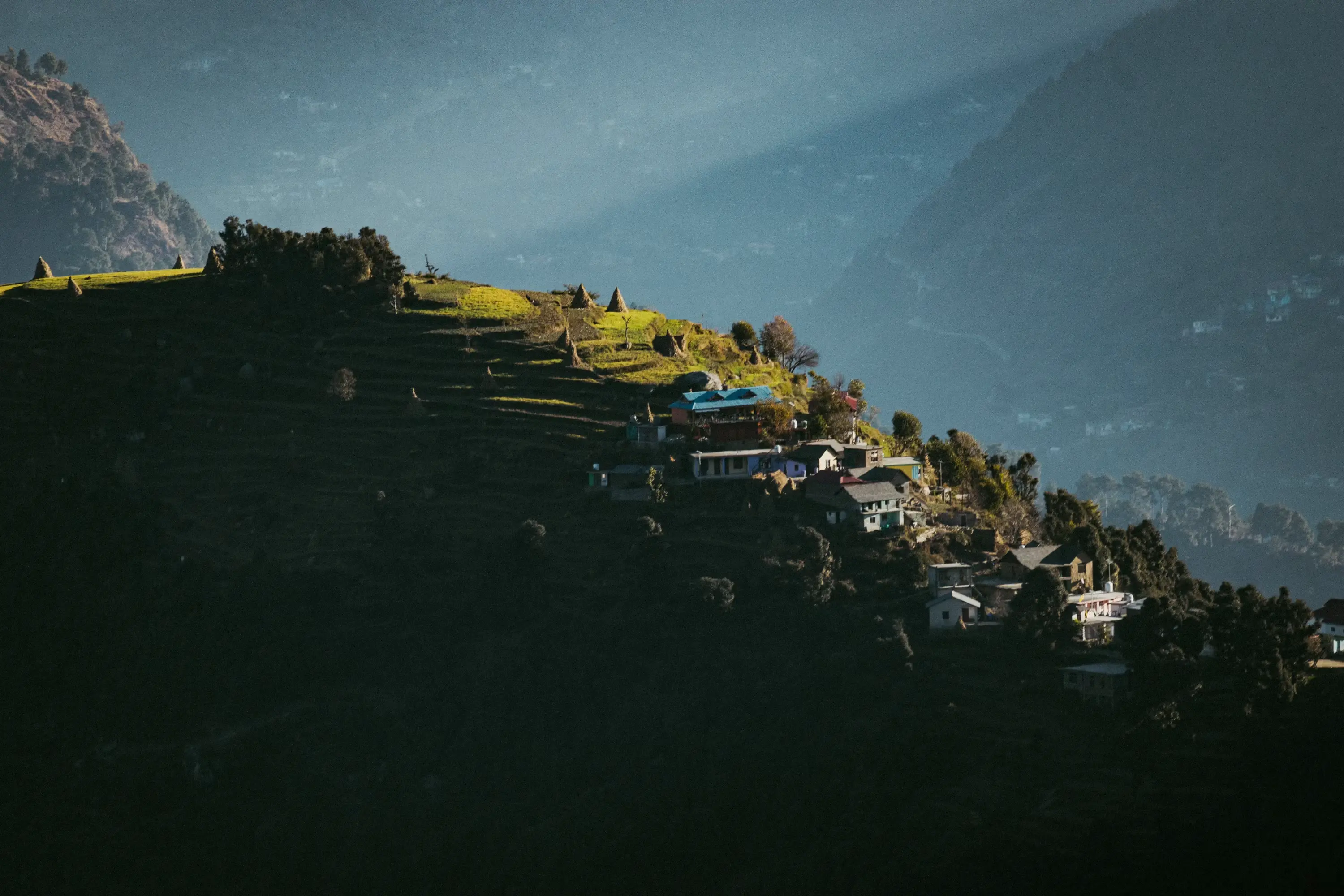
Do not arrive at Khajjiar after 11 AM on a weekend and expect solitude — the Khajjiar meadow on a Saturday or Sunday between May and June is one of the more densely populated patches of grass in Himachal Pradesh. The activities operators, the chai stalls, the horse-riding families, and a consistent stream of tourist vehicles from Dalhousie collectively transform the meadow from a saucer of serene green to something that more closely resembles a village fair. This is not, to be clear, a catastrophe — the meadow is large enough to absorb significant numbers, and the activities are genuinely enjoyable — but it is a different experience from the sunrise quiet. Plan either for a weekday, or for an early morning arrival. The Khajjiar that the Swiss diplomat saw and named was a Monday morning Khajjiar. Plan accordingly.
Do not underestimate Dainkund in the cold months — Dainkund Peak at 2,755 metres carries snow on its upper slopes from November through March, and the Lakkadmandi to summit trail can be icy in the winter months. The trek is classified as easy in the summer season; in January or February, without proper footwear and winter layers, it is not. Carry trekking shoes with grip, a warm jacket, and your own water supply regardless of season — there are no water sources on the trail above Lakkadmandi, and the temperature at the summit drops sharply in the afternoon even in summer.
Do not leave all your cash in the hotel — Dalhousie's ATMs (concentrated around Gandhi Chowk) run out during peak season — a situation exacerbated by the fact that Pathankot-side visitors arriving on weekend overnight buses all withdraw simultaneously. Khajjiar has no reliable ATM at all; all meadow activities (zorbing, horse riding, chai) are cash only. Chamba town ATMs provide a backup but are 55 kilometres away. Withdraw generously in Pathankot before the journey up, or at Gandhi Chowk early on your first morning.
Do not skip Chamba town in favour of one more hour at Khajjiar — this is the most consequential itinerary error made in the Dalhousie region. Chamba town's 10th-century Lakshmi Narayan Temple complex and the Bhuri Singh Museum represent cultural heritage of a seriousness that is entirely absent from the hill station's own attractions. The Chamba school of miniature painting is one of the significant regional art traditions of India; the temple complex is among the oldest functioning religious sites in Himachal Pradesh. Visitors who spend a full day at Khajjiar and half an hour in Chamba will have seen the decorated wrapper without touching the chocolate inside. Reverse the ratio.
Do not bring food onto the Bakrota Hills walk in open bags — Dalhousie's monkey population, which inhabits the deodar forest of the Bakrota Hills in numbers that make them a consistent presence on the evening walk circuit, is simultaneously one of the town's most photogenic features and its most common source of minor visitor inconvenience. The monkeys are bold, fast, and well-practised at intercepting food bags, open rucksacks, and unwrapped snacks. Keep food in sealed containers, do not eat while walking, and do not attempt to retrieve anything a monkey has already taken. The advice is mundane but the consequences of ignoring it are not.
Do not confuse Dalhousie's appeal with its facilities — Dalhousie is a genuine hill station with genuine colonial character and genuine mountain-forest atmosphere. It is not, and does not aspire to be, a Shimla or a Manali. The mall road is modest. The restaurant options outside the better hotels are limited. The nightlife is non-existent. The appeal of Dalhousie is precisely its scale and pace — the Bakrota Hills walk, the forest trails to Kalatop, the meadow at Khajjiar at dawn, the churches in the deodar, the colonial hotel with the snow-peak view. Visitors who arrive expecting the infrastructure of a larger hill station will find it undersupplied. Visitors who arrive expecting exactly what Dalhousie actually is will find it more than sufficient.
| ITEM | DETAILS |
|---|---|
|
Kalatop Wildlife Sanctuary entry |
₹250/person (2026 confirmed); open 9 AM–6 PM daily; Forest Rest House (overnight) bookable via HPTDC portal; drive or walk from Dalhousie to Lakkadmandi gate (~8 km) |
|
Dainkund Air Force gate |
Vehicle entry involves a nominal charge near the Air Force checkpoint on Dainkund road; individual trekkers generally pass freely — confirm at gate on arrival |
|
ATMs |
Gandhi Chowk area has 2–3 ATMs; run dry in peak season — withdraw in Pathankot before arriving; Chamba town also has ATMs as backup |
|
Mobile network |
Jio and Airtel both work well in Dalhousie town and Khajjiar; BSNL in case of patchy coverage on Dainkund trail; all networks present in Chamba town |
|
Monkey alert |
Dalhousie's deodar forest areas — particularly near Bakrota Hills hotels and around Khajjiar meadow — have resident monkey populations; keep room windows closed; secure food in rooms; do not feed them |
|
Shared taxi to Khajjiar |
From Dalhousie bus stand / Subhash Chowk: ₹50–80/person one way in peak season; private taxi ₹600–900 return; negotiate before boarding |
|
Last bus from Khajjiar to Dalhousie |
Approximately 5–6 PM (verify locally); returning taxis available until 7 PM in peak season; confirm before lingering too long on the meadow |
|
Pathankot to Dalhousie taxi |
₹800–1,200 per cab (4 seats); shared taxis ₹100–150/person; last shared taxi from Pathankot around 5 PM; book private cab for evening arrivals |
|
Emergency contacts |
Dalhousie Police: 01899-242026; Government Hospital Dalhousie: 01899-242204; HPTDC Tourist Office Dalhousie: 01899-242136 |
PRACTICAL NOTES — 2026
Where to stay...
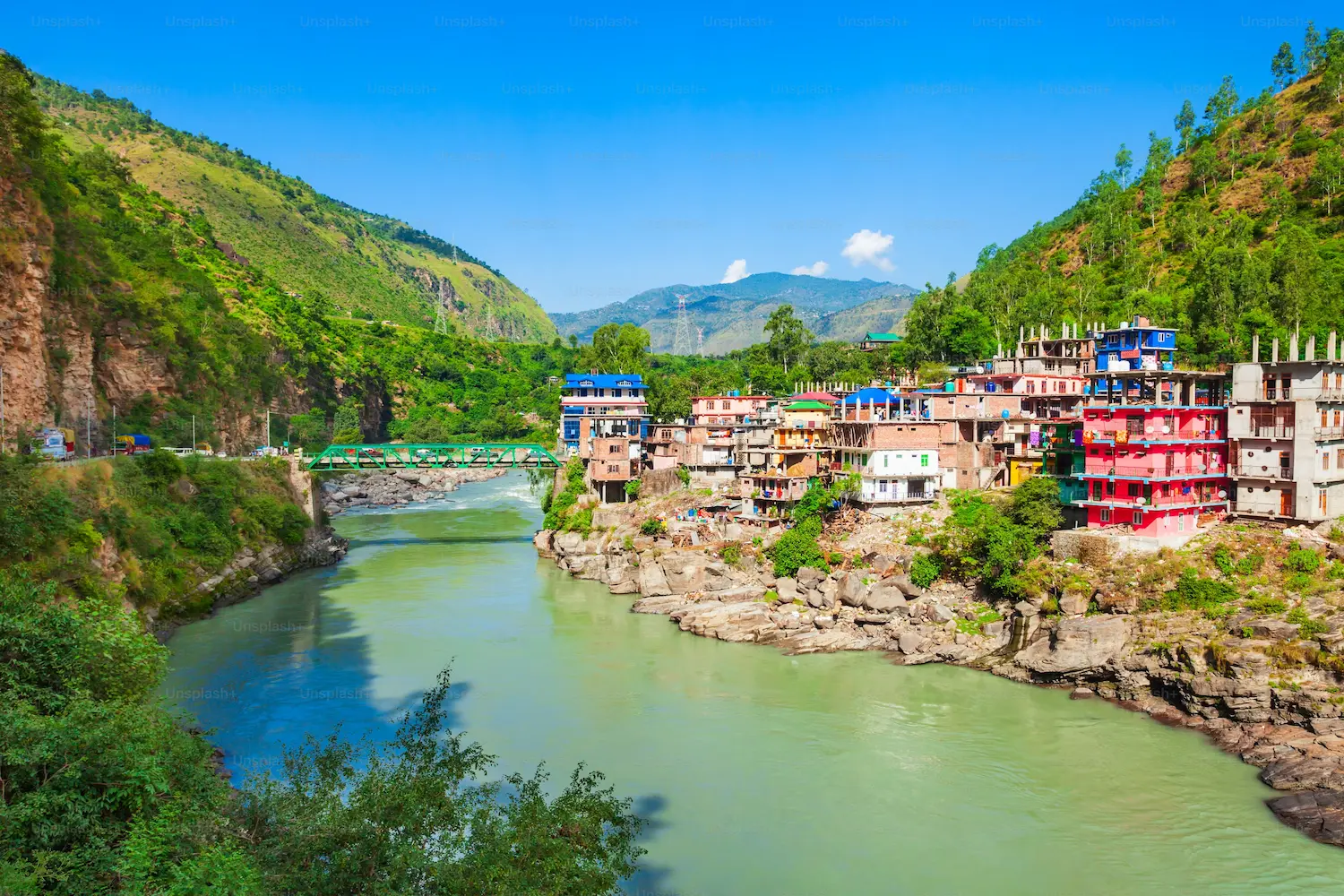
The Grand View Hotel is the single most obvious recommendation in Dalhousie, and has been since its establishment in the early 19th century — the Imperial Block's colonial verandas, mountain views, and the consistently praised Kawality Restaurant (try the Himachali thali; owner Radhika personally oversees the kitchen standards) make it the kind of hotel that people return to specifically, rather than as a function of proximity or price. It is not the most expensive option in town — the Brij Villa colonial luxury retreat and the Fortune Park ITC Hotels property both command higher rates — but it is the most characterful, and character in a hill station is precisely what you are paying for.
For those at the premium end, the Brij Villa Dalhousie (rated 9.4/10 across booking platforms in early 2026) offers restored colonial architecture with exceptional service in the Bakrota Hills area, and the Presidium Sarovar Premiere adds a pool — which is, at 1,970 metres in Himachal Pradesh, either an extravagance or a genuine pleasure depending on the month and your attitude toward cold water. Hotel Crags offers colonial character at mid-range pricing; Hotel Monal provides solid value with good valley views and a reliable restaurant, though the monkey situation near its forest-facing windows deserves the practical precaution already noted: keep them closed.
The genuinely distinctive accommodation option in the Dalhousie–Khajjiar area is the HPTDC Forest Rest House inside the Kalatop Wildlife Sanctuary — a property so rarely mentioned in standard itineraries and so genuinely memorable that it deserves its own sentence. You are sleeping inside a wildlife sanctuary, surrounded by forest, at an elevation where bears are documented residents and where the dawn birdsong at 5 AM in April includes the call of the monal pheasant at close enough range to be surreal. The rooms are basic. The experience is extraordinary. Book through the HPTDC portal as far ahead as possible; it has few rooms and high demand from those who know about it.
| PROPERTY | LOCATION | TYPE | PRICE RANGE | NOTES |
|---|---|---|---|---|
|
Grand View Hotel |
Moti Tibba hill, central Dalhousie |
Heritage hotel (120+ years old) |
₹2,500–8,000/room |
Oldest hotel in Dalhousie; 53 rooms; colonial Imperial Block; Royal Suite views of snow peaks; owner Radhika personally oversees; consistently top-rated; Kawality Restaurant widely praised; book ahead |
|
Brij Villa Dalhousie |
Bakrota Hills |
Colonial luxury retreat |
₹8,000–15,000/room |
Ranked 9.4/10; beautifully restored colonial property; heritage architecture; exceptional service; romantic option; restaurant on-site |
|
Fortune Park Dalhousie (ITC Hotels) |
Main Dalhousie area |
4-star hotel |
₹5,000–10,000/night |
Indoor pool; fitness centre; reliable 4-star standards; ITC group management; central location |
|
Presidium Sarovar Premiere |
Dalhousie |
4-star hotel |
₹6,000–12,000/night |
Outdoor pool; fitness centre; restaurant; well-reviewed for views and amenities |
|
Hotel Monal |
Near bus stand / Gandhi Chowk |
3-star hotel |
₹2,000–4,000/room |
Popular mid-range option; valley views; reliable hot water; vegetarian-only restaurant; note monkey presence near windows — keep them closed |
|
Hotel Crags |
Dalhousie |
Heritage guesthouse |
₹2,500–5,000/room |
Old colonial-style property; character and atmosphere; garden; honest heritage feel |
|
HPTDC Forest Rest House (Kalatop) |
Inside Kalatop Sanctuary |
Forest rest house |
₹1,200–2,000/room |
One of Himachal's great offbeat sleep experiences — inside a wildlife sanctuary; very limited rooms; book via HPTDC portal well in advance |
|
Budget guesthouses (Subhash Chowk area) |
Dalhousie bus stand / Subhash Chowk |
Guesthouses |
₹800–1,500/room |
Multiple options; basic but functional; hot water solar; mountain views from many; best value for solo travellers and families on budget |
|
Hotel Mini Swiss / local guesthouses |
Khajjiar village |
Guesthouses/hotels |
₹1,500–3,500/room |
Staying in Khajjiar itself is possible and recommended for sunrise on the meadow; limited options; book ahead in peak season |
WHERE TO STAY — 2026 ACCOMMODATION GUIDE
Responsible travel in Dalhousie and Khajjiar...
The Khajjiar meadow is inside the Kalatop Khajjiar Wildlife Sanctuary — a designation that carries legal and ecological weight that the volume of meadow visitors does not always reflect. The lake at the meadow's centre is subject to increasing pressure from plastic waste, which is visually and ecologically incongruous in a site whose appeal is precisely its unspoiled appearance. Carry a LifeStraw bottle or quality filter; the spring water available at Panchpula and along the Dainkund trail is clean after filtration. Do not buy single-use plastic water bottles at the meadow. The chai stalls there serve tea in reusable glasses — this is the correct model.
The zorbing and horse-riding operators at Khajjiar are local families whose livelihoods depend on the meadow's continued attractiveness as a tourist destination. Pay fair prices without aggressive negotiation; the quoted rates are already modest by any reasonable comparison. Similarly, the handicraft stalls in Dalhousie's market offer Chamba shawls, Himachali woollen caps, and local honey at prices that reflect the actual cost of production in a remote Himalayan district — not the inflated tourist pricing of a larger hill station. Buy here, buy genuinely, and pay what is asked without the assumption that every price is negotiable.
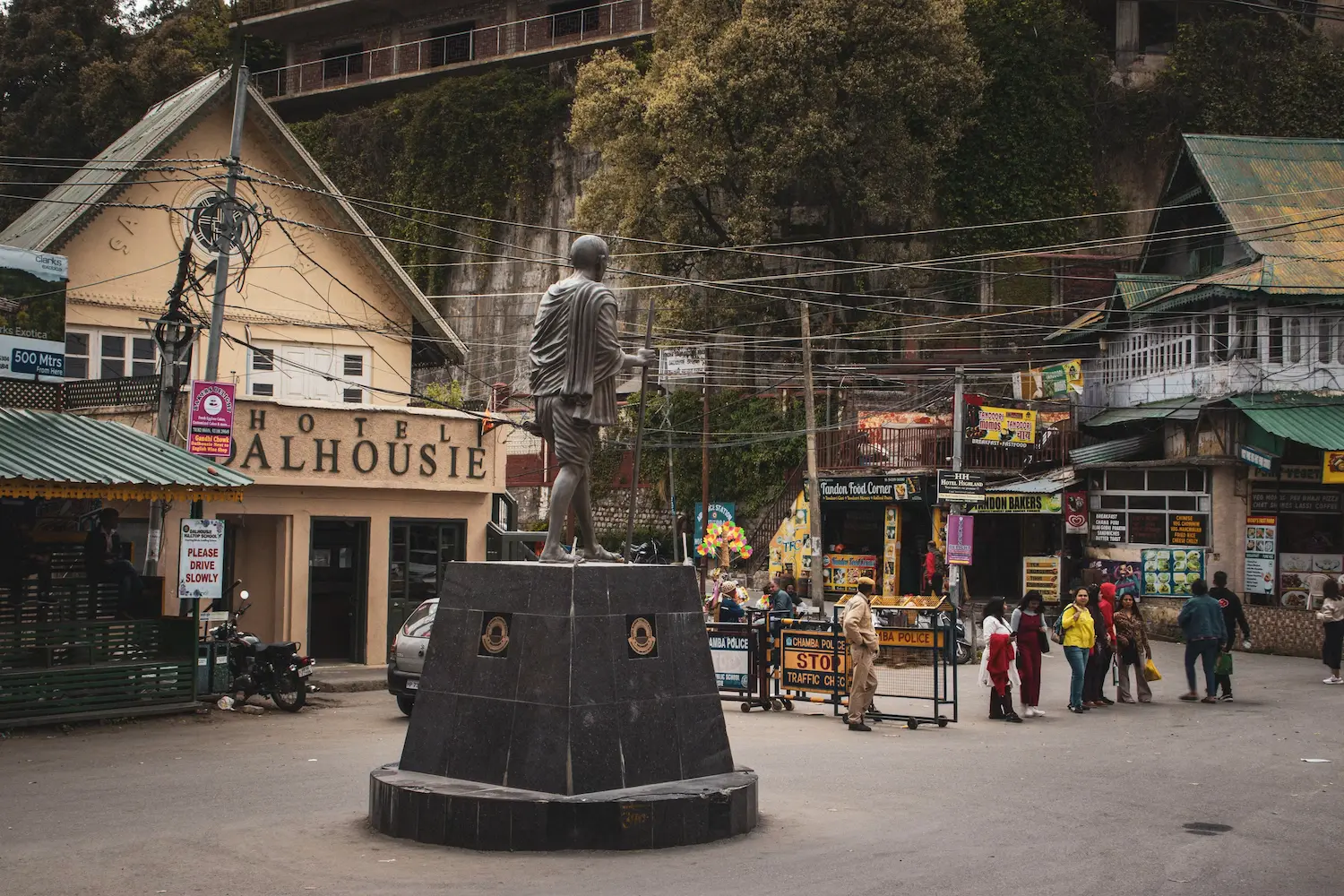
The Khajji Nag Temple and the churches of Dalhousie are active places of worship, not heritage exhibits. The appropriate posture at the temple — shoes off, respectful quiet, no photography in the inner sanctum — is identical to what is required at any active Hindu shrine. The colonial churches, which still hold services for a small congregation of local Christians and military families, welcome visitors who enter with the same respectful quietness they would bring to any functioning place of worship. The buildings are extraordinary. The communities they serve are small and the welcome is conditional on the visitor understanding that they are a guest in someone's spiritual space.
Before you go — a few honest additions...
Three days is the working minimum for Dalhousie and Khajjiar: a day arriving and exploring Dalhousie town (Bakrota Hills walk, colonial churches, Subhash Baoli, Gandhi Chowk market), a day for the full excursion from Khajjiar to Chamba (Khajji Nag Temple, meadow circuit, drive to Chamba, Lakshmi Narayan Temple and Bhuri Singh Museum, return via Ravi valley), and a day for Dainkund and Kalatop (morning trek to the Singing Hill, afternoon in the wildlife sanctuary). Four days adds Panchpula, Chamera Lake boating, and the leisure of sitting on a Bakrota Hills bench in the late afternoon doing absolutely nothing specific, which is, in the final analysis, what hill stations were invented for.
Dalhousie is, in the frank assessment of most people who love it, an underrated destination — not in the sense that it lacks visitors (May weekends contradict that directly) but in the sense that it is less discussed and less promoted than Shimla, Manali, or Dharamshala, and therefore tends to attract visitors who have made a more deliberate choice to be here. The result is a noticeably higher proportion of returning visitors and a generally more relaxed atmosphere than those larger hill stations achieve. This is worth noting because it means the ground truth of Dalhousie is often better than the pre-visit research suggests: the hotel is warmer than the review implied, the walk quieter than the photograph suggested, the meadow larger than the map showed, the chai better than anything the description prepared you for.
For those wanting a fully designed Dalhousie and Chamba district itinerary — one that connects the colonial hill station to the ancient royal town of Chamba, the Khajjiar meadow, the wildlife sanctuary, and the wider Kangra Valley circuit that includes Dharamshala and McLeod Ganj — BizareXpedition™ Services Pvt. Ltd. (bizarexpedition.com), based in Haridwar and specialising in Himalayan journeys, builds customised programmes that make the most of the region's extraordinary variety. The team's knowledge of the district's logistics — road conditions, seasonal access, accommodation availability, the timing of the Chamba Minjar Mela — ensures that a BizareXpedition itinerary through this corner of Himachal delivers the right experience in the right sequence.
| ITEM | NOTES |
|---|---|
|
Cash |
Withdraw in Pathankot or Dalhousie Gandhi Chowk ATMs; Khajjiar has no reliable ATM — all cash only at meadow activities (zorbing, horse riding) |
|
Warm layers |
Even in May/June, Dainkund top and Khajjiar evenings reach 8–10°C; Bakrota Hills walks after sunset are cold; carry a fleece and windproof shell year-round |
|
Trekking shoes |
Recommended for Dainkund trek (5–6 km, deodar forest, occasionally muddy in post-monsoon); adequate for Kalatop trails; Khajjiar meadow walk manageable in regular shoes |
|
Monkey precaution |
Keep room windows closed in deodar forest hotels — monkeys enter rooms for food; do not leave food on window ledges; do not feed; do not photograph at close range |
|
Vehicle for Khajjiar |
Shared taxis from Dalhousie bus stand ₹50–80 one way; confirm last return timing before going; private taxi ₹600–900 return gives flexibility |
|
Kalatop permit |
₹250/person at gate; open 9 AM–6 PM; carry photo ID; no vehicles inside sanctuary beyond gate — walk the forest trails on foot |
|
Chamba day trip timing |
Start by 8–9 AM from Dalhousie; arrive Khajjiar by 9:30 AM; reach Chamba by 11:30 AM; 3–4 hrs in Chamba; return via Ravi valley road; back in Dalhousie by 6–7 PM |
|
LifeStraw / water filter |
Spring water available at Panchpula and on Dainkund trail; filter before drinking; avoid plastic bottles in the forest areas |
|
Photography |
Khajjiar meadow at sunrise (before 7 AM) and golden hour (5–6 PM) for best light; Dainkund summit for 360° panorama; Chamba's Lakshmi Narayan Temple — no photography inside sanctum |
|
Emergency contacts |
Dalhousie Police: 01899-242026; Government Hospital: 01899-242204; HPTDC Tourist Office: 01899-242136 |
PRACTICAL CHECKLIST — 2026
| CATEGORY | BUDGET (₹/DAY) | MID-RANGE (₹/DAY) | PREMIUM (₹/DAY) |
|---|---|---|---|
|
Accommodation |
800–1,500 (guesthouse near Subhash Chowk) |
2,500–5,000 (Hotel Monal / Hotel Crags) |
6,000–15,000+ (Brij Villa / Grand View Suite) |
|
Food |
300–500 (local dhabas, Himachali thali) |
600–1,000 (hotel restaurant, Khajjiar cafés) |
1,200–2,000 (Grand View Kawality restaurant, Fortune Park) |
|
Transport (local) |
100–200 (shared taxis, Khajjiar ₹80 one way) |
500–1,000 (private auto/taxi short trips) |
1,800–2,500 (private full-day cab, Chamba excursion) |
|
Activities |
300–600 (zorbing ₹400 + horse riding ₹400 at Khajjiar) |
600–1,000 (Kalatop entry ₹250 + boating at Chamera) |
1,500–3,000 (guided trekking, group activities) |
|
Total per day estimate |
₹1,500–2,500 |
₹4,000–7,000 |
₹10,000–20,000+ |
BUDGET GUIDE — PER PERSON PER DAY
The sign at the edge of the Khajjiar meadow is still there. It has been photographed approximately as many times as the meadow itself, which is many thousands of times, and it still says 6,194 km to Bern in plain black text. Somewhere in the garden of the Swiss Parliament, a stone from this meadow sits among stones from 159 other places that look like Switzerland but aren't. The stone doesn't know that. It is simply a stone from a meadow in the Chamba district of Himachal Pradesh, doing what stones do, which is to sit still in the place where someone put it and not require explanation. The meadow, in the morning, before the visitors arrive, is exactly like that.