

Kritika
Writer
Updated On - Oct 21, 2026
25 min
Published On - Oct 21, 2026
Dharamshala and McLeod Ganj — Little Lhasa in the Dhauladhars
A British hill station that an earthquake nearly erased, a Tibetan capital in exile that rebuilt it into something no colonial officer imagined, the highest cricket ground in international sport, and a café above the clouds where the thukpa arrives before you have worked out quite where you are.
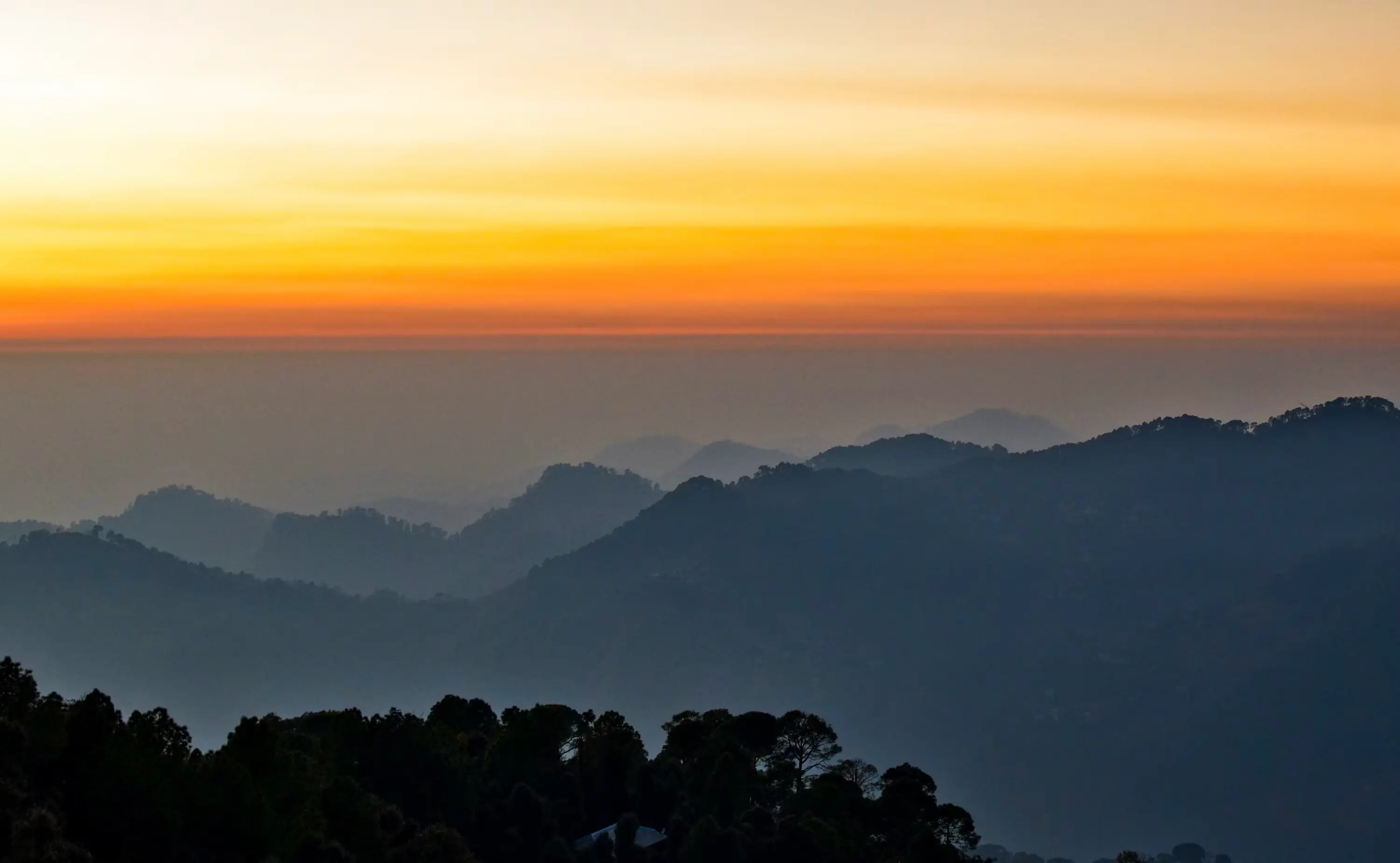
I am sitting in a café on the upper floor of a building in McLeod Ganj, at a table by an open window, watching a monk in burgundy robes negotiate with a momo vendor over a price that, in any reasonable economy, would already be too low. The Dhauladhar mountains rise behind the vendor at a gradient that seems, from this angle, almost vertical — snow on the ridgeline, dark deodar forest on the lower slopes, the grey slate rooftops of the town between. A prayer flag has come loose somewhere above and is fluttering past the window in a diagonal line, as if it has somewhere to be. The thukpa, when it arrives, is the colour of the clouds it was cooked under. I am three hours from Pathankot by road and approximately two hundred years from the India I left this morning.
McLeod Ganj is one of those places that does not reveal itself in a single encounter. The first impression — a narrow market street clogged with traffic on a weekend, shops selling prayer wheels and North Face knockoffs in rapid alternation, the particular chaos of a hill town where the road was not designed for the volume of vehicles currently on it — is accurate but incomplete. The second impression arrives when you turn off the main street down any of the lanes that lead toward the Tsuglagkhang Complex or up toward Dharamkot, and the noise drops away, and you find yourself in a Tibet that Tibet no longer contains: monks debating in courtyards, thangka painters at their frames, women turning prayer wheels on the morning circumambulation path, the low drone of a horn from inside a monastery wall. These two impressions coexist permanently, and learning to move between them is the essential skill of a McLeod Ganj visit.
Dharamshala — the lower town, five kilometres and fifteen minutes of driving below McLeod Ganj — is a different entity entirely: an administrative town with a cricket stadium that is, by genuine international consensus, the most beautiful in the world, a Gaddi market where the indigenous people of the Kangra hills sell their produce and their hand-woven shawls, and an HRTC bus stand that connects this unlikely corner of Himachal Pradesh to Delhi, Chandigarh, Amritsar, and Pathankot with the reliable indifference of a government transport system that has been running the same routes for decades. Between the two towns — between the administrative lower Dharamshala and the exiled-Tibetan upper McLeod Ganj — lies one of the more extraordinary cultural juxtapositions in India, and the ten-minute journey between them, on the switchback road through the deodar forest, is one worth paying attention to.
The Geography of Dharamshala...
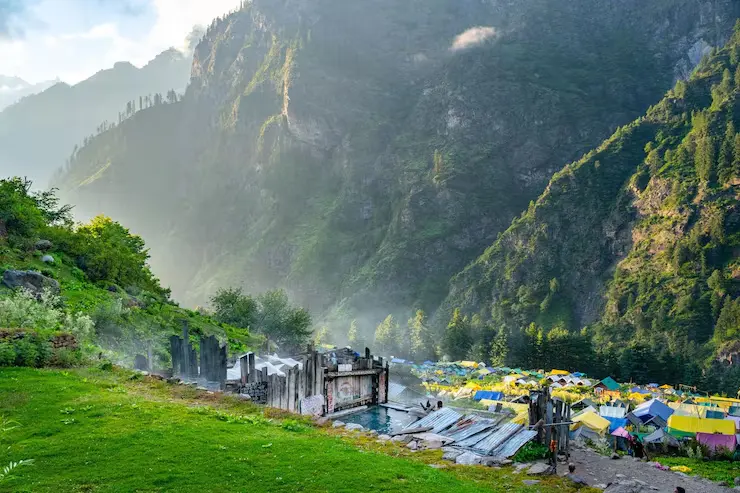
The Kangra Valley opens at the base of the Dhauladhar range like a palm held out: wide, green, criss-crossed with rivers, the Beas running through its floor and the snow peaks above rising in a wall that, seen from the valley, appears improbably close. Dharamshala sits at the southern base of this wall at 1,457 metres — low enough to have a temperate climate, high enough to catch the monsoon with exceptional energy. Indeed, Dharamshala is one of the wettest places in Himachal Pradesh: the monsoon strikes the Dhauladhars with the full force of moisture-laden air that has swept up from the Bay of Bengal across the entire Indian subcontinent, producing annual rainfall that exceeds anything the Kullu or Spiti valleys receive by a considerable margin. In a good July, Dharamshala's rainfall statistics approach those of Cherrapunji. This is worth knowing before you plan a trekking trip for August.
The name Dharamshala derives from its origin: a dharamsala — a rest house or pilgrim shelter — that stood on this site before the British arrived. After the Second Anglo-Sikh War in 1849, the British East India Company annexed the Kangra Valley, established a military cantonment at Dharamshala in 1849 for the 1st Gurkha Rifles, and developed McLeod Ganj as a hill station retreat for officers and administrators. The suburb was named after Sir Donald Friell McLeod, Lieutenant Governor of Punjab from 1865 to 1870; ganj is the Hindi word for neighbourhood. The station was developing well — Lord Elgin, the British Viceroy, liked it so much he suggested making it the summer capital of India — when, on the morning of April 4th, 1905, an earthquake of 7.8 magnitude struck the Kangra Valley at 6:19 AM. Close to 20,000 people were killed across the valley; 1,625 died in Dharamshala alone. McLeod Ganj was almost entirely destroyed. Lord Elgin himself, who had died here in 1863, lies buried at St. John in the Wilderness Church just below the town — the church that survived the earthquake, remarkably, largely intact.
The town rebuilt slowly and remained a quiet, obscure hill station for half a century after the earthquake. Then, in March 1959, His Holiness the 14th Dalai Lama, Tenzin Gyatso, fled Tibet across the Himalaya following the failed uprising against Chinese occupation. The Indian government under Jawaharlal Nehru granted him asylum. In May 1960, the Dalai Lama settled in McLeod Ganj, and the Central Tibetan Administration — the Tibetan government-in-exile — was established here, along with the Namgyal Monastery, the Tsuglagkhang Temple, and the full apparatus of a government that had lost its country but not its conviction that it would one day return to it. The arrival of the Dalai Lama and, over subsequent years, thousands of Tibetan refugees transformed McLeod Ganj from a forgotten colonial outpost into what it is today: Little Lhasa, the largest Tibetan community outside Tibet, a global centre of Buddhist learning and a place of extraordinary human tenacity.
The Gaddi people — the original inhabitants of the Kangra hills, a semi-nomadic Shaivite pastoral community who have moved their livestock across the Dhauladhar passes since before written history — remain a presence that the tourist infrastructure tends to overlook. The Bhagsunath temple at Bhagsu Nag, where the legend holds that King Bhagsu of Rajasthan stole sacred water from the lake of Nag Devta, was chased and defeated by the serpent deity, and repented at this spot — is a Gaddi temple, ancient and actively worshipped, not a tourist attraction. The prayer flags on the hills, the butter lamps in the monasteries, the monks at debate in the Namgyal courtyard: all of these belong to the Tibetan community that arrived in 1960. The temples at Bhagsu Nag and the shepherd paths that cross the Dhauladhar at 4,000 metres belong to a people who were here long before, and will be here long after. Both communities coexist with a generosity that is, in itself, one of the most instructive things about this corner of Himachal Pradesh.
| FACT | DETAIL |
|---|---|
|
Official name |
Dharamshala (administrative town) + McLeod Ganj (upper suburb) |
|
District |
Kangra, Himachal Pradesh |
|
Dharamshala altitude |
1,457 m (4,780 ft) — lower town |
|
McLeod Ganj altitude |
1,770–2,082 m (5,807–6,831 ft) — upper suburb |
|
Distance between them |
5 km; 15–20 min by taxi/auto |
|
McLeod Ganj population |
~11,000 permanent residents |
|
Tibetan population |
~10,000+ Tibetan refugees and long-term residents in the area |
|
Nearest airport |
Gaggal (Kangra) Airport, 15 km from Dharamshala / 18 km from McLeod Ganj |
|
Nearest broad-gauge railway |
Pathankot Junction, ~90 km; taxi ~3 hrs |
|
Narrow-gauge railway |
Kangra Valley Railway (Pathankot to Kangra town), scenic but slow |
|
Distance from Delhi |
~480–520 km; 10–12 hrs by road |
|
Tsuglagkhang Complex timings |
5 AM – 7 PM (summer Apr–Oct); 6 AM – 6 PM (winter Nov–Mar) |
|
Triund trek permit fee |
₹100/person/day (trekking); ₹550/tent per night (camping) |
|
HPCA Stadium capacity |
~23,000 — hosts IPL and international cricket matches |
|
Best season |
March–June; September–November |
|
Avoid |
July–August (heavy monsoon, landslides); IPL/match days (traffic chaos) |
|
Permit required |
None for Indian nationals; valid photo ID mandatory |
ESSENTIAL FACTS
A BOWL OF THUKPA IN MCLEOD GANJ IS LIKE THE FINEST DARK CHOCOLATE IN A SWISS MOUNTAIN REFUGE — IT IS NOT WHAT YOU EXPECTED TO FIND HERE, IT IS FAR BETTER THAN IT NEEDED TO BE, AND THE VIEW THAT COMES WITH IT MAKES THE WHOLE THING SEEM DESIGNED SPECIFICALLY FOR THE MOMENT YOU ARE IN.
Getting to Dharamshala and McLeod Ganj...
The vast majority of visitors arrive by overnight bus from Delhi or by train to Pathankot followed by a road journey. HRTC Volvo buses from Delhi ISBT Kashmiri Gate leave in the 7–8 PM window and arrive at Dharamshala bus stand in the early morning, having covered the roughly 500 kilometres in ten to twelve hours. The fare is ₹800–1,400 depending on the service, and the buses are comfortable enough that you will arrive in a condition to function immediately. From Dharamshala bus stand, a shared auto to McLeod Ganj costs ₹15–30 and takes fifteen minutes; a private auto runs to ₹80–150.
The Gaggal Airport (DHM) is fifteen kilometres from Dharamshala — a runway perched on a ridge in the Kangra Valley with views that make the takeoff and landing among the more memorable in Indian aviation. IndiGo and Air India connect it to Delhi (about an hour's flight), and seasonal routes to Chandigarh operate intermittently. The airport is small, the capacity is limited, and winter fog cancellations are a real risk. Book early in peak season, check the fog history for your travel month, and always have a bus alternative planned. The taxi from Gaggal to McLeod Ganj costs ₹600–900.
One practical confusion that catches a significant number of first-time visitors: Dharamshala and McLeod Ganj are not the same place, and where you stay matters considerably. Dharamshala town (lower) is the administrative centre, home to the HPTDC bus stand, the HPCA cricket stadium, the Gaddi market, and government offices. McLeod Ganj (upper) is the Tibetan cultural hub — the Tsuglagkhang, the monasteries, the cafés, the trekking trailheads. The two are five kilometres apart and fifteen minutes by road. If you want the Tibet experience, the café culture, and the Triund trailhead — which is to say, if you want the thing that brings ninety per cent of visitors to this area — stay in McLeod Ganj or the immediately adjacent villages of Dharamkot or Bhagsu Nag, not in lower Dharamshala.
| ROUTE | FROM | DISTANCE / TIME | NOTES |
|---|---|---|---|
|
HRTC Volvo overnight bus (direct) |
Delhi ISBT Kashmiri Gate |
~480–520 km / 10–12 hrs |
HRTC Volvo: ₹800–1,400 to Dharamshala; departs 7–8 PM; arrives early morning; most popular option |
|
Private luxury bus (various operators) |
Delhi / Chandigarh |
~480 km / 10–12 hrs |
Operators: Himachal Tourism, RedBus; AC sleeper ₹1,200–2,000; drop at Dharamshala bus stand |
|
Train + taxi |
Delhi → Pathankot (train) → taxi |
~6 hrs train + 3 hrs road |
Trains: Pathankot Express, Shan-e-Punjab; Pathankot to McLeod Ganj taxi ~₹1,200–1,800 |
|
Fly to Gaggal Airport |
Delhi / Mumbai / Chandigarh |
1–2 hr flight + 15 km taxi |
Gaggal (DHM) Airport: limited flights; IndiGo and Air India connections; check 2026 schedule; fog cancellations in winter |
|
Kangra Valley narrow-gauge railway |
Pathankot to Kangra |
~4–5 hrs (slow but scenic) |
Terminates at Kangra town, 17 km from Dharamshala; heritage experience, not practical for fast travel |
|
McLeod Ganj to Dharamshala |
McLeod Ganj |
5 km / 15–20 min |
Shared auto: ₹15–30; private auto: ₹80–150; taxi: ₹150–250; frequent service |
|
Dharamshala to Bir Billing (paragliding day trip) |
McLeod Ganj |
~70 km / 1.5–2 hrs |
Taxi: ₹1,800–2,500 return; tandem paragliding ₹2,500–3,500; worth the journey |
ROUTES AND TRANSPORT
When to go...
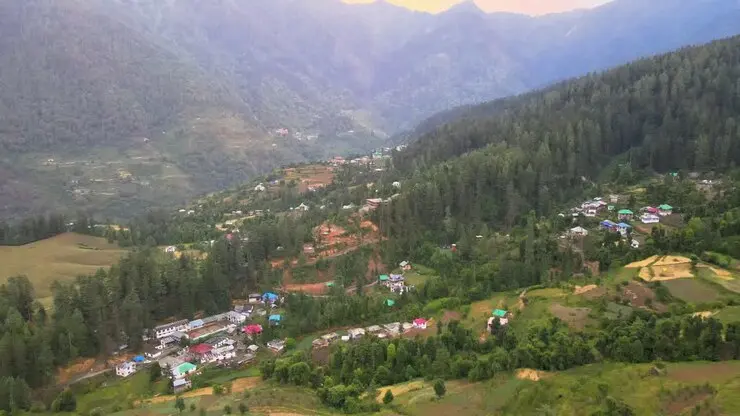
March to June and September to November are the two windows, and within those windows the finest individual months are October and May — for opposite reasons. May is peak season in every sense: the weather is as good as it gets (warm in McLeod Ganj, cool at altitude), the trekking routes are fully open, the cafés are at their most animated, and the town is at its most international and energetic. October is the connoisseur's choice: the post-monsoon air has been washed absolutely clean, the views of the Dhauladhar are their sharpest and most contrasted, the trails are quiet, and the light on the mountains in the late afternoon is of the kind that makes every photograph you take look like it has been edited when it has not.
The monsoon — July and August — is an honest complication. Dharamshala is one of the wettest places in Himachal Pradesh, and the rainfall during this period is genuinely heavy rather than merely inconvenient. Landslides occur on the access roads; the Bhagsu Waterfall becomes spectacular; the trails above McLeod Ganj are slippery and sometimes dangerous; the valley turns a lush, theatrical green that is unlike anything the dry-season landscape offers. If your visit is primarily cultural — the Tsuglagkhang, the Tibet Museum, the café circuit, the market — the monsoon is manageable and in some ways preferable to peak-season overcrowding. If you came to trek to Triund, come in October instead.
A specific warning for 2026: the HPCA Stadium hosted IPL Qualifier 1 on May 26, and the T20 World Cup has confirmed Dharamshala as a venue for matches in June and July 2026. On and around match days, accommodation in McLeod Ganj and Dharamshala sells out weeks in advance and prices surge three to five times the standard rate. Check the cricket schedule before booking any visit between April and July 2026, and either plan around matches or book with exceptional advance notice if you want to coincide with them.
| MONTH | TEMP (McLeod Ganj) | CONDITIONS | BEST FOR | NOTES |
|---|---|---|---|---|
|
January |
2–10°C |
Cold, possible snowfall; roads icy |
Snow lovers; very quiet, serene atmosphere |
Some guesthouses close; carry serious warm layers; Kangra Valley Railway scenic in snow |
|
February |
4–12°C |
Cold; occasional snow; rhododendrons start |
Quiet, cheap; off-season bargains |
IPL usually not here yet; peaceful |
|
March |
8–18°C |
Warming; clear skies; spring colours |
Excellent start to season; uncrowded |
Apple blossom in Kangra; Triund trails clear |
|
April |
12–22°C |
Pleasant; green hills; clear Dhauladhar views |
Triund and Indrahar Pass treks; cultural visits |
Peak weekend crowds start; book ahead |
|
May |
15–25°C |
Warm; busy but excellent weather |
All treks; café culture; spiritually rich |
Busiest month; book all accommodation 3+ weeks ahead |
|
June |
18–28°C |
Hot in lower town; cool in McLeod Ganj |
Last pre-monsoon trekking window |
Monsoon approaches end of month; Triund before mid-June |
|
July–August |
18–24°C |
Heavy rain; landslides on some routes; lush green |
Café stays; monastery visits; Bhagsu Waterfall spectacular |
Avoid serious trekking; some routes dangerous; valley very beautiful in monsoon |
|
September |
14–22°C |
Post-monsoon; clear skies; extraordinary views |
Best photography; Triund; all cultural sites |
First week may still see rain; second week onwards perfect |
|
October |
10–18°C |
Crisp autumn; golden light; sharp mountain views |
Kareri Lake trek; Indrahar Pass; photography |
Excellent; crowds drop sharply post-Dussehra |
|
November |
4–12°C |
Cold; first high-altitude snow; very quiet |
Off-season authenticity; budget prices |
Triund may have snow near top; warm layers essential |
|
December |
0–8°C |
Cold; possible snowfall in McLeod Ganj |
Snow photography; New Year's Eve crowds |
New Year's brings Punjab crowd surge; book or avoid |
MONTH-BY-MONTH SEASON AND CONDITIONS GUIDE
OCTOBER IN MCLEOD GANJ IS A BOX OF SINGLE-ORIGIN MONTEZUMA CHOCOLATES ON A CLEAR DAY — EACH PIECE DISTINCT, CLEAN, PERFECTLY FORMED, THE WHOLE THING BETTER THAN YOU EXPECTED IT TO BE BECAUSE NOBODY TOLD YOU ABOUT OCTOBER. THEY WERE ALL TALKING ABOUT MAY.
Things to do in Dharamshala and McLeod Ganj...
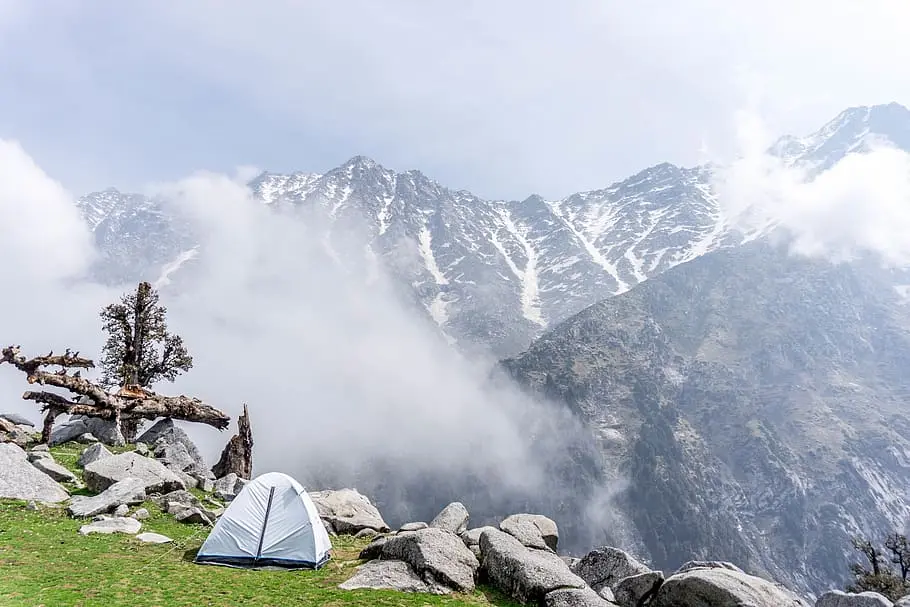
The Tsuglagkhang Complex — the heart of Little Lhasa — to call the Tsuglagkhang a tourist attraction is accurate the way calling the Vatican a building is accurate: technically correct and essentially beside the point. The complex — comprising the main Tsuglagkhang Temple with its gilded nine-metre statue of Shakyamuni Buddha, the Namgyal Monastery (personal monastery of the Dalai Lama and one of the largest Tibetan monasteries outside Tibet), the Kalachakra Temple whose every surface is painted with 722 deities of the mandala under the Dalai Lama's personal direction, and the Tibet Museum — is the spiritual and political capital of a people in exile. Open daily from 5 AM (summer) or 6 AM (winter) to 6–7 PM. Entry is free; photography inside the main temple requires specific permission; the etiquette of the complex — shoes off, shoulders covered, clockwise circumambulation, silence in prayer halls — is the same as it would be in Lhasa, because that is, in every sense that matters, what this place is attempting to preserve.
The morning kora — circumambulating the complex — the most honest way to experience the Tsuglagkhang is not as a visitor to its main hall but as a participant in the morning circumambulation walk — the
kora — that Tibetan pilgrims, monks, elderly residents, and a gradually increasing number of attentive tourists make around the outside of the complex each morning, turning prayer wheels as they go. The walk takes twenty minutes at a devotional pace and considerably longer if you stop to watch, listen, or simply sit. What you are watching, at base, is a community maintaining a connection to a homeland they cannot reach: the prayers, the butter lamps inside, the worn stone of the circumambulation path all point toward Lhasa with the same directional conviction that a compass points north. Walking alongside this, quietly and attentively, is one of the most quietly moving experiences available in Indian tourism.
The Tibet Museum — the evidence that matters — the Tibet Museum, the first building inside the Tsuglagkhang complex, is the piece of this destination that most visitors spend too little time in. Its permanent collection covers the history of Tibet's incorporation into China from 1950, the 1959 uprising and flight of the Dalai Lama, the Cultural Revolution's impact on Tibetan monasteries and culture, and the continuing situation of Tibetans inside Tibet and in the diaspora. The photographs are harrowing. The documentation is meticulous. The numbers are specific and verifiable. Understanding what you are looking at in McLeod Ganj — why the monks are here, why the Namgyal Monastery exists on a hillside in Himachal Pradesh rather than in Lhasa, why the Central Tibetan Administration occupies a building that was once a British colonial bungalow — requires this museum. Allow ninety minutes. Closed Mondays. Free entry.
The Triund trek — Dharamshala's crown — nine kilometres from the Gallu Devi Temple trailhead at the top of McLeod Ganj, climbing 750 metres through deodar and rhododendron forest and then open ridge to a meadow at 2,828 metres with an unobstructed view of the Dhauladhar wall — Triund is one of the most popular short treks in north India, and the reasons are immediately apparent. The final stretch of the climb consists of twenty-two steep switchbacks that locals call simply 'the 22 curves', and they are the section where commitment is tested: the forest thins, the trail steepens, and the view behind you opens, and you realise that what you thought was a pleasant walk has become a genuine climb. At the top, the Dhauladhar rises in an arc behind the meadow and the Kangra Valley opens below in the other direction, and the combination is the kind of topographic revelation that makes people who do it in October come back every October for the rest of their lives. Register at Gallu Devi checkpoint: ₹100 per person per day for trekking; ₹550 per tent per night for camping. Rules are evolving — verify current regulations at the checkpoint.
Norbulingka Institute — the quietest extraordinary thing — eighteen kilometres from McLeod Ganj on the Sidhbari road, the Norbulingka Institute is the most undervisited significant attraction in the entire Dharamshala area, which is a considerable achievement given that it contains a Japanese-style garden, working studios for traditional Tibetan thangka painting, wood-carving, metalwork, appliqué, and embroidery, a Japanese-inspired building called the Losel Doll Museum, and a café serving Tibetan food in a garden setting. The Institute was established in 1988 to preserve Tibetan artistic traditions; the craftspeople here are producing work of a quality that few traditional workshops in the world can match. The entry fee is nominal: ₹30 for the grounds, ₹40 for the museum. It is open Tuesday to Sunday, 9 AM to 5:30 PM. Go on a weekday if possible, when the workshops are active and you can watch the painting in progress.
The food circuit — Tibet Kitchen, Nick's, Woeser Bakery — the café and restaurant culture of McLeod Ganj is, in its own way, as culturally distinctive as the monastery circuit. Tibet Kitchen is consistently ranked the top restaurant in the area across review platforms, known for its wide-ranging Tibetan menu and the quality of its momos — steamed dumplings of a calibre that makes subsequent momos elsewhere seem like a reasonable approximation of the thing. Nick's Italian Kitchen, on a rooftop with views of the Dhauladhar, serves cannelloni and gnocchi of a standard that surprises first-time visitors, alongside the kind of uncrowded, mountain-backdrop atmosphere that makes a meal at Nick's feel like something from a Wes Anderson film set in the wrong Himalayan century. Woeser Bakery is the unanimous favourite for coffee. A note for 2026: Illiterati Books and Coffee — historically the most iconic café in McLeod Ganj, with its bookshelves, mountain views, and chocolate cake — is currently temporarily closed. The team has confirmed it is not permanent, but check current status locally before making it the centrepiece of a trip.
The HPCA Cricket Stadium — the world's most beautiful ground — lower Dharamshala's most globally recognisable landmark is not a monastery or a colonial church but a cricket ground. The Himachal Pradesh Cricket Association Stadium, built in 2003 at an elevation of 1,457 metres, seats 23,000 and has the Dhauladhar mountain range as its backdrop on three sides — snow peaks, deodar forest, and mountain air. It has hosted Test matches, ODIs, T20 internationals, five 2023 World Cup matches, and multiple IPL seasons as Punjab Kings' secondary home venue. For the 2026 season, it hosted the IPL Qualifier 1 on May 26 and is confirmed as a T20 World Cup 2026 venue. If there is a match during your visit, the experience of watching cricket with this backdrop is genuinely unlike any other sporting venue on earth. If there is no match, the stadium is visible from the approach road and, on most days, publicly accessible — check at the gate.
St. John in the Wilderness Church — the earthquake survivor — the 1852 neo-Gothic Anglican church in the deodar forest at Forsyth Ganj, between lower Dharamshala and McLeod Ganj, is one of the oldest surviving buildings in the area — having come through the 1905 earthquake, which destroyed almost everything around it, in largely functional condition. The stained-glass windows are original, donated in memory of Lord Elgin, the British Viceroy who died here in 1863 and whose grave is in the churchyard alongside a stone obelisk. The church is non-denominational in its welcome of visitors; the forest setting, with tall deodar trees and birdsong and the specific quality of light that filtered deodar shade produces, is one of the more peaceful environments in the entire Dharamshala area. It is open most days from 9 AM to 6 PM; entry is free.
| MONTH | TEMP (McLeod Ganj) | CONDITIONS | BEST FOR | NOTES |
|---|---|---|---|---|
|
January |
2–10°C |
Cold, possible snowfall; roads icy |
Snow lovers; very quiet, serene atmosphere |
Some guesthouses close; carry serious warm layers; Kangra Valley Railway scenic in snow |
|
February |
4–12°C |
Cold; occasional snow; rhododendrons start |
Quiet, cheap; off-season bargains |
IPL usually not here yet; peaceful |
|
March |
8–18°C |
Warming; clear skies; spring colours |
Excellent start to season; uncrowded |
Apple blossom in Kangra; Triund trails clear |
|
April |
12–22°C |
Pleasant; green hills; clear Dhauladhar views |
Triund and Indrahar Pass treks; cultural visits |
Peak weekend crowds start; book ahead |
|
May |
15–25°C |
Warm; busy but excellent weather |
All treks; café culture; spiritually rich |
Busiest month; book all accommodation 3+ weeks ahead |
|
June |
18–28°C |
Hot in lower town; cool in McLeod Ganj |
Last pre-monsoon trekking window |
Monsoon approaches end of month; Triund before mid-June |
|
July–August |
18–24°C |
Heavy rain; landslides on some routes; lush green |
Café stays; monastery visits; Bhagsu Waterfall spectacular |
Avoid serious trekking; some routes dangerous; valley very beautiful in monsoon |
|
September |
14–22°C |
Post-monsoon; clear skies; extraordinary views |
Best photography; Triund; all cultural sites |
First week may still see rain; second week onwards perfect |
|
October |
10–18°C |
Crisp autumn; golden light; sharp mountain views |
Kareri Lake trek; Indrahar Pass; photography |
Excellent; crowds drop sharply post-Dussehra |
|
November |
4–12°C |
Cold; first high-altitude snow; very quiet |
Off-season authenticity; budget prices |
Triund may have snow near top; warm layers essential |
|
December |
0–8°C |
Cold; possible snowfall in McLeod Ganj |
Snow photography; New Year's Eve crowds |
New Year's brings Punjab crowd surge; book or avoid |
MONTH-BY-MONTH SEASON AND CONDITIONS GUIDE
THE TRIUND '22 CURVES' WILL TEST YOU THE WAY THE LAST THIRD OF A TOBLERONE TRIANGLE TESTS YOUR COMMITMENT — STEEP, POINTED, DEMANDING, AND COMPLETELY WORTH FINISHING. AT THE TOP, THE DHAULADHAR IS SO CLOSE IT SEEMS LIKE A WALL SOMEONE BUILT TO MARK THE END OF THE ACCESSIBLE WORLD.
Things not to do in Dharamshala and McLeod Ganj...
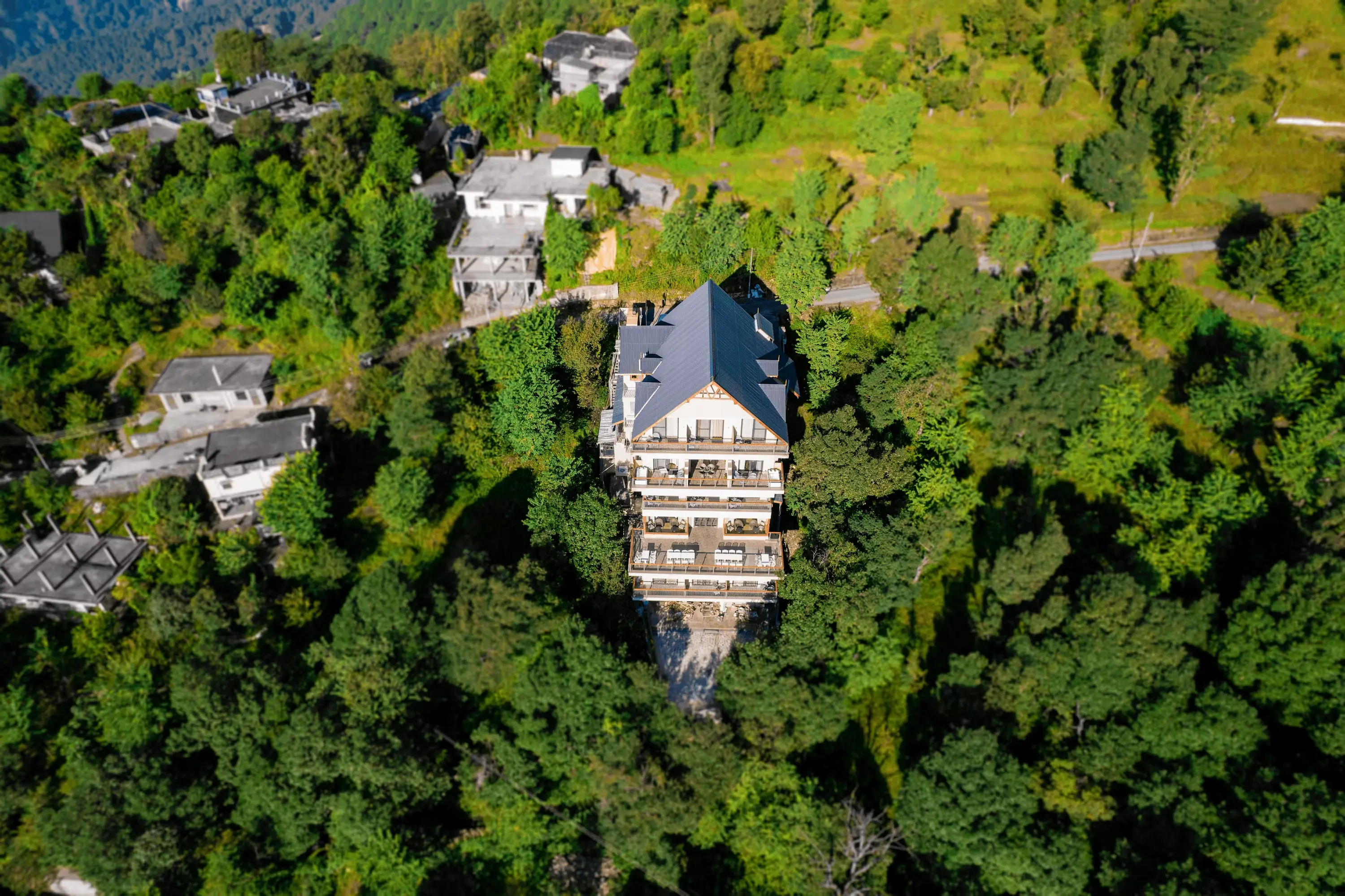
Do not confuse Dharamshala with McLeod Ganj — this is the single most common planning error, and it leads to visitors arriving late in lower Dharamshala, staying near the bus stand, and spending their entire visit in a town that is a service hub rather than a destination. The Tsuglagkhang is in McLeod Ganj. The Triund trailhead is in McLeod Ganj. The café circuit is in McLeod Ganj. Dharamkot and Bhagsu Nag, the quieter satellite villages that most experienced visitors prefer to the main market, are accessed from McLeod Ganj. Stay in the upper town or one of its satellites. Lower Dharamshala is where you change buses and visit the cricket stadium.
Do not visit on a peak weekend without booking accommodation well in advance — McLeod Ganj's accommodation crisis on summer weekends — particularly in May and June — is real and has been documented for years. The town receives weekend visitor numbers that its infrastructure was not designed to handle; on Saturday nights in peak season, finding a room without advance booking can take hours and may end in a taxi to the nearest available property in lower Dharamshala. Book accommodation a minimum of two to three weeks ahead for any May or June weekend visit. During IPL or T20 World Cup 2026 match days in Dharamshala, book earlier still or simply plan your visit around the cricket schedule.
Do not trek Triund in sandals or flat shoes — the Gallu Devi to Triund trail gains 750 metres in nine kilometres, with the 22 curves providing a concentrated burst of steep, rocky terrain in the final section. The trail is slippery when wet, which in the deodar forest section means after any rain. The Forest Department's 2026 permit system is one response to the consequences of under-prepared visitors arriving in sandals and flip-flops; the consequences of slipping on wet rock at altitude are not minor. Wear proper trekking shoes or at minimum shoes with genuine grip. Carry at least two litres of water per person — the 2026 Forest Department report confirms that Triund top does not have a permanent water supply.
Do not treat the Tsuglagkhang as a photo opportunity — the Tsuglagkhang Complex is an active place of Tibetan Buddhist practice, not a heritage site. Monks perform puja in the main hall; pilgrims circumambulate the kora daily in an act of devotional practice; thangka painters maintain traditions that the Chinese Cultural Revolution attempted to erase. The appropriate posture for a visitor is that of a guest in someone's place of worship, because that is what it is. Photography inside the main Tsuglagkhang requires permission; flash photography in any of the temple interiors is not acceptable; telephoto lenses pointed at monks during puja is not acceptable. Cover your shoulders and knees, remove your shoes at the entrance, and observe the clockwise direction of the circumambulation path. The experience, approached with respect, is one of the most profound available in Indian travel.
Do not go to Bhagsu Waterfall on a Saturday afternoon in summer — the Bhagsu Nag waterfall and its approach path through the market stalls are among the most crowded tourist corridors in the Kangra district on peak days. The waterfall itself is genuine and, during and after the monsoon, genuinely spectacular. But the experience of navigating through hundred-metre queues of selfie-taking visitors on a busy weekend afternoon is not the experience you came for. Go early in the morning — before 8 AM if possible — when the path is quiet and the light is on the falls. Or go in the evening when the crowds have thinned. The waterfall is the same waterfall at 7 AM as at 2 PM. The crowds are not.
Do not expect the monsoon to spare Dharamshala — of all the popular hill stations in Himachal Pradesh, Dharamshala receives the heaviest monsoon rainfall. The July–August period brings not occasional showers but sustained, heavy rain that lasts for days at a time, with the associated landslide risk on approach roads, trail closures above McLeod Ganj, and a general reduction in the quality of the outdoor experience that brings most people here. A monsoon visit focused on the cultural and culinary dimensions of McLeod Ganj is entirely viable and has its own moody beauty. A monsoon visit built around trekking or a particular mountain view is likely to disappoint.
Do not leave McLeod Ganj without visiting Norbulingka — Norbulingka Institute is eighteen kilometres from McLeod Ganj, a short taxi ride on the Sidhbari road, and it is so consistently overlooked by visitors who fill their days with Triund and the Bhagsu café circuit that its exceptional quality is almost entirely a secret. The traditional Tibetan arts workshops here represent some of the finest craft production in the entire Himalayan region. The garden is extraordinary. The café is good. The entry fee is thirty rupees. The number of visitors who drive past the turn-off on their way from Dharamshala to McLeod Ganj and never stop is a genuine loss to the quality of their trip.
| SITE | TIMINGS | ENTRY FEE | DRESS CODE / ETIQUETTE |
|---|---|---|---|
|
Tsuglagkhang Complex (Dalai Lama Temple) |
5 AM–7 PM (summer); 6 AM–6 PM (winter); closed during Dalai Lama teachings (check dates) |
Free |
Remove shoes at temple entrance; dress modestly (shoulders/knees covered); silence in prayer halls; no photography inside main Tsuglagkhang without permission; clockwise circumambulation (kora) of complex |
|
Namgyal Monastery (within complex) |
Same as above |
Free |
Same etiquette; monks may be in debate — observe quietly without interruption |
|
Tibet Museum (within complex) |
10 AM–6 PM (closed Monday) |
Free |
Photography permitted in museum; respectful atmosphere; harrowing content about 1959 and beyond |
|
Kalachakra Temple (adjacent to complex) |
6 AM–6 PM generally |
Free |
Shoes off; no photography of main mandala image; murals of 722 deities — extraordinary; Dalai Lama personally directed painting |
|
Bhagsunath (Bhagsu Nag) Temple |
5 AM–9 PM |
Free |
Ancient Shaivite temple of the Gaddi people; shoes off; shoulders covered; do not enter inner sanctum if non-Hindu; waterfall access is 1.5 km beyond |
|
Norbulingka Institute (18 km from McLeod Ganj) |
9 AM–5:30 PM (closed Sunday) |
₹30 (grounds); Doll Museum ₹40 |
Tibetan arts centre; traditional thangka, wood-carving, metalwork workshops; beautiful Japanisch garden; underrated and seriously worth visiting |
|
St. John in the Wilderness Church |
9 AM–1 PM, 2–6 PM |
Free |
1852 neo-Gothic Anglican church; Lord Elgin (British Viceroy, d.1863) buried in grounds; deodar forest setting; non-denominational visitors welcome; appropriate quiet |
|
Triund trekking permit |
Register at Gallu Devi Temple checkpoint |
₹100/person/day trekking; ₹550/tent (2 persons) camping |
ID required; carry permit on trail; rules evolving — verify at checkpoint before departure |
KEY SITES — TIMINGS, FEES AND ETIQUETTE
Where to stay...
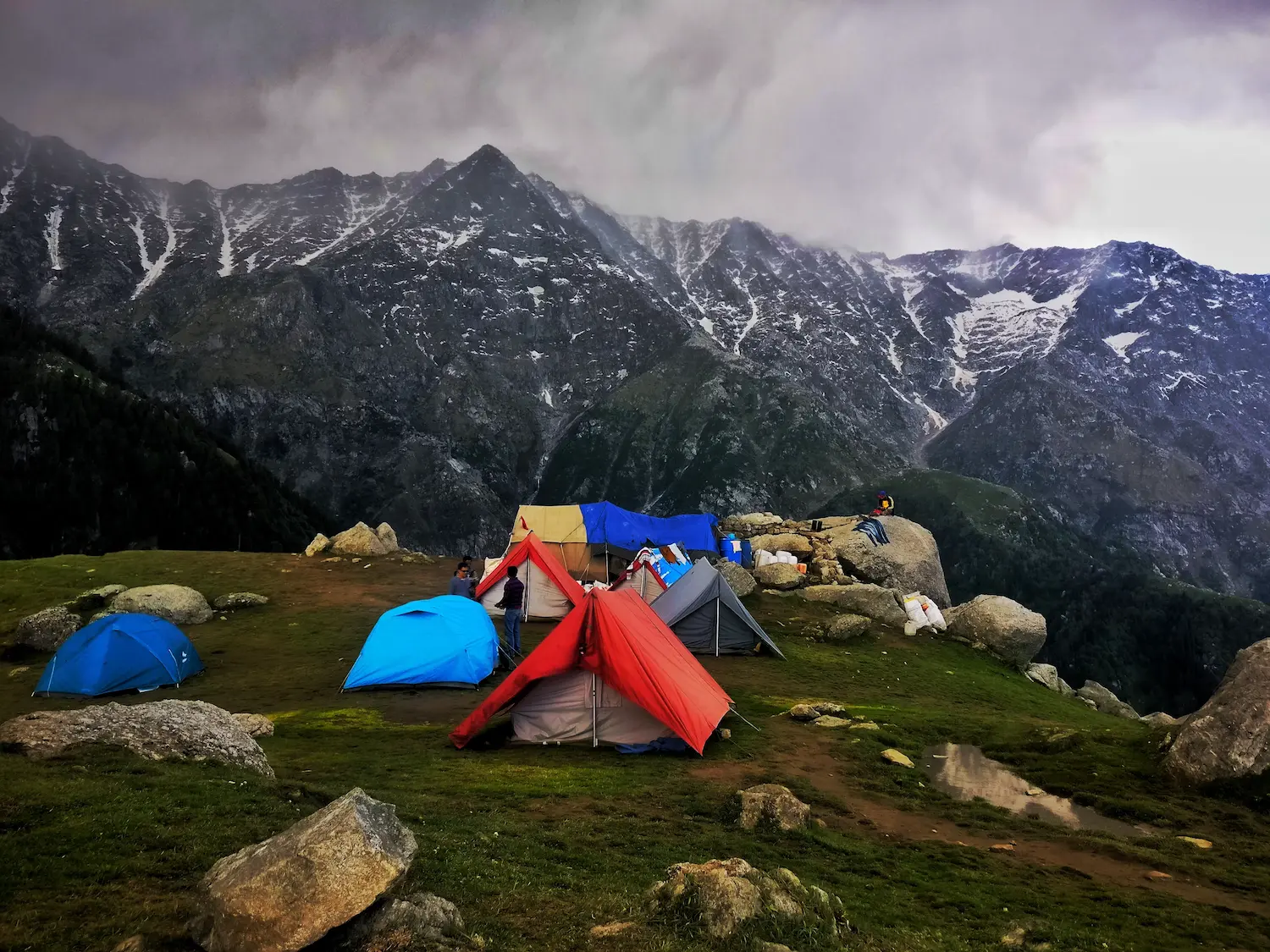
Chonor House, immediately below the Tsuglagkhang complex on Temple Road, is the accommodation benchmark for McLeod Ganj — not because of its facilities, which are comfortable rather than lavish, but because of its character. Run by the Norbulingka Institute, with proceeds supporting the Tibetan arts programme, it is decorated throughout with traditional Tibetan motifs, thangka panels, and hand-carved wooden furniture of the quality you will have seen in the workshops at Sidhbari. The food is excellent, the location places you a two-minute walk from the Tsuglagkhang morning circumambulation, and the staff combine professionalism with warmth in a proportion that is rarer than it should be. Book it well ahead in peak season.
For those at the premium end of the range, Hyatt Regency Dharamshala Resort (rated 9.6/10 across multiple booking platforms and regularly described as the most beautifully situated large hotel in Himachal Pradesh) offers full resort facilities — pool, spa, multiple restaurants, outdoor activities — at a setting near Sidhbari that balances proximity to McLeod Ganj with genuine mountain seclusion. Udechee Huts, a boutique eco-property with what reviewers consistently describe as 'the best view of the Dhauladhar in town', offers a quieter, more characterful alternative at prices considerably below the Hyatt while delivering a mountain experience considerably above what its modest infrastructure would suggest.
The hostel tier — Zostel Dharamkot and Zostel McLeodganj chief among them — serves the young solo and group traveller market with reliable standards and social infrastructure. Dharamkot, the satellite village above McLeod Ganj, is the preferred base for those who want to be within walking distance of Triund's trailhead and the yoga and meditation centre cluster without the noise and traffic of McLeod Ganj's main street. The homestays in Dharamkot and Bhagsu Nag offer the most local experience and, often, the best morning light: these hillside properties face east across the Kangra Valley, and the first hour after dawn is worth setting an alarm for.
| PROPERTY | LOCATION | TYPE | PRICE RANGE | NOTES |
|---|---|---|---|---|
|
Chonor House |
McLeod Ganj (near Tsuglagkhang) |
Boutique hotel |
₹3,500–6,500/room |
Run by Norbulingka Institute; proceeds support Tibetan arts; beautifully decorated rooms with traditional Tibetan motifs; exceptional food; book ahead |
|
Hyatt Regency Dharamshala Resort |
Sidhpur, near McLeod Ganj |
Luxury resort |
₹15,000–30,000+/night |
Highest-rated large property near McLeod Ganj (9.6/10); outdoor activities; mountain views; pool; spa; full resort facilities |
|
Fortune Park Moksha |
McLeod Ganj |
4-star hotel |
₹4,500–9,000/night |
Spa-themed; ITC Hotels group; reliable 4-star standards; central location; pool and spa facilities |
|
WelcomHeritage Natraj |
McLeod Ganj main market |
Heritage hotel |
₹3,000–6,000/night |
Colonial-era character; central location; one of the oldest operating hotels in McLeod Ganj |
|
Zostel Dharamkot / Zostel McLeodganj |
Dharamkot / McLeod Ganj |
Hostel |
Dorm ₹350–550 / Private ₹1,200–2,200 |
Reliable Zostel standards; social atmosphere; Dharamkot branch quieter and more forest-feel |
|
The Bougainvillea |
McLeod Ganj hillside |
Boutique guesthouse |
₹2,500–4,500/room |
Mountain views; quiet; characterful; popular with couples and solo female travellers |
|
Hotel Shiva Sanctuary (DLS Hotels) |
McLeod Ganj |
4-star hotel |
₹4,000–8,000/night |
Good views; terrace; well-run; central location |
|
Udechee Huts |
McLeod Ganj area |
Boutique / eco-huts |
₹3,000–6,000/hut |
Consistently top-rated for views — 'right in front of snowy Dhauladhar'; quiet setting; highly recommended |
|
D's Casa |
McLeod Ganj |
Guesthouse |
₹1,200–2,500/room |
Local favourite; honest value; clean; friendly staff; well-located for Tsuglagkhang and market |
|
Village homestays (Dharamkot / Bhagsu) |
Dharamkot / Bhagsu Nag |
Homestays |
₹600–1,800/room |
Quietest and most local option; morning valley views; walking distance to McLeod Ganj market; check hot water and heating |
WHERE TO STAY — 2026 GUIDE
Travelling responsibly in McLeod Ganj...
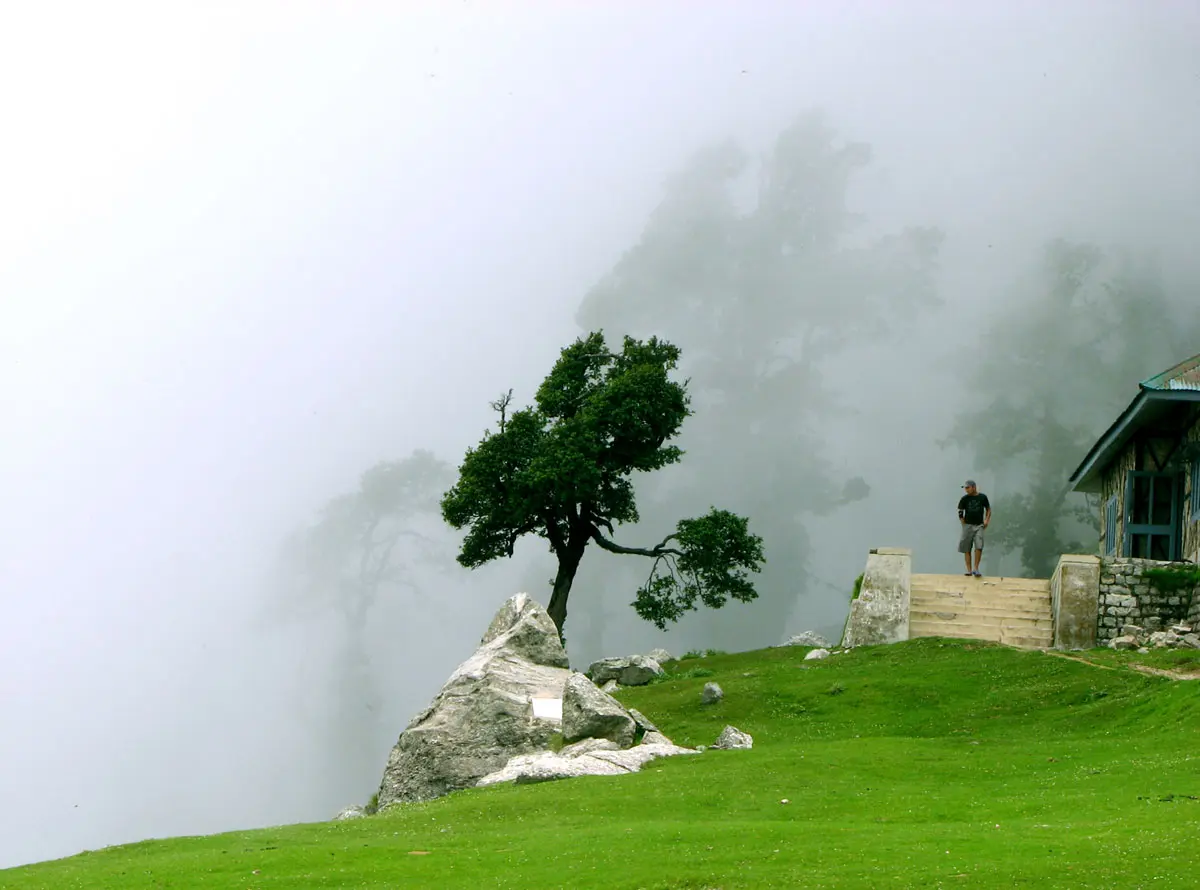
McLeod Ganj generates over six tonnes of garbage per month according to municipal estimates — a number that reflects both the volume of visitors and the gap between the infrastructure available and the waste produced by tourism. The specific request of every responsible travel writer who has ever loved this place is this: do not leave single-use plastic on the trail to Triund. The Forest Department collects over 500 kilograms of waste from the Triund trail each week at peak season, and the source of most of it is visitors who treated the mountain as a venue rather than an environment. Carry a reusable water bottle, a LifeStraw or quality filter, and your own rubbish bag. Everything you carry up comes back down.
Spend at the Tibetan community's own institutions rather than at non-Tibetan-owned commercial enterprises if the choice is available. Tibet Kitchen is Tibetan-owned. Chonor House's proceeds go to Norbulingka Institute's arts programme. The Tibetan handicraft shops on Temple Road and in the lanes around the Tsuglagkhang are run by community members whose livelihoods depend on the cultural tourism that McLeod Ganj generates. The prayer flags and thangka paintings sold in those shops are authentic; those sold in the shops on the main market catering primarily to passing trade are frequently not. Ask where an item was made before buying it as a souvenir of Tibetan culture.
The Gaddi people — the Kangra hills' original inhabitants, whose Bhagsunath temple is among the most sacred Shaivite sites in Himachal Pradesh — are often invisible in travel writing about this area, which tends to focus on the Tibetan community and the trekking infrastructure. The Bhagsunath temple is an active place of Gaddi worship. The appropriate visitor posture at the temple is identical to the one appropriate at the Tsuglagkhang: shoes off, shoulders covered, quiet and respectful, no photography of active puja. These are two communities, not one, and they have both made room for each other and for visitors with a generosity that the visitor is obliged to reciprocate.
Before you go — a few honest additions...
Four days is the honest minimum for a McLeod Ganj visit that goes beyond the surface: a day for the Tsuglagkhang complex including the kora and Tibet Museum, a day for the Triund trek, a day for Norbulingka and the café circuit and St. John's, and a day to revisit the monastery at a quieter hour and sit in the Chonor House garden with whatever has been accumulating in your thinking during the previous three days. Six days adds the Kareri Lake trek, the Dharamkot village walk, and a morning at the HPCA Stadium if there is a match. Ten days, for those who can manage it, allows the Indrahar Pass crossing to Chamba, which is one of the finest ridge treks in Himachal Pradesh and one of the least commercially developed of the major Dhauladhar routes.
The Dalai Lama's public teaching schedule — announced on dalailama.com and updated seasonally — is worth checking before finalising travel dates. The teachings are free, open to all regardless of nationality or religion, and require advance online registration through the Namgyal Monastery secretariat. They typically draw thousands of attendees from across the world; the experience of sitting in the Tsuglagkhang courtyard and listening to teachings that have been transmitted in an unbroken line from the Buddha is, for those who have any interest in the tradition, genuinely transformative. For those who don't, it is at minimum one of the most extraordinary human scenes available in Indian travel.
The team at BizareXpedition™ Services Pvt. Ltd. (bizarexpedition.com), based in Haridwar and specialising in the full breadth of Himalayan journeys, can design a customised Dharamshala itinerary that sequences the Tsuglagkhang, Triund, Norbulingka, and the wider Kangra Valley — including the narrow-gauge heritage railway and the Bir Billing paragliding day trip — into a programme calibrated to your interests, pace, and the season you are travelling in. For those connecting McLeod Ganj to a broader Himachal or trans-Himalayan journey, BizareXpedition's knowledge of the region's moving parts — road conditions, trek access, accommodation availability, festival timing — is precisely the kind of ground intelligence that turns a good trip into an extraordinary one.
| ITEM | NOTES |
|---|---|
|
Cash |
ATMs in McLeod Ganj main market; Dharamshala lower town has more reliable machines; withdraw before weekend peak |
|
Mobile network |
All four operators (Jio, Airtel, Vi, BSNL) work well in Dharamshala and McLeod Ganj as of 2026; 4G/5G in town; patchy on upper Triund trail |
|
Accommodation booking |
McLeod Ganj fills completely on weekends (especially May); during IPL match days in Dharamshala, prices surge 3–5x — book weeks ahead or avoid match dates entirely |
|
Triund permit |
Register at Gallu Devi Temple checkpoint; ₹100 trekking + ₹550 camping; carry photo ID; rules may have changed — verify on arrival |
|
Illiterati Books & Coffee |
Currently temporarily closed as of mid-2026; sister venues The Other Space and café on Jogibara Rd remain open — check current status locally |
|
Tibet Museum |
Closed Mondays; free entry; harrowing and essential — plan 1.5 hrs minimum; brings context to everything else you see |
|
Monastery etiquette |
Remove shoes; shoulders/knees covered; circumambulate clockwise; no flash photography inside prayer halls; silence when monks are at puja |
|
Dalai Lama teaching schedule |
Public teachings occur intermittently — announced on dalailama.com well in advance; attendance free but requires prior registration; worth planning a trip around if timing works |
|
Traffic warning |
McLeod Ganj main road is severely congested on weekends and IPL match days; on such days walk rather than taxi everywhere — you will move faster |
|
Emergency contacts |
Police: 01892-221126; Dharamshala Civil Hospital: 01892-222052; Himachal Tourism Dharamshala: 01892-224528 |
PRACTICAL CHECKLIST — 2026
| CATEGORY | BUDGET (₹/DAY) | MID-RANGE (₹/DAY) | PREMIUM (₹/DAY) |
|---|---|---|---|
|
Accommodation |
500–1,000 (hostel dorm / basic guesthouse) |
1,500–3,500 (boutique guesthouse / Chonor House-tier) |
5,000–25,000+ (Fortune Park Moksha / Hyatt Regency) |
|
Food |
300–500 (thukpa, momos, Tibetan bread, Maggi) |
600–1,000 (Tibet Kitchen, Nick's, café meals) |
1,200–2,000 (full-service restaurant, Chonor House dining) |
|
Transport (local) |
50–150 (shared auto, HRTC local bus) |
200–500 (private auto, short taxi) |
800–2,500 (private taxi all day, Bir Billing trip) |
|
Triund trek (day) |
₹100 permit + ₹0 camping (own tent) |
₹100 permit + ₹550 camping (2 persons/tent) |
₹1,500–3,000 (guided day trek with operator) |
|
Total per day estimate |
₹1,000–2,000 |
₹2,500–5,000 |
₹8,000–30,000+ |
BUDGET GUIDE — PER PERSON PER DAY
The monk with the momo vendor resolved their negotiation while I was watching. He bought three. He walked back toward the monastery carrying them in a cloth bag, and the prayer flag that had been fluttering past my window had by then found wherever it was going. The Dhauladhars were exactly where they always are, unchanged by the century of extraordinary events that has played out at their feet. I finished the thukpa. It was the best thing I had eaten in three days, and the mountains helped.