
Abhinav
Writer
Updated On - Aug 12, 2026
15 min
Published On - Jun 06, 2026
Jim Corbett National Park: Beyond the Tiger Safari
India's oldest national park has 600+ bird species, sloth bears, gharials, elephants and a river full of crocodiles — and most visitors only look for the tiger. Here is everything else worth knowing.
Located in the foothills of the Himalayas in Uttarakhand's Nainital district, about 260 kilometres from Delhi, Jim Corbett National Park is India's oldest national park — established in 1936 as Hailey National Park, renamed after the British-Indian hunter-turned-conservationist Jim Corbett in 1957, and the first site under Project Tiger when the programme launched in 1973. It covers 521 square kilometres of Sal forest, grassland, riverine belt and marshland, has over 200 Bengal tigers in its core area, and receives a volume of visitors every winter season that makes advance planning non-negotiable. What most of those visitors don't realise is that Corbett is also home to 600-plus bird species, one of the most reliable sloth bear zones in northern India, critically endangered gharials in the Ramganga River, and a museum in the winter home of Jim Corbett himself that most people drive straight past on the way to the park gate.
There's plenty to do here beyond sitting in a jeep hoping for a tiger — travellers interested in birding, wildlife photography, river ecology and Kumaon's living culture will be pleasantly surprised by what Corbett has in store. You can do a morning safari in Durga Devi zone, which has the best birding in the reserve and far fewer vehicles than Dhikala, and spend the afternoon at the Kosi River watching Ibisbill and river terns from the road — no permit required, no booking needed. You can visit the Jim Corbett Museum in Kaladhungi, which holds his personal photographs, letters, manuscripts and paintings in the actual house where he lived, and come away understanding why a man who shot over four hundred tigers in his lifetime also wrote the most compelling argument for their conservation. And to add to that, the Garjia Devi Temple on a rock in the middle of the Kosi River, 14 kilometres from Ramnagar, is one of those stops that takes twenty minutes and stays with you considerably longer.
Here is what Corbett offers when you look beyond the tiger safari.
The Park: What You Need to Know First
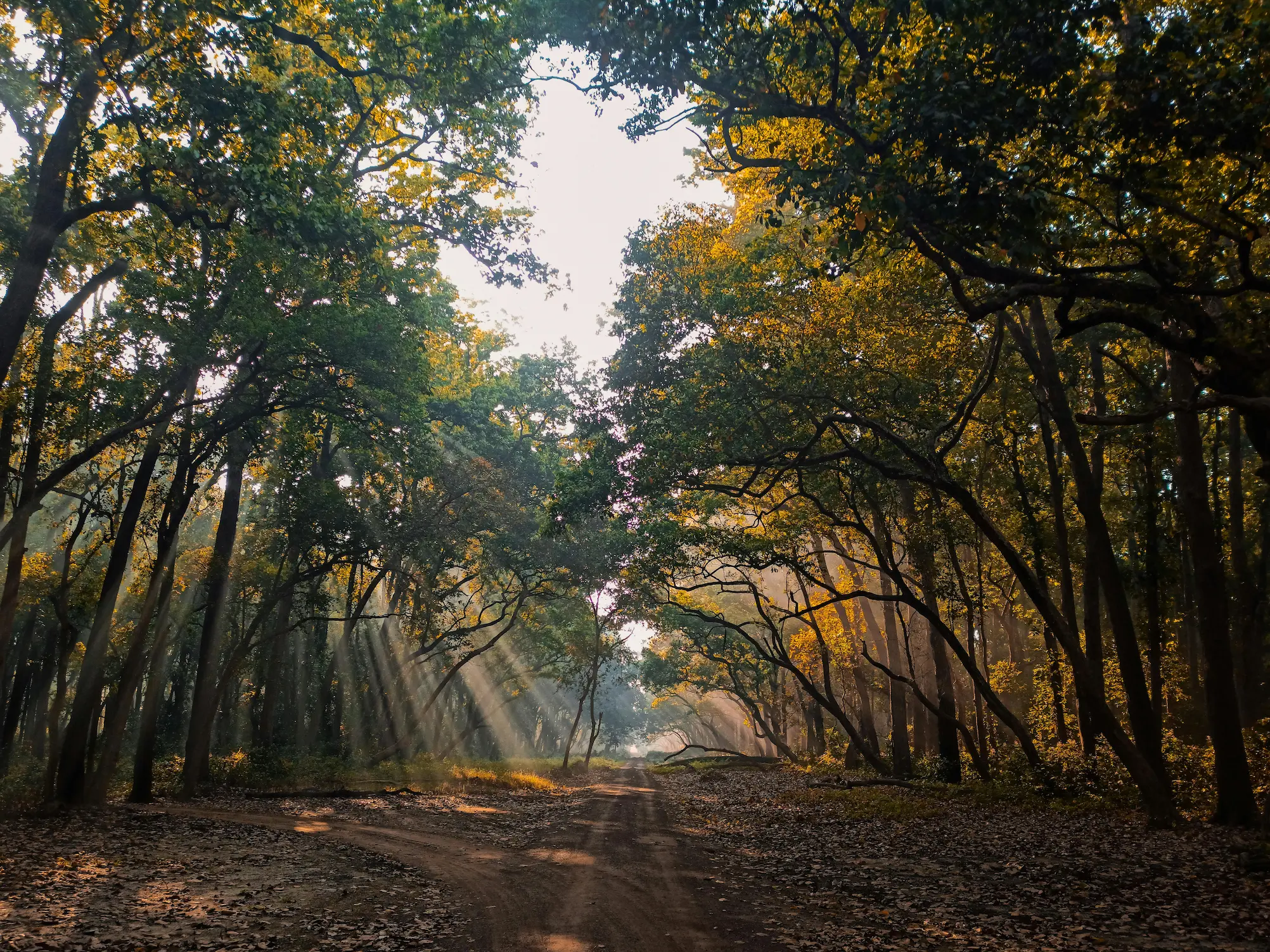
Jim Corbett Tiger Reserve covers 521 square kilometres of core area across parts of Nainital and Pauri Garhwal districts, divided into six safari zones — Dhikala, Bijrani, Jhirna, Dhela, Durga Devi and Garjia — each with its own character, wildlife density and booking requirements. The park is open from mid-November to mid-June for most zones, with Jhirna and Dhela remaining open year-round. During the monsoon from July to October, the core park closes, though the Kosi River outside the park boundary remains accessible for birding and the Sitabani buffer zone can be visited without a permit.
Safari bookings open 45 to 60 days before the date and fill up quickly — particularly for Dhikala zone, overnight stays at the Dhikala Forest Rest House, and any weekend between December and February. The official booking portal is corbettgov.org; permits, Forest Rest House bookings and safari slots are all managed there. Avoid unofficial third-party booking sites that charge significantly more for the same permits. Morning safaris run from 6 to 10 AM and afternoon safaris from 2 to 6 PM; morning safaris consistently give better wildlife activity and most experienced Corbett visitors book mornings wherever possible.
The Six Safari Zones: Which One to Choose
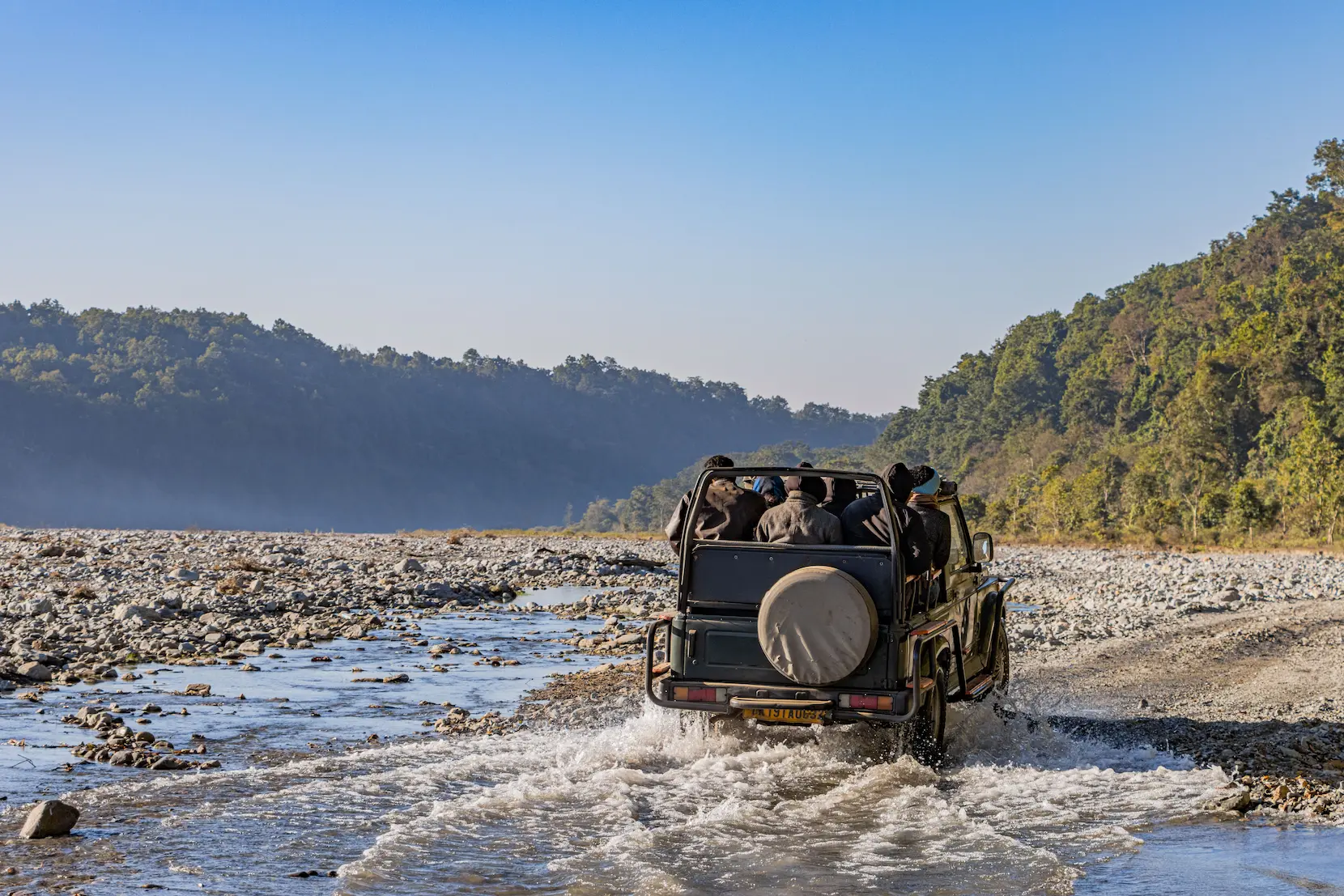
Dhikala is the best zone by some distance — the largest, most diverse, with the highest tiger density, and the one where an overnight stay inside the forest at the Dhikala Forest Rest House is possible. The FRH is perched above the Ramganga reservoir with views across the chaur grasslands, and waking up there before a morning safari is the closest thing to a genuinely wild experience that Corbett offers. It books up fastest and requires the most advance planning. Bijrani, with its open grasslands and easier access from Ramnagar, is the second most popular and a good alternative. Durga Devi, at 36 kilometres from Ramnagar and far less visited, is the right choice for birders and anyone who wants a quieter experience — and for most wildlife photographers it is actually more rewarding than Dhikala because the forest edge and grassland habitat produces more varied opportunities.
| Zone | Distance from Ramnagar | Open Season | Best For | Safari Type | Honest Assessment |
|---|---|---|---|---|---|
|
Dhikala |
18 km from Ramnagar gate |
Mid-Nov to mid-Jun |
Tiger sightings, overall wildlife,overnight stay |
Jeep + Canter; overnight possible |
The best zone by some distance. Largest, most diverse, highest tiger density. Book 45–60 |
|
Bijrani |
1 km from Ramnagar |
Mid-Oct to mid-Jun |
Tiger sightings, open grasslands, photography |
Jeep only |
Second most popular. Open grasslands make for better photography than dense forest. Good first-zone choice. |
|
Jhirna |
16 km from Ramnagar |
Open year-round |
Sloth bears, elephants, off-season visits |
Jeep only |
Only zone open in monsoon. Good for those who can't visit Oct–Jun. Lower tiger density but reliable sloth bear sightings. |
|
Dhela |
13 km from Ramnagar |
Open year-round |
Budget-friendly, less crowded, birding |
Jeep only |
Buffer zone — cheaper permits, fewer visitors, still good wildlife. Often overlooked and worth considering. |
|
Durga Devi |
36 km from Ramnagar |
Mid-Nov to mid-Jun |
Birding, leopards, quiet experience |
Jeep only |
Best zone for birding in the entire reserve. 600+ species recorded. Far less crowded than Dhikala or Bijrani. |
|
Sitabani |
Buffer zone, no entry fee |
Open year-round |
Nature walks, birding, budget travel |
Walking + Jeep |
Technically outside the core reserve. No permit required. Good for a quiet nature walk and budget travellers. |
Table 1 — Safari Zones Compared: What Each One Offers
The Tiger: Honest Expectations
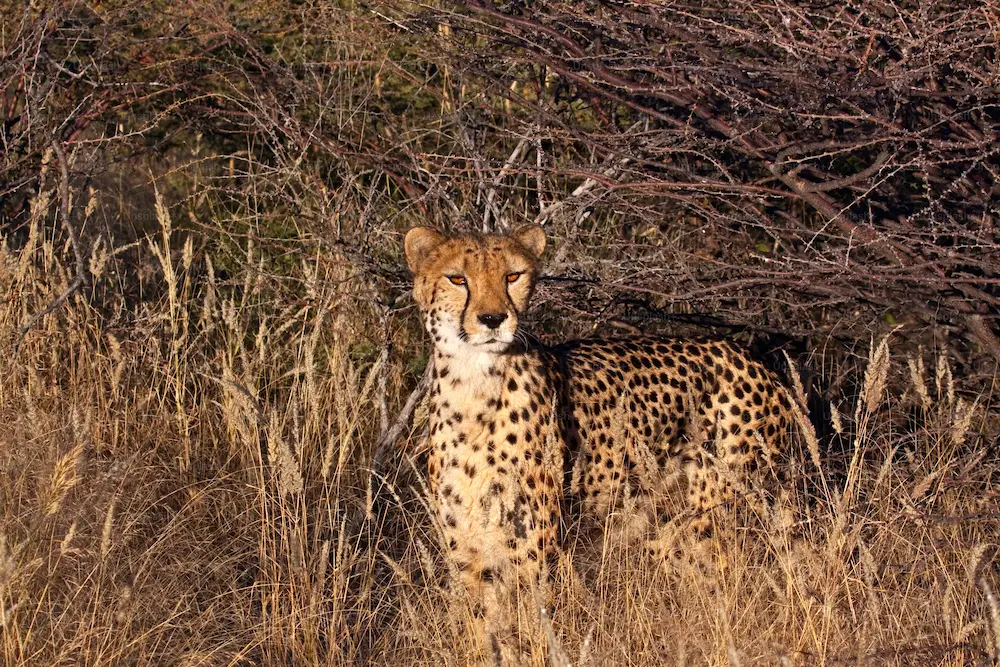
Corbett has over 200 Bengal tigers in its reserve, which makes it one of the finest tiger habitats in India — and tiger sightings are not guaranteed on any given safari, which is a fact worth accepting before you book. The tigers are wild, the forest is dense in most zones, and some safaris produce no large predator sightings at all. The Dhikala chaur grasslands give the best probability because tigers come to the open grasslands to hunt the large herds of chital and sambar that graze there, and because the open terrain means you can see further. March to May, when animals concentrate around water sources in the heat, is statistically the strongest season for tiger sightings near riverbeds and waterholes. Morning safaris in November and December, when the grass is low after the monsoon and before it grows back, are also productive. And to add to that — if you don't see a tiger, the rest of what Corbett offers is genuinely good enough to make the trip worthwhile on its own terms.
What Else Lives Here: The Wildlife Most Visitors Miss
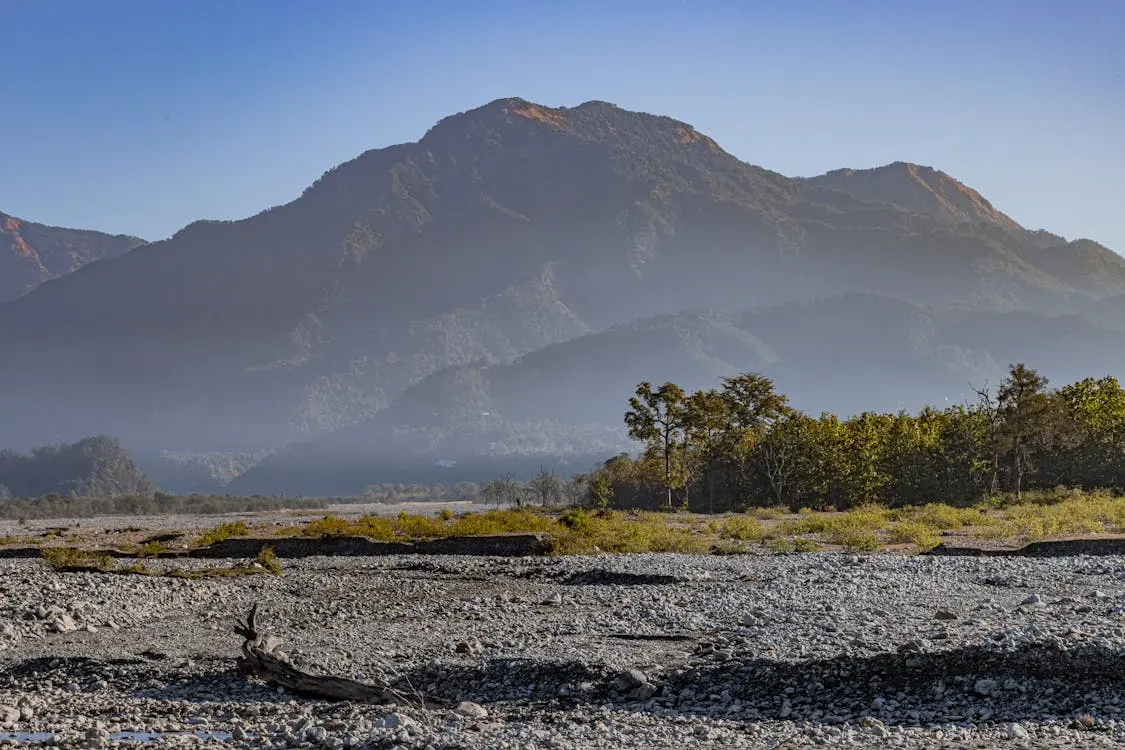
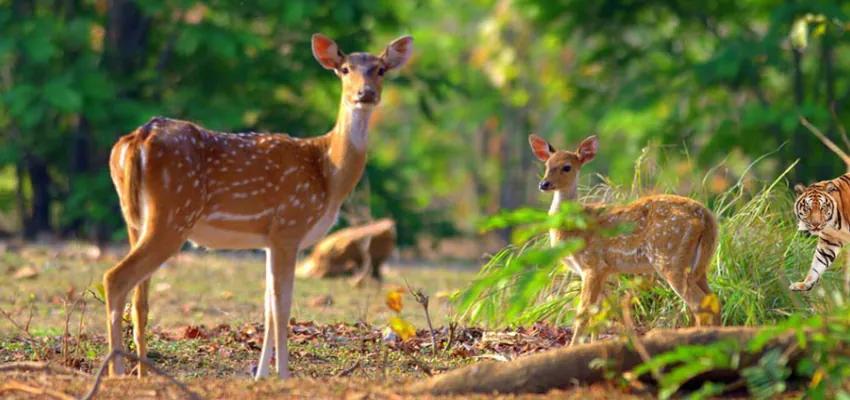
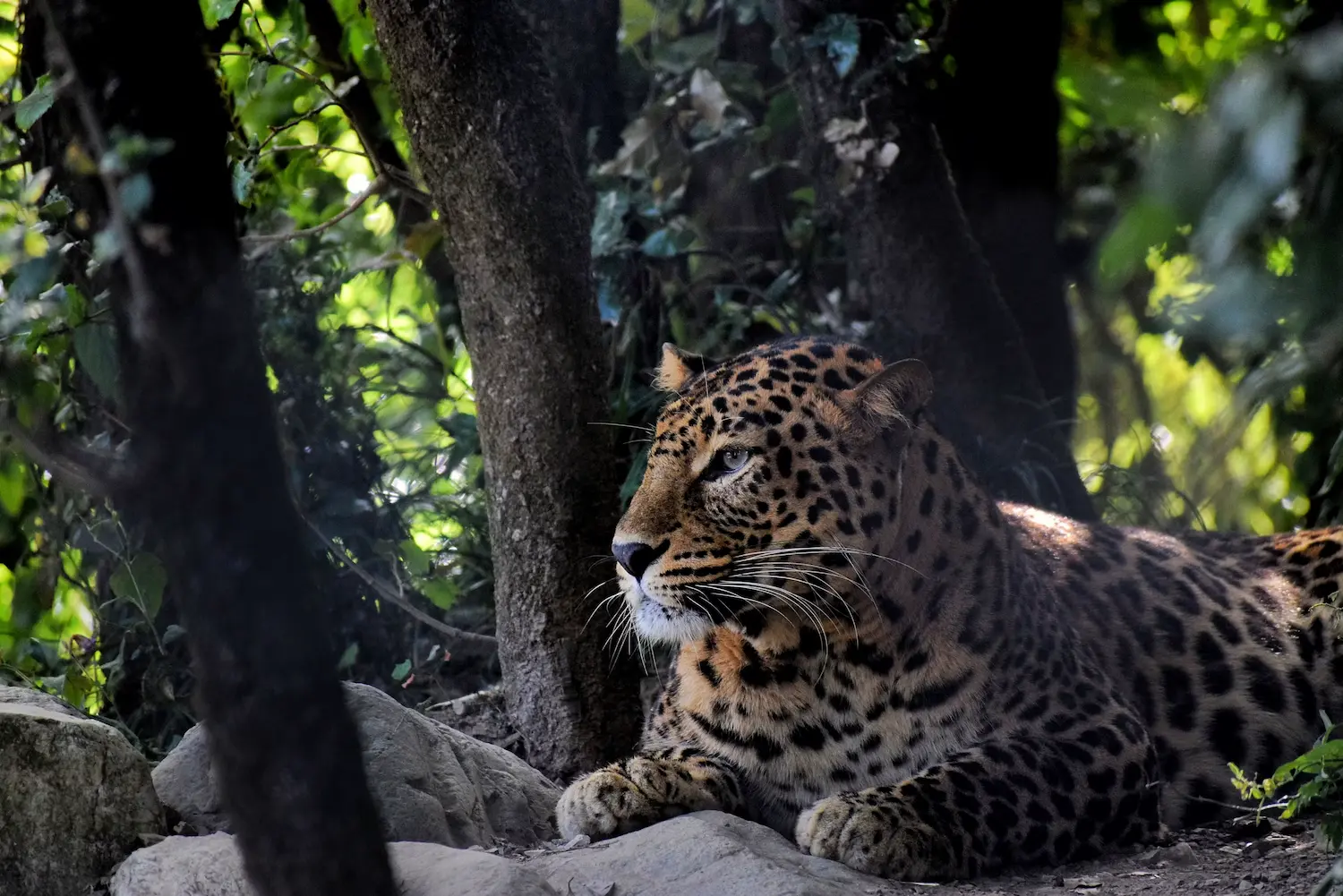
Corbett's roster of wildlife beyond the tiger is one of the most underappreciated things about the reserve. Asian elephants — large herds of them — are visible near the Ramganga River and in the chaur grasslands, and are in many ways more reliably spotted than tigers. Mugger crocodiles bask on the Ramganga riverbanks inside Dhikala in numbers from January to March. The reserve holds critically endangered gharials in the Ramganga — fewer than 250 remain in the wild anywhere, and the Ramganga is one of their last strongholds; a sighting is genuinely rare. Sloth bears are most reliable in Jhirna zone, particularly in October and November. Leopards are present throughout the reserve and most consistently spotted in Durga Devi zone on the rocky ridges and forest edges.
| Species | Best Zone to Spot | What to Know |
|---|---|---|
|
Bengal Tiger |
Dhikala, Bijrani |
Over 200 tigers in the reserve. Sighting not guaranteed — patience and luck both required. Morning safaris (6–10 AM) give the best chance. Don't be surprised if you don't see one; the rest of the park is worth it anyway. |
|
Asian Elephant |
Dhikala, Bijrani, Jhirna |
Large herds visible near the Ramganga River and chaurs (grasslands). More reliable than tiger sightings in many ways — if herds are in the chaur, you will see them. |
|
Leopard |
Durga Devi, Bijrani |
Elusive but present throughout the reserve. Rocky terrain and dense forest edges are the best places to look. Durga Devi is the most consistent zone for leopard sightings. |
|
Sloth Bear |
Jhirna, Dhela |
Jhirna zone is the most reliable in all of Corbett for sloth bears. Early morning safaris in October–November give the best results. |
|
Mugger Crocodile |
Dhikala (Ramganga River), Bijrani |
Large numbers bask on the Ramganga riverbanks inside Dhikala zone, particularly from January to March when they sun themselves in numbers. |
|
Gharial |
Ramganga River |
Critically endangered — fewer than 250 left in the wild. The Ramganga inside Corbett is one of their last strongholds. A sighting is genuinely rare and worth noting. |
|
Himalayan Goral |
Durga Devi, upper ridges |
Small, goat-like mammal found on rocky outcrops at the higher edges of the reserve. Durga Devi zone gives the best access to this terrain. |
|
Otters |
Kosi and Ramganga rivers |
River otters are present along both rivers — more often spotted early morning before safari traffic picks up. Watch the riverside carefully. |
Table 2 — Wildlife Beyond the Tiger: What to Look For and Where
Birding at Corbett: 600 Species and Counting
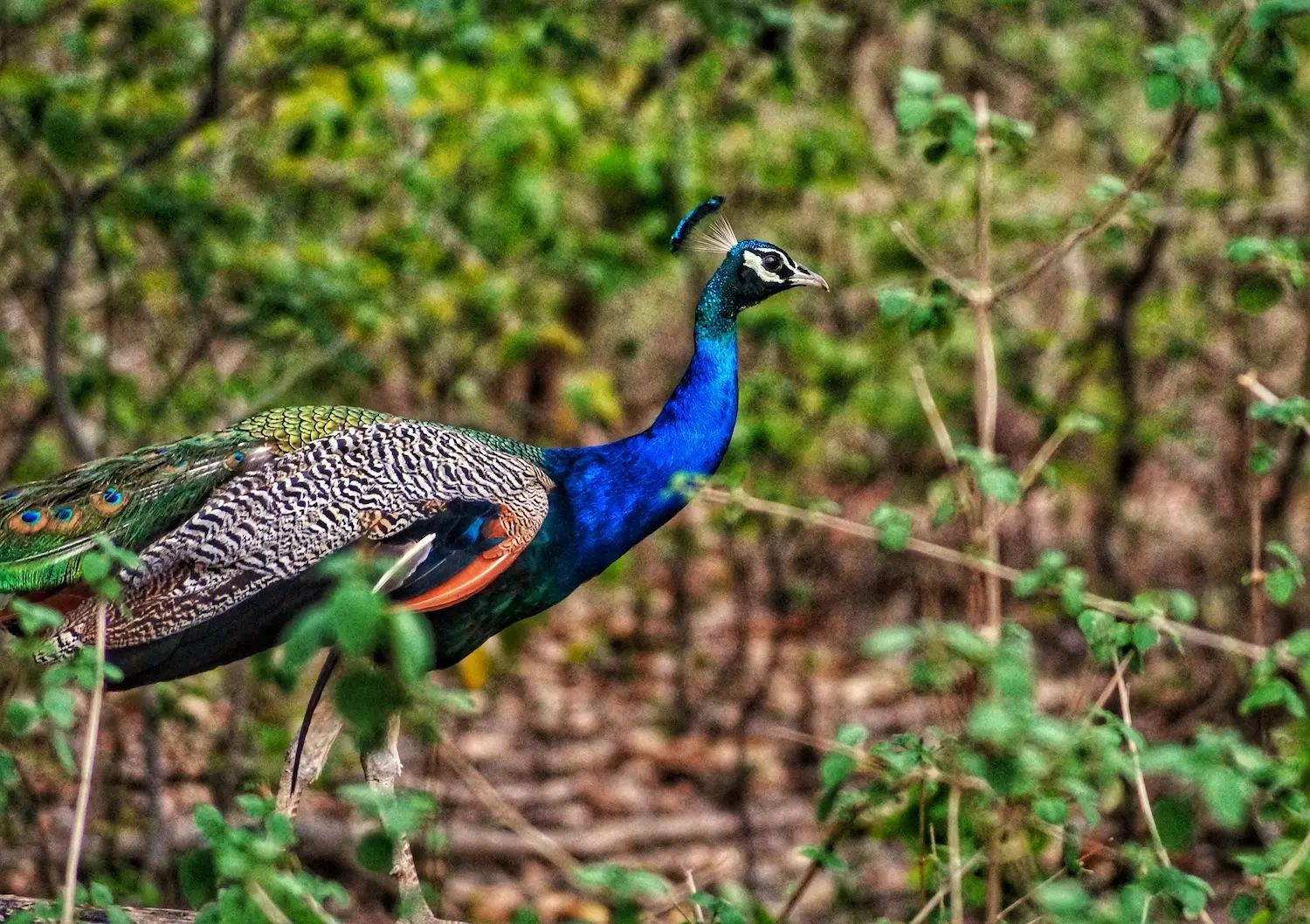
Jim Corbett has 600-plus bird species recorded — one of the highest counts of any national park in India — and most of them go completely unnoticed by the majority of visitors who are focused exclusively on finding a tiger. Durga Devi zone in the northeast of the reserve is the best birding zone by a considerable margin, with the Laldhang grasslands, the forest edge habitat and the proximity to the Ramganga producing a range of species that serious birders plan full trips around. The Kosi River along the approach road from Ramnagar is also outstanding — Ibisbill (one of the most sought-after riverine birds in India), river terns, Brown Dipper, kingfishers and various waders are all regularly seen from the road without any permit required.
October to February brings migratory species from Central Asia and the Himalayas into the reserve, adding warblers, flycatchers and raptors to the resident list. The Great Pied Hornbill, found in the tall Sal trees of Bijrani and Dhikala zones, is the bird that most visiting wildlife photographers most want to see and is reliably present in the older forest sections. The Brown Fish Owl is regularly spotted near the Dhikala FRH at dusk — another reason to book an overnight stay there if you can get one.
| Bird Category | Key Species | Where and When to Look |
|---|---|---|
|
Raptors |
Crested Serpent Eagle, Changeable Hawk-Eagle, Himalayan Griffon, Beaudouin's Snake Eagle |
Open chaurs and forest edges throughout the reserve. Dhikala grasslands are the best raptor-watching ground in the park, particularly from November to February. |
|
Hornbills |
Great Pied Hornbill, Indian Grey Hornbill |
Tall Sal trees inside Bijrani and Dhikala zones. The Great Pied Hornbill is one of the most sought-after birds at Corbett and is reliably present in the older Sal forest. |
|
Flycatchers & warblers |
Asian Paradise Flycatcher, Verditer Flycatcher, various warblers |
Forest understorey across all zones. October–February brings migratory species from Central Asia and the Himalayas. |
|
River specialists |
Ibisbill, Brown Dipper, Plumbeous Water Redstart, Common Kingfisher |
Kosi and Ramganga rivers, particularly in Durga Devi zone and along the Kosi River approach road. Ibisbill is the most sought-after riverine species. |
|
Owls |
Brown Fish Owl, Jungle Owlet, Tawny Fish Owl |
Dhikala zone forest rest house surroundings after dark. The Brown Fish Owl is regularly seen near the Ramganga reservoir at dusk. |
|
Peafowl, junglefowl, pheasants |
Indian Peafowl, Red Junglefowl, Kalij Pheasant |
Forest edges and clearings throughout the reserve, particularly at dawn. Very common — a good consolation on tiger-free mornings. |
Table 3 — Birding at Corbett: Key Species and Where to Find Them
What's Beyond the Park Gate
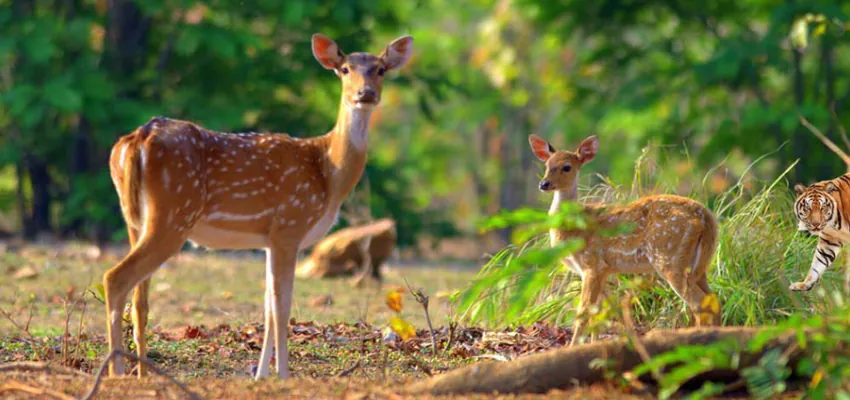
Most Corbett trips are spent entirely inside the resort and the safari zone, which means most visitors miss the things around the park that are genuinely worth seeing. The Jim Corbett Museum in Kaladhungi, 30 kilometres from Ramnagar, is the winter home of Jim Corbett himself — the man who shot over four hundred tigers in his hunting years and then spent the second half of his life photographing them and arguing for their protection, writing Man-Eaters of Kumaon, still one of the most gripping wildlife books ever published. The museum holds his personal belongings, photographs, letters, manuscripts and sketches, in the actual rooms where he lived. It is open year-round except Holi, from 7 AM to 6 PM, and free to enter. Most visitors drive straight past it on the Ramnagar–Kaladhungi road without stopping, which seems like a significant oversight.
The Garjia Devi Temple, 14 kilometres from Ramnagar on the Ranikhet road, sits on a large rock rising from the middle of the Kosi River — an ancient Durga temple that is also an active pilgrimage site for the local Kumaon community, with a striking view of the river from the top. It is a twenty-minute stop that adds real texture to the landscape. And the Kosi River itself, along the NH109 approach road from Ramnagar, is worth slow-driving with binoculars — the riverbed produces excellent birding without any permit or booking.
| Attraction | Distance from Ramnagar | What It Is and Why It's Worth Your Time |
|---|---|---|
|
Jim Corbett Museum, Kaladhungi |
30 km from Ramnagar |
The winter home of Jim Corbett himself — a British-Indian hunter turned conservationist who wrote Man-Eaters of Kumaon, still one of the finest wildlife books ever written. The museum holds his personal belongings, photographs, manuscripts, letters and paintings. Open year-round except Holi, 7 AM–6 PM. Free entry. Most visitors skip it entirely, which is a mistake. |
|
Garjia Devi Temple |
14 km from Ramnagar on the Ranikhet road |
An ancient Durga temple on a large rock rising from the middle of the Kosi River — genuinely striking setting, and an active pilgrimage site for the local Kumaon community. The view of the Kosi from the top of the rock is good, and it is a 20-minute stop that adds real context to the landscape. |
|
Dhangarhi Museum |
20 km from Ramnagar (at the Dhikala gate) |
Small museum at the main entry gate of the park, set up as an introduction to Corbett's ecology, history and Project Tiger. Worth 30 minutes before your first safari. |
|
Kosi River — birdwatching and fishing |
Along the NH109 approach road from Ramnagar |
The Kosi River flows along the main road approaching Corbett from Ramnagar, and the riverbed and banks are excellent for birding — Ibisbill, river terns, kingfishers and waders are all regularly seen. You don't need a park permit for the riverside stretches along the road. |
|
Sitabani Buffer Zone |
Buffer zone — no permit required |
Accessible without the Corbett permit system and without the advance booking requirement. A good option for a quiet nature walk, birding, and experiencing the forest without the structure of an official safari. Several budget camps operate near Sitabani. |
|
Corbett Waterfall |
25 km from Ramnagar |
A modest waterfall on the Kosi tributary, surrounded by forest and popular with families staying in the area. Not spectacular by Himalayan standards but pleasant for a half-day outing. |
|
Ramnagar town and local markets |
Town centre |
Ramnagar is a genuine small town rather than a tourist hub, and the local market near the bus stand sells good Kumaoni produce, local honey and handmade items. Worth an evening walk rather than spending the whole trip inside a resort. |
Table 4 — What's Around Corbett: Beyond the Safari Zone
When to Go: The Season Guide
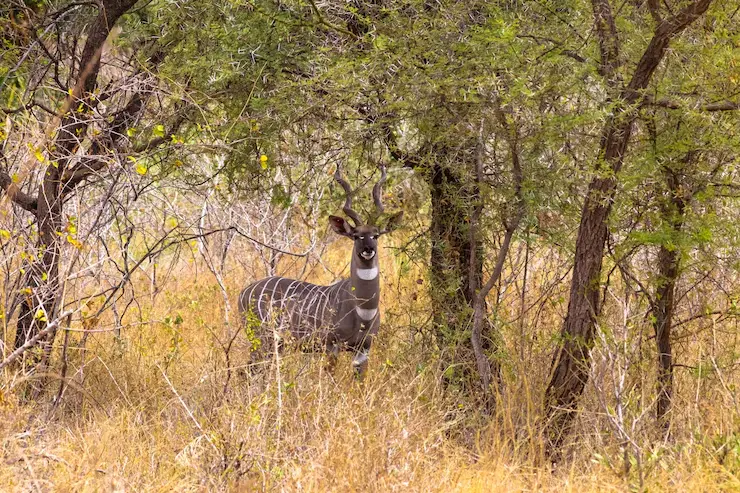
Corbett is open from mid-November to mid-June for most zones, with the monsoon from July to October closing the core park. The best overall period is November to March — comfortable temperatures, low grass (which means better wildlife visibility), and the full chaur grasslands accessible. April and May are hot but productive for wildlife because animals concentrate near the few remaining water sources, which makes sightings near rivers and waterholes more reliable than in the cooler months when water is plentiful everywhere. Dhikala and Bijrani zone permits for weekends in December and January fill up 45 days in advance; plan accordingly.
| Month | Temp Range (Ramnagar) | Zones Open | Wildlife Activity | Best For |
|---|---|---|---|---|
|
Nov |
15–25°C day, 5–10°C night |
Dhikala, Bijrani, Jhirna, Dhela open; Durga Devi opens mid-Nov |
Tigers and elephants active; crocodiles begin basking |
First month of peak season — good visibility, comfortable temperatures |
|
Dec–Jan |
10–22°C day, 2–7°C night |
All zones open |
Best wildlife visibility as grass is low; elephants near water |
Peak season for photography and tiger sightings; coldest nights |
|
Feb–Mar |
15–28°C day, 8–12°C night |
All zones open |
Crocodiles basking in numbers; tigers visible near water |
Best months overall — warmth, excellent visibility, full zone access |
|
Apr–May |
28–38°C day, 18–22°C night |
All zones open (park closes mid-Jun) |
Animals concentrate near water — high tiger sighting probability |
Hot but excellent for wildlife; water sources draw animals into open |
|
Jun |
32–38°C, very humid |
Park closes mid-June; Jhirna and Dhela open year-round |
Park winding down; Jhirna best bet before monsoon closure |
Last chance before monsoon; limited zones; not ideal for first visit |
|
Jul–Oct |
24–32°C, monsoon rains |
Only Jhirna and Dhela open (year-round zones) |
Park recovering; vegetation very dense; lower wildlife visibility |
Monsoon visit: Jhirna for sloth bears; Kosi River birding outside park |
Table 5 — Month-by-Month Season Guide
What It Costs: 2026 Honest Numbers
Corbett accommodation ranges from basic guesthouses in Ramnagar at ₹800 a night to the Jim Corbett Marriott and Taj Corbett at ₹12,000 to ₹35,000. The mid-range riverside resorts on the Kosi River — Aahana, Corbett Machaan, The Golden Tusk — at ₹4,000 to ₹9,000 a night offer a good balance of comfort and access. The Dhikala Forest Rest House inside the park, at ₹3,000 to ₹8,000 a night for very basic rooms, is the most rewarding stay in terms of wildlife proximity — worth every rupee if you can get a booking, but you need to be on corbettgov.org exactly 45 days in advance.
| Safari Type / Booking | 2026 Cost Per Person | Key Details |
|---|---|---|
|
Jeep safari — government permit (Indian) |
₹2,500–₹3,500 (zone dependent) |
6 persons per jeep. Dhikala and Bijrani cost more; Jhirna and Dhela cheaper. Permit + guide + jeep all included in quoted prices from registered operators. |
|
Canter safari — Dhikala zone |
₹1,200–₹1,800 |
16-seater canters run into Dhikala zone; cheaper but less flexible than jeep. Good for budget travellers. Less responsive to sightings since you can't stop freely. |
|
Overnight stay — Dhikala Forest Rest House |
₹3,000–₹8,000 per room |
Best wildlife experience in Corbett — waking up inside the zone. Very limited rooms; book 45–60 days ahead at corbettgov.org only. Often full months in advance. |
|
Budget resort (outside park, Ramnagar area) |
₹1,500–₹3,500/night |
Many options within 5–15 km of Ramnagar. Basic but adequate for a safari-focused trip. |
|
Mid-range resort (riverside, near Dhikala zone) |
₹4,000–₹9,000/night |
Kosi riverside resorts like Aahana, Corbett Machaan, Golden Tusk. Good balance of comfort and access. |
|
Luxury resort |
₹12,000–₹35,000+/night |
Taj Corbett, Jim Corbett Marriott, Lemon Tree Premier. Full board, nature walks, spa, good safari support. |
|
Safari booking window |
Book 45–60 days ahead |
Corbett safari permits open 45 days before the date for most zones. Dhikala and Bijrani especially fill up fast for weekends and December–February peak. Use corbettgov.org only — avoid third-party bookings that charge extra. |
|
Best way to reach Ramnagar from Delhi |
~260 km; 5–6 hrs by road or direct train (Ranikhet Express, Corbett Link Express) |
Road from Delhi via Moradabad is straightforward. Train is the more relaxed option — Ramnagar station is 15 km from the park gate. |
Table 6 — Safari Costs, Accommodation and Booking Guide (2026)
Quick Reference: Everything in One Place
| What You Need to Know | The Answer |
|---|---|
|
India's first national park |
Jim Corbett — established 1936 as Hailey National Park. Renamed after conservationist Jim Corbett in 1957. |
|
First Project Tiger site |
Yes — Corbett was the first site under Project Tiger, launched in 1973. The programme has been credited with significantly reversing tiger decline nationwide. |
|
Tiger population |
Over 200 Bengal tigers in the reserve. |
|
Park area |
521 sq km core area. Spread across Nainital and Pauri Garhwal districts. |
|
Bird species recorded |
600+ — one of the highest counts of any national park in India. Durga Devi zone is the best for birding. |
|
Best zone for tiger sightings |
Dhikala — largest zone, highest tiger density, best overall experience. Book 45–60 days ahead. |
|
Best zone for birding |
Durga Devi — 36 km from Ramnagar, less crowded, excellent for Ibisbill, raptors and river species. |
|
Year-round zones |
Jhirna and Dhela — open even during monsoon (July–October) when the rest of the park is closed. |
|
Park open season |
Mid-November to mid-June for most zones. Jhirna and Dhela year-round. |
|
Official booking portal |
corbettgov.org — permits, FRH bookings, safari slots. Use only this; avoid unofficial third-party sites. |
|
Safari booking advance |
45–60 days before the date. Weekends and December–February peak months fill earliest. |
|
Jim Corbett Museum |
Kaladhungi, 30 km from Ramnagar. Open year-round except Holi, 7 AM–6 PM. Corbett's personal home and belongings. |
|
Garjia Devi Temple |
14 km from Ramnagar on Ranikhet road. Temple on a rock in the Kosi River — striking setting, 20-minute stop. |
|
Distance from Delhi |
~260 km. 5–6 hours by road. Direct trains from Delhi (Ranikhet Express, Corbett Link Express) to Ramnagar. |
|
Distance from Nainital |
~64 km via Kaladhungi. About 1.5–2 hours. Easily combined with a Nainital stay. |
|
Nearest airport |
Pantnagar Airport, ~80 km from Ramnagar. Flights from Delhi. |
Table 7 — Jim Corbett Master Reference 2026
Best Selling Tour Packages
Explore other exciting options for your next adventure!