

Amit
Writer
Updated On - Sep 17, 2026
25 min
Published On - Sep 17, 2026
Orchha Complete Guide — The Forgotten Medieval Capital
A Bundela kingdom frozen mid-sentence on the banks of the Betwa — palaces, a river-god legend, and a town that never quite finished becoming a memory.
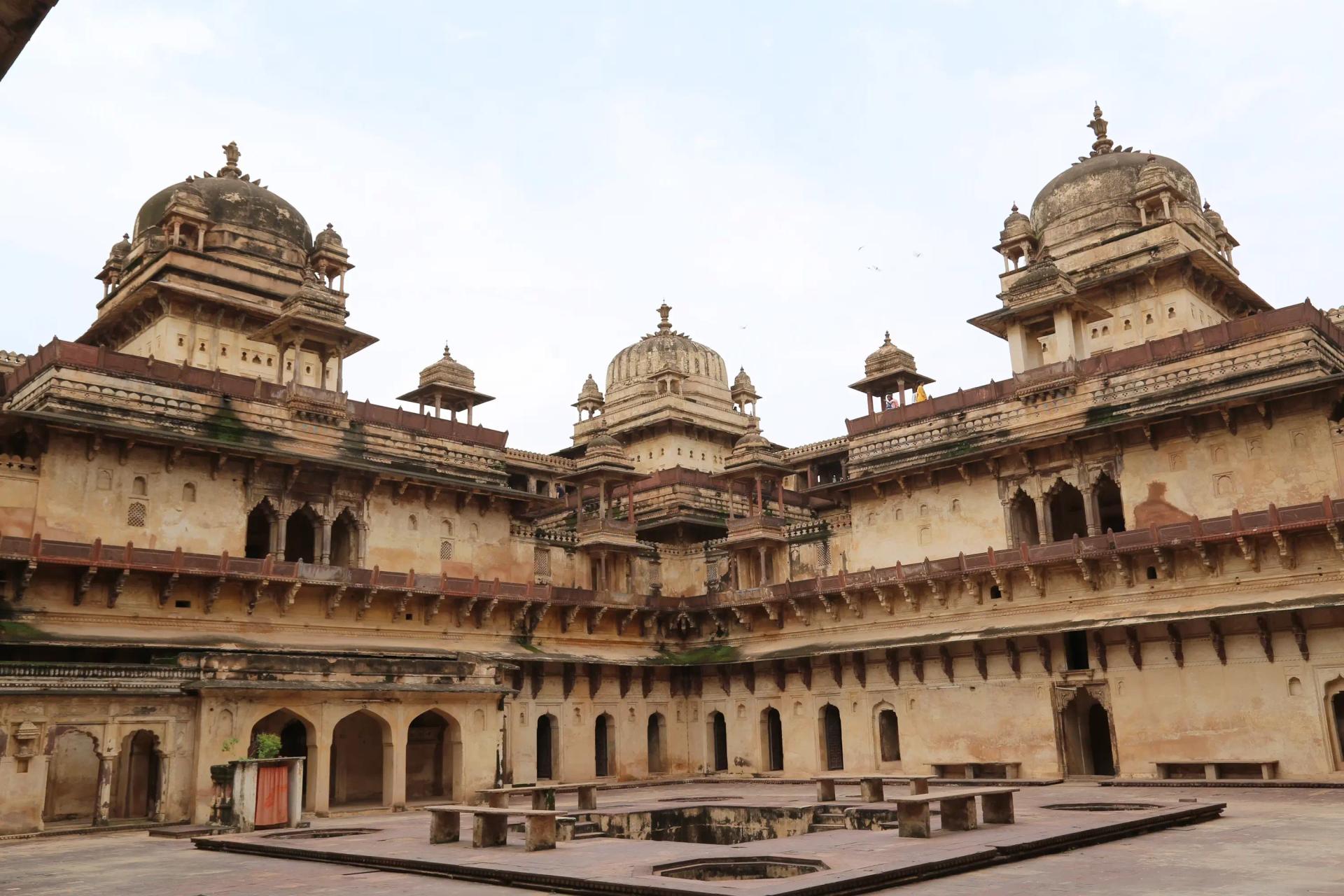
We crossed the old stone causeway just as the light turned gold, parrots screaming out of the arches overhead, and for a moment the Jahangir Mahal ahead looked less like a monument than a building still waiting for its king to come home. Nobody else was on the bridge. Behind us, the evening gun salute was starting up at the Ram Raja Temple — the only place in India where a police guard of honour presents arms to a Hindu god, because as far as Orchha is concerned, he never stopped being a king first.
Orchha means "hidden" in the local dialect, and even now, sitting barely twenty minutes from a major railway junction, it manages to feel like a secret. Most visitors treat it as a rushed stopover between Agra and Khajuraho. That is the single biggest mistake anyone can make here — Orchha rewards exactly the kind of unhurried attention that a medieval capital, abandoned mid-story, deserves.
A Capital Built in a Hurry, Abandoned the Same Way
Orchha's story begins in 1501, when Rudra Pratap Singh, a Bundela Rajput chieftain, moved his capital from the hill fort of Garhkundar to a rocky island in the river Betwa, walling the settlement and beginning construction on a palace he would not live to see finished. His son Bharti Chand completed the fort in 1531 and was installed there with full royal ceremony, and Orchha remained the seat of the Bundela dynasty for the next two and a half centuries. The kingdom's fortunes rose and fell against the two great powers pressing in from every side — first the Afghan Sher Shah Suri, then the Mughal court itself, whose emperors alternately besieged, absorbed, and befriended a line of Bundela kings too stubborn to fully submit to either.
Orchha's genuine golden age arrived under Bir Singh Deo, who took the throne in 1605 with Mughal backing after a controversial act of political violence — he ambushed and killed Akbar's confidant Abul Fazl at the request of Akbar's rebellious son, the future Emperor Jahangir. When Jahangir ascended the throne, he rewarded Bir Singh's loyalty richly, and Bir Singh used the wealth and royal favour to become one of the most prolific builders in Bundela history, raising over fifty forts and palaces across the region, including the citadel of Jhansi and the Jahangir Mahal itself — a palace built, with a certain pointed irony, purely to host the same Mughal emperor for a single royal visit. The dynasty's slow eclipse began in 1783, when Raja Mahendra Vikramjit shifted the capital to Tehri, later renamed Tikamgarh, and Orchha was left behind — not destroyed, not demolished, simply set down mid-sentence and left to the river and the parrots. That abandonment, as much as anything the Bundelas built, is what makes Orchha's palaces feel so unusually intact today: nobody stayed long enough afterward to knock them down and build something newer on top.
Orchha's monuments sit today on UNESCO's tentative list for World Heritage status — a formal nomination step, not full inscription — recognised for representing a genuinely distinct architectural language that art historians call the Bundela style, a fusion of Rajput fort-building, Mughal courtly ornament, and older Hindu temple geometry into something that exists nowhere else in quite the same combination.
| Detail | Information |
|---|---|
|
Location |
Niwari district, Madhya Pradesh, on the banks of the Betwa river |
|
Founded |
1501 CE by Rudra Pratap Singh; capital of the Bundela dynasty 1531–1783 |
|
Heritage status |
On UNESCO's tentative World Heritage list (not yet fully inscribed) |
|
Architectural style |
"Bundela style" — fusion of Rajput, Mughal, and Hindu temple design |
|
Key monuments |
Jahangir Mahal, Raja Mahal, Ram Raja Temple, Chaturbhuj Temple, the Chhatris |
|
Ideal visit length |
1.5 to 2 days, including an evening for the light and sound show |
|
Best season |
October to March; avoid April–June heat |
|
Nearest railhead |
Jhansi, ~16 km / 30 minutes by road |
|
Nearest airport |
Gwalior, ~120 km / 3 hours by road |
Orchha — Essential Facts
ORCHHA IS A TASTING MENU ABANDONED HALFWAY THROUGH SERVICE — EVERY COURSE STILL ON THE TABLE, THE KITCHEN SIMPLY WALKED AWAY TO TIKAMGARH AND NEVER CAME BACK.
Getting There — Jhansi Is the Key
Orchha has its own small railway station, but service is limited, so nearly every visitor arrives via Jhansi, a major junction on the Delhi–Mumbai and Delhi–Chennai lines just sixteen kilometres away. Jhansi sees a genuinely dense schedule of trains from Delhi, including Rajdhani, Shatabdi, and Taj Express services that make Orchha an easy add-on to an Agra–Gwalior itinerary, or a natural stepping stone toward Khajuraho for travellers building a longer Bundelkhand heritage circuit. From Jhansi station, autos and taxis cover the short hop to Orchha in about half an hour.
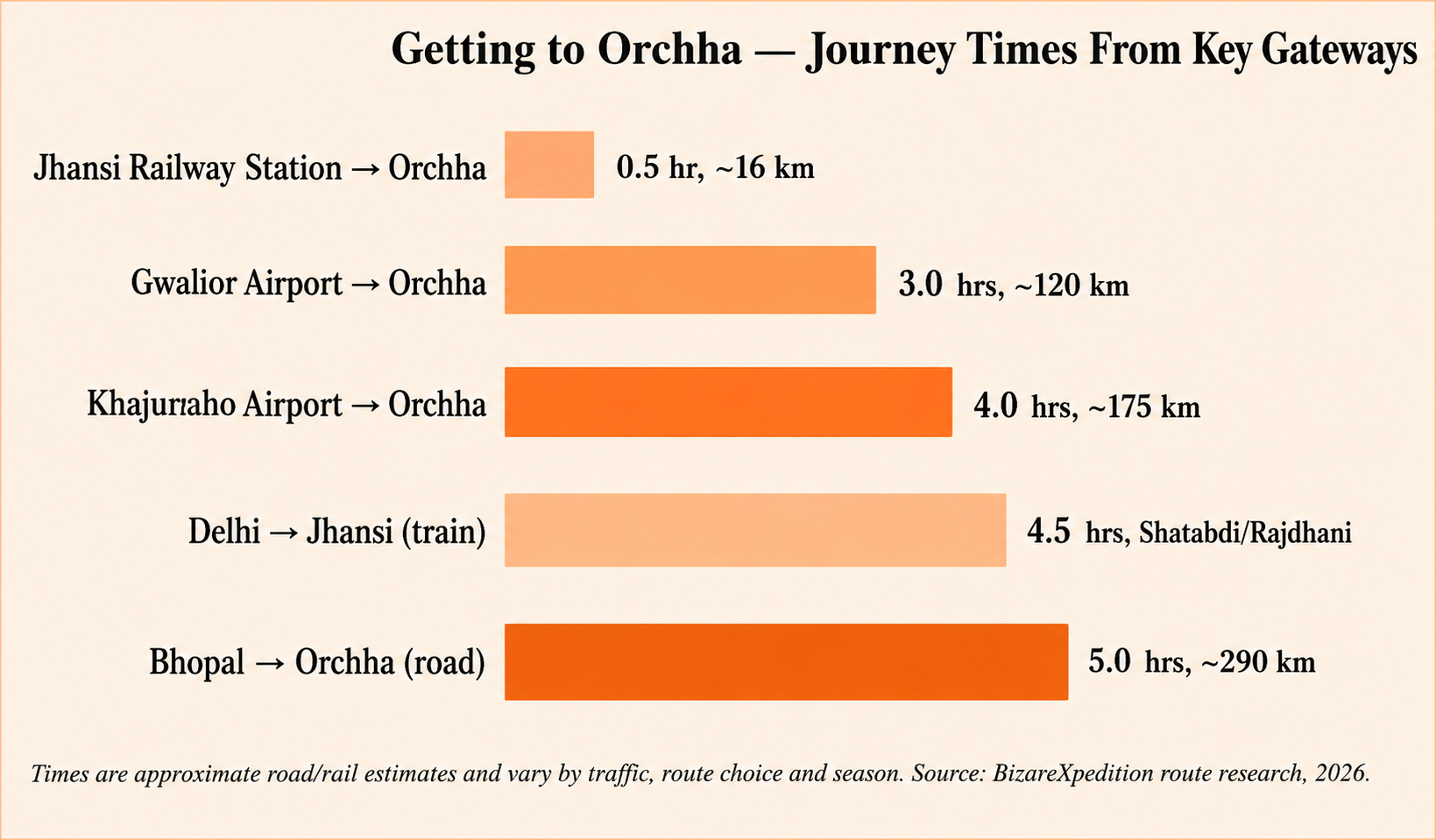
Gwalior, roughly 120 kilometres and three hours by road, is the nearest airport with meaningful connectivity, linked to Delhi and Mumbai. Khajuraho's own airport, about 175 kilometres and four hours away, offers a second option, particularly useful for travellers coming from Varanasi or already routing through Delhi on an Indian e-Visa. However you arrive, we'd suggest treating the drive itself as part of the trip rather than dead time — the road between Jhansi and Orchha, and onward toward Khajuraho, runs through the gently rolling Bundelkhand countryside that gives the whole region its character, mustard fields in winter and old stepwells tucked into roadside villages.
| Route | Distance | Approx. Time |
|---|---|---|
|
Jhansi Railway Station → Orchha |
~16 km |
30 min |
|
Gwalior Airport → Orchha |
~120 km |
3 hrs |
|
Khajuraho Airport → Orchha |
~175 km |
4 hrs |
|
Delhi → Jhansi (train) |
~415 km |
4.5–5.5 hrs, Shatabdi/Rajdhani |
|
Orchha → Khajuraho (road) |
~175 km |
4 hrs |
|
Bhopal → Orchha (road) |
~290 km |
5 hrs |
Orchha — Route
When to Go
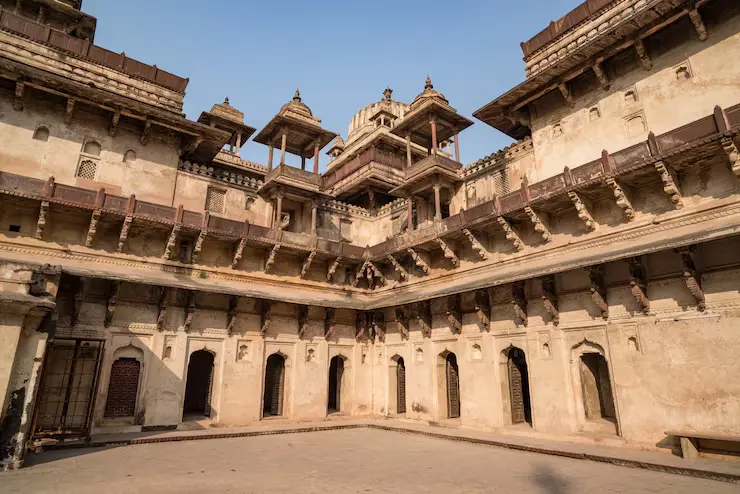
October through March brings Orchha's most comfortable weather, with daytime temperatures generally between 12°C and 28°C — ideal for walking the fort complex slowly and lingering by the river at sunset. April through June turns genuinely punishing, with temperatures regularly crossing 40°C across the Bundelkhand plain; if you must visit in this window, restrict sightseeing to early morning and late afternoon. The monsoon, July through September, brings the Betwa to its fullest and most dramatic, and while river rafting closes for the season, the riverside Chhatris reflected in high water are a genuinely different, greener version of Orchha that few tourists ever see.
| Season | Months | Typical Temp | Best For |
|---|---|---|---|
|
Winter |
Oct – Mar |
8°C to 28°C |
Fort complex, rafting, Ram Navami festival |
|
Summer |
Apr – Jun |
25°C to 44°C |
Early morning/late evening sightseeing only |
|
Monsoon |
Jul – Sep |
24°C to 33°C |
Full river views; rafting closed |
When to Go
CHOOSING WHEN TO SEE ORCHHA IS LIKE CHOOSING WHEN TO EAT THE LAST COURSE OF A MEAL THAT NEVER GOT CLEARED AWAY — WINTER IS THE POLITE HOUR, MONSOON IS THE ONE NOBODY WARNS YOU ABOUT.
Things to do in Orchha...
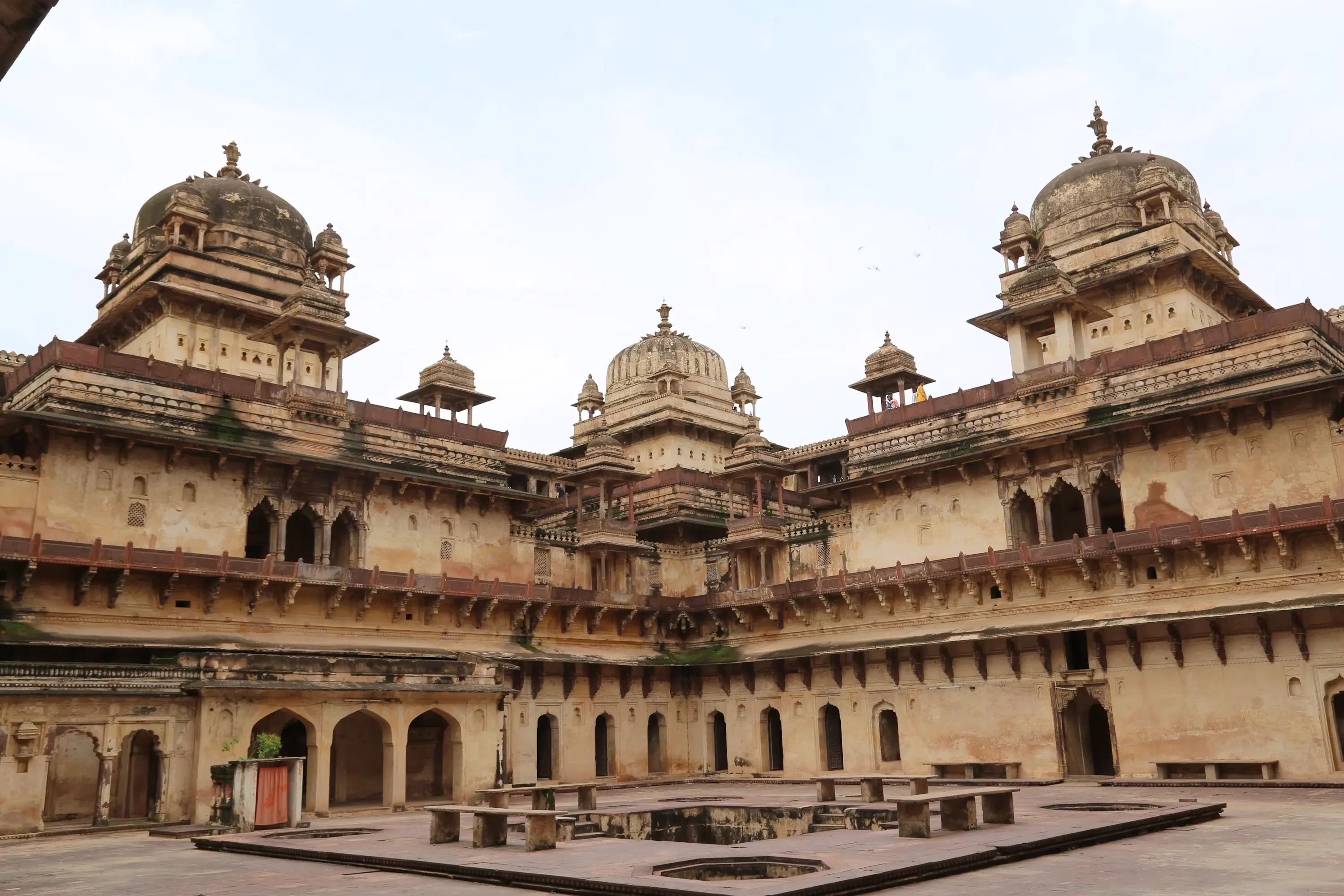
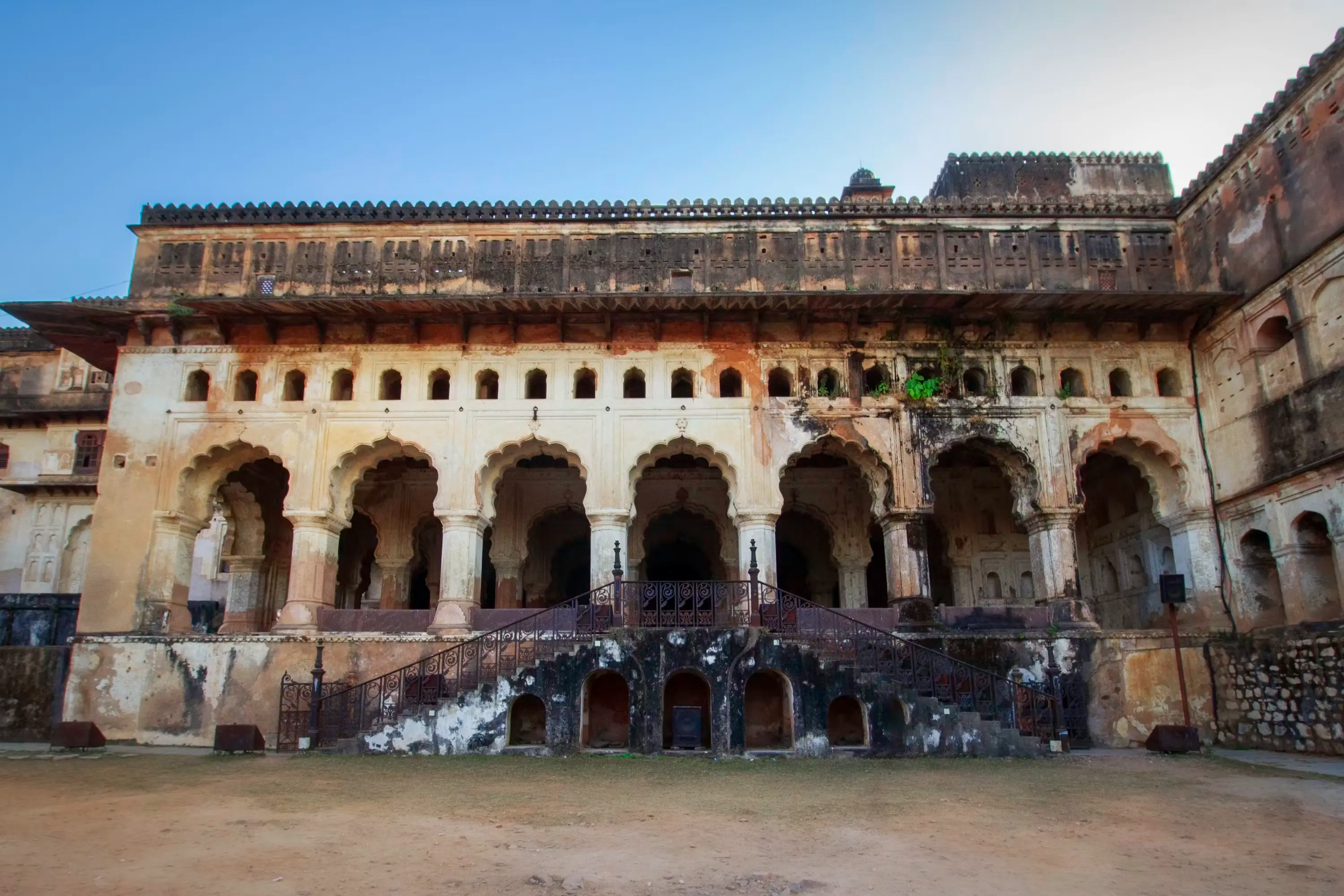
Buy the composite fort ticket and take your time. A single ticket from the counter near the arched bridge covers the Jahangir Mahal, Raja Mahal, Phool Bagh, and several other ticketed monuments including the Chaturbhuj and Lakshmi Narayan temples. Budget a genuine three to four hours, not the rushed ninety minutes most tour groups allow — the murals alone, particularly the Ramayana and Krishna scenes inside Raja Mahal, reward slow, close looking.
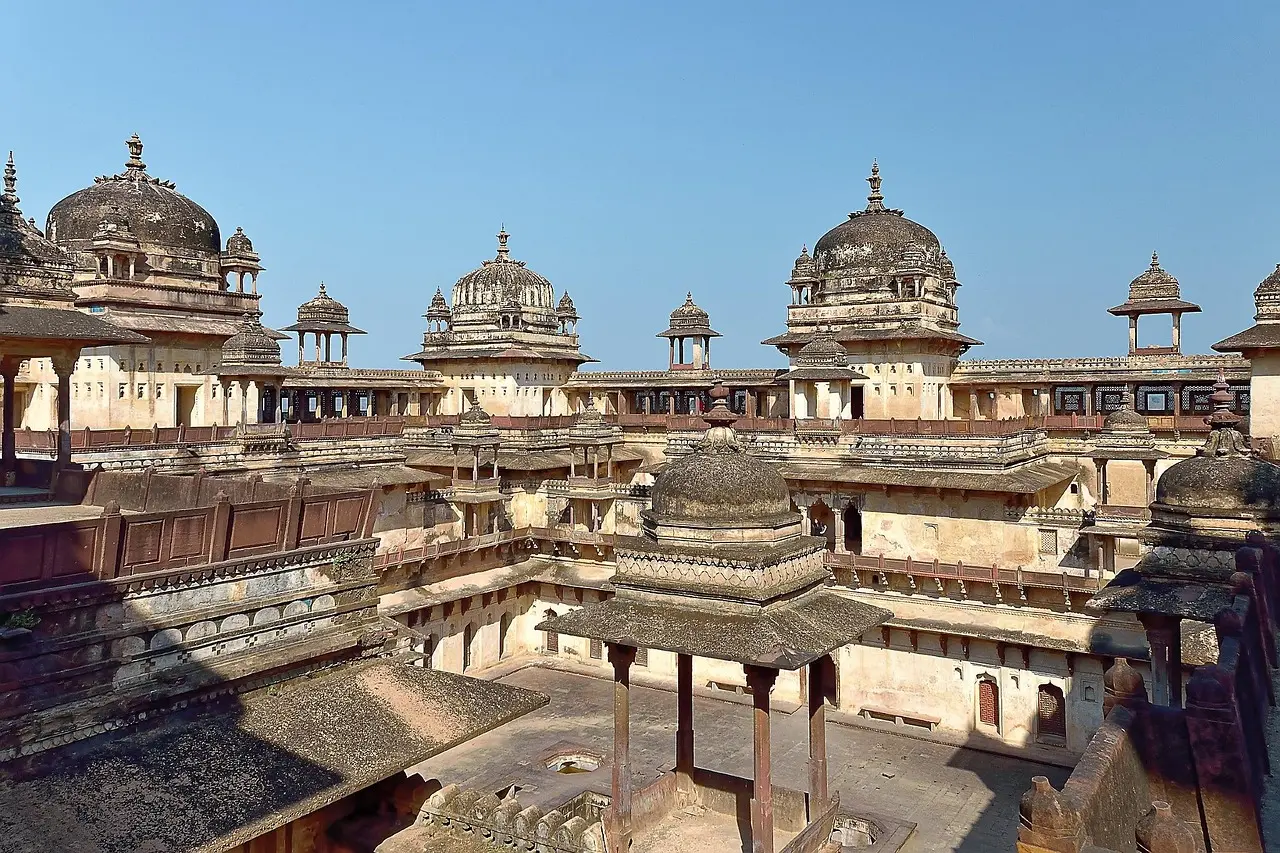
Climb to the upper floors of Jahangir Mahal for the view. The palace's 136 rooms have thinned considerably since Bir Singh Deo's day, but the steep internal stairways to the roof still work, and the reward is a genuine bird's-eye view over the Chaturbhuj Temple's spires and the river beyond. Watch your footing on the way up — the stairs are narrow, uneven, and occasionally shared with roosting birds.
Attend the evening aarti and gun salute at Ram Raja Temple. Twice daily, the temple's police guard presents a ceremonial salute to the deity, treating Ram exactly as Orchha's Bundela kings once demanded their own honour guard treat them — a genuinely unusual sight found nowhere else in India, and worth timing your day around.
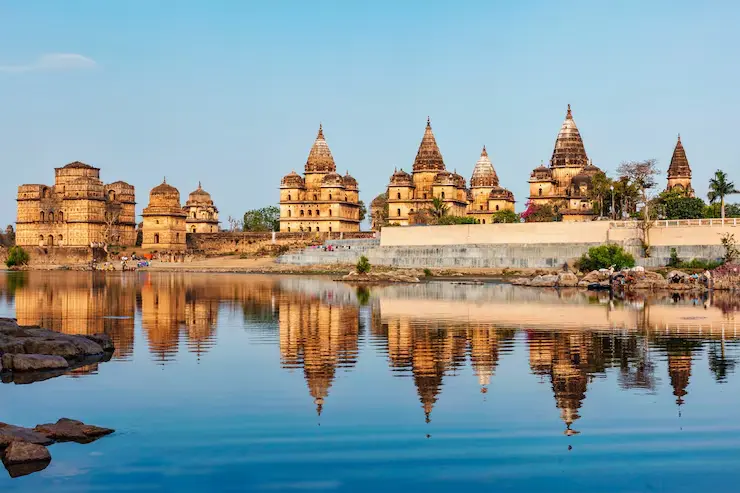
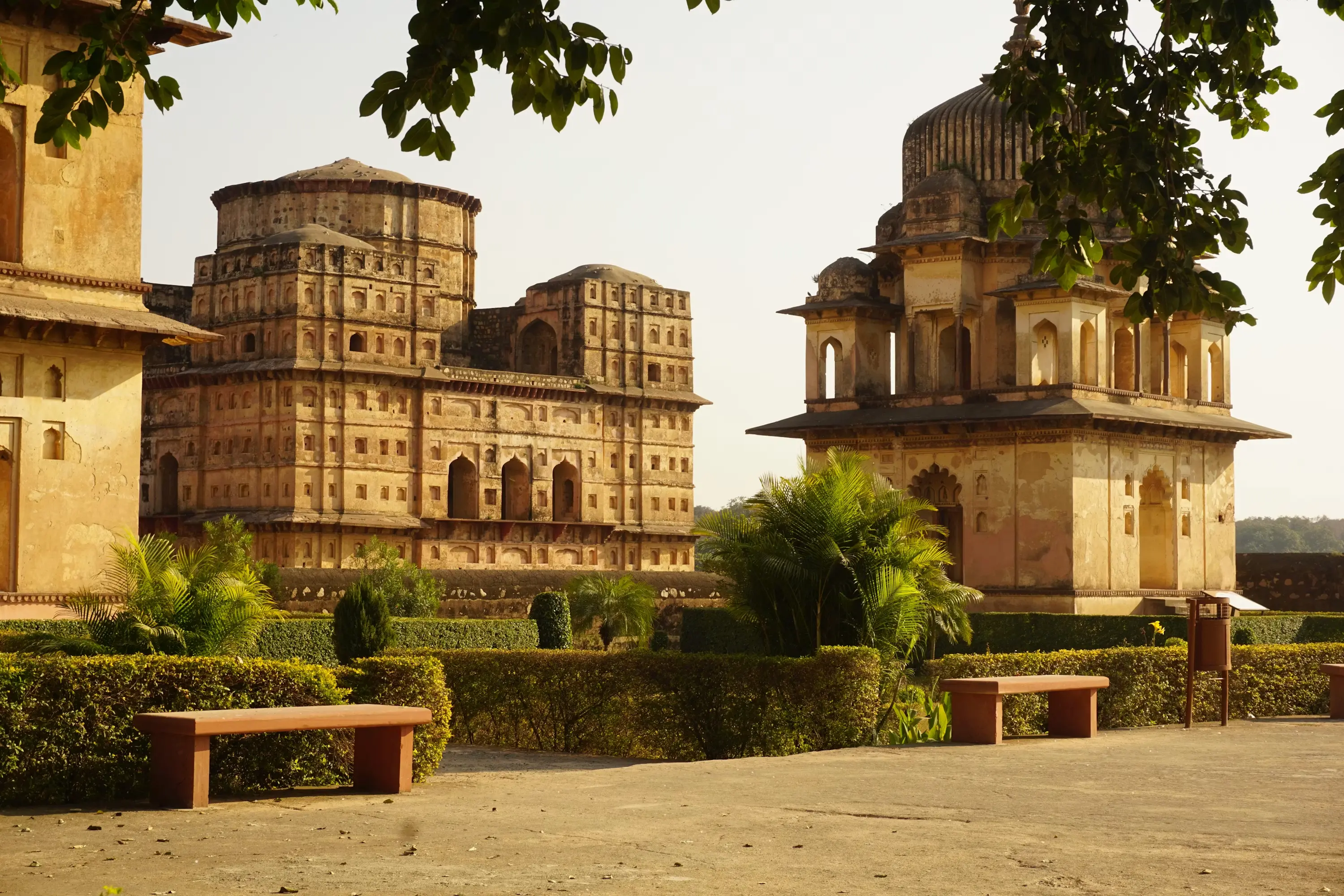
Watch the sunset from Kanchan Ghat, among the Chhatris. Fifteen riverside cenotaphs memorialise Orchha's Bundela rulers along the Betwa's bank, their domes catching the last light in a reflection on the water that photographers return for trip after trip. Arrive a good half hour before sunset and simply sit; this is the one place in Orchha that rewards doing nothing at all.
Raft the Betwa's gentle rapids. MP Tourism runs a 90-minute, 3.5-kilometre stretch from Kanchan Ghat to Shiv Ghat, and a longer three-hour, 6-kilometre run with a meal stop, through Grade I and II rapids calm enough for children and first-timers, with the fort and Chhatris visible from the water for a genuinely different vantage point. Rafting runs October through the pre-monsoon months and closes entirely once the river swells in July.
Try the Bundelkhandi kitchen, not just the hotel buffet. Bafla — boiled and roasted wheat dumplings served with spiced dal and ghee — is the region's signature dish, alongside bhutte ki kees (a savoury grated-corn preparation), malpua, and, if a restaurant happens to be serving it that day, the genuinely rare raas ki kheer, a rice pudding sweetened only with mahua flower nectar rather than sugar. Small dhabas near the Ram Raja Temple and the main market generally outcook the hotel restaurants for authenticity, if not polish.
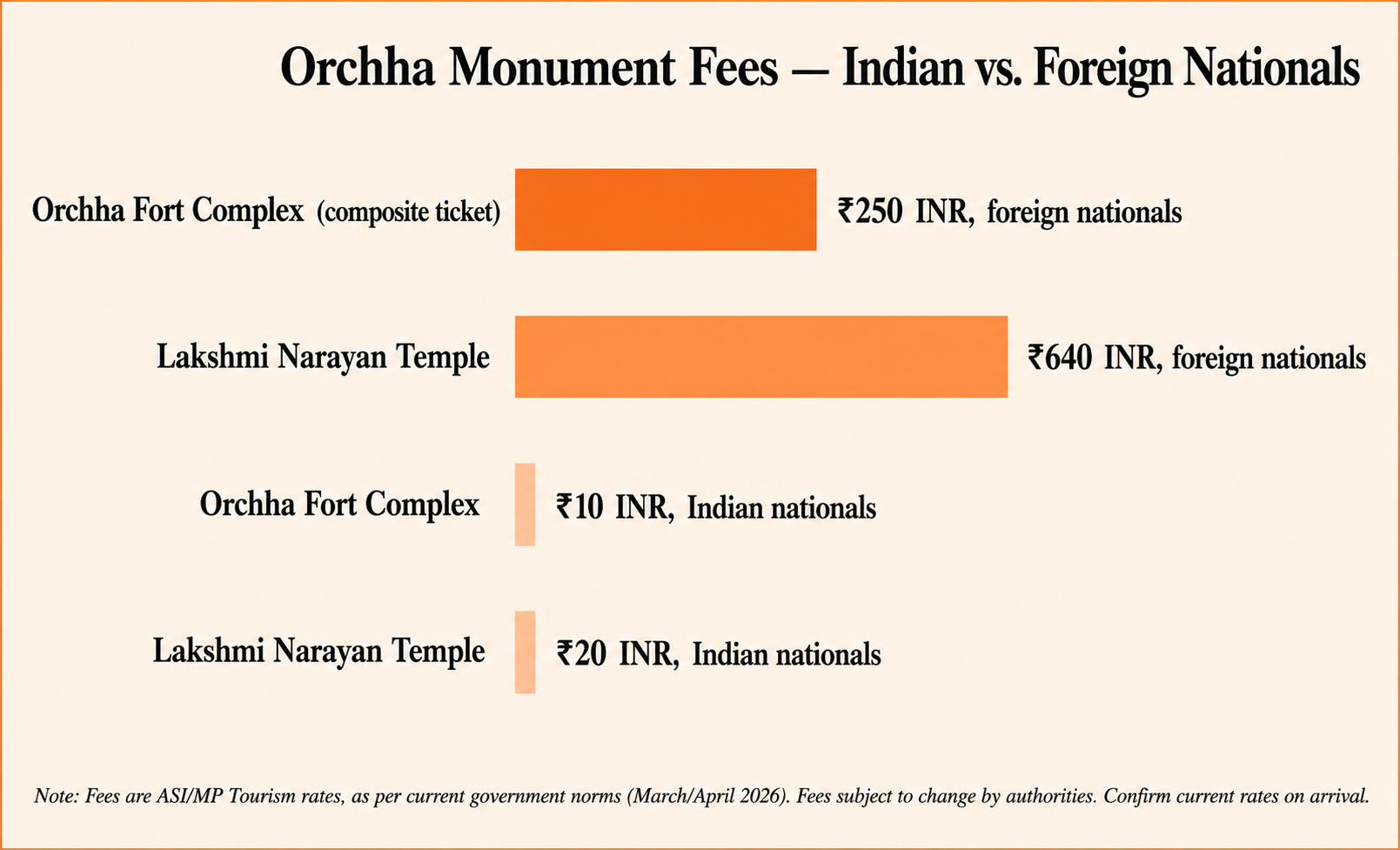
| Site | Ticket | Time Needed | Notes |
|---|---|---|---|
|
Orchha Fort Complex (composite ticket) |
₹10 Indian / ₹250 foreign |
3–4 hrs |
Covers Jahangir Mahal, Raja Mahal, Phool Bagh |
|
Ram Raja Temple |
Free |
45 min – 1 hr |
Time for the evening aarti and gun salute |
|
Lakshmi Narayan Temple |
₹20 Indian / ₹400 foreign |
45 min |
Fort-and-temple hybrid architecture, murals |
|
Chhatris (Kanchan Ghat) |
Included in composite ticket |
1 hr |
Best at sunset |
|
Betwa river rafting |
₹800 – ₹2,000 per person |
1.5–3 hrs |
Closed during monsoon |
Things to do in Orchha
AN ORCHHA DAY IS A PROPER TASTING MENU — THE FORT AS THE RICH MAIN COURSE, THE CHHATRIS AT SUNSET AS DESSERT, AND THE EVENING GUN SALUTE AS THE AFTER-DINNER SURPRISE NOBODY WARNS YOU IS COMING.
Things not to do in Orchha...
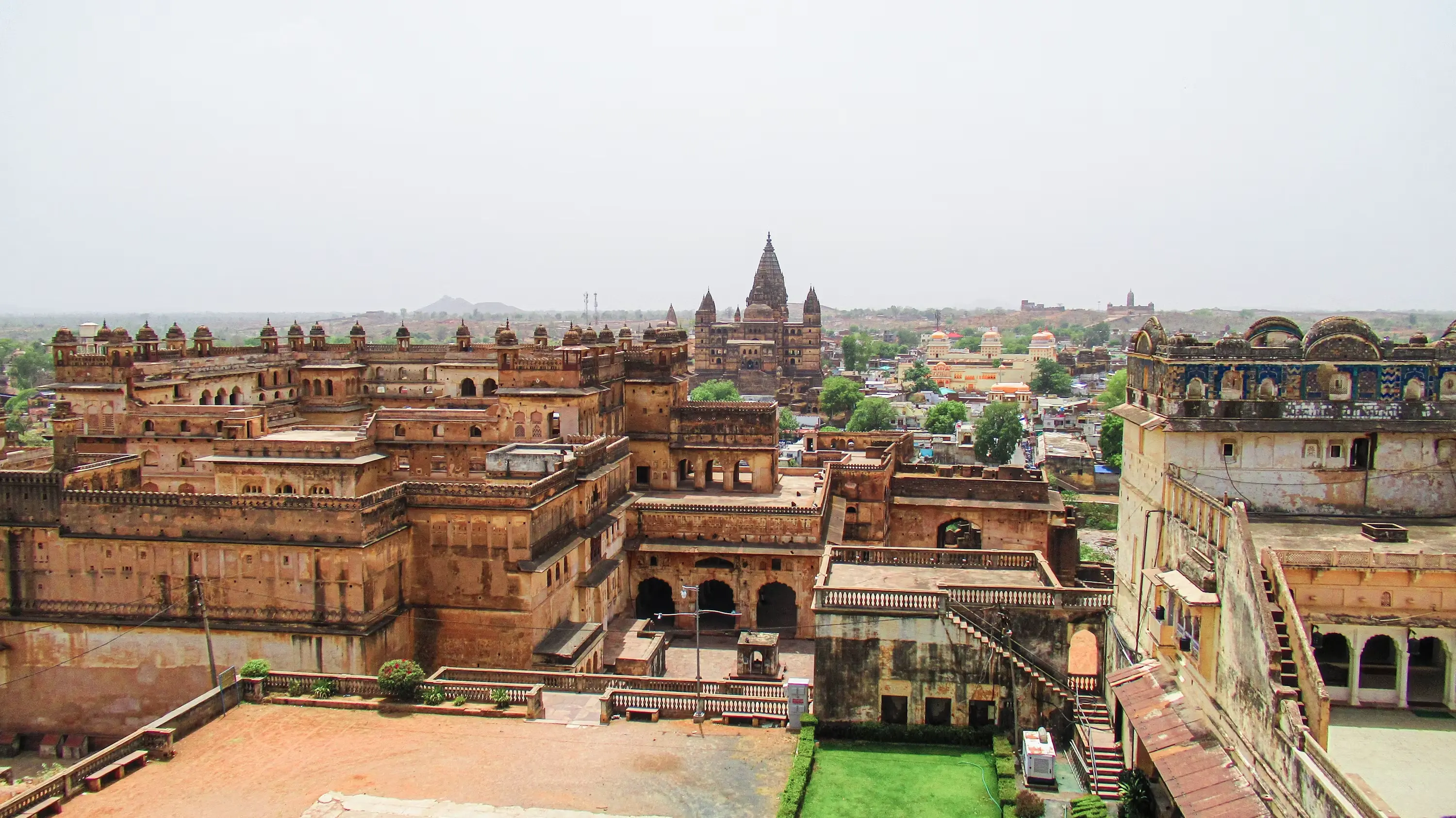
Don't treat Orchha as a two-hour stopover. It is the single most common regret we hear from travellers routing Delhi–Agra–Khajuraho: rushing through in the time it takes to eat lunch. Even one overnight transforms the experience, letting you catch both the fort by daylight and the Chhatris at sunset without racing the clock.
Don't agree to auto or taxi fares without settling them first. Meters are essentially nonexistent in Orchha; agree a total price, in rupees, before the vehicle moves, and get a rough sense of fair local rates from your hotel first. This applies equally to a short hop to the fort and to a longer day trip toward Khajuraho or Jhansi.
Don't buy monument tickets from anyone but the official counter. Unofficial "guides" occasionally offer a shortcut or discounted entry near the fort's bridge; there is no legitimate reduced-fee route into an ASI-managed site, and paying one is simply a way to lose money for nothing. Licensed guides, by contrast, are genuinely worth hiring at the official counter — the difference in what you actually understand about the murals and the Bundela succession is considerable.
Don't buy antiques or stone carvings without asking about provenance. India restricts the export of genuine antiquities, and vendors near heritage sites sometimes sell items with unclear or fabricated histories. Buy handicrafts, woodcarving, and terracotta — all genuine local crafts — from established shops with receipts, and treat anything marketed as a centuries-old original with real scepticism.
Don't skip sun protection even in a mild winter afternoon. The fort complex offers little shade across its open courtyards, and Bundelkhand's winter sun is stronger at midday than the pleasant morning temperature suggests. Carry water and a hat regardless of season.
| Requirement | Detail |
|---|---|
|
Fort complex composite ticket |
₹10 Indian / ₹250 foreign; buy only at the official counter near the bridge |
|
Photography |
Permitted in most areas; camera fee ~₹25, video fee ~₹200 at some monuments |
|
Guides |
Available at the official counter; agree the fee before starting |
|
Rafting season |
Roughly October to June; closed during monsoon |
|
Local transport fares |
No meters; agree the price in rupees before the vehicle moves |
Orchha — Requirement
Where to Stay — Sleep Inside the History
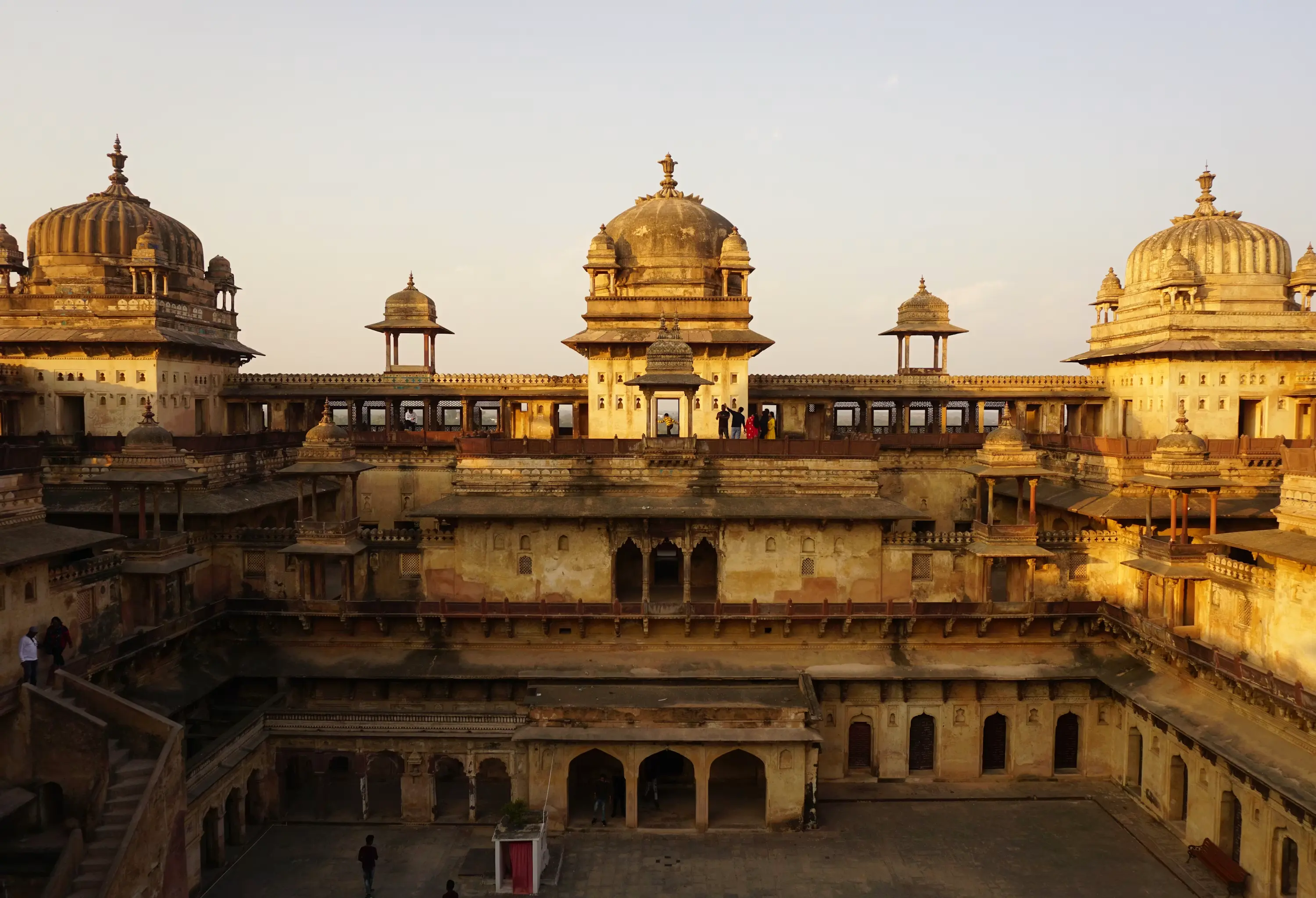
Orchha's standout accommodation choice is genuinely unusual: Sheesh Mahal, once Raja Udait Singh's own palace within the fort complex, is now an MP Tourism-run heritage hotel, letting guests sleep inside the same walls the Bundela kings once did, at a fraction of what an equivalent stay would cost at a private palace hotel elsewhere in India. Betwa Retreat, also MP Tourism-run, and a small but growing set of boutique riverside properties round out the mid-range and upper end, while simple guesthouses cluster around the main market and the Ram Raja Temple for travellers prioritising budget and walkable convenience over character.
| Category | Examples | Per Night (Couple) | Honest Note |
|---|---|---|---|
|
Budget guesthouse |
Near market/Ram Raja Temple |
₹1,500 – ₹2,800 |
Basic but centrally located |
|
Mid-range hotel |
3-star properties, Orchha Resort tier |
₹4,000 – ₹7,500 |
Reliable comfort, some with river views |
|
MPT heritage hotels |
Sheesh Mahal, Betwa Retreat |
₹6,000 – ₹12,000 |
Sleep inside the fort itself; book ahead |
|
Boutique/luxury |
Amar Mahal and similar riverside properties |
₹14,000 – ₹25,000 |
Character and comfort combined |
Where to Stay
Travelling Orchha Responsibly
Carry a LifeStraw or similarly filtered bottle rather than accumulating plastic across a day of fort-and-temple walking; several hotels now offer refill points. Spend locally at the market stalls and small dhabas around the Ram Raja Temple rather than defaulting to hotel restaurants for every meal, and buy woodcarving, terracotta, and other genuine handicrafts directly from established local shops. At the Ram Raja Temple and the still-active shrines within the fort complex, dress modestly and move quietly during aarti — these remain genuine places of worship, not simply photogenic monuments, regardless of how many tourists pass through daily.
Before you go...
Pair Orchha with an overnight rather than a rushed day trip if your itinerary allows it — the difference between seeing the fort and actually feeling the town is almost entirely a matter of not racing the clock. Carry cash in smaller denominations for local transport and market purchases, since card acceptance thins out fast once you're off the main hotel strip. If you're combining Orchha with Khajuraho or the wider Bundelkhand circuit, build in the four-hour road transfer as its own small pleasure rather than a delay — the mustard fields and roadside villages between the two towns are very much part of the story.
| Checklist Item | Note |
|---|---|
|
Government photo ID |
Useful for hotel check-in and occasionally at ticket counters |
|
Cash in small denominations |
Card acceptance thins out beyond the main hotel strip |
|
Sun protection |
Hat, sunscreen, water even in a mild winter afternoon |
|
Modest clothing for temples |
Especially for Ram Raja Temple during aarti |
|
Comfortable walking shoes |
Uneven stone steps and stairs throughout the fort complex |
|
Agreed local transport fares |
Settle the price before the auto or taxi moves |
Checklist Item
At BizareXpedition, our Himalayan roots in Haridwar don't stop us from loving a good medieval capital left exactly where its last king set it down — we build Orchha into North India itineraries with the overnight it actually needs, timed around the evening gun salute and a proper sunset at the Chhatris, so the town gets more than the drive-through most visitors give it.
Budget Guide
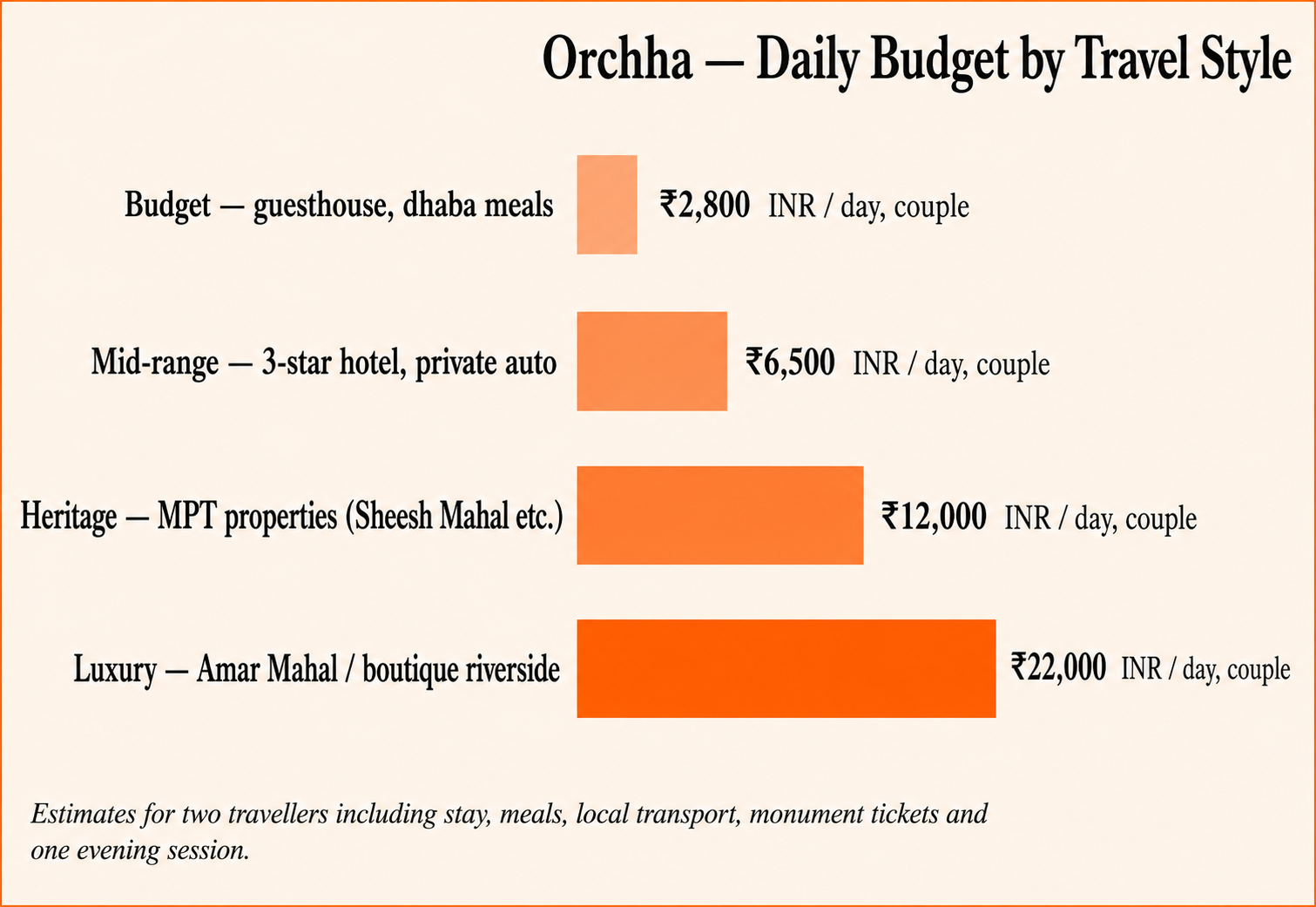
A comfortable two-night Orchha stop — mid-range hotel, guided fort visit, a rafting session, and proper meals at local dhabas and one nicer restaurant — typically runs between ₹13,000 and ₹22,000 per couple. Splurge on a night inside Sheesh Mahal or a boutique riverside property and the number climbs, but even the heritage-hotel tier here remains remarkable value against what an equivalent palace stay costs elsewhere in India.
| Style | Per Day (Couple) | 2-Night Total (approx.) |
|---|---|---|
|
Budget |
₹2,800 |
₹5,600 |
|
Mid-range |
₹6,500 |
₹13,000 |
|
Heritage (MPT) |
₹12,000 |
₹24,000 |
|
Luxury/boutique |
₹22,000+ |
₹44,000+ |
Budget Guide
Somewhere between the last gun salute at Ram Raja Temple and the first stars over the Chhatris, Orchha stops feeling like a stopover and starts feeling like a story someone left unfinished on purpose, waiting for a reader patient enough to sit down and let the ending arrive in its own time.