
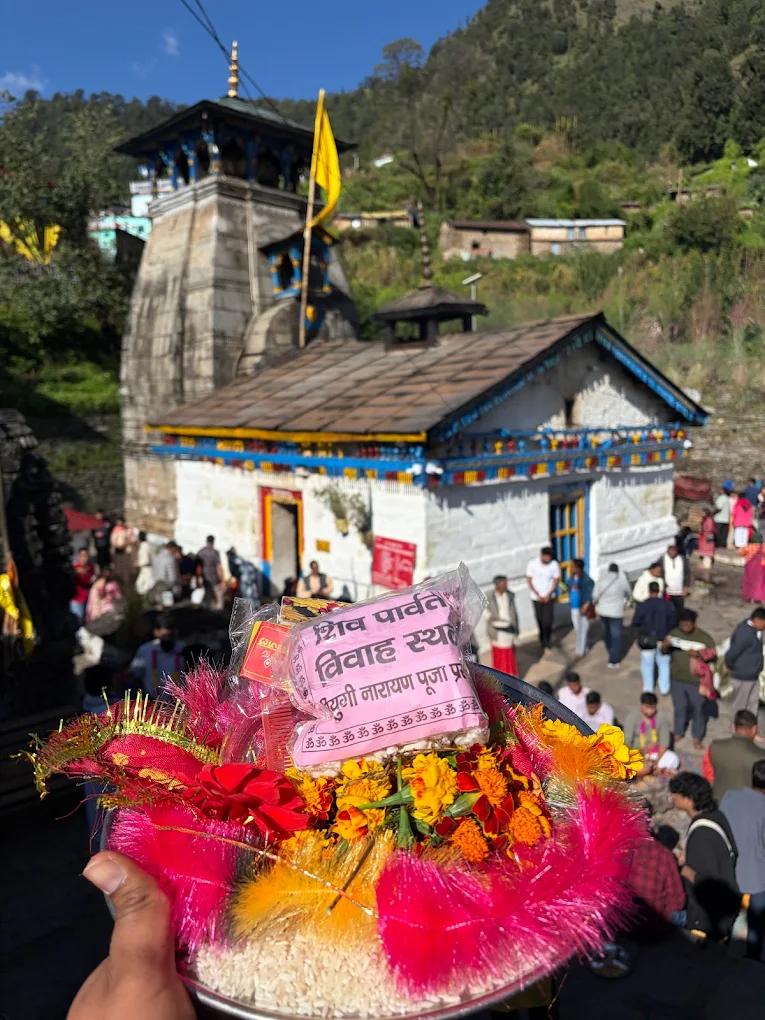

Karan
Writer
Updated On - Jun 04, 2026
4 min
Published On - Mar 16, 2026
Triyuginarayan Temple: History, Best Time, How to Reach
It is believed that the deep tapasya (devotion), pure love, and complete surrender of Goddess Parvati were so powerful that Lord Shiva himself came to accept her.
Frequently Asked Questions (FAQs)
1. What is Triyuginarayan Temple famous for?
2. Can we marry in Triyuginarayan Temple?
3. How far is Triyugi Narayan Mandir from Kedarnath Temple?
4. Why is Triyuginarayan Temple considered spiritually significant?
5. When is the best time to visit Triyuginarayan Temple?
6. How do I reach the temple, and what is the trek like?
7. What are the temple timings and daily rituals I can attend?
8. Any practical tips on what to carry and how to prepare?
Some places are not just temples — they are living stories of faith, love, and eternity. Triyuginarayan Temple, nestled in the peaceful mountains of Uttarakhand, is one such sacred place where love truly won. It is believed that the deep tapasya (devotion), pure love, and complete surrender of Goddess Parvati were so powerful that Lord Shiva himself came to accept her. This divine union is often remembered as the first love marriage of the universe, where faith, patience, and devotion brought two cosmic energies together.
According to ancient beliefs, this is the very place where Lord Shiva and Goddess Parvati were married, with Lord Vishnu witnessing the ceremony. Even today, a sacred fire called Akhand Dhuni burns in front of the temple, believed to have been lit during that celestial wedding thousands of years ago.
Planning a visit to this divine destination requires some preparation. Understanding the best time to visit, how to reach, and temple timings is essential. This guide will provide all the necessary information for a memorable journey. For festival days and off-season, confirm the latest temple timing with local authorities.
Overview of Triyuginarayan Temple Uttarakhand
Triyuginarayan Temple
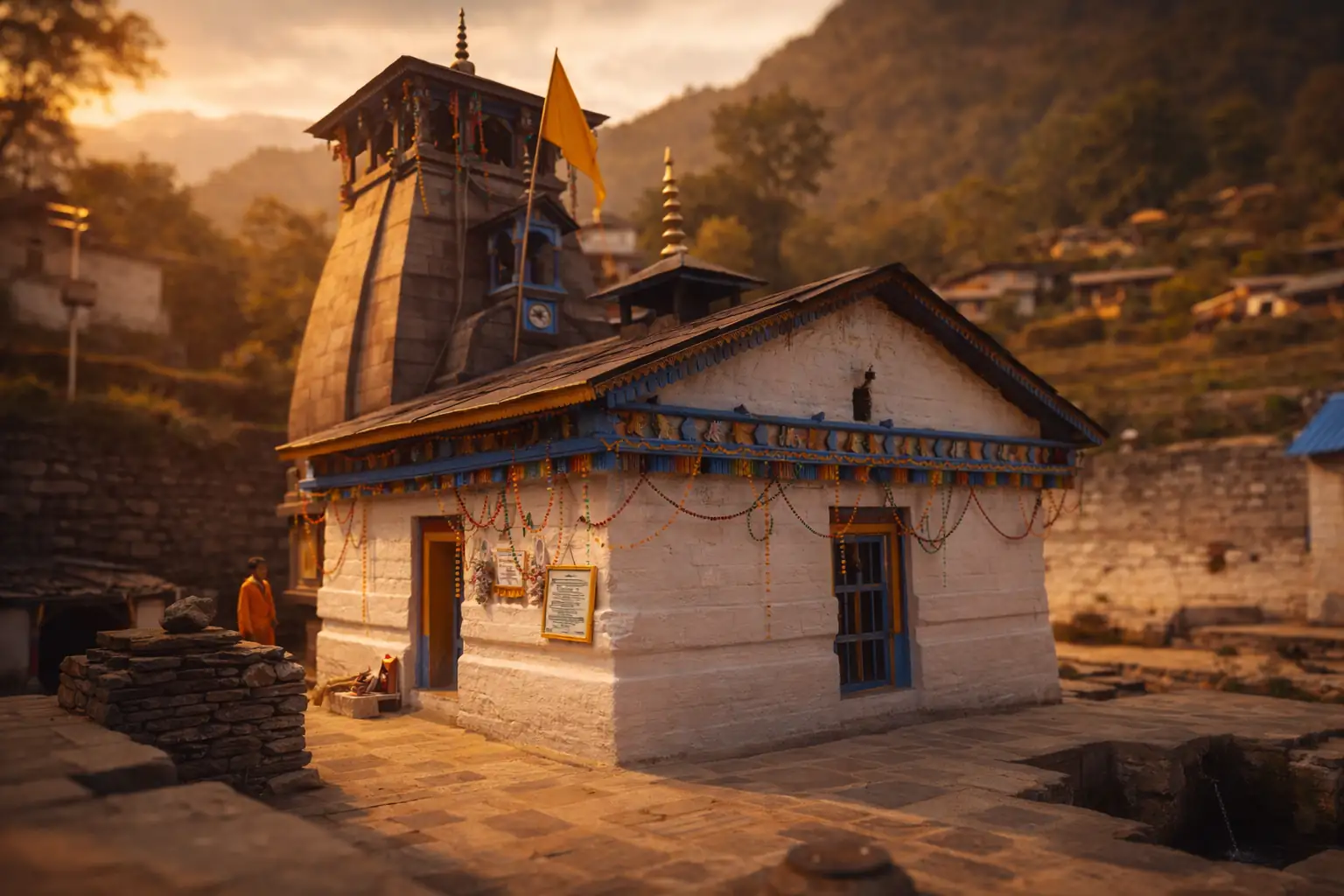
The Triyuginarayan Temple is situated in Uttarakhand's Rudraprayag district. It stands at an elevation of 1,980 meters. Surrounded by the lush beauty of the Himalayas, the temple provides a tranquil escape. Among pilgrims, it's often referenced as Triyuginarayan Temple Rudraprayag Uttarakhand.
The temple is a significant religious site. It forms an integral part of the Char Dham pilgrimage circuit. Pilgrims and tourists visit to seek peace and spiritual bliss. As a revered landmark, Triyuginarayan Temple Uttarakhand welcomes visitors year-round, weather permitting. Its architecture reflects traditional craftsmanship. The temple resembles the famous Kedarnath Temple, showcasing exquisite designs. The serene environment adds to its divine charm.
History and Mythological Significance
Shiva Parvati Wedding
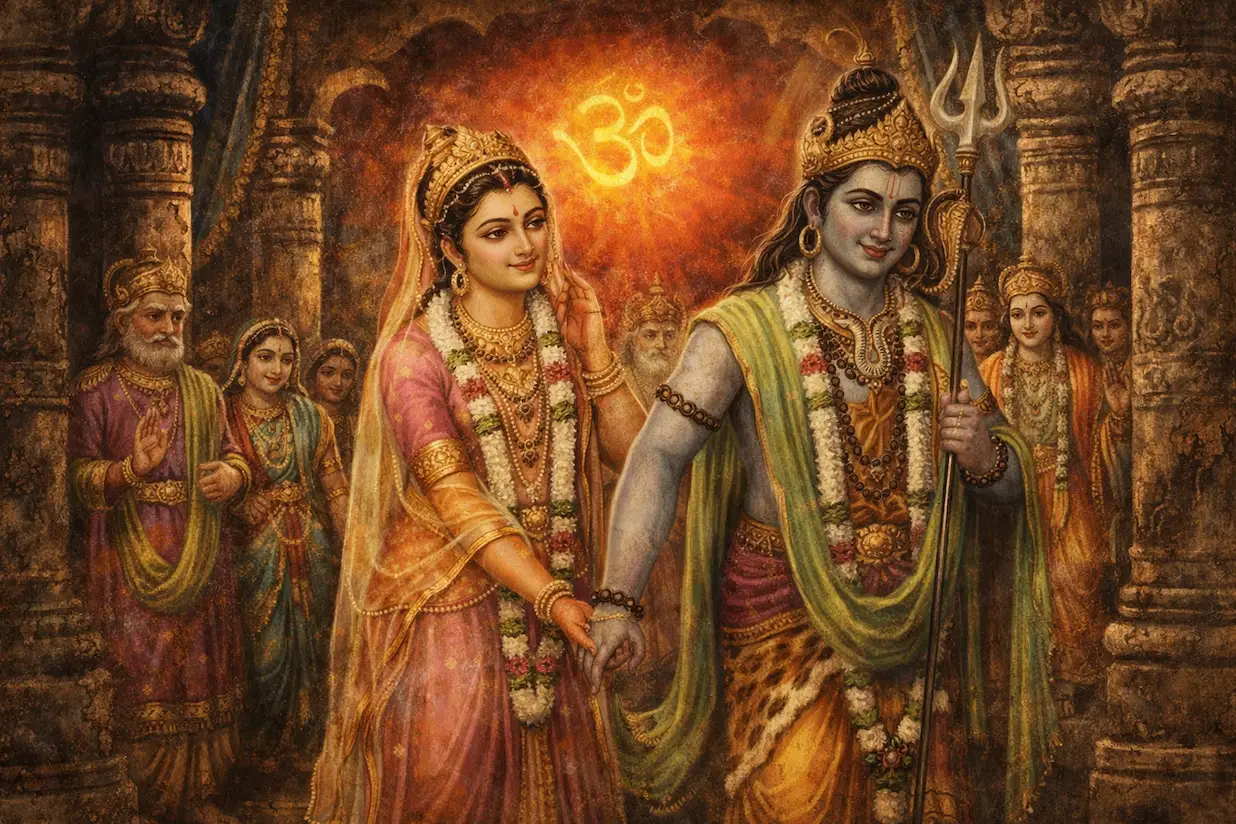
Triyuginarayan Temple holds a significant place in Hindu mythology. For those exploring Triyuginarayan Temple - History, it is believed to be the sacred site of the marriage between Lord Shiva and Goddess Parvati.
The temple's name, Triyuginarayan, translates to "the Lord of the three ages." This refers to its enduring religious significance over the yugas: Satya Yug, Treta Yug, and Dwapara Yug. The Akhand Dhuni, or eternal flame, located here has been burning since their divine union. This flame symbolizes continuity and divine blessing, adding to the temple's spiritual aura.
The temple's history is steeped in legends and stories. References to the temple can be found in ancient Hindu texts. It stands as a testament to devotion and timeless traditions. Visitors often feel the temple's mystical energy. Its history enchants pilgrims, historians, and travelers alike, making it a focal point of spiritual inquiry.
Temple Architecture and Unique Features
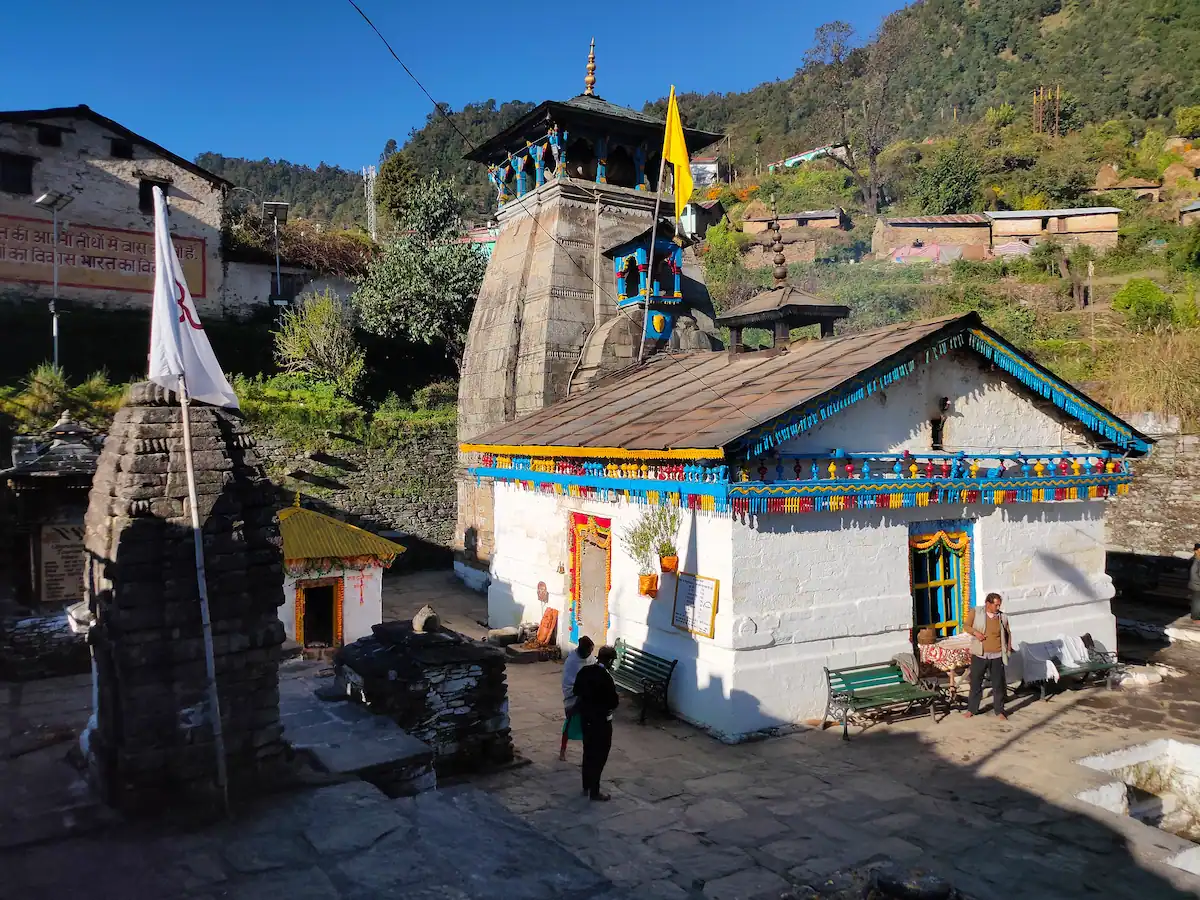
The architecture of Triyuginarayan Temple reflects traditional North Indian temple design. It shares structural similarities with the renowned Kedarnath Temple. Carved stone walls and a pagoda-style roof define its aesthetic. The temple stands as a fine example of regional craftsmanship.
Unique features of the temple include its sacred kunds, which enhance its spiritual appeal. The kunds---Vishnu, Rudra, and Brahma---are revered for their purifying waters.
Triyuginarayan_Temple,_Rudraprayag,_Uttarakhand
The Eternal Flame and Sacred Kunds
At the heart of Triyuginarayan Temple lies the Akhand Dhuni, an eternal flame. This flame has burned since the mythic wedding of Lord Shiva and Goddess Parvati. Devotees believe the eternal fire represents divine continuity and spiritual energy. It is a beacon of faith for pilgrims seeking blessings.
Surrounding the temple are sacred kunds---Rudra, Vishnu, and Brahma Kunds. Pilgrims take holy dips here, seeking purification and spiritual renewal.
Best Time to Visit Triyuginarayan Temple
The ideal time to explore Triyuginarayan Temple is from April to November. During these months, the weather remains pleasant and conducive to travel. The summer season provides comfortable temperatures, while autumn offers clear, scenic views. Avoid visiting during the monsoon season due to heavy rainfall and treacherous travel conditions.
How to Reach Triyuginarayan Temple
Reaching Triyuginarayan Temple involves a scenic journey through the picturesque landscapes of Uttarakhand. Nestled in Rudraprayag, it can be accessed via road, rail, and air.
Start your journey by traveling to Sonprayag, the closest road point. From there, a 5-kilometer trek awaits, leading you to the temple's serene locale. The trek is gentle and offers breathtaking views.
Transport Options
To reach Sonprayag:
By Bus: Local buses connect from nearby towns like Rishikesh and Haridwar.
By Taxi: Taxis are readily available for a more comfortable journey.
Haridwar to Triyuginarayan Temple Distance
The journey from Haridwar to Triyuginarayan Temple is approximately 244 kilometers. The road trip takes you through beautiful hill vistas, making it a delightful experience.
Key travel pointers:
Distance: 244 km
Estimated Travel Time: 8-10 hours by road
Nearest Airport and Railway Station
To reach Triyuginarayan, the nearest air link is Jolly Grant Airport in Dehradun, around 250 kilometers away. From the airport, hire a taxi to Sonprayag.
Important Connectivity Points
Nearest Airport: Jolly Grant, Dehradun
Nearest Railway Station: Rishikesh, 261 kilometers away
Both these hubs ensure smooth connectivity for visitors from across India, catering to both air and train travelers alike.
Hotels near Triyuginarayan Mandir
For pilgrims and budget travelers, there are simple guesthouses and lodges located within walking distance of the temple. These stays offer basic amenities like clean rooms, home-style meals, and a peaceful environment—perfect for those visiting for spiritual purposes or even planning a wedding at this divine location.
For couples planning a destination wedding at Triyuginarayan Temple, there are also resorts and premium stays available within a few kilometers that offer spacious rooms, event arrangements, and beautiful natural backdrops.
Hotel Options - GMVN tourist lodge, Hotel Shiv Manohar, Hotel Rama Palace, Mandakini lodge, Hotel Achyutam, Hotel Sudesh Ganga, Mandakini Cottages, etc
Resorts - Kedar Valley Resort, Mangal Valley Resort, Kanha Heli Resort etc.
Temple Timings and Daily Rituals
The Triyuginarayan Temple welcomes devotees from early dawn to dusk. The temple opens at 6:00 AM and closes by 7:00 PM. Visitors should plan their visit within these hours to participate in the divine rituals. For updated temple timing during festivals or off-season, check local advisories.
| Activity | Timing |
|---|---|
| Temple Opening | 6:00 AM |
| Morning Darshan | 6:00 AM – 12:00 PM |
| Bhog (Offering) | 12:00 PM – 1:00 PM |
| Afternoon Darshan | 2:00 PM – 7:00 PM |
| Temple Closing | 7:00 PM |
Temple Timings
Daily rituals at the temple are performed with great reverence and precision. The eternal flame, Akhand Dhuni, is the center of many spiritual activities here. Devotees gather to offer prayers and witness the sacred practices.
| Puja Type | Timing |
|---|---|
| Morning Puja | 6:00 AM – 7:00 AM |
| Afternoon Puja | 12:00 PM – 1:00 PM |
| Evening Puja | 8:30 PM |
Puja Timings
Interesting Facts about Triyuginarayan Temple
Hidden in the peaceful mountains of Uttarakhand, the sacred Triyuginarayan Temple is one of the most fascinating and spiritually powerful places connected with Hindu mythology. Located near Kedarnath Temple, this temple is believed to be the divine wedding venue of Lord Shiva and Goddess Parvati. Pilgrims, history lovers, and couples seeking blessings visit this holy place to witness its timeless charm and powerful mythology. Here are some interesting facts about Triyuginarayan Temple that make it truly special:
1. The Eternal Wedding Fire Still Burns
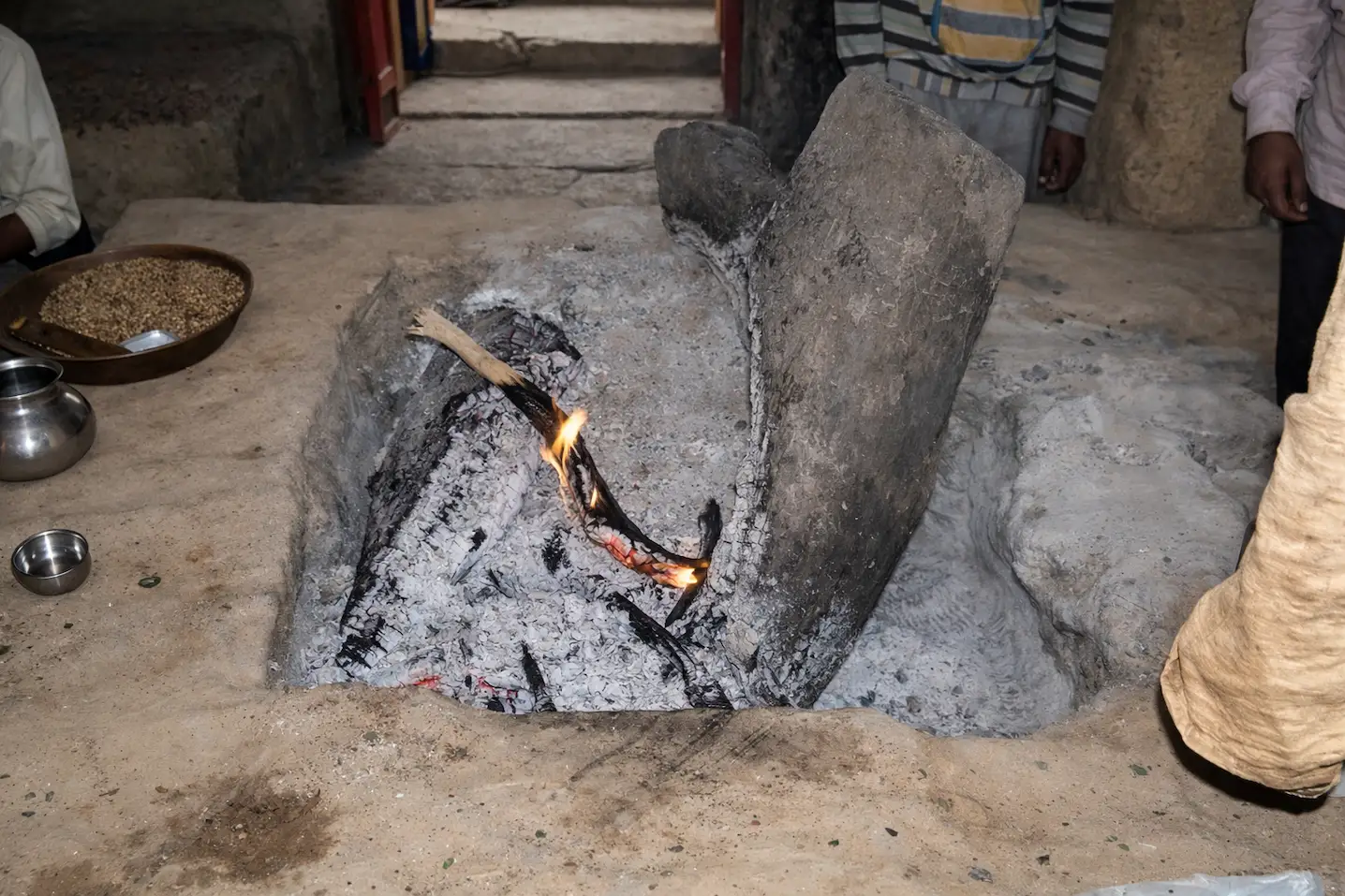
One of the most remarkable features of the temple is the Akhand Dhuni (eternal flame) burning in front of the temple. According to Hindu beliefs, this sacred fire was lit by Lord Brahma during the wedding ceremony of Shiva and Parvati and has been burning ever since. Devotees believe the flame has continued for three yugas (ages), which is why the temple is called Triyugi Narayan (the place that witnessed three yugas).
2. The Divine Wedding Venue of Shiva and Parvati
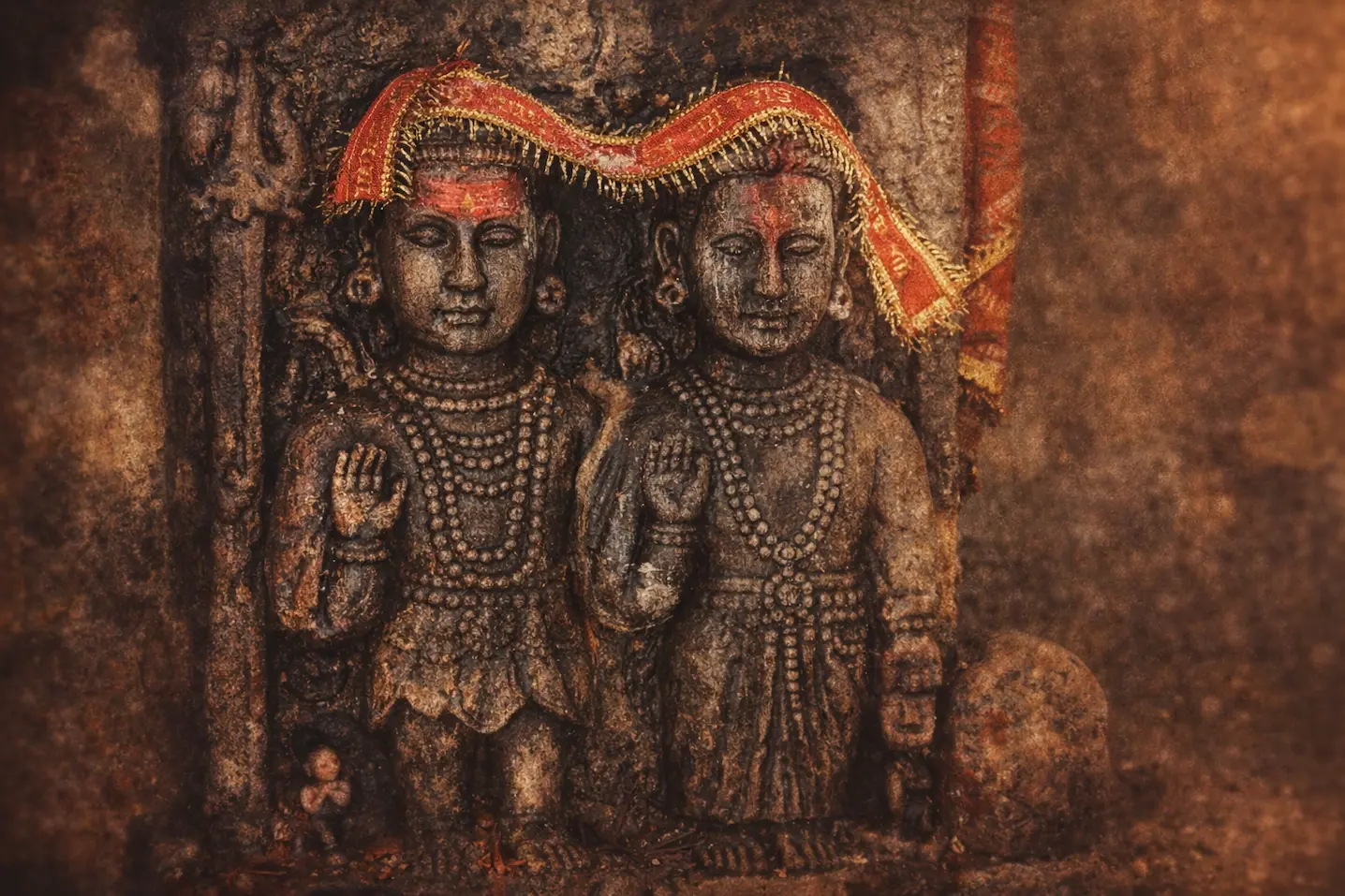
According to ancient scriptures, Lord Vishnu played the role of Parvati’s brother and gave her hand in marriage to Lord Shiva here. Lord Brahma acted as the priest who performed the wedding rituals. This divine event makes Triyuginarayan Temple one of the most sacred marriage sites in Hindu mythology.
3. Sacred Water Tanks Around the Temple
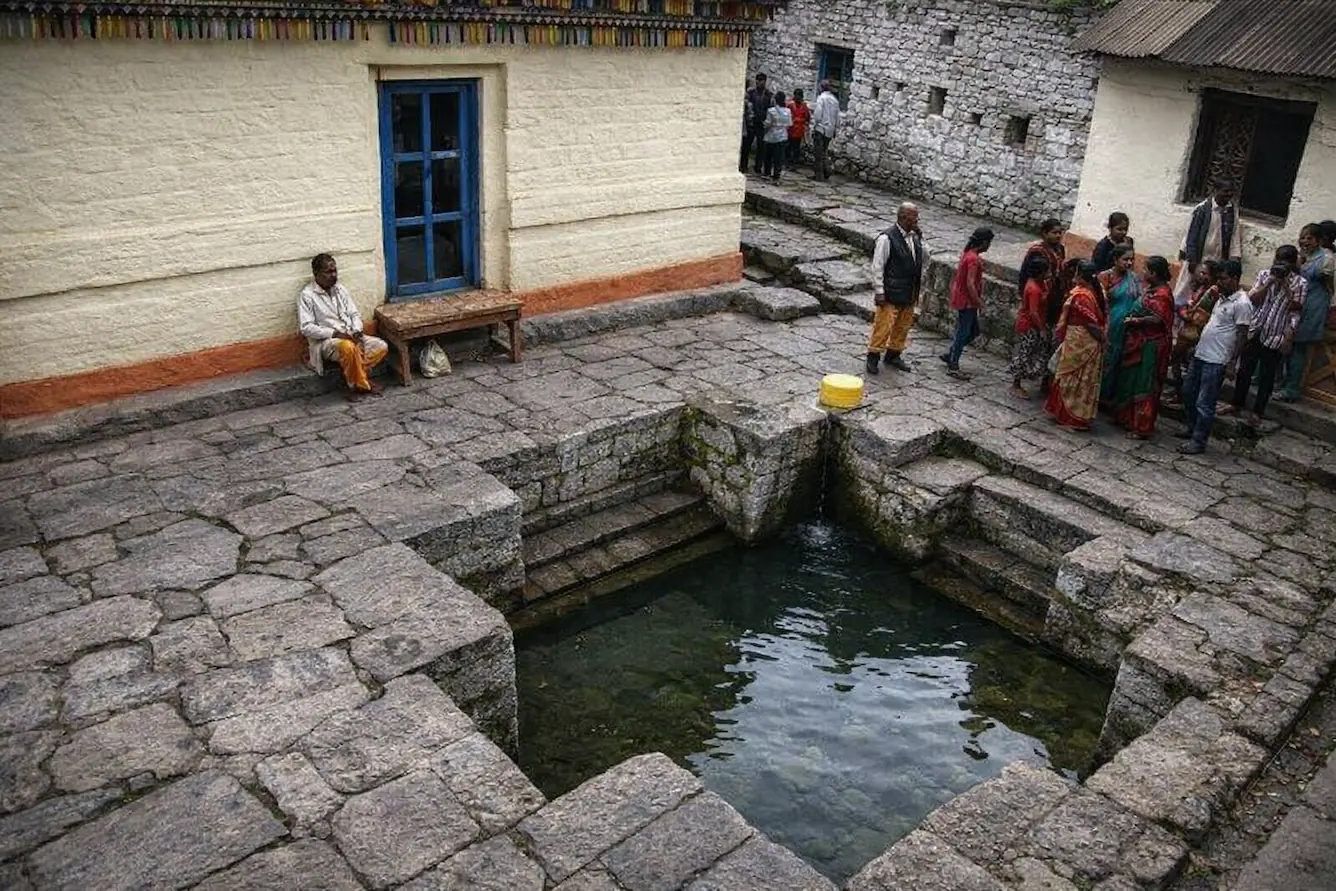
The temple complex has four holy kunds (water ponds) believed to have divine origins:
Rudra Kund – for ritual bathing
Vishnu Kund – used for purification
Brahma Kund – connected with Lord Brahma
Saraswati Kund – believed to be the source of the Saraswati stream
4. Architecture Similar to Kedarnath Temple
The temple’s stone architecture closely resembles that of Kedarnath Temple. Many historians believe that both temples were built during the same era and share a similar Himalayan temple design.
5. Ash from the Sacred Fire is Considered Blessing
Devotees collect the ash from the eternal fire as a sacred blessing. It is believed that keeping this ash brings prosperity, marital harmony, and good fortune.
6. A Hidden Gem Near Kedarnath
Even though it holds deep mythological significance, Triyuginarayan Temple remains relatively less crowded compared to Kedarnath. This makes it a peaceful and spiritual destination for pilgrims and travelers exploring the region.
Triyugi Narayan Mandir Wedding
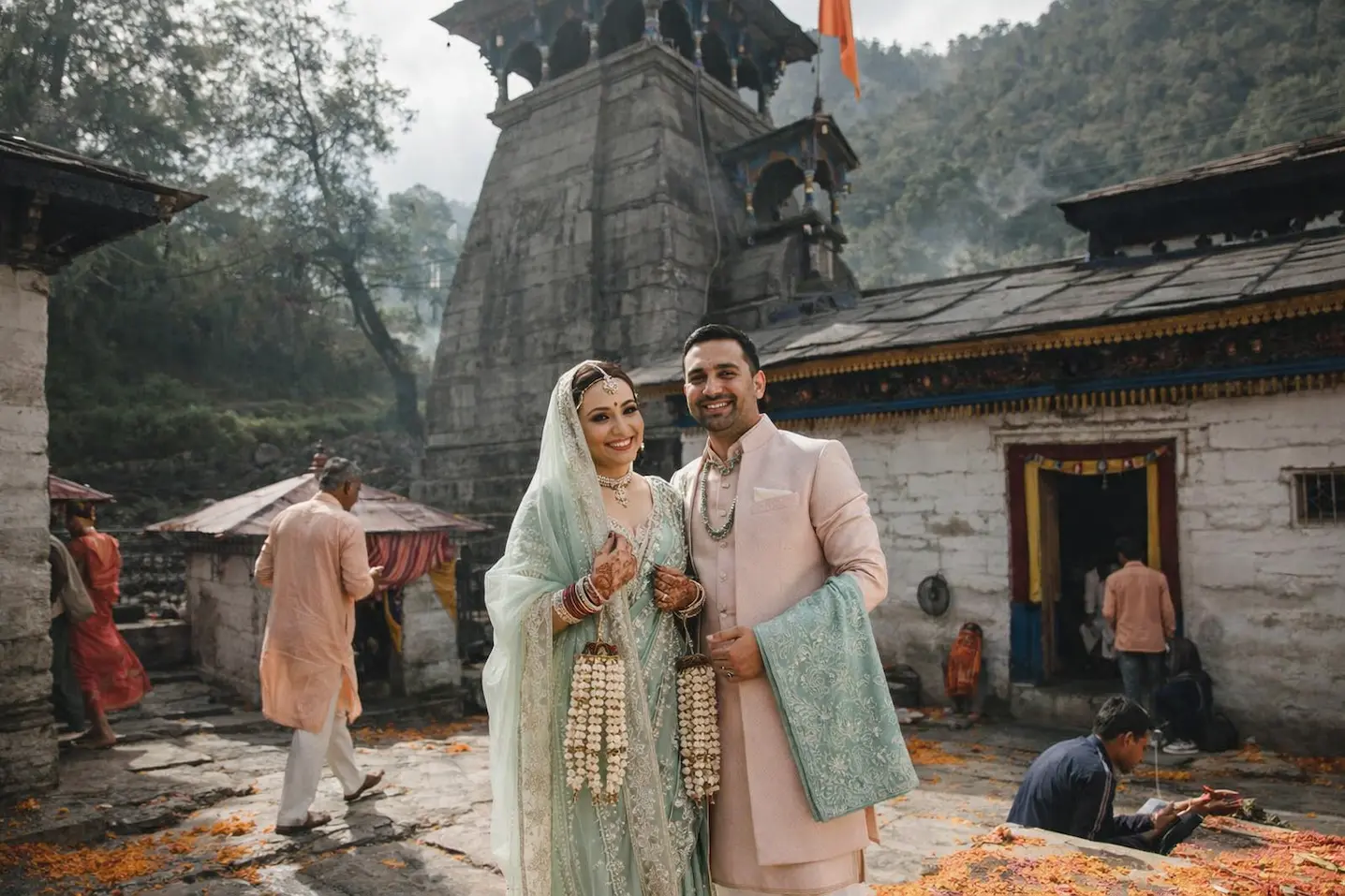
weddingz.in
In recent years, Triyuginarayan Temple weddings have become extremely popular among couples who want a spiritual and divine wedding experience. Since this temple is believed to be the original wedding venue of Shiva and Parvati, getting married here is considered highly auspicious.
Why Couples Choose Triyuginarayan Temple for Marriage
1. Mythological Significance
Couples believe that marrying at the same place where Shiva and Parvati tied the knot brings eternal love and blessings to their marriage.
2. Sacred Fire Witness
The same eternal fire that witnessed the divine wedding is used during the marriage rituals. Couples take their seven pheras around this sacred flame, making the ceremony deeply symbolic.
3. Unique Destination Wedding in the Himalayas
Located in the serene Himalayan region of Uttarakhand, the temple offers a magical setting for couples looking for a spiritual destination wedding surrounded by mountains and natural beauty.
4. Traditional Vedic Wedding Rituals
Weddings at Triyuginarayan follow authentic Vedic traditions, conducted by local priests who perform rituals exactly as described in ancient Hindu scriptures.
5. Simple Yet Divine Ceremony
Unlike luxurious destination weddings, a Triyuginarayan wedding focuses more on spirituality, devotion, and sacred traditions.
Things to Do and Experience at Triyuginarayan
Triyuginarayan Temple is not just a place of worship; it's an experience. The serene environment offers visitors a chance to connect with their spiritual side. Surrounded by majestic Himalayan views, the temple provides a perfect backdrop for meditation and reflection.
Explore the temple's sacred kunds, where pilgrims take holy dips. These kunds hold significant religious value and are believed to cleanse the soul. The architecture of the temple, reminiscent of the Kedarnath Temple, is a sight to behold.
Must-Experience Activities
Participate in temple rituals
Take a holy dip in the kunds
Enjoy panoramic views of the Himalayas
What are the Nearby attractions of Triyuginarayan?
Triyuginarayan Temple is not just a standalone attraction; it is surrounded by other noteworthy sites. This region offers a perfect blend of spirituality and natural beauty.
Kedarnath Temple: A renowned pilgrimage site a few kilometers away.
Gaurikund: Known for its hot springs and mythological importance.
Guptkashi - A beautiful town known for the Vishwanath Temple and Ardh Narishwar Temple. It offers stunning Himalayan views and is around 30 km from Triyuginarayan.
Conclusion: Why Visit Triyuginarayan Temple?
Visiting Triyuginarayan Temple is an enriching experience for both the spiritually inclined and nature lovers. It offers a glimpse into India's rich heritage set against the breathtaking backdrop of the Himalayas. The temple's unique blend of mythology, history, and scenic beauty makes it a captivating destination. A visit here promises spiritual renewal and unforgettable memories.
Frequently Asked Questions (FAQs)
1. What is Triyuginarayan Temple famous for?
Triyuginarayan Temple is famous as the divine wedding place of Lord Shiva and Goddess Parvati according to Hindu mythology. The temple is especially known for its eternal sacred fire (Akhand Dhuni) that is believed to have been burning since their marriage ceremony. Devotees believe this fire has been continuously burning for three yugas, which is why the temple is called Triyugi Narayan. Pilgrims visiting the region, especially those traveling to Kedarnath Temple, often visit this temple to seek blessings for marital happiness, prosperity, and spiritual peace.
2. Can we marry in Triyuginarayan Temple?
Yes, couples can get married at Triyuginarayan Temple. In fact, it has become a popular spiritual wedding destination because it is believed to be the same place where Lord Shiva and Goddess Parvati were married. Many couples choose to perform their wedding rituals here around the eternal sacred flame that witnessed the divine marriage. The ceremonies are usually conducted by local priests following traditional Vedic rituals, and basic arrangements such as pandit, decorations, and marriage registration can be organized through local authorities or tour planners.
3. How far is Triyugi Narayan Mandir from Kedarnath Temple?
The Triyuginarayan Temple is located about 25–30 km before the Kedarnath Temple by road and trekking routes. The temple lies near Sonprayag, which is one of the main stops for the Kedarnath pilgrimage. Many pilgrims visiting Kedarnath also plan a short trip to Triyuginarayan to see the sacred wedding site of Shiva and Parvati and experience the peaceful Himalayan surroundings.
4. Why is Triyuginarayan Temple considered spiritually significant?
The temple is revered as the sacred site of Lord Shiva and Goddess Parvati’s divine marriage. Its Akhand Dhuni (eternal flame) is believed to have been burning since that celestial union, symbolizing continuity and divine blessings across three yugas—Satya, Treta, and Dwapara—reflected in the name “Triyuginarayan.” The presence of sacred kunds (Rudra, Vishnu, and Brahma) for holy dips further deepens its spiritual aura.
5. When is the best time to visit Triyuginarayan Temple?
Visit between April and November for the most comfortable experience. April–June offers mild, pleasant weather, while September–November provides clear skies and vibrant autumn views. Avoid the monsoon season due to heavy rains and risky travel conditions. The temple welcomes visitors year-round, weather permitting.
6. How do I reach the temple, and what is the trek like?
Travel by road to Sonprayag (via buses from Rishikesh/Haridwar or by taxi), then continue on a gentle 5-kilometer trek to the temple. From Haridwar, it’s about 244 km (roughly 8–10 hours by road). The nearest airport is Jolly Grant (Dehradun), around 250 km away, and the nearest railway station is Rishikesh, about 261 km away; from either hub, hire a taxi to Sonprayag.
7. What are the temple timings and daily rituals I can attend?
The temple is open from 6:00 AM to 7:00 PM. Notable daily rituals include Morning Aarti, offering Prasad, and Evening Aarti, many centered around the Akhand Dhuni. During festivals or off-season, confirm updated timings with local authorities.
8. Any practical tips on what to carry and how to prepare?
At an elevation of about 1,980 meters, weather can change quickly. Carry warm clothing, sturdy footwear, sun protection (hat, sunscreen), a basic first-aid kit, and local currency for donations and small purchases. Plan for the 5-km trek from Sonprayag and check local advisories for current road and temple timings.
Best Selling Tour Packages
Explore other exciting options for your next adventure!