
Varanasi Tour Packages
Varanasi Tour Packages
Varanasi tour packages from BizareXpedition are private, fully customised itineraries covering the ghats, Kashi Vishwanath Temple, the evening Ganga Aarti, and day trips to Sarnath and Ayodhya — planned around your dates, pace, and interests, with no group coaches or fixed departures involved. Whether you're here for a spiritual pilgrimage, a heritage deep-dive, or simply to watch the Ganga at sunrise once in your life, your Varanasi trip is built only for you, with one vehicle, one guide, and one itinerary.
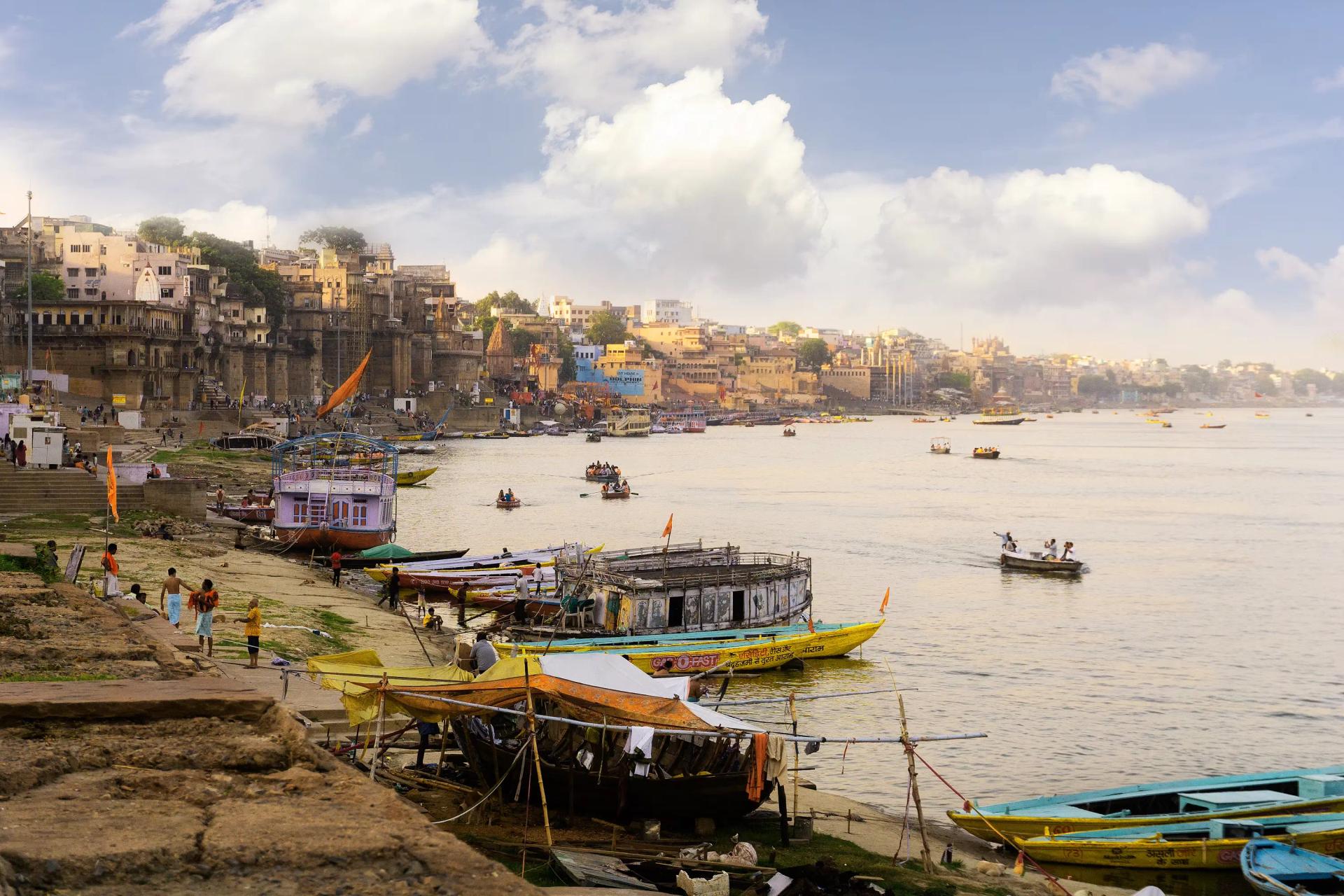
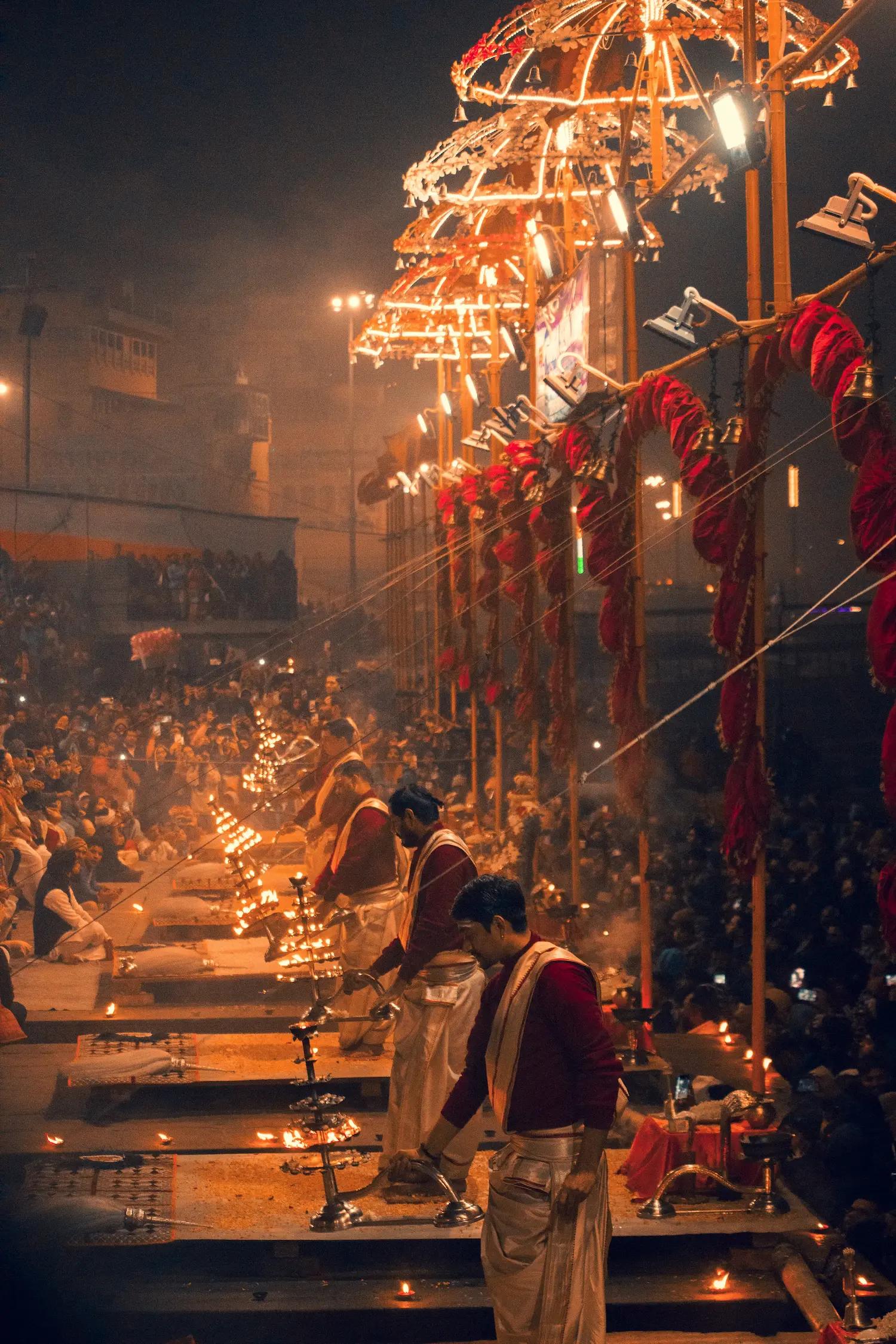
Varanasi is one of the oldest continuously inhabited cities on earth, and it doesn't reveal itself in a hurried afternoon. The real city lives in its ghats at dawn, in the narrow galis behind Kashi Vishwanath, in the hush before the priests light the Ganga Aarti lamps at Dashashwamedh Ghat each evening. Most visitors rush through in a single overnight stop en route to Bodh Gaya or Ayodhya. That's the wrong way to see it. Give Varanasi two full days and it stops feeling like a checklist and starts feeling like the living, breathing city it actually is — and BizareXpedition's local guides and boatmen know precisely which ghat, which hour, and which vantage point makes that happen.
This page covers what a Varanasi tour actually costs, how to get here, what to see, when to visit, what the weather will be like, and what to eat while you're at it — explained plainly, the way we'd brief a friend before their trip.
Varanasi Tour Package Pricing & Costs
A private Varanasi tour package with BizareXpedition typically ranges from roughly ₹12,500 to ₹16,000 per person per day in the Premium tier, ₹18,000–₹25,500 in the Luxury tier, and ₹29,500 and above per person per day in the Ultra-Luxury tier, depending on hotel category, vehicle type, group size, and whether Sarnath or Ayodhya is added as a day excursion.
Here's what actually moves that number. A compact 2-night Varanasi-only trip for a couple, staying in a comfortable 3–4 star property near the ghats with a private sedan and driver, sits at the lower end of the Premium band — the bulk of the cost is the vehicle, driver, a knowledgeable ghat-and-temple guide, and a private sunrise boat ride, which is genuinely one of the best-value experiences in all of Indian travel. Add a full-day Sarnath excursion (roughly 20 km, where Buddha gave his first sermon) and the per-day average nudges up only slightly, because it's a short, low-effort add that adds enormous historical depth.
| Package Tier | Best Suited For | Typical Per-Person/Day Range* | What Sets It Apart |
|---|---|---|---|
|
Premium |
Couples, solo pilgrims, short spiritual breaks |
₹12,000 – ₹16,000 |
Comfortable 3–4 star stays, private sedan/SUV, ghats-and-temple circuit with sunrise boat ride |
|
Luxury |
Families, heritage-focused travellers, multi-generational trips |
₹18,000 – ₹25,500 |
4–5 star properties, extended Sarnath-Ayodhya circuit, dedicated heritage guide |
|
Ultra-Luxury |
Discerning travellers wanting privileged, fully bespoke access |
₹29,500+ |
Riverside heritage stays, private reserved-boat Aarti viewing, custom pilgrimage extensions |
Varanasi Tour Package Pricing
Families and multi-generational groups often land in the mid-Premium to Luxury range once larger rooms or an SUV/Urbania-style vehicle come into play, since those costs get shared across more travellers even as comfort improves. Anyone requesting riverside heritage havelis, a private Ganga Aarti viewing from a reserved boat rather than the general ghat crowd, or a dedicated Sanskrit-literate heritage scholar as guide naturally moves into Luxury or Ultra-Luxury — that's where the spend shifts from logistics to genuinely rare access.
What's always included, across every tier: private airport/railway station pickup and drop, a dedicated vehicle and driver for the full trip, daily breakfast, and a day-wise itinerary shaped around your priorities — spiritual, heritage-focused, or a blend of both. What's quoted separately and transparently: temple/monument entry where applicable, the private boat ride (a small, worthwhile add-on almost every guest chooses), meals beyond breakfast, and optional extensions like Ayodhya, roughly a 3.5–4 hour drive away.
How to Reach Varanasi
Varanasi is reachable by air via Lal Bahadur Shastri International Airport (VNS), by train through Varanasi Junction and Varanasi City stations — both well connected to Delhi, Mumbai, Kolkata, and most major Indian cities — and by road via National Highways connecting Lucknow (~320 km), Prayagraj (~120 km), and the wider Ganga belt.
A few practical notes worth knowing before you book:
By Air: Varanasi's airport has regular direct flights from Delhi, Mumbai, Bengaluru, Kolkata, and other major metros, plus a small set of international connections. BizareXpedition arranges private airport pickup so your trip begins the moment you land, not after a queue at the taxi counter.
By Train: Varanasi is one of North India's best-connected railway junctions, with frequent express and superfast trains from Delhi (roughly 10–13 hours), Kolkata, and Mumbai. Many travellers combine an overnight train in with a flight out, or vice versa.
By Road: If you're already touring the Ganga belt — Prayagraj, Ayodhya, Lucknow — Varanasi connects via solid national highways. We can arrange a private one-way drop or pickup so your Varanasi leg links directly into a larger Uttar Pradesh itinerary.
Getting around once you're there: The Old City's lanes around the ghats are walking-only — no vehicle, however private, gets you into that maze. Our itineraries account for this, pairing a private car for the city and excursions with a local walking guide for the ghats and galis.
Best Places to Visit in and Around Varanasi
The essential Varanasi experience covers the ghats (especially Dashashwamedh, Assi, and Manikarnika), Kashi Vishwanath Temple, and the evening Ganga Aarti within the city, plus day trips to the Buddhist site of Sarnath (about 20 minutes away) and the temple town of Ayodhya (roughly 3.5–4 hours away). Within Varanasi city:
The Ghats — over 80 stone-stepped riverfronts lining the Ganga, each with its own character. Dashashwamedh Ghat hosts the famous evening Aarti; Manikarnika Ghat is a working cremation ghat and one of the most profound, if intense, sights in India; Assi Ghat is quieter and popular for sunrise yoga and boat departures.
Kashi Vishwanath Temple — one of the twelve Jyotirlinga shrines dedicated to Lord Shiva, and the spiritual centre of the entire city. Expect security checks and crowds; early morning visits are calmer.
Ganga Aarti at Dashashwamedh Ghat — a nightly ritual of fire, chanting, and synchronised lamp movements performed by priests on the riverbank, watched by thousands from the ghat steps and from boats on the water. Best viewed by private boat, slightly offshore from the main crowd.
Manikarnika and the Old City Galis — narrow lanes packed with centuries-old havelis, silk shops, and shrines; a guided walk here reveals far more than a self-guided wander ever will.
Banaras Hindu University (BHU) & New Vishwanath Temple — a calmer, modern counterpoint to the Old City, worth an hour for architecture and campus atmosphere.
Ramnagar Fort — an 18th-century fort and museum across the river, home to a quirky and genuinely interesting collection of vintage cars, armoury, and royal artefacts.
Day trips we build into most itineraries:
Sarnath — where the Buddha delivered his first sermon after enlightenment. The Dhamek Stupa, Ashoka Pillar remains, and the on-site archaeological museum make this one of the most historically significant short excursions in India, and it's barely 20 minutes from central Varanasi.
Ayodhya — for travellers extending their trip, Ayodhya's Ram Mandir and Ganga-belt temple circuit make an excellent 1–2 night add-on, roughly a 3.5–4 hour drive from Varanasi.
Chunar Fort — a lesser-known river-bluff fort about an hour away, a good option for travellers who've already covered the main sites and want something off the well-trodden path.
Best Time to Visit Varanasi
The best time to visit Varanasi is between October and March, when temperatures range from a comfortable 10–28°C, making ghat walks, sunrise boat rides, and the evening Ganga Aarti far more enjoyable than in the intense summer heat.
November to February is peak season and also coincides with several major festivals, including Dev Deepawali (the "Diwali of the Gods," when all the ghats are lit with thousands of lamps) — a genuinely extraordinary sight worth timing a trip around if your dates allow. Early morning starts are non-negotiable here regardless of season, since the ghats, the Aarti crowds, and the light itself are all at their best before 8 a.m.
Varanasi Weather Guide
| Season | Months | Temperature Range | What to Expect |
|---|---|---|---|
|
Winter (Best time) |
Oct – Mar |
10°C – 28°C |
Cool mornings, pleasant days, ideal for ghat walks and Aarti viewing |
|
Summer |
Apr – Jun |
30°C – 45°C |
Very hot and dry; plan sightseeing for early morning and evening only |
|
Monsoon |
Jul – Sep |
26°C – 34°C |
Humid with regular rainfall; the Ganga's water level rises noticeably along the ghats |
Varanasi Weather Guide
Pack a light jacket or shawl for winter mornings and evenings (temperatures can dip surprisingly low near the river before sunrise), cottons for the day, and modest clothing for temple visits year-round.
What to Eat in Varanasi — A Food Guide Worth Planning Around
Varanasi's food identity centres on kachori-sabzi and jalebi for breakfast, malaiyo (a winter-only, cloud-like milk foam dessert), Banarasi paan, and thandai, alongside a serious street-food culture built around the ghats and the lanes of the Old City.
Start the day the way locals do: kachori-sabzi from a decades-old stall, eaten standing up, followed by hot jalebi if you have any room left. It's heavier than most Western breakfasts and exactly right for a morning of walking. If you're visiting in winter, seek out malaiyo — a delicate, saffron-dusted milk foam dessert made only in the cool months and sold almost exclusively in Varanasi; it's genuinely unlike anything else in Indian cuisine and disappears once the weather warms. Lassi here deserves its own mention too, particularly the thick, matka-set version from the city's most famous lassi shops, often topped with a layer of cream that borders on dessert rather than drink.
| Meal/Item | What to Try | Where It Shines |
|---|---|---|
|
Breakfast |
Kachori-sabzi, jalebi |
Old City stalls near the ghats |
|
Sweet/Dessert |
Malaiyo (winter only), jalebi |
Chowk and Old City sweet shops |
|
Drink |
Thandai, matka las |
Heritage lassi shops in the lanes near Kashi Vishwanath |
|
Snack |
Banarasi paan, litti chokha |
Godowlia and Old City paan shops |
Varanasi What to Eat
No Varanasi food guide is complete without paan. Banarasi paan — betel leaf folded around areca nut, lime, and a range of sweet or savoury fillings — is a genuine local institution, with entire shops devoted to dozens of variations. Thandai, a chilled, spiced milk drink with almonds, saffron, and fennel, is Varanasi's signature cooling beverage and, during Holi, comes in a well-known bhang-infused version worth being aware of if you're travelling then. For a more substantial meal, look for Litti Chokha (roasted stuffed wheat balls with mashed spiced vegetables) and the city's distinct take on chaat, sharper and more chili-forward than what you'd find further north.
Why a Private Varanasi Tour, Not a Group One
Varanasi rewards timing and stillness in a way group departures simply can't offer — the Aarti at 6:45 p.m. from a private boat is a different experience entirely from watching it wedged into a crowd on someone else's schedule, and a sunrise boat ride loses its point if you're not actually there for sunrise. BizareXpedition doesn't run group coaches or shared departures for Varanasi, or anywhere else. Every itinerary is built around your dates, your pace, and the specific balance of spirituality, heritage, and food that matters to you — with a private vehicle, driver, and local guide throughout, so an extra unhurried hour at Manikarnika Ghat or Sarnath's museum never has to be negotiated with strangers.
We build a food-focused walk into most Luxury and Ultra-Luxury Varanasi itineraries on request — a guided morning through the Old City's kachori and lassi institutions, timed to finish before the day's main sightseeing begins.
Frequently Asked Questions (FAQs) & People Also Ask — varanasi Tour Packages
We help you prepare for your trip and ensure an effortless and enjoyable travel experience.