

Abhishek
Writer
Updated On - Sep 14, 2026
20 min
Published On - Sep 14, 2026
Kerala Backwaters Guide — Alleppey, Houseboats & Village Life
A practical, honest guide to the 900 kilometres of canals, lakes and lagoons that define Kerala's most famous landscape — what a houseboat actually gives you, where the real village life is, and why a single government regulation explains almost every complaint you'll read online.
A practical, honest guide to the 900 kilometres of canals, lakes and lagoons that define Kerala's most famous landscape — what a houseboat actually gives you, where the real village life is, and why a single government regulation explains almost every complaint you'll read online.
What the backwaters actually are
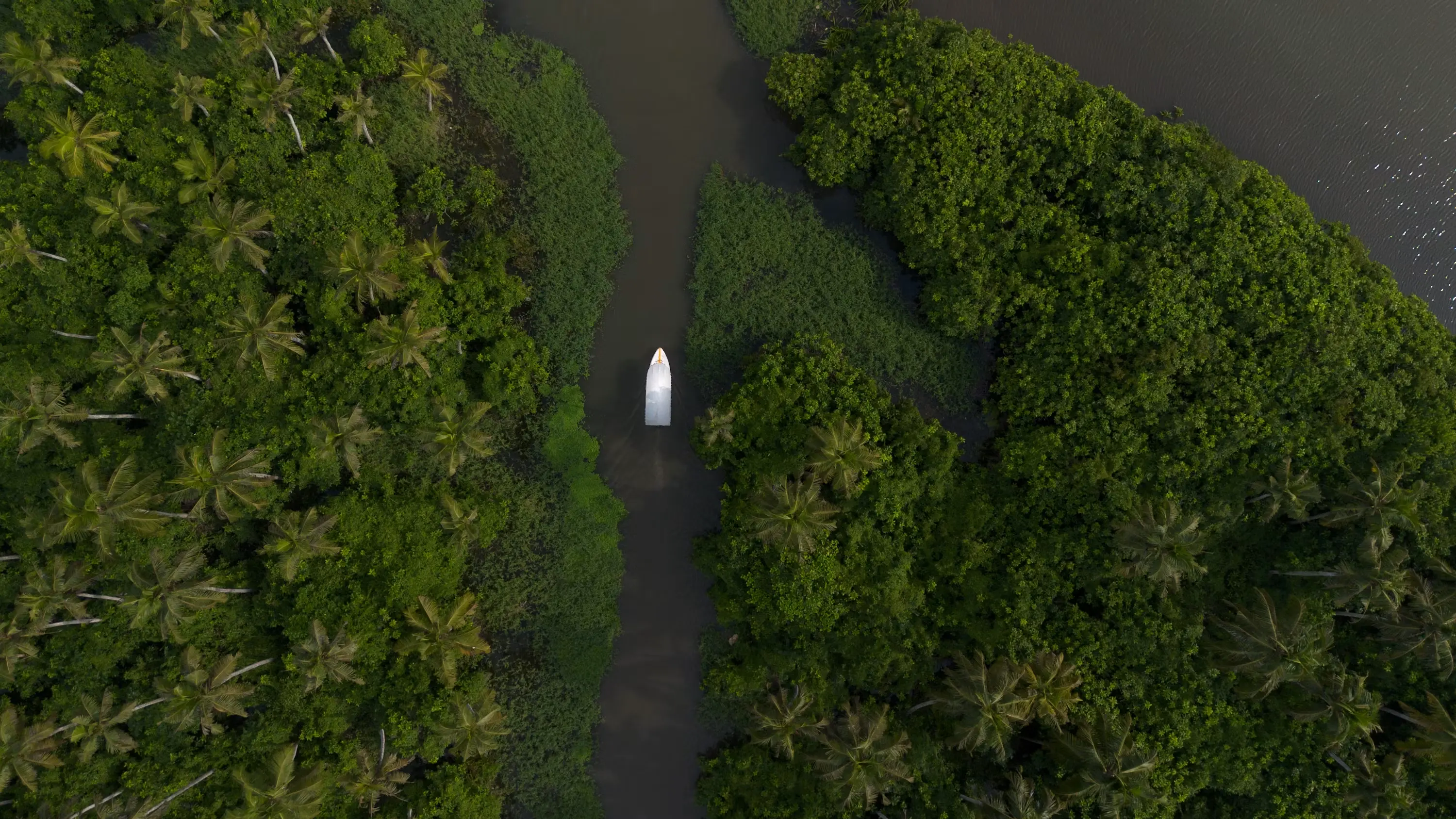
There's a moment that happens on almost every Kerala backwater trip. You've been on the water an hour or two. The canal has narrowed until the coconut palms meet overhead. The engine, if there is one, drops to barely audible. And then, for a few seconds, every sound of ordinary life simply disappears. No traffic, no city noise, nothing but water and trees and the occasional call of a kingfisher.
That's not marketing language. It's the specific, repeatable thing that makes people use words like "paradise" and "magical" about a network of canals in a way that usually makes me suspicious of travel writing. Here, it holds up.
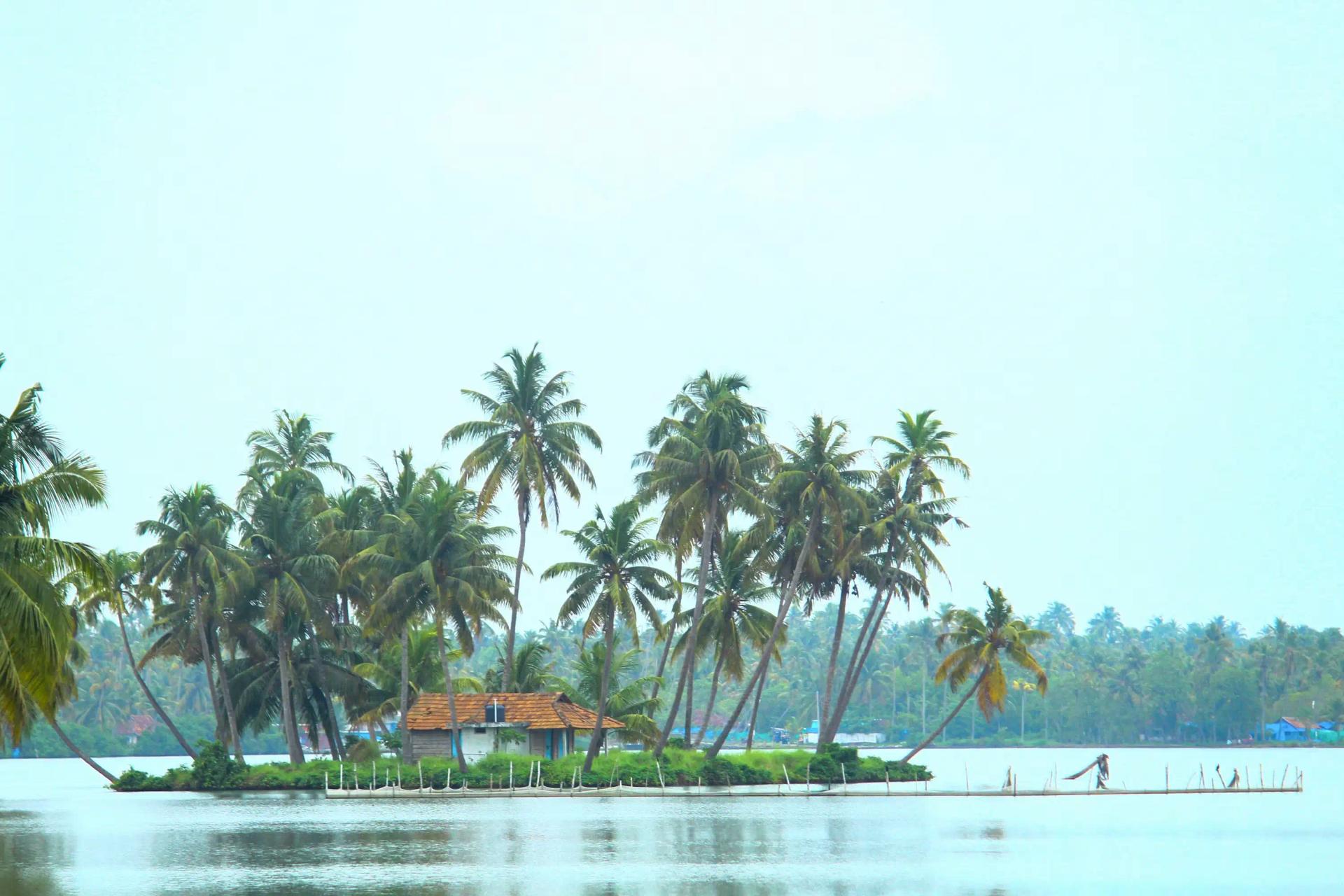
The backwaters are a 900-kilometre system of interconnected canals, rivers, lakes and lagoons running along Kerala's coast, with Vembanad Lake — India's longest at 96.5 kilometres — as the centrepiece. This isn't a single attraction. It's an entire functioning landscape where farming, fishing, transport, and increasingly tourism all happen on the same water, often within sight of each other.
Alleppey, officially Alappuzha though almost nobody calls it that, is where most visitors should start. It has the largest houseboat fleet, the fullest range of prices, and direct access to the narrow village canals where the most intimate backwater experience happens. Kumarakom, 75 kilometres away on the other side of Vembanad Lake, is the quieter alternative — better for repeat visitors, bird watchers, and anyone who wants to slow down further than even Alleppey demands.
| FACT | DETAIL |
|---|---|
|
Backwater system length |
900 km of interconnected canals, rivers, lakes and lagoons along Kerala's coast |
|
Vembanad Lake |
India's longest lake at 96.5 km; the centrepiece of Alleppey and Kumarakom backwater tourism |
|
Kuttanad farming depth |
1.2–3.0 m (4–10 ft) below sea level — the only region in India practising organised below-sea-level agriculture |
|
Kuttanad status |
FAO-recognised Globally Important Agricultural Heritage System (GIAHS); ~50,000 hectares of reclaimed delta |
|
Registered houseboats (Alleppey area) |
Over 1,200, ranging from single-bedroom to 11-bedroom vessels |
|
Houseboat construction |
Traditional kettuvallam — coir-stitched wood, historically assembled without a single nail |
|
Mandatory anchoring time |
Houseboats must stop cruising by approximately 5:30 PM and anchor at approved spots — a genuine safety regulation, not an operator shortcut |
|
Best base for first-timers |
Alleppey (Alappuzha) — largest fleet, full range of prices, access to narrow village canals |
|
Best base for repeat visitors |
Kumarakom — quieter, bird sanctuary, slower pace, premium resort cluster |
|
Best time to visit |
October to February; November–December are peak months for clear light and comfortable temperatures |
|
Distance Kochi to Alleppey |
60 km / 1.5–2 hours by road |
|
Nehru Trophy Boat Race |
Second week of August, Punnamada Lake, Alleppey; Chundan Vallams (snake boats) over 100 ft carrying 100–150 oarsmen |
|
2026 houseboat regulation |
Kerala High Court order: pollution compliance certificates mandatory within 3 months or boats barred from Vembanad Lake; shikaras exempted |
|
Munroe Island |
Quieter alternative backwater hub near Kollam — 8 small islands at the Kallada River/Ashtamudi Lake confluence |
|
Signature dish |
Karimeen Pollichathu — pearl spot fish marinated and steamed in banana leaf |
KERALA BACKWATERS — ESSENTIAL FACTS 2026
The backwaters aren't a single attraction you visit. They're a landscape where farming happens below sea level, fishing happens from canoes that haven't changed design in generations, and tourism is just the newest layer on top of all of it.
Kuttanad — the land that farms below the sea
Before getting to houseboats, it's worth understanding what you're actually floating over, because it's one of the more remarkable agricultural facts in the world and almost nobody mentions it.
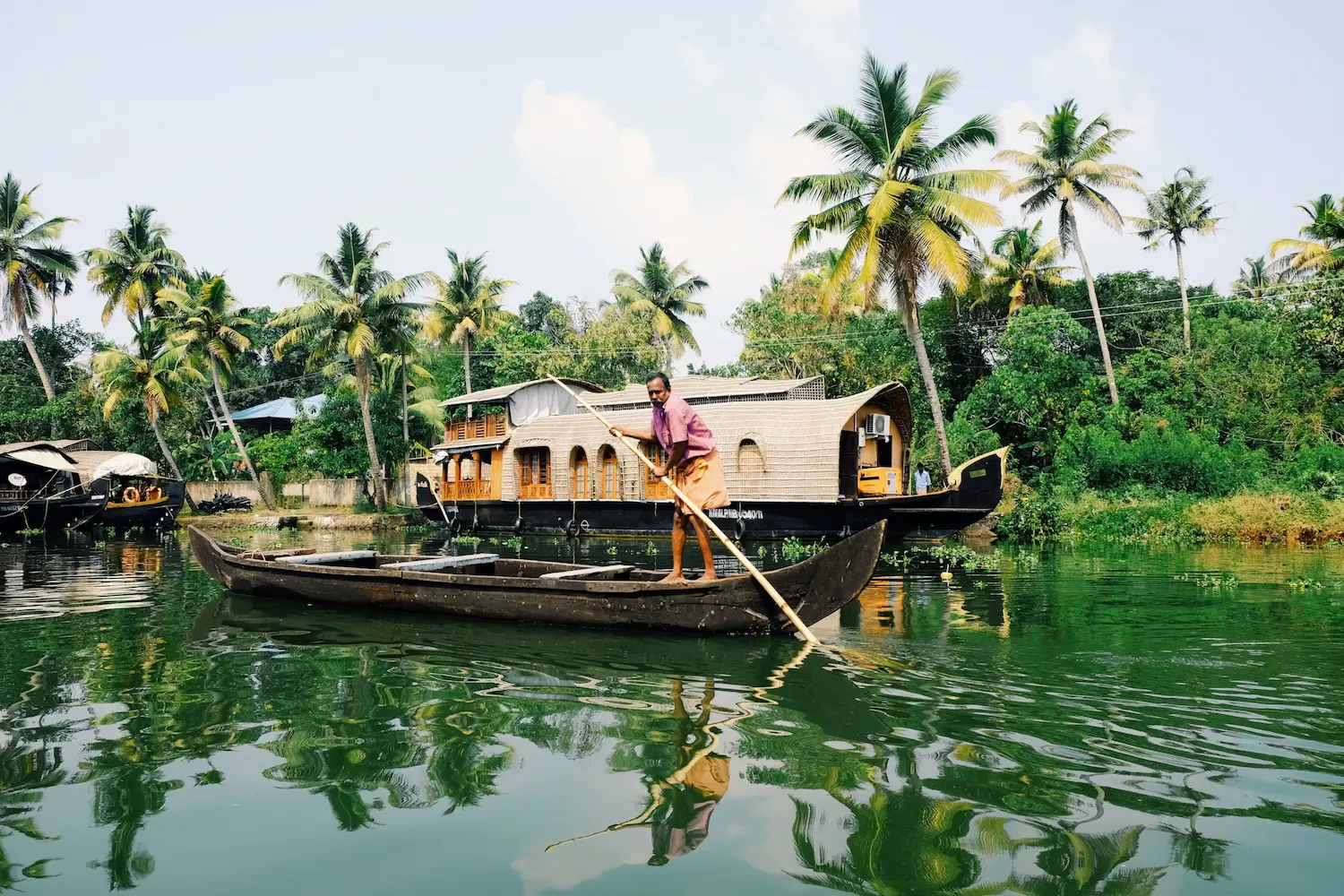
Kuttanad, the delta region that includes most of the classic backwater route, is the only place in India — one of very few places on earth — where organised farming happens below sea level. Not metaphorically. The paddy fields here sit 1.2 to 3 metres below the level of the water around them, reclaimed from the lake over more than a century and protected by earthen bunds that farmers maintain by hand, pumping water out using techniques that have evolved from manual water wheels to engine pumps but follow the same essential logic.
The man most credited with this transformation is Joseph Murickan, known locally as the Kayal Raja — King of the Lake — who reclaimed vast tracts of swamp into farmland in the years after the Second World War, when famine made every additional hectare of rice land a matter of survival. The system he helped build is now recognised by the UN's Food and Agriculture Organization as a Globally Important Agricultural Heritage System, in the same category as far more famous landscapes like the rice terraces of the Philippines.
It wasn't won without cost. The farmers who worked this reclaimed land for decades remained largely excluded from its benefits, which led to a major farmers' uprising in 1954 demanding fair distribution. By 1975, under Kerala's Communist government, 1,600 acres were redistributed to 1,580 farming families — a genuine land reform moment that's easy to forget when you're admiring the same paddy fields from the deck of a houseboat today.
None of this changes what you'll see on a backwater cruise. But knowing that the green fields stretching to the horizon are below the waterline you're floating on — and that an entire below-sea-level farming civilisation has been quietly operating here for 150 years — adds something real to what could otherwise be just a pretty view.
The houseboat — what it actually gives you, honestly
I want to be straight about this because the online reviews for Alleppey houseboats are genuinely split, and both sides are telling the truth about different experiences.
Some travellers come back saying it changed how they think about travel. Others paid good money, sat anchored on a canal bank for most of the day, ate mediocre reheated food, and wondered what the fuss was about. Both of these are real outcomes. And the difference, almost every time, has nothing to do with the backwaters themselves. It comes down to how you booked.
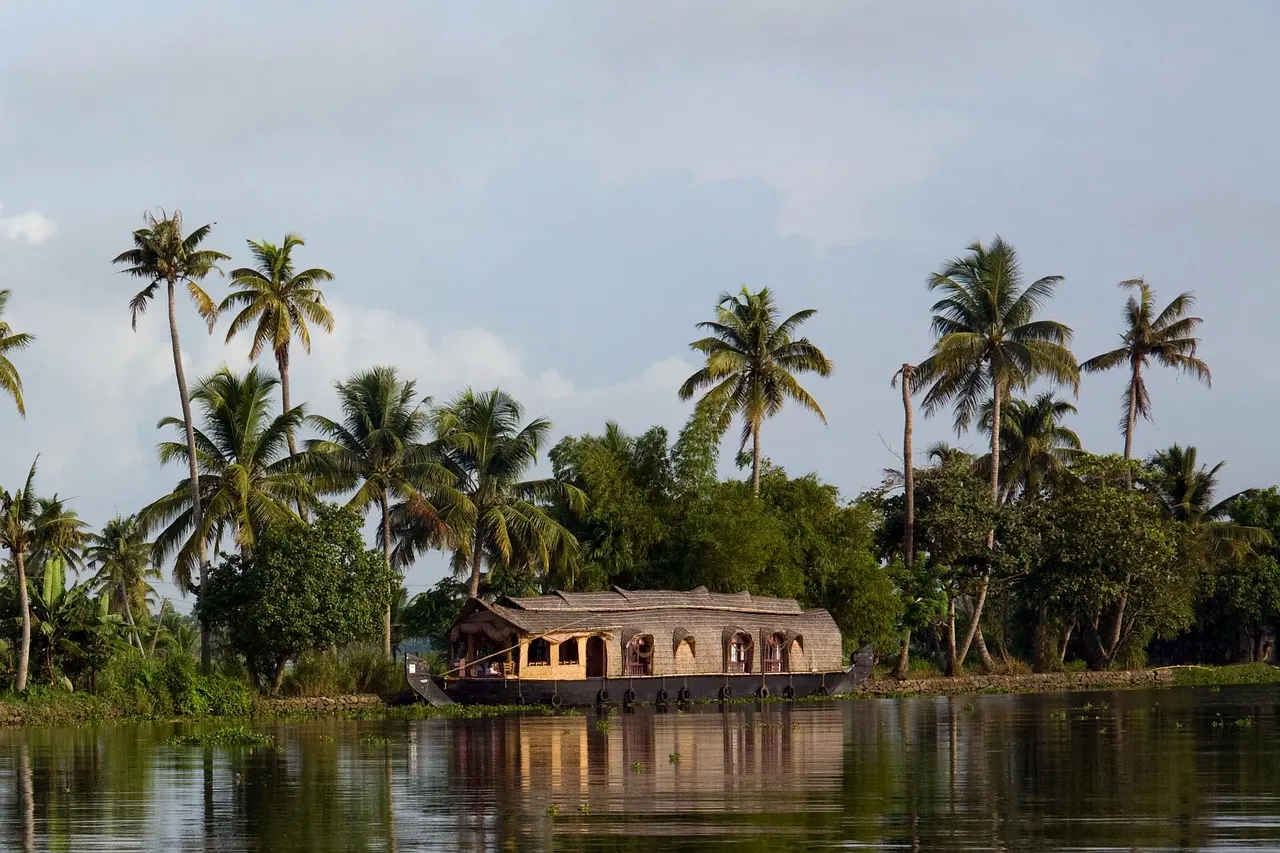
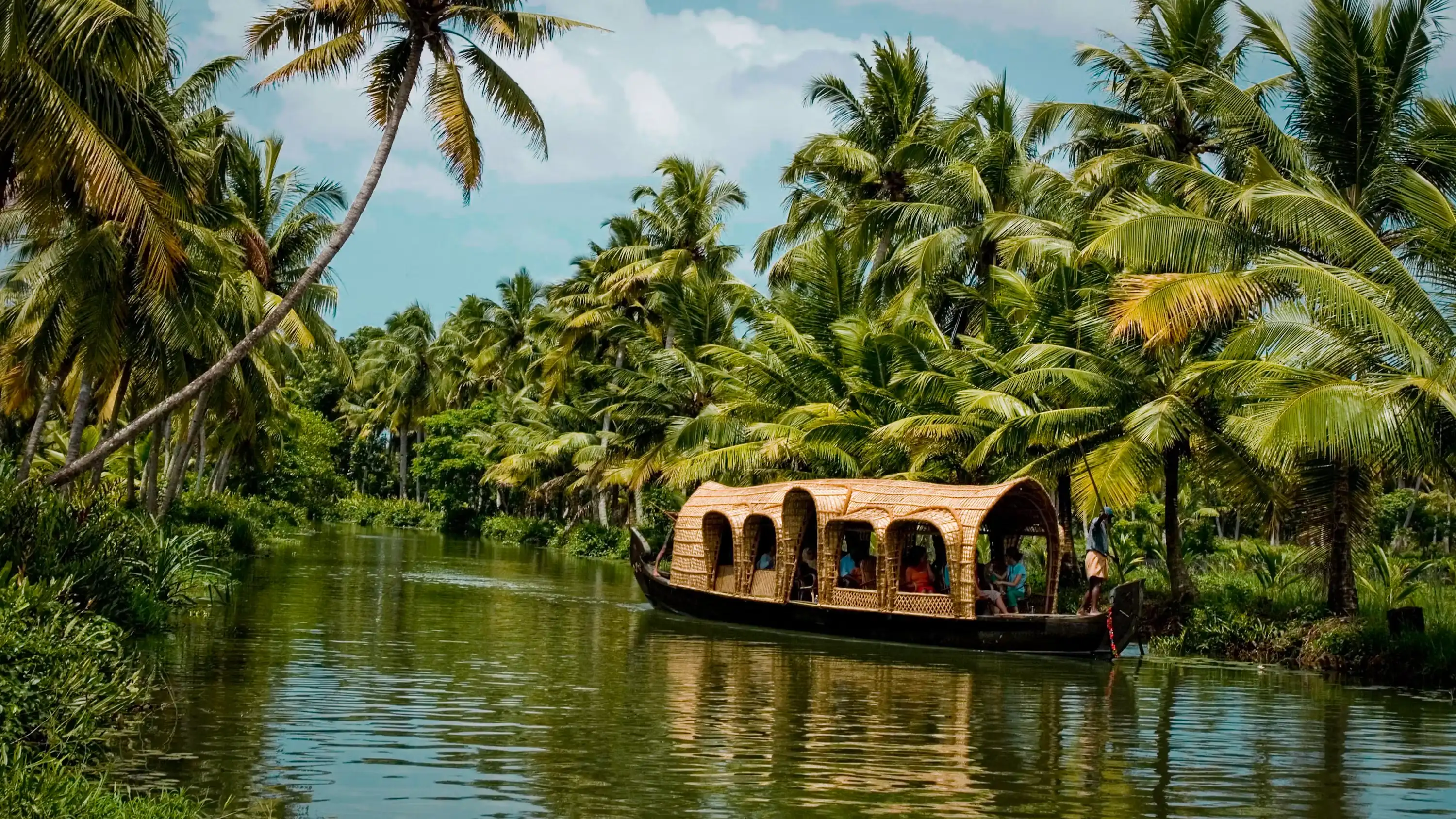
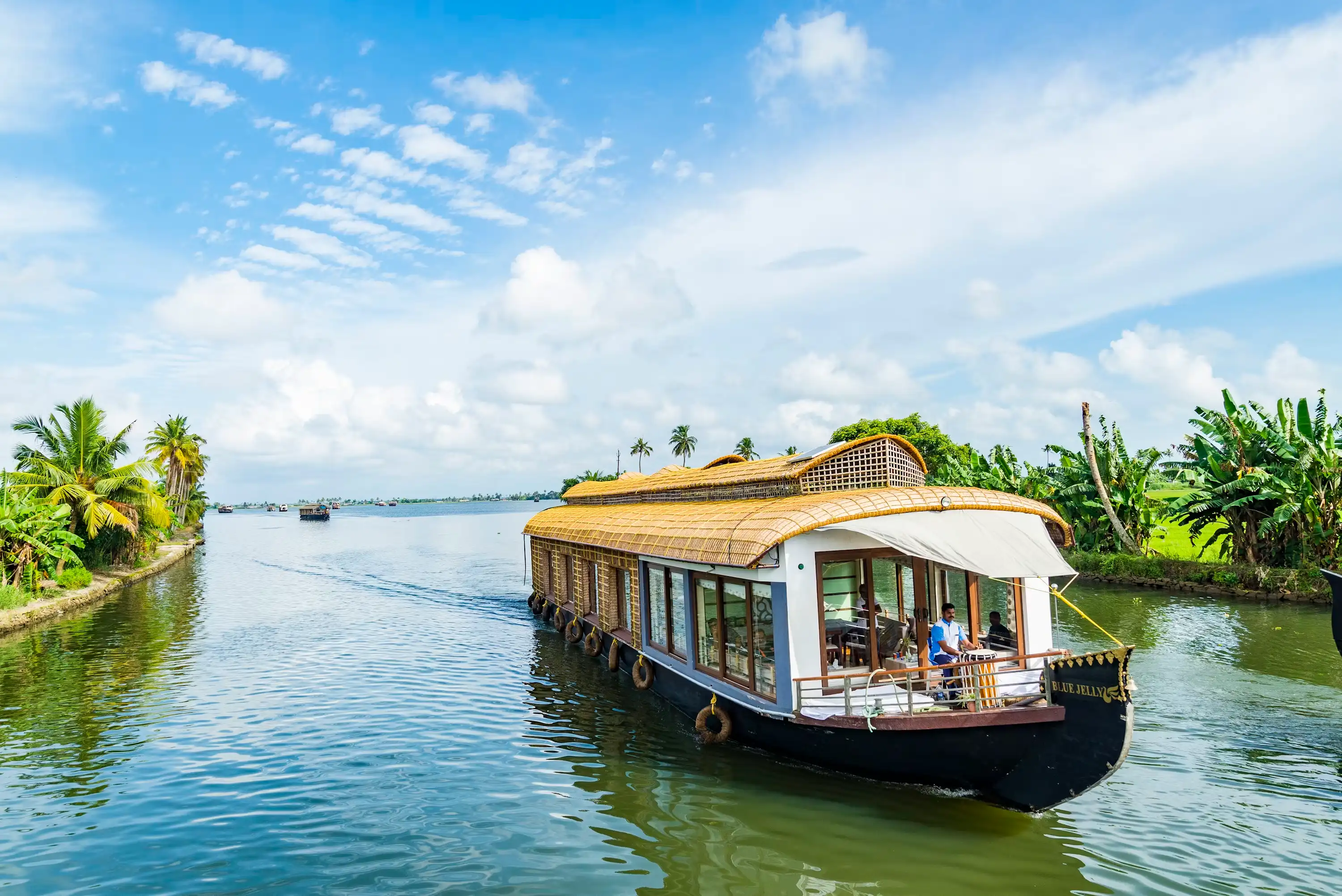
A traditional kettuvallam — the word means "boat with knots," referring to the coir rope construction that historically held the vessel together without a single nail — was originally built to carry rice and spices along these waterways. Converted into floating accommodation, it now typically includes one to several bedrooms, a dining and lounge area, a kitchenette, and a crew of two to three: a captain, a cook, sometimes a guide. Categories run deluxe, premium, and luxury, and the differences are real rather than cosmetic.
Here's the single fact that resolves the most common complaint in every review thread: houseboats are legally required to stop cruising by around 5:30 PM and anchor at an approved spot for the night. This is not an operator cutting corners. It's a safety regulation. Any operator who promises you a full night of continuous cruising is either misinformed or lying. What actually matters is where your boat anchors — a quiet position in the middle of the lake is genuinely peaceful, while a crowded canal bank next to five other boats with their generators running is not. And this is something you can, and should, ask about before booking.
| CATEGORY | WHAT YOU GET | PRICE RANGE (PER NIGHT) | BEST FOR |
|---|---|---|---|
|
Deluxe |
Clean, functional rooms; standard Kerala meals; basic upper deck; non-AC or single-room AC |
₹8,000–12,000 |
Budget-conscious travellers who want the experience without the premium spend |
|
Premium |
Better furnishings, full AC in bedroom, more attentive crew, improved food quality |
₹12,000–18,000 |
Most couples and families — the sweet spot of value and comfort |
|
Luxury |
Full-time AC throughout (not just the bedroom), proper woodwork interiors, sundeck worth sitting on, expanded menu, highly attentive crew |
₹18,000–30,000+ |
Honeymoons, anniversaries, special occasions, or anyone who wants to feel like they're on a private vessel |
|
Day cruise (no overnight) |
6-hour cruise, onboard lunch, no anchoring restriction since you're back before evening |
₹2,000–6,000 per group depending on boat size |
Time-pressed travellers or those who want the backwater experience without committing to an overnight stay |
|
Shikara (small boat) trip |
2–3 hour guided tour through narrower canals than houseboats can access |
₹1,500–2,500 for 3 hours (group rate) |
Anyone who wants intimacy over scale, or wants a lower-impact alternative under the 2026 regulations |
HOUSEBOAT CATEGORIES — WHAT EACH ONE ACTUALLY DELIVERS
Every operator who clearly explains the 5:30 PM anchoring rule gets better reviews than the ones who don't. It's a legal requirement, not a flaw in the experience — but only if someone tells you about it before you're disappointed by it.
Booking well — the difference between the two kinds of trip
The houseboat operators who've been doing this for fifteen-plus years are unusually candid about what goes wrong, because they've watched it happen to other people's bookings for years. The pattern is consistent: the boat was moored most of the trip (see above — that's the law, not a failure), the food was disappointing (sometimes genuinely true — some boats serve reheated frozen fish dressed up as the day's catch), or the boat shown in photos wasn't the boat that showed up.
That last one is avoidable. When you book directly with an owner-operator rather than through a chain of booking agents, you can ask for recent photos of your specific vessel, ask direct questions about anchoring location and AC arrangements, and get a real answer from someone whose reputation depends on getting it right. Several 2026 traveller reports flag specific booking contacts on WhatsApp that misrepresent themselves and add undisclosed charges after the fact — book through your hotel, a DTPC-registered operator, or an established agency, not an unsolicited message.
There's also a genuinely good alternative to the standard jetty experience worth knowing about. The main Alleppey boarding points — Punnamada Jetty and Finishing Point — handle real volume: dozens of boats moored close together, staff calling out names, water with a visible film from concentrated boat traffic. It works, but it's not the calm start you might be hoping for. A small number of operators now run from private farmhouse departure points outside the central town, putting you straight into quieter canals from the first minute rather than spending the first hour of a limited cruise window just navigating out of the crowded section. If a calm beginning matters to you as much as the destination, ask whether this option exists with your chosen operator.
| PRACTICE | WHAT TO ASK / LOOK FOR | WHY IT MATTERS |
|---|---|---|
|
Book directly with the boat owner where possible |
Ask if you're speaking to the operator/owner or a booking agent passing the request along |
Reviews consistently show the biggest gap between expectation and reality comes from multi-layered agent bookings — what you're shown isn't always what you get |
|
Confirm the boat by photo, not brochure |
Ask for recent photos of the specific boat you'll be on, not stock images |
Several 2026 reviews describe boats that didn't match advertised photos — rust, torn upholstery, non-functional AC |
|
Ask about the anchoring spot |
A good operator will tell you roughly where the boat anchors overnight before you book |
A mid-lake or quiet canal mooring is peaceful; a crowded canal bank next to five other boats with generators running is not — and you can ask in advance |
|
Verify 2026 pollution compliance |
Ask directly: does this houseboat hold a 2026 pollution compliance certificate under the Kerala High Court order |
Non-compliant houseboats risk being barred from Vembanad Lake — confirm before you pay, not after you board |
|
Watch for named scam operators |
2026 traveller reports flag specific WhatsApp-based booking contacts misrepresenting themselves as operators and adding undisclosed charges |
Book through your hotel, a registered DTPC-listed operator, or a travel agency with accountability — not an unsolicited WhatsApp contact |
|
Check AC arrangements precisely |
Ask whether AC runs full-time or only certain hours, and in which rooms |
Generator-powered AC on budget and deluxe boats sometimes runs limited hours (commonly 9 PM–6 AM) — fine to know in advance, frustrating to discover at midnight |
|
Ask about food sourcing |
A good crew will tell you proudly what's fresh and what's been ordered ahead |
Some lower-tier boats serve reheated frozen fish billed as a fresh catch — a direct question usually gets an honest answer |
BOOKING A HOUSEBOAT WELL — WHAT TO ASK
When to go
October through February is the window, and within it, November and December are the two months that consistently earn the praise they get. The post-monsoon light in November has a clarity that's hard to find at other times of year. December brings blue skies and cool evenings that are about as close to perfect as South India's climate gets.
One detail worth knowing if you're deciding between a non-AC and AC boat: from November to February, Kerala's nights settle around 20 to 22 degrees, and a non-AC kettuvallam with the river breeze through open windows is genuinely comfortable — arguably more atmospheric, sleeping in a traditional wooden vessel without the hum of a generator. From April through September, the same non-AC boat is warm enough at night to be uncomfortable for most travellers. Choose based on your travel month, not just your budget.
The monsoon question comes up often, and the honest answer is nuanced. June to September brings real rain, sometimes heavy, and the backwater experience during this period is more dramatic and more closed-up — the lake swells, canals run fast, the whole landscape turns intensely green. It's not the relaxing version of the trip. It's a more atmospheric, more intense one. Worth doing if that's what you're after; worth avoiding if you specifically want calm water and uninterrupted sunshine.
| MONTH | CONDITIONS | HOUSEBOAT COMFORT | NOTES |
|---|---|---|---|
|
October |
Tail of monsoon easing; lush green; occasional rain |
Good — AC still useful at night |
Transition month; good value before peak season pricing kicks in |
|
November |
Cool, dry, exceptional light |
Excellent — non-AC boats genuinely comfortable (20–22°C nights) |
Widely cited as one of the two best months; post-monsoon clarity at its peak |
|
December |
Cool, dry, festive |
Excellent — same as November |
Second-best month; Christmas season brings crowds and price increases — book ahead |
|
January |
Cool, dry, peak season |
Excellent |
Most crowded and most expensive month; book 6+ weeks ahead |
|
February |
Warm, dry |
Very good |
Still excellent; marginally less crowded and cheaper than January |
|
March |
Hot beginning |
Declining — non-AC boats start to feel warm at night |
Last reasonably comfortable month before summer heat sets in |
|
April–September |
Hot and humid (April–May); full monsoon (June–September) |
Poor for non-AC; AC boats essential |
Backwaters are dramatic during monsoon — lake swells, canals run fast — but the experience is more intense and atmospheric than relaxing |
SEASON-BY-SEASON GUIDE — HOUSEBOAT COMFORT
Village life — and where to actually find it
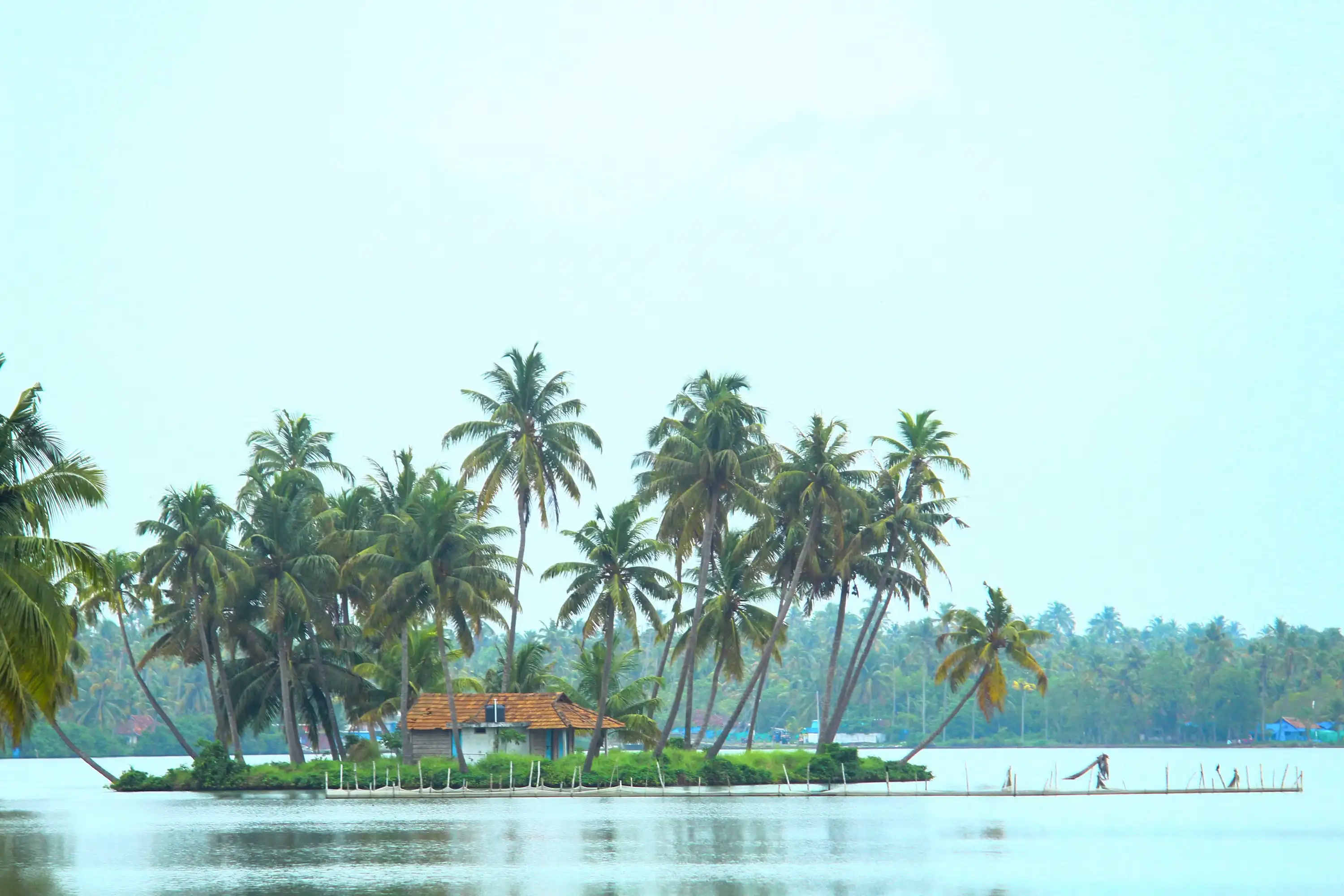
The brochure language about backwater cruises always mentions "village life," and on a standard Alleppey houseboat route through the busier canals, you'll see some of it — but you'll also see, by more than one honest traveller's count, fifty other houseboats in the same stretch of water at peak season. The backwaters near central Alleppey have become, in places, genuinely crowded.
Real village life is still there, but finding the fullest version of it usually means going narrower and smaller than the main houseboat routes allow. Houseboats, by their size, can't enter the narrowest canals — the ones too tight for anything bigger than a canoe. This is where coir-making happens, where toddy is tapped from palm trees and served in small village shops, where children travel to school by boat and women wash clothes on canal steps that have been used for that purpose for generations.
A good houseboat crew will offer a side detour by canoe into these narrower canals during your cruise — ask for this specifically when booking if it isn't already part of the package. Alternatively, Munroe Island, near Kollam and about 90 minutes from central Kerala's main tourist circuit, offers an entirely separate and quieter backwater experience built specifically around canoe tours through narrow, mangrove-lined canals at the confluence of the Kallada River and Ashtamudi Lake.
Munroe Island's most consistently recommended guide is a local named Vijeesh, who runs canoe tours with his father — sunrise and sunset departures, narrow canals so tight you duck under low bridges, conversation with villagers along the way, and often a homestay with a home-cooked Kerala meal as part of the package. One traveller who returned in 2026 after first visiting in 2014 noted it's "much more touristic now" than it once was — a fair and honest observation — but "still remains a lovely tranquil place" by comparison to Alleppey's busier main routes. That's a useful, calibrated piece of ground truth: not untouched, but still genuinely quieter.
| EXPERIENCE | WHERE | COST (APPROX) | WHAT MAKES IT WORTH IT |
|---|---|---|---|
|
Overnight kettuvallam stay |
Alleppey or Kumarakom |
₹8,000–30,000/night depending on category |
The signature Kerala experience — palm-lined canals, fresh onboard meals, sunset over Vembanad Lake |
|
Village canal detour by canoe |
Mid-cruise, arranged with houseboat crew |
Usually included or small extra fee |
Houseboats can't enter the narrowest canals — a canoe or small boat side-trip gets you to the village life the brochures promise |
|
Munroe Island canoe tour |
Near Kollam, 25 km from town |
₹800–1,500 for 2–3 hours with a local guide |
Genuinely quieter than Alleppey's main canals; narrow mangrove-lined waterways with almost no motorboat traffic |
|
Coir-making demonstration |
Most village stops along the canal network |
Often free with a houseboat or canoe tour |
Women hand-spinning coconut husk fibre into rope on traditional wheels — a centuries-old cottage industry still alive |
|
Toddy shop visit |
Village stops, ask your guide or crew |
₹50–150 for a taste |
Fermented palm sap, served in a local toddy shop — an honest slice of backwater social life, not a tourist performance |
|
Karimeen Pollichathu lunch |
Onboard or at a village restaurant |
Usually included in houseboat packages; ₹300–500 standalone |
Pearl spot fish marinated in spices and steamed in a banana leaf — the dish that defines backwater cuisine |
|
Nehru Trophy Boat Race (August) |
Punnamada Lake, Alleppey |
Tourist Gold ticket ₹3,000 (includes lunch); cheaper general seating available |
Sixteen-plus Chundan Vallams, each with 100+ rowers, racing to Vanchipattu boat songs — one of India's great spectator events |
|
Kumarakom Bird Sanctuary |
Kumarakom, on Vembanad Lake |
₹50–100 entry |
Best at dawn; resident darters and cormorants, migratory species November–February |
SIGNATURE EXPERIENCES — BACKWATERS AND VILLAGE LIFE
Houseboats can't fit into the narrowest canals — which means the most intimate village life is, almost by definition, somewhere a houseboat alone can't take you. Ask for the canoe detour, or go to Munroe Island instead.
The Nehru Trophy Boat Race — Kuttanad's Olympics on water
If your trip can be timed around the second week of August, the Nehru Trophy Boat Race on Punnamada Lake is one of the genuinely great spectator events in India, and it has a specific, well-documented origin story worth knowing before you go.
In December 1952, Prime Minister Jawaharlal Nehru visited Alappuzha and was given a boat trip through the Kuttanad backwaters, escorted by an impromptu procession of traditional Chundan Vallams — snake boats, named by British colonial officials for their resemblance to vessels they'd seen in Norway, though Kerala's chundans bear little real resemblance to their Scandinavian namesakes. Nehru was so taken with the spectacle that he reportedly jumped into the winning boat himself, forgetting his security detail in the excitement. He later sent a silver trophy shaped like a snake boat, and the race has been held annually since, eventually settling at Punnamada Lake on a 1,370 to 1,400-metre track.
The boats themselves are extraordinary objects: built from Anjili (wild jack) wood, over 100 feet long with a raised, serpentine prow, traditionally lubricated with fish oil and eggs to reduce friction in the water. Each carries 100 to 150 rowers who paddle in perfect unison to the rhythm of Vanchipattu — traditional boat songs — sung by onboard singers to the beat of chenda drums, reaching 100 to 120 strokes a minute at full pace. Watching sixteen or more of these boats compete, with tens of thousands of spectators along the lake banks, is as close as Kerala comes to a national sporting spectacle.
If you're planning around it: book accommodation and houseboats three to four months ahead, as prices rise sharply close to the event. Tourist Gold seating in the Nehru Pavilion runs around ₹3,000 and includes lunch and refreshments; cheaper general viewing is available along the banks. Carry a raincoat — August is full monsoon season in Kerala, and the race goes ahead regardless of weather.
Food on the water
Backwater cuisine centres on what the lake and the surrounding land actually produce, and the signature dish is Karimeen Pollichathu — pearl spot fish, caught fresh from Vembanad Lake, marinated in a coating of local spices and steamed in a banana leaf. Done well, it's one of the best things you'll eat in Kerala. Done badly, on a lower-tier boat cutting corners, it's a frozen fillet reheated and dressed up — which is precisely the kind of thing a direct, friendly question to your crew before you board usually prevents.
A typical houseboat meal sequence runs: breakfast of appam (a fermented rice-and-coconut pancake with a soft centre and lace-thin crisp edges) with vegetable stew or egg curry; lunch featuring the karimeen alongside rice, sambar, and coconut-based vegetable sides, served on a banana leaf; afternoon tea with banana fritters; and dinner of a meat or fish curry with rice and accompaniments. Vegetarian options are standard and, on good boats, just as carefully prepared as the seafood.
Responsible travel on the backwaters
Kerala's High Court issued a significant order in early 2026 requiring all houseboats on Vembanad Lake to hold pollution compliance certificates within three months or be barred from operating. The court's reasoning: the lake's roughly 1,200-plus registered houseboats, plus several hundred unregistered ones, have exceeded its ecological carrying capacity, contributing to sewage discharge, oil leaks, and solid waste in a system that supports tens of thousands of farming and fishing families.
Practically, this means two things for your trip. First, ask your operator directly whether their boat holds a 2026 compliance certificate before booking — established, premium operators are generally ahead on this. Second, shikara boats (the smaller traditional craft) are explicitly exempted from the new restrictions, making a shikara day trip through Kumarakom's quieter canals or a Munroe Island canoe tour a genuinely lower-impact choice if you're uncertain about a specific houseboat's status.
Beyond the houseboat-specific regulation, the broader pressures on the backwater ecosystem are worth being mindful of as a visitor. Carry out what you carry in — the canals are part of daily life and water supply for the communities living along them, and litter doesn't disappear the way it might elsewhere. Ask before photographing villagers or their homes; this is someone's daily life, not a film set arranged for visitors. And where you have the choice, spend on community-run canoe tours and village stops rather than exclusively on resort-arranged packages that route money away from the people whose backwaters you're actually visiting.
Planning your backwater trip with BizareXpedition
Getting a Kerala backwater trip right is mostly about avoiding the gap between expectation and reality that fills so many online reviews — knowing which operators to book directly, what the anchoring regulation actually means for your itinerary, when non-AC genuinely works and when it doesn't, and where the real village life is once you know to look past the busiest canals.
BizareXpedition™ Services Pvt. Ltd. (bizarexpedition.com), based in Haridwar and known primarily for Himalayan journeys, also builds customised South India itineraries with the same approach we bring everywhere: verified operators, honest seasonal advice, and routes that go beyond the version of a destination that shows up first in a search result. Whether that's confirming a houseboat's 2026 compliance status, arranging a Munroe Island canoe tour with a guide who actually knows the canals, or timing a trip around the Nehru Trophy Boat Race, the goal is the same — make sure you get the backwaters that the photographs promise, not the crowded version that some travellers end up with.
| ITEM | NOTES |
|---|---|
|
The 5:30 PM anchoring rule |
This is government safety regulation, not a sales gimmick or operator laziness — every houseboat in Kerala stops cruising and anchors by early evening. Plan your expectations around stillness after dark, not continuous movement. |
|
Mosquitoes at dusk |
Backwater evenings, especially near paddy banks, bring mosquito activity. Pack repellent; most boats provide coils, but bring your own as backup. |
|
Non-AC vs AC decision |
Genuinely fine November–February (20–22°C nights). Uncomfortable April–September. Choose based on your travel month, not just budget. |
|
Mobile signal |
4G/5G is mostly spotty in town and intermittent on the narrower canals. Don't plan on working remotely from a houseboat. |
|
Cash for village stops |
Carry small denomination cash for toddy shops, coir purchases, and roadside snack stops — many village vendors don't take cards or UPI. |
|
Verified booking only |
Book through your hotel, a DTPC-registered operator, or a known agency. Avoid unsolicited WhatsApp contacts offering houseboat deals. |
|
Life jackets |
Always available on canoe and shikara tours — wear them, especially with children aboard. |
|
Photography etiquette |
Ask before photographing villagers, their homes, or their work. The backwaters are someone's daily life, not a film set. |
|
Litter |
Canals are part of daily life and water supply for backwater communities — carry out what you carry in, and avoid single-use plastic. |
|
Emergency contacts |
Alappuzha Police: 0477-2251306; Alappuzha District Hospital: 0477-2251000; Kerala Tourism Helpline: 1800-425-4747 |
PRACTICAL CHECKLIST — KERALA BACKWATERS 2026
| CATEGORY | BUDGET | MID-RANGE | LUXURY |
|---|---|---|---|
|
Houseboat (per night, 1 bedroom) |
₹8,000–12,000 (deluxe) |
₹12,000–18,000 (premium) |
₹18,000–30,000+ (luxury, full AC) |
|
Day cruise (group, 6 hrs) |
₹2,000–3,500 |
₹3,500–5,000 |
₹5,000–8,000 (private, smaller group) |
|
Canoe/shikara tour (2–3 hrs) |
₹800–1,500 |
₹1,500–2,500 |
₹2,500–4,000 (private guide, extended route) |
|
Food (if not included) |
₹300–500/meal |
₹500–800/meal |
₹800–1,500/meal |
|
Local transport to/from Alleppey |
₹100–300 (bus/shared auto) |
₹1,500–2,500 (private taxi from Kochi) |
₹3,000–4,200 (private SUV from Kochi airport) |
BUDGET GUIDE
Somewhere past the last houseboat mooring, where the canal narrows to canoe width and the coconut palms finally meet overhead, the engine noise stops mattering because there isn't any. A woman is washing clothes on stone steps her family has used for generations. A kingfisher crosses the water ahead of the boat and doesn't come back. This is the version of the backwaters worth the planning it takes to find — not instead of the houseboat, but alongside it, if you know to ask.
Best Selling Tour Packages
Explore other exciting options for your next adventure!