
Published On - Jun 25, 2026
Updated On - Aug 11, 2026
25 min
Kerala — The Complete Travel Guide 2026
Explore Kerala with this complete travel guide for 2026. Discover top destinations, backwaters, hill stations, beaches, wildlife sanctuaries, travel tips, itineraries, and the best time to visit.
God's Own Country, and for good reason: backwaters that move at the pace of a poem, tea hills cool enough to need a sweater, a port town that has absorbed five centuries of trading nations without losing itself, and a houseboat industry currently working out how to survive its own popularity. Here's how to do Kerala properly in 2026.
Why Kerala, and why now
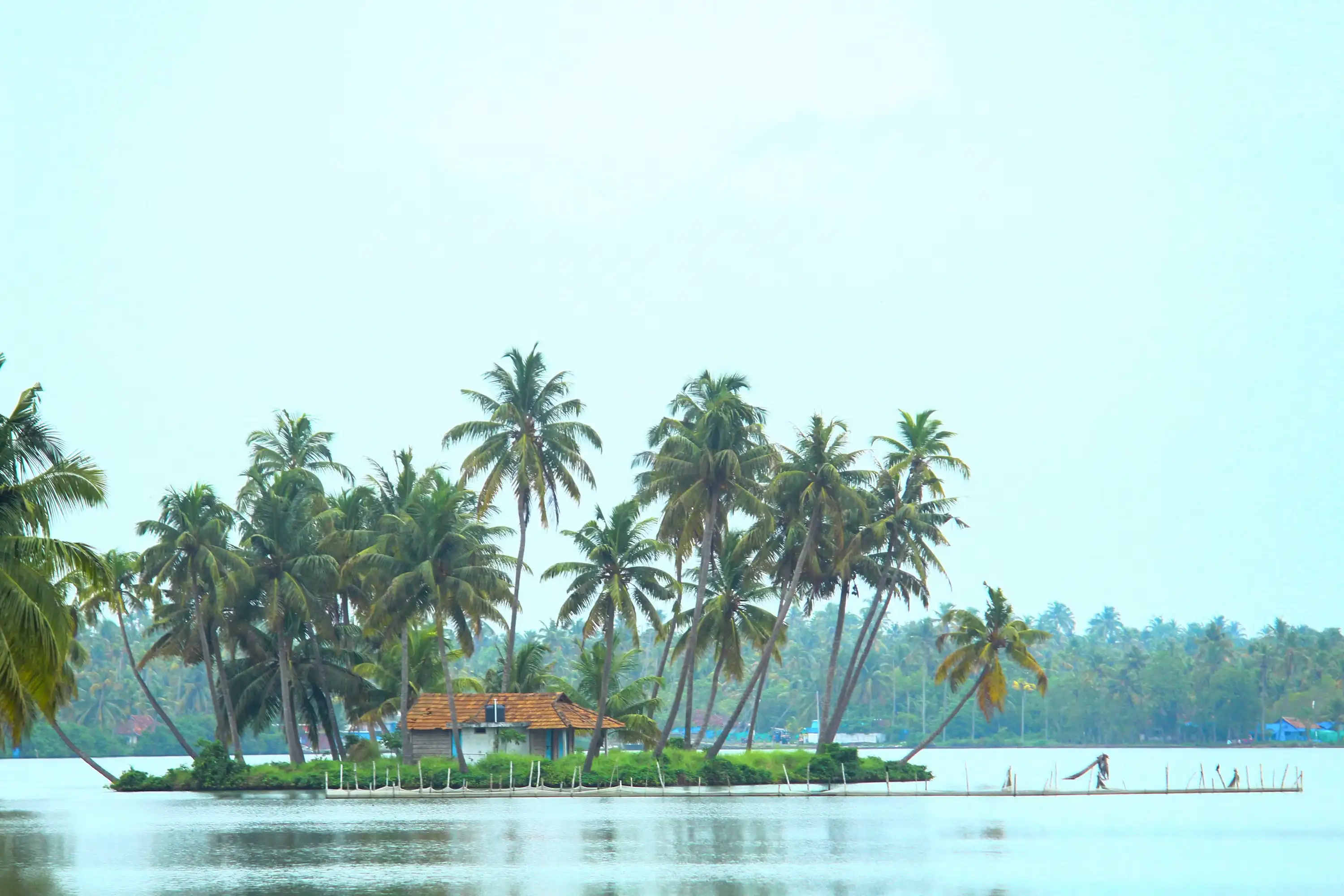
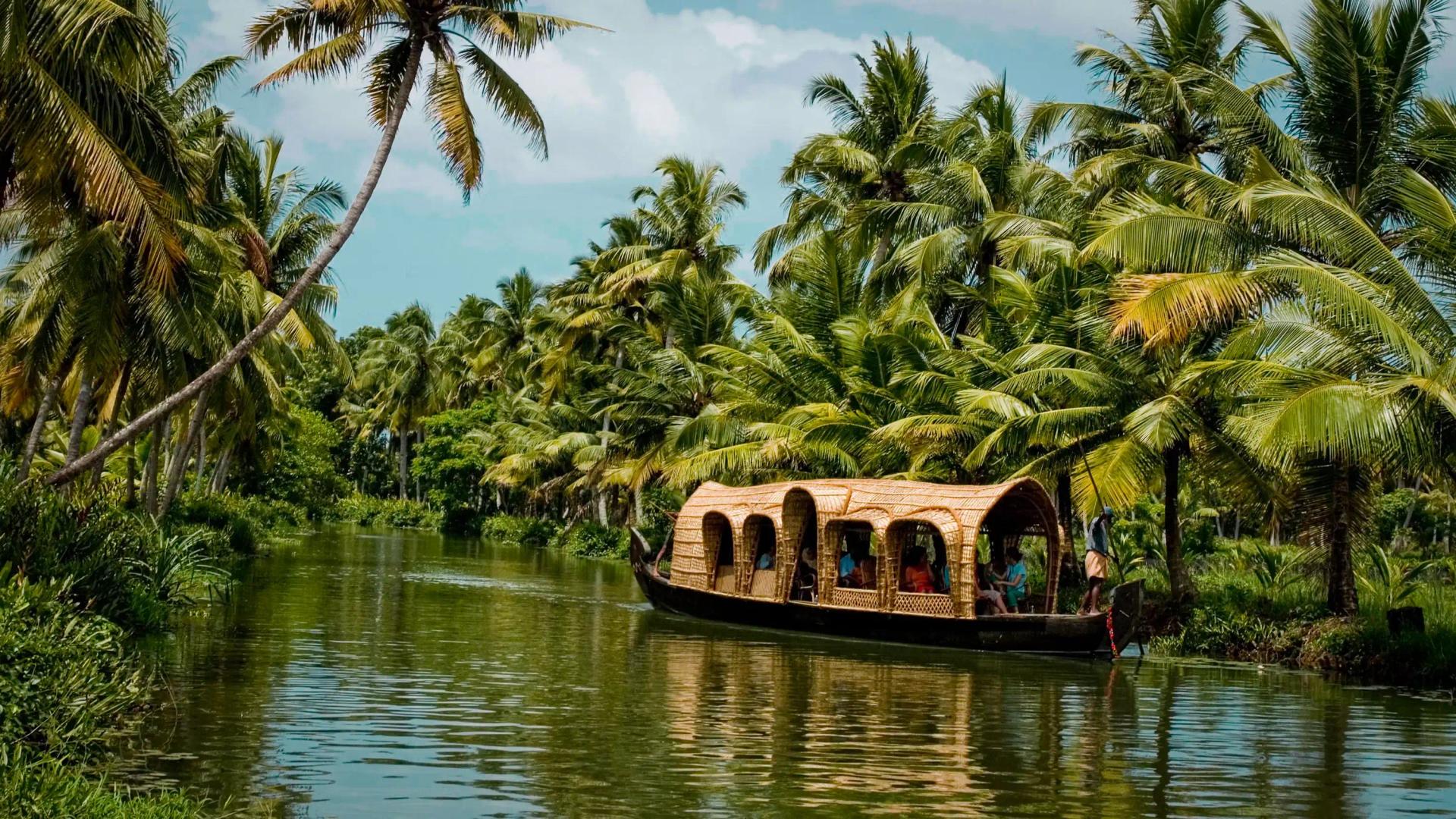
I think Kerala is one of the few places in India where the marketing slogan is actually accurate. "God's Own Country" sounds like tourism board hyperbole until you're on a canoe at dawn on a narrow backwater canal, with coconut palms meeting overhead and a kingfisher diving six feet from your boat, and you understand that the phrase was probably underselling it.
What makes Kerala distinct from the rest of India is the density of contrast packed into a relatively small state. You can wake up in a 16th-century Portuguese fort town, drive four hours to tea plantations at 1,600 metres where the temperature drops 15 degrees, and be on a houseboat through mangrove-lined canals by the following evening. Few places in the world offer that range without requiring a flight in between.
2026 brings a genuine complication worth understanding before you book: Kerala's backwater tourism, specifically the houseboat industry on Vembanad Lake, is under real environmental and regulatory pressure. The Kerala High Court issued directions in early 2026 requiring all houseboats to hold pollution compliance certificates within three months or be barred from the lake. This isn't a minor footnote — it's a genuine recalibration of how backwater tourism works, and I'll cover exactly what it means for your trip later in this guide.
| FACT | DETAIL |
|---|---|
|
Best overall season |
September to March (post-monsoon to pre-summer) |
|
Best single month |
October — moderate weather, dramatic post-monsoon waterfalls, Navaratri festival season |
|
Avoid |
April–May (very hot and humid, 35°C+); June–August (full monsoon, though Munnar stays pleasant) |
|
Backwater system length |
900 km of interconnected canals, rivers and lagoons, Kollam to Kochi |
|
Vembanad Lake |
India's longest lake at 96.5 km; centrepiece of Alleppey and Kumarakom backwater tourism |
|
Munnar altitude |
1,600 m; Kerala's most-visited destination, over 1 million visitors annually |
|
Anamudi Peak |
2,695 m — South India's highest point, inside Eravikulam National Park |
|
Western Ghats status |
UNESCO World Heritage Site since 2012; one of the world's 8 biodiversity hotspots |
|
Periyar Tiger Reserve (Thekkady) |
Boat safaris on Periyar Lake; elephant, bison, otter sightings; early morning slots best |
|
Fort Kochi founding |
1503 — Fort Manuel, first European fort in India, built by the Portuguese |
|
Kochi Water Metro (Mattancherry) |
Opened 11 October 2025 — new water transport link to the heritage district |
|
Houseboat fleet on Vembanad |
~700 registered + ~750 unregistered (2026 estimate) — exceeds the lake's ecological carrying capacity |
|
Houseboat regulation (2026) |
Kerala High Court order: all houseboats need pollution compliance certificates within 3 months or face a ban; shikara boats exempted |
|
Plastic ban |
Single-use plastic banned statewide since January 2020; Fort Kochi Beach has additional local enforcement |
|
Theyyam ritual season |
November–May, concentrated in Kannur district — among India's most intense ritual performance traditions |
|
Nearest international airports |
Kochi (Cochin International), Thiruvananthapuram, Kozhikode (Calicut) |
|
State language |
Malayalam |
KERALA — ESSENTIAL FACTS 2026
Kerala doesn't ask you to choose between culture, nature, and relaxation. It asks you to sequence them properly — fort town, then tea hills, then backwaters — and gives you roughly two weeks to do it without rushing.
Getting there and getting around
Three international airports serve Kerala: Kochi (Cochin International Airport) is the busiest and most convenient for the classic fort-to-backwaters circuit. Thiruvananthapuram serves the south, useful if Kovalam and Varkala are your priority. Kozhikode (Calicut) serves the north, including Wayanad and Kannur.
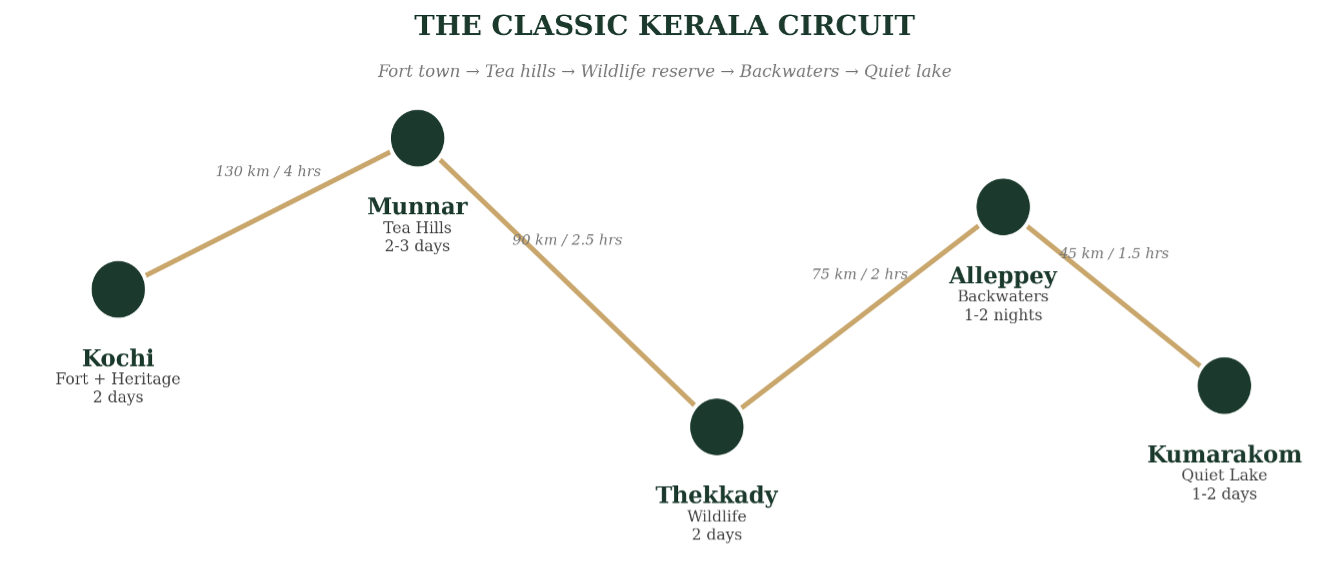
For most first-time visitors, flying into Kochi makes the most sense. From there, the standard circuit — Fort Kochi, Munnar, Thekkady, Alleppey — forms a loop that returns you close to the airport without significant backtracking.
Private taxis are the most practical way to move between regions. Kerala's roads are generally good, though hill routes (especially Munnar to Thekkady) have the switchback character you'd expect. A private SUV with driver for a 10–12 day circuit runs ₹25,000–40,000 depending on vehicle class — and is worth every rupee for the flexibility it gives you, particularly for early morning wildlife safaris and sunset stops.
Kerala's public bus network is excellent by Indian standards and a genuinely good option for budget travellers comfortable with a bit more logistics planning. The new Kochi Water Metro, which extended to Mattancherry in October 2025, is a pleasant and practical way to move around the Fort Kochi heritage area without dealing with the city's narrow lanes by road.
| REGION | FROM KOCHI | BEST FOR | TIME NEEDED |
|---|---|---|---|
|
Fort Kochi / Mattancherry |
In Kochi city |
Colonial heritage, art, Chinese fishing nets, Jew Town |
2 days |
|
Munnar |
130 km / 4 hrs |
Tea plantations, Nilgiri Tahr, cool climate, honeymoon |
2–3 days |
|
Thekkady (Periyar) |
190 km / 5 hrs (or 90 km from Munnar) |
Wildlife, spice plantations, boat safaris |
2 days |
|
Alleppey (Alappuzha) |
60 km / 1.5 hrs |
Houseboat backwaters, canals, Vembanad Lake |
1–2 nights on water |
|
Kumarakom |
75 km / 2 hrs |
Quieter backwaters, bird sanctuary, luxury resorts |
1–2 days |
|
Wayanad |
210 km / 5–6 hrs |
Rainforest, coffee plantations, treks, wildlife, caves |
2–3 days |
|
Athirappilly |
65 km / 1.5–2 hrs from Kochi |
Waterfalls, half-day or full-day trip |
Half day |
|
Varkala |
160 km / 4 hrs (or near Trivandrum) |
Cliff-edge beach, sunset, yoga culture |
1–2 days |
|
Kovalam |
220 km / 5.5 hrs (near Trivandrum) |
Classic beach destination, lighthouse |
1–2 days |
|
Kannur |
90 km / 2.5 hrs |
Theyyam rituals (Nov–May), beaches, handloom weaving |
1–2 days |
THE KEY REGIONS — WHERE TO GO AND HOW LONG TO STAY
1. Fort Kochi — five centuries in one walkable town
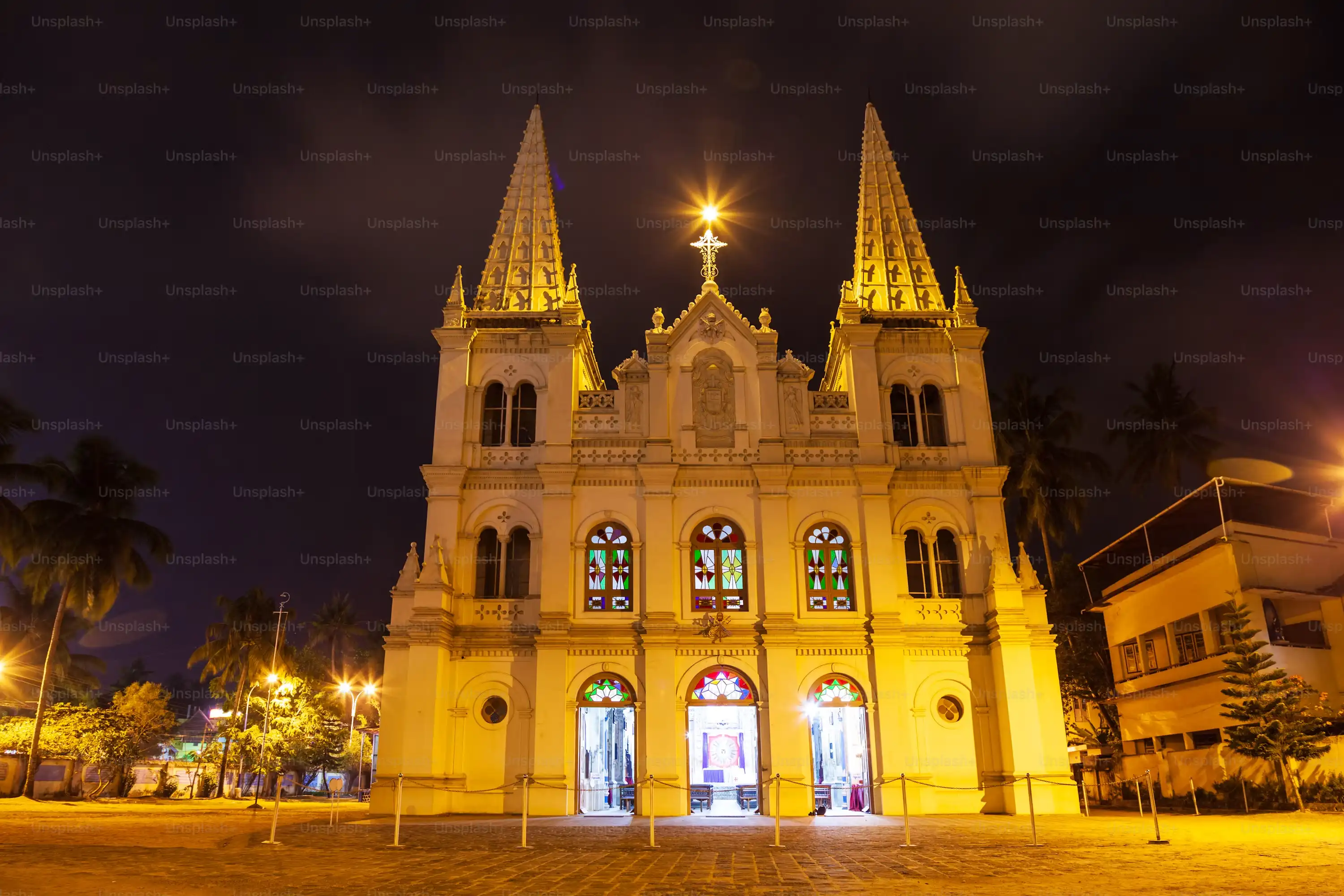
Fort Kochi gets called a museum town, but that undersells how alive it actually is. The fort here — Fort Manuel, built by the Portuguese in 1503 — was the first European fortification in India, and the layers of history that followed (Dutch, British, and a thriving Jewish trading community alongside the indigenous Malayali culture) are still visible on every street.
Start at St. Francis Church, one of India's oldest European churches, where Vasco da Gama was originally buried in 1524 before his remains were moved to Portugal fourteen years later. Walk to the waterfront for the Chinese fishing nets — cantilevered fishing structures, likely introduced by Chinese traders centuries ago, still operated by hand using a counterweight system that hasn't fundamentally changed. Sunset here, around 5:30–6:30 PM, is when the light does its best work.
Mattancherry, a short walk or water-metro ride away, houses the Dutch Palace (built by the Portuguese, later renovated by the Dutch — colonial history in Kerala rarely has a simple name) with its extraordinary mural collection, and the Paradesi Synagogue in Jew Town, a 16th-century building with hand-painted Chinese floor tiles and Belgian chandeliers that feels improbable until you remember that this was, for centuries, one of the world's great spice trading ports — everyone came through here.
Give Fort Kochi two full days. One for the heritage walk — churches, the synagogue, the Dutch Palace, the fishing nets at sunset. One for the art and café scene — Kashi Art Café and Pepper House are the names everyone mentions, and they earn the mentions — plus a Kathakali performance in the evening. If your trip coincides with the Kochi-Muziris Biennale, Kerala's major contemporary art festival, the entire town becomes a gallery space. Check the dates before you book.
2. Munnar — tea, altitude, and the Nilgiri Tahr
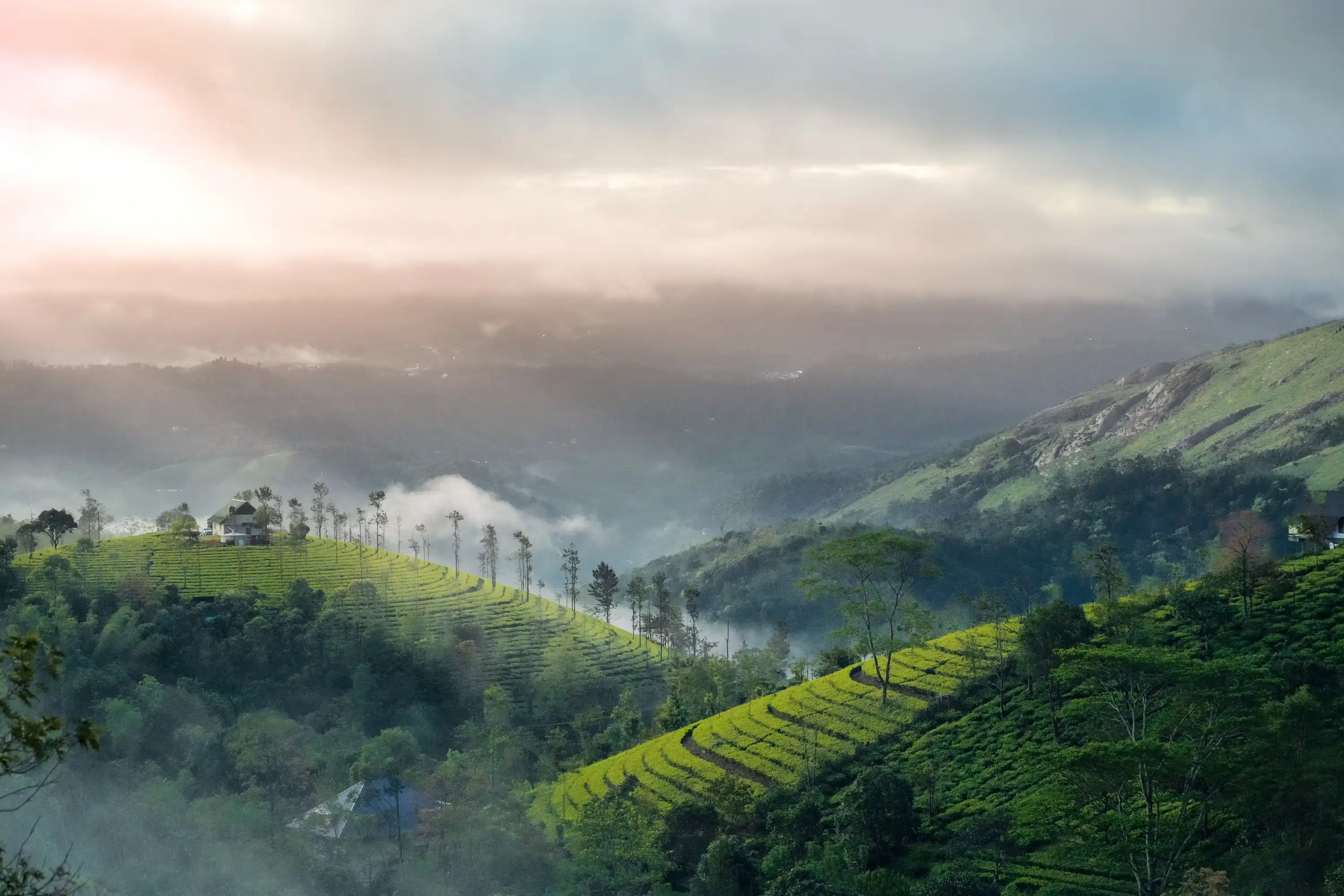
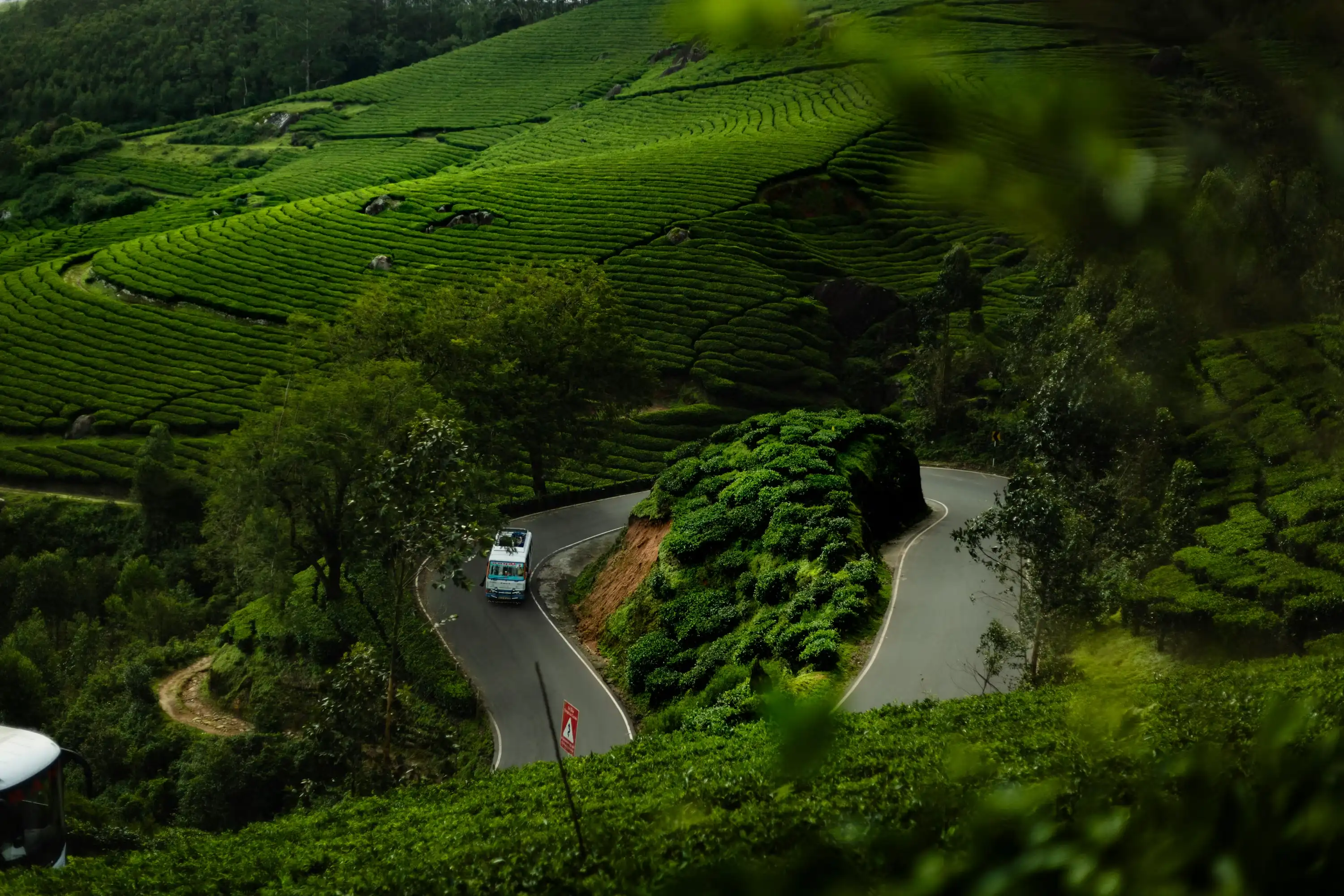
Munnar is Kerala's most visited destination by a wide margin — over a million visitors a year — and the reason is straightforward: nowhere else in the state gives you tea plantations rolling to the horizon at 1,600 metres, with air cool enough to need a sweater in a state that's otherwise tropical.
Eravikulam National Park is the must-do here. It protects the endangered Nilgiri Tahr — a mountain goat species found nowhere else on earth — and Anamudi Peak at 2,695 metres, South India's highest point. Go at opening time, 7:30 AM. The tahr are most active and visible in the cooler morning hours, and the crowds that build up by mid-morning haven't arrived yet.
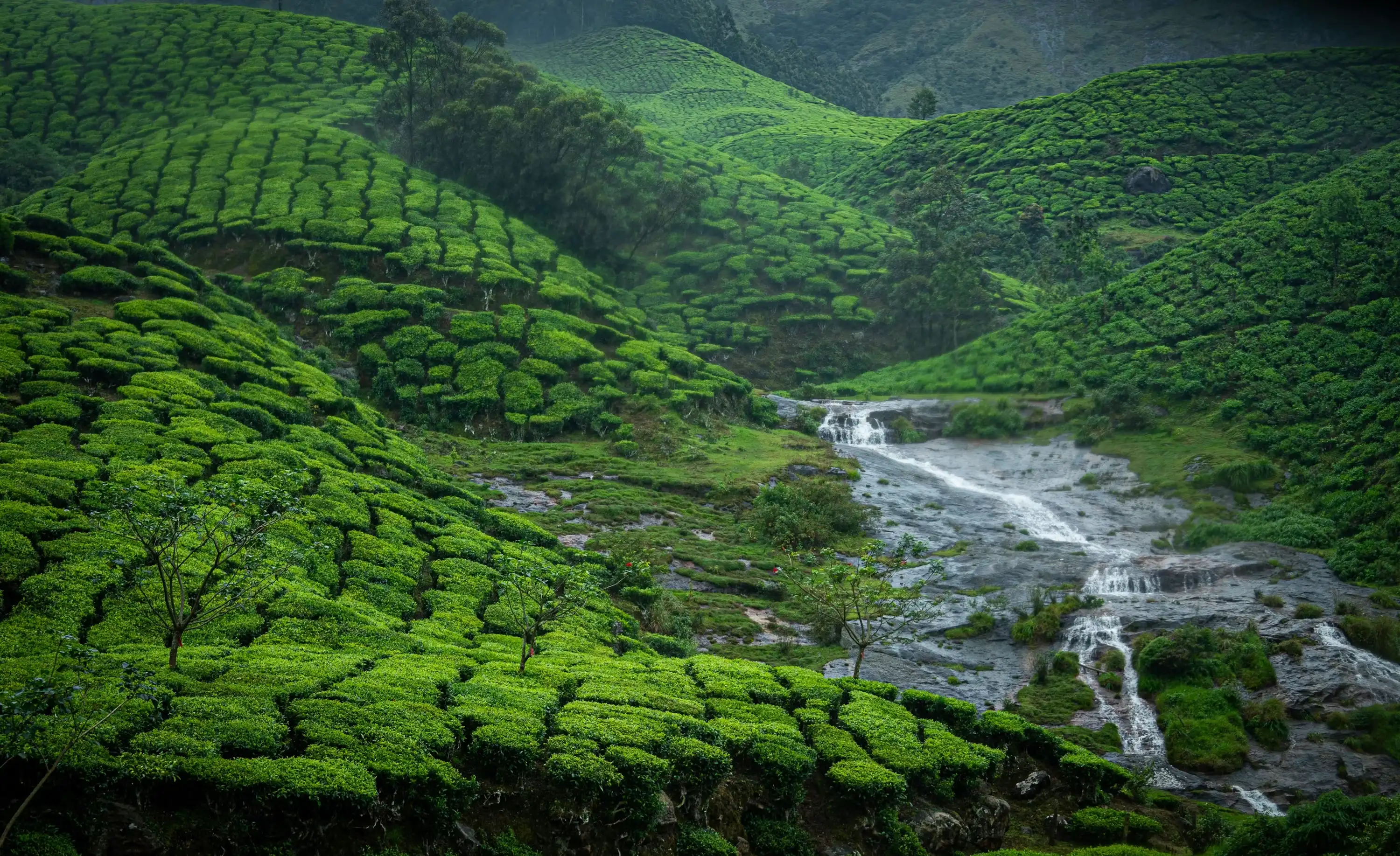
Beyond the obvious tea-plantation photography (which is genuinely worth doing — the geometric patterns of the tea bushes against the hills are extraordinary), Munnar rewards a slower pace. A tea factory tour explains the actual process behind what's in your cup. The drive to Top Station, near the Tamil Nadu border, gives the most expansive valley views in the region. And the spice and tea shops in Munnar town, while touristy, are a legitimate place to buy genuinely good Kerala cardamom and tea if you know to ask for the better grades rather than the cheapest packets.
Season By Season Guide
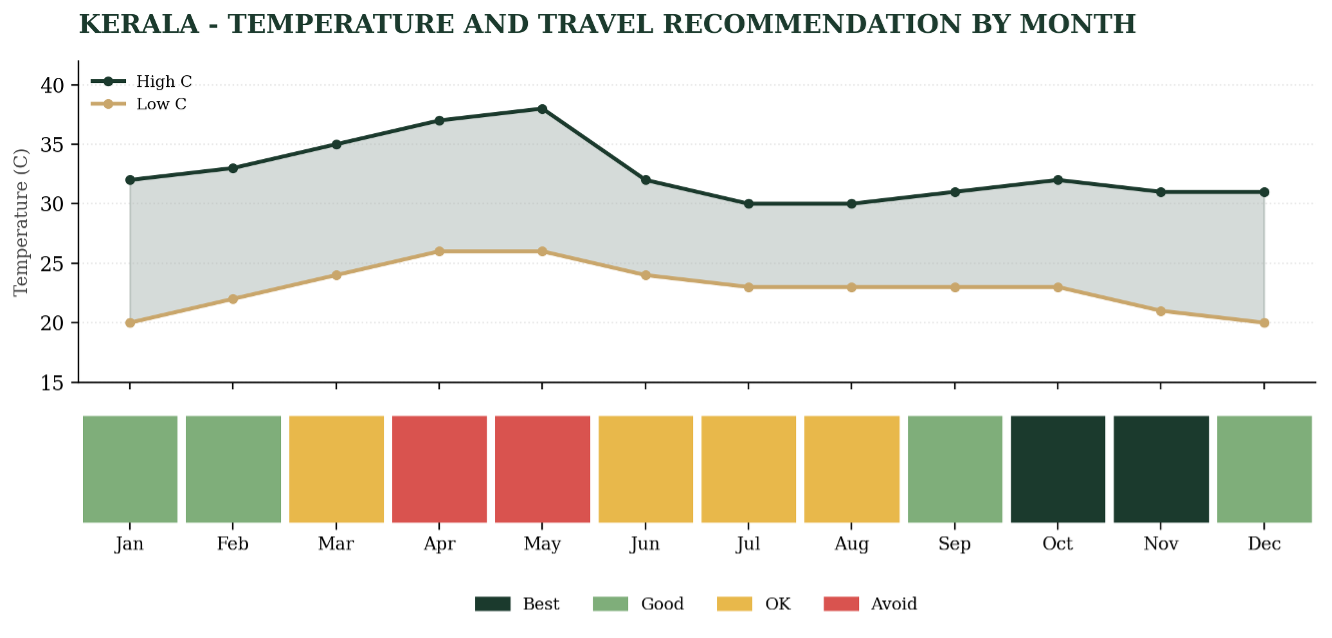
| MONTH | WEATHER | BEST FOR | NOTES |
|---|---|---|---|
|
January |
Cool, dry, 20–32°C |
Peak season — all regions at their best |
Most crowded and most expensive month; book 6+ weeks ahead |
|
February |
Warm, dry, 22–33°C |
Backwaters, beaches, wildlife |
Still excellent; marginally less crowded than January |
|
March |
Hot beginning, 24–35°C |
Early visits before peak heat |
Last comfortable month before summer; Munnar still pleasant |
|
April–May |
Very hot and humid, 28–38°C |
Munnar only (hill stations stay cooler) |
Avoid lowland Kerala unless visiting only hill stations |
|
June–July |
Full monsoon, heavy rain |
Ayurveda treatments (monsoon is considered ideal for this); Munnar's misty tea hills |
Backwaters and beaches less appealing; waterfalls building toward their best |
|
August |
Monsoon continuing, lush green |
Onam festival (state's biggest celebration, dates vary) |
Snake boat races during Onam are spectacular if timing aligns |
|
September |
Tail of monsoon easing |
Transition month — waterfalls dramatic, crowds thin |
Good value; some rain still likely |
|
October |
Best overall month — moderate, clear |
Everything: waterfalls, wildlife, backwaters, Navaratri festivities |
Athirappilly and Western Ghats waterfalls at their most dramatic post-monsoon |
|
November |
Cool, dry, comfortable |
Theyyam season begins in Kannur; all-round excellent |
Strongly recommended month — comfortable and culturally rich |
|
December |
Cool, dry, festive |
Christmas in Fort Kochi (large Christian community); peak season begins |
Book well ahead — second-busiest month after January |
SEASON-BY-SEASON GUIDE
Eravikulam at 7:30 AM, with mist still on the tea hills and a Nilgiri Tahr watching you from twenty feet away — this is the version of Munnar worth getting up early for. By 10 AM, you're sharing the moment with several hundred other people.
Thekkady and Periyar — Kerala's wildlife heartland
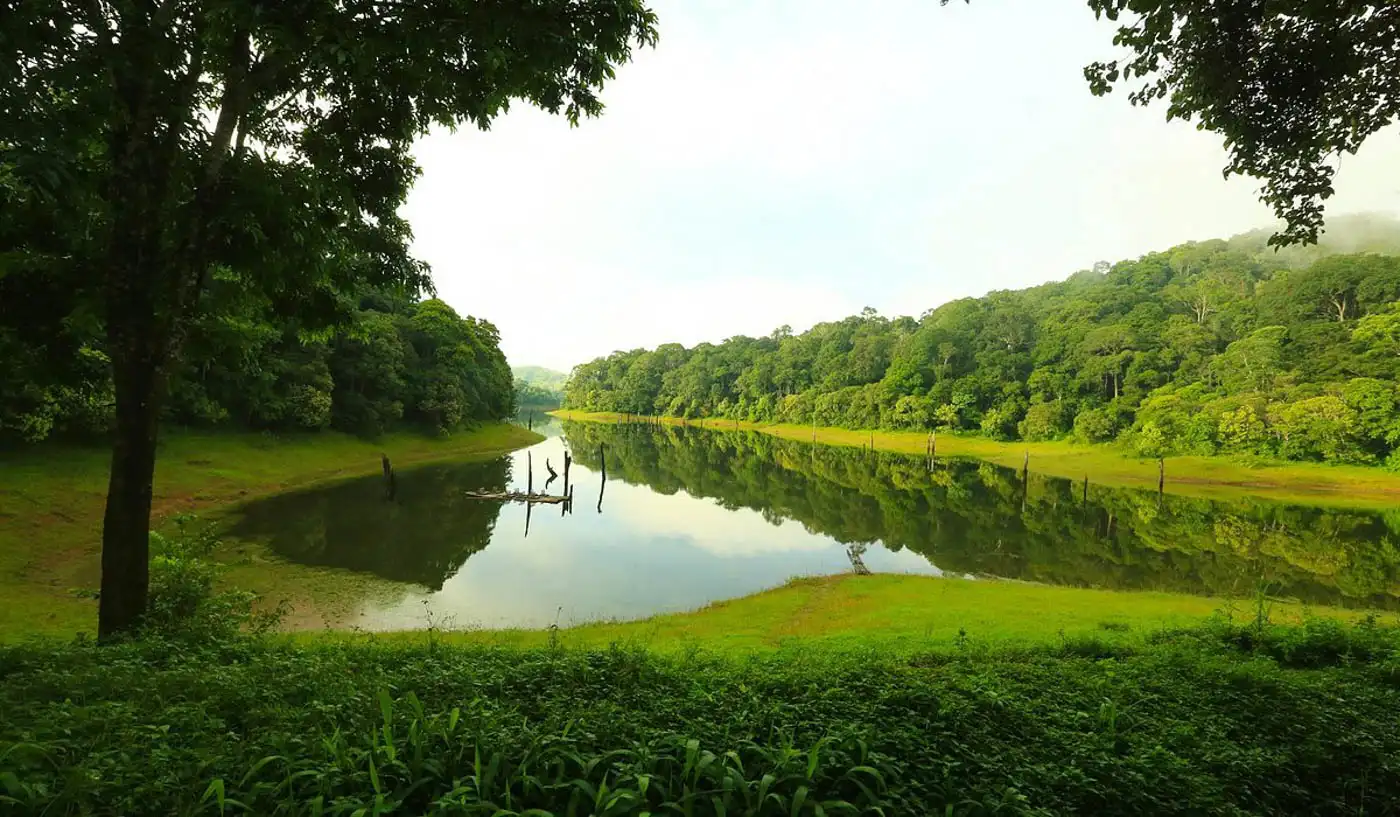
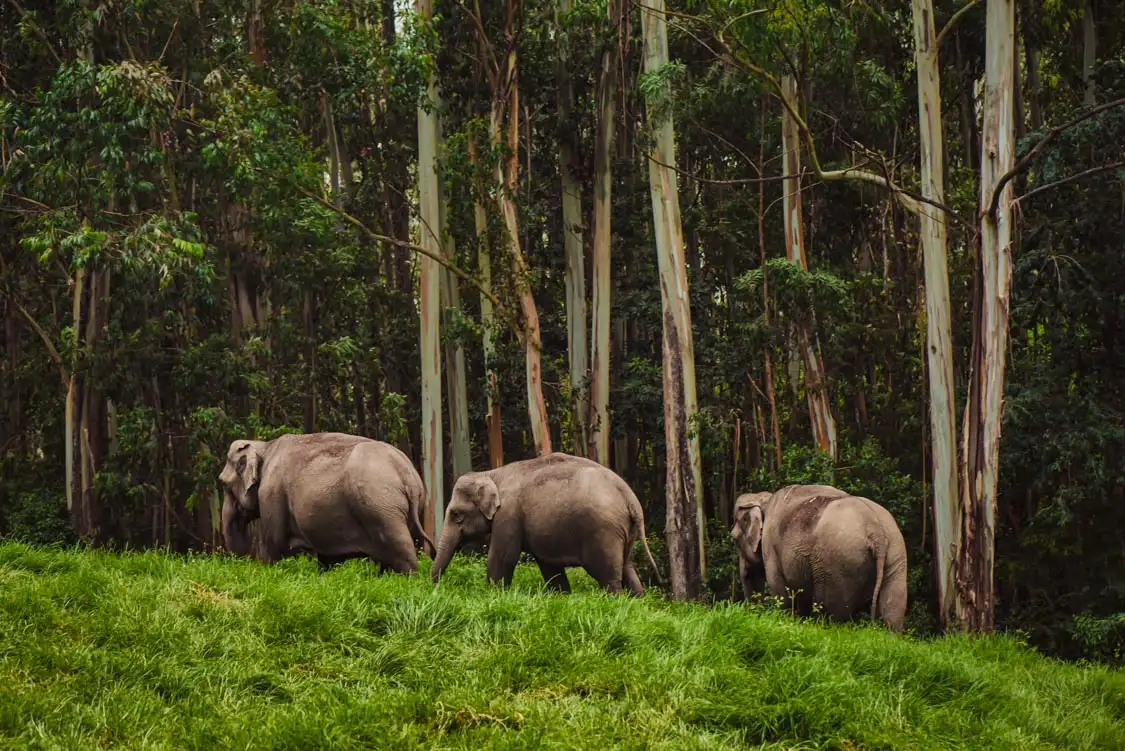
Thekkady sits at the edge of the Periyar Tiger Reserve, and while actually seeing a tiger is genuinely rare (they're elusive and the reserve is large), the boat safaris on Periyar Lake deliver reliable encounters with elephants, bison, otters, and an excellent range of birdlife — often with the added drama of watching elephants swim across open water.
Book the first boat slot of the day, generally around 7 AM. Animals come to the lake's edge to drink in the cooler morning hours, and the boat queues — which can be substantial by mid-morning — haven't built up yet. The Periyar Tiger Reserve also offers guided treks and bamboo rafting for those wanting a deeper forest experience beyond the boat safari.
Thekkady is also Kerala's spice country. Plantation walking tours here cover pepper, cardamom, cinnamon, vanilla, and clove — crops that built this region's trading history centuries before tourism existed. The smell alone, walking through a working plantation, justifies the detour. Buy your spices directly from the plantation rather than roadside stalls near the tourist hubs, where quality and authenticity are inconsistent.
The backwaters — and the honest 2026 conversation about houseboats
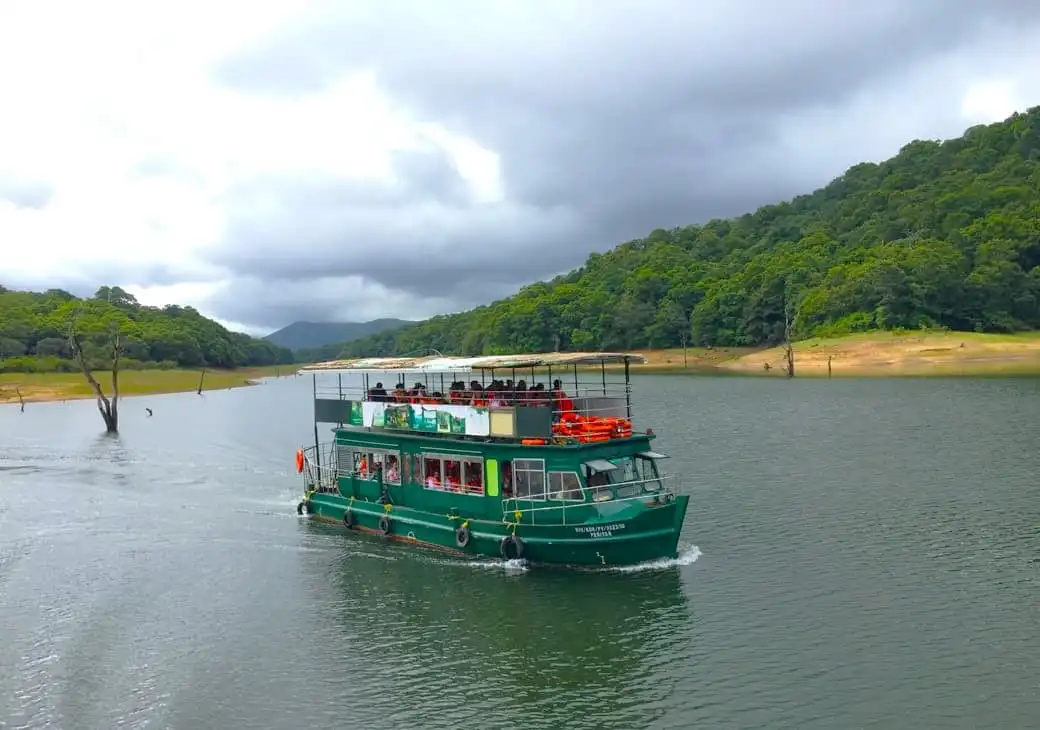
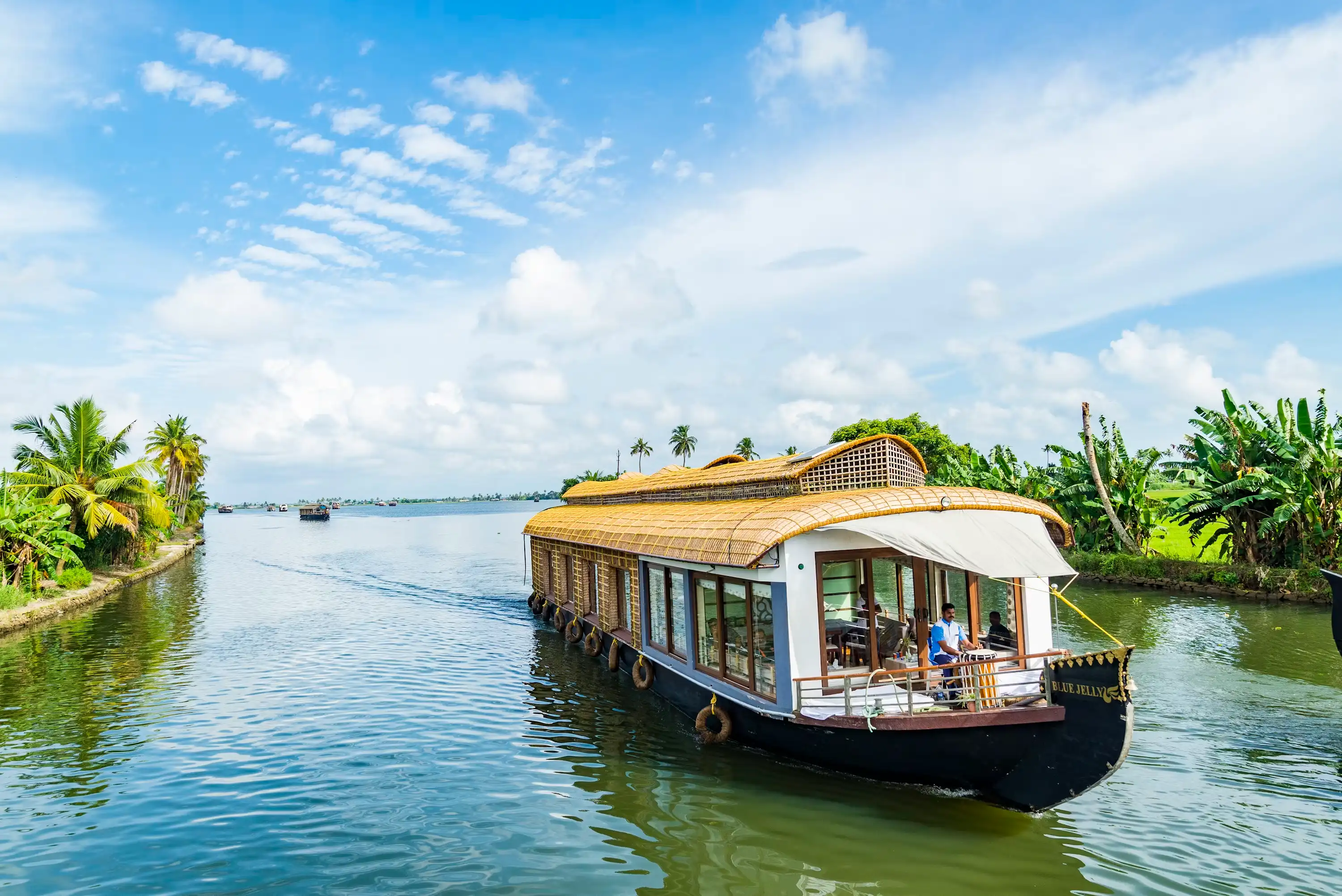
An overnight houseboat journey through the Alleppey or Kumarakom backwaters is, for most visitors, the single experience that defines a Kerala trip. The traditional kettuvallam — originally built to transport rice and spices, now converted into floating accommodation with bedrooms, a dining area, and a crew that cooks fresh Kerala food as you drift through villages — is a genuinely special way to spend a night.
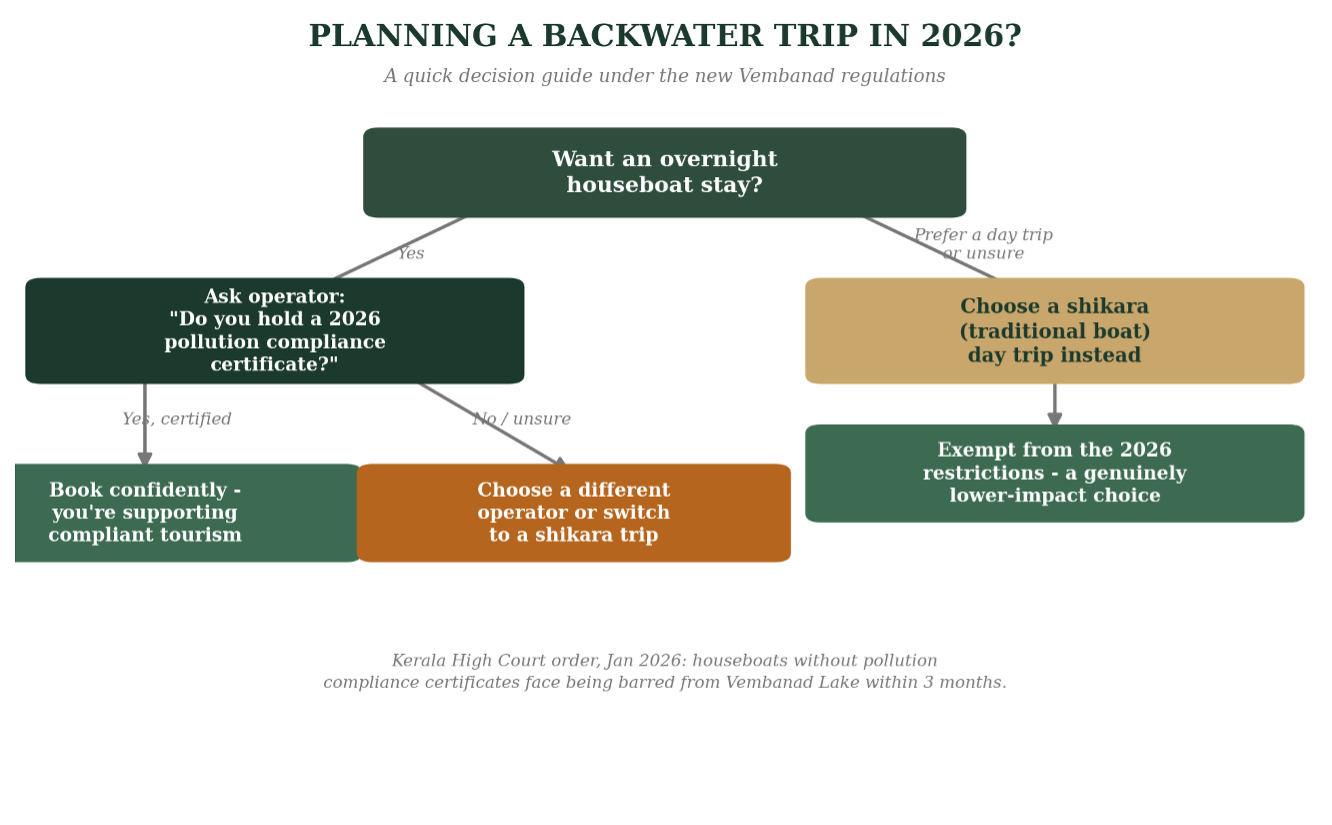
Here's what you need to know for 2026. Vembanad Lake, India's longest at 96.5 kilometres and the centrepiece of this entire backwater system, has been under serious environmental strain. The Kerala High Court, in a January 2026 order, found that the lake's roughly 700 registered and 750 unregistered houseboats have exceeded its ecological carrying capacity, contributing to sewage discharge, oil leaks, and solid waste accumulation. The court has ordered that any houseboat without a pollution compliance certificate will be barred from operating on the lake within three months of the ruling.
This matters practically for your trip in two ways. First, ask your operator directly whether their houseboat holds a 2026 pollution compliance certificate before booking — premium and well-established operators are generally ahead of this requirement, but it's worth confirming rather than assuming. Second, shikara boats — the smaller traditional craft, often paddled or lightly motorised — are explicitly exempted from the new restrictions and represent a genuinely good lower-impact alternative, particularly for a day excursion rather than an overnight stay.
None of this means avoid the backwaters. It means choose deliberately. A well-run, compliant houseboat from an established operator, or a shikara day trip through Kumarakom's quieter canals, gives you the experience without contributing to the part of the problem that the court is trying to solve.
| EXPERIENCE | LOCATION | COST (APPROX) | NOTES |
|---|---|---|---|
|
Overnight houseboat stay |
Alleppey or Kumarakom backwaters |
₹8,000–25,000/night (1–2 bedroom, full board) |
Choose a houseboat with a 2026 pollution compliance certificate — ask before booking; shikara day trips are the lower-impact alternative |
|
Sunrise at Eravikulam National Park |
Munnar |
₹125 entry + shuttle ₹30 |
Nilgiri Tahr sightings near-guaranteed; arrive at opening (7:30 AM) for best light and fewer crowds |
|
Kathakali performance |
Fort Kochi (Kerala Kathakali Centre) |
₹300/person |
Arrive early for the makeup application — watching the transformation is as compelling as the performance |
|
Periyar Lake boat safari |
Thekkady |
₹40–250 depending on boat type |
Book the first boat of the day (around 7 AM) for the best wildlife sighting odds — elephants, bison, otters |
|
Fresh Kerala sadya (banana-leaf meal) |
Anywhere — best at traditional restaurants |
₹150–400/person |
A full vegetarian feast on a banana leaf, traditionally 20+ dishes; eat with your right hand for the full experience |
|
Theyyam ritual performance |
Kannur district villages |
Free (community event) to ₹500 (organised viewing) |
November–May only; an intense, trance-based ritual dance — among the most powerful cultural experiences in India |
|
Spice plantation walking tour |
Thekkady |
₹200–400/person |
Pepper, cardamom, cinnamon, vanilla all grow here; the smell alone justifies the walk |
|
Chinese fishing nets at sunset |
Fort Kochi Beach |
Free |
Best light 5:30–6:30 PM; the fishermen still operate them by hand using a centuries-old counterweight system |
SIGNATURE EXPERIENCES — WHAT TO ACTUALLY DO
Ask your houseboat operator if they hold a 2026 pollution compliance certificate. It's a five-second question that tells you whether you're contributing to the solution or the problem on Vembanad Lake.
Wayanad — the quieter Western Ghats
If Munnar feels too built-up by the time you get there — and on a January weekend, it can — Wayanad is the answer. Less commercially developed, with genuine rainforest scenery, ancient cave systems with prehistoric rock art at Edakkal, and coffee plantations rather than tea, it rewards travellers who prefer nature immersion over a checklist of viewpoints.
Treks here, including the popular Chembra Peak route, require permits that should be arranged through the forest department or your accommodation in advance. The Soochipara and Meenmutty waterfalls are accessible highlights. Wayanad's wildlife sanctuary connects to the broader Nilgiri Biosphere Reserve, giving it a genuine claim to serious birding and wildlife credentials beyond what its quieter reputation suggests.
Athirappilly — the Niagara of India
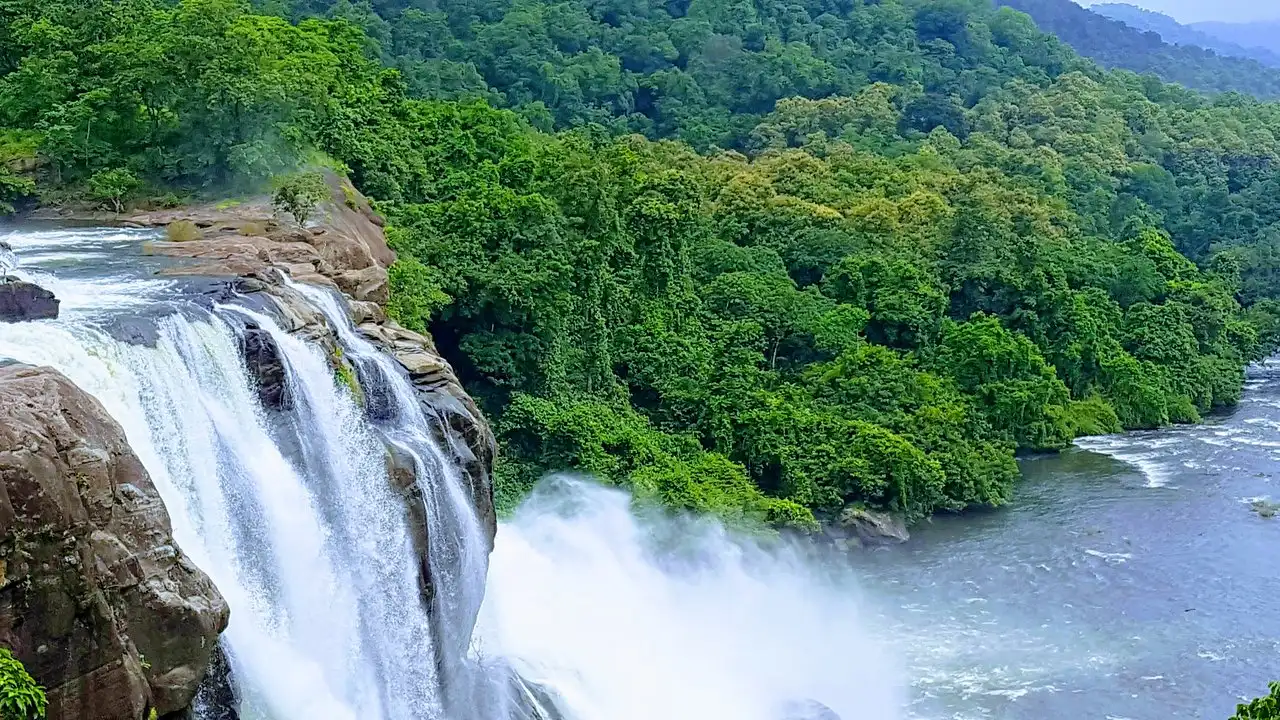
At 80 feet, Athirappilly Waterfalls won't challenge actual Niagara for scale, but the nickname captures something true about its drama — full-throated, mist-generating, genuinely impressive water volume on the Chalakudy River, particularly in the weeks following monsoon when October sources consistently flag it as being at its dramatic best.
It's a popular Bollywood and Malayalam film location, which tells you something about its photogenic qualities. Visit early to avoid both the crowds and the harshest midday light. It works well as a half-day or full-day trip from Kochi (about 65 km) or en route between Thekkady and the coast.
Theyyam — Kerala's most intense cultural experience
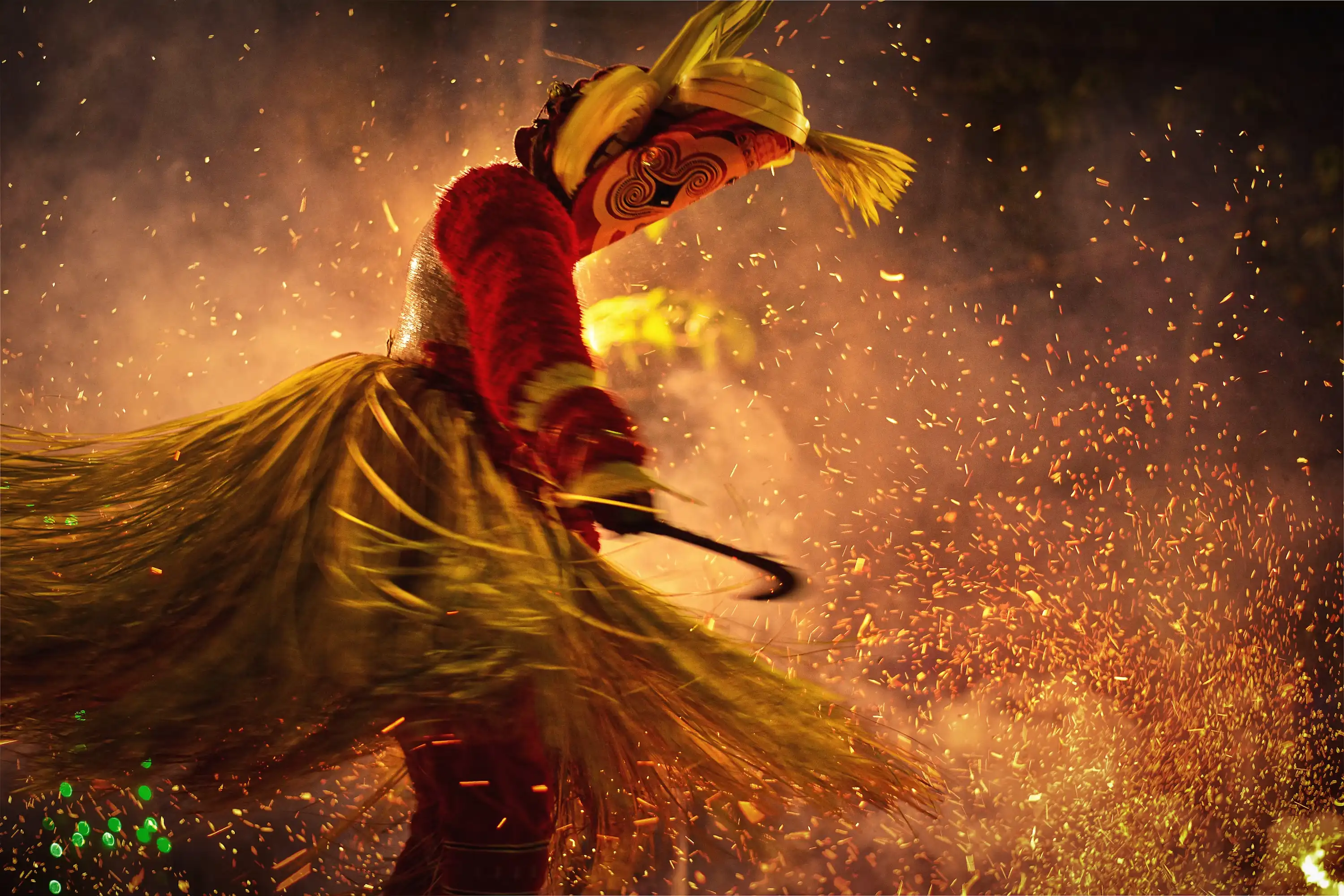
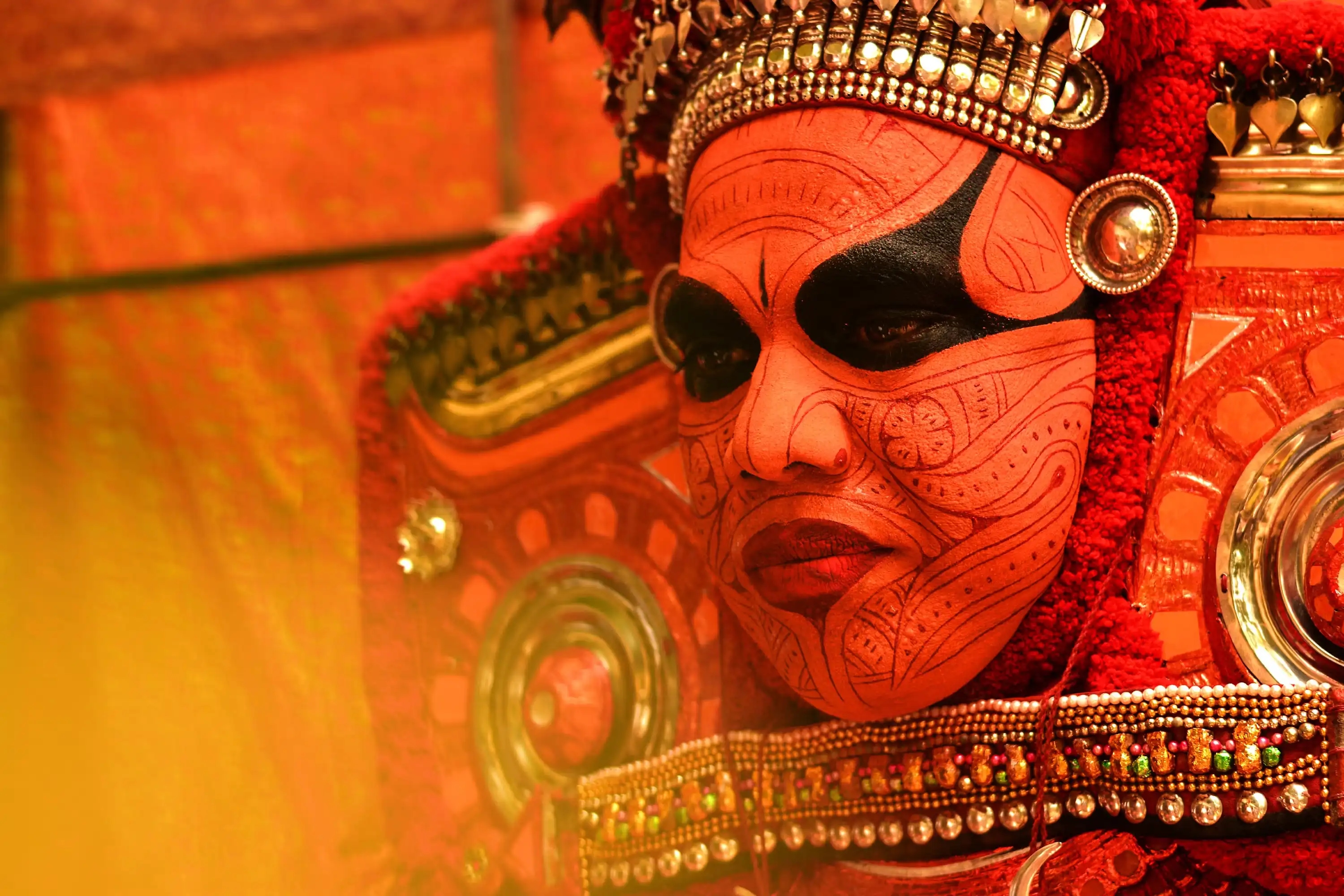
If your trip falls between November and May, and especially if you can route through Kannur in North Kerala, seek out a Theyyam performance. This is not a tourist cultural show — it's a genuine ritual tradition, performed in temple courtyards and sacred groves, in which performers undergo days of preparation before entering what practitioners and observers describe as a trance state, believed to embody specific deities.
The visual intensity — elaborate face painting, towering headdresses, fire, drumming — is considerable, but the deeper experience is the privilege of witnessing something that exists for the community's spiritual life first and visitor interest a distant second. Ask locally or through your accommodation for performance schedules; they follow temple calendars rather than a fixed tourist timetable, and the most authentic encounters happen when you approach them as a respectful observer of someone else's sacred practice.
| PROPERTY / OPERATOR | LOCATION | TYPE | PRICE RANGE | NOTES |
|---|---|---|---|---|
|
Brunton Boatyard |
Fort Kochi |
Heritage luxury hotel (CGH Earth) |
₹15,000–25,000/night |
Built on a former British boatyard site; harbour views of passing ships and the Chinese fishing nets; CGH Earth's sustainability credentials are genuine, not marketing |
|
Spice Tree Munnar |
Munnar |
Luxury resort |
₹12,000–22,000/night |
Tea estate setting; excellent restaurant; consistently rated among Munnar's best |
|
Vivanta Kumarakom |
Kumarakom |
5-star backwater resort |
₹14,000–25,000/night |
Private lagoon-facing villas; Ayurveda spa; one of the most reliable luxury choices on Vembanad |
|
Xandari Pearl Houseboat (or similar certified operator) |
Alleppey |
Premium houseboat |
₹15,000–30,000/night |
Confirm 2026 pollution compliance certificate before booking; premium operators tend to comply first |
|
Vythiri Resort |
Wayanad |
Treehouse / rainforest resort |
₹8,000–18,000/night |
Genuine treehouse stays in rainforest canopy; popular for honeymoons; book well ahead |
|
The Tamara Coorg-style boutique stays (Kerala equivalents) |
Wayanad / Munnar |
Boutique plantation stays |
₹6,000–14,000/night |
Multiple smaller operators offer plantation-stay experiences across the hill regions — ask for organic or family-run options |
|
Taj Bekal Resort & Spa |
Bekal, North Kerala |
5-star beach resort |
₹12,000–20,000/night |
Less crowded North Kerala coast; close to Bekal Fort; ideal base for Theyyam season visits to Kannur |
|
Budget homestays (statewide) |
Across all regions |
Family homestays |
₹1,500–4,000/night |
Kerala's homestay network is excellent and genuine; particularly strong in Wayanad, Munnar, and Kumily |
WHERE TO STAY — KERALA 2026
Food — sadya, seafood, and the Kerala breakfast
Kerala cuisine deserves its own guide, but a few things are essential. The sadya — a full vegetarian feast served on a banana leaf, traditionally for festivals but available daily at good traditional restaurants — typically runs to twenty or more dishes: sambar, rasam, avial, thoran, pickles, payasam for dessert, all eaten with the right hand in the traditional manner. It's one of the great vegetarian meal traditions in India.
Along the coast, the seafood is exceptional — Kerala's fish curry, made with kokum or tamarind for sourness and coconut for richness, is distinct from anywhere else in India. For breakfast, appam (a fermented rice-and-coconut pancake with a soft centre and crisp lace edges) served with stew is the dish to seek out specifically, ideally from a small local place rather than a hotel buffet.
Responsible travel in Kerala
The Vembanad houseboat situation is the most pressing responsible-travel conversation in Kerala right now, and the practical guidance above — confirm compliance certificates, consider shikara alternatives — applies directly. But the underlying issue is broader than houseboats alone: agricultural runoff from the Kuttanad paddy fields, untreated waste from settlements around the lake, and the structural changes caused by the 1976 Thanneermukkom Bund have all contributed to the pollution load. Houseboat tourism is a visible and addressable part of the problem, not the whole of it.
Kerala's statewide single-use plastic ban, in place since January 2020, is taken seriously, with specific additional enforcement around sensitive sites like Fort Kochi Beach. Carry a reusable water bottle and avoid single-use plastics proactively rather than waiting to be told.
On safety: houseboat capsizing incidents, generally linked to overloading or unrenewed permits, have occurred in past years and prompted stricter jetty and safety checks. Choose licensed, well-reviewed operators, and don't let a boat depart if it appears overloaded relative to its stated capacity — you have the right to ask and to decline if something feels wrong.
At Theyyam performances and other genuine ritual events, remember you are a guest at someone else's sacred practice, not an audience at a show staged for you. Ask before photographing closely, follow the lead of local attendees on where to stand and how to behave, and resist the urge to treat an intense spiritual moment as primarily a content opportunity.
Planning your Kerala trip with BizareXpedition
A well-sequenced Kerala trip — fort town, hill station, wildlife reserve, backwaters, with the right operators and the right timing at each stop — takes real local knowledge to put together well, particularly given the houseboat regulatory situation evolving through 2026.
BizareXpedition™ Services Pvt. Ltd. (bizarexpedition.com), based in Haridwar and known primarily for Himalayan journeys, also builds customised South India itineraries for travellers wanting the same depth of planning and honest, current information applied to Kerala. From confirming which houseboat operators are genuinely compliant in 2026 to timing a trip around the Theyyam season or the Eravikulam tahr sightings, the team's approach is the same wherever in India the journey takes you: research first, plan second, never send a client somewhere without knowing exactly what they'll find when they arrive.
| ITEM | NOTES |
|---|---|
|
Houseboat operator check |
Ask specifically whether the operator holds a 2026 pollution compliance certificate — the Kerala High Court order means non-compliant houseboats may be barred from Vembanad Lake |
|
Shikara alternative |
If unsure about a houseboat's compliance status, a shikara (smaller traditional boat) day trip is explicitly exempted from the new restrictions and is a genuinely good lower-impact alternative |
|
Monsoon timing |
June–September is full monsoon in lowland Kerala; only attempt backwaters and beaches if you don't mind rain; Munnar remains pleasant and is popular for monsoon visits |
|
Mosquito protection |
Backwaters and coastal Kerala have significant mosquito activity, especially at dusk; carry repellent and consider a doctor's advice on malaria precautions for rural stays |
|
Ayurveda treatments |
Genuine Ayurveda centres are licensed by the Kerala Tourism Department — look for the green leaf logo; monsoon season (June–August) is traditionally considered the best time for treatments |
|
Alcohol availability |
Kerala has stricter alcohol regulations than some states; most good resorts and restaurants serve it, but confirm in advance for remote homestays |
|
Cash and UPI |
UPI works almost everywhere in Kerala, including small backwater villages; carry some cash for very rural homestays and spice plantation purchases |
|
Spice plantation purchases |
Buy directly from plantation shops for genuine quality; roadside 'spice markets' near tourist areas sometimes sell adulterated or low-grade product |
|
Wildlife safari booking |
Periyar Tiger Reserve boat safaris and treks should be booked in advance during peak season (Dec–Feb); early morning slots have the best sighting odds |
|
Emergency contacts |
Kerala Tourism Helpline: 1800-425-4747; Kochi Police: 0484-2360700; Munnar Police: 04865-230203 |
PRACTICAL CHECKLIST — KERALA 2026
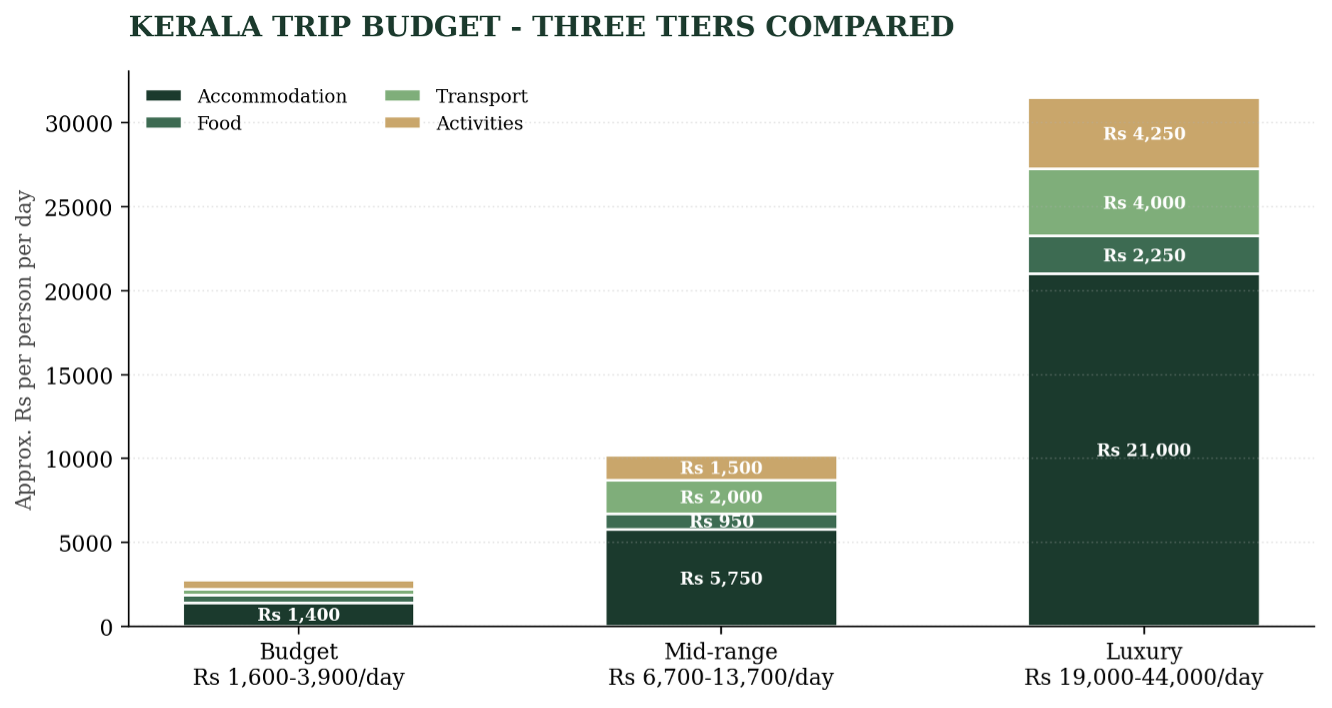
| CATEGORY | BUDGET (₹/DAY) | MID-RANGE (₹/DAY) | LUXURY (₹/DAY) |
|---|---|---|---|
|
Accommodation |
800–2,000 (homestay, budget hotel) |
3,500–8,000 (boutique hotel, mid-range houseboat) |
12,000–30,000 (Brunton Boatyard, Vivanta, premium houseboat) |
|
Food |
300–600 (local restaurants, sadya) |
700–1,200 (resort dining, good restaurants) |
1,500–3,000 (luxury resort full board) |
|
Transport (local) |
200–500 (buses, shared autos) |
1,500–2,500 (private taxi, half-day hire) |
3,000–5,000 (private SUV, full day with driver) |
|
Activities |
300–800 (Kathakali, spice tour, entry fees) |
1,000–2,000 (safaris, Ayurveda session) |
2,500–6,000 (premium safari, full Ayurveda package) |
|
Total per day estimate |
₹1,600–3,900 |
₹6,700–13,700 |
₹19,000–44,000 |
BUDGET GUIDE — PER PERSON PER DAY
On the last morning of a backwater stay, the houseboat crew cut the engine and let the boat drift for ten minutes through a narrow canal lined with coconut palms, with nothing to hear but water against the hull and a kingfisher calling somewhere in the green. Nobody on board reached for a phone. That's the Kerala worth protecting — and worth choosing your operators carefully enough to keep finding.