
Published On - Oct 16, 2026
Updated On - Oct 16, 2026
5 min
Gujarat’s Barda Sanctuary Is Now Home To 17 Asiatic Lions After 144 Years
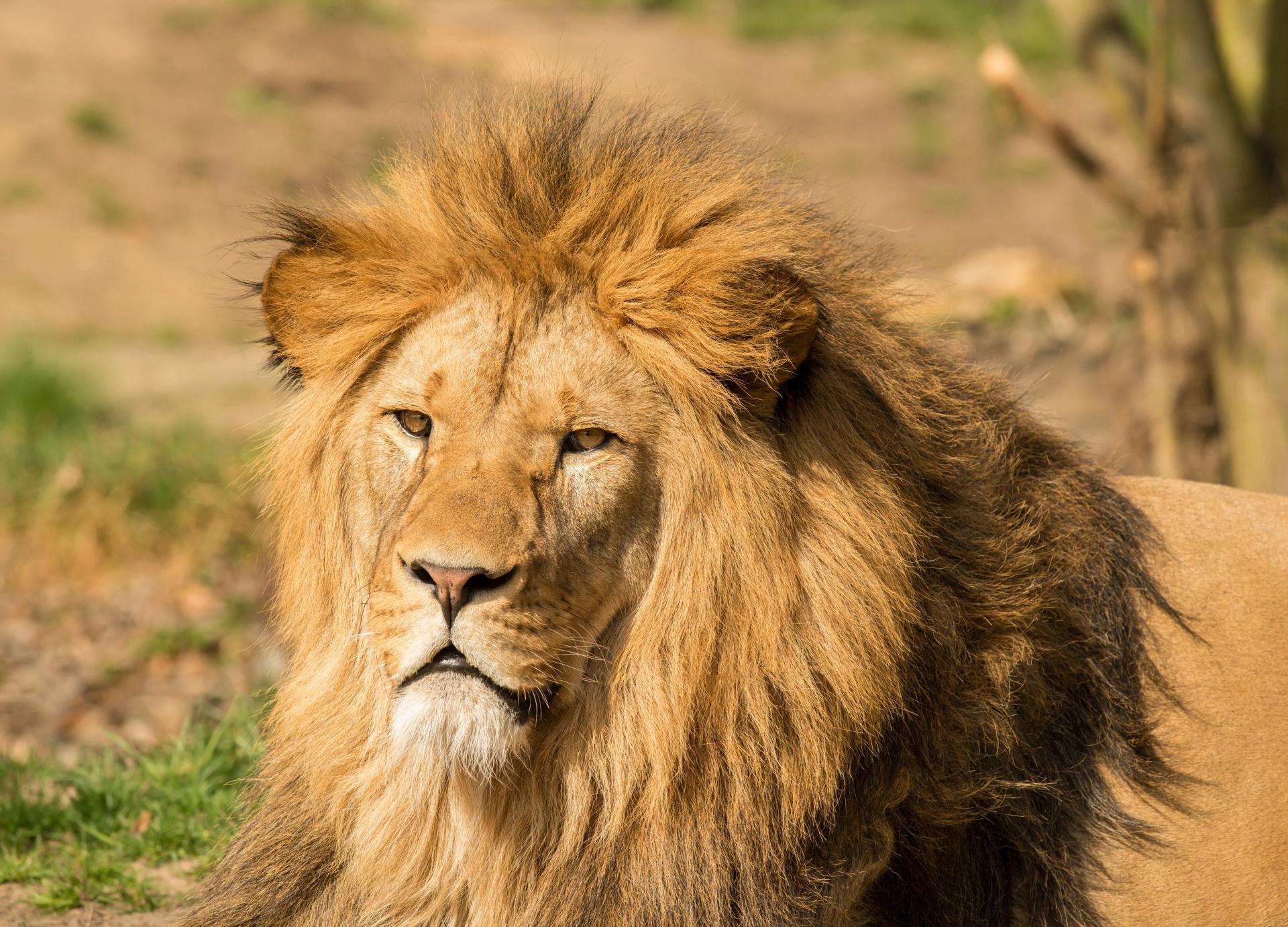
Gujarat’s Barda Wildlife Sanctuary has emerged as a new home for 17 Asiatic lions, marking a major moment for Gujarat wildlife and lion conservation after an absence of nearly 144 years.
Gujarat’s Barda Wildlife Sanctuary has emerged as a new home for 17 Asiatic lions, marking a major moment for Gujarat wildlife and lion conservation after an absence of nearly 144 years. Recent reporting and a PLOS One study say the sanctuary has suitable forest, grassland, prey, and monitoring systems to support the endangered lions beyond their long-known stronghold in Gir. The development is being watched closely because Asiatic lions survive in the wild only in Gujarat’s Saurashtra region.
Why is Barda Sanctuary important for Asiatic lions?
Barda Sanctuary is important because it can work as a second habitat for Asiatic lions within Gujarat, reducing pressure on the Gir landscape and giving the species more room to expand. The sanctuary spans 192.31 sq km across Porbandar and Devbhumi Dwarka districts, and official information from the Press Information Bureau says Barda is emerging as a second home for Asiatic lions after natural migration began in 2023. As of the official World Lion Day 2025 update, the Barda population had grown to 17 lions, including 6 adults and 11 cubs.
This matters because a growing lion population needs safe spaces, prey, water, and regular protection. For decades, the public image of Asiatic lions has been tied mainly to Gir, but Barda’s rise shows how conservation planning can help lions use other historic habitats. The return also carries symbolic value: a landscape that lost its lions more than a century ago is again part of India’s Asiatic lion habitat.
Plan your wildlife experience: See Asiatic lions in their stronghold with our Gujarat Temple and Wildlife Tour (Dwarka, Somnath, Gir, Diu), or explore the Little Rann of Kutch Wildlife Tour.
What the new study found
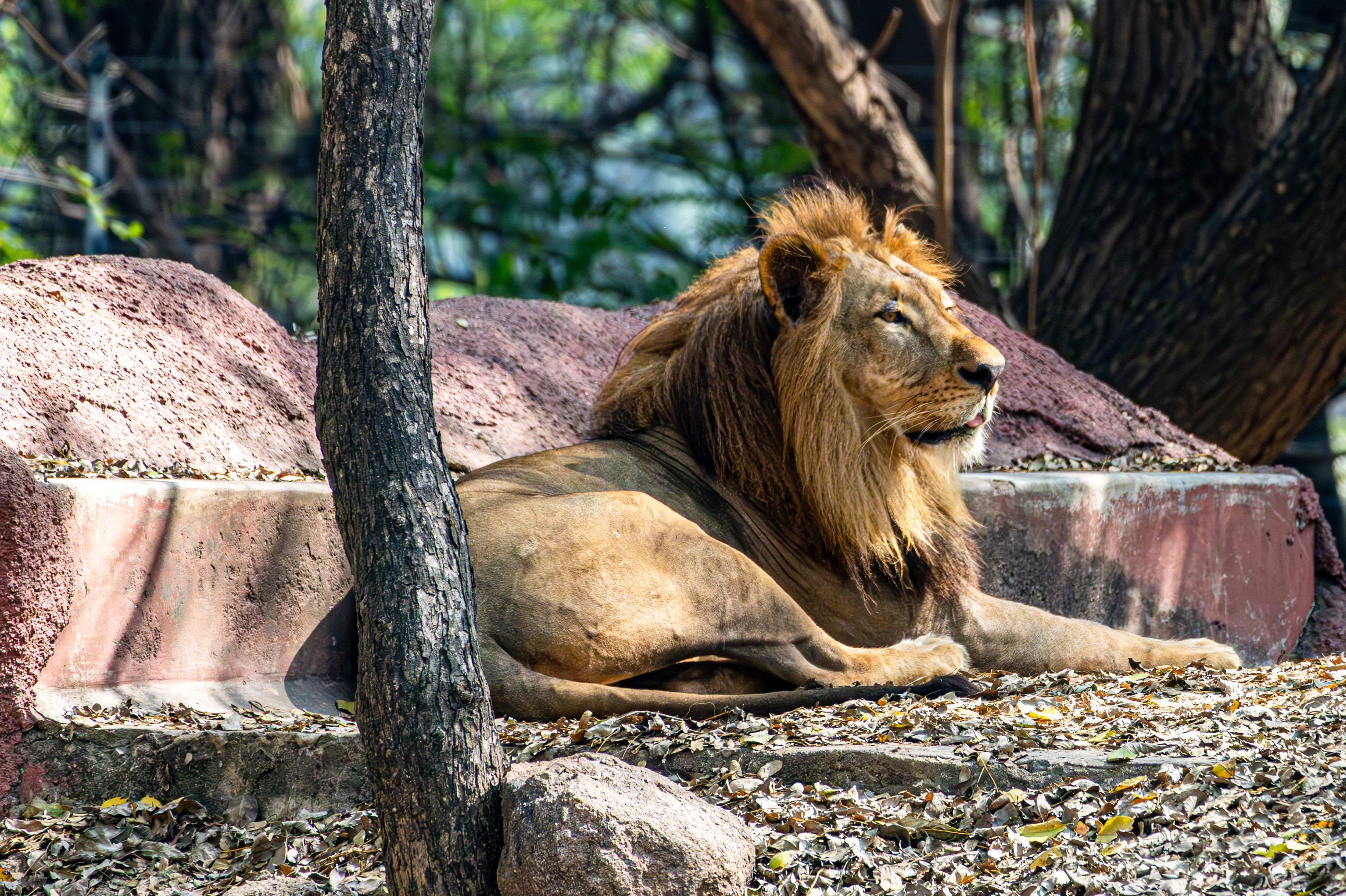
A recent PLOS One study titled “Beyond Gir: Barda Wildlife Sanctuary as a Potential Stronghold for Asiatic Lions” examined how lions are using the sanctuary. Researchers tracked six radio-collared lions — one male and five females — and recorded more than 169,000 GPS locations between January 2023 and July 2025. The study looked at movement, habitat preference, social behaviour, and diet, giving conservation teams a clearer view of whether Barda can support lions over the long term.
The findings suggest that the lions are not merely passing through. They are using both forest and grassland areas, forming home ranges, and showing social behaviour linked with settlement. This is an important sign for wildlife sanctuary managers because lions need more than a protected boundary; they need usable space where they can hunt, rest, breed, and avoid constant conflict.
The diet results also point to what Barda must protect next. NDTV reported from the study that wild pigs made up 55% of recorded dietary occurrences, while domestic cattle accounted for 17%. That means improving wild prey inside the sanctuary is not just good ecology; it may also reduce livestock losses for local communities near the sanctuary.
Key facts about the Barda lion return
| Fact | Detail |
|---|---|
|
Location |
Saurashtra, Gujarat (Porbandar and Devbhumi Dwarka districts) |
|
Area |
192.31 sq km |
|
Gap since last lions |
About 143–144 years |
|
How the pride formed |
A male dispersed naturally from the Gir side; the Gujarat Forest Department later added five females |
|
Monitoring |
Full-time lion trackers, radio collars and conflict-response teams |
|
Gujarat lion population |
891 (May 2025 estimate), up from 674 in 2020 |
Key facts about the Barda lion return
A second home beyond Gir
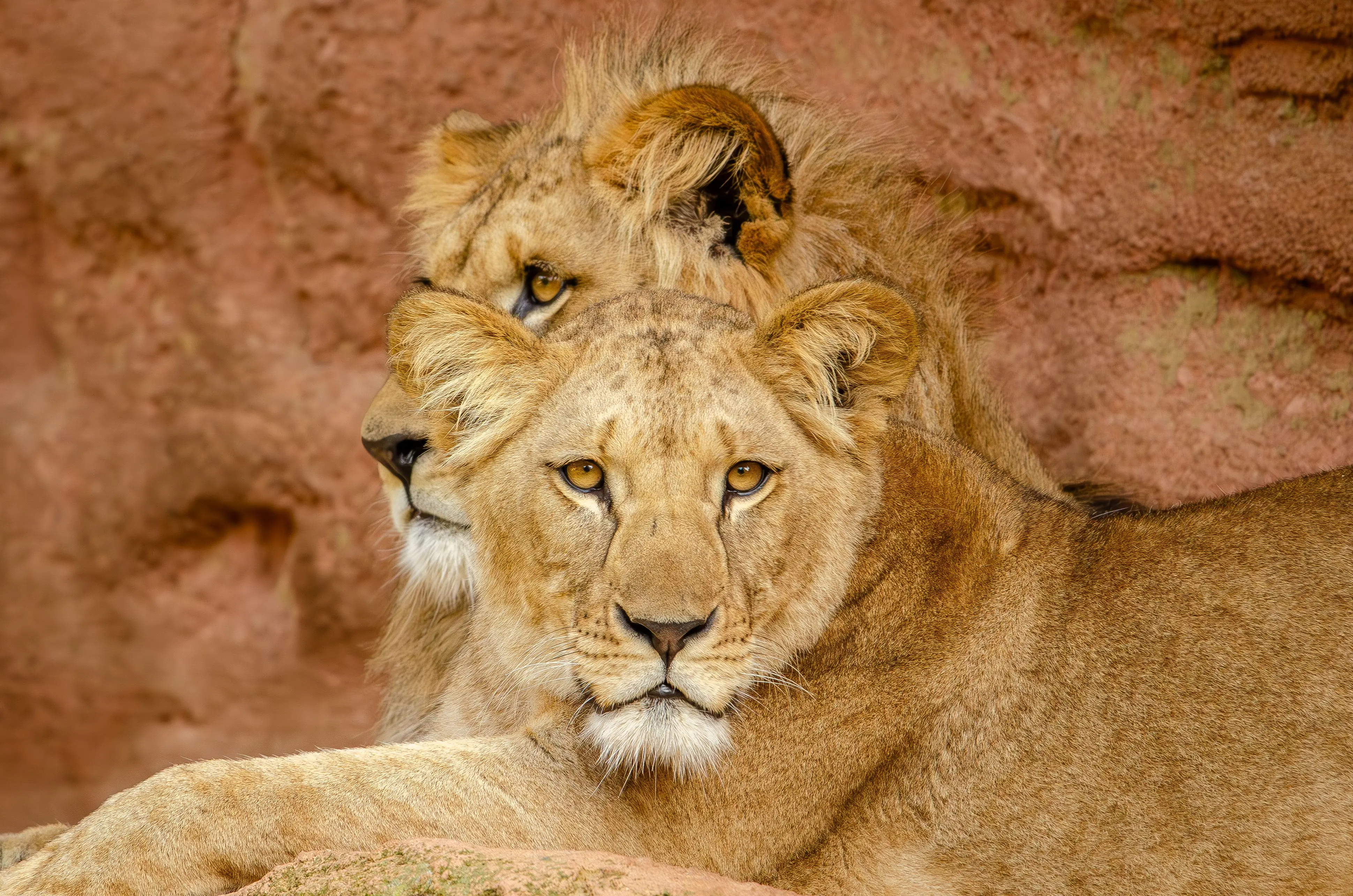
The phrase “second home” is important in the story of endangered lions. Asiatic lions once had a much wider range, but today their wild population is concentrated in Gujarat. Any single-species population concentrated in one broad region faces risks from disease, natural disasters, conflict, or habitat pressure, so suitable additional habitats are valuable.
Barda does not replace Gir. Instead, it adds another piece to Gujarat’s lion conservation network. The Press Information Bureau reported that Gujarat’s lion population rose from 674 in 2020 to 891 in the May 2025 population estimation, showing the need for expanded habitat planning as lion numbers grow.
The return to Barda also reflects a mix of natural movement and active management. A male lion’s natural dispersal showed that the landscape could still attract lions. The later addition of females helped create a breeding group, while habitat work, prey management, and daily monitoring are intended to support the animals as the population settles.
Conservation work still has challenges
The return of 17 Asiatic lions is encouraging, but it is not the end of the work. A stable lion population needs enough prey, safe corridors, veterinary support, and quick response to human-wildlife conflict. If lions move near villages or livestock areas, local support will depend on fair compensation systems, clear communication, and fast action by forest teams.
Prey is especially important. If wild prey is abundant, lions are more likely to hunt inside natural habitat and less likely to depend on livestock. Reports note that Gujarat authorities have been working on habitat development and prey support, including efforts involving chital and sambar, as part of the wider Barda management approach.
Tourism must also be handled carefully. Barda has potential because it sits near the Dwarka-Porbandar-Somnath tourist circuit, and official information says a safari park and zoo development has received in-principle approval. But more visitors should not mean more pressure on lions; responsible safari rules, trained guides, and controlled access will be essential.
What happens next
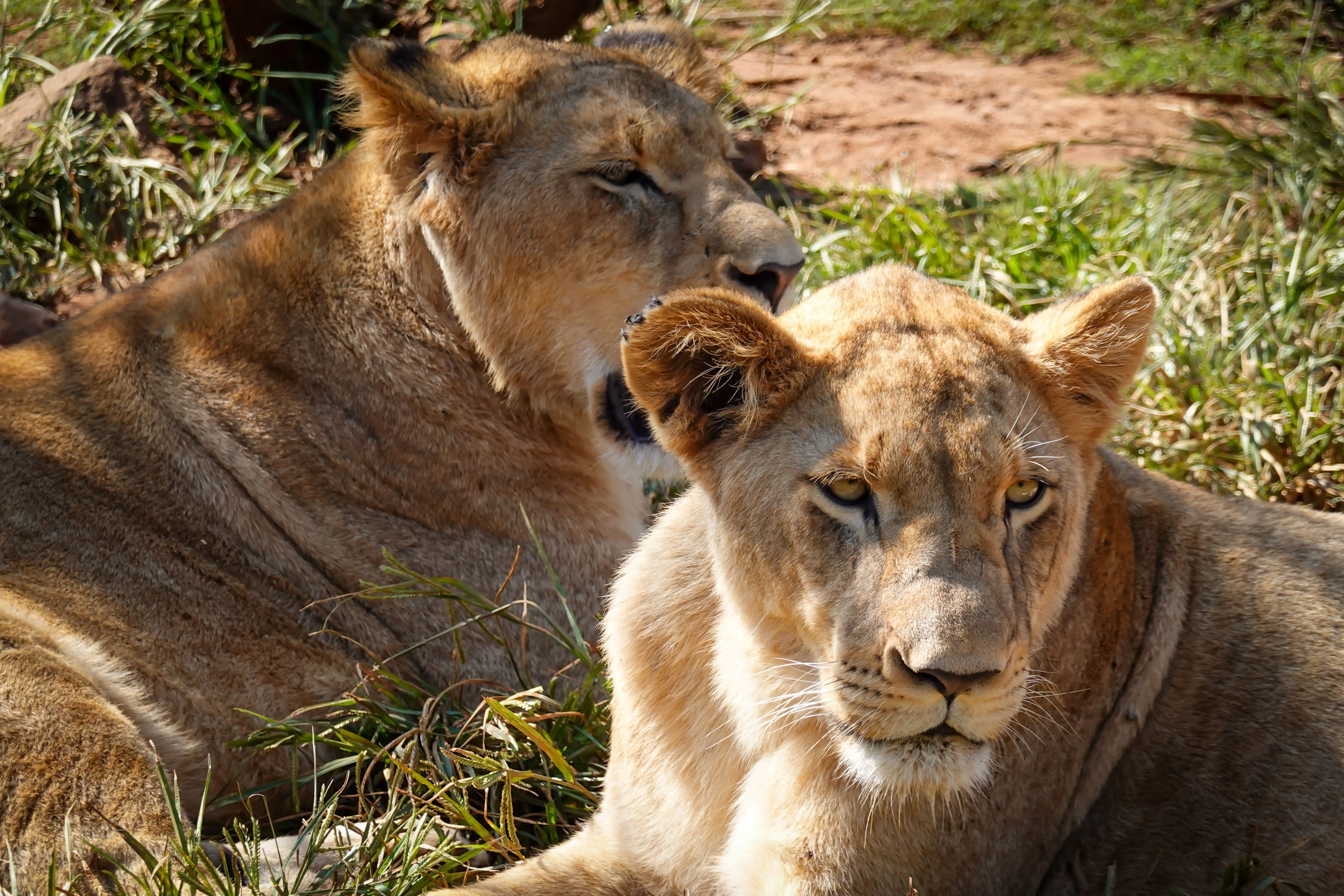
The next phase will decide whether Barda becomes a lasting Asiatic lion habitat or remains an early conservation success story still under testing. Forest officials and researchers will likely focus on births, survival of cubs, prey numbers, disease surveillance, and movement between Barda and other lion areas. These indicators will show whether the sanctuary can support a growing group of endangered lions over many years.
For now, the return of Asiatic lions to Barda Sanctuary is one of the most closely watched Gujarat wildlife developments. It gives conservationists hope, gives local communities a larger role in protecting a rare species, and gives India another reason to strengthen long-term lion conservation beyond Gir.
Frequently asked questions
How many Asiatic lions are in Barda Wildlife Sanctuary? As of the official update on 10 August 2025, Barda had 17 Asiatic lions: 6 adults and 11 cubs.
Where is Barda Wildlife Sanctuary located? Barda is in the Saurashtra region of Gujarat, across Porbandar and Devbhumi Dwarka districts. It covers 192.31 sq km.
When did lions return to Barda after 144 years? Lions began moving into Barda naturally in 2023, about 144 years after the last lions disappeared from the area.
How did lions reach Barda Sanctuary? A male lion dispersed naturally from the Gir side. The Gujarat Forest Department then introduced five females to form a breeding group.
Can tourists see lions in Barda Sanctuary? Not on regular safaris yet. A safari park near Barda has in-principle approval. Until it opens, Sasan Gir National Park is the best place to see Asiatic lions in the wild.
What is the total Asiatic lion population in Gujarat? Gujarat's lion population was estimated at 891 in May 2025, up from 674 in 2020.
Best Selling Tour Packages
Explore other exciting options for your next adventure!