
Peaks of Ladakh Trekking Expedition16N/17D
Peaks of Ladakh Trekking Expedition
Start & City : Delhi
best deal price
₹
Without GST ₹3,03,264
per person on twin sharing
Choose your departure city, dates, and add guests to secure your tour.
Hurry, as seats fill up, prices rise! Book now!
1. Choose your departure date
Highlights
Climb Stok Kangri, 6,153 m, with a lead guide and a second high-altitude guide, a reserve summit day and a portable altitude chamber at base camp.
Follow a sleeping-height ladder of 3,500, 3,988, 4,320 and 4,930 m, and a rehearsal on the glacier above base camp the day before the summit.
See Shey Palace, Thiksey monastery and Stok village before the climb begins.
Cross Fotu La and Pensi La into Zanskar, and visit Karsha, Stongde and Zangla.
Drive the Shinku La road at about 5,050 m, from Padum through Darcha and Jispa to Manali.
Finish in Manali with a hotel night, after a descent from the roof of the journey to about 2,050 m.
Essence of Journey
The experiences that capture the true spirit of the entire trip.
| Day | Route | Distance | Major Highlights |
|---|---|---|---|
| Day 1 | Delhi (arrival) | – | Airport pickup, rest |
| Day 2 | Delhi – Leh | Flight 1h 20m | Arrive at 3,500 m, rest |
| Day 3 | Leh (rest, briefing, gear check) | On foot | Crampon and boot fit, first oximeter reading |
| Day 4 | Leh – Shey – Thiksey – Leh | About 40 km round trip | Palace, monastery, no gain in sleeping height |
| Day 5 | Leh – Stok – Chang Ma | 15 km drive, 5.5 km walk | Stok village, first night at 3,988 m |
| Day 6 | Chang Ma – Mankarmo | 3.5 km walk | Short day to 4,320 m |
| Day 7 | Mankarmo – Base Camp | 4 km walk | Sleep at about 4,930 m |
| Day 8 | Base Camp (acclimatisation, glacier rehearsal) | Short walk to 5,300 m | Crampon, ice axe and rope practice |
| Day 9 | Base Camp – Stok Kangri – Base Camp | About 14 km round trip | Summit day, 6,153 m |
| Day 10 | Reserve summit day or descent to Leh | About 13 km walk, 15 km drive | Reserve day, or return to Leh |
| Day 11 | Leh (rest, spare day) | – | Rest, laundry, weather buffer |
| Day 12 | Leh – Kargil | About 230 km (6 to 7 hrs) | Lamayuru, Fotu La, Mulbekh |
| Day 13 | Kargil – Padum | About 235 km (8 to 10 hrs) | Suru valley, Rangdum, Pensi La |
| Day 14 | Padum (Sani, Karsha, Stongde, Zangla) | About 80 km round trip | Zanskar monasteries |
| Day 15 | Padum – Shinku La – Jispa | About 150 km (8 to 10 hrs) | Pass at about 5,050 m, 4x4 |
| Day 16 | Jispa – Manali | About 120 km (4 to 5 hrs) | Atal Tunnel, arrive at 2,050 m |
| Day 17 | Manali (departure) | About 50 km to Bhuntar airport | Morning transfer, onward by air or road |
About
This is a 17-day Peaks of Ladakh Trekking Expedition. In the package you climb Stok Kangri (6,153 m), one of the best-known trekking peaks in the Indian Himalaya, with two guides, a gradual acclimatisation plan and a reserve summit day. After the climb, you drive west through Kargil and Zanskar and cross the high Shinku La road (about 5,050 m) to Manali. Prices start at about INR 303,264 per person for two people sharing.
Stok Kangri rises behind the village of Stok, just 15 km from Leh. For many climbers it is the first 6,000 m summit of their lives: high enough to be a real test, accessible enough to attempt without years of mountaineering. It still needs crampons, an ice axe and a rope on the upper ridge, and it carries the real risks of altitude and mountain weather.
We don't soften that. This expedition is planned around one goal: getting you to the summit day rested, trained and well supported, and bringing you home safely whether you stand on top or not. Then, instead of flying straight out, you travel through one of the Himalaya's most remote valleys and drive down a brand-new high road to Manali.
Why Climb Stok Kangri with Us?
A proper acclimatisation ladder. Three nights in Leh, then camps at 3,988 m, 4,320 m and about 4,930 m. You never sleep higher than base camp before the summit.
A training day on the glacier. The day before the summit, you walk to about 5,300 m and practise crampons, ice axe self-arrest and moving on a rope.
A reserve summit day. If wind, cold or health stops the first attempt, there is a second chance the next day, if the guide judges it sensible.
Two guides on the mountain. A lead guide from Leh to Manali and a high-altitude climbing guide on the peak, so the group can split if one person turns back.
Technical gear supplied. Crampons, ice axes, harnesses, helmets and rope are included.
Serious safety kit. Oxygen, nightly pulse-oximeter checks and a portable altitude chamber at base camp. Guides carry a satellite messenger.
A turn-back time. Agreed the evening before. The summit is optional; coming down is not.
More than a climb. Zanskar's monasteries and the spectacular Shinku La road turn a peak trip into a full Himalayan journey.
Stok Kangri Altitude Profile
| Point | Height (m) | Height (ft) | Notes |
|---|---|---|---|
|
Leh |
3,500 |
11,480 |
Three nights to acclimatise |
|
Stok village |
3,524 |
11,560 |
Roadhead |
|
Chang Ma |
3,988 |
13,080 |
First camp, meadow |
|
Mankarmo |
4,320 |
14,170 |
Short day, marmots on the slopes |
|
Base camp |
about 4,930 |
16,175 |
Three nights; 4,900 to 4,975 m by source |
|
Advance base camp |
5,300 to 5,400 |
17,390 to 17,720 |
Training walk, sleep low |
|
Stok Kangri summit |
6,153 |
20,187 |
Roped on the final ridge |
Peaks of Ladakh Trekking Expedition Altitude Profile
How Hard Is Stok Kangri?
Stok Kangri is strenuous and mildly technical. Sources grade it anywhere from "technically easy" to "difficult", because the glacier and the weather change from week to week. We treat it as a long, cold, high day that needs basic crampon and rope skills.
The summit day in numbers
Wake around midnight; start between midnight and 2 am.
About 1,200 m of climbing and 14 km on foot, round trip.
6.5 to 10 hours to the top, then several more hours down.
Temperatures around -5 °C to -10 °C.
A glacier crossing with small crevasses, a steep gravel face of 40 to 50 degrees, and an exposed summit ridge where you climb roped.
Who it suits
A strong, fit walker who has trekked at altitude and is willing to learn crampon and ice axe basics. It is not a beginner's mountain. Train for at least three months: long hill walks with a loaded pack, stair work and, if possible, a few days above 3,000 m. You should be able to walk 8 hours on consecutive days and stay on your feet for 10 hours at height.
ACCOMMODATION CATEGORIES
| Destination | Nights | Premium | Luxury | Ultra-Luxury |
|---|---|---|---|---|
|
Delhi |
1 |
Radisson Blu Plaza Delhi Airport |
ITC Maurya |
The Oberoi, New Delhi |
|
Leh |
5 |
Hotel Chospa (boutique, Old Road) |
The Grand Dragon Ladakh |
Dolkhar (seven private villas in an orchard) |
|
Chang Ma, Mankarmo, Base Camp |
5 |
Camps, standard twin tents |
Camps, larger tents with camp beds |
Camps, larger tents with camp beds and private toilet tent |
|
Kargil |
1 |
Hotel Greenland, Kargil |
Hotel Greenland, Kargil (best room) |
Hotel Greenland, Kargil (best room) |
|
Padum (Zanskar) |
2 |
Padum Guest House |
Lha-Ri Zanskar |
Lha-Ri Zanskar (best room) |
|
Jispa |
1 |
Jispa Journeys, standard room |
Jispa Journeys, best room |
Jispa Journeys, best room |
|
Manali |
1 |
Snow Valley Resorts |
Span Resort & Spa |
The Himalayan, Manali |
Peaks of Ladakh Trekking Expedition Accommodation Categories
Hotels are named as examples for each tier and are confirmed at booking. On the mountain the tier changes the tent and the camp set-up, and the place stays the same. Every camp has a dining tent and a toilet tent, and sleeping bags and mats are supplied. Kargil, Padum and Jispa have few properties, so the choice there is narrow and the upper tiers take the best available room. Jispa's options are mostly camps and small riverside hotels, and the room is confirmed at booking. Hotel nights in Leh include breakfast and dinner, and all meals are included on the mountain.
Altitude Safety
The biggest single jump in sleeping height is about 610 m, from Mankarmo to base camp. That is a little above the 500 m a day the Leh tourism advisory suggests, which is why the days before it are short and the day after it is a rest and training day.
Pulse-oximeter readings every evening, from a baseline in Leh.
Anyone not adjusting well is brought down at once.
Oxygen and a portable altitude chamber (a pressure bag that treats altitude sickness) at base camp.
No alcohol or sleeping pills at height.
Some climbers ask their doctor about acetazolamide (Diamox); only your own doctor can advise on that. SNM Hospital in Leh is the main hospital. Padum has only a small clinic, and the mountain is a day or more from a road.
After the Summit: Zanskar and the Shinku La Road
Most Stok Kangri trips end with a flight out of Leh. Ours keeps going. After a spare day in Leh, you head west on a five-day road journey:
Lamayuru and Mulbekh: an ancient monastery above eroded "Moonland" and a rock-carved Buddha around 1,200 years old.
Suru Valley and Pensi La: green fields under the 7,000 m peaks of Nun and Kun, then the Drang-Drung Glacier beside the road.
Zanskar: two nights in Padum, with visits to Karsha (Zanskar's largest monastery), Stongde and the ruined royal fort at Zangla.
Shinku La: a high pass of about 5,050 m on a road completed in 2024, crossed by 4x4.
Atal Tunnel to Manali: a 9 km tunnel under the Rohtang Pass, then green, wooded Manali at about 2,050 m.
3-TIER PRICING SUMMARY
| Tier | Per couple | Per person |
|---|---|---|
|
Premium |
Rs.606,528 – 655,050 |
Rs.303,264 – 327,525 |
|
Luxury |
Rs.720,558 – 778,203 |
Rs.360,279 – 389,101 |
|
Ultra-Luxury |
Rs.934,758 – 1,009,539 |
Rs.467,379 – 504,769 |
Peaks of Ladakh Trekking Expedition 3-Tier Pricing Summary
Ranges run from the base total to about 8% above it, to allow for dates and season. Prices are indicative and are confirmed in a written quote. International flights, Indian visa fees and travel insurance are not included.
WHY BOOK THIS WITH BIZAREXPEDITION
A tailor-made, seventeen-day mountaineering route for two, planned by BizareXpedition Services Pvt. Ltd. (CIN U63090UR2016PTC007433), with the climb, the spare day and the long road home all costed and written out.
Acclimatisation written as a ladder. Leh for three nights, then Chang Ma at 3,988 m, Mankarmo at 4,320 m and base camp at about 4,930 m. The largest single gain in sleeping height is the last, about 610 m, and the group sleeps no higher than base camp before the summit.
A reserve summit day and a spare day in Leh. Day 9 is the summit attempt and Day 10 is a second chance if wind or health stops the first. If the reserve is unused, the group descends on Day 10 and rests in Leh on Day 11.
Two guides and the right equipment. A lead guide stays with the group from Leh to Manali, and a high-altitude climbing guide joins on the mountain. Crampons, ice axes, harnesses, helmets and a rope are supplied, along with a portable altitude chamber and oxygen at base camp.
The numbers of the summit day. About 1,200 m of climbing, around 14 km on foot, a start between midnight and 2 am, a glacier crossing, a steep gravel face and an exposed final ridge. The notes give them plainly so you can judge your own fitness.
Zanskar and a high road to Manali. After the summit the group visits Kargil and Padum, then crosses Shinku La by 4x4, a road that has been open to tourist vehicles only in the summer months of recent years.
Dzo Jongo as a second peak. For climbers who want more, Dzo Jongo can be added in a tailor-made version. The Practical Notes explain what is known about it and what we confirm before quoting.
SEASON ADJUSTMENTS
| Season | Months | Conditions | Price effect |
|---|---|---|---|
|
Opening |
Late June to early July |
Shinku La opens around mid-June and may still be rough. Snow lies on the upper Stok Kangri glacier, and crampons are needed. |
Base price |
|
Peak |
July to August |
The most settled mountain weather and the busiest base camp. Rain in Lahaul can bring landslides on the Manali road. |
Top of the price range (about +8%) |
|
Best light |
September |
Cooler, clearer weather, with the first snow possible on the upper mountain. Shinku La can close at short notice from late September. |
Base price |
|
Closing |
Late September to early October |
The pass closes for the winter, usually by early October. Departures are planned with a Leh return as the fallback. |
Base price |
|
Not offered |
Mid-October to mid-June |
Shinku La is closed, nights are very cold and the mountain is in winter conditions. |
Not offered on this route |
Peaks of Ladakh Trekking Expedition Season Adjustments
Permits for Foreign Climbers
Peak permit through the Indian Mountaineering Foundation, with fees paid in Leh.
Hemis National Park entry fee, since Stok Kangri lies inside the park.
Stok village fee, part of which pays for cleaning the mountain and its trails.
Protected Area Permit for Zanskar if required; sources differ, so we confirm and arrange it.
We handle all of these. Send us your passport and Indian visa copies at least three weeks before travel, and carry your passport on the road.
Travel Advice and Insurance
Kargil and Zanskar are in the Union Territory of Ladakh. Government travel advice for this region varies by country and changes over time; for example, the US advisory makes an exception for Leh and eastern Ladakh but does not name Kargil or Zanskar. Please check your own government's current advice before booking.
Your insurance must cover climbing to 6,000 m and helicopter evacuation, and travel in Kargil district. Get written confirmation from your insurer. If cover is not possible, we can plan the Leh and Stok Kangri section on its own.
What to Bring
Insulated mountaineering boots that take crampons
Down jacket, insulated gloves, warm hat and thermal layers
Glacier goggles or category 4 sunglasses
Trekking poles, headlamp and spare batteries
Day pack, water bottles and high-energy snacks
Cash: about INR 10,000 to 15,000 (ATMs in Zanskar are unreliable)
PRACTICAL NOTES
Government travel advice and insurance. Kargil district, which includes Kargil, the Suru valley and Zanskar, lies in the Union Territory of Ladakh. The UK Foreign Office advises against all travel to the Union Territory of Jammu and Kashmir and does not name Ladakh, and it warns that travel insurance can be invalidated if you travel against its advice. The US State Department's Level 4 notice of 16 June 2025 excepts eastern Ladakh and its capital, Leh, and does not mention Kargil or Zanskar by name. Other governments publish their own advice, and the Himachal Pradesh part of the road has its own. Check yours before booking, and get written confirmation from your insurer that it covers climbing to 6,000 m and travel in Kargil district. If cover cannot be arranged, we can plan the Leh and Stok Kangri part alone.
Stok Kangri in numbers. Summit 6,153 m (some sources give 6,120 m). Stok village 3,524 m, Chang Ma 3,988 m, Mankarmo 4,320 m, base camp about 4,930 m (sources give 4,900 to 4,975 m), advance base camp 5,300 to 5,400 m. The summit day is about 14 km on foot with about 1,200 m of climbing, starting between midnight and 2 am. Reported ascent times run from 6.5 to 10 hours. Temperatures on the summit day are about -5 °C to -10 °C. The route crosses a glacier with small crevasses, climbs a steep gravel and rock face reported at 40 to 50 degrees, and ends on an exposed ridge where the group is roped.
Technical content and grading. Crampons, an ice axe and a rope are used on the glacier and the ridge. Sources grade the peak from technically easy to difficult, one local grade putting it at the upper end of the trekking-peak scale, so we do not claim a single grade. The climb is a good first 6,000 m peak for a strong, fit walker who has practised crampons and an ice axe on easy ground. It is no beginner's mountain, and guests with no mountain experience are asked to tell us before booking. The rehearsal on Day 8 covers crampon use, self-arrest and roped travel.
The acclimatisation ladder. Leh 3,500 m for three nights, Chang Ma 3,988 m (+490 m), Mankarmo 4,320 m (+330 m), base camp about 4,930 m (+610 m), with a walk to 5,300 m and back to sleep low on Day 8. The sleeping height never exceeds base camp before the summit. The largest gain, 610 m, is above the 500 m a day that the Leh administration's advisory suggests, and it is the reason for the short days on Days 5 and 6 and for the rest day at base camp. A guest who is not acclimatising is brought down.
Altitude and health. Leh is at 3,500 m, Kargil at about 2,700 m, Pensi La at about 4,400 m, Padum at about 3,660 m, Shinku La at about 5,050 m and Jispa at about 3,200 m. The Leh administration's advisory asks for light activity for the first two days and no alcohol or sleeping pills at height. Some visitors ask their doctor about acetazolamide, starting two days before arrival. Only your own doctor can advise on that. If symptoms grow worse with rest, descend and tell your guide at once. SNM Hospital in Leh is the main hospital; Padum has only a small clinic, and the mountain section is a day or more from a road.
Fitness. The climb is physically demanding. Start training at least three months before travel: long hill walks with a loaded pack, stair work, and if possible a few days above 3,000 m. You should be able to walk for 8 hours on consecutive days and to stay on your feet for 10 hours at height.
Permits. Climbing Stok Kangri needs a peak permit through the Indian Mountaineering Foundation, with fees paid in Leh, and the mountain sits in Hemis National Park, which has its own entry fee. Stok's village council charges a small fee as well. Some sources say foreign guests also need a Protected Area Permit to enter Zanskar, and others do not mention one, so we confirm and obtain it where it is required. We need passport and Indian visa copies at least three weeks before travel. Carry your passport anyway, as there are checkposts on the road.
Dzo Jongo. A second peak, Dzo Jongo, lies near the Markha valley and Nimaling. Sources differ on its height (6,096 m for the east summit, 6,240 m elsewhere), its base camp (5,050 to 5,200 m), its approach (through the Markha valley and Nimaling, or from the highway at Lato by way of Shiul Sumdo and Chaksung) and its grade (introductory, or difficult). We treat those as unresolved and confirm them with our guides before quoting a Dzo Jongo extension. Passes on the Markha approach include Kongmaru La, at about 5,100 to 5,260 m.
The Shinku La road. The Padum–Darcha road was completed in 2024 and is open to tourist vehicles in summer, from about mid-June until early October. It is gravel in parts, and only high-clearance 4x4 vehicles are used near the pass. It has been closed by snow in spring and by a bridge failure in May 2026. Sources give the Padum–Darcha distance as about 140 km, and Manali–Padum as between 240 and 480 km, so the figures here are approximate. The last reliable fuel is at Tandi. If the road is closed on the day, the group returns from Padum to Leh by Kargil.
Cash and connectivity. ATMs in Zanskar and on the Shinku La road are unreliable. Carry rupees for tips, hire and small purchases, roughly Rs 10,000 to 15,000. Mobile signal is patchy once you leave Leh, and only postpaid SIMs from elsewhere in India work in Ladakh. A satellite messenger is carried by the guides on the mountain.
Tipping. Tips for the guides, crew, drivers and hotel staff are not included and are up to you. Your guide can advise on local practice.
Booking Summary
Dept. City :
--
Dept. Date :
--
Traveller :
Adults: 2, Child: 0, Infant: 0
Rooms :
--
Basic Price :
--
Total Cost
--
GST
--
Grand Total
--
Itinerary (Day Wise)
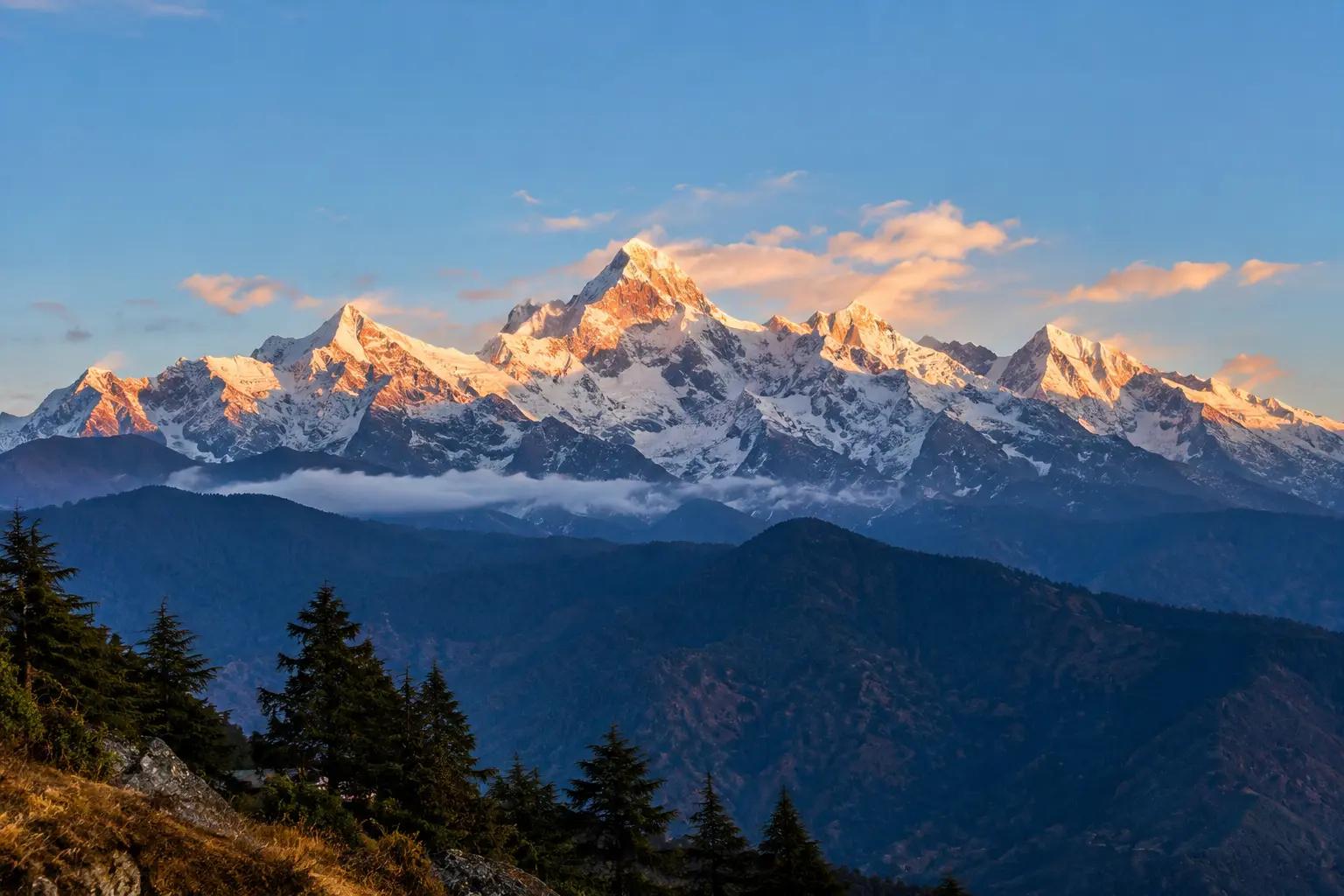
Stok Kangri, at 6,153 m, is the first 6,000-metre summit for many climbers, and it sits only 15 km from Leh. This 17-day trip builds up to it slowly. You spend three nights in Leh to acclimatise and visit Shey Palace and Thiksey Monastery. Then you sleep at camps of rising height, Chang Ma, Mankarmo and base camp at about 4,930 m, and spend a day on the glacier practising with crampons, ice axe and rope. On summit day you start around midnight with a lead guide and a high-altitude guide. If the weather or your body says no, there’s a reserve day for a second try. After the climb, you don’t fly home. You drive west past Lamayuru and Kargil, over Pensi La into Zanskar, visit the monasteries at Karsha and Stongde, and cross the new Shinku La road at about 5,050 m. The trip ends in green, wooded Manali. It’s a serious climb that becomes a full Himalayan journey.
Day 1
DELHI | ARRIVAL
Route: Delhi airport to hotel
Your driver meets you at arrivals and takes you to the hotel. Nothing is planned for the evening.
The flight to Leh leaves early tomorrow. Every flight to Leh leaves in the morning, because winds pick up later in the day at an airport about 3,250 m high. Tonight is for sleep.
Experience of the Day
– Private airport pickup and transfer to the hotel.
– A free evening to rest before tomorrow's early flight to Leh.
Food
Dinner at the hotel; nothing else is planned today.
Activities to Do
None scheduled. An easy evening to recover from the international flight.
Day 2
DELHI TO LEH | ARRIVAL IN LADAKH
Route: Delhi – Leh (flight)
The flight crosses the Himalaya into the Indus valley. Your guide and driver meet you at Leh airport, and you go straight to the hotel.
Leh is at 3,500 m. The Ladakh tourism advisory asks new arrivals to rest on the first day and add no more than about 500 m of sleeping height a day after that. Today is for rest. Drink plenty of water and skip alcohol tonight.
Experience of the Day
– A flight over the Himalaya into the Indus valley.
– Met at Leh airport by your guide and driver.
– A full rest day at 3,500 m, as the Ladakh tourism advisory asks of new arrivals.
Food
Breakfast before the flight; lunch and dinner at the Leh hotel.
Activities to Do
Light rest only today. No sightseeing is planned on arrival day.
Day 3
LEH | REST, BRIEFING AND GEAR CHECK
Route: Leh hotel – main bazaar – Leh hotel
The morning is free. A slow walk to the main bazaar is fine, and any walking should stay easy. Your guide then holds the climbing briefing at the hotel: the camps, the sleeping heights, the glacier, the summit-day timings, and what the horses carry and what you carry.
After the briefing the guide checks every guest's boots, layers, gloves and day pack, fits the crampons, harnesses and helmets, and records a first pulse-oximeter reading for each guest. The readings are repeated each evening on the mountain and give the guide a baseline for the whole group.
Experience of the Day
– A briefing on the camps, the sleeping heights and the summit day.
– A fit of crampons, harnesses and helmets, and a check of boots and layers.
– A first pulse-oximeter reading, the baseline for the climb.
Food
Breakfast, lunch and dinner at the Leh hotel.
Activities to Do
A slow walk to the main bazaar if you wish, and hire of any missing kit.
Shopping
Down jackets, gloves, gaiters, sunglasses and trekking poles can be bought or hired in Leh's main bazaar today.
Day 4
LEH | SHEY AND THIKSEY
Route: Leh – Shey (about 15 km) – Thiksey (about 19 km from Leh) – Leh
Shey was the summer capital of Ladakh. The present palace and monastery were built in 1655 by Deldan Namgyal in memory of his father, Sengge Namgyal. Inside is a 12 m copper Buddha, gilded with about 5 kg of gold, made by a Nepalese sculptor with copper from the Lingshet mines in Zanskar.
Thiksey monastery stands at about 3,600 m and has twelve storeys. It was founded in the mid-15th century by Palden Zangpo and belongs to the Gelug order. Its 15 m Maitreya statue, installed for the Dalai Lama's 1970 visit, is the largest in Ladakh.
Return to the hotel by early afternoon. Pack tonight for the mountain: tomorrow the walking begins, and what you carry is only a day pack.
Experience of the Day
– Shey Palace and its 12 m gilded copper Buddha.
– Thiksey monastery's twelve storeys and 15 m Maitreya statue.
– A half-day at the height of Leh, with no gain in sleeping height.
Food
Breakfast at the hotel; lunch en route or at the hotel; dinner at the hotel.
Activities to Do
A guided walk through Shey and Thiksey; an afternoon rest before the mountain.
Day 5
LEH TO STOK AND CHANG MA | THE CLIMB BEGINS
Route: Leh – Stok (about 15 km) – Chang Ma (5.5 km walk)
Stok sits across the Indus from Leh. Its palace, built in the early 19th century, is still the home of the former royal family, and part of it is a museum. After a short stop in the village the trail climbs into the Stok valley, following a stream between brown hills, with the snow-streaked mass of the Stok range ahead.
Chang Ma is a meadow camp at 3,988 m, only about 490 m above Leh. The short walk and the modest gain are deliberate: this is a night to sleep well, and the group is in its tents by afternoon.
Experience of the Day
– Stok village and its palace.
– A first trail walk up the Stok valley to Chang Ma at 3,988 m.
– A night in a tent at a meadow camp.
Food
Breakfast at the Leh hotel; trail lunch; dinner in the dining tent.
Activities to Do
A guided walk of 5.5 km with a gain of about 460 m; a short walk around camp in the afternoon.
The Human Story: Stok and Its Mountain
Stok's village council collects a small fee from every climber and keeps part of it for cleaning the mountain and its trails. The village and its guides depend on the climbing season, and the fee is how the mountain is kept from becoming a rubbish tip. Your guide can tell you which families in Stok supply the horses and the cooks.
Day 6
CHANG MA TO MANKARMO | A SHORT DAY
Route: Chang Ma – Mankarmo (3.5 km)
The trail follows the river up the valley. This is the shortest walking day of the climb, and it is kept short on purpose: the gain in sleeping height is only about 330 m, and the afternoon is free for resting and a short walk to look at the slopes ahead.
Mankarmo is a camp at 4,320 m, surrounded by grassy slopes and boulders. Marmots whistle among the rocks, and the Stok range stands higher than it did yesterday.
Experience of the Day
– A short riverside walk to Mankarmo at 4,320 m.
– Marmots on the boulder slopes.
– A first view of the upper mountain.
Food
Breakfast and lunch in the dining tent; dinner in camp.
Activities to Do
A guided walk of 3.5 km with a gain of about 330 m; a gentle afternoon walk to scout the slopes above.
Day 7
MANKARMO TO BASE CAMP | THE LAST SLEEPING HEIGHT
Route: Mankarmo – Base Camp (4 km)
This is the steepest day of the approach and the largest gain in sleeping height, about 610 m. The trail leaves the grass behind, climbs through loose stone and then reaches a flat patch of ground among small streams where the camp is pitched. The summit is not visible from here, but the glacier below it is.
The group arrives in the early afternoon. The guides check each guest's oximeter reading, pulse and appetite, and the portable altitude chamber is set out beside the cook tent. If anyone sleeps badly or has a worsening headache, the guide decides whether to hold at base camp or descend.
Experience of the Day
– The steepest approach day, to about 4,930 m.
– Arrival at base camp, with the glacier visible above.
– The portable altitude chamber set out beside the cook tent.
Food
Breakfast in the dining tent; trail lunch; dinner at base camp.
Activities to Do
A guided walk of 4 km with a gain of about 610 m; an evening oximeter check.
Day 8
BASE CAMP | ACCLIMATISATION AND GLACIER REHEARSAL
Route: Base Camp – advance base camp (about 5,300 m) – Base Camp
The day is spent going high and sleeping low. The group walks up the moraine toward the advance base camp, which sources place between 5,300 and 5,400 m, and rehearses the techniques that the summit day will need: putting on crampons, walking in them, holding an ice axe, self-arrest on a slope, and moving roped on easy ground.
After the rehearsal the group returns to base camp, eats early and goes to bed by early evening. The guide gives the summit-day briefing: the start time, the turn-back time, what to carry, and how the rope teams are formed.
Experience of the Day
– A walk to about 5,300 m and back, sleeping low.
– A rehearsal of crampons, ice axe and rope on the moraine.
– The summit-day briefing.
Food
Breakfast, lunch and an early dinner at base camp.
Activities to Do
A guided walk up the moraine; crampon and ice axe practice; rope-team practice.
Day 9
BASE CAMP TO STOK KANGRI | SUMMIT DAY, 6,153 M
Route: Base Camp – spur – glacier – south-east face – south ridge – summit – Base Camp
The climb starts in the dark and the cold, with temperatures around -5 °C to -10 °C. A gravel spur leads to the edge of the glacier, which is crossed over about 600 m of moraine and ice. Small crevasses are visible on the ice, and the guides choose the line. From there the path climbs to the base of the south-east face, a steep slope of loose gravel and rock reported at 40 to 50 degrees, where the climbers are above 5,500 m and the effect of the height is strongest.
The face leads to the south ridge, which is narrow and exposed on both sides. This is where the rope teams are used. The last section runs along the ridge to the summit, at 6,153 m by most sources (some give 6,120 m). Crampons are needed early in the season and when the glacier is icy; later in the season, with soft snow, some parties walk without them. Your guide decides on the morning.
The summit is reached by late morning at best, and the guide sets a turn-back time the evening before. If the group is not close to the top by then, they turn around: the summit is optional, and the descent is mandatory. The return to base camp takes the rest of the day.
Experience of the Day
– Summit day on Stok Kangri, 6,153 m.
– A glacier crossing, a steep gravel face and an exposed final ridge.
– A start in the dark and a return to base camp.
Food
Hot drinks and a light breakfast around midnight; snacks and water carried; dinner at base camp.
Activities to Do
The summit attempt, roped on the ridge; descent to base camp.
The Human Story: The Turn-Back Time
A turn-back time is the most important rule of the day. Climbers on Stok Kangri turn around for tiredness, cold, wind and a worsening head, and the guides on the mountain are expected to make that call whatever the summit is worth to a guest. We choose guides who will make it, and we brief you the evening before so that you agree to the rule before the climb starts.
Day 10
BASE CAMP | RESERVE SUMMIT DAY OR DESCENT TO LEH
Route: Base Camp – Mankarmo – Chang Ma – Stok (about 13 km) – Leh (about 15 km by road)
Day 10 is the reserve day. If the group summited yesterday, it descends today: down the trail past Mankarmo and Chang Ma to the roadhead at Stok, where the vehicle waits, and then back to the hotel in Leh for a hot shower and a real bed.
If the first attempt was stopped by wind, cold or health, today is the second try, and the group stays at base camp tonight. The reserve is no free extra: climbing two days in a row at this height is hard, and the guide decides whether a second attempt is sensible.
Experience of the Day
– A reserve summit attempt, or the descent past Mankarmo and Chang Ma.
– A hot shower and a bed in Leh if the group descends.
– The end of the mountain section.
Food
Breakfast at base camp; trail lunch; dinner at the Leh hotel, or at base camp if the reserve is used.
Activities to Do
A second attempt, or a downhill walk of about 13 km and a short drive.
Day 11
LEH | SPARE DAY
Route: Leh hotel – main bazaar – Leh hotel
Today is a rest day. If the reserve was used, it is also a travel day, and the group arrives from base camp. If not, the day is free: laundry, a slow lunch, and a visit to the main bazaar.
The hotel keeps the bags left on Day 5. Repack for the road west: the next five nights are on the road, and the vehicle will be a 4x4 from Day 13.
Experience of the Day
– A spare day in Leh.
– Rest after the climb, or arrival from base camp if the reserve was used.
Food
Breakfast, lunch and dinner at the Leh hotel.
Activities to Do
None scheduled. Laundry, a slow lunch and the bazaar are the options.
Shopping
Leh's main bazaar sells pashmina, Ladakhi jewellery, prayer flags and thangka paintings, a short walk from the hotel.
Day 12
LEH TO KARGIL | LAMAYURU, FOTU LA AND MULBEKH
Route: Leh – Nimmu – Lamayuru – Fotu La – Mulbekh (about 66 km before Kargil) – Kargil (about 230 km)
The road runs west along the Indus and then up the Wanla valley to Lamayuru, which sits at 3,510 m, about the same height as Leh. It is one of the oldest monasteries in Ladakh. Its oldest surviving temple, Seng-ge-sgang, is credited to Rinchen Zangpo. The monastery belongs to the Drikung Kagyu order today and was once the leading Bon monastery in Ladakh. Below it the ground is pale and wind-cut, and it is called the Moonland.
The road then crosses Fotu La, at about 4,100 m, and Namika La, and drops to Mulbekh, at about 3,500 m. Here a Maitreya Buddha is carved into the rock beside the road. It stands about nine metres tall. Scholars usually date it to about the 8th century, while older accounts place it in the Kushan period.
Kargil is a market town on the Suru River at about 2,700 m. After the climb it is a lower and warmer night, and the last easy one before the Zanskar road.
Experience of the Day
– Lamayuru monastery and the Moonland landscape below it.
– Fotu La, at about 4,100 m.
– The rock-cut Maitreya at Mulbekh.
Food
Breakfast at the Leh hotel; lunch en route; dinner at the Kargil hotel.
Activities to Do
A guided visit to Lamayuru; a short stop at the Mulbekh Maitreya.
Day 13
KARGIL TO PADUM | THE SURU VALLEY, RANGDUM AND PENSI LA
Route: Kargil – Sankoo (40 km) – Panikhar (24 km) – Parkachik (16 km) – Rangdum (46 km) – Pensi La – Padum
The Suru River valley is green where Ladakh is usually dry, fed by glacier melt from Nun and Kun, two peaks over 7,000 m that stand on the skyline from Panikhar onward. Nun, at 7,135 m, is the higher, and Kun, at 7,077 m, sits just north of it. The villages along this stretch, Sankoo, Panikhar and Parkachik, are Muslim, part of Kargil district's Dard and Balti population, a different community from Buddhist Leh and Zanskar.
Rangdum monastery stands on a steep hill at about 4,031 m, at the head of the Suru valley. It was built in the 18th century under King Tsewang Namgyal II and belongs to the Gelug order. Although it is physically in the Suru valley, it is part of Zanskar's culture, and a halt here for tea is the first sign that the people ahead follow Tibetan customs.
Pensi La, at about 4,400 m, is the pass between Suru and Zanskar, and the Drang-Drung Glacier lies close to the road on the far side, a long tongue of ice. The road follows the Stod River down into Zanskar. Padum, the valley's small capital, is at about 3,660 m, a little higher than Leh.
Experience of the Day
– The Suru Valley, with Nun and Kun on the skyline.
– Rangdum monastery on its hill.
– Pensi La and the Drang-Drung Glacier, then arrival in Zanskar.
Food
Breakfast at the Kargil hotel; lunch at Rangdum or a roadside dhaba; dinner at the Padum hotel.
Activities to Do
Tea and a short visit at Rangdum; photo stops at Pensi La and the glacier.
Day 14
PADUM | SANI, KARSHA, STONGDE AND ZANGLA
Route: Padum – Sani (6 km) – Karsha (about 10 km) – Stongde (18 km north) – Zangla (about 32 km) – Padum
Karsha, about 10 km from Padum, is the largest monastery in Zanskar. It belongs to the Gelug order, has around 100 monks, and its oldest part is traditionally credited to the translator Phagspa Shesrab in the time of Rinchen Zangpo. The Avalokiteshvara temple has wall paintings of that early period. Whitewashed walls with maroon borders climb the hillside like a fortress.
Stongde, about 18 km north of Padum on the Zangla road, is Zanskar's second-largest monastery, with about 60 monks. It is also Gelug, set on a hillside some 300 m above the village. Sani, on the way out, holds a stupa said to date from the Kushan period, one of the oldest religious sites in Zanskar.
Zangla, about 32 km from Padum, was a royal seat of Zanskar. Its ruined fort stands on a hilltop above the village, and a Buddhist nunnery lies in the village below. Alexander Csoma de Kőrös, the Hungarian scholar who founded Tibetology, studied Tibetan here in the 1820s.
Experience of the Day
– Karsha monastery, the largest in Zanskar.
– Stongde monastery on its hillside.
– The ruined fort and nunnery at Zangla.
Food
Breakfast at the Padum hotel; packed or village lunch on the loop; dinner at the hotel.
Activities to Do
Guided monastery visits at Karsha and Stongde; a walk up to the fort at Zangla.
The Human Story: A Scholar's Summer
Csoma de Kőrös came to Zangla already fluent in several languages, looking for the origins of the Hungarian people in Central Asia. He found Tibetan instead, and read Buddhist texts here with a local lama. The Tibetan–English dictionary that followed, published in Calcutta in 1834, was the first of its kind.
Day 15
PADUM TO JISPA | SHINKU LA, ABOUT 5,050 M
Route: Padum – Purne – Kurgiakh – Shinku La – Darcha (about 140 km) – Jispa (7 km further)
The road leaves the Stod valley and follows the Lungnak river through Purne and Kurgiakh, where homestays and seasonal camps stand at the end of the old trekking route to Padum. It climbs to Shinku La, at about 5,050 m by most sources, the pass between Zanskar and Lahaul, and then drops through a rocky canyon to Darcha. The road was completed in 2024 and is gravel in parts; sections are still rough, and a bridge failure closed the pass for two weeks in May 2026.
Fuel is the practical limit. The last reliable fuel pump on this side is at Tandi, near Keylong, and the vehicle carries reserve fuel. Darcha has a checkpost, and the group carries passports. Jispa lies 7 km beyond Darcha, on the Bhaga river at about 3,200 m, a lower night after Padum.
Experience of the Day
– The Lungnak valley, Purne and Kurgiakh.
– Shinku La, at about 5,050 m.
– The descent into Lahaul and a night beside the Bhaga river.
Food
Breakfast at the Padum hotel; packed lunch on the road; dinner at the Jispa hotel.
Activities to Do
Photo stops at the pass; a short walk by the Bhaga river in the evening if there is light.
Day 16
JISPA TO MANALI | THE ATAL TUNNEL
Route: Jispa – Keylong (20 km) – Tandi – Atal Tunnel – Manali (about 120 km)
The road follows the Bhaga river to Keylong, the district town of Lahaul, then passes Tandi, where the Chandra and Bhaga rivers meet to form the Chenab. It enters the Atal Tunnel, 9 km long, which opened in 2020 beneath the Rohtang Pass and has replaced the old road over the top for most of the year.
Manali, at about 2,050 m, is green, wooded and warm after the weeks above 3,000 m. The group reaches the hotel by afternoon. Old Manali's cafes and the Hadimba Temple in its cedar forest are a short drive away, and the evening is free.
Experience of the Day
– Keylong and the Chandra–Bhaga confluence at Tandi.
– The Atal Tunnel beneath the Rohtang Pass.
– Arrival in green, warm Manali.
Food
Breakfast at the Jispa hotel; lunch in Keylong or Tandi; dinner at the Manali hotel.
Activities to Do
A visit to the Hadimba Temple or Old Manali in the evening.
Day 17
MANALI | DEPARTURE
Route: Manali – Bhuntar airport (about 50 km) or Manali bus stand
After breakfast your driver takes you to Bhuntar airport, near Kullu, for a flight to Delhi, or to the bus stand for an overnight bus. Flights from Bhuntar are limited, so book early.
If you are travelling onward to an international flight, allow a day in Delhi, since mountain road schedules can slip. Tomorrow's connection is the guest's own to book, and we can arrange it on request.
Experience of the Day
– A last Himalayan breakfast.
– The drive down the Kullu valley to Bhuntar airport.
Food
Breakfast at the Manali hotel; other meals as you choose.
Activities to Do
None scheduled.
Tour Information
Your complete guide to a hassle-free and enjoyable trip.
Inclusion
Exclusion
Payment Terms
Important factors to consider before your trip!
Cancellation
Need To Know
Be Responsible Traveller
- Minimize Plastic Use : Bring a reusable water bottle, shopping bag, and utensils to reduce the need for single-use plastics. Many destinations have water refill stations and eco-friendly stores.
- Support Local and Sustainable Businesses : Eat at local restaurants, buy souvenirs from local artisans, and choose tour operators that prioritize sustainable practices and support the local community.
- Respect Wildlife and Natural Habitats : Avoid disturbing wildlife or their natural habitats. Stick to designated paths and observe animals from a distance without feeding or touching them.
- Dispose of Waste Properly : Follow local guidelines for recycling and waste disposal. If facilities aren't available, carry your waste with you until you can dispose of it responsibly.
- Educate Yourself and Others : Learn about the local environment, culture, and customs. Respect local practices and traditions, and share your knowledge about responsible travel with others.
- Choose Sustainable Activities : Engage in eco-friendly activities such as hiking, snorkeling, or visiting national parks. Avoid activities that exploit animals or damage the environment.
- Leave No Trace : Follow the principle of "Leave No Trace," which means leaving natural areas as you found them. Pack out all trash, avoid picking plants, and refrain from carving or writing on rocks or trees.
- Plant Trees Whenever Possible : Participate in local tree-planting initiatives or plant trees in your own community. Trees absorb carbon dioxide, provide oxygen, and help support biodiversity, making them vital for a healthy environment.
Connect
Share Itinerary
Email Itinerary
Frequently Asked Questions (FAQs) & People Also Ask — Peaks of Ladakh Trekking Expedition
We help you prepare for your trip and ensure an effortless and enjoyable travel experience.
What does the Stok Kangri summit day involve?
A start between midnight and 2 am, about 1,200 m of climbing and 14 km on foot. The route crosses a glacier, climbs a steep gravel face and ends on an exposed ridge where the group is roped. Reported ascent times are 6.5 to 10 hours, and the return adds several more. Temperatures are around -5 °C to -10 °C.
How hard is Stok Kangri, and who is it for?
Sources grade it from technically easy to difficult. It suits a strong, fit walker with crampon and ice axe practice on easy ground, who accepts a long, cold, high day. It is no beginner's mountain. The rehearsal on Day 8 covers crampons, self-arrest and roped travel.
How is altitude managed?
Three nights in Leh, then Chang Ma at 3,988 m, Mankarmo at 4,320 m and base camp at about 4,930 m, with a walk to 5,300 m on Day 8 and a return to sleep low. The guides check oximeter readings each evening, and a portable altitude chamber and oxygen are at base camp. A guest who is not acclimatising is brought down.
What if I do not reach the summit on Day 9?
Day 10 is a reserve summit day if the guide judges a second attempt sensible. If the reserve is unused, the group descends to Leh on Day 10 and rests on Day 11. There is no third attempt. We publish no summit rate, because none can be checked.
What gear do I need, and what is supplied?
Crampons, ice axes, harnesses, helmets and rope are supplied, as are tents and sleeping bags. Bring your own mountaineering boots, down jacket, gloves, thermals, goggles and trekking poles. Boots and jackets can be hired in Leh.
What permits do I need?
A peak permit through the Indian Mountaineering Foundation, Hemis National Park entry, Stok's village fee, and where required a Protected Area Permit. We arrange them once we hold your passport and Indian visa copies. Sources differ on whether Zanskar needs a Protected Area Permit for foreign guests, so we confirm.
Is the Shinku La road to Manali reliable?
It has been open to tourist vehicles in summer since 2024, from about mid-June to early October, and only high-clearance 4x4 vehicles are used near the pass. Snow or a bridge failure can close it for days. If it is closed on the day, the group returns from Padum to Leh by Kargil and flies out from Leh.
When can this expedition be done?
From late June to late September. Shinku La is closed from about October to mid-June, and the mountain is in winter conditions. September gives the clearest light, July and August the most settled mountain weather.
Can Dzo Jongo be added?
Yes, as a tailor-made extension of about five days. Sources give its height as 6,096 m to 6,240 m and differ on its approach and grade, so we confirm the line with our guides before quoting. Tell us your climbing experience and dates.
What does it cost per person?
The modeled price is about Rs 303,264 to 327,525 per person at Premium, Rs 360,279 to 389,101 at Luxury, and Rs 467,379 to 504,769 at Ultra-Luxury, for two guests sharing. That covers stays, one flight, vehicles, guides, crew, equipment, permits and entries. International flights, visa, insurance and onward travel from Manali are extra.
Why does the program end in Manali and not Delhi?
The route follows the road from Zanskar to Manali, and Manali is a day's drive from Delhi. We add a Manali hotel night, so that the road ends at a hotel and the departure day is relaxed, and we offer the onward flight or road transfer on request.
Is there a gentler first step if I have never climbed?
Yes. Our Markha Valley trek crosses passes above 5,000 m without crampons or ropes, and our Bears & Beyond itinerary stays lower still. Either is a better first step for a guest with no mountain experience.
BizareXpeditionTMReviews
Let's go, pack up, and hit the road!
Similar Tour Packages
Explore other exciting options for your next adventure!
Trusted Paths, Bold Journeys — Inside BizareXpedition
From humble beginnings to a trusted name in the industry, BizareXpedition's story is one of purpose-driven growth, community connection, and a relentless pursuit of excellence that speaks for itself.














Peaks of Ladakh Trekking Expedition
best deal price
Without GST
₹3,03,264
per person on twin sharing
Book Now