
Photography Expedition Himalayan Peaks Temple Light10N/11D
Photography Expedition Himalayan Peaks Temple Light
Start & City : Delhi, Haridwar
best deal price
₹
Without GST ₹1,12,800
per person on twin sharing
Choose your departure city, dates, and add guests to secure your tour.
Hurry, as seats fill up, prices rise! Book now!
1. Choose your departure date
Highlights
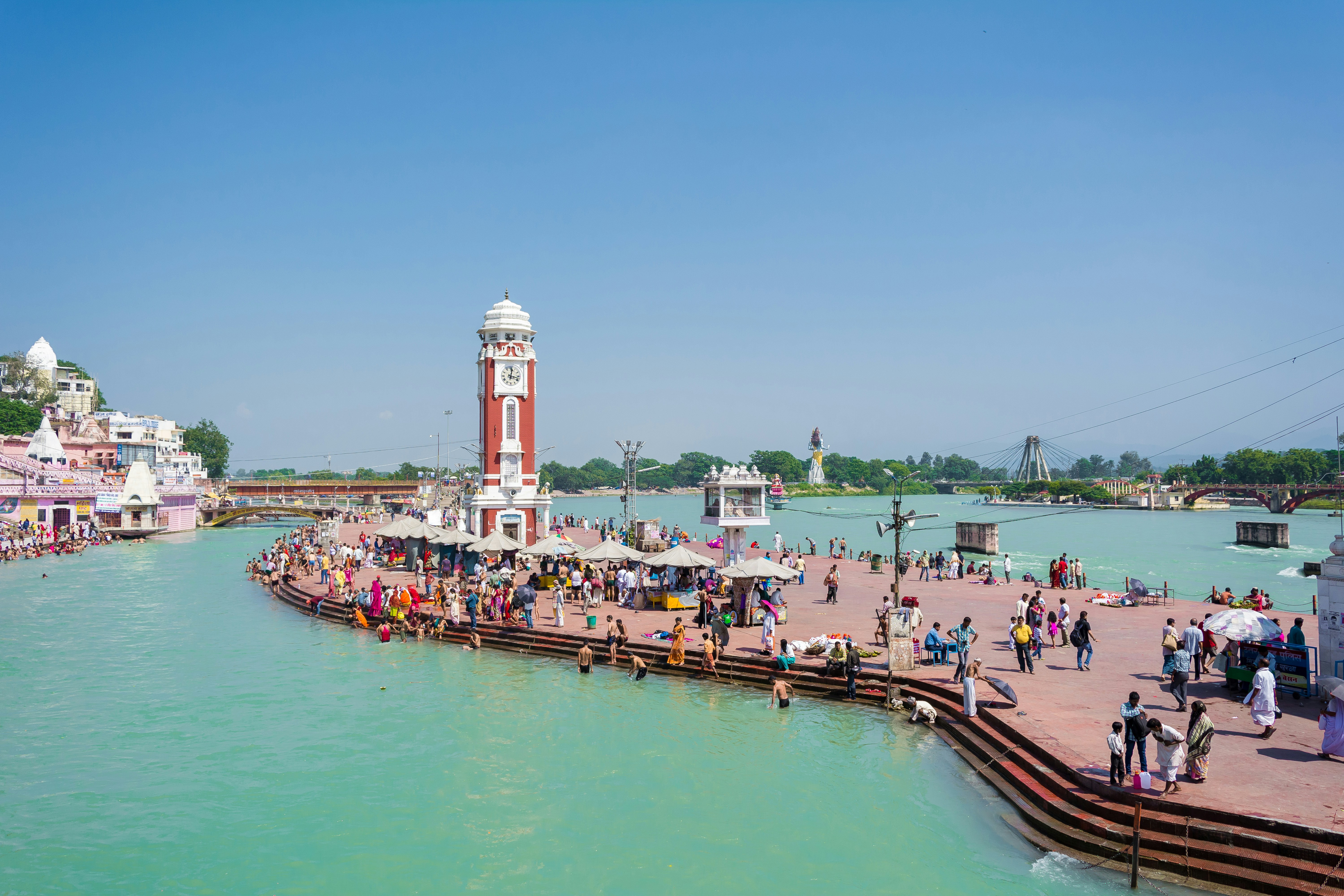
Shoot the Ganga Aarti at Har Ki Pauri from the opposite bank, with a long exposure of the leaf-boat lamps on the water.
Stand at Devprayag, where the Bhagirathi and the Alaknanda run side by side in two colours before they become the Ganga.
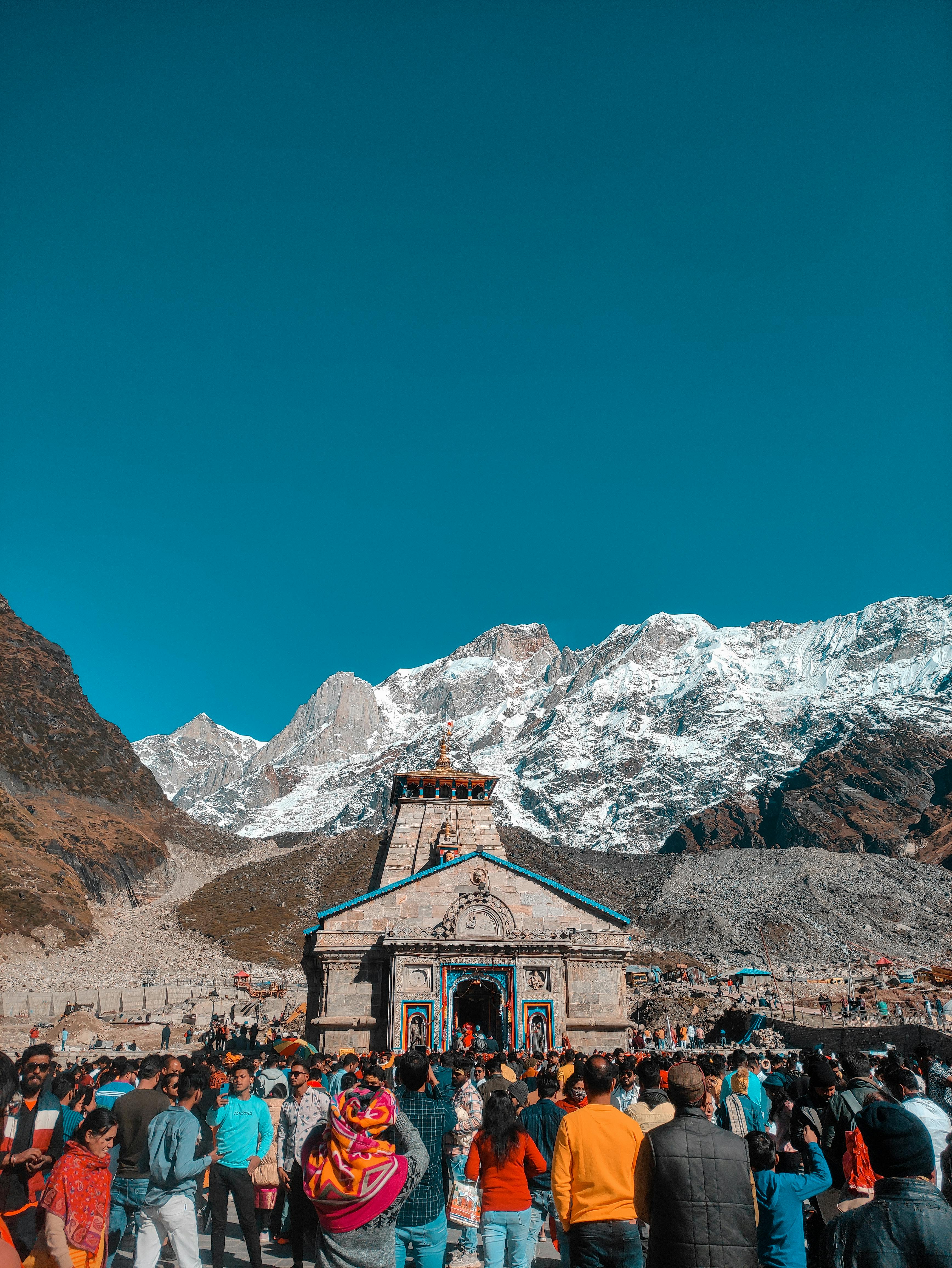
Walk the 16 to 17 km gorge up to Kedarnath at 3,583 m and shoot the temple exterior in the last light, with the peaks behind.
Sleep in a private tent at Kedarnath and, on a clear night, shoot the Milky Way over the valley.
Be on Chandrashila at first light, with more than 40 peaks in view, including Nanda Devi, Trishul and Chaukhamba.
Shoot Chopta's oak and rhododendron forest and meadows in the long light of an October afternoon.
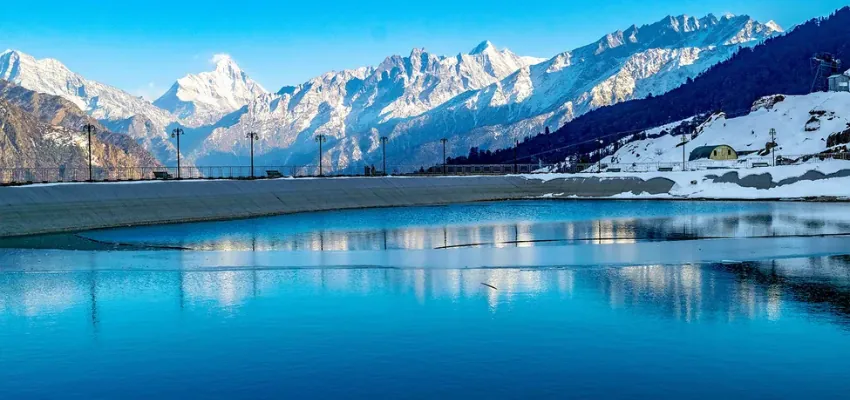
Spend two nights at Auli for the blue hour on Nanda Devi and Trishul from the hotel terrace and a morning walk into Gorson Bugyal.
Finish at Triveni Ghat in Rishikesh with a last evening aarti, and follow the Panch Prayag confluences on the drive down.
Essence of Journey
The experiences that capture the true spirit of the entire trip.
| Day | Route | Distance | Major Highlights |
|---|---|---|---|
| Day 1 | Airport – Hotel, Delhi | ~25 km | Arrival, gear check, briefing |
| Day 2 | Delhi – Haridwar | ~225 km, 5–6 hrs | Har Ki Pauri, Ganga Aarti at dusk, long exposures on the water |
| Day 3 | Haridwar – Rishikesh – Devprayag – Srinagar – Rudraprayag – Guptkashi | ~210 km, 7–8 hrs | Devprayag confluence, Rudraprayag, the Mandakini valley |
| Day 4 | Guptkashi – Sonprayag – Gaurikund – Kedarnath | 30 km drive, 5 km shuttle, 16–17 km on foot | Trek up the Mandakini gorge to 3,583 m, golden light on the temple, night sky |
| Day 5 | Kedarnath – Gaurikund – Sonprayag – Ukhimath | 16–17 km walk down, ~45 km drive | Dawn on the Kedarnath massif, descent, Ukhimath |
| Day 6 | Ukhimath – Chopta | ~30 km, 1.5 hrs | Chopta meadows, oak and rhododendron forest, evening light on Chaukhamba |
| Day 7 | Chopta – Tungnath – Chandrashila – Chopta | 3.5 km up to Tungnath, +1.5 km to the summit | Pre-dawn climb, sunrise on the Garhwal peaks from Chandrashila |
| Day 8 | Chopta – Gopeshwar – Chamoli – Joshimath – Auli | ~150 km, 5–6 hrs | Alaknanda valley, Nanda Devi from the hotel, blue hour on the peaks |
| Day 9 | Auli (slopes and Gorson Bugyal) | ~25 km local | Dawn on Nanda Devi, Gorson Bugyal walk, chairlift, blue hour |
| Day 10 | Auli – Joshimath – Chamoli – Karnaprayag – Rudraprayag – Devprayag – Rishikesh | ~265 km, 8 hrs | Panch Prayag confluences, Rishikesh, evening aarti at Triveni Ghat |
| Day 11 | Rishikesh – Haridwar – Roorkee – Delhi Airport | ~245 km, 5–6 hrs | Drive to Delhi airport |
About
This is a private, 11-day Himalayan landscape photography expedition through Uttarakhand, built specifically around light rather than sightseeing. Every day's schedule is set by that day's sunrise, sunset and aarti times, not the other way around — from long exposures of the Ganga Aarti at Har Ki Pauri, to golden hour on the Kedarnath temple exterior at 3,583 m, to sunrise over more than 40 peaks from Chandrashila, to blue hour on Nanda Devi from the Auli terrace. Porters carry your camera cases and tripods on the two big climbs, so you carry one body and one lens. A private vehicle, driver and English-speaking Himalayan guide travel with you for all 11 days, at your choice of three tiers: Premium, Luxury and Ultra-Luxury. This build runs in autumn, roughly 1 to 20 October, when the post-monsoon air is at its clearest.
This is a private Uttarakhand photography tour built around light: the evening aarti on the Ganga, the last hour at Kedarnath, the sunrise ridge at Chandrashila and the blue hour on Nanda Devi from Auli. It is a Himalaya landscape photography expedition for hobbyists and working photographers who want to be in the right place at the right hour, and a temple photography tour India that stays outside the sanctum, because most sanctums do not allow cameras. It runs 10 nights from Delhi and back, and BizareXpedition runs every leg from its own base in Haridwar.
Each day is planned from the light backward. The guide has the sunrise and sunset time, the aarti time and the road time for the day, and sets the start and the stop to match. This is a private journey with a vehicle, a driver and an English-speaking Himalayan guide for all 11 days, a tailor-made custom itinerary set to your kit and pace, and porters carry the camera cases on the Kedarnath climb. Gaps in the day are for resting, backing up cards and editing.
This departure is built for autumn, about 1 to 20 October. The monsoon has cleared, the air is clear, the roads are at their best, and Kedarnath and Tungnath are still open. Nights are cold, the summit at Chandrashila is close to freezing at dawn, and Kedarnath closes for the winter around Bhai Dooj, so the plan finishes before that. The plan has two long drives, each placed after a short day. This luxury Uttarakhand photography tour is priced in three tiers, Premium, Luxury and Ultra-Luxury, and every departure is built to your dates.
Note on temple photography and access, 2026. Photography and videography are prohibited inside the Kedarnath temple, and the temple committee announced this in July 2023. Many temples in India bar cameras in the sanctum, and this plan does not depend on getting inside one. On 10 March 2026 the Badri-Kedar Temple Committee also resolved that non-Hindus may not enter the premises of 47 temples it manages. Reports name Kedarnath and Tungnath among the shrines covered. The committee says Sikhs, Buddhists and Jains are exempt. The state government has not issued a statewide rule, and the sources we read do not explain how the resolution is checked at the gate for foreign visitors.
What this means for the trip. Every frame in this plan is taken outside the sanctum: the temple square, the outer path, the ghats, the ridge and the peaks behind. Guests covered by the committee's exemptions follow its queue for darshan, and the rest of the day is unchanged. Drones are not carried, because unauthorised drones are prohibited at Kedarnath. BizareXpedition confirms the current rule for each shrine before departure and tells you plainly what to expect.
WHY BOOK THIS WITH BIZAREXPEDITION
A tour that crosses six valleys needs a team that lives at the start of it.
Planned from the light. Sunrise, sunset and aarti times set each day's start and stop. Long drives are followed by short days, so you shoot when the light is good and rest when it is not.
Haridwar is our home base. BizareXpedition™ Services Pvt. Ltd. (CIN U63090UR2016PTC007433) is headquartered in Haridwar, so the team that plans the route is the team that runs it.
Your gear is carried. Porters carry the camera cases and tripods on the Kedarnath climb and at Chandrashila, so you carry one body and one lens.
Three tiers, one route. The Premium, Luxury and Ultra-Luxury versions share the same route and the same guide standard. The tiers change the rooms, the vehicle and the trek support.
You are told plainly what is uncertain. Cameras inside temples, the non-Hindu entry rule, early snow at Chandrashila and cloud on the peaks are stated in the days they affect, with what we are doing about each.
ACCOMMODATION CATEGORIES
| Destination | Nights | Premium | Luxury | Ultra-Luxury |
|---|---|---|---|---|
|
Delhi |
1 |
Radisson Blu Plaza Delhi Airport |
ITC Maurya |
The Oberoi, New Delhi |
|
Haridwar |
1 |
Radisson Hotel Haridwar |
Haveli Hari Ganga (IHCL SeleQtions) |
Haveli Hari Ganga, Ganga-facing suite |
|
Guptkashi |
1 |
Kedar Camp Resorts |
Kedar Valley Resorts |
Kedar Valley Resorts, best suite |
|
Kedarnath |
1 |
Private tent, shared facilities |
Deluxe private tent |
Premium private tent with attendant |
|
Ukhimath |
1 |
Comfortable hotel (named at booking) |
Best available hotel (named at booking) |
Best available hotel, top room (named at booking) |
|
Chopta |
2 |
Heated lodge (named at booking) |
Best available cottage (named at booking) |
Best cottage with private fire (named at booking) |
|
Auli |
2 |
The Auli Meadows |
Clifftop Club, on the slope |
Clifftop Club, best available suite |
|
Rishikesh |
1 |
Aloha on the Ganges |
Roseate Ganges |
Ananda in the Himalayas |
Uttarakhand Photography Tour Accommodation Categories
Note on hotels. Kedarnath, Ukhimath and Chopta have no luxury or ultra-luxury properties, and Auli has only a handful of hotels, so Luxury and Ultra-Luxury share the Clifftop Club and differ by room grade. For photographers the rooms are chosen for the view of the peaks. Where a tier has no separate property, it differs by room grade, food and trek support. Property names are proposals and are confirmed at booking. Rates in this document are modelled, not contract rates.
Why Choose This Uttarakhand Photography Tour
Every day is planned from the light backward. Your guide works from that day's sunrise, sunset and aarti times to set the start and stop, so long drives happen when the light is flat and shooting happens when it isn't.
Your gear is carried, not you. Porters carry the camera cases and tripods on both the Kedarnath climb and the Chandrashila pre-dawn ascent — you carry one body and one lens on the trail itself.
Built around temples that don't allow cameras inside. Rather than promising sanctum access it can't deliver, this itinerary is designed entirely around exterior and approach shots — the temple square, the outer path, the ridge above — so you're never counting on getting past a door that stays closed to lenses.
Genuinely private, throughout. Your own vehicle, driver and guide stay with you for all 11 days — nobody else joins the car, and the schedule bends around your shooting, not a group's.
You're told plainly what's uncertain. Cameras inside temples, the non-Hindu entry rule at specific shrines, early snow at Chandrashila and cloud on the peaks are all addressed directly, with a stated plan for each.
Run by a team based at the start of the route. BizareXpedition is headquartered in Haridwar, where this expedition's first frames are shot, so the same team that plans the light schedule also runs it on the ground.
SEASON ADJUSTMENTS
| Season | Dates | Conditions |
|---|---|---|
|
Autumn (this build) |
About 1 to 20 October starts |
Post-monsoon air is at its clearest, roads are at their best, and Kedarnath and Tungnath are open. Crowds rise toward Diwali. Nights are cold and Chandrashila is close to freezing at dawn. |
|
Spring |
Mid-April to mid-May starts |
Kedarnath opens in the last week of April with deep snow on the path. Chopta's rhododendrons flower in March and April. Haze can soften the far peaks by May. |
|
Late autumn |
Late October to early November |
Early snow flurries are possible at Chandrashila in the last week of October. Kedarnath and Tungnath close for the winter around Bhai Dooj, and the closing date is announced after Vijayadashami. |
|
Winter |
December to February |
Snow at Chopta and Auli, and both are at their most photogenic. Kedarnath and Tungnath are closed, so this is a different route without them. |
|
Monsoon |
July to mid-September |
Not offered for this route. Cloud hides the peaks and landslides close hill roads for hours. |
Complete Uttarakhand Tour Season Adjustments
Temple opening and closing dates change every year. Kedarnath opened on 22 April in 2026
What You'll Photograph
The Ganga Aarti at Har Ki Pauri. Shot from the opposite bank for a clean view across the water — handheld at high ISO during the ceremony itself, then a tripod set up beforehand for long exposures of the leaf-boat lamps drifting on the current.
The Devprayag confluence. Where the Bhagirathi and Alaknanda run side by side in two distinct colours before becoming the Ganga — the temple steps above give the best angle.
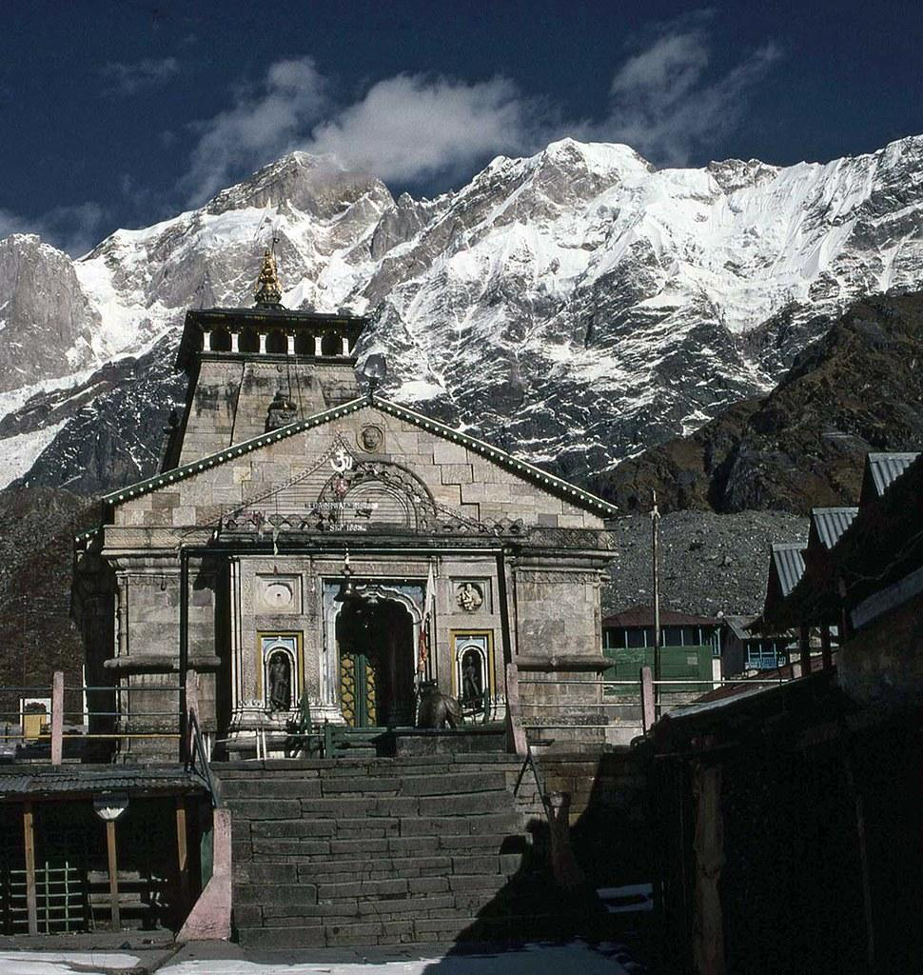
Kedarnath at golden hour, and after dark. The temple exterior in the last hour of light, with the Kedarnath massif rising behind it, followed by a chance at the Milky Way over the valley on a clear night from your private tent.
Dawn on the Kedarnath massif. The high snow catches first light and turns pink, then gold, while the valley floor stays in blue shadow for another hour — the reason to be up before sunrise.
Chandrashila at sunrise. A pre-dawn climb with headtorches to a ridge above 4,000 m, timed so you're in position before first light reaches more than 40 peaks, including Nanda Devi, Trishul and Chaukhamba.
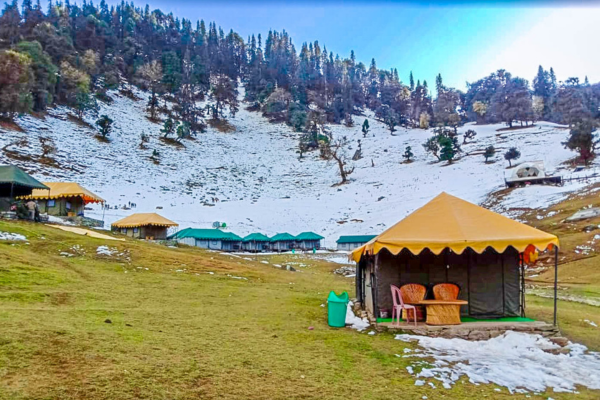
Chopta's meadows in long October light. Oak and rhododendron forest turning bronze, shot in the late-afternoon glow with the forest edge falling into shadow.
Blue hour on Nanda Devi from Auli. Two nights specifically for the twenty minutes after sunset when the high snow shifts from pink to cold blue while the sky stays bright — shot from the hotel terrace.
Gorson Bugyal's meadow foreground. A wide lens for the grass and oak, a longer lens for Nanda Devi and Trishul rising above the forest line.
The Panch Prayag confluences and a final aarti. Two or three of the five sacred river meetings on the drive down, closing with the evening aarti at Triveni Ghat in Rishikesh — this time shot with the peaks behind you and the river ahead.
Who This Trip Suits
Hobbyist and working photographers alike who want their days built around specific light windows rather than a generic sightseeing schedule
Landscape and travel photographers chasing golden hour, blue hour and night-sky shots rather than portrait or event work
Reasonably fit travellers comfortable with two demanding climbs — the 16-17 km Kedarnath trek and a pre-dawn ascent above 4,000 m at Chandrashila — carrying only a body and lens
Photographers who accept temple photography restrictions as a given rather than a trip built around trying to get around them
Couples where one person shoots and one doesn't since a non-photographing partner can join at the same per-person rate without changing the plan
PRACTICAL NOTES
Altitude. Kedarnath is at 3,583 m, and Chandrashila is over 4,000 m. The plan spends its first nights below 3,000 m and rises slowly. Tell the guide about headache, nausea or breathlessness the same day.
Fitness and health. Train for 4 to 6 weeks before departure with hill walking and stair climbing. The Kedarnath walk is 16 to 17 km each way, and the Chandrashila climb starts in the dark. Anyone over 50, or with heart, lung or blood-pressure conditions, should see a doctor first.
Cameras inside temples. Photography and videography are prohibited inside the Kedarnath temple, and reports on 2026 describe a phone deposit counter at the entrance. Other temples on the route can have similar rules. The guide tells you where cameras are allowed.
Drones. Unauthorised drones are prohibited at Kedarnath and monitored. Drones need permission elsewhere and are not carried on this tour.
Temple access. See the note at the start of this document. The rule and its enforcement can change between now and departure, and we confirm it for each shrine before you travel.
Kit for the cold. Nights fall to between 2 and 9 C at Chopta and lower at Kedarnath, and batteries drain fast in the cold. Bring spare batteries, warm gloves that let you work the camera, a tripod that takes wind and a headtorch.
Carrying gear. Porters carry camera cases and tripods on the Kedarnath climb and at Chandrashila. You carry one body and one lens. Helicopter flights allow about 2 kg of luggage, which does not suit a camera kit.
Dress code. Cover shoulders and knees at temples and remove shoes at the entrance. For walks: layers, a windproof shell, a warm hat and gloves, trekking boots and poles.
Drinking water. Carry a reusable bottle and purification tablets. The guide provides safe water at hotels and camps.
Tipping. Tips for the guide, driver and porters are given at the end of each section. The guide advises on a suitable amount.
Connectivity. Mobile networks are patchy above Guptkashi and at Chopta. Backup your cards nightly. BizareXpedition keeps a fixed daily check-in time with the guide.
Booking Summary
Dept. City :
--
Dept. Date :
--
Traveller :
Adults: 2, Child: 0, Infant: 0
Rooms :
--
Basic Price :
--
Total Cost
--
GST
--
Grand Total
--
Itinerary (Day Wise)
This is an 11-day photography trip through Uttarakhand built around light, not sightseeing. You catch the Ganga Aarti at Haridwar, walk up to Kedarnath for the last golden hour on the temple with the peaks behind it, climb Chandrashila before dawn for a sunrise over more than 40 peaks, and spend two evenings at Auli watching Nanda Devi turn from pink to blue after sunset. A private vehicle, driver and English-speaking guide stay with you the whole way, and porters carry your camera cases on both big climbs, so you're only carrying a body and a lens. It runs in autumn, across three tiers — Premium, Luxury and Ultra-Luxury — and every departure is built around your own dates.
Day 1
ARRIVE DELHI | Rest and Reset
Route: Airport – Hotel, Delhi
Your trip lead meets you at arrivals and takes you to the hotel. There is no shooting today. The next ten days go from the Ganga plains to 3,583 m at Kedarnath and back, and most mornings start in the dark.
A short briefing follows over breakfast tomorrow: the light plan for each day, the walking days, what to carry on the Kedarnath climb, and a check of batteries, cards and cold-weather gear.
Food
Hotel dinner. Ask for a light, early meal after a long flight.
Day 2
DELHI TO HARIDWAR | The Ganga Aarti at Blue Hour
Route: Delhi – Haridwar
Haridwar is where the Ganga leaves the mountains and enters the plains. Your first frames are the evening aarti at Har Ki Pauri. From October the evening ceremony is held at about 5:30 pm, and it lasts 30 to 40 minutes. Sunset is close, so the last light and the lamps overlap for a short while, and that overlap is what you have come for.
The guide picks the vantage point in the afternoon. The opposite bank gives a clear view across the water with fewer people in the frame. Tripods draw attention from the ghat volunteers during the ceremony, so the plan is to shoot handheld at high ISO for the ritual and to set up a tripod before it begins for long exposures of the current, the leaf-boat lamps and the ghat lights.
The ghat is one of the busiest in North India at aarti time. Keep your camera bag zipped and in front of you.
The Human Story
The aarti is performed by the priests of the Ganga Sabha. Each lamp is a brass stand with many wicks, and the priests lift them in slow arcs toward the river. Thousands of pilgrims float small leaf boats with flowers and a lamp, and the current carries the light downstream.
Note on Har Ki Pauri. In January 2026 the Shri Ganga Sabha put up boards at Har Ki Pauri saying non-Hindus may not enter. Civic officials said no formal government order backed them and that the old bylaws were under review. We confirm the position on the day. If access is limited for any guest, the aarti is photographed from the opposite bank or from Rishikesh, and the frames are unchanged in kind.
Experience of the Day
– Scout the ghat in the afternoon light.
– Shoot the aarti at dusk from the opposite bank.
– Long exposure of the leaf-boat lamps on the water.
Food
Recommended: Chotiwala, the town's best-known family restaurant. Must-try: kachori with aloo sabzi at breakfast, and hot puris with potato curry.
Shopping
Bara Bazaar for brass lamps, rudraksha beads and Ayurvedic oils. The guide points you to fixed-price shops.
Activities to Do
Ghat scouting
Ganga Aarti (dusk)
Long exposures on the water
Optional Nearby Excursions
A sunrise walk on the ghats before breakfast. Morning aarti is at about 6:30 am from October.
Day 3
HARIDWAR TO GUPTKASHI | Rivers and the Road North
Route: Haridwar – Rishikesh – Devprayag – Srinagar – Rudraprayag – Guptkashi
The road follows the Ganga upstream. At Devprayag, about 70 km beyond Rishikesh, the Bhagirathi and the Alaknanda meet, and from this meeting the river is called the Ganga. The two rivers run side by side for a short distance in different colours, and the temple steps above the confluence give the best angle. Later the road reaches Rudraprayag, where the Alaknanda meets the Mandakini, and turns up the Mandakini valley to Guptkashi.
Guptkashi sits at the foot of the Kedarnath valley. The hotel is chosen for a view of the peaks at the end of the day. Tonight is for downloading cards, charging batteries and an early dinner, because tomorrow is a climb.
Note on the drive. Distance sources differ on this stretch, and we use 210 km and 7 to 8 hours as the working figure. In October the monsoon landslide risk on the Rudraprayag–Guptkashi road has cleared in most years, and the guide checks the road each morning.
Experience of the Day
– Stand above the Devprayag confluence and shoot the two colours of water.
– First view of the Mandakini valley in evening light.
Food
Lunch at a highway restaurant near Srinagar, chosen by the guide. Dinner at the hotel.
Activities to Do
Devprayag stop
Rudraprayag stop
Card and battery check
Day 4
GUPTKASHI TO KEDARNATH | The Walk Up and the Last Light
Route: Guptkashi – Sonprayag – Gaurikund – Kedarnath
Kedarnath stands at 3,583 m beside the Mandakini. The path starts at Gaurikund and climbs 16 to 17 km through a gorge. You shoot as you walk: waterfalls on the far wall, mules on the switchbacks, and the first view of the snow peaks behind the valley. Bring one lens for the walk and keep the rest in the porter's case.
You arrive in the afternoon. The temple faces the peaks, with the Kedarnath massif rising behind it, and the best light falls in the last hour before sunset. After dark the sky over the valley is very dark and the air is thin, so a clear night gives a good chance at the Milky Way, and the guide can wake you if the cloud opens. Nights are cold, and batteries drain fast, so keep spares inside your jacket.
On 16 and 17 June 2013 floods tore through the valley. A huge rock lodged behind the temple and split the water around it, and the temple survived. The rock is now worshipped as the Bhim Shila.
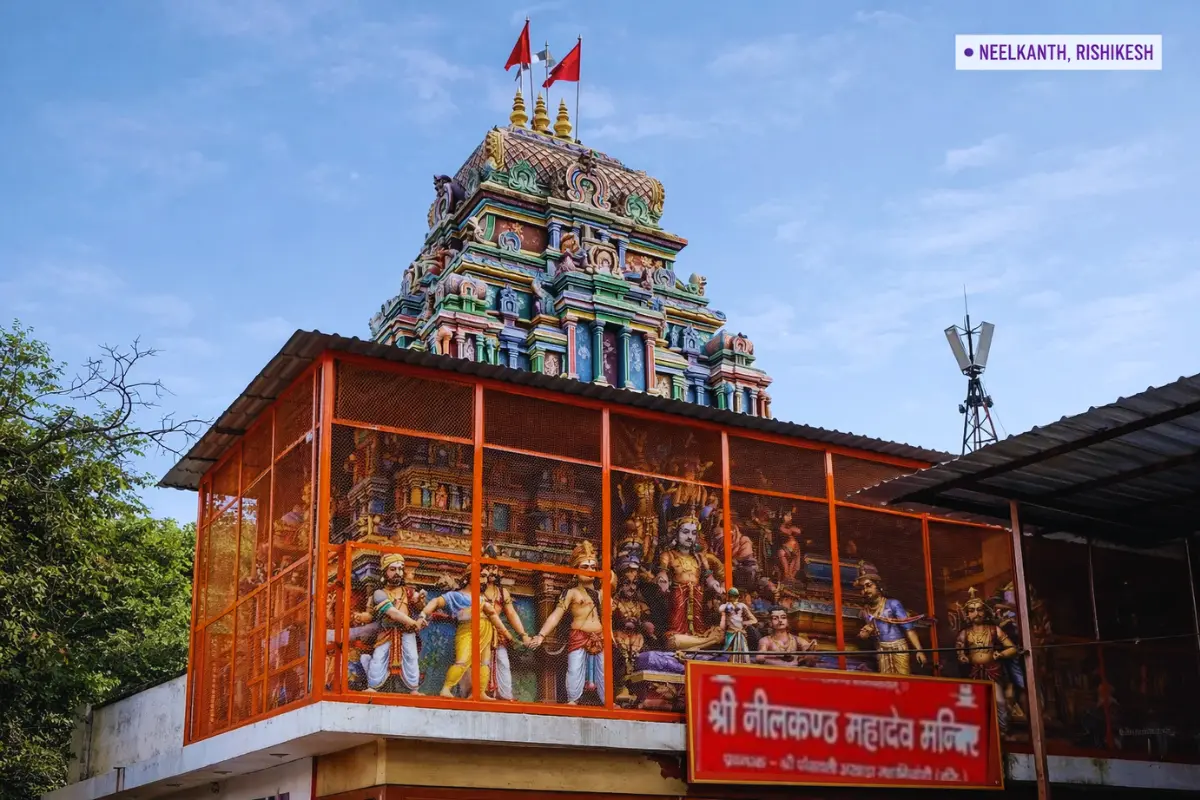
Note on photography and access at Kedarnath. Photography and videography are prohibited inside the temple premises, and the temple committee announced this in July 2023. Reports on the 2026 season describe a phone deposit counter near the entrance and a bar on unauthorised drones. Drones are not carried on this tour. On 10 March 2026 the Badri-Kedar Temple Committee also resolved to bar non-Hindus from 47 temples, and reports name Kedarnath. Guests covered by its exemptions follow the committee's queue. For other guests the temple is photographed from outside, in the square and from the outer path, and the frames in this plan are built around that. We confirm the rule before departure.
Experience of the Day
– Shoot the gorge on the walk up.
– Golden light on the temple exterior with the peaks behind.
– Night sky over the valley if the cloud allows.
Food
Simple vegetarian meals at the trail's tea houses and at the camp. Must-try: hot ginger tea on the way up.
Activities to Do
Walk or pony to Kedarnath
Golden hour at the temple exterior
Night sky session
Optional Nearby Excursions
A helicopter from Sirsi, Phata or Guptkashi to shorten the climb, quoted as an upgrade. Flights are booked through the IRCTC HeliYatra portal and carry about 2 kg of luggage, which limits camera gear.
Day 5
KEDARNATH DAWN AND DOWN TO UKHIMATH | First Light on the Peaks
Route: Kedarnath – Gaurikund – Sonprayag – Ukhimath
You are up before dawn for first light on the peaks behind the temple. The light reaches the highest snow first and turns it pink, then gold, and it is at its best for about twenty minutes. The valley floor stays in blue shadow for an hour longer, which is the reason to be up early. After breakfast the walk down takes the same path in reverse, with the sun now on the other wall of the gorge, so the same viewpoints look different.
Ukhimath is where the Kedarnath idol is carried down each winter and worshipped at the Omkareshwar temple until the shrine reopens. The town is a good place to sleep after a day of descent, and the hotel is chosen for a view of the valley.
Experience of the Day
– First light on the Kedarnath massif.
– The gorge again, lit from the other side.
– Reach Ukhimath, Kedarnath's winter home.
Food
Hotel dinner. Ask for the simplest food tonight.
Activities to Do
Dawn shoot
Walk down
Drive to Ukhimath
Day 6
UKHIMATH TO CHOPTA | The Meadows at Golden Hour
Route: Ukhimath – Chopta
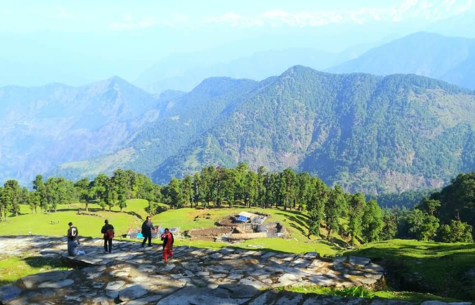
The road climbs the last 30 km from Ukhimath through dense forest to Chopta at 2,608 m, in the Kedarnath Wildlife Sanctuary. In October the meadows are still green from the monsoon and the rhododendron leaves turn bronze toward the end of the month. The peaks Chaukhamba, Trishul and Nanda Devi can be seen from the meadow on a clear day.
The afternoon is free to walk. The guide takes you to a meadow clearing at about 4 pm for the long light, with the forest edge in shadow. Chopta has little light after dark, and on a clear night the sky is very dark. Nights fall to between 2 and 9 C in October, so the lodge has a heater and a bonfire.
Experience of the Day
– Walk into the meadows at 4 pm.
– Evening light on the peaks.
– A bonfire and, on a clear night, stars.
Food
Dinner at the lodge is hot and simple: dal, seasonal vegetables and roti. Must-try: buransh (rhododendron) squash.
Activities to Do
Meadow walk
Golden hour shoot
Night sky session
Optional Nearby Excursions
Deoria Tal, a lake at 2,438 m reached by a 3 km walk from Sari village. On a still morning the lake holds a clear reflection of the Chaukhamba peaks. The guide confirms the timing and road for your date.
Day 7
CHOPTA | Chandrashila at Sunrise
Route: Chopta – Tungnath – Chandrashila – Chopta
The reason to stay a second night at Chopta is one morning: Chandrashila at first light. The climb starts in the dark. The trail passes Tungnath and goes on for another 1.5 km to the summit at over 4,000 m, and the guide sets the start time so that you are on the ridge before the sun. First light at the summit comes at about 6:15 am in October, and the range in front of you has more than 40 peaks, including Nanda Devi, Trishul and Chaukhamba.
October is a good month for it. The final scramble to the summit is clear of snow in most years, though early flurries are possible in the last week of the month. The temperature at the summit before sunrise is between minus 3 and 4 C. Bring warm gloves that let you work the camera, a tripod that can take wind, and a headtorch.
You are back at the lodge for a late breakfast, and the afternoon is for rest and for the edited frames.
The Human Story
Tradition says the Pandavas were searching for Shiva to be forgiven after the war at Kurukshetra, and he hid from them as a bull. Where the bull's parts came up in five places, five temples were built, the Panch Kedar. Tungnath, said to be where the arms appeared, is the highest of the five.
Note on temple access. Tungnath is named in reports on the March 2026 Badri-Kedar Temple Committee resolution. The temple stays open through October and closes for winter in early November. The trail, the meadows and the Chandrashila ridge are open to everyone, and the summit is the better viewpoint. Photography inside the temple is not part of this plan.
Experience of the Day
– Pre-dawn climb with headtorches.
– Sunrise on 40 peaks from Chandrashila.
– A slow afternoon.
Food
Hot tea and soup on the trail, and a hot lunch back at the lodge. Must-try: a bowl of khichdi with ghee on a cold evening.
Activities to Do
Pre-dawn climb
Sunrise at the summit
Afternoon rest and card backup
Optional Nearby Excursions
The temple exterior and its stone steps in early light, for guests who prefer a shorter walk than the summit.
Day 8
CHOPTA TO AULI | The Alaknanda and the High Meadow
Route: Chopta – Gopeshwar – Chamoli – Joshimath – Auli
The road drops from Chopta to Gopeshwar, 38 km away, and follows the Alaknanda valley to Joshimath. From Joshimath the road climbs to Auli, at between 2,500 and 3,000 m.
The Joshimath–Auli cable car has been shut since 5 January 2023, when land subsidence appeared near its first tower, and a Rs 480 crore replacement was still in planning in 2026 reports. You arrive by road.
You reach the hotel in the afternoon. Auli is a slope and a meadow with a view of Nanda Devi and Trishul, and the light on the peaks after sunset is the reason for the stay. In the 20 minutes after the sun goes, the snow on the high peaks turns from pink to a cold blue while the sky is still bright. That is the blue hour, and the terrace of the hotel is the vantage point.
Experience of the Day
– Drive along the Alaknanda valley.
– Sunset and blue hour on Nanda Devi and Trishul from the terrace.
Food
Lunch at Gopeshwar or Joshimath. Dinner at the hotel. Must-try: hot soup and a plate of momos after the cold air.
Activities to Do
Chopta to Auli drive
Sunset shoot
Blue hour from the terrace
Day 9
AULI | Gorson Bugyal and Blue Hour
Route: Auli (slopes and Gorson Bugyal)
Dawn at Auli is the second of the trip's big light moments. The peaks catch the first sun long before the slope does, and the guide has you on the terrace or the lower slope in time. In October there is snow only on the highest peaks, and the meadows are golden and dry.
After breakfast you walk into Gorson Bugyal, a meadow of about 3 km, and the chairlift saves the first climb. The meadow gives a foreground of grass and oak with Nanda Devi and Trishul above the forest. Bring a longer lens for the peaks and a wide lens for the meadow.
The afternoon is for rest and for editing. At the end of the day you return to the terrace for the last light and the blue hour.
The Human Story
Auli is small. It is a slope, a meadow and a few hotels, and it lives on the Joshimath valley below it. The 2023 subsidence in Joshimath stopped the cable car, and the slope now runs by road.
Experience of the Day
– Dawn on the peaks.
– Walk into Gorson Bugyal.
– Blue hour on the terrace.
Food
Recommended: dinner at the hotel. Must-try: hot chocolate and soup after the walk, and a plate of rajma and rice.
Activities to Do
Dawn shoot
Chairlift ride
Gorson Bugyal walk
Blue hour on the terrace
Optional Nearby Excursions
Chattrakund, a small water body in the forest above the meadow, if the trail allows.
A visit to Joshimath town in the afternoon.
Day 10
AULI TO RISHIKESH | Five Confluences Back to the Ganga
Route: Auli – Joshimath – Chamoli – Karnaprayag – Rudraprayag – Devprayag – Rishikesh
The drive down follows the Alaknanda, and the river tells you where you are. It meets the Dhauliganga at Vishnuprayag near Joshimath, the Nandakini at Nandprayag, the Pindar at Karnaprayag, the Mandakini at Rudraprayag and the Bhagirathi at Devprayag. These five meetings are the Panch Prayag, and the last one makes the Ganga. Your guide stops at two or three of them.
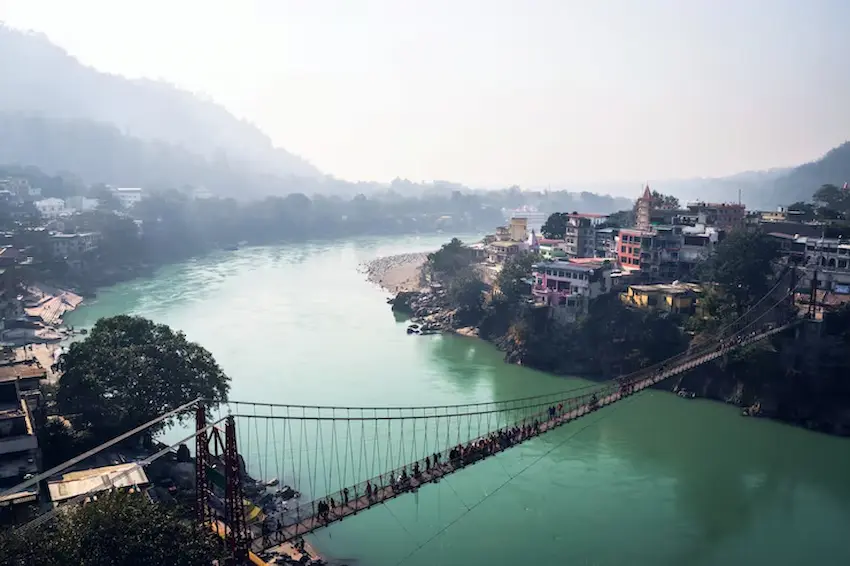
You reach Rishikesh in the late afternoon. The Ganga here is green and fast. You have the last frames of the tour at the evening aarti at Triveni Ghat, this time with the peaks behind you and the river ahead. The hotel is on the riverbank.
Experience of the Day
– Stop at the Karnaprayag and Rudraprayag confluences.
– Last aarti of the tour at the ghat.
– First view of the Ganga at Rishikesh.
Food
Lunch on the road in Srinagar or Devprayag. Dinner at the hotel by the river. Rishikesh is a vegetarian, alcohol-free town, and the hotel menu follows the same rule.
Activities to Do
Confluence stops
Evening aarti at the ghat
Card backup and review
Optional Nearby Excursions
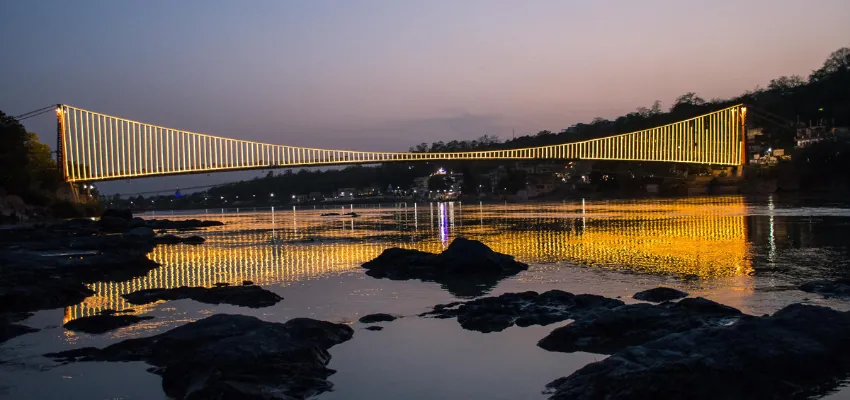
A walk across Ram Jhula in the morning before the drive to Delhi.
Day 11
RISHIKESH TO DELHI | Departure
Route: Rishikesh – Haridwar – Roorkee – Delhi Airport
Breakfast is unhurried, with a last look at the Ganga. The road south passes Haridwar and Roorkee and reaches Delhi in the early afternoon. Your trip lead drops you at the airport with time in hand.
If you want a night in Delhi at the end, or a day to edit, the route changes and the price follows.
Food
Breakfast at the hotel. A packed lunch or a stop at a highway restaurant on the way.
Sightseeing
Tour Information
Your complete guide to a hassle-free and enjoyable trip.
Inclusion
Exclusion
Payment Terms
Important factors to consider before your trip!
Cancellation
Need To Know
Be Responsible Traveller
- Minimize Plastic Use : Bring a reusable water bottle, shopping bag, and utensils to reduce the need for single-use plastics. Many destinations have water refill stations and eco-friendly stores.
- Support Local and Sustainable Businesses : Eat at local restaurants, buy souvenirs from local artisans, and choose tour operators that prioritize sustainable practices and support the local community.
- Respect Wildlife and Natural Habitats : Avoid disturbing wildlife or their natural habitats. Stick to designated paths and observe animals from a distance without feeding or touching them.
- Dispose of Waste Properly : Follow local guidelines for recycling and waste disposal. If facilities aren't available, carry your waste with you until you can dispose of it responsibly.
- Educate Yourself and Others : Learn about the local environment, culture, and customs. Respect local practices and traditions, and share your knowledge about responsible travel with others.
- Choose Sustainable Activities : Engage in eco-friendly activities such as hiking, snorkeling, or visiting national parks. Avoid activities that exploit animals or damage the environment.
- Leave No Trace : Follow the principle of "Leave No Trace," which means leaving natural areas as you found them. Pack out all trash, avoid picking plants, and refrain from carving or writing on rocks or trees.
- Plant Trees Whenever Possible : Participate in local tree-planting initiatives or plant trees in your own community. Trees absorb carbon dioxide, provide oxygen, and help support biodiversity, making them vital for a healthy environment.
Connect
Share Itinerary
Email Itinerary
Frequently Asked Questions (FAQs) & People Also Ask — Photography Expedition Himalayan Peaks Temple Light
We help you prepare for your trip and ensure an effortless and enjoyable travel experience.
Can you photograph inside Kedarnath temple?
No. Photography and videography are prohibited inside the temple premises, and the temple committee announced the ban in July 2023. Reports on 2026 describe a phone deposit counter at the entrance. The plan photographs the temple from the square and the outer path, with the peaks behind it, and does not rely on shooting inside a sanctum.
Can non-Hindus visit Kedarnath and Tungnath?
Non-Hindus can walk to both and shoot the valleys and ridges, but the Badri-Kedar Temple Committee resolved in March 2026 to bar them from the temple premises. The rule names Kedarnath and Tungnath and exempts Sikhs, Buddhists and Jains. The state has not issued a statewide rule, and enforcement was not clear in any source we read. We confirm the position before you travel.
What is the best time for Himalayan landscape photography in Uttarakhand?
Autumn, about October, has the clearest air after the monsoon, steady roads and open shrines, and spring has clear skies and rhododendron. Winter has snow but closes Kedarnath and Tungnath. This plan runs from about 1 to 20 October, before Kedarnath closes for winter around Bhai Dooj.
Are drones allowed at Kedarnath?
No. Unauthorised drones are prohibited at Kedarnath and monitored, and drones need permission elsewhere in the state. We do not carry drones on this tour. The plan gets its high viewpoints on foot instead, from Chandrashila at over 4,000 m and the Gorson Bugyal meadow at Auli.
Is the Chandrashila sunrise climb hard?
It is a moderate climb in the dark. It starts at Chopta, passes Tungnath 3.5 km up and goes on 1.5 km to the summit at over 4,000 m, and the guide sets the start so that you are on the ridge before first light at about 6:15 am. October is clear of snow in most years. Ponies help only up to Tungnath.
Is the Kedarnath trek hard with camera gear?
The Kedarnath walk is 16 to 17 km uphill from Gaurikund and takes 6 to 8 hours, a moderate trek at altitude. Porters carry the camera cases and tripods, and ponies are available. A helicopter allows only about 2 kg of luggage, which is not enough for a camera kit, so the walk is the better route for photographers.
What lenses and gear should I bring?
A wide lens for the meadows and gorge, a 70-200 mm or longer for the peaks, and a tripod that takes wind. A fast lens at f/2.8 or wider helps for the night sky at Kedarnath and Chopta. Bring spare batteries, because cold drains them fast, and warm gloves that let you work the camera.
Can I photograph the Ganga Aarti at Har Ki Pauri?
Yes, cameras and phones are allowed at Har Ki Pauri and there is no fee. From October the evening aarti is at about 5:30 pm and lasts 30 to 40 minutes. Tripods draw attention from the volunteers, so the plan is to shoot the ritual handheld and set up the tripod earlier for long exposures. The ghat is crowded, so guard your bag.
Will I see snow in October?
On the high peaks, yes. Kedarnath, Trishul and Nanda Devi carry snow, but the meadows at Chopta and Auli are green to golden and the Chandrashila summit is clear of snow in most years. Early flurries are possible in the last week of October. If you want snow on the slopes, December to February is the season.
Is Uttarakhand safe for tourists?
Uttarakhand is safe for tourists, and the main risks are landslides, weather and altitude, not crime. October has the steadiest roads of the year, and we never drive after dark. The guide checks the forecast and the road each morning, and long drives are placed after short days.
How much does a private Uttarakhand photography tour cost?
A private 11-day Uttarakhand photography tour costs about Rs.225,603 to Rs.243,651 per couple in Premium, Rs.343,161 to Rs.370,614 in Luxury, and Rs.535,746 to Rs.578,606 in Ultra-Luxury. These are modelled figures and depend on dates, hotels confirmed and upgrades. Kedarnath helicopter flights are priced separately.
Can this photography tour be extended?
Yes, the tour is tailor-made. Common additions are a dawn at Deoria Tal for the Chaukhamba reflection, a Delhi night at the end for editing, or Munsiyari and Corbett from our longer Uttarakhand journey. Tell us the dates and the subjects and we rebuild the route.
BizareXpeditionTMReviews
Let's go, pack up, and hit the road!
Similar Tour Packages
Explore other exciting options for your next adventure!
Trusted Paths, Bold Journeys — Inside BizareXpedition
From humble beginnings to a trusted name in the industry, BizareXpedition's story is one of purpose-driven growth, community connection, and a relentless pursuit of excellence that speaks for itself.














Photography Expedition Himalayan Peaks Temple Light
best deal price
Without GST
₹1,12,800
per person on twin sharing
Book Now