

Amit
Writer
Updated On - Oct 14, 2026
25 min
Published On - Sep 07, 2026
The Golden Triangle Plus Varanasi
Ten days, four cities, three empires and one river that has never stopped burning through history. Here is how the classic Delhi-Agra-Jaipur circuit earns its name and why the Varanasi extension is the piece most first-time visitors to India regret leaving off the map.
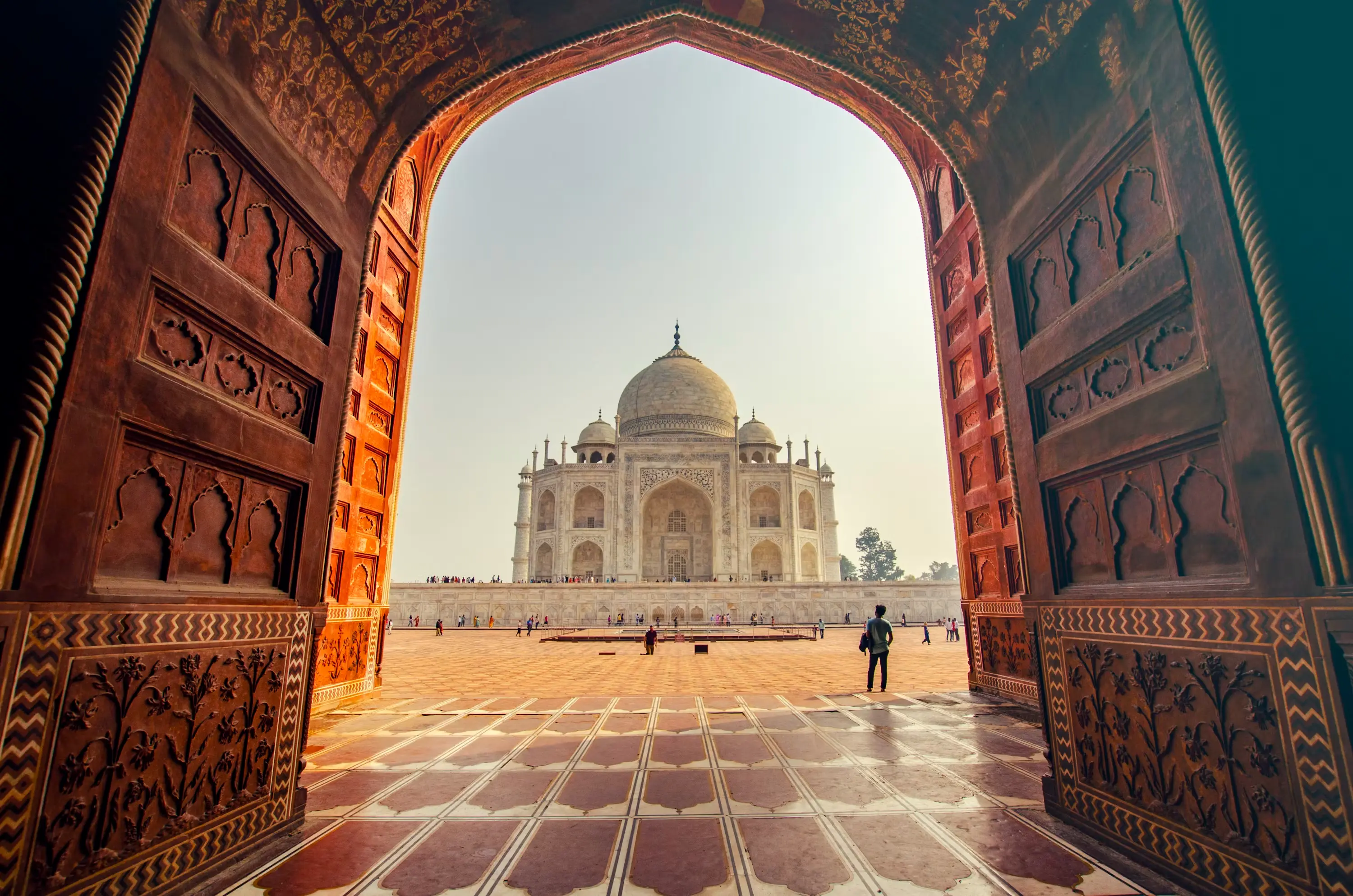
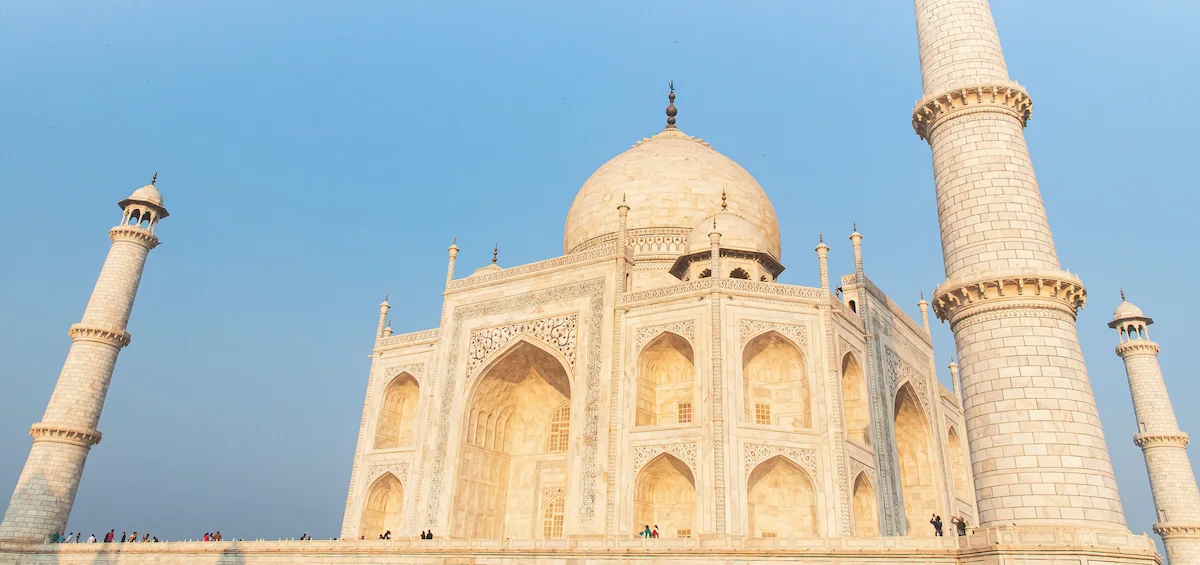
The marble is cold under my bare feet at twenty minutes to six, and that always surprises me, no matter how many times I have stood on this same red sandstone plinth watching the Taj Mahal decide what colour it wants to be this morning. First it is grey, almost sulking, a shape more than a building. Then the sun clears the trees across the Yamuna and the whole dome blushes pink, then gold, then finally settles into the white it is famous for.
Somewhere behind me a group of schoolchildren on a state-board excursion is being shushed by a teacher, and somewhere ahead a Japanese couple is creating the classic forced-perspective photograph, pinching the dome between a finger and the thumb. Nobody is in a hurry. Everyone, for a few minutes, has the same expression.
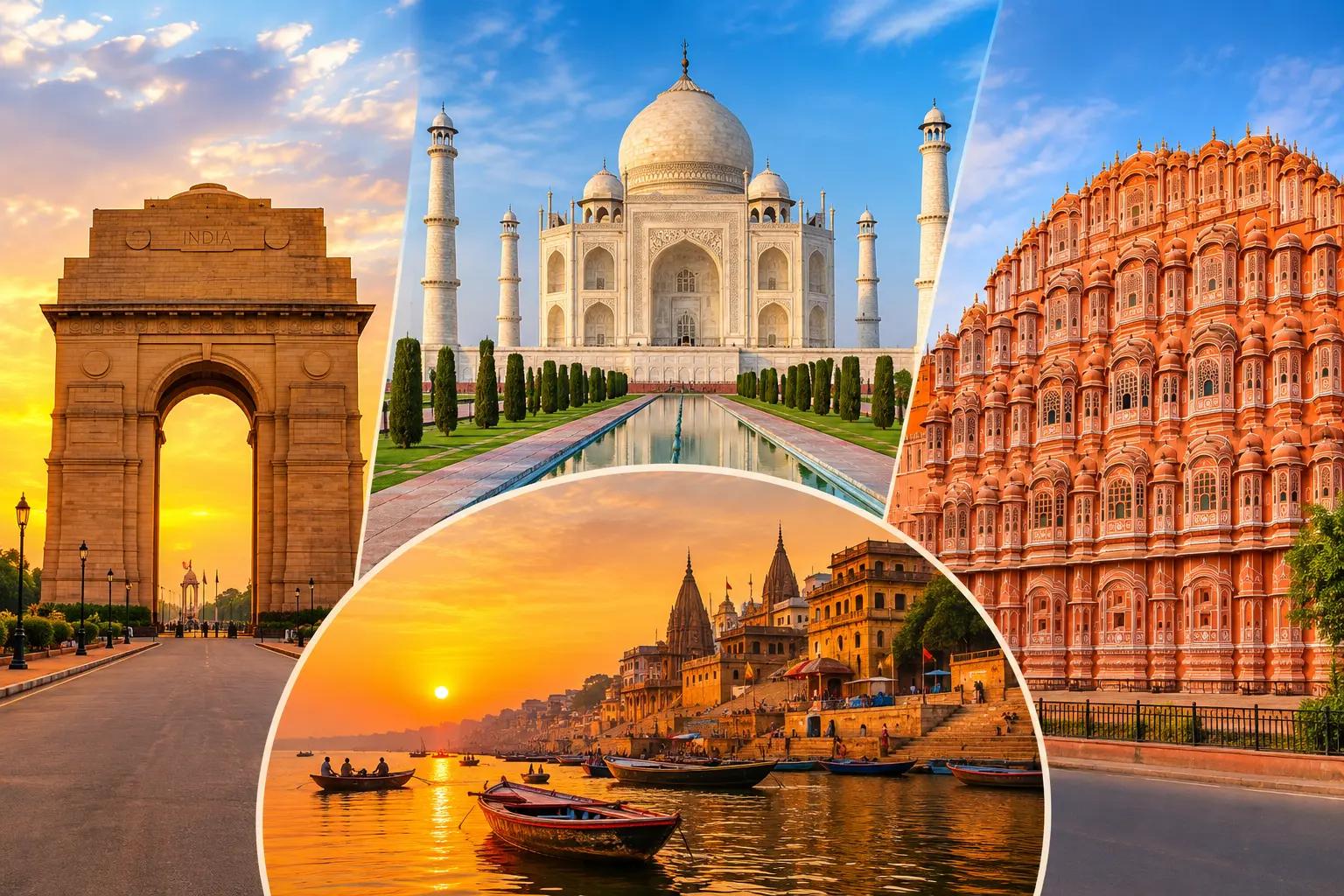
This is the moment the Golden Triangle sells you before you have even worked out what the Golden Triangle is. What most people don't realise, booking their India trip around a single postcard image, is that the Taj is really the midpoint of a much larger story — one that runs from the Mughal ramparts of Delhi's Red Fort, through the marble perfection of Agra, into the pink sandstone bazaars of Jaipur, and, if you have the nerve and the extra three days, straight into the oldest living city on earth.
Golden Triangle
The Golden Triangle is not just geographical but a historical term; Indian Tourism coined it to describe the near-perfect triangle that Delhi, Agra and Jaipur form on a map, each city roughly 200 to 280 kilometres from the other two, the full loop running to about 720 kilometres. The "gold" refers to the density of heritage: this compact triangle holds seven UNESCO World Heritage Sites, more concentrated historical wealth per kilometre than almost anywhere else on the planet.
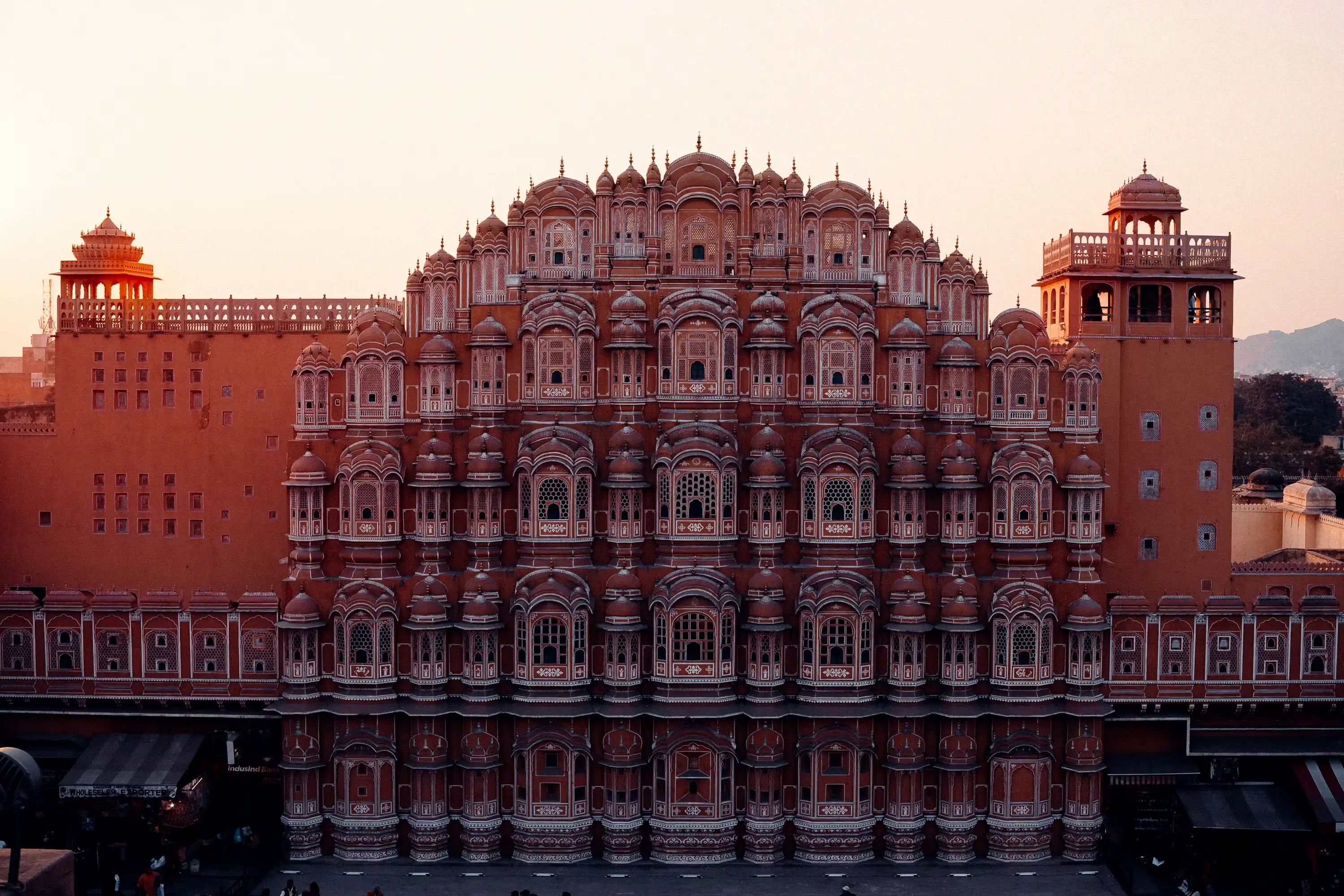
Delhi carries the layered capital of at least seven historical cities, its Red Fort and Humayun's Tomb speaking in Mughal red sandstone. Agra, built as Emperor Akbar's capital and later immortalised by Shah Jahan's grief, gave the world the Taj Mahal and the Agra Fort, founded in 1727 by Maharaja Sawai Jai Singh II and painted terracotta pink in 1876 to welcome the Prince of Wales, adds an entirely different grammar: Rajput rather than Mughal, desert rather than riverine, a living royal city rather than a preserved one.
Varanasi belongs to none of these empires and predates most of them. The city's own name comes from the two streams that historically bounded it, the Varuna and the Assi, though it is better known by its older name, Kashi, "the City of Light" and its devotional name, Banaras.
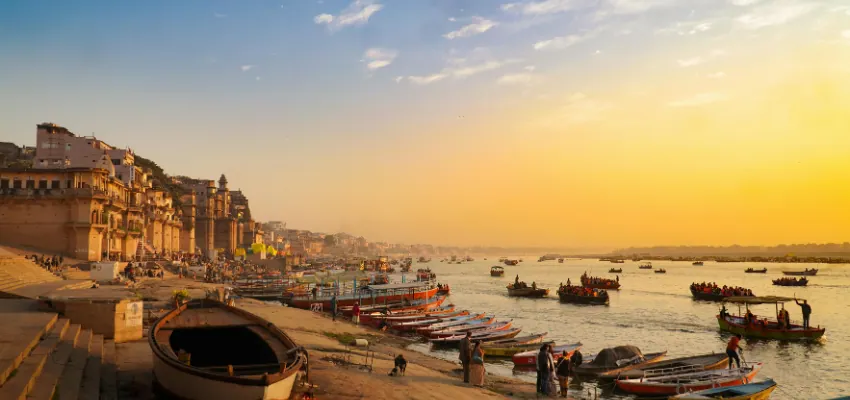
Hindu tradition holds it as one of the seven sacred cities of moksha, liberation from the cycle of rebirth, and archaeological evidence suggests continuous habitation stretching back three thousand years, making a serious claim to being the oldest living city on earth. Where Delhi, Agra and Jaipur ask you to admire architecture, Varanasi asks something else of you entirely: to sit on a stone step at dawn and watch a city conduct its relationship with a river.
Put the four cities together and the ten-day version of this trip becomes something more than sightseeing. It becomes, in sequence, an education in Mughal power, Rajput pageantry, and finally the older, deeper current that all of it sits on top of.
| City | Region / Era | Distance from Delhi | Signature Site | UNESCO Status |
|---|---|---|---|---|
|
Delhi |
Mughal & Colonial capital |
— |
Red Fort, Humayun's Tomb, Qutub Minar |
3 sites inscribed |
|
Agra |
Mughal capital (Akbar, Shah Jahan) |
~230 km |
Taj Mahal, Agra Fort |
2 sites inscribed |
|
Jaipur |
Rajput capital, founded 1727 |
~280 km (via Agra) |
Amber Fort, City Palace, Jantar Mantar |
Jaipur City + Jantar Mantar inscribed |
|
Varanasi |
Ancient sacred city, pre-dates all three |
~800 km (or 2-hr flight from Jaipur) |
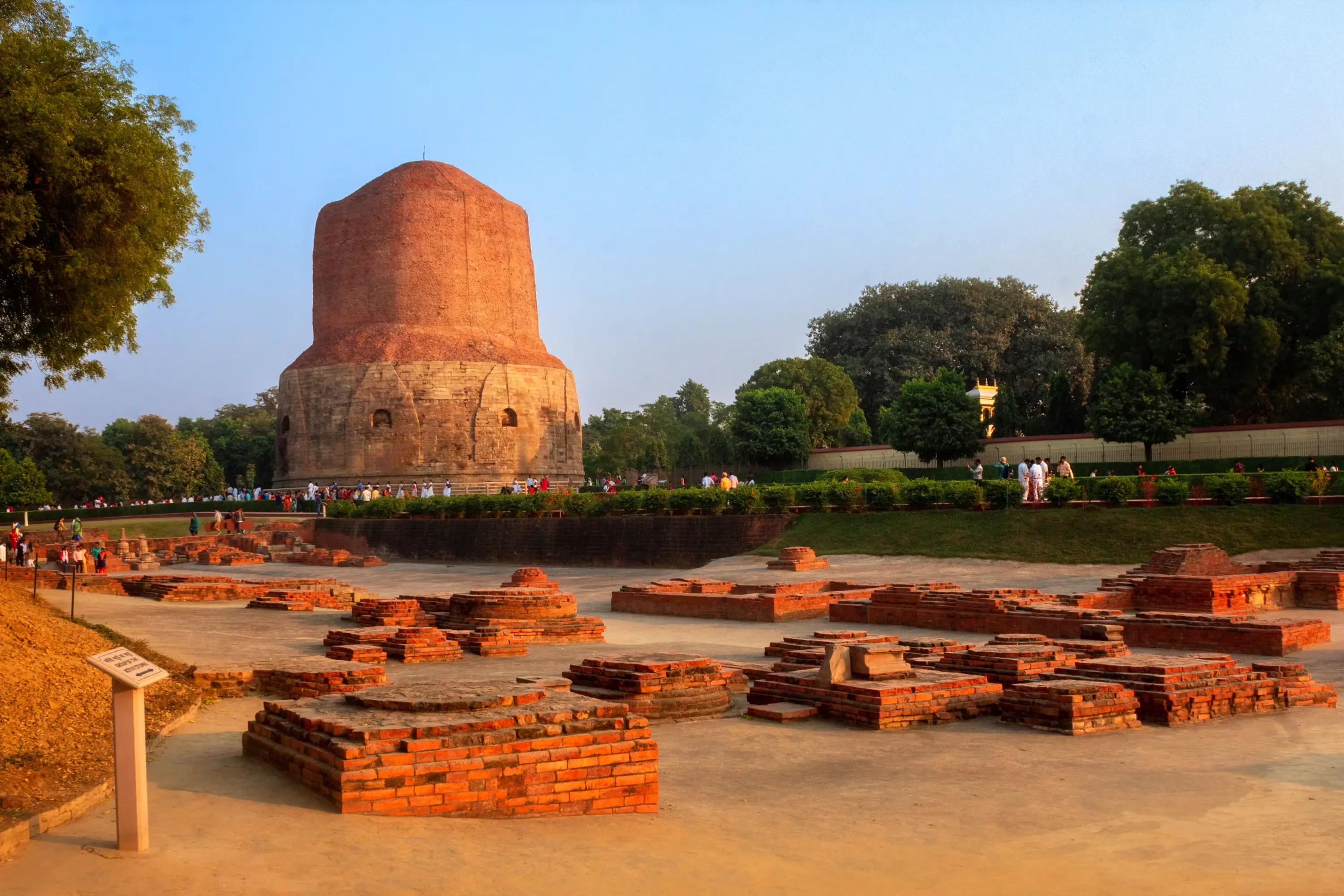
Kashi Vishwanath, the Ghats, Sarnath |
Not formally inscribed; on India's tentative list |
Golden Triangle Details
DELHI, AGRA AND JAIPUR ARE A BOX OF HANDMADE CHOCOLATES WITH ONLY THREE PIECES IN IT — EACH ONE SO DIFFERENT FROM THE LAST THAT YOU KEEP REACHING FOR ONE MORE, CERTAIN THE NEXT BITE WILL TASTE LIKE THE ONE BEFORE. IT NEVER DOES.
Getting there and getting around
| Route | Best Option | Duration | Approx. Cost (per person) |
|---|---|---|---|
|
Delhi → Agra |
Gatimaan Express / Yamuna Expressway by car |
1h 40m (train) / 3–3.5h (road) |
₹750–1,500 train | car from ₹3,500 |
|
Agra → Jaipur |
Private car via Fatehpur Sikri, or Ajmer Shatabdi |
4–5 hours |
₹1,200 train | car from ₹4,500 |
|
Jaipur → Varanasi |
Direct/one-stop flight (recommended) |
~2 hours |
₹4,000–₹12,000 |
|
Jaipur → Varanasi (overland) |
Train via Delhi — for the committed only |
14+ hours |
₹850–3,000 |
Golden Triangle Route and Price
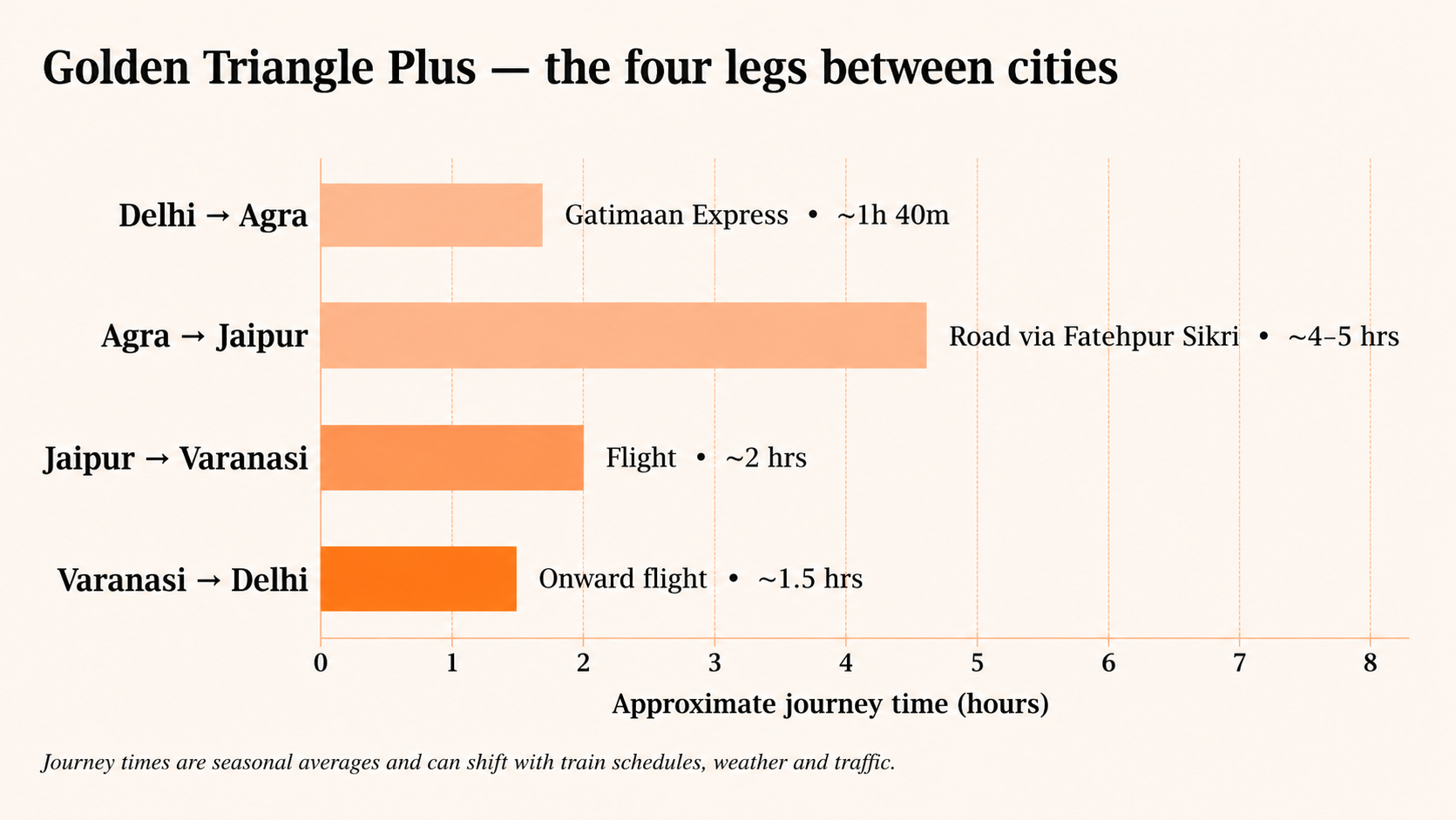
Most of the International flights land in Delhi, which makes the sequence Delhi → Agra → Jaipur → Varanasi the natural one, though a reverse loop starting in Varanasi works equally well for travellers who want to save the Taj Mahal for last. Delhi to Agra is now a fast, comfortable journey: the Gatimaan Express covers it in under two hours, and the Yamuna Expressway, a controlled-access six-lane highway with no traffic signals, does the same by road in three to three-and-a-half hours with tolls collected electronically via FASTag.
Agra to Jaipur is the one leg where road conditions vary; the first stretch through Fatehpur Sikri and Bharatpur is reliable, but the final approach into Jaipur can add an hour or more during peak traffic. Jaipur to Varanasi is where most itineraries make their real decision: fly, and it is a two-hour hop; go overland via Delhi, and it becomes a fourteen-hour proposition that only rail enthusiasts with time to spare should attempt.
Best Time To Visit The Golden Triangle
October through March is the best time to visit all four cities. Daytime temperatures settle into a manageable 15-25°C, the Delhi and Agra smog is at its least oppressive in the earlier part of that window, and the Ganga in Varanasi is at a level that keeps the ghats walkable. During the monsoon months of July and August, the river swells, and the last steps are submerged, forcing the evening aarti ceremony to relocate to a temporary platform.
December and January bring genuine chill to early mornings in all four cities, cold enough at the Taj sunrise viewing that a jacket is not optional. April through June is a different country altogether; Rajasthan in particular becomes an oven, with Jaipur regularly crossing 40°C, and those with a high tolerance for heat and a preference for empty monuments consider it.
| Season | Months | Conditions | Notes |
|---|---|---|---|
|
Peak season |
Nov – Feb |
Cool, dry, 8–25°C |
Book hotels & Taj tickets 2–4 weeks ahead |
|
Shoulder season |
Oct, Mar |
Warm days, pleasant evenings |
Good value, thinner crowds |
|
Summer |
Apr – Jun |
Hot, up to 45°C in Jaipur |
Cheapest rates, early-morning sightseeing only |
|
Monsoon |
Jul – Sep |
Humid, heavy rain, Ganga floods ghats |
Varanasi ghats partly submerged; aarti relocates |
When to go
VISITING ALL FOUR CITIES IN UNDER SIX DAYS IS LIKE EATING A MONTEZUMA TASTING MENU IN TEN MINUTES FLAT — TECHNICALLY YOU HAVE CONSUMED EVERYTHING ON THE PLATE, BUT YOU WILL REMEMBER NONE OF IT.
Things to do in the Golden Triangle Along With Varanasi
Watch the sunrise from the Taj Mahal. Arrive at the west or east gate at opening time, buy the additional mausoleum ticket, and sit in the gardens for the first half hour, then start photographing. The light does something in the first twenty minutes that no camera quite captures.
Get lost in Old Delhi Lanes. Chandni Chowk rewards travellers who put the map away. The spice lane, the parantha gali, the silver market, and a rickshaw ride in the early evening remain among the list of things to do on the Golden Triangle circuit.
Ride the ropeway or the elephant up to Amber Fort. Both options deliver the same hilltop approach to Jaipur's Rajput-era fort, with its mirrored Sheesh Mahal glittering like a box of foil-wrapped chocolates catching a single candle flame. The ropeway is faster and the more responsibly recommended of the two.
Go for a boat ride on the Ganga in the morning. A wooden rowboat pushed off from Assi or Dashashwamedh Ghat before the sun clears the bank shows Varanasi in all its glory: pilgrims performing their morning rituals, temple bells chiming, and the whole riverfront waking in layers.
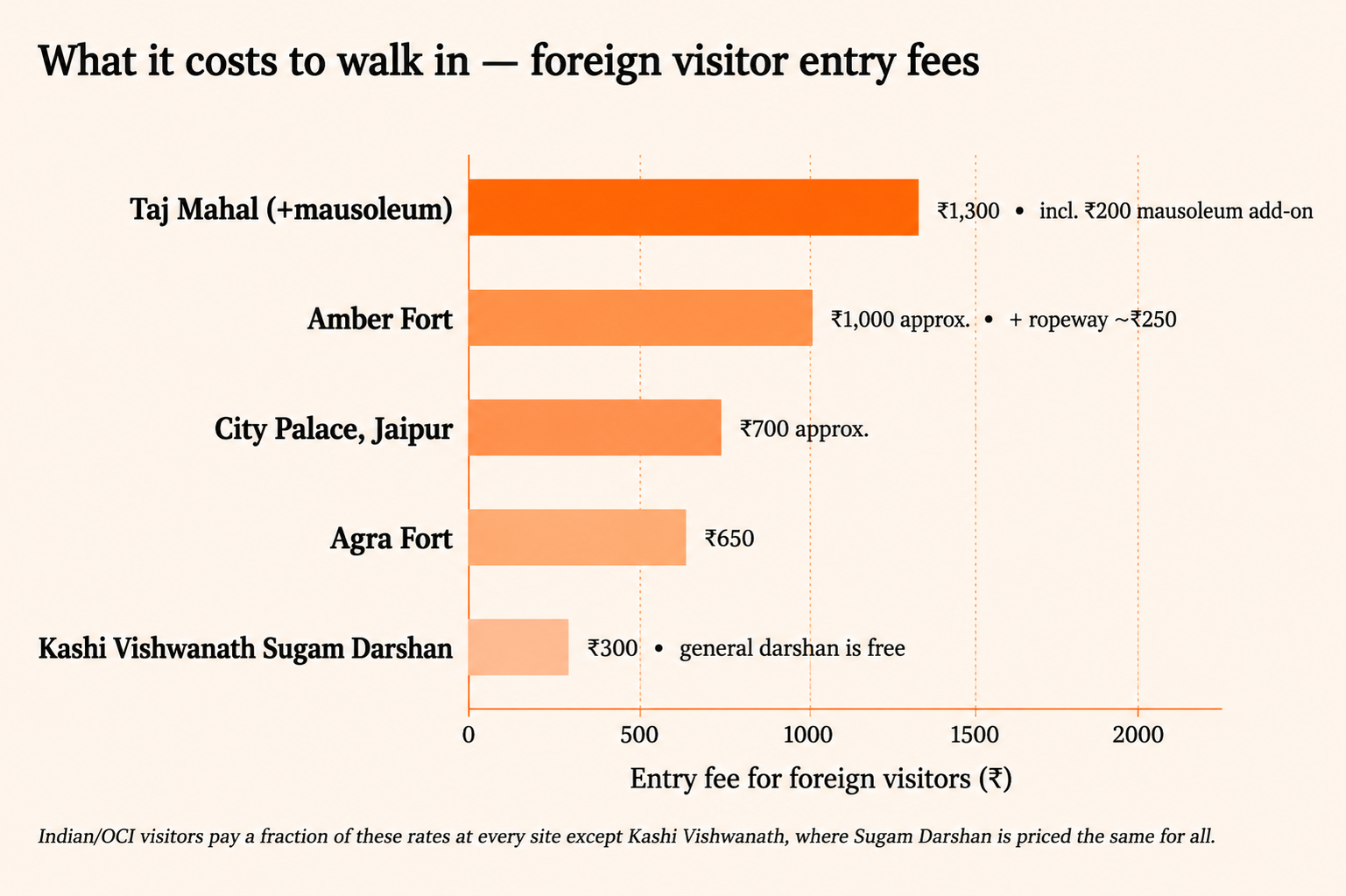
Walk the Kashi Vishwanath Corridor. The temple's 2021 redevelopment created a five-lakh-square-foot plaza connecting the Jyotirlinga sanctum directly to the Ganga for the first time in centuries; general darshan is free, and the paid Sugam route moves you through the queue faster.
Sit through the Ganga Aarti at Dashashwamedh Ghat. Every evening without exception, priests perform a synchronised fire ceremony facing the river; brass lamps swinging in unison to drums and conch shells. Arrive at least forty-five minutes early for a boat-seat view, since the ghat steps fill up fast.
Eat with intent in every city. Parantha-wali Gali in Delhi, famous Petha in Agra, Pyaaz Kachori in Jaipur, and Banarasi Thandai with kachori-sabzi for breakfast in Varanasi; the food map of this circuit is enough reason to travel as the monuments.
| Site | City | Foreign Entry Fee (2026) | Indian Entry Fee | Note |
|---|---|---|---|---|
|
Taj Mahal (complex) |
Agra |
₹1,100 |
₹50 |
+ ₹200 mausoleum add-on, all nationalities; closed Fridays |
|
Agra Fort |
Agra |
₹650 |
₹50 |
Combine with Taj on the same day |
|
Amber Fort |
Jaipur |
₹1,000 approx. |
₹100 approx. |
Ropeway ticket separate, ~₹250 |
|
City Palace |
Jaipur |
₹700 approx. |
₹200 approx. |
Royal family still resides in part of the complex |
|
Kashi Vishwanath (Sugam Darshan) |
Varanasi |
₹300 |
₹300 |
General darshan is free; Sugam skips the queue |
Golden Triangle Entry Fees
KASHI VISHWANATH'S SECURITY COUNTER TREATS A SMARTPHONE THE WAY A SWISS CHOCOLATIER TREATS A SUBSTITUTE FOR REAL COCOA BUTTER — FLATLY, UNAPOLOGETICALLY, NOT ALLOWED INSIDE. LEAVE IT AT THE HOTEL AND MEAN IT.
Things Not to do in the Golden Triangle plus Varanasi
Don't try to see all four cities in under six days. Ten days is the minimum timeline for the trip; anything shorter turns four different cities into a series of blurry visions and no experiences.
Don't believe a driver who says your Varanasi hotel is "closed" or "flooded." A common scam that goes around here, where cab or auto drivers lie and take you to a commissioned guesthouse. Beware and make direct bookings.
Don't carry a phone, camera, wallet, or leather belt into Kashi Vishwanath. Security is genuinely strict, and the banned items list is long. There are free lockers near the Bansfatak entry point, but they can have hour-long queues at peak times.
Don't hand cash to anyone at Manikarnika Ghat. The cremation ghats are meant to be witnessed respectfully from a distance. The "donation" pitch aimed at foreign visitors is a scam.
Don't skip the mausoleum ticket at the Taj to save ₹200. It is the best-value add-on in the entire circuit, and most visitors who skip it regret it afterwards.
Don't get into a rickshaw or boat without agreeing a price first. This applies across all four cities but especially in Varanasi's ghats.
| Practical Note | Detail |
|---|---|
|
Foreign nationals |
Online e-Arrival Card mandatory within 72 hours of flight to India, as of 2026 regulations |
|
Valid ID |
Carry passport (foreign) or Aadhaar/voter ID (Indian) at every monument entry point |
|
Taj Mahal closure |
Closed to general sightseeing every Friday |
|
Kashi Vishwanath dress code |
Modest clothing; no shorts, no leather items, mobile phones banned inside |
|
Emergency numbers |
112 (all-purpose), 1091 (women's helpline) |
Practical Note
Where to stay?
Delhi and Jaipur both offer a diverse range from heritage havelis to international five-star hotels, and then the choice usually comes down to neighbourhood — Connaught Place for the capital, the leafier Civil Lines area for Jaipur. Agra is a one-night city from most places, so proximity to the Taj's east or west gate matters more than luxury.
Varanasi is the city where accommodation choice shapes the experience: staying on or near the ghats puts you within walking distance of the sunrise boat and the evening aarti, whereas the Cantonment area, further from the river, trades atmosphere for wider streets, easier vehicle access, and generally calmer nights.
| City | Area to Stay | Price Range (per night, mid-range) | Honest Note |
|---|---|---|---|
|
Delhi |
Connaught Place / South Delhi |
₹4,000–₹9,000 |
CP is central but noisy; South Delhi is quieter, needs a cab for sightseeing |
|
Agra |
Taj East Gate Road |
₹3,500–₹8,000 |
Book a room with a dome view — worth the small premium |
|
Jaipur |
Civil Lines / Old City |
₹3,000–₹7,000 |
Old City is atmospheric but can be noisy after dark |
|
Varanasi |
Assi Ghat / river-facing |
₹1,500–₹4,500 |
River-facing rooms book out fast in peak season; ask about generator hours |
Where to stay
Travelling Responsibly: One Trip At A Time
A LifeStraw bottle earns its keep on this circuit more than on almost any other BizareXpedition route; refill stations and safe tap water are inconsistent across all four cities, and plastic bottle use through Delhi, Agra, Jaipur and Varanasi adds up over ten days.
Spend locally where it is visible: the small chai stall outside Amber Fort, the family-run petha shop in Agra, the boatman rather than the app when the fare is fair; all put money directly into the hands of people the tourism economy too often bypasses for large operators.
Photography etiquette matters more in Varanasi than anywhere else on this trip; the cremation ghats are a place of active mourning, and cameras should stay away entirely at Manikarnika and Harishchandra Ghats. Elsewhere, a polite ask before photographing anyone at prayer, at work, or simply going about their morning goes a long way and is rarely refused when asked with genuine courtesy.
Before You Go
| Checklist Item | Status / Note |
|---|---|
|
e-Arrival Card (foreign nationals) |
Complete within 72 hours before flight to India |
|
Taj Mahal tickets |
Book online in advance, especially Oct–Mar |
|
Kashi Vishwanath Sugam Darshan slot |
Book via official temple portal ahead of arrival |
|
Modest clothing for temples |
Pack at least one full-cover outfit per traveller |
|
Cash in small denominations |
For boat rides, rickshaws, and temple offerings |
|
LifeStraw or equivalent filter bottle |
Reduces single-use plastic across all four cities |
Before you go
Ten days, four cities, and roughly three thousand years of continuous human history compressed into one loop, that is the honest scale of what this trip asks of you, and it rewards travellers who give it the time it deserves rather than rushing the circuit to tick a box. At BizareXpedition, we build this exact route as a fully private, no-group-coach itinerary out of our Haridwar base, pacing the Delhi-Agra-Jaipur leg with enough breathing room before the Varanasi extension that the shift from Mughal marble to the ghats of the Ganga lands with its full weight rather than as one more stop on a checklist.
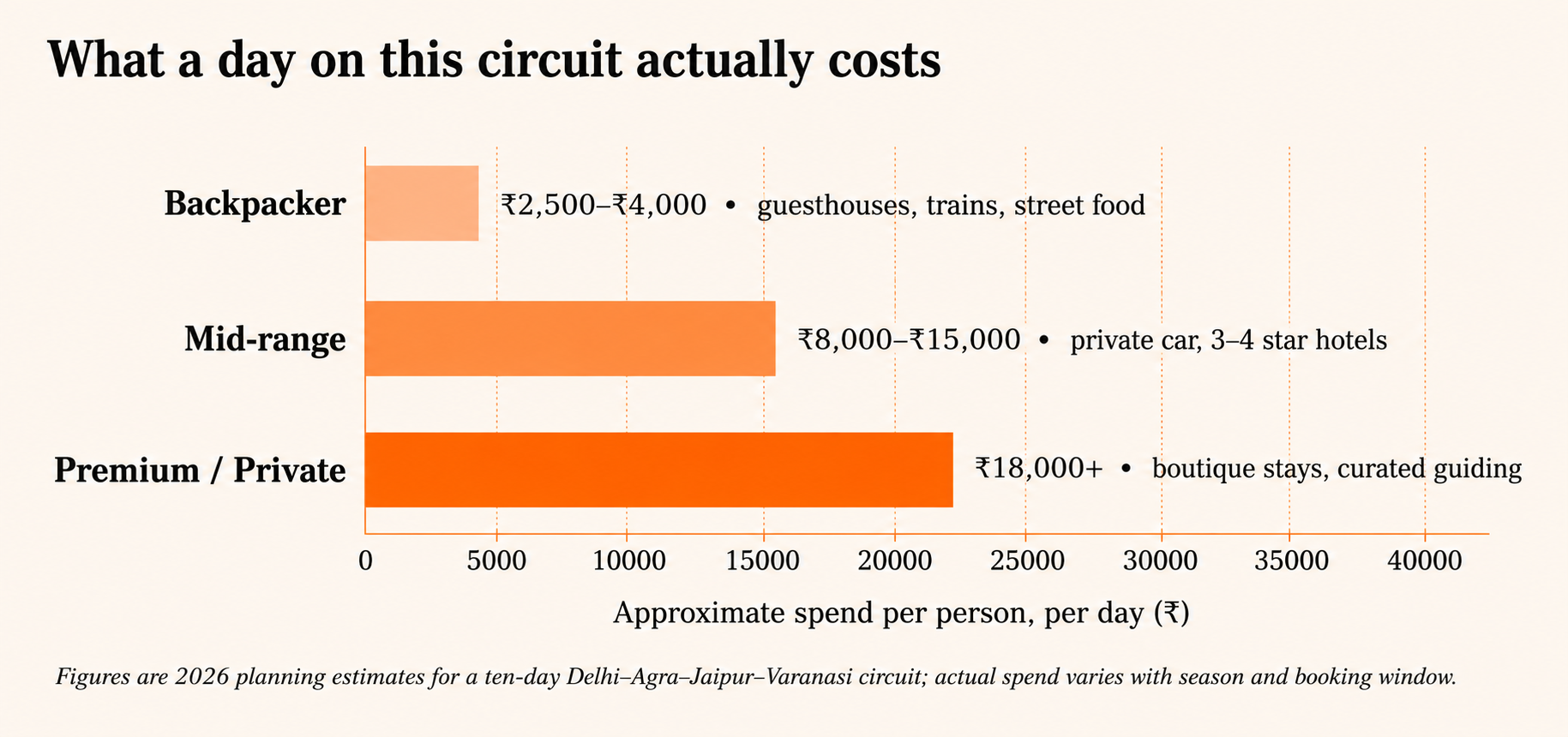
| Budget Tier | Per Person / Day | What It Covers |
|---|---|---|
|
Backpacker |
₹2,500–₹4,000 |
Guesthouses, trains, street food, basic entry tickets |
|
Mid-range |
₹8,000–₹15,000 |
3–4 star hotels, private car, guided monument visits, restaurant meals |
|
Premium / Private |
₹18,000+ |
Boutique & heritage stays, private guides, flights between cities, curated experiences |
Budget Tier
The Taj Mahal will still be there tomorrow morning, marble and grief turned to architecture. The Ganga, further east, has never once stopped moving — and somewhere on its banks, a lamp is already being lit for this evening's aarti, exactly as one was lit yesterday, and the day before that, for longer than anyone has kept count.
Best Selling Tour Packages
Explore other exciting options for your next adventure!