

Abhinav
Writer
Updated On - Jun 04, 2026
15 min
Published On - Mar 09, 2026
Kedarnath Temple – History, Mythology, Travel Guide & How to Reach
Explore the ultimate guide to Kedarnath Temple. Learn about its ancient history , the 16 km trek from Gaurikund , and essential tips for a spiritual journey to this Jyotirlinga.
Long before you catch the first glimpse of Kedarnath Temple, the Himalayas begin whispering their ancient stories. The air gets thinner, crisper—almost sacred—carrying the fragrance of cold winds mixed with the distant echo of temple bells. Standing on the trail, with Bhairavnath Peak on one side and the sacred Mandakini River flowing below, you realize something profound: this is not just a pilgrimage. It feels like a homecoming to a place your soul already knows.
They say every pilgrim who comes here carries a different question for Shiva. Some seek liberation, some forgiveness, and some simply come to experience the stillness that only the Himalayas can offer. As you approach the stone temple—standing steadfast against centuries of storms—you feel the mountains watching over you. The Himalayas have always been home to Shiva, but here in Kedarnath, His presence feels especially alive.
Why is Kedarnath Temple so powerful?
What makes thousands of devotees trek these steep paths every year?
Why does this shrine feel like the beating spiritual heart of Uttarakhand?
This story tries to answer those questions—with mythology, history, and the experience of a traveler who walked this sacred route with folded hands and an open heart.
The Legend Behind Kedarnath Temple
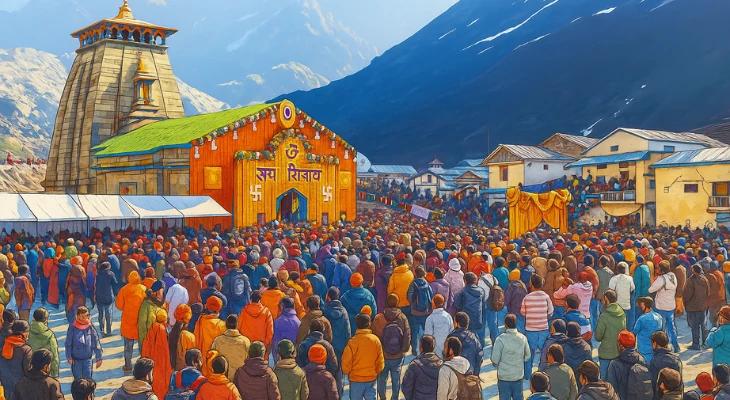
Kedarnath Yatra
Like every great Himalayan temple, Kedarnath’s roots lie deep in sacred mythology. It is one of the Twelve Jyotirlingas, the most powerful abodes of Lord Shiva. But its story is most famously tied to the Mahabharata and the Pandavas.
After the Kurukshetra war, the Pandavas were burdened with guilt for the bloodshed. Seeking forgiveness, they searched for Lord Shiva, but the Lord—unwilling to meet them—took the form of a bull and disappeared into the Himalayan valleys. When the Pandavas followed Him to the region now known as Kedarnath, Shiva dived underground to avoid them. It was then that Bhima held on to the bull’s hump, and Shiva eventually appeared before them, granting them liberation.
The temple marks this exact spot—where Shiva, in His compassion, revealed Himself.
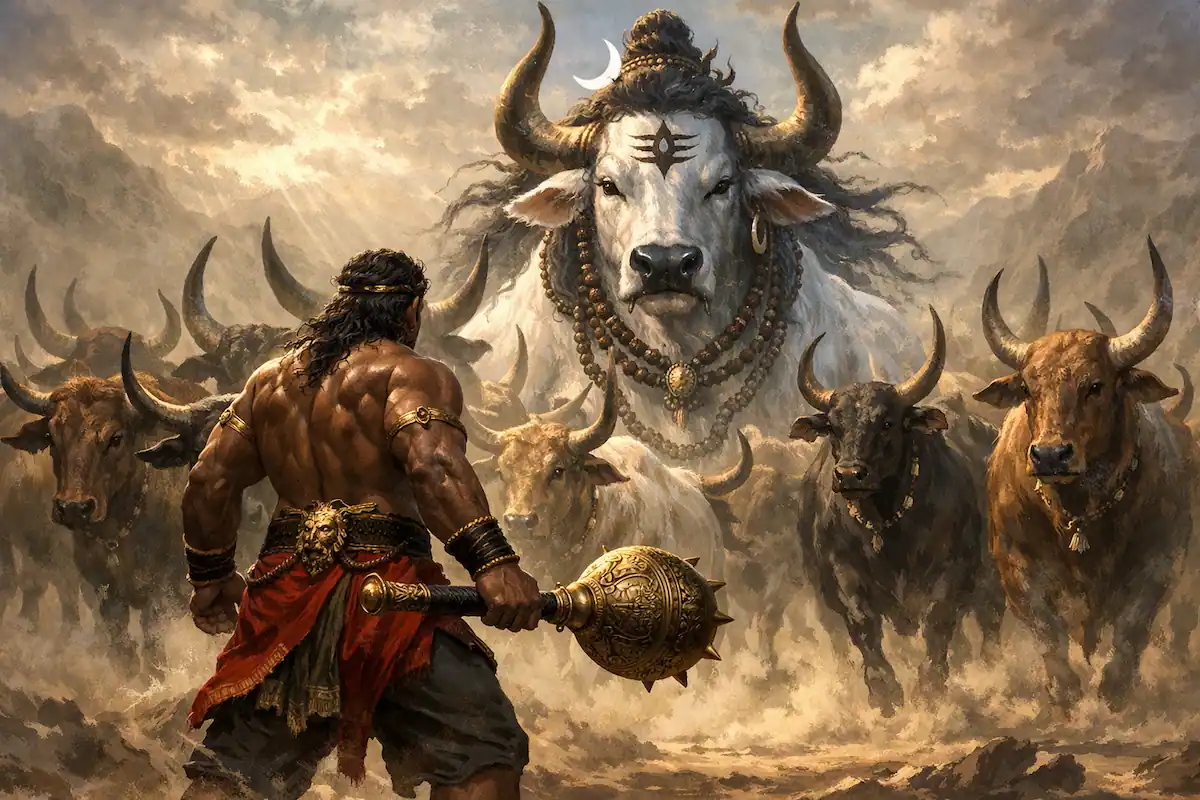
Mahadev and Bhim
This is why the linga here is shaped like a natural rock resembling a bull’s hump.
They say those who stand before this jyotirlinga with a sincere heart will feel Shiva’s energy as tangibly as the mountain winds that sweep across the valley.
Kedarnath is also one of the five sacred shrines of the Panch Kedar circuit, beautifully described in the Panch Kedar Trek Guide – Temples, Routes, Best Time & Travel Tips. Scriptures like the Skanda Purana mention Kedarkhand, establishing the region’s divine importance, and legends connect the site with Adi Shankaracharya, who revived this shrine in the 8th century.
| Altitude | 3,583 meters (11,755 ft) |
|---|---|
| Trek Distance | 16 km from Gaurikund |
| Nearest Airport | Jolly Grant, Dehradun |
| Primary Deity | Lord Shiva (Jyotirlinga) |
Tentative Dates 2026" to "Official Dates 2026"only Kedarnath ji
The History of the Temple
While mythology forms Kedarnath’s soul, history gives it body.
Most historians believe the original temple was built by the Pandavas around 3000 years ago. The current stone structure was restored by Adi Shankaracharya, who aimed to revive spiritual routes across the Himalayas.
The temple has weathered:
snowfall that lasts for six months,
earthquakes,
landslides,
flash floods,
and centuries of isolation.
Yet it stands—as if carved from the very bones of the mountains.
The devastating 2013 floods remain etched in memory, but what shocked the world was how the temple survived almost untouched while everything around it was washed away. Pilgrims still point to the giant rock—“Boulder Baba”—which shielded the shrine. Many believe it was Shiva’s own intervention, an echo of the same grace that has protected yatras like the Chota Char Dham, beautifully laid out in the Chota Char Dham Yatra Guide.
For a detailed travelogue-style account of this region and yatra, you can also explore BizareXpedition’s own Kedarnath Yatra Travelogue & Guide, which blends on-ground experiences with yatra logistics.
Spiritual Significance
1. Why do devotees believe the Kedarnath Temple is extraordinarily powerful?
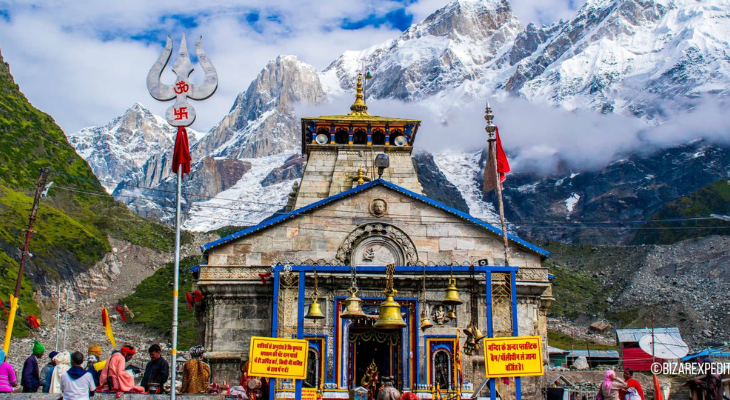
Because reaching it is itself a tapasya. It’s a shrine that must be earned—with breath, faith, and footsteps. Standing before the stone linga, you feel a raw, ancient force that words cannot quite capture.
Many pilgrims describe:
an overwhelming calm during darshan
emotional release after the trek
a sensation of being “seen” by Shiva
the silence of the mountains as a form of divine conversation
The main rituals include:
Abhishekam of the Jyotirlinga with ghee
Offering bilvapatra
Evening aarti where the temple glows like a beacon in the valley
They say every traveler who bows here leaves a piece of their burden behind. And for those continuing onward, Kedarnath often becomes a gateway into the greater Char Dham Yatra—a journey explained in detail in multiple packages like the Char Dham Tour Package from Haridwar and helicopter yatra options such as the Char Dham Yatra by Helicopter from Dehradun.
2. Temple Architecture
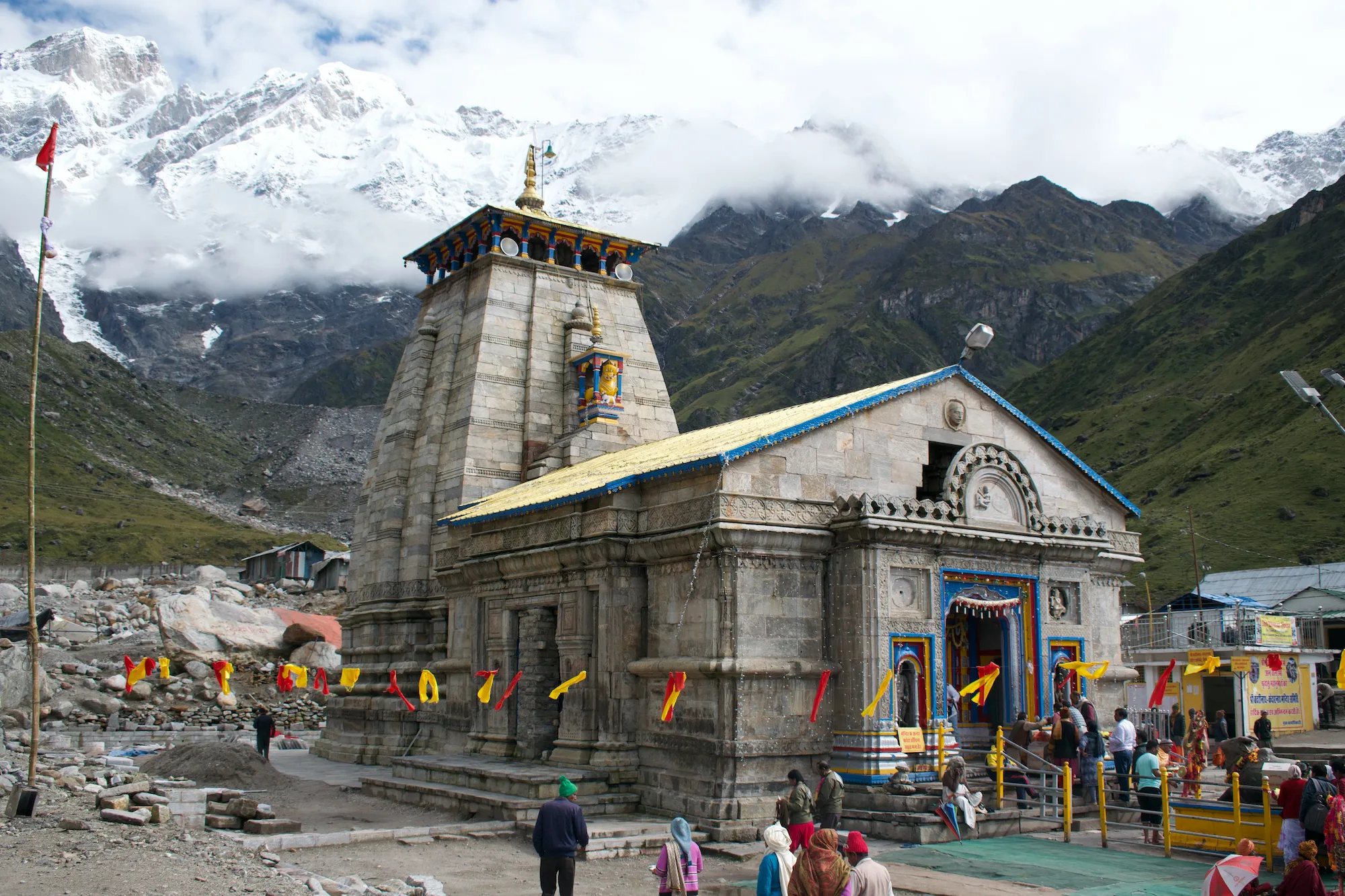
The architecture of Kedarnath Temple reflects resilience. Built entirely with massive grey stone slabs, the temple stands on a high stone plinth. Its structure follows a Katyuri and early Himalayan style:
Key features:
A pyramidal mandapa leading to the sanctum
Thick walls that protect the shrine from extreme cold
Intricate carvings of deities
A gold-plated Trishul and Nandi standing guard at the entrance
What’s fascinating is that the stones are assembled without mortar—yet they’ve endured over a thousand winters. When you step inside, the low-lit sanctum and the fragrance of ghee and incense pull your awareness inward, echoing the experiences narrated in other Uttarakhand temple journeys like the Badrinath Yatra – Travelogue & Guide and Gangotri Dham & Gaumukh Trek Guide.
3. Location and Altitude
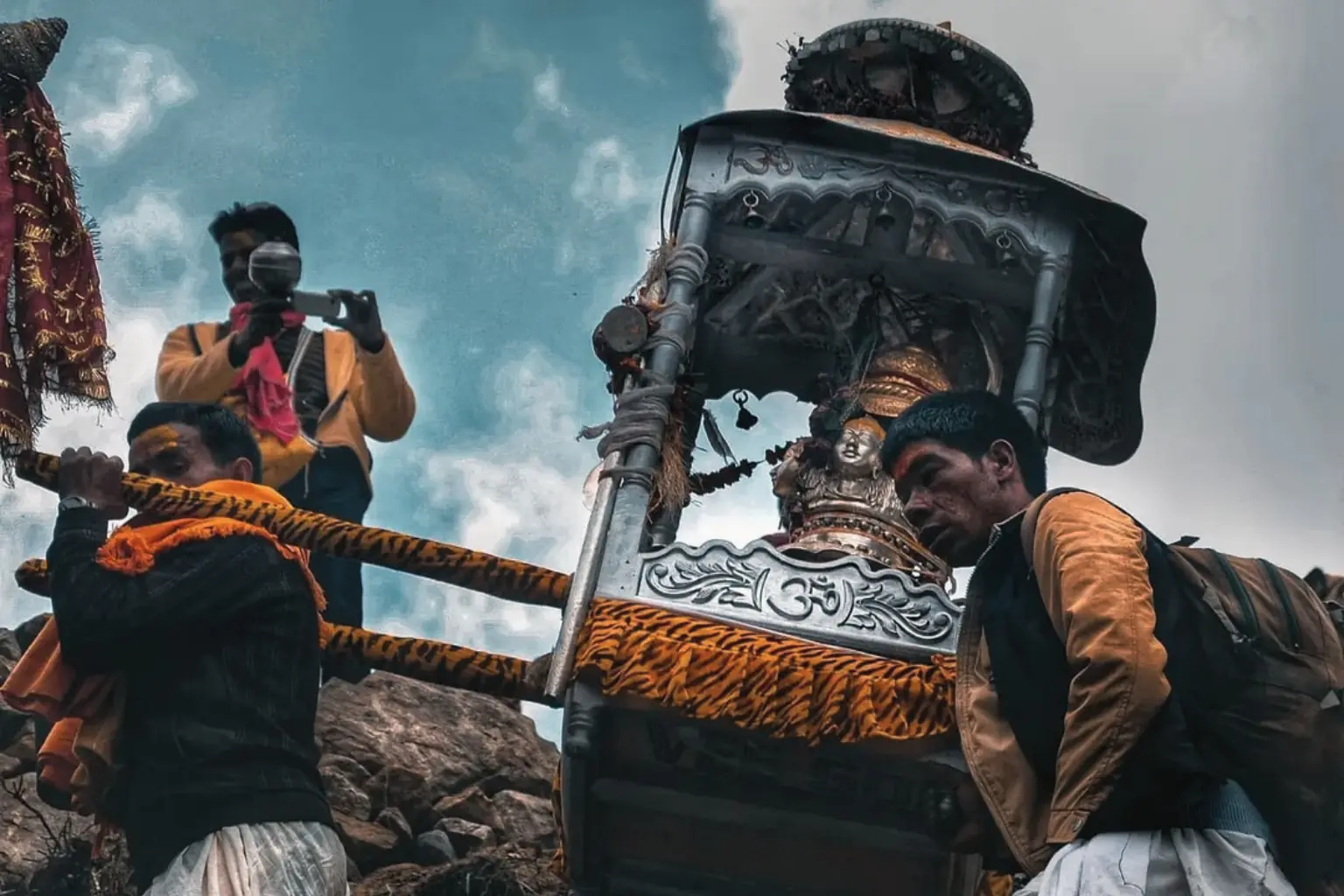
District: Rudraprayag, Uttarakhand
Altitude: About 3,583 meters (11,755 ft) above sea level
Nestled in the Mandakini River valley
Surrounded by peaks like Kedarnath, Kedar Dome, and Bhartekuntha
The location is remote, pristine, and deeply spiritual—far from the noise of the plains. It sits within a larger pilgrimage geography that connects naturally to journeys such as the Valley of Flowers Trek Guide and Hemkund Sahib Trek – A Sacred Himalayan Journey.
How to Reach Kedarnath Temple
Reaching Kedarnath is a journey of devotion.
1. By Air
Nearest Airport: Jolly Grant Airport, Dehradun (approx. 239 km)
Kedarnath Helicopter Booking from Guptkashi, Phata, and Sirsi operate during the Yatra season. For a seamless spiritual experience, many pilgrims choose the Kedarnath Yatra by Helicopter from Dehradun.
2. By Train
Nearest Railway Station: Rishikesh (approx. 221 km)
Other nearby stations: Haridwar & Dehradun.
3. By Road
Kedarnath is accessible by road only up to Gaurikund.
Distances to Gaurikund:
Rishikesh – 205 km
Haridwar – 230 km
Dehradun – 250 km
Rudraprayag – 74 km
If you prefer a fully planned itinerary, BizareXpedition offers curated pilgrimage packages like:
These options take care of hotels, transport, and darshan assistance, so you can focus on the spiritual journey itself.
From Gaurikund, the journey becomes a trek.
Trek Route
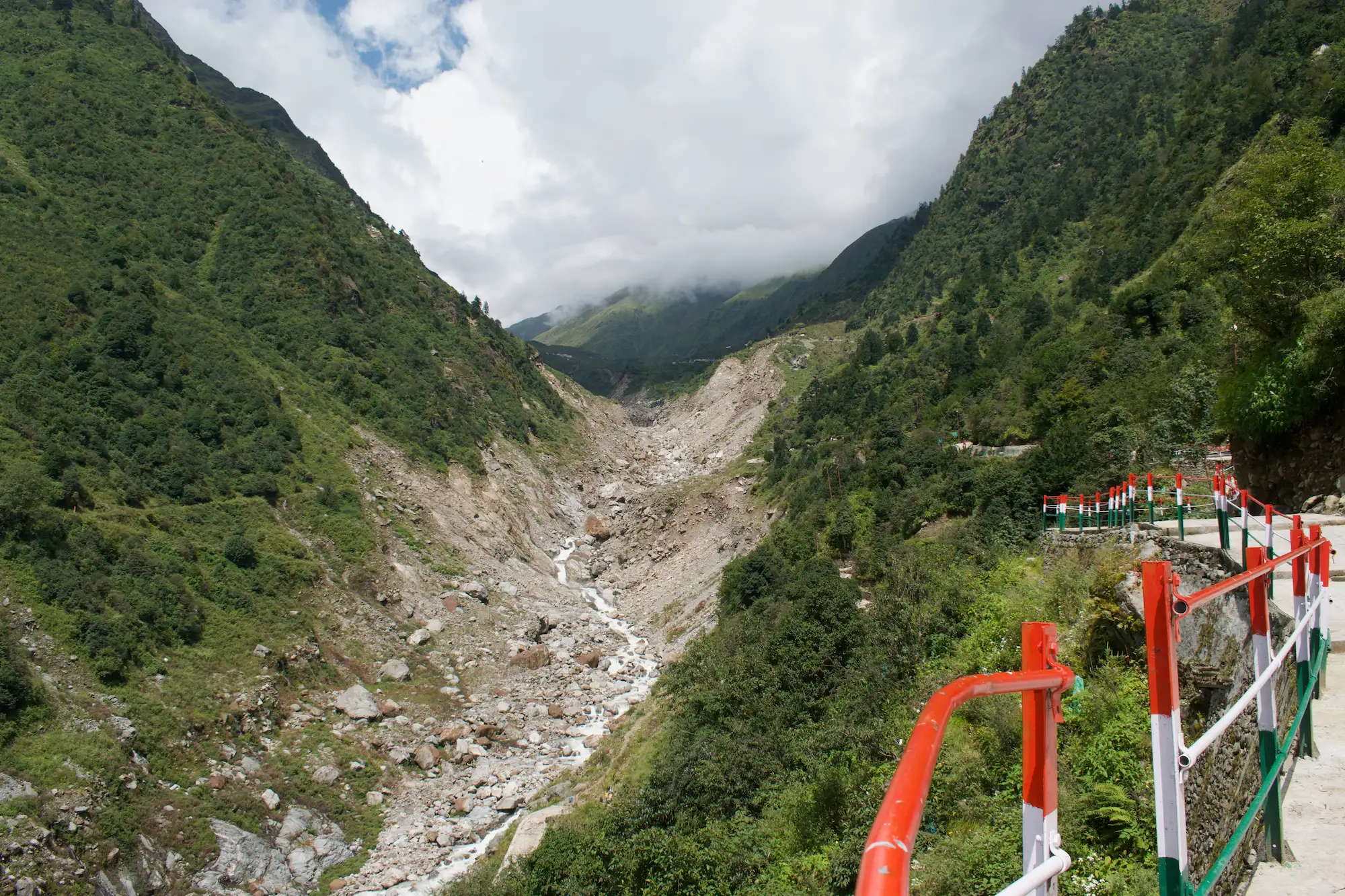
Kedarnath Trek
The trek from Gaurikund to Kedarnath is approximately 16 km.
Route: Gaurikund → Jungle Chatti → Bheembali → Linchauli → Kedarnath Base Camp → Temple
Difficulty: Moderate to challenging
Best for: Anyone with good fitness
Options: Ponies, palkis, and Kandi services available
The trek is a pilgrimage in itself—filled with waterfalls, stone bridges, and breathtaking mountain vistas. If Himalayan trekking calls to you, you might also be drawn to sacred trails like the Panch Kedar Trek or the Valley of Flowers Uttarakhand Trek, which blend natural beauty with deep spiritual resonance.
Temple Opening Dates and Darshan Timings
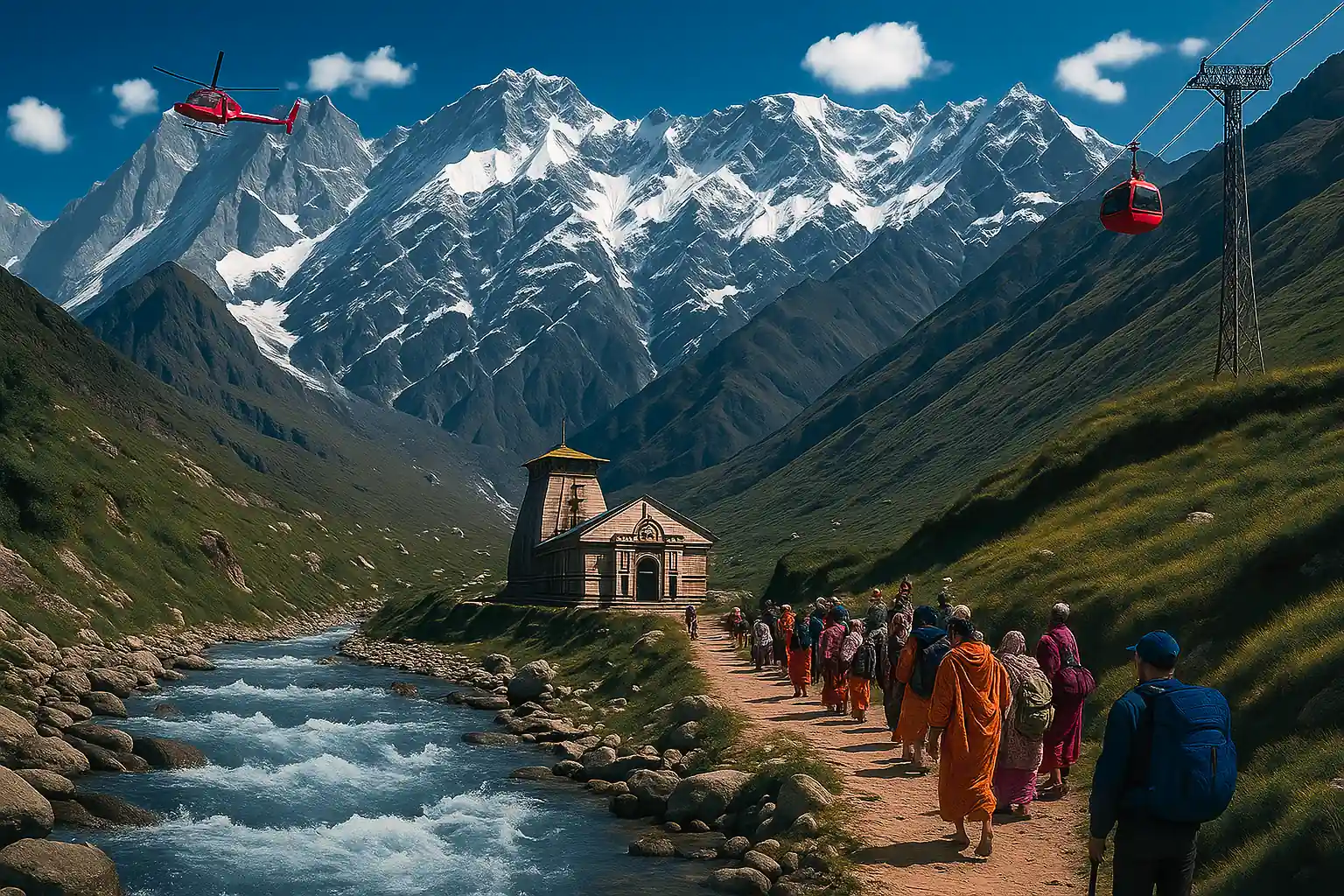
Kedarnath Ropeway
The temple opens on Akshaya Tritiya (April/May).
It closes on Bhai Dooj (October/November).
During winter, the idol is moved to Ukhimath.
Daily Darshan Timings:
Morning: approx. 4:00 AM – 3:00 PM
Evening: 5:00 PM – 9:00 PM
Aarti timings vary slightly each season and are usually highlighted close to the Yatra opening dates. For broader seasonal updates across the circuit, you can refer to Char Dham–related resources such as:
Best Time to Visit
Summer (May to June)
Ideal weather
Clear trekking conditions
Pleasant daytime temperatures
Monsoon (July to August)
Landslide-prone
Frequent rain
Not recommended except for experienced travelers with flexible plans
Autumn (September to October)
Crisp, clear skies
Fewer crowds
Spectacular post-monsoon views of snow-clad peaks
Winter (Nov–April): Temple remains closed due to heavy snowfall, but the spiritual circuit continues at the winter seat in Ukhimath and through yatra planning for upcoming seasons, often combined with Char Dham packages like the Budget Chardham Yatra Package.
Festivals Celebrated
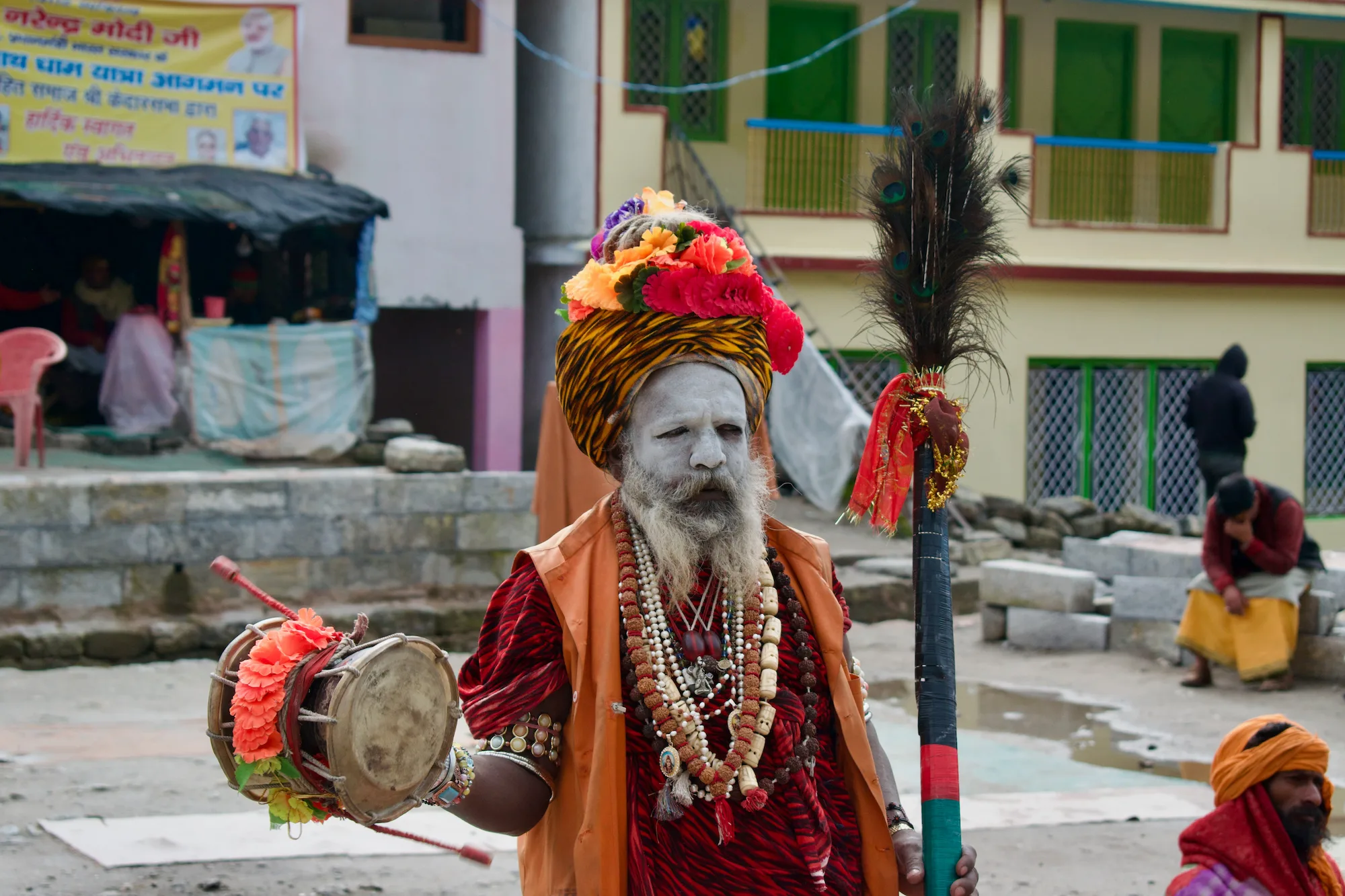
Kedarnath Tour
Badri-Kedar Festival – Cultural and devotional events celebrating the twin dhams
Shravan Month celebrations – Special pujas and offerings to Lord Shiva
Maha Shivaratri – A major festival for Shiva devotees across India
Temple Opening & Closing Ceremonies – Sacred rituals marking the seasonal journey of the deity between Kedarnath and Ukhimath
Many pilgrims choose to align their visit with these auspicious times, often extending the journey into a fuller Char Dham or Do Dham itinerary such as:
Nearby Places to Visit
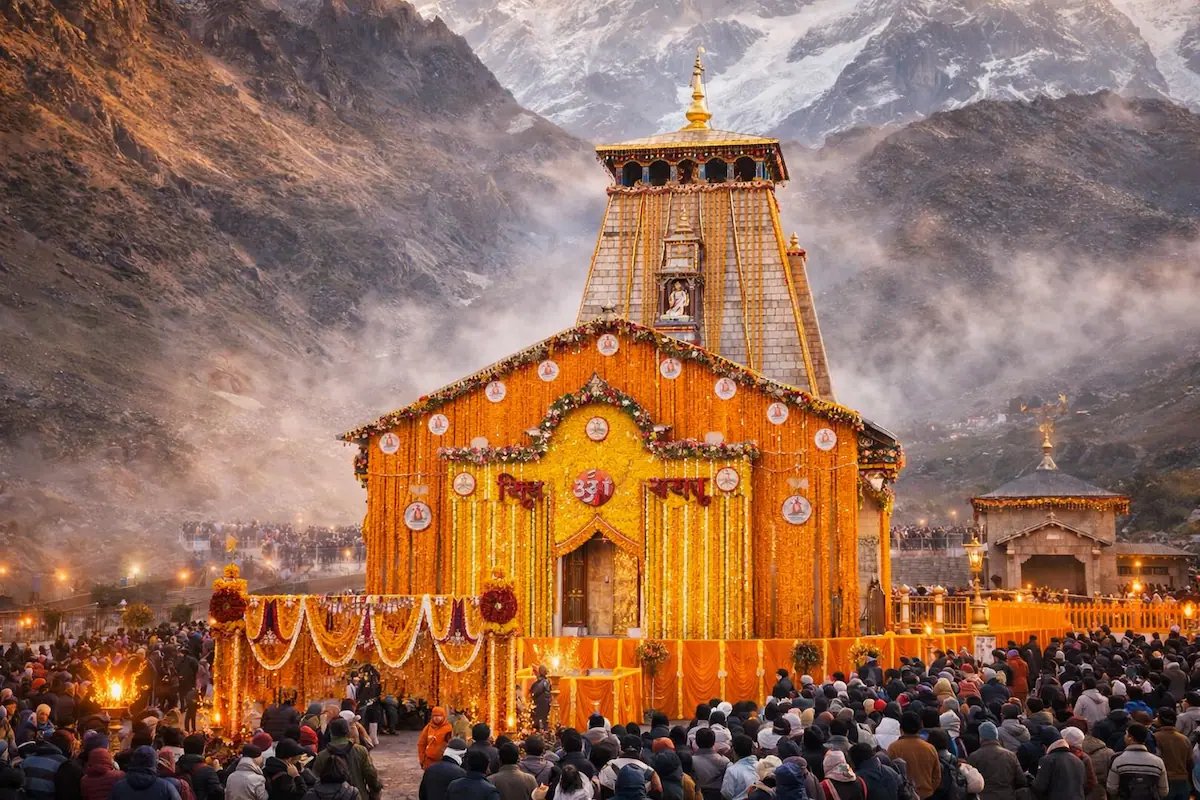
Kedarnath Dham
If you have time, the region around Kedarnath Temple turns into a wider canvas of sacred spaces:
Gaurikund – Hot springs & Gauri Temple, the starting point of the Kedarnath trek
Bhairavnath Temple – Guardian deity of Kedarnath, said to protect the valley when the main temple closes
Triyuginarayan Temple – Venue of Shiva–Parvati’s celestial marriage, often combined in packages like the Haridwar Rishikesh Kedarnath Tour Package
Ukhimath – Winter seat of Kedarnath and Madhyamaheshwar, connected to the Madhyamaheshwar Temple Dates Guide
Chorabari Tal (Gandhi Sarovar) – A serene glacial lake above Kedarnath
Sonprayag – Sacred confluence, major halt point on the route
Rudraprayag – Confluence of Alaknanda & Mandakini, often visited en route in longer itineraries like the Badrinath Yatra from Haridwar
Know Before You Go
Preparing for a journey to 3,583 meters requires more than just faith; it requires careful planning. Use this checklist to ensure your pilgrimage to the Kedarnath Temple is safe, spiritual, and seamless.
1. Mandatory Documentation & Booking
Yatra Registration: Completion of the mandatory biometric registration is required for all pilgrims. – guided step-by-step in How to do Chardham Yatra Registration.
Helicopter Tickets: If you aren't trekking, book your helicopter slots in advance from Phata, Guptkashi, or Sirsi.
Accommodation: Pre-book your stay at GMVN guesthouses or private camps near the temple.
For Elderly pilgrims: Elderly pilgrims and families can consider helicopter or well-paced packages such as:
If you wish to weave Kedarnath into a fuller Himalayan experience, you can explore spiritually rich combinations like:
2. Health & Physical Fitness
Acclimatization: Spend a night at a lower altitude (like Guptkashi or Rudraprayag) to adjust to the thinning air.
Trek Readiness: Be prepared for a 16 km trek from Gaurikund, which typically takes 6–8 hours.
Medical Kit: Carry a basic first-aid kit and any personal medications, as high altitudes can affect breathing.
3. Packing Essentials
Clothing: Pack heavy woolens and thermals, as weather can switch from sunny to snowfall instantly.
Footwear: Wear sturdy, broken-in trekking shoes with a good grip.
Rain Gear: Always carry a poncho or raincoat, even in the "dry" summer months.
Hydration: Bring a reusable water bottle to stay hydrated throughout the steep ascent.
4. Temple Etiquette & Timings
Morning Darshan: Arrive early; morning rituals typically run from 4:00 AM to 3:00 PM.
Evening Aarti: Be present between 5:00 PM and 9:00 PM to see the temple glow like a beacon.
Photography: Respect the sanctity of the shrine; photography is strictly prohibited inside the sanctum.
Offerings: Traditional offerings include ghee for the Abhishekam and bilvapatra.
5. Travel Logistics
Starting Point: Your road journey ends at Gaurikund.
Transport Options: If you cannot trek, arrange for a pony, palki, or Kandi service at the base.
Connectivity: Be aware that the location is remote; finish your important calls before leaving the base camp.
FAQs
Where is Kedarnath Temple located?
Kedarnath Temple is located in the Rudraprayag district of Uttarakhand, India, at an altitude of around 3,583 meters. It sits in the Mandakini River valley, surrounded by high Himalayan peaks.
What is Kedarnath Temple famous for?
Kedarnath is famous as one of the 12 Jyotirlingas of Lord Shiva and a major Char Dham pilgrimage. Its remote Himalayan setting and profound spiritual energy make it one of India’s most revered Shiva shrines.
How to reach Kedarnath Temple?
Travel by road up to Gaurikund, then trek 16 km to the temple. Helicopter services are also available from Phata, Guptkashi, and Sirsi. The nearest airport is Dehradun and the nearest railway station is Rishikesh.
What is the best time to visit Kedarnath Temple?
May to June and September to October offer the best weather. The temple remains open between April/May and October/November each year.
What is the altitude of Kedarnath Temple?
The temple is located at about 3,583 meters (11,755 feet) above sea level.
Is trekking required to reach the temple?
Yes. Pilgrims must trek 16 km from Gaurikund unless they opt for helicopter, pony, or palki services.
How long does the Kedarnath trek take?
Typically 6–8 hours depending on fitness and weather.
Are accommodation and food available near the temple?
Yes. GMVN guesthouses, dharamshalas, and camps are available. Simple vegetarian food is served across the route.
Is photography allowed inside the temple?
No, photography inside the sanctum is prohibited.
Which pilgrimage routes can be combined with Kedarnath?
Many travelers combine it with Badrinath, Triyuginarayan, and other Char Dham Yatra sites.
Which is the nearest airport to Kedarnath?
The nearest airport to Kedarnath Temple is Jolly Grant Airport, located about 238 km away.
From the airport, travelers can hire a taxi or take a bus to Gaurikund, which is the last motorable road point for Kedarnath. From Gaurikund, pilgrims must trek around 16–18 km to reach the temple or take options like pony, palki, or helicopter.What is the best way to reach the Kedarnath Temple?
The best way to reach Kedarnath Temple depends on your comfort and time:
By Air + Road + Trek:
Fly to Jolly Grant Airport, then travel by road to Gaurikund, followed by a 16–18 km trek.By Train + Road + Trek:
Reach Rishikesh Railway Station or Haridwar Railway Station, then travel by road to Gaurikund.By Helicopter:
Helicopter services operate from Guptkashi, Phata, and Sersi directly to Kedarnath.
How do I go to Kedarnath from Dehradun?
To reach Kedarnath Temple from Dehradun, follow this route: Dehradun → Rishikesh → Devprayag → Rudraprayag → Guptkashi → Sonprayag → Gaurikund → Kedarnath Trek
Distance: about 250 km by road + 16–18 km trek
Travel time: around 10–12 hours by road before the trek.
How can we reach Kedarnath and Badrinath from Dehradun?
You can visit both Kedarnath Temple and Badrinath Temple from Dehradun by road. Suggested Route:
Dehradun → Kedarnath
Dehradun → Rishikesh → Rudraprayag → Guptkashi → Sonprayag → Gaurikund → Trek to Kedarnath.
Kedarnath → Badrinath
Return from Kedarnath to Rudraprayag
Continue to Joshimath
Then reach Badrinath Temple.
Helicopter packages from Dehradun are also available for same-day or 2-day Char Dham trips.
केदारनाथ धाम के लिए निकटतम हवाई अड्डा कौन सा है?
Kedarnath Temple के लिए सबसे नजदीकी हवाई अड्डा Jolly Grant Airport है, जो लगभग 238 किमी दूर स्थित है। यहाँ से यात्री टैक्सी या बस द्वारा Gaurikund पहुँचते हैं और वहाँ से लगभग 16–18 किमी पैदल यात्रा करके केदारनाथ मंदिर तक पहुँचते हैं। हेलीकॉप्टर सेवा भी उपलब्ध है।
Which is the shortest route to reach Kedarnath?
The shortest and most common route to reach Kedarnath Temple is: Haridwar → Rishikesh → Rudraprayag → Guptkashi → Sonprayag → Gaurikund → Kedarnath Trek
Road Distance: about 223 km from Haridwar to Gaurikund
Trek Distance: 16–18 km from Gaurikund to Kedarnath.
Best Selling Tour Packages
Explore other exciting options for your next adventure!