

Abhishek
Writer
Updated On - Jun 04, 2026
20 min
Published On - Feb 27, 2026
The Difference Between Visiting the Dhams and Living the Journey
Visiting the dhams offers divine darshan, but living the journey brings deeper spiritual transformation and self-realization. The Char Dham Yatra is not just about reaching temples — it’s about faith, patience, and inner growth along the sacred paths. Understanding this difference helps pilgrims connect with the true essence of the yatra.
For many travellers, the Char Dham Yatra from Haridwar starts with a clear goal. Reach the temples. Complete the rituals. Return with photos and memories. On the surface, the journey looks complete. Yet, once the noise settles, many realise something important was still unfolding inside them.
This is not just another guide about routes or schedules. Read this to understand what changes when you move beyond ticking destinations. Whether you are planning the Do Dham or choosing the comfort of the Char Dham Yatra by helicopter, the experience can remain shallow or become deeply personal.
Living the journey means noticing how the mountains slow your thoughts. It means allowing silence to replace urgency. It means feeling faith grow in moments of discomfort and waiting. If you have ever returned from a yatra feeling calm yet unsure why, this piece will help you understand that feeling.
Visiting the Dhams Is About Reaching Places
For many travellers, visiting the Dhams follows a fixed pattern. You arrive at the temple. You stand in the queue. You offer prayers. You move on to the next stop. The focus stays on distance, timing, and completion. The goal is to cover all Dhams within planned days.
This approach is common during the Do Dham Yatra from Haridwar, especially for those with limited time. Even the Do Dham Yatra by helicopter fits this mindset, where comfort and speed take priority. There is nothing wrong with this. Reaching the temples itself holds value and faith.
But when the journey becomes only about arrival, the space in between gets ignored. The long roads, changing weather, tired conversations, and quiet pauses are treated as delays, not experiences. In visiting the Dhams, the destination matters more than what the journey quietly offers along the way.
Living the Journey Is About Inner Change
Living the journey does not happen all at once. It unfolds slowly, often without notice. It begins when the outer movement reduces and inner awareness takes space. The temples remain important, but the focus shifts to what the journey is shaping within you.
1. Slowing Down Becomes Natural
You stop rushing without trying to. Waiting no longer feels wasted. During walks and pauses, your thoughts settle. The mountains set the rhythm, and you learn to move with them.
2. Discomfort Starts Teaching You
Cold winds, fatigue, and long stretches of silence test you. On the Kedarnath Yatra, these moments build patience and acceptance. You stop fighting discomfort and begin understanding it.
3. Faith Moves Beyond the Temple
Faith shows up in shared meals, quiet smiles, and small acts of help. Even during the Badrinath Yatra, these simple moments feel as meaningful as prayers.
4. You Return Internally Changed
The journey stays with you after it ends. You come back calmer, lighter, and more aware. The yatra continues within.
The Space Between the Two Is Where Meaning Lives
This difference becomes clear in the moments that are easy to ignore. These moments shape how the journey stays with you.
1. The Road Teaches More Than the Temple
Long drives, changing weather, and broken silence prepare the mind. These hours create reflection before prayer even begins.
2. Waiting Changes Your Relationship With Time
Queues and delays slow impatience. You stop measuring progress in kilometres and start feeling time differently.
3. People Become Part of the Yatra
Shared food, brief conversations, and quiet help from strangers add meaning beyond rituals and photos.
4. Stillness Leaves a Deeper Mark
Silent pauses stay longer than chants. This stillness follows you back home, reminding you why the journey mattered.
How You Return Defines the Journey
Living or visiting the Char Dhams becomes clear only after you are back home. The return shows what the journey truly gave you
1. Memories Feel Different
If you only visited, memories stay visual. Temples, photos, and routes. If you lived the journey, memories feel emotional. Silence, effort, and inner calm return unexpectedly
2. Faith Becomes Quieter
There is less need to speak about devotion. Faith settles into daily life through patience, humility, and awareness.
3. The Yatra Does Not End
For some, the journey ends at the doorstep. For others, it continues in thought, behaviour, and perspective long after the road is over.
How Each Dham Shows the Difference Between Visiting and Living the Journey
Each Dham reflects this difference in a very real way. The place remains the same. But what you take from it depends on how you move through it.
1. Kedarnath Teaches Surrender
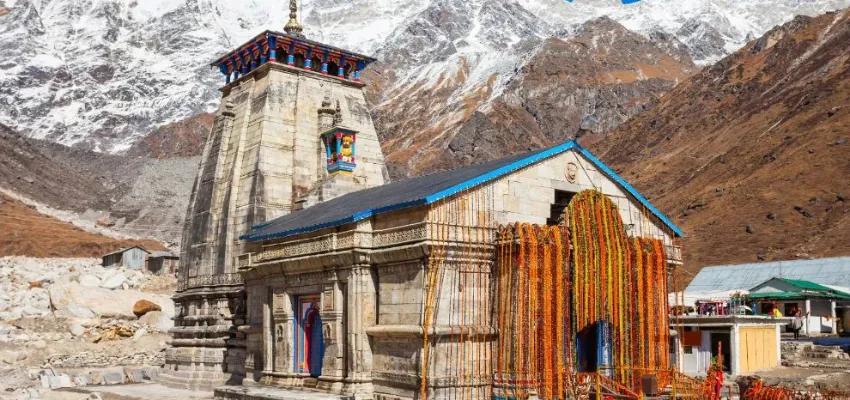
When you visit Kedarnath, the focus stays on reaching the temple and completing darshan. The trek feels like an obstacle. When you live the Kedarnath Yatra, the walk itself becomes the lesson. Fatigue, weather, and silence slowly strip control away. You learn to surrender, step by step.
2. Badrinath Teaches Stillness
A visit to Badrinath often feels organised and efficient. You arrive, pray, and leave. When you live the Badrinath Yatra, the calm comes to you. The valley begins to settle your thoughts. The quiet evenings and slow mornings teach you to sit with yourself.
3. Gangotri Teaches Humility
Visiting Gangotri is about seeing the source of the river. Living the journey here means understanding how small you are before something timeless. The river flowing without pause reminds you to let go and move forward.
4. Yamunotri Teaches Effort
When Yamunotri is only visited, the climb feels tiring. When lived, the effort itself becomes meaningful. The steep path and cold air teach respect for the journey, not just the destination.
Together, these Dhams do not just mark places on a map. They quietly shape how you walk, wait, and return.
Why Many People Visit but Few Truly Live the Journey
This gap exists because living the journey needs a different mindset. Not everyone is prepared for that shift.
Pressure to Finish Fast: Most yatras are planned around dates and leave windows. Speed becomes important. Reflection takes a back seat.
Comfort Becomes the Priority: When ease matters more than awareness, the journey turns functional. Even during a well planned route, attention stays outward.
Silence Feels Unfamiliar: Many people are not used to quiet. The mountains offer long silence, and not everyone knows how to sit with it.
Expectations Replace Presence: When the mind waits for a moment to feel spiritual, it misses what is already happening. Living the journey needs presence, not expectation.
This is why the same route gives different meanings to different travellers.
Choose What You Want to Carry Back
Every yatra gives you a choice. You can return having completed the route, or you can return having understood it. The Dhams remain unchanged. What shifts is how you walk, wait, and listen along the way.
If you are planning your Char Dham Yatra or Do Dham from Haridwar, choose an approach that allows space for reflection, not just movement. A well planned yatra can become meaningful when you slow down and stay present.
If you wish to travel with clarity, care, and balance, explore thoughtfully planned yatra experiences with BizarExpedition and let the journey shape you, not just take you there.
Best Selling Tour Packages
Explore other exciting options for your next adventure!