
Published On - Aug 31, 2026
Updated On - Aug 31, 2026
20 min
Darjeeling Travel Guide 2026: The Queen of the Hills, the Toy Train and Everything in Between
Tiger Hill, the UNESCO toy train, 80 tea gardens, Kangchenjunga views and the old-world charm that Shimla and Mussoorie used to have — the complete guide to planning your Darjeeling trip.
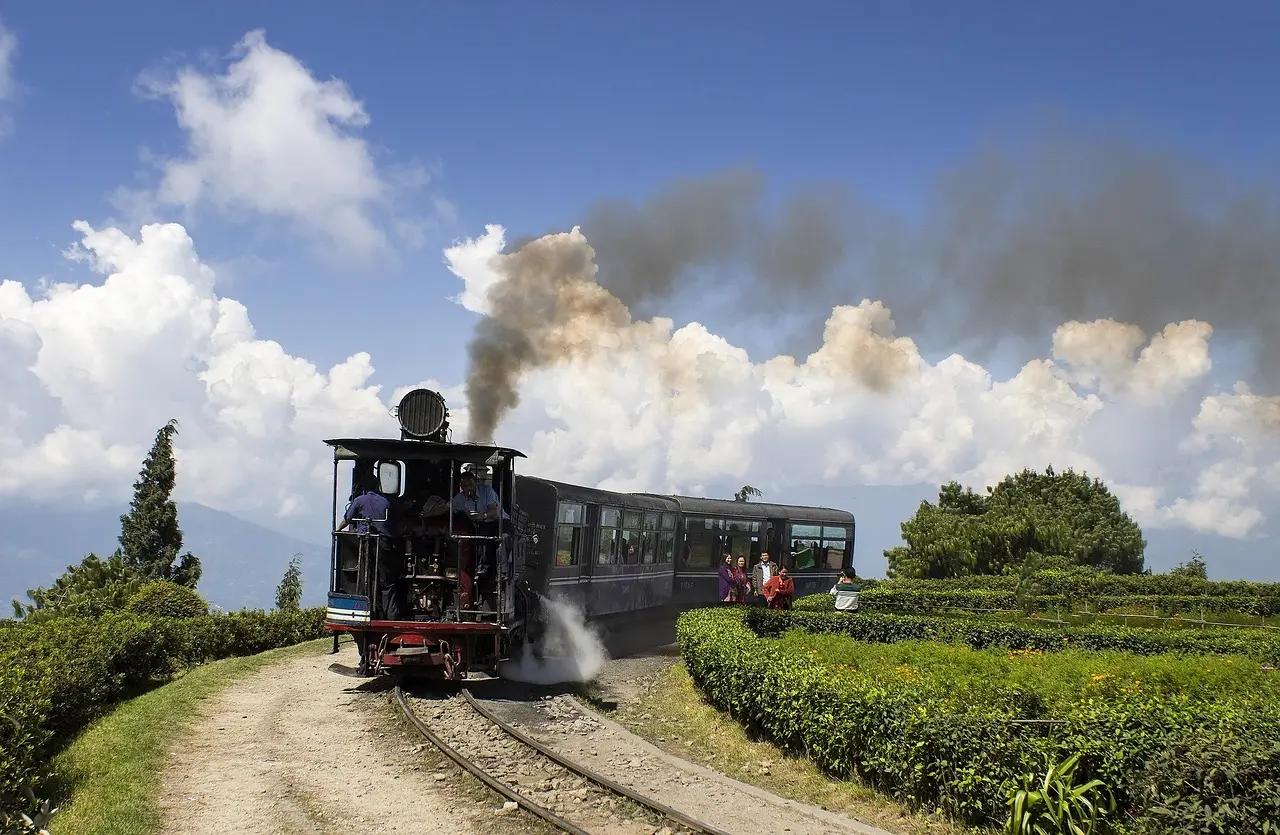
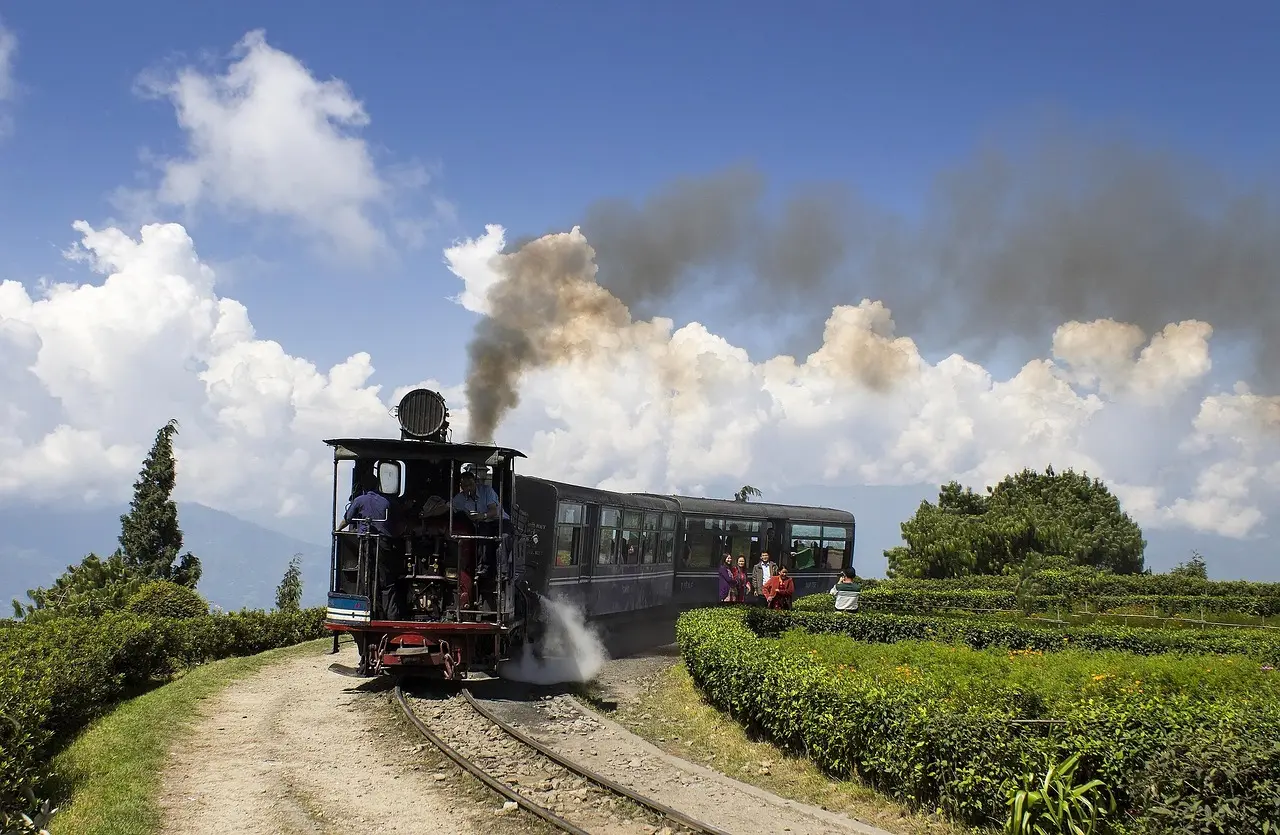
Perched on a ridge in West Bengal's eastern Himalayan foothills, about 75 kilometres from Bagdogra Airport and looking directly at Kangchenjunga — the third highest mountain in the world at 8,586 metres — Darjeeling is everything you want from an Indian hill station without the commercial overcrowding of Manali or the peak-season chaos of Shimla, yet connected enough by air, road and one of India's most famous heritage railways to be genuinely easy to reach from Delhi. There's plenty to do within the town and its surroundings and travellers interested in colonial heritage, tea culture and mountain views will be pleasantly surprised by what Darjeeling has in store. You can visit Tiger Hill at 2,590 metres for the sunrise over Kangchenjunga — and on very clear mornings in October and November, a glimpse of Everest on the horizon — followed by the Batasia Loop on the UNESCO-listed Darjeeling Himalayan Railway, established 1881 and still running on the same 2-foot narrow-gauge track through tea gardens and hill villages that it has used for 140 years. The Chowrasta Mall Road, Glenary's Bakery on the promenade (a Darjeeling institution since 1935), Happy Valley Tea Estate three kilometres from the town centre, and the Padmaja Naidu Himalayan Zoological Park — with a reliable captive breeding programme for red pandas and snow leopards — all sit within a small radius, which is one of the things that makes Darjeeling so practical as a three to four day trip.
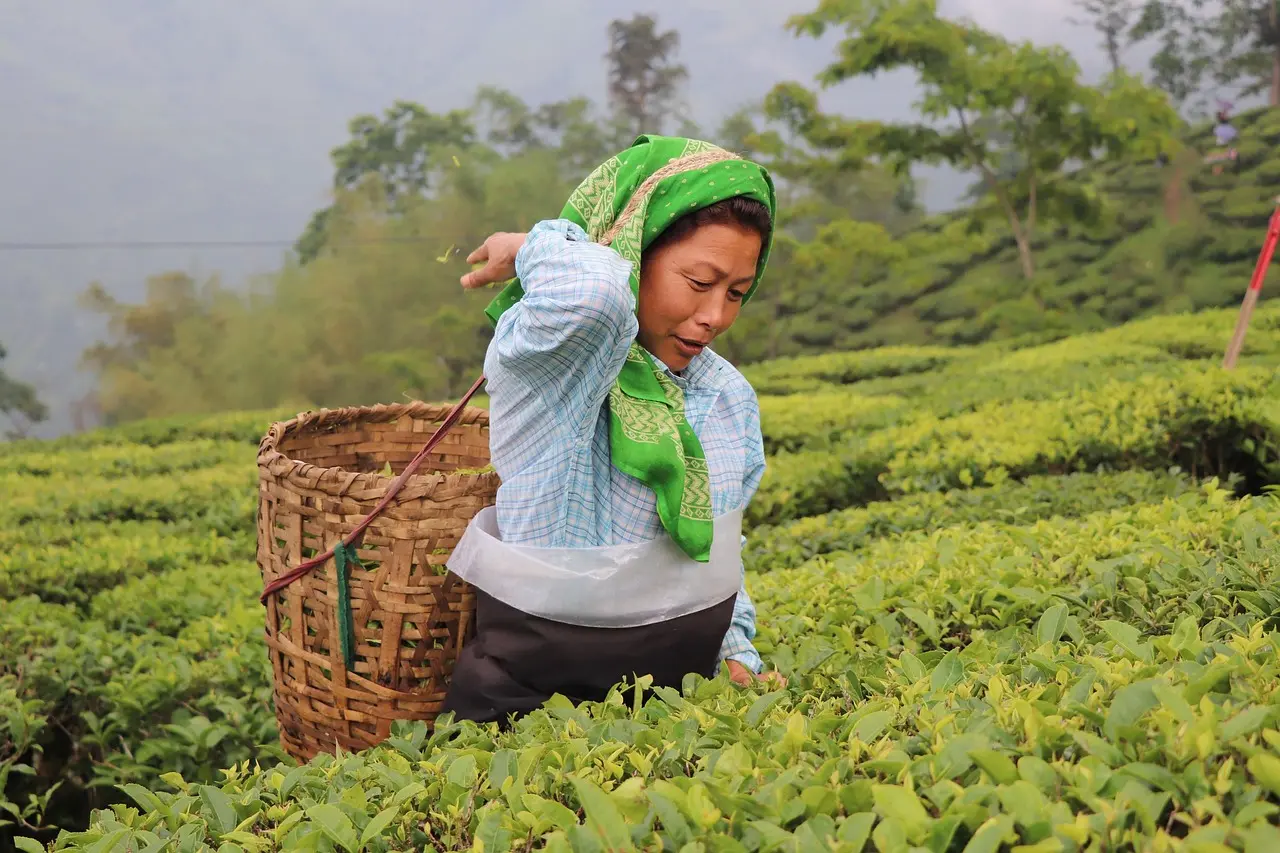
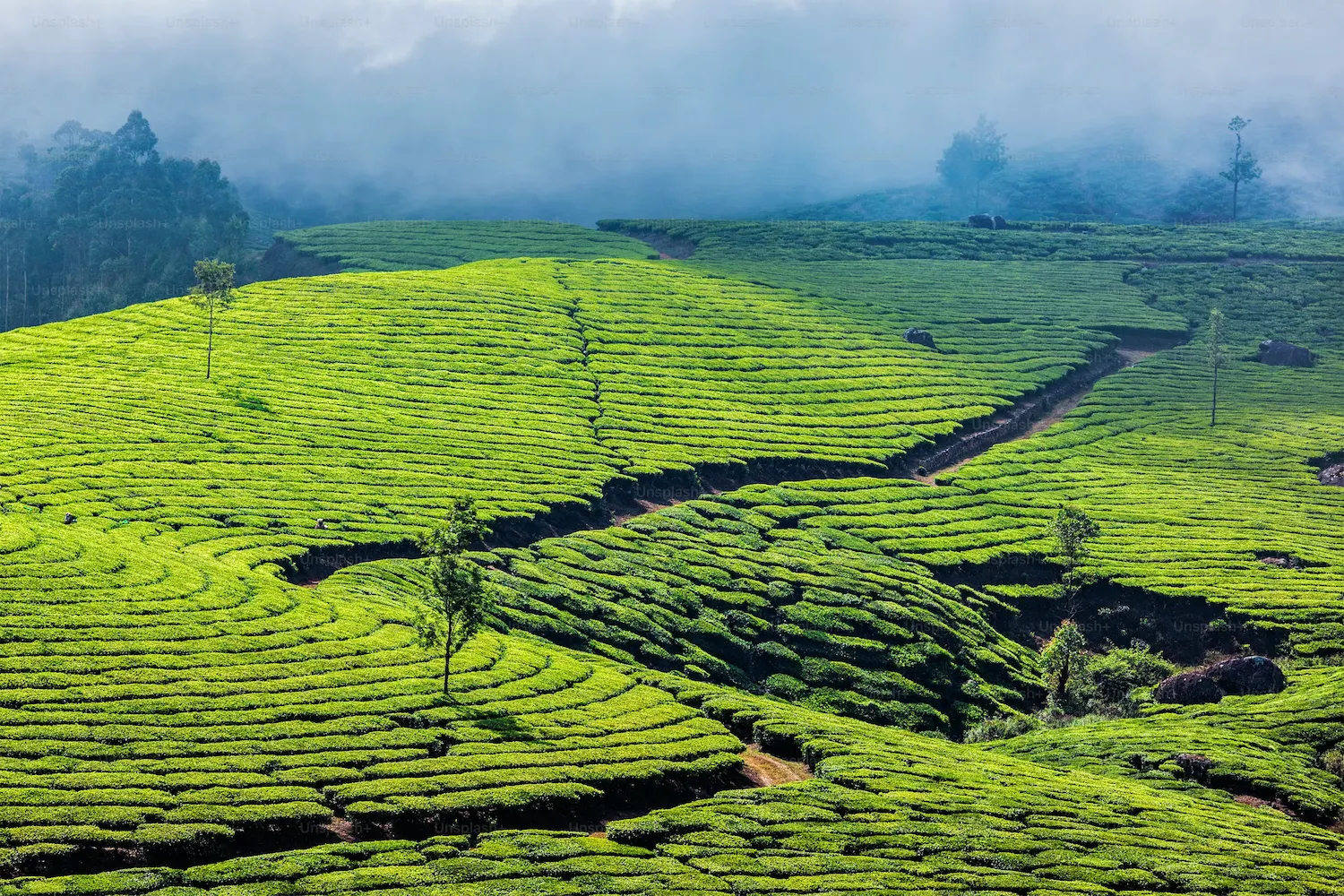
And to add to that, the tea tourism here is genuinely good and not just a marketing exercise. Darjeeling's 80-plus gardens produce what is often called the champagne of teas — a muscatel flavour unique to the altitude, soil and Himalayan climate — and Happy Valley, Makaibari and Glenburn all offer tours that go beyond a brief walk and a tasting to cover plucking, withering and rolling in a working estate context. Makaibari, the pioneer of biodynamic and organic tea in India, has been doing its 'Pluck to Cup' tour since before tea tourism was a category, and it is still one of the better half-day experiences available anywhere in the Northeast.
In the meantime, October and November are the months to go — post-monsoon clarity, Kangchenjunga views at their sharpest, toy train fully operational, and the tea gardens turning from monsoon green to first-flush readiness. Here is everything you need for the trip.
What to See and Do
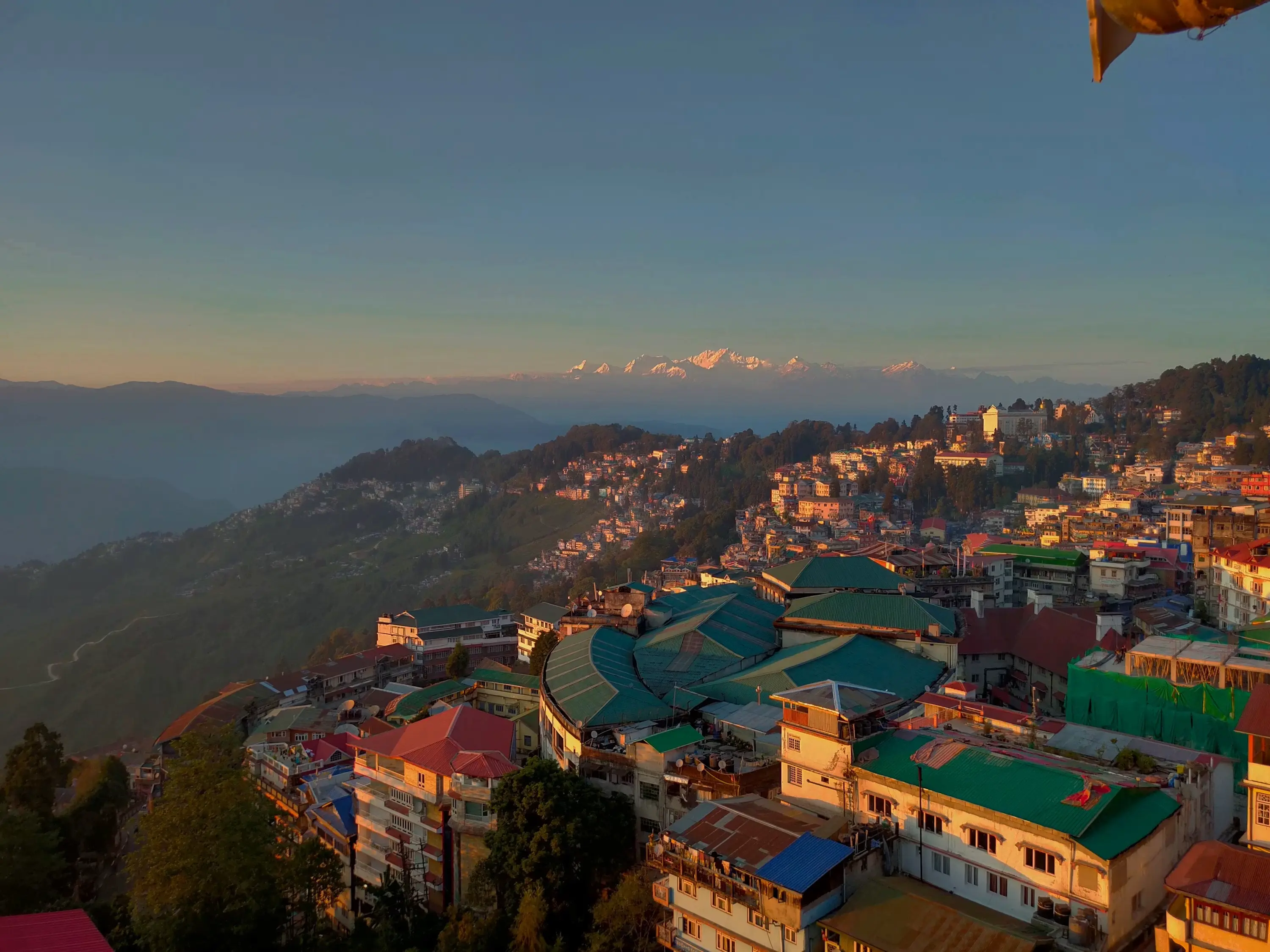
The Tiger Hill sunrise is the non-negotiable starting point for any Darjeeling visit — your hotel arranges the 4 AM shared or private vehicle to the viewpoint at 2,590 metres, the ₹50 entry covers the viewing platform, and on a clear morning the scale of what you see is genuinely good. Kangchenjunga fills most of the northern horizon, and the gradation from dark blue to amber to gold as the light hits the snow face in sequence takes about twenty minutes — worth setting the alarm for. The toy train joy ride from Darjeeling station to Ghum and back is the right format for most visitors — two hours, covers the Batasia Loop and India's highest railway station at Ghum (2,258 metres), and costs ₹600 to ₹1,200 per person without requiring a full day. Plus, if you want the full heritage experience of climbing from the plains to Darjeeling on the toy train — from 100 metres at New Jalpaiguri to 2,200 metres at Darjeeling across 88 kilometres — book the full heritage run at least two weeks ahead on irctc.co.in.
| Attraction | Distance / Timing | What It Is and Why It's Worth Your Time |
|---|---|---|
|
Tiger Hill |
11 km from Darjeeling; 4 AM departure |
At 2,590 metres, this is the classic Darjeeling sunrise viewpoint — Kangchenjunga (8,586m) lit gold as the sun rises, and on very clear mornings between October and December, Mount Everest visible in the distance. Entry ₹50. Pre-dawn drive organised by any hotel. Arrives crowded in peak season but still worth doing. |
|
Darjeeling Himalayan Railway (Toy Train) |
Darjeeling Station to Ghum / joy ride |
UNESCO World Heritage Railway since 1999, established 1881. Runs on a 2-foot narrow gauge track from New Jalpaiguri to Darjeeling across 88 km, climbing from 100 to 2,200 metres. Joy ride from Darjeeling station to Ghum and back (2 hrs) is the best format for most visitors — ₹600–1,200 per person. Book at irctc.co.in or Darjeeling station. |
|
Batasia Loop |
8 km from Darjeeling, on toy train route |
Circular railway loop where the toy train does a full 360° turn to manage the steep gradient. Panoramic viewpoint of Darjeeling town and Kangchenjunga beyond. Gorkha War Memorial on site. Good 30-minute stop; entry ₹20. |
|
Chowrasta (Mall Road) |
Town centre |
The main square and pedestrian promenade of Darjeeling — colonial-era buildings, café terraces, horse rides for children, book stalls and the best place for an evening walk. Glenary's Bakery and Restaurant on the mall is a Darjeeling institution since 1935. |
|
Happy Valley Tea Estate |
3 km from Darjeeling |
One of the oldest tea gardens in Darjeeling, established 1854. Open for guided tours 8 AM–4 PM (closed Monday). You can walk the garden rows, watch the plucking process, and do a tasting. No entry fee; tip the guide. One of the more genuine tea estate experiences available without a prior booking. |
|
Makaibari Tea Estate |
25 km from Darjeeling (Kurseong) |
The pioneer of biodynamic and organic tea in Darjeeling, established 1859. The 'Pluck to Cup' tour lets you pluck, wither, roll and taste in one morning. Homestay accommodation available on the estate — one of the better tea tourism stays in the Northeast. |
|
Padmaja Naidu Himalayan Zoological Park |
2 km from Darjeeling |
India's highest altitude zoo, with a successful captive breeding programme for red pandas and snow leopards. Red panda spotting is reliable here — as close as most visitors will come to one. Entry ₹100 Indians. Open 8:30 AM–4 PM, closed Thursday. |
|
Observatory Hill (Mahakal Temple) |
Town centre |
The sacred hill at the heart of Darjeeling, with a Shiva and Kali temple at the top, prayer flags, resident monkeys and good views of the surrounding hills. 15-minute walk from Chowrasta. Free entry; worth the climb early morning. |
|
Rock Garden & Ganga Maya Park |
10 km from Darjeeling |
Terraced garden on a hillside above the Balasan River, built around a series of waterfalls. Pleasant for a half-day outing; good for families. Entry ₹30. |
|
Mirik |
49 km from Darjeeling |
Pleasant small lake town — Sumendu Lake with boating, orange orchards, tea gardens and considerably fewer crowds than Darjeeling. Good day trip or overnight for those who want a quieter base. 1.5 hours by road. |
Table 1 — Key Sights and Attractions
The Toy Train: Which Option to Choose
The Darjeeling Himalayan Railway has three formats available to tourists, and the right one depends entirely on how much time you have. The joy ride is the practical choice for most — two hours from Darjeeling station, through the Batasia Loop, to Ghum and back, with enough of the railway's character to understand why it was awarded UNESCO World Heritage status in 1999. The full NJP-to-Darjeeling heritage run is the one to do if the railway itself is the reason for the trip — a 7 to 8 hour climb from the Teesta plains to the hills, through tea gardens and Himalayan foothills, that is one of the finer slow-travel experiences in India. Book at irctc.co.in two weeks ahead; it fills up in peak season.
| Route | Distance | Duration | Fare (per person) | Best For |
|---|---|---|---|---|
|
Joy Ride — Darjeeling to Ghum return |
14 km return |
2 hours |
₹600–₹1,200 |
Best option for most visitors. Covers Batasia Loop, Ghum (India's highest railway station at 2,258m) and back. No full-day commitment. Book at station or irctc.co.in. |
|
Full Heritage Run — NJP to Darjeeling |
88 km |
7–8 hours |
₹800–₹2,500 (class dependent) |
The full journey from the plains to the hills. Steam or diesel locomotive. Worth doing once for the full experience of climbing from the Teesta plains to 2,200m. Advance booking essential — book 2 weeks ahead at irctc.co.in. |
|
Darjeeling to Kurseong day trip |
32 km one way |
2.5 hours |
₹500–₹900 |
Quieter than the main Darjeeling circuit. Good for photography enthusiasts — the track runs alongside and through tea gardens for much of the route. |
Table 2 — Toy Train Options, Fares and Booking
The Tea Estates: More Than a Marketing Exercise
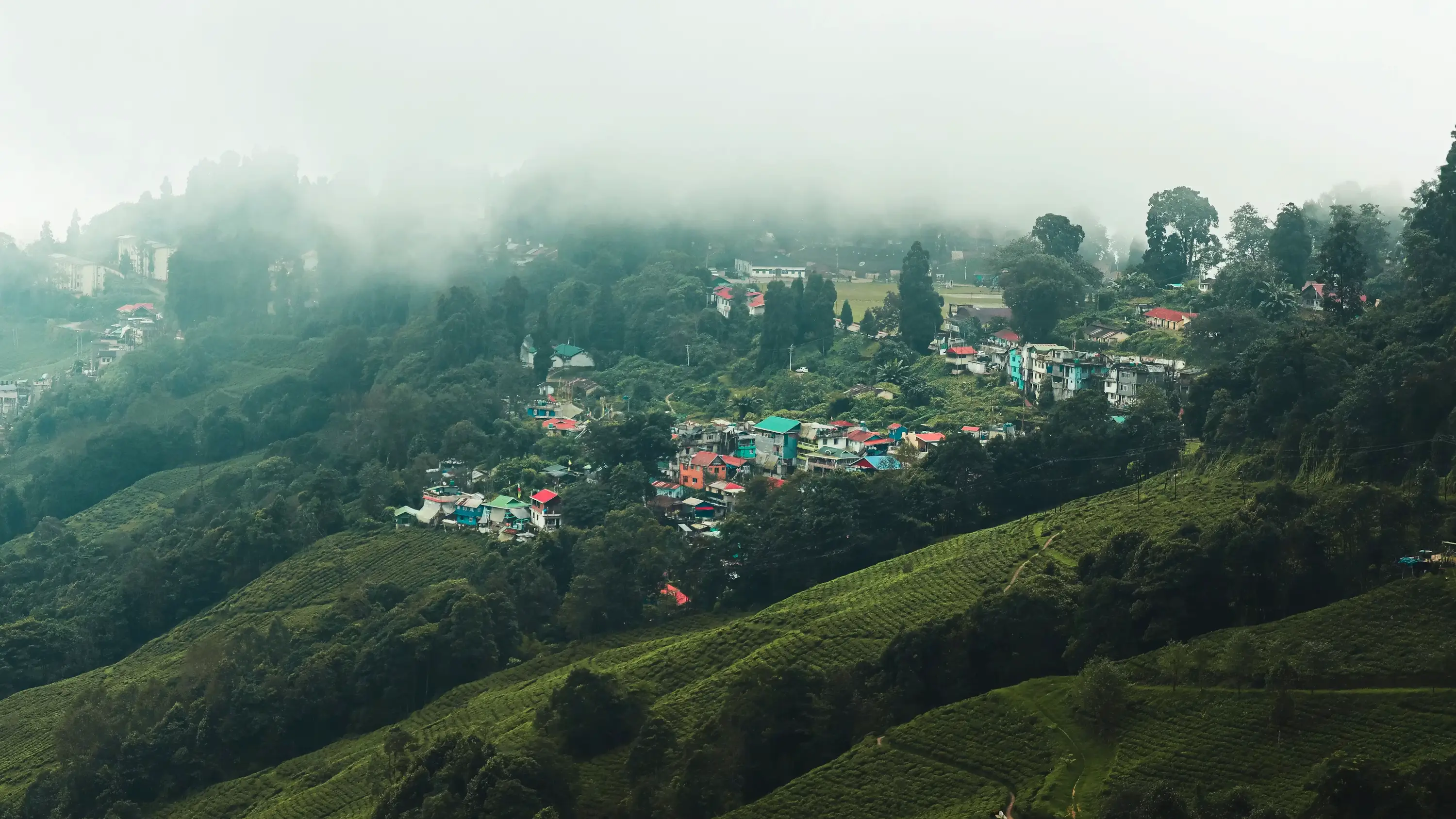
Darjeeling tea is not just a brand — it is a specific flavour profile produced by the altitude, the Himalayan soil, the morning mist and the muscatel character that develops in certain conditions here and nowhere else. The first flush, harvested from March to April, is the most prized and the most expensive; a kilogram of premium first flush Darjeeling can sell at auction for thousands of dollars. You can visit Happy Valley Tea Estate, one of the oldest in the district established in 1854, for a free guided tour any morning except Monday between 8 AM and 4 PM — walk the rows, watch the plucking, taste the tea, tip the guide. Makaibari, 25 kilometres away in Kurseong, is the better experience if you want to go deeper — a biodynamic estate established in 1859 whose 'Pluck to Cup' tour covers the full process from field to cup in one morning, and whose estate homestay is one of the more memorable accommodation options in the region.
| Estate | Distance from Darjeeling | Founded | What It Offers Visitors |
|---|---|---|---|
|
Happy Valley |
3 km |
1854 |
Guided tours 8 AM–4 PM (closed Monday). Walk the rows, watch plucking and rolling, tasting included. No fee. One of the most accessible and genuinely informative tea estate visits in Darjeeling. |
|
Makaibari |
25 km via Kurseong |
1859 |
Pioneer of organic and biodynamic tea. 'Pluck to Cup' full-morning tour. Homestay accommodation on the estate available. The most immersive tea tourism experience in the region. |
|
Glenburn |
28 km from Darjeeling |
1860 |
Boutique estate bungalow accommodation on the Rungeet River. Tea garden walks included for guests. One of the better luxury stays in the area. Advance booking required. |
|
Chamong |
20 km from Darjeeling |
1890 |
High-altitude garden producing first flush teas. Guided tours available. Less visited than Happy Valley — good for those who want a quieter experience. |
|
Castleton |
Near Kurseong |
1885 |
Produces some of Darjeeling's most awarded teas. Tours available with advance booking. Worth including if combining with a Kurseong day trip. |
Table 3 — Tea Estates: What Each One Offers
When to Go
Darjeeling has two good windows — March to May and October to November — and one window to avoid, which is July to September when the monsoon brings heavy rain, reduced toy train services due to landslide risk, and very low visibility at Tiger Hill. October and November are the better choice of the two good windows: post-monsoon clarity means Kangchenjunga and occasionally Everest are visible from Tiger Hill, the sky is at its sharpest, and the autumn light on the tea gardens is good for photography. March and April are pleasant and see the rhododendrons blooming on the surrounding hills, with comfortable temperatures and the spring tea flush beginning. February is an underrated month — fewer tourists, lower prices, cherry blossoms starting, and clear enough sky for good mountain views.
| Month | Temp Range | Tiger Hill Visibility | Toy Train | Best For |
|---|---|---|---|---|
|
Mar–Apr |
10–18°C |
Good — spring clarity |
Fully operational |
Spring flowers, rhododendrons on surrounding hills, pleasant temperatures. Good first-visit window. |
|
May–Jun |
14–20°C |
Hazy — pre-monsoon |
Operational |
Warmer and greener. Clouds build toward June. Last good month before monsoon. |
|
Jul–Sep |
14–18°C |
Poor — monsoon cloud |
Reduced (landslide risk) |
Lush green tea gardens but Tiger Hill visibility very low. Toy train occasionally suspended. Not ideal. |
|
Oct–Nov |
8–16°C |
Excellent — peak clarity |
Fully operational |
Best months. Post-monsoon sky at its clearest. Everest sometimes visible from Tiger Hill. Kangchenjunga views outstanding. Top pick for any Darjeeling trip. |
|
Dec–Jan |
2–10°C |
Very good — chance of snow |
Operational (cold mornings) |
Coldest months. Possible light snowfall on the town — romantic for some, inconvenient for others. Tiger Hill sunrise requires serious layers. |
|
Feb |
5–12°C |
Good — clearing skies |
Fully operational |
Shoulder season. Fewer tourists, lower prices, cherry blossoms beginning. Underrated month. |
Table 4 — Month-by-Month Season and Tiger Hill Visibility
Getting There
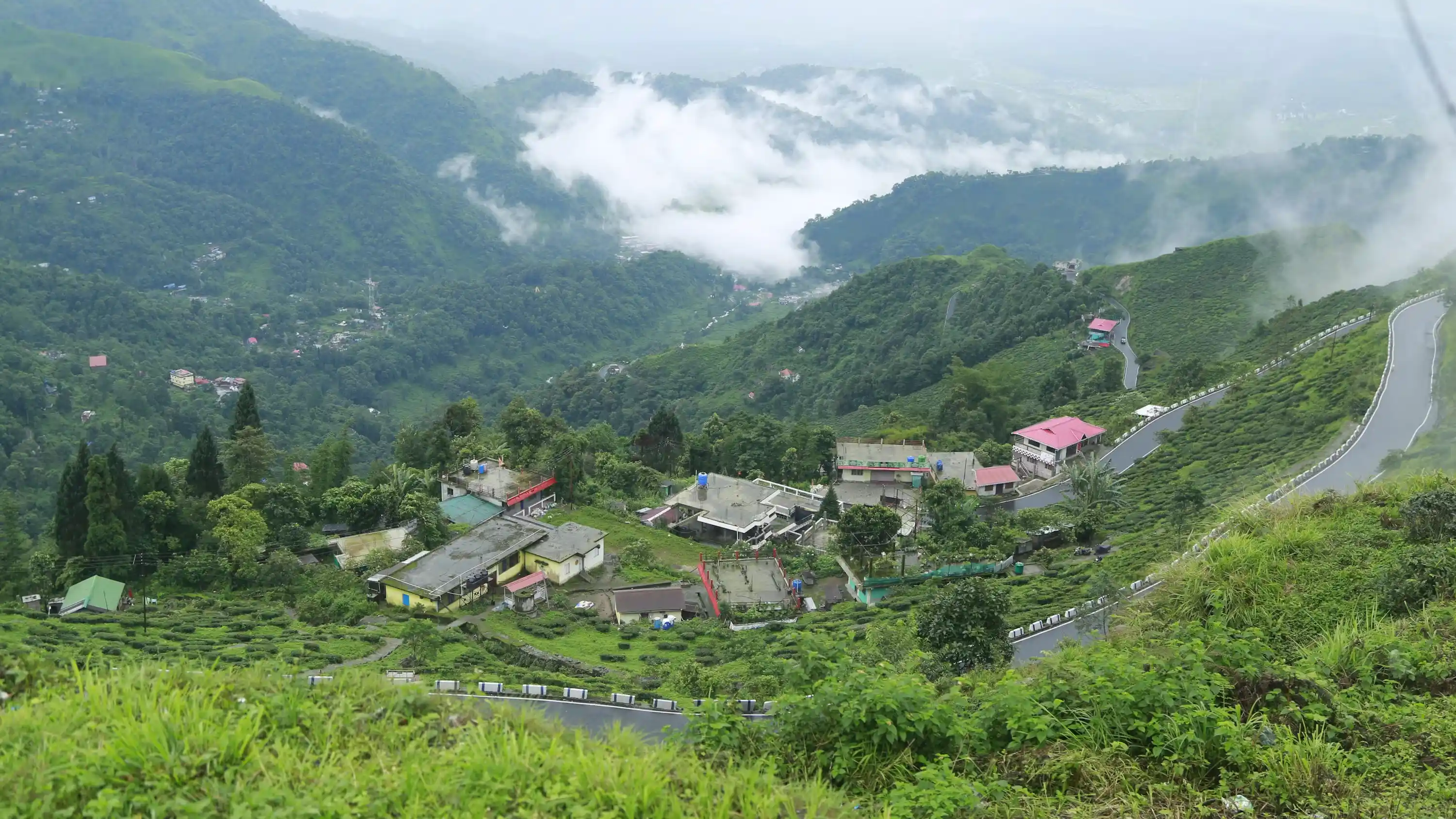
Bagdogra Airport, 75 kilometres from Darjeeling, is the main entry point — direct flights from Delhi in 1.5 hours on IndiGo, Air India and SpiceJet, then a 2.5 to 3 hour road journey up through the tea gardens to the hill station. New Jalpaiguri (NJP) railway station near Siliguri is the train option, with overnight trains from Delhi, Kolkata and other major cities, and from NJP either the toy train (7 to 8 hours, book ahead) or a road taxi (2.5 hours) completes the journey. Darjeeling also connects naturally to Gangtok in Sikkim — 96 kilometres on NH10, 3 to 3.5 hours — which makes a Darjeeling plus Sikkim circuit one of the more practical and varied combinations available in the Northeast.
| Route | Details | Journey Time | Best For |
|---|---|---|---|
|
Fly to Bagdogra → road |
Delhi → Bagdogra Airport (1.5 hrs on IndiGo/Air India/SpiceJet) → Darjeeling by road (75 km, 2.5–3 hrs) |
4–4.5 hrs total |
Most popular. Bagdogra has frequent Delhi connections. Road from Bagdogra climbs through tea gardens — the drive itself is good. |
|
Train to NJP → Toy Train |
Overnight train Delhi → New Jalpaiguri (NJP). Then Toy Train (7–8 hrs) or road taxi (2.5 hrs) to Darjeeling. |
Train 18–20 hrs + 2.5 hrs road |
Best for the full toy train heritage experience. Book Toy Train on irctc.co.in 2 weeks ahead. |
|
Road from Gangtok (Sikkim) |
Gangtok → Darjeeling: 96 km, 3–3.5 hrs on NH10 via Teesta Valley. |
3–3.5 hrs |
Natural combination for Darjeeling + Sikkim circuit. Scenic NH10 follows the Teesta River. |
|
Road from Siliguri / NJP |
Siliguri/NJP → Darjeeling: 75–80 km, 2.5–3 hrs. Shared jeep from Siliguri taxi stand ₹150–200. |
2.5–3 hrs |
Budget option. Shared jeeps run throughout the day from Siliguri taxi stand. |
Table 5 — How to Reach Darjeeling
What It Costs
Darjeeling is one of the more affordable hill stations in India at the budget end — guesthouses on Nehru Road and Gandhi Road from ₹800 to ₹1,500 a night, local Tibetan and Nepali food at very reasonable prices, and the toy train joy ride at ₹600 to ₹1,200 for two people. The mid-range bracket, which covers most visitors, runs ₹20,000 to ₹40,000 for two people for four days including accommodation, a private cab for day trips, the toy train and a tea estate tour. At the premium end, the Windamere Hotel — a colonial heritage property opened in 1939 and still the most characterful place to stay in Darjeeling — runs ₹8,000 to ₹15,000 a night, and a stay at the Glenburn Tea Estate bungalow on the Rungeet River at ₹15,000 to ₹25,000 all-inclusive is one of the finer tea tourism stays in India.
| Budget Level | 4-Day Cost (2 people) | What You Get |
|---|---|---|
|
Budget |
₹8,000–₹15,000 total |
Guesthouses ₹800–1,500/night on Nehru Road or Gandhi Road. Local Tibetan and Nepali food dhabas. Shared transport. Joy ride toy train ₹1,200 total. Darjeeling is one of the more affordable hill stations in India. |
|
Mid-range |
₹20,000–₹40,000 total |
3-star hotels ₹2,500–5,000/night (Windamere, Cedar Inn, Fortune Resort). Private cab for day trips. Glenary's for breakfast. Tea estate tours. Most popular bracket. |
|
Premium / Heritage |
₹50,000–₹1,20,000 total |
Windamere Hotel (colonial heritage, ₹8,000–15,000/night), Glenburn Tea Estate bungalow (₹15,000–25,000 all-inclusive), Makaibari Estate homestay. Full board, tea garden immersion, personalised service. |
|
Standard package (3N/4D from NJP/Bagdogra) |
₹12,000–₹22,000 per person |
Pick-up from NJP/Bagdogra, accommodation, daily breakfast, sightseeing (Tiger Hill, toy train, tea estate, Batasia Loop), transfers. Flight extra. |
Table 6 — Budget Guide (2026)
Quick Reference
| What You Need to Know | The Answer |
|---|---|
|
Darjeeling altitude |
2,042 metres (6,699 ft). Comfortable for most people — no altitude sickness risk. |
|
Kangchenjunga altitude |
8,586 metres — third highest mountain in the world. Best visible from Tiger Hill and Batasia Loop on clear mornings. |
|
Toy Train — UNESCO status |
UNESCO World Heritage Site since 1999. Established 1881. 2-foot narrow gauge, 88 km NJP to Darjeeling. |
|
Toy Train booking |
irctc.co.in for advance booking. Joy ride tickets also available at Darjeeling station on the day (may sell out on weekends). |
|
Tiger Hill entry fee |
₹50 per person. 4 AM departure from Darjeeling by shared or private vehicle. Any hotel arranges this. |
|
Best month for Everest visibility from Tiger Hill |
October and November — very clear post-monsoon sky. Not guaranteed even then; depends on weather. |
|
Darjeeling tea — what makes it special |
80-plus tea gardens in the district. Unique muscatel flavour from the altitude, soil and Himalayan climate. Four annual flushes — first flush (March–April) is the most prized. |
|
Glenary's — why it matters |
Bakery and restaurant on the Mall since 1935. Darjeeling institution. Best for breakfast, cakes and the rooftop terrace with a valley view. Get there before 9 AM for a quiet table. |
|
Padmaja Naidu Zoo — red panda |
Successful captive breeding programme. Red panda sightings reliable. Entry ₹100 Indians. Closed Thursday. Open 8:30 AM–4 PM. |
|
Ghum — India's highest railway station |
2,258 metres. On the toy train route between Darjeeling and Batasia Loop. A brief stop on the joy ride. |
|
Nearest airport |
Bagdogra — 75 km, 2.5–3 hrs. Direct flights from Delhi (1.5 hrs), Kolkata (1 hr). |
|
Distance from Gangtok (Sikkim) |
96 km, 3–3.5 hrs on NH10 via Teesta Valley. Natural Darjeeling + Sikkim combination. |
|
Distance from Kaziranga |
~570 km, 10–11 hrs. Best combined on a longer Assam + West Bengal circuit. |
|
Permit required? |
No permit for Darjeeling or most of West Bengal hills for Indian nationals. Sandakphu Trek (border area) requires a permit through a registered operator. |
|
Best hotel for heritage experience |
Windamere Hotel — opened 1939, maintained its colonial character, one of the few genuine heritage hotels in the hill station circuit. |
|
Tea estate tours — free or paid? |
Happy Valley: free (tip the guide). Makaibari: paid 'Pluck to Cup' experience. Glenburn: included for guests staying at the estate. |
Table 7 — Darjeeling Master Reference 2026
Before You Book
Darjeeling that has been delivering on its reputation for a very long time — the toy train has been running since 1881, Glenary's has been baking since 1935, and the tea gardens have been producing first flush since the 1850s. The colonial-era charm that Shimla and Mussoorie used to have before the commercial development caught up has survived better here, partly because the distance from Delhi means the weekend-getaway crowd is thinner, and partly because the town has a strong local identity — Gorkha, Tibetan, Nepali and Sikkimese cultures layered into a hill station that was never exclusively a British retreat.
Three to four days covers the main circuit comfortably — Tiger Hill, the toy train, one or two tea estates, Chowrasta in the evenings. Extend to six days if you want to add Mirik, Kurseong and a day at the Makaibari estate. October is the month to go if you can only go once. And book the Windamere Hotel at least three weeks ahead if that is where you want to stay — it fills up in peak season and is worth the planning.
The toy train has been climbing from the plains to Darjeeling since 1881. The first flush tea from Happy Valley is still among the finest produced anywhere in the world. Some things in Darjeeling have been working for a very long time, which is a reasonable indicator that they will continue to do so.