
Darjeeling Tour Packages
Darjeeling Tour Packages
If you've ever sipped a cup of tea and wondered where the "champagne of teas" actually comes from, the answer is a small hill town in West Bengal that most Indians can find on a map but very few can describe well. That town is Darjeeling — and if you're reading this, chances are you're already halfway into planning a trip. At BizareXpedition, we've built Darjeeling tour packages for everyone from first-time hill-station visitors to serious trekkers chasing sunrise views of Kanchenjunga, and this guide covers everything you need to know before you book: the history, the culture, the food, the festivals, the trains, the flights, the weather, and the real costs involved.
About Darjeeling
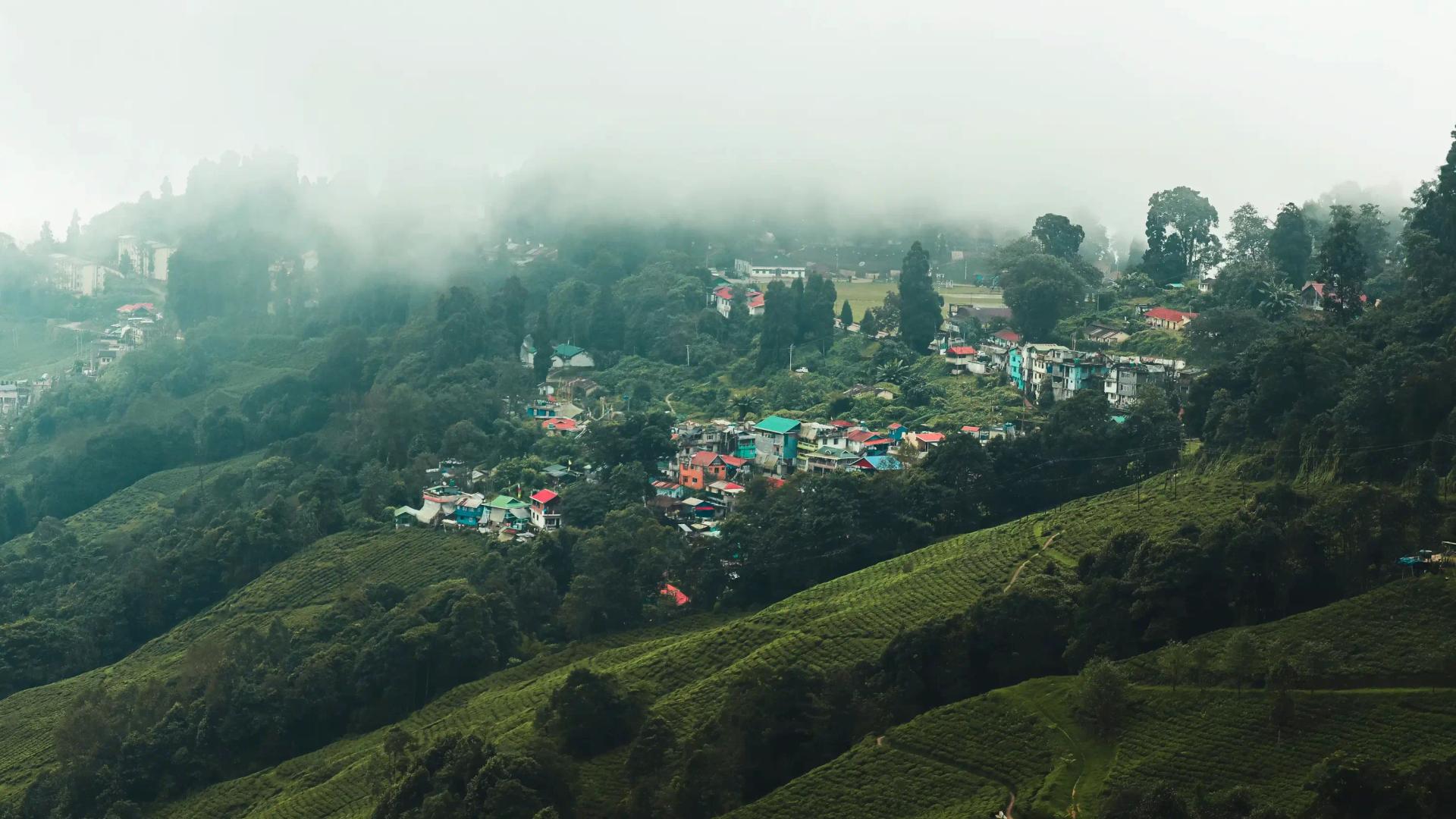
Darjeeling is a hill town in the Eastern Himalayas, in the Indian state of West Bengal, sitting at roughly 6,700 feet (2,050 metres) above sea level. It's globally known for three things — Darjeeling tea, the UNESCO-listed toy train, and sweeping views of Kanchenjunga, the world's third-highest mountain. Locals still call it the "Queen of the Hills."
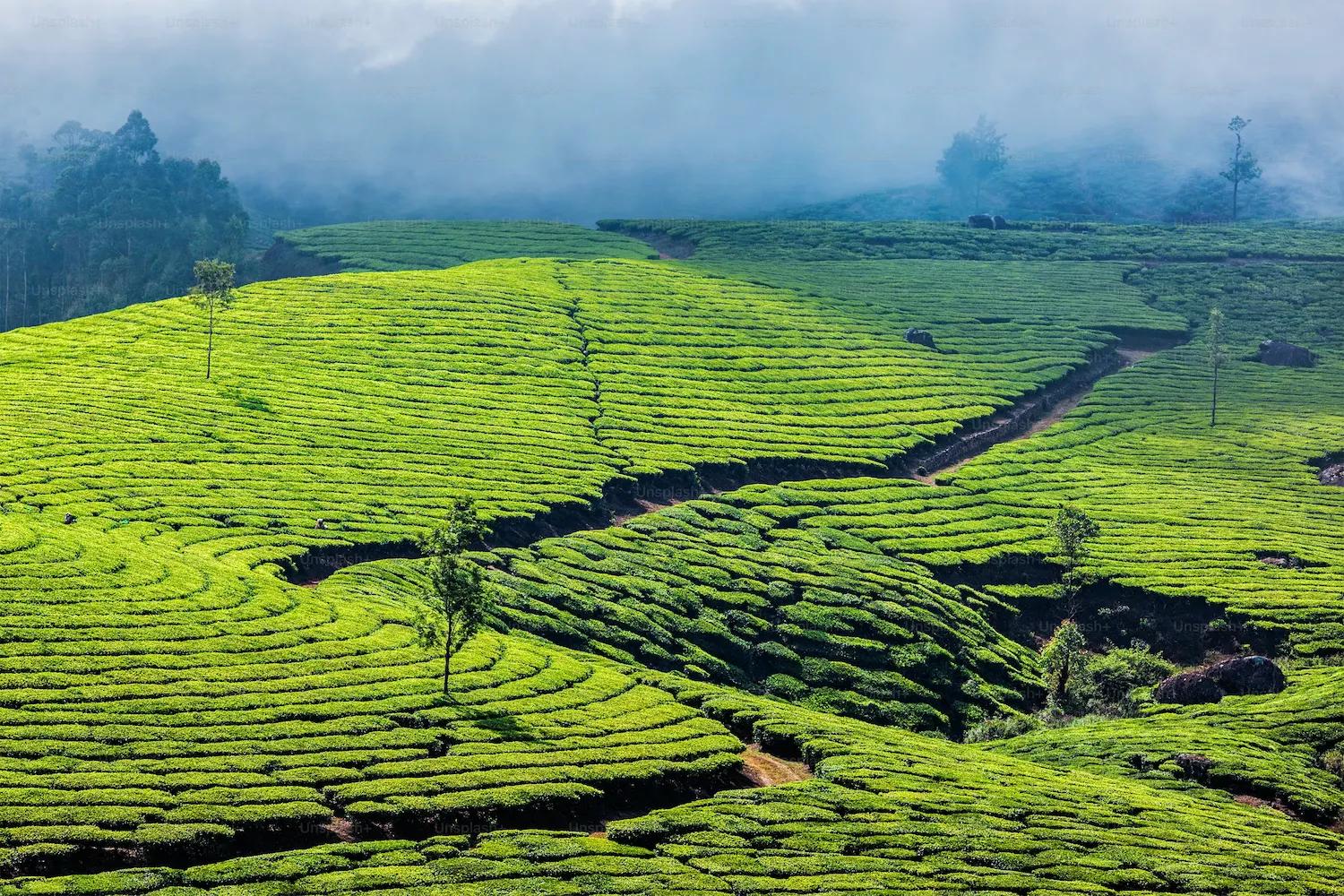
For someone who has never been to a hill station, imagine this: the air temperature drops the way it does when you step into an air-conditioned mall from a hot street — except this "AC" is permanent, and instead of tiled floors you get tea gardens rolling down every slope you can see. That's Darjeeling in one sentence.
A Short History of Darjeeling — How a Village Became a Hill Station
Darjeeling wasn't always a tourist town. In the early 1800s, the area was part of the Kingdom of Sikkim, and only a handful of villages sat scattered across the ridge. When the British East India Company noticed the cool climate was perfect as a sanatorium — a health retreat away from the heat and disease of the Bengal plains — the Raja of Sikkim gifted the land to the Company in 1835 in exchange for a rather modest gift: a double-barrelled gun, a rifle, some red cloth, and two shawls.
That deal changed everything. The British built the Darjeeling Hill Cart Road, planted the first experimental tea gardens in 1840, and by 1860 Darjeeling was already an established tourist destination — making it one of India's oldest hill-station getaways, even older than Shimla's peak popularity. Workers from Nepal, Sikkim, and Bhutan were brought in to build the town and work the tea estates, which is why Darjeeling's population today is so ethnically layered. After 1959, thousands of Tibetans arrived following the Dalai Lama's exile, adding another cultural thread to the town.
So when people ask what makes Darjeeling "different" from other Himalayan hill stations — it's this: nowhere else do British colonial architecture, Nepali culture, Tibetan Buddhist monasteries, and a 160-year-old tea economy sit this close together on one hillside.
Culture and People of Darjeeling
Darjeeling's culture is genuinely one of the most mixed you'll find in India. The population is predominantly Nepali-speaking Gorkha, alongside Lepchas (the original inhabitants of the region), Bhutias, and a significant Tibetan refugee community. Buddhism, Hinduism, and Christianity all coexist here comfortably — you'll find monasteries, temples, and colonial-era churches within walking distance of each other.
A useful comparison for someone outside the region: think of how a coastal Indian city blends languages and cuisines because of trade — Darjeeling did something similar because of tea and migration, except compressed into hillside neighbourhoods rather than sprawled across a city. Nepali is the most widely spoken language, but you'll hear Tibetan, Lepcha, Bengali, and English just as easily. Locals are famously warm to strangers — a trait that consistently shows up in traveller reviews of Darjeeling tour packages.
Best Places to Visit in Darjeeling
Here are the Darjeeling sightseeing places that almost every itinerary — including ours at BizareXpedition — is built around:
Tiger Hill — the classic sunrise-over-Kanchenjunga viewpoint; most tourists leave their hotel around 4 AM for this.
Batasia Loop — a spiral railway loop with a war memorial and garden, built so the toy train can climb the slope safely.
Darjeeling Himalayan Railway (Toy Train) — a UNESCO World Heritage Site since 1999; the joy rides between Darjeeling and Ghoom are the most popular short trips.
Happy Valley Tea Estate — one of the oldest working tea gardens, dating back to 1854, where you can watch the entire tea-making process.
Padmaja Naidu Himalayan Zoological Park — home to red pandas and Siberian tigers, one of the few high-altitude zoos in the world.
Himalayan Mountaineering Institute — founded after Tenzing Norgay's Everest summit, with a mountaineering museum attached.
Ghoom Monastery — one of the oldest Buddhist monasteries in the Darjeeling hills.
Chowrasta / The Mall — the pedestrian-only town square where locals and tourists gather every evening.
Japanese Peace Pagoda — a serene Buddhist stupa with panoramic valley views.
Rock Garden and Nightingale Park — a terraced garden built around a natural waterfall, popular for half-day trips.
Beyond the town itself, many Darjeeling tour packages combine a Sandakphu trek (Bengal's highest peak) or a short extension to Mirik and Kalimpong, since both are only a few hours away by road.
Darjeeling Food — What to Eat
Darjeeling's food culture leans heavily on the same Himalayan and Tibetan influences that shaped its people. If you've only had "Indian food" from restaurant menus in the plains, this will feel like a different country's cuisine altogether.
Momos — steamed or fried dumplings filled with vegetables, chicken, or pork, served with a fiery tomato-sesame chutney. Think of them as the Himalayan cousin of dumplings you'd find in East Asian cuisine.
Thukpa — a warm noodle soup, perfect for the evening chill; comparable to a hearty ramen but with a distinctly Tibetan spice profile.
Sael Roti — a Nepali ring-shaped rice doughnut, usually eaten during festivals.
Churpee — a hard, chewy yak- or cow-milk cheese that locals snack on for hours (some say it's the world's hardest cheese).
Darjeeling Tea itself — best had fresh at a tea estate; the first-flush harvest (March–April) is considered the finest and most delicate.
Every BizareXpedition Darjeeling tour package includes at least one authentic local meal stop, because honestly, the food is half the reason people fall in love with this hill station.
Festivals in Darjeeling
Darjeeling stays lively through the year with festivals that mix Buddhist, Hindu, and Gorkha traditions:
Darjeeling Carnival (November) — a 10-day celebration with music, art, poetry, and food stalls across town.
Teesta Tea and Tourism Festival (Nov–Dec) — dedicated to tea culture, with tastings and exhibitions.
Darjeeling Orange Festival (December) — celebrates the region's citrus harvest and conservation efforts.
Losar (Tibetan New Year) — usually in February, celebrated with prayer flags, dances, and monastery rituals.
Dashain and Tihar — the Nepali equivalents of Durga Puja and Diwali, celebrated with huge community participation.
If your travel dates line up with any of these, it's worth building your Darjeeling tour package around the festival — the town takes on a completely different energy.
How to Reach Darjeeling
Darjeeling has no airport or major railway station of its own — it sits high in the hills, so every route funnels through Siliguri in the plains below. Here's the quickest breakdown:
| Mode | Nearest Point | Distance to Darjeeling | Travel Time |
|---|---|---|---|
|
Flight |
Bagdogra Airport (IXB) |
~68 km by road |
3 – 3.5 hours by taxi |
|
Train (regular gauge) |
New Jalpaiguri (NJP) |
3 – 3.5 hours by taxi |
|
|
Toy Train (heritage) |
NJP to Darjeeling |
~88 km by rail |
7 – 8 hours (scenic, not practical as sole transport) |
|
Road / Bus |
Siliguri Junction |
~80 km |
3.5 – 4 hours |
Darjeeling Way To Reach
By flight: Bagdogra Airport is the nearest airport to Darjeeling, with daily direct flights from Delhi, Kolkata, Mumbai, and Bengaluru. From Bagdogra, prepaid taxis and shared cabs run regularly to Darjeeling via NH110 and Hill Cart Road.
By train: New Jalpaiguri (NJP) is the main railhead, connected to Kolkata, Delhi, Guwahati, and most major Indian cities through trains like the Darjeeling Mail and various Rajdhani/Express services. From NJP, you can either take a taxi (roughly 3 hours) or, for the full experience, board a joy-ride segment of the narrow-gauge Darjeeling Himalayan Railway — the actual "toy train" that has been running since 1881.
By road: If you're already in North Bengal or Sikkim, Darjeeling connects well by road to Gangtok (about 4 hours), Kalimpong (2–3 hours), and Mirik (2 hours) — which is why many multi-destination Darjeeling tour packages pair it with a Sikkim or Kalimpong extension.
Best Time to Visit Darjeeling — Weather and Temperature
Darjeeling has two clear peak tourism seasons: September to November and April to May. These months bring the clearest mountain views and the most comfortable Darjeeling weather for sightseeing.
| Season | Months | Temperature Range | What to Expect |
|---|---|---|---|
|
Spring |
March – May |
10°C – 18°C |
Blooming rhododendrons, first-flush tea, clear mornings |
|
Summer/Monsoon |
June – August |
12°C – 20°C, heavy rain |
Lush greenery but frequent landslides on hill roads |
|
Autumn |
September – November |
5°C – 15°C |
Clearest skies, best Kanchenjunga views, peak crowd season |
|
Winter |
December – February |
-1°C – 8°C |
Cold, occasional light snow, misty mornings, quieter town |
Darjeeling Best Time to Visit
If someone from a warm coastal or plains city is planning their first hill trip, here's the nuance that catches most people off guard: Darjeeling's temperature swings dramatically with altitude and time of day. Bagdogra in the plains can be a humid 30°C+ while Darjeeling, barely 70 km away, sits at a crisp 15°C on the same afternoon — carrying layered clothing isn't optional, it's essential even in summer.
Darjeeling Tour Packages — What They Typically Cost
Costs vary based on season, group size, and hotel category, but here's a realistic range for Darjeeling tour packages booked through an agency like BizareXpedition:
| Package Type | Duration | Approx. Cost (per person) |
|---|---|---|
|
Darjeeling + Sikkim/Kalimpong combo |
6N/7D |
₹20,000 – ₹32,000 |
|
Best Darjeeling Tour Packages – 2019 |
No. of Days |
Price* |
|
4 Night Darjeeling Tour |
3 Days / 2 Nights |
Rs. 82,50 |
|
Darjeeling Gangtok Tour Packages |
5 Days / 4 Nights |
Rs. 19,500 |
|
Amazing Darjeeling Trip |
6 Days / 5 Nights |
Rs. 21,750 |
|
Darjeeling Pelling Gangtok Tour |
7 Days / 6 Nights |
Rs. 24,250 |
|
Best of North East India |
7 Days / 6 Nights |
Rs. 28,250 |
Darjeeling Tour Package Cost
Flights to Bagdogra typically range from ₹4,000–₹9,000 one-way depending on the season and city of origin, and prices spike noticeably during the September–November and April–May peak windows — so early booking genuinely saves money here, not just as a sales line.
Why Book Your Darjeeling Tour with BizareXpedition
Darjeeling isn't a destination you want to figure out on the fly — road conditions change with the weather, the toy train has limited seats, and the best viewpoints only deliver on clear mornings. At BizareXpedition, our Darjeeling tour packages are built around local knowledge: the right hotel zones near Chowrasta, timed sightseeing to beat the crowds at Tiger Hill, and authentic food stops that most standard itineraries skip entirely.
Whether you're planning a quick 4-day getaway, a honeymoon in the hills, or a longer Darjeeling–Sikkim combo trip, we'll help you plan it around the season, the budget, and the experience you actually want — not just a template itinerary.
Frequently Asked Questions (FAQs) & People Also Ask — darjeeling Tour Packages
We help you prepare for your trip and ensure an effortless and enjoyable travel experience.