
Published On - Jun 12, 2026
Updated On - Aug 14, 2026
20 min
Nubra Valley Complete Guide 2026: Bactrian Camels, Sand Dunes, Ancient Monasteries and the Last Village Before Pakistan
Diskit, Hunder, Turtuk and Panamik — everything you need to plan your Nubra Valley trip, including permits, itineraries, the honest guide to the camel safari and why Turtuk is the most culturally unique village in Ladakh.
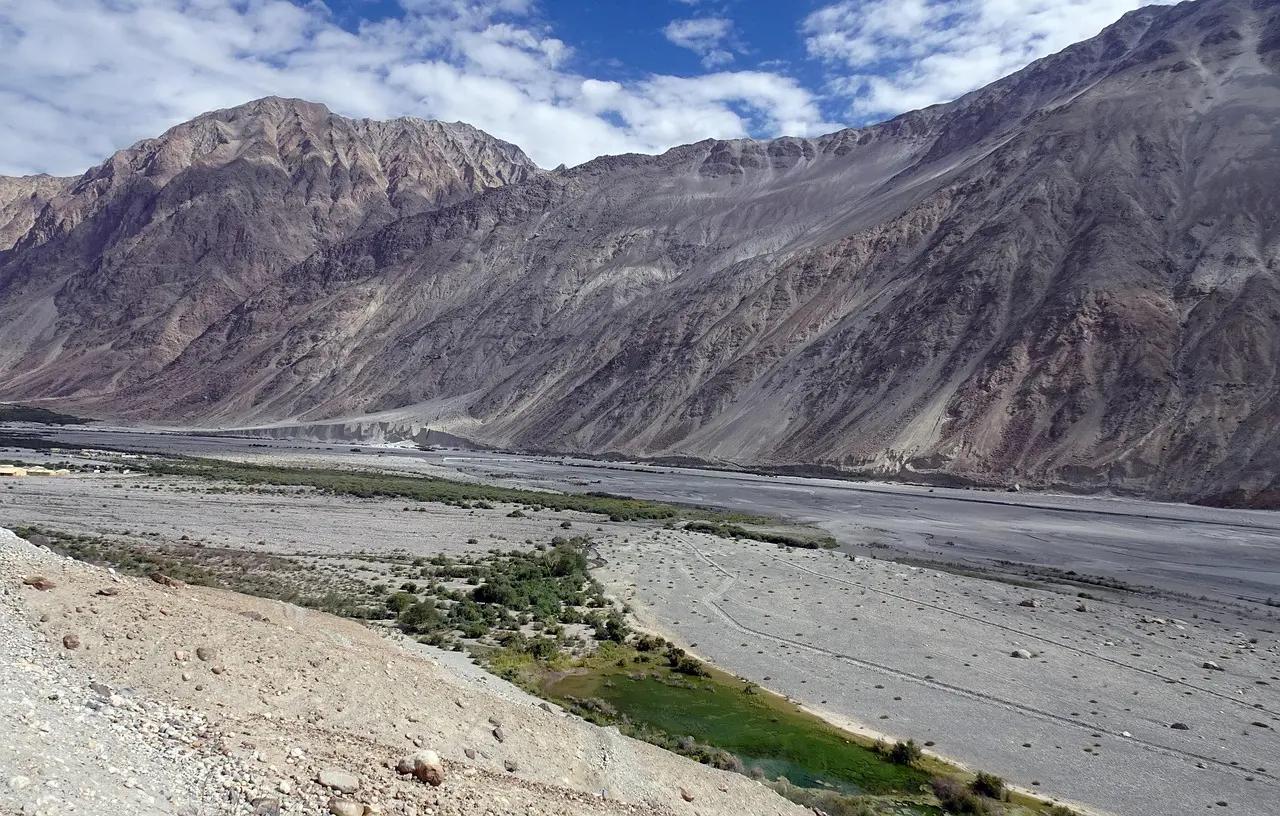
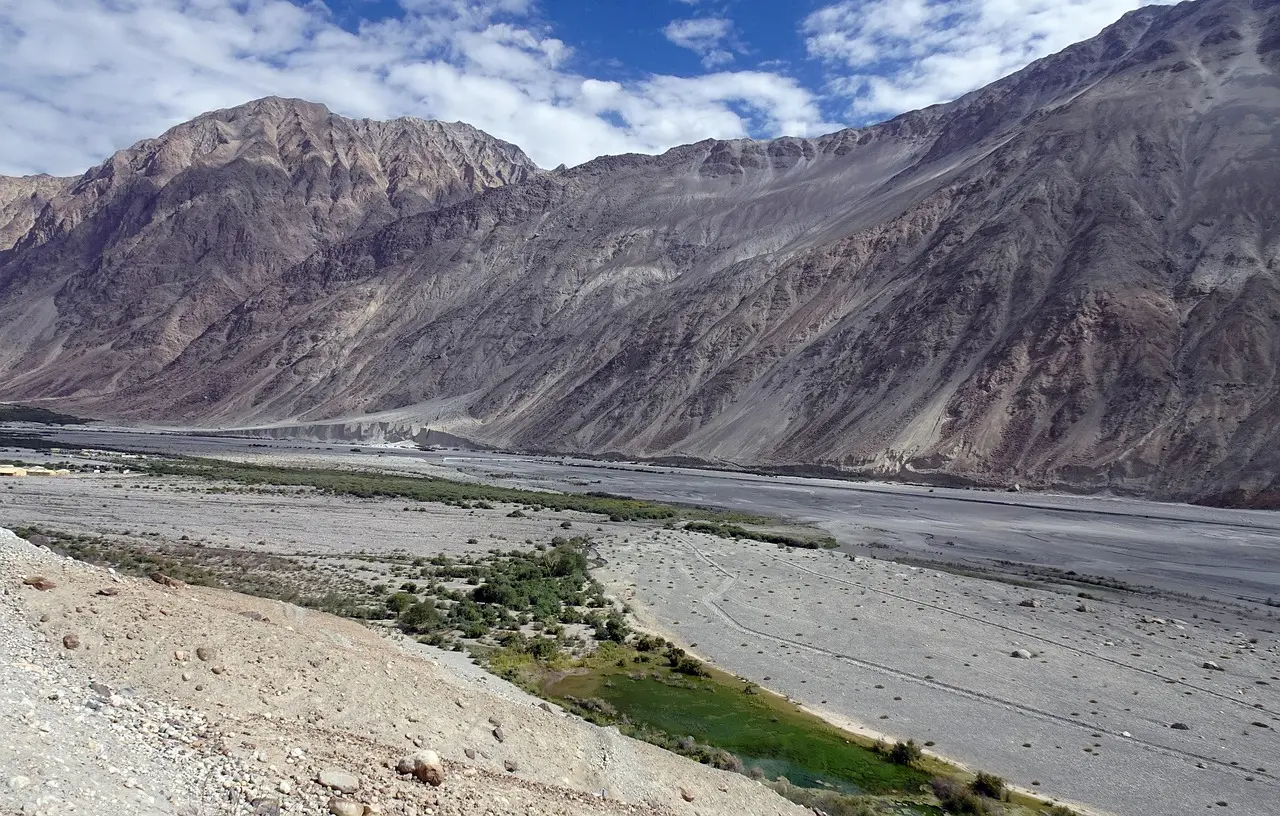
A geography lesson first, because Nubra Valley is not what most people expect from Ladakh. Most visitors picture Ladakh as pure moonscape — barren brown mountains, high passes, thin air and nothing growing. Nubra Valley is the surprise. Located 120 kilometres north of Leh and accessed via Khardung La Pass at 5,359 metres — one of the highest motorable passes in India — the valley sits at 3,048 metres at the confluence of the Nubra and Shyok rivers, and it is green. Apricot orchards. Willow groves. Sea buckthorn. Poplars. The contrast with the moonscape above Khardung La is dramatic and deliberate — the valley floor is genuinely lush in summer, fed by glacial meltwater and sheltered by the Karakoram Range to the north and the Ladakh Range to the south.
The valley divides at Khalsar into two arms. The right arm follows the Shyok River to Diskit, Hunder and — 95 kilometres further — Turtuk, the last Indian village before the Pakistan border. The left arm follows the Nubra River to Sumur, Samstanling Monastery and Panamik with its natural hot springs. Most tourists see only Diskit and Hunder. The travellers who make the effort for Turtuk come back with the better story.
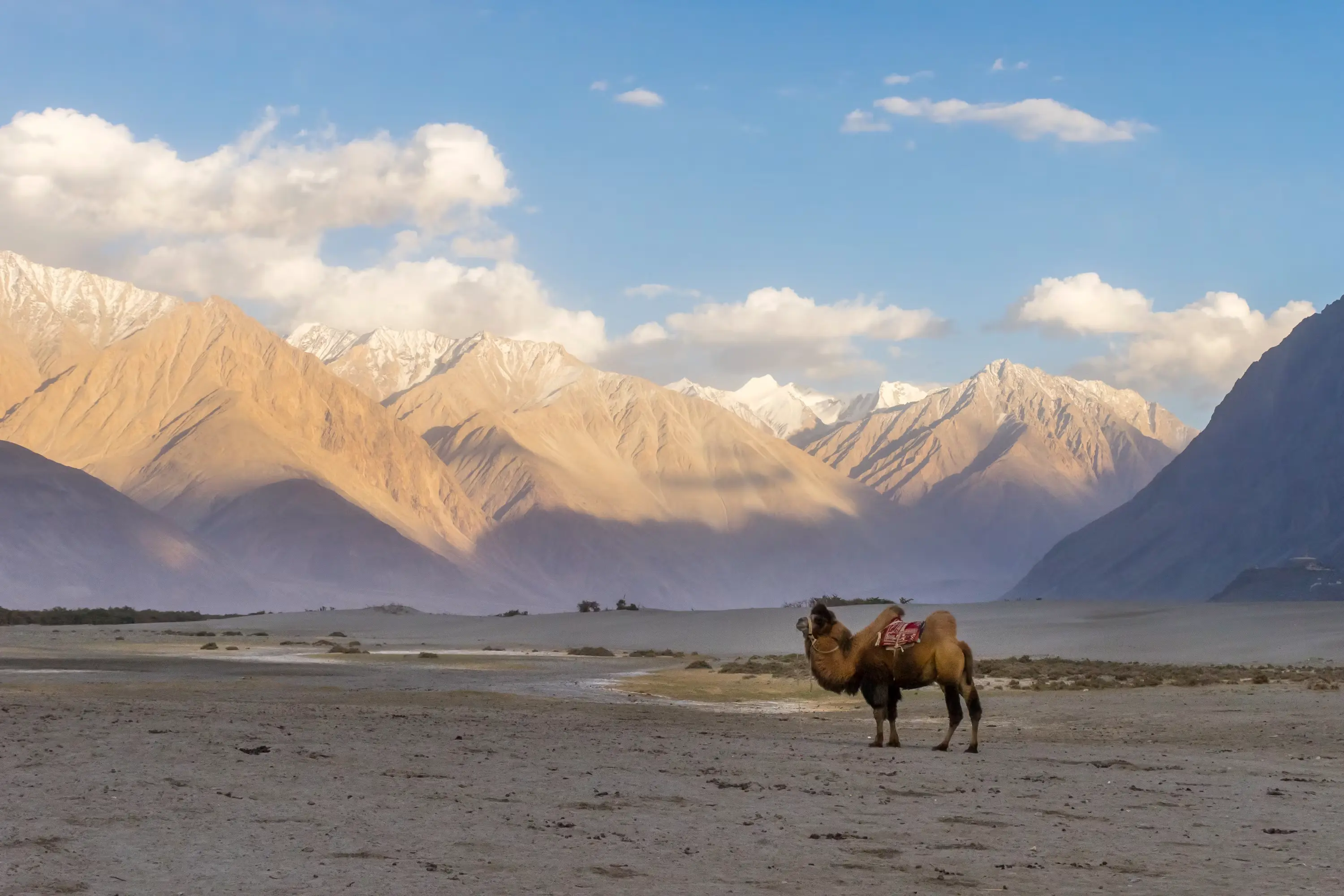
Nubra was part of the ancient Silk Route — the camel caravans carrying goods between Central Asia and the Indian subcontinent passed through this valley for centuries. The Bactrian double-humped camels at Hunder are the direct descendants of those Silk Route animals, and riding one across sand dunes at 10,000 feet with the Karakoram peaks behind you is, by any honest assessment, one of the more unusual experiences available in India.
MOST PEOPLE THINK LADAKH IS ALL DESERT AND ROCK. THEN THEY DRIVE OVER KHARDUNG LA AND DROP INTO NUBRA VALLEY — GREEN ORCHARDS, SAND DUNES, SILK ROUTE CAMELS AND A VILLAGE THAT WAS PART OF PAKISTAN UNTIL 1971. LADAKH KEEPS SURPRISING YOU. NUBRA IS THE BIGGEST SURPRISE OF ALL.
Things to Do in Nubra Valley...
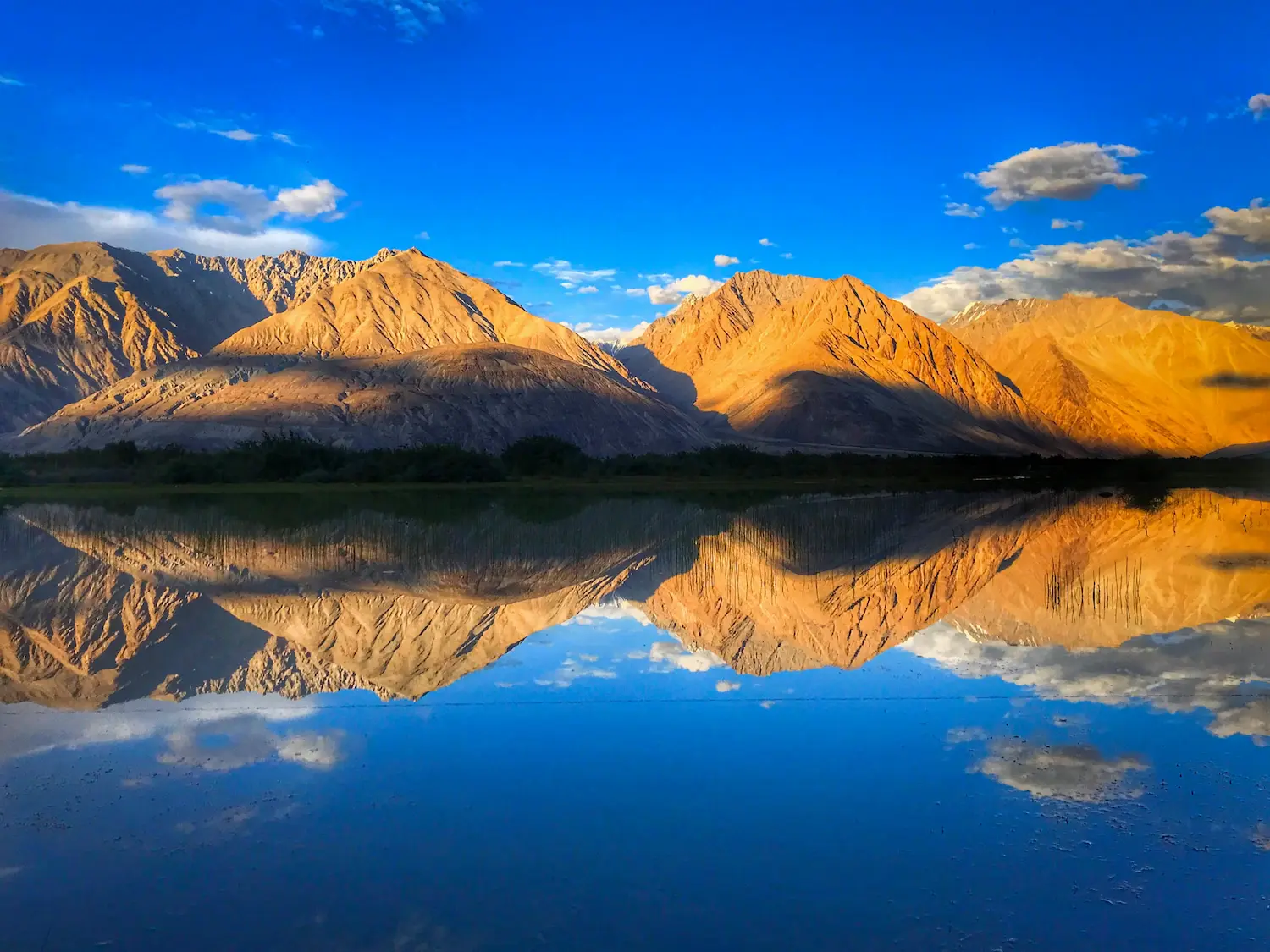
Do the camel safari at sunset, not midday. The Bactrian camel safari at Hunder sand dunes is the signature Nubra experience and it is as good as it sounds — double-humped camels, actual sand dunes at 3,000 metres, Karakoram peaks in the background. The morning slot (9 AM–12 PM) and the afternoon-sunset slot (3–6 PM) are both available at ₹300–600 per person for a 20-minute loop. The sunset slot is the better choice without question — the light on the dunes in the late afternoon is significantly more dramatic, and the temperature has dropped enough to make the camel comfortable. Avoid the midday session.
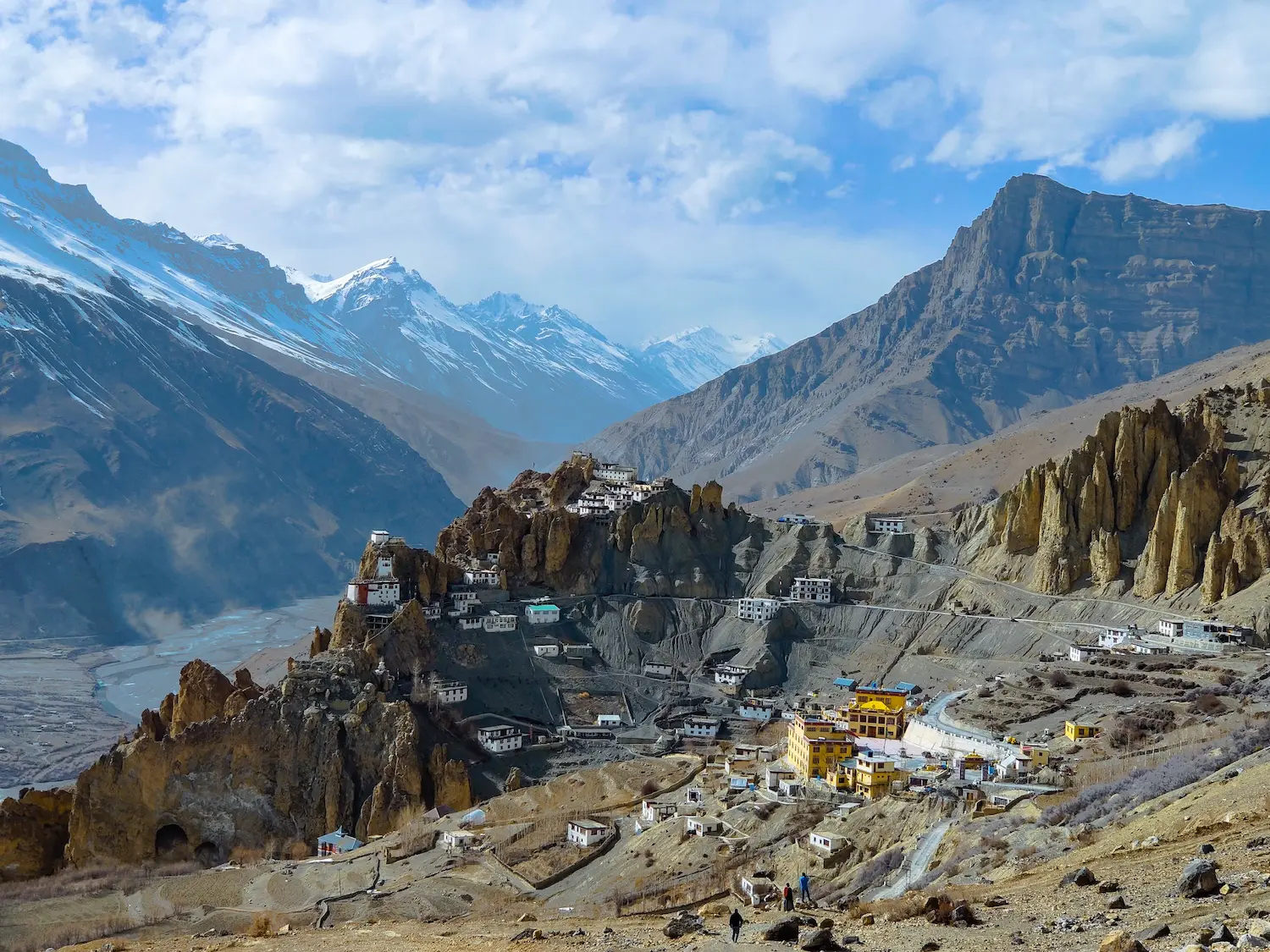
Arrive at Diskit Monastery before 7 AM for the morning puja. Diskit Gompa, the oldest monastery in Nubra Valley founded in the 14th century, has a 32-metre Maitreya Buddha statue visible from most of the valley below. The morning puja begins at 6:30 AM and the monastery is at its quietest and most atmospheric before the day-trip vehicles arrive from Leh. Climbing to the monastery gives you views of the Shyok River, the sand dunes and the Karakoram range in one panorama. Come early, come quietly, and you will have it largely to yourself.
Make the effort for Turtuk. Turtuk, 95 kilometres from Hunder on a road that gets progressively narrower and more dramatic, is the most culturally distinctive village in all of Ladakh — and one of the most extraordinary in India. It was part of Pakistan-administered Kashmir until the 1971 Indo-Pakistan War and only opened to Indian tourists in 2010. The Balti culture here is completely different from the Ladakhi Buddhist villages — different language (Balti, a Tibetan dialect), different architecture (stone houses built into the cliffsides), different food (apricot-based dishes, local bread, lamb with Balti spices) and a different religion (Shia Muslim rather than Tibetan Buddhist). The apricot orchards in season (July–August) are beautiful, and staying overnight in a Balti homestay at ₹600–1,500 per night is the right way to experience it.
Drive the full Nubra circuit — both river arms. Most tourists see only the Shyok arm (Diskit, Hunder, Turtuk) and miss the Nubra arm entirely. Sumur village has Samstanling Monastery — active, beautiful and rarely visited. Panamik at the end of the road has natural hot springs (simple but genuine) and the sacred Yarab Tso lake, accessible by a short trek. Doing both arms in a 4-night trip gives you the complete Nubra Valley experience rather than the standard tourist circuit.
Spot wildlife on the valley floor. Nubra Valley has a remarkable range of wildlife for a high-altitude desert. Snow leopard sightings occur in the upper reaches in winter. The valley floor in summer has ibex, marmots, mountain foxes and a wide range of Ladakhi birds including the Himalayan Griffon. The sea buckthorn bushes around Hunder are excellent for small birds. If birding is on your list, bring binoculars.
Combine Nubra with Pangong via the Shyok Valley road. Rather than returning to Leh after Nubra, the Shyok Valley road connects directly to Pangong Tso — 150 kilometres, 5 to 6 hours. This avoids doubling back over Khardung La and makes a Nubra-Pangong combination into a genuine Ladakh loop rather than an out-and-back. The road is rough in places but passable in a good 4x4. Ensure your ILP covers both Nubra and Pangong zones.
THINK OF NUBRA VALLEY LIKE A HIMALAYAN THALI WITH TWO VERY DIFFERENT DISHES. DISKIT AND HUNDER ARE THE MAIN COURSE — DRAMATIC, SATISFYING, WHAT EVERYONE ORDERS. TURTUK IS THE SIDE DISH NOBODY ORDERS AND EVERYONE ENDS UP WISHING THEY HAD. ORDER BOTH.
Things Not to Do in Nubra Valley...
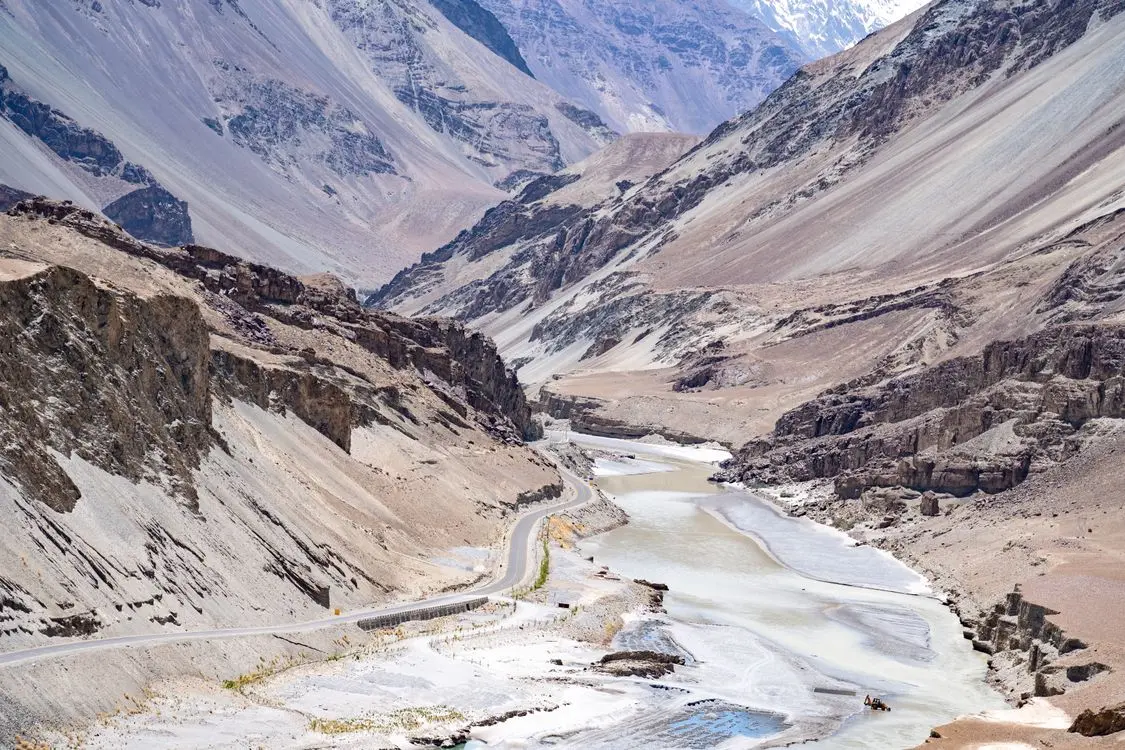
Cross Khardung La on the day you arrive in Leh. Khardung La is at 5,359 metres. Acute Mountain Sickness is a genuine risk if you attempt it before acclimatising in Leh. Spend a minimum of two nights in Leh (3,500m) before attempting the pass. On the day of the Khardung La crossing, depart Leh by 8 AM, stop briefly at the top (15 minutes maximum — the altitude hits hard when you stop moving), and get down to Diskit by afternoon. Do not linger at the pass.
Apply for an ILP without including Turtuk. The standard Nubra Valley ILP covers Diskit and Hunder. Turtuk requires a separate endorsement on the same permit — it is an additional checkbox on the lahdclehpermit.in form that takes five seconds to tick. Many travellers apply for the basic Nubra permit, drive to Hunder, decide they want to see Turtuk, and are turned back at the checkpoint. Tick the Turtuk box when you apply. There is no cost difference.
Rush Turtuk in a day trip from Hunder. Turtuk is 95 kilometres from Hunder — 3 to 4 hours each way on a road that narrows significantly beyond Khalsar. A day trip means arriving in Turtuk with two hours and leaving before you have seen anything properly. Stay one night in a Balti homestay. Have a meal with the family. Walk the orchards in the morning. The cultural experience of Turtuk is in those hours — not in the drive-by.
Ignore the fuel situation. The nearest fuel pump is in Diskit town. The round trip from Diskit to Turtuk and back is approximately 190 kilometres. If you are also going to Panamik on the other arm of the valley, add another 50 kilometres. Fill up completely in Diskit before any long excursion. There are no fuel pumps beyond Diskit in any direction.
Leave plastic at the dunes or monasteries. Nubra Valley has very limited waste management infrastructure. The Hunder sand dunes and the approach to Diskit Monastery have no waste collection beyond basic bins. Carry a reusable bottle — most guesthouses in Hunder and Diskit provide filtered water. Take all non-biodegradable waste back to Leh with you. The valley is beautiful partly because it is remote; keeping it that way is everyone's responsibility.
AAARAM SE — TAKE IT SLOW — MEANS SOMETHING SPECIFIC IN NUBRA. IT MEANS SPENDING AN EXTRA NIGHT IN TURTUK WHEN YOUR PLAN SAID DAY TRIP. IT MEANS WAKING UP BEFORE SUNRISE FOR DISKIT MONASTERY. IT MEANS NOT RUSHING BACK OVER KHARDUNG LA WHEN THERE IS STILL MORE TO SEE. THE VALLEY REWARDS THE UNHURRIED TRAVELLER.
Your Complete Nubra Valley Reference
| Attraction | Distance from Leh | Best Time | What It Is and Why You Should Go |
|---|---|---|---|
|
Hunder Sand Dunes & Bactrian Camel Safari |
120 km / 5–6 hrs |
Jun–Sep (morning & sunset slots) |
Cold desert sand dunes at 3,000m — the only place in India where you can ride Bactrian double-humped camels, descendants of the Silk Route caravans. Cost: ₹300–600 per person for 20-minute loop. Available 9 AM–12 PM and 3–6 PM. The sunset slot is the better choice — golden light on the dunes with Karakoram peaks behind. |
|
Diskit Monastery (Diskit Gompa) |
120 km |
Year-round |
Nubra Valley's oldest and largest Buddhist monastery, founded in the 14th century. Houses a 32-metre Maitreya Buddha statue visible from miles away, facing toward Pakistan. Morning puja begins at 6:30 AM — arrive early. The monastery sits on a hill above Diskit town with views of the entire valley below. |
|
Turtuk Village |
215 km / 7–8 hrs from Leh |
Jun–Sep |
Former Baltistan territory — part of Pakistan until India recaptured it in the 1971 war. Opened to tourism only in 2010. Completely distinct from the rest of Ladakh — Balti language, architecture, food and culture. Famous for apricot orchards, stone houses built into cliffs, mulberry trees and extraordinary warmth from its community. The most culturally unique stop in all of Nubra. |
|
Panamik Hot Springs |
142 km from Leh |
Jun–Sep |
Natural hot water springs at the end of the Nubra river road. Considered sacred — local legend says the waters have healing properties. Simple bathing facility. Good leg stretch after the long drive. Yarab Tso sacred lake is nearby. |
|
Yarab Tso Lake |
~145 km from Leh |
Jun–Sep |
Small sacred lake near Panamik, accessible by a short trek from the road. Considered holy by local Buddhists. Very few tourists reach it — peaceful and genuinely beautiful. |
|
Samstanling Monastery |
135 km from Leh (Sumur village) |
Jun–Sep |
Active monastery in Sumur village on the Nubra river branch of the valley. Less visited than Diskit. Beautiful frescoes and a quiet atmosphere. Good cultural stop on the way to Panamik. |
|
Khalsar — confluence viewpoint |
~110 km from Leh |
Jun–Sep |
Where the Shyok and Nubra rivers meet. The road divides here — left to Diskit/Hunder, right to Sumur/Panamik. Good viewpoint. The colours of the two rivers meeting are distinct — one blue-green, one silty grey. |
|
Ensa Gompa |
~120 km from Leh |
Jun–Sep |
Small, rarely visited monastery above Diskit. Excellent views of the valley below. 20-minute uphill walk from Diskit. Genuinely off the tourist circuit. |
Table 1 — Key Attractions: What, Where and Why
Permits in 2026
Nubra Valley requires a Protected Area Permit for all visitors. For Indians, it is free and takes five minutes at lahdclehpermit.in. The key thing most travellers get wrong is not ticking the Turtuk endorsement when applying — add it at the time of application, not at the checkpost.
| Permit | Who Needs It | How to Get It | Notes |
|---|---|---|---|
|
Inner Line Permit (ILP) — Nubra Valley |
ALL visitors — Indian and foreign nationals |
Indians: lahdclehpermit.in (free, online). Foreigners: Through registered Leh operator. |
Specify Nubra Valley and Turtuk on the permit if you plan to go to Turtuk — it is a separate zone endorsement. One permit covers Nubra Valley and Hunder. |
|
Turtuk endorsement |
ALL visitors — additional to Nubra ILP |
Add Turtuk when applying at lahdclehpermit.in — it is a checkbox on the form. |
Since 2014, Indians do not need a separate permit for Turtuk — it is included in the standard Nubra ILP if specified. Foreign nationals need operator assistance. |
|
Khardung La checkpoint |
All visitors passing through |
ILP checked automatically at the Khardung La checkpost — have it ready on your phone or printed. |
Checkpost is at the top of Khardung La. They verify ILP and note down vehicle details. Takes 5 minutes. |
Table 2 — Permit Reference 2026
How to Plan Your Days
Two nights is the minimum. Three nights is the right call if Turtuk is on your list — and it should be. Four nights allows you to cover both river arms of the valley properly. The Nubra-to-Pangong direct route via Shyok Valley is the best way to combine both destinations without doubling back.
| Days | Format | Base | What You Cover |
|---|---|---|---|
|
2N / 3D |
Leh → Nubra → Leh |
Hunder or Diskit |
Day 1: Leh → Khardung La → Diskit Monastery → Hunder sand dunes + camel safari (overnight Hunder). Day 2: Explore Diskit and Hunder area → return to Leh via Khardung La. |
|
3N / 4D (Recommended) |
Leh → Nubra → Turtuk → Leh |
Hunder 2 nights |
Day 1: Leh → Khardung La → Diskit → Hunder (overnight). Day 2: Hunder → Turtuk (95 km, 3–4 hrs) → explore Turtuk → overnight. Day 3: Turtuk → Hunder → Leh via Khardung La. |
|
4N / 5D (Full Nubra) |
Leh → Nubra → Turtuk → Panamik → Leh |
Split Hunder + Panamik |
Days 1–2 as above. Day 3: Turtuk → back to Hunder → drive to Sumur and Panamik via Samstanling Monastery. Day 4: Panamik hot springs → Yarab Tso → return to Leh. |
|
Combined with Pangong |
Leh → Nubra → Pangong (direct route) |
Hunder then Pangong |
After Nubra, take the Shyok Valley road directly to Pangong (150 km, 5–6 hrs) — avoids returning to Leh. Popular combination. ILP for both zones needed. Not for nervous drivers. |
Table 3 — Itinerary Options
When to Go
| Month | Temp (Hunder) | Khardung La | Best For |
|---|---|---|---|
|
Jan–Apr |
−10 to 5°C |
Often closed — heavy snow |
Not recommended for general tourists. Some homestays open. Roads dangerous. |
|
May |
5–18°C |
Opens ~20 May |
Early season. Sand dunes and camels available. Some camps setting up. Good for those who want fewer tourists. |
|
June |
10–22°C |
Open |
All camps and guesthouses open. Camel safaris running. Turtuk accessible. |
|
July–Aug |
12–25°C |
Open |
Peak season. All activities fully operational. Most crowded. Book accommodation ahead. |
|
September |
8–20°C |
Open |
Best overall month. Post-monsoon clarity, fewer tourists than July-August, best photography light, all routes open. |
|
October |
2–12°C |
Open until mid-Oct; may close early |
Good early October. Khardung La becomes unpredictable after 15 Oct. Cold nights. |
|
Nov–Dec |
−10 to 5°C |
CLOSED |
Season over. Leh to Nubra route closes for winter. |
Table 4 — Month-by-Month Season Guide
Where to Stay
Hunder and Diskit have the widest range of accommodation. Turtuk homestays are the most culturally rewarding stay on the entire circuit. Panamik has limited but adequate guesthouses for those doing the full valley loop.
| Property / Type | Price Range / Night | What to Know |
|---|---|---|
|
Luxury camps — Nubra Ethnic Camp, Lchang Nang Retreat |
₹8,000–₹20,000 |
Fixed-wall tents or cottage-style stays near the dunes. Best views of the sand dunes and Karakoram. Book 4–6 weeks ahead for July–August. |
|
Mid-range guesthouses — Hunder and Diskit |
₹2,500–₹5,000 |
Good standard. Most have attached bathrooms, heating, decent food. Central location for all sightseeing. |
|
Budget guesthouses |
₹800–₹2,000 |
Basic but clean. Adequate for safari-focused visits. Meals usually available on request. |
|
Homestays — especially in Turtuk |
₹600–₹1,500 |
The best way to experience Turtuk's Balti culture. Home-cooked Balti food (apricot-based dishes, local bread, butter tea). Warm family hospitality. Book in advance — limited rooms. |
|
Panamik area guesthouses |
₹1,000–₹2,500 |
Limited options near the hot springs. Adequate for an overnight if doing the full Nubra circuit. |
Table 5 — Accommodation Guide 2026
Quick Reference
| What You Need to Know | The Answer |
|---|---|
|
Nubra Valley altitude |
3,048m (10,000 ft) — actually lower than Leh (3,500m). Good for acclimatisation after arrival in Leh. |
|
Khardung La altitude |
5,359m (17,582 ft) — one of the highest motorable passes in India. Do not cross until you have spent 2 nights in Leh. |
|
Distance from Leh to Hunder |
~120 km. 5–6 hours via Khardung La. Depart Leh by 8 AM to reach comfortably before dark. |
|
Bactrian camel safari cost 2026 |
₹300–600 per person for 20-minute loop. Available morning (9 AM–12 PM) and afternoon (3–6 PM) slots. Sunset slot is better for photography. |
|
Diskit Monastery age |
14th century — oldest and largest monastery in Nubra Valley. 32-metre Maitreya Buddha faces toward Pakistan. |
|
Turtuk — when did it open to tourists? |
2010 for Indian tourists. 2013 for foreign tourists. Was part of Pakistan until 1971 war. |
|
ILP permit for Nubra |
Free at lahdclehpermit.in. Specify both Nubra Valley AND Turtuk when applying. Takes 5 minutes online. |
|
Best month to visit |
September — post-monsoon clarity, fewer crowds, best photography light, all routes open. |
|
Minimum duration recommended |
2 nights minimum. 3 nights if including Turtuk (highly recommended). |
|
Road from Nubra to Pangong (direct) |
Shyok Valley road — 150 km, 5–6 hours. Avoids returning to Leh. Requires ILP for Pangong too. Rough in places. |
|
Nearest fuel pump |
Diskit town. Carry extra fuel if going to Turtuk and back (190 km round trip from Diskit). |
|
Mobile network |
BSNL in Diskit and Hunder. Very limited or no signal in Turtuk and Panamik. Download offline maps before leaving Leh. |
|
Best food in Turtuk |
Apricot jam and fresh apricots (in season July–August), local bread (shemo), butter tea, and lamb dishes with Balti spices. Try the food at your homestay — it will be better than any restaurant. |
|
What is the Bactrian camel? |
Double-humped camel — unlike the single-hump Arabian camel. Used on the ancient Silk Road. Found naturally in Central Asia. Nubra is one of the very few places in India where a wild population exists. |
|
Photography tip |
Diskit Monastery at sunrise, Hunder dunes at sunset, Turtuk at golden hour. September gives the clearest sky and best light quality of the season. |
Table 6 — Nubra Valley Master Reference 2026
Travelling Responsibly in Nubra Valley
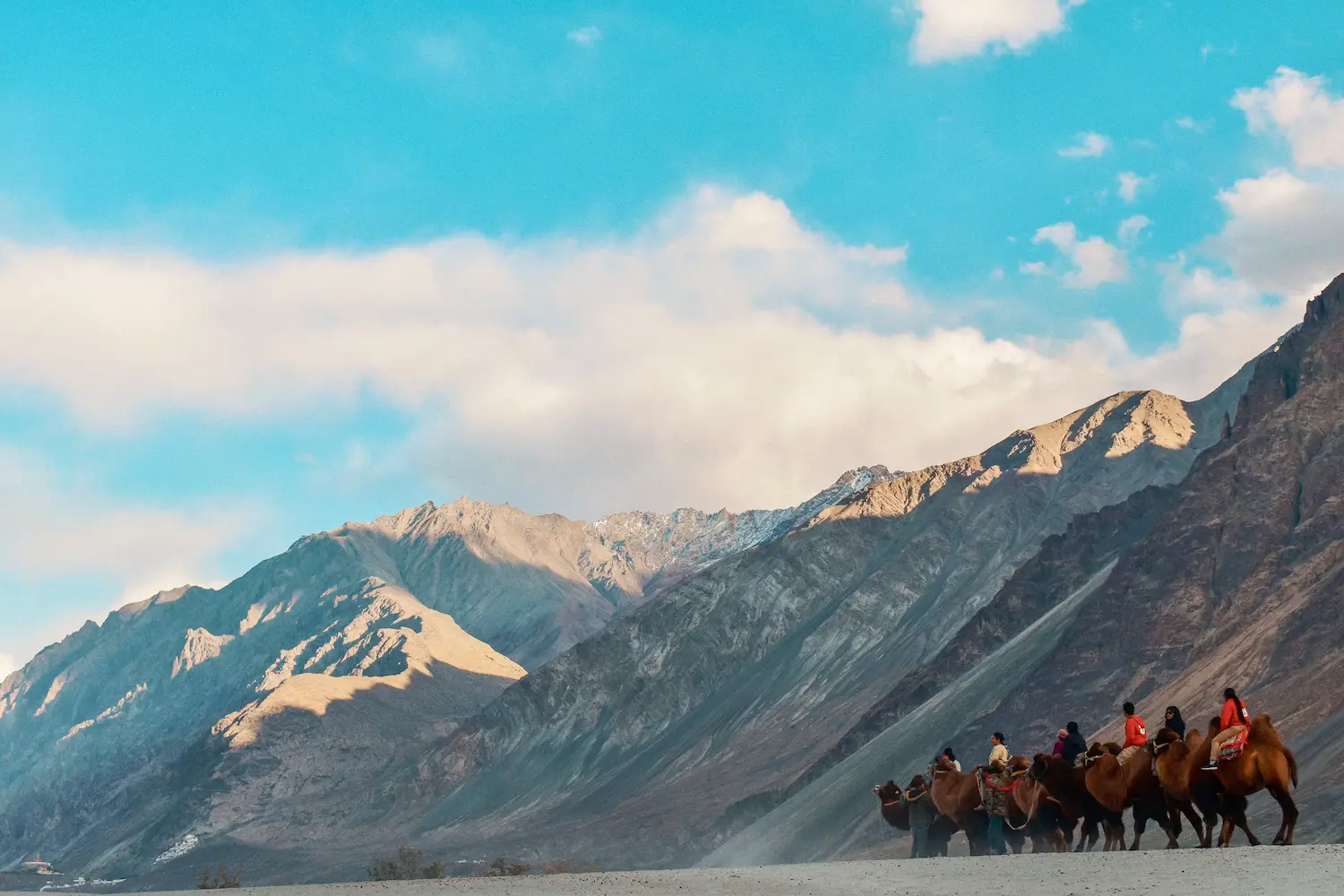
The camel population needs protection. The Bactrian camels at Hunder are descended from Silk Route animals and represent a rare surviving population outside Central Asia. They are gentle and well-maintained, but the pressure of tourism is real. Choose operators who give the animals adequate rest time between rides and avoid the midday heat session. A 20-minute loop is enough — do not push for longer rides at the expense of the animal.
Support Turtuk's economy directly. Turtuk only opened to tourism in 2010. The community is still finding its footing with tourism. Staying in a family homestay, eating home-cooked Balti food, buying local apricot products and engaging with the community directly puts money where it makes the most difference. A ₹1,500 homestay night in Turtuk does more for the local economy than a ₹10,000 luxury camp in Hunder.
Before You Go
Nubra Valley is one of those destinations that consistently produces the best stories from any Ladakh trip — partly because of the Bactrian camels and the sand dunes, which are genuinely extraordinary, and partly because Turtuk is unlike any other village in India and most travellers who find it wish they had stayed longer. Two nights covers the basics. Three nights covers the full experience. Four nights covers everything.
Acclimatise in Leh for two nights before crossing Khardung La. Apply for the ILP at lahdclehpermit.in and tick the Turtuk endorsement. Fill up on fuel in Diskit. Download offline maps. And stay at least one night in a Turtuk homestay — the apricot jam at breakfast alone is worth the drive.
The Bactrian camels at Hunder have been in this valley since the Silk Route days. The apricot orchards in Turtuk have been feeding the Balti community since before the border was drawn. Nubra Valley has been extraordinary for a long time. It will remain so for considerably longer than any tourist season.
Best Selling Tour Packages
Explore other exciting options for your next adventure!