
Published On - Oct 10, 2026
Updated On - Oct 10, 2026
5 min
India's First High-Altitude Snow Leopard Safari Launched in Ladakh
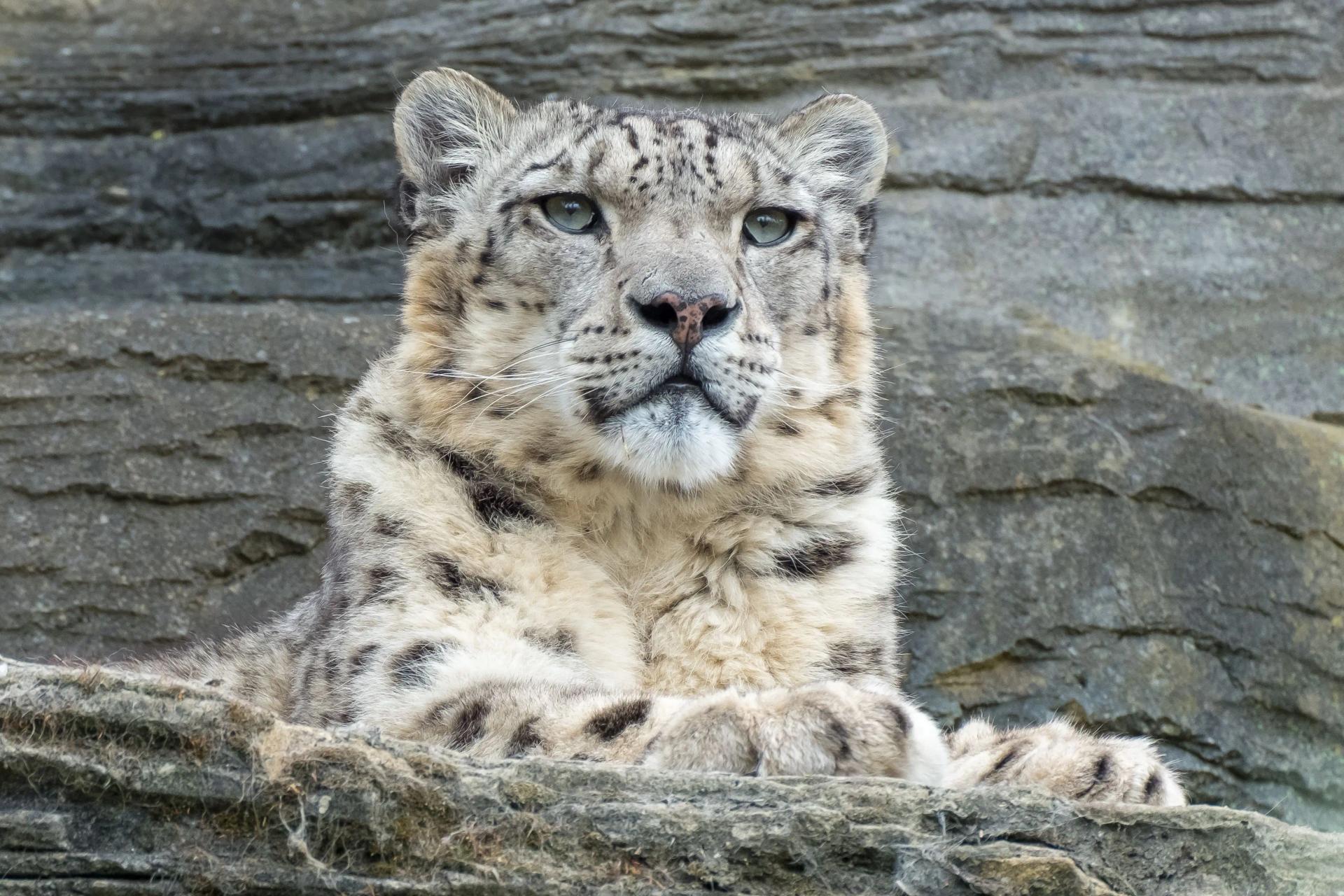
India has opened a new chapter in mountain wildlife tourism with the launch of a regulated, high-altitude snow leopard safari in Ladakh.
India has opened a new chapter in mountain wildlife tourism with the launch of a regulated, high-altitude snow leopard safari in Ladakh. The initiative begins with six specially designed open-back vehicles operating in key wildlife-viewing areas, giving visitors a guided way to experience snow leopard habitat while placing local communities at the centre of conservation-linked tourism. Officials say the model is meant to curb illegal off-roading, support trained local guides and expand Ladakh's eco-tourism beyond trekking and cultural travel.
What Does the New Snow Leopard Safari Mean for Travellers?
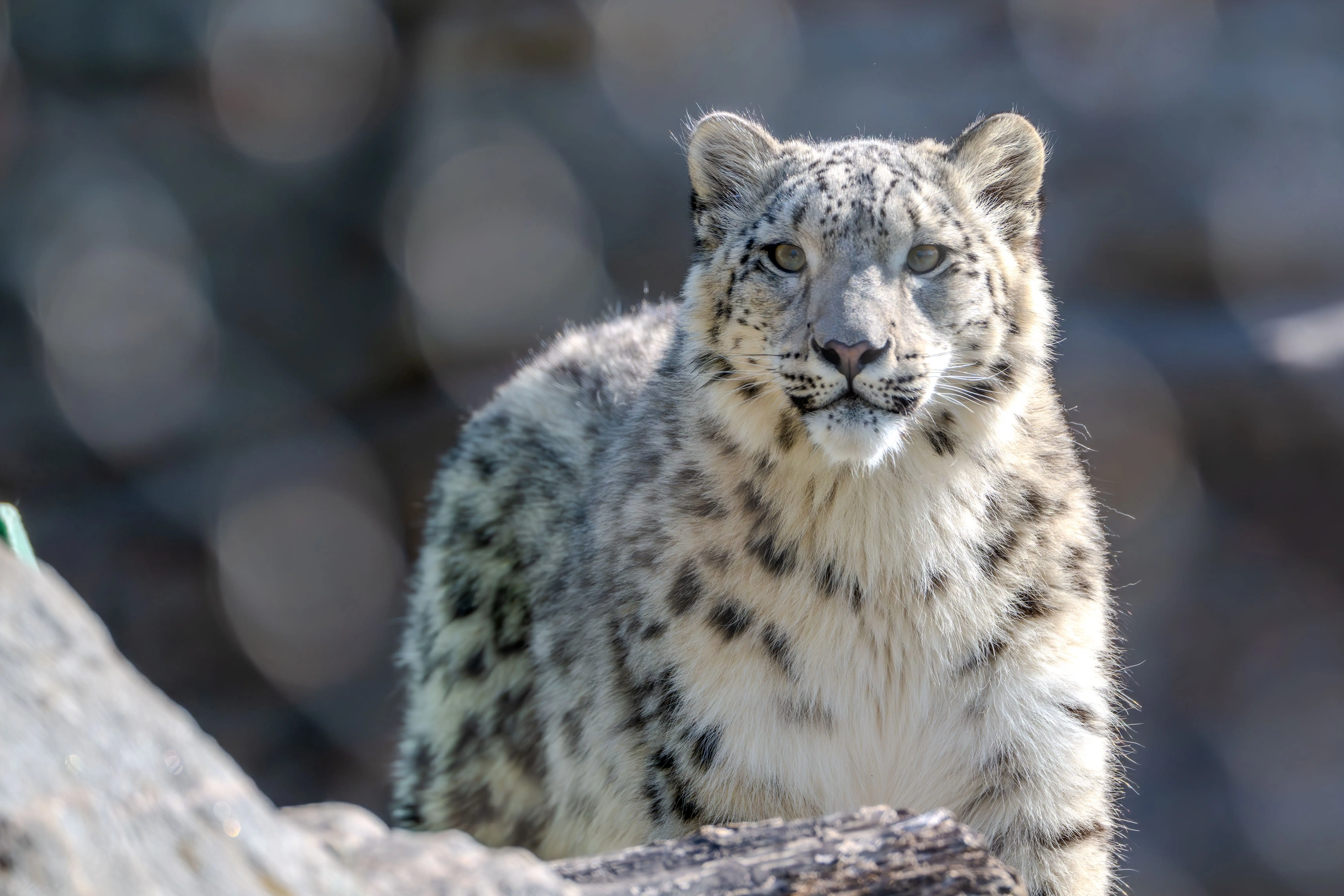
For travellers, the snow leopard safari in Ladakh creates a more structured route into one of India's most sought-after high-altitude wildlife landscapes. Instead of relying only on a traditional Ladakh trekking tour or a privately arranged snow leopard expedition, visitors will be able to join guided, vehicle-based outings in identified areas such as Rumbak, Shang and Ulley, where snow leopards are more frequently reported. The safari does not guarantee a sighting; it offers regulated access, trained interpretation and a better-managed experience in fragile terrain.
The safari is run by the Snow Leopard and High-Altitude Nature Conservation Society (SHAN) in collaboration with the Department of Forest, Ecology and Environment, UT Ladakh. Lieutenant Governor Vinai Kumar Saxena flagged off the first six vehicles in Leh, with officials presenting the project as a responsible-tourism and community-based conservation initiative.
Ladakh Snow Leopard Safari: Key Details Announced So Far
The first phase of the safari is limited, and several practical details are still awaited. Officials have confirmed the main operating areas and broad conservation rules, but fares, booking channels, daily timings and the full seasonal calendar have not yet been made public.
Launch focus: India's first high-altitude wildlife safari focused on snow leopard trails in Ladakh.
Initial vehicles: Six specially designed open-back safari vehicles.
First operating areas: Rumbak, Shang and Ulley, all well known on Ladakh's snow leopard circuit.
Personnel: Trained local drivers and wildlife guides will accompany visitors.
Route approach: Vehicles will use approved routes rather than moving freely through sensitive habitat.
Wider route planning: Suitable routes are being identified across Hemis National Park, Changthang and Karakoram Wildlife Sanctuary, along with Nubra, Zanskar, Sham, Kargil and Drass.
Community focus: Livelihood opportunities for local youth as guides, bird guides, nature interpreters and eco-tourism entrepreneurs.
Why Ladakh Is Central to Snow Leopard Tourism
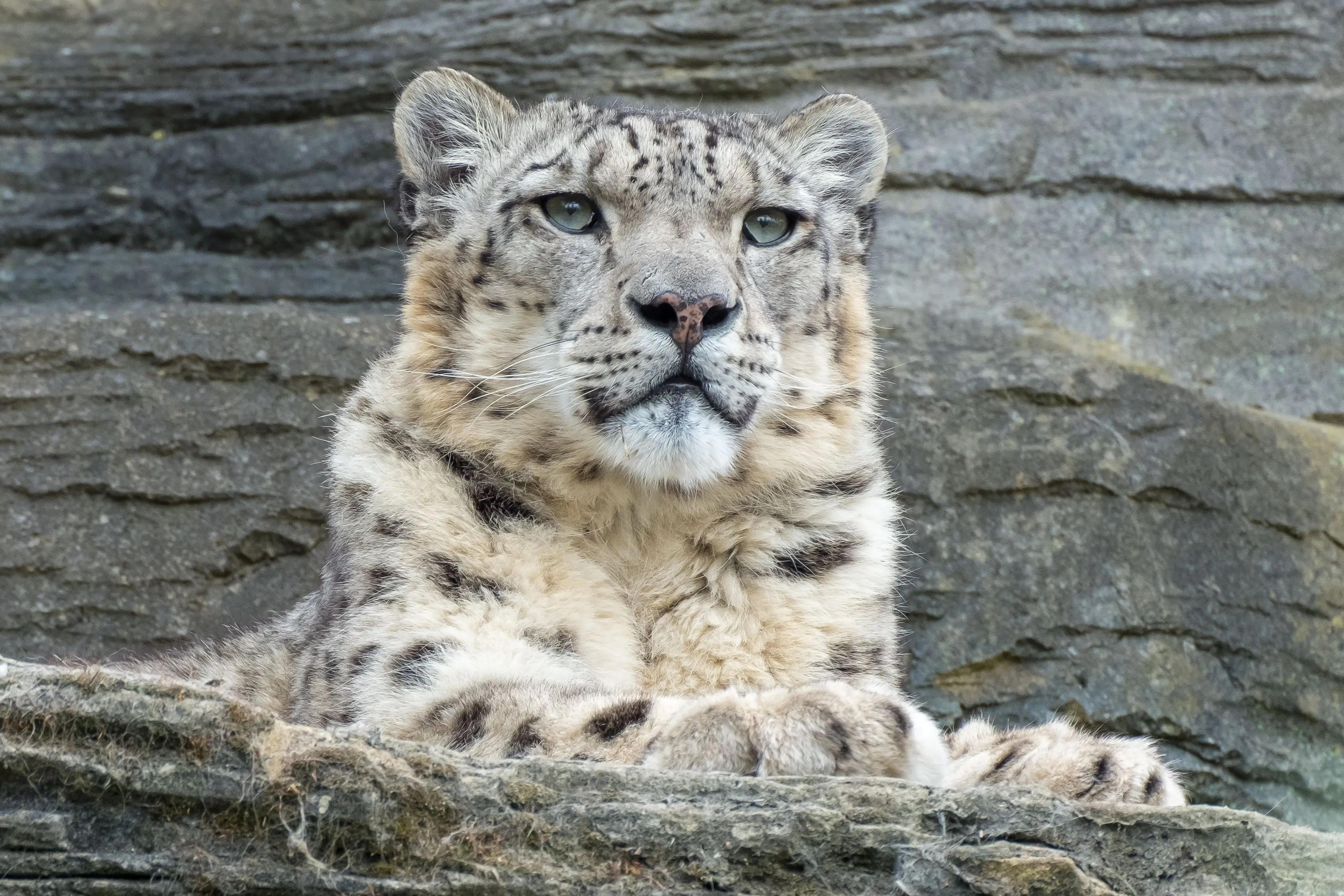
Ladakh's importance is not only scenic; it is ecological. The Government of India's Snow Leopard Population Assessment estimated 718 snow leopards across the country, with Ladakh recording the highest number at 477. That gives the Union Territory a central role in India's snow leopard conservation story and explains why regulated snow leopard spotting has become a major draw for wildlife travellers.
The wider Ladakh landscape also supports more than 38 mammal species, over 340 bird species and around 1,800 vascular plant species, according to the UT administration. The safari is therefore being framed not only as a big-cat experience but as a gateway to Ladakh's cold-desert biodiversity, including birds and other high-altitude fauna.
Snow leopards remain notoriously difficult to see, even in strong habitat. Their pale coats blend into rock and scree, and sightings often require patient scanning of distant slopes. The new safari may improve access and interpretation, but the experience will still depend on season, weather, animal movement and luck.
A Regulated Alternative to Unmanaged Access
Officials have linked the safari to a concern that has grown alongside wildlife tourism: unregulated movement in sensitive landscapes. The Ladakh administration says the guided model is intended to prevent illegal off-roading and reduce activities that disturb wildlife. Approved routes, local guides and trained drivers are being presented as safeguards for both visitors and the animals they hope to observe.
That distinction matters because snow leopard habitat is not a conventional safari setting. These are high-altitude, low-productivity ecosystems where wildlife, village life, livestock grazing and tourism routes overlap. A poorly managed rush for sightings could increase noise, vehicle pressure and waste, while a tightly regulated model could direct income toward the communities that help protect the landscape.
Saxena described the project as a model in which wildlife protection and development move together, saying that wildlife should not be protected at the cost of people, and development should not come at the cost of wildlife. He also emphasised regulated visitor numbers, approved routes and trained local personnel as ways to minimise disturbance while creating direct livelihood opportunities.
Local Livelihoods Are Built Into the Plan
The safari is being promoted as more than a new travel product. During the Wildlife Week 2026 programme at Choglamsar Protected Forest in Leh, officials highlighted a broader conservation-economy approach that links wildlife protection with income for local residents. Twenty local youth are being trained in bird identification, birdwatching and spotting, and will receive binoculars as part of the initiative.
The administration has also discussed birdwatching hides at major hotspots, eco-clubs in schools and conservation-linked enterprises involving women artisans. If implemented well, a visitor booking a snow leopard safari in Ladakh could also support bird guides, village-based interpreters and homestays, handicraft makers and conservation education, as detailed in the official Ladakh administration release.
This community role is especially important in areas where residents live closest to wildlife. Snow leopard conservation often depends on tolerance from communities that share space with predators and prey species. By creating income from guiding, interpretation and conservation-linked products, the administration hopes to turn protection into a visible economic opportunity.
How It May Change Ladakh's Winter Travel Season
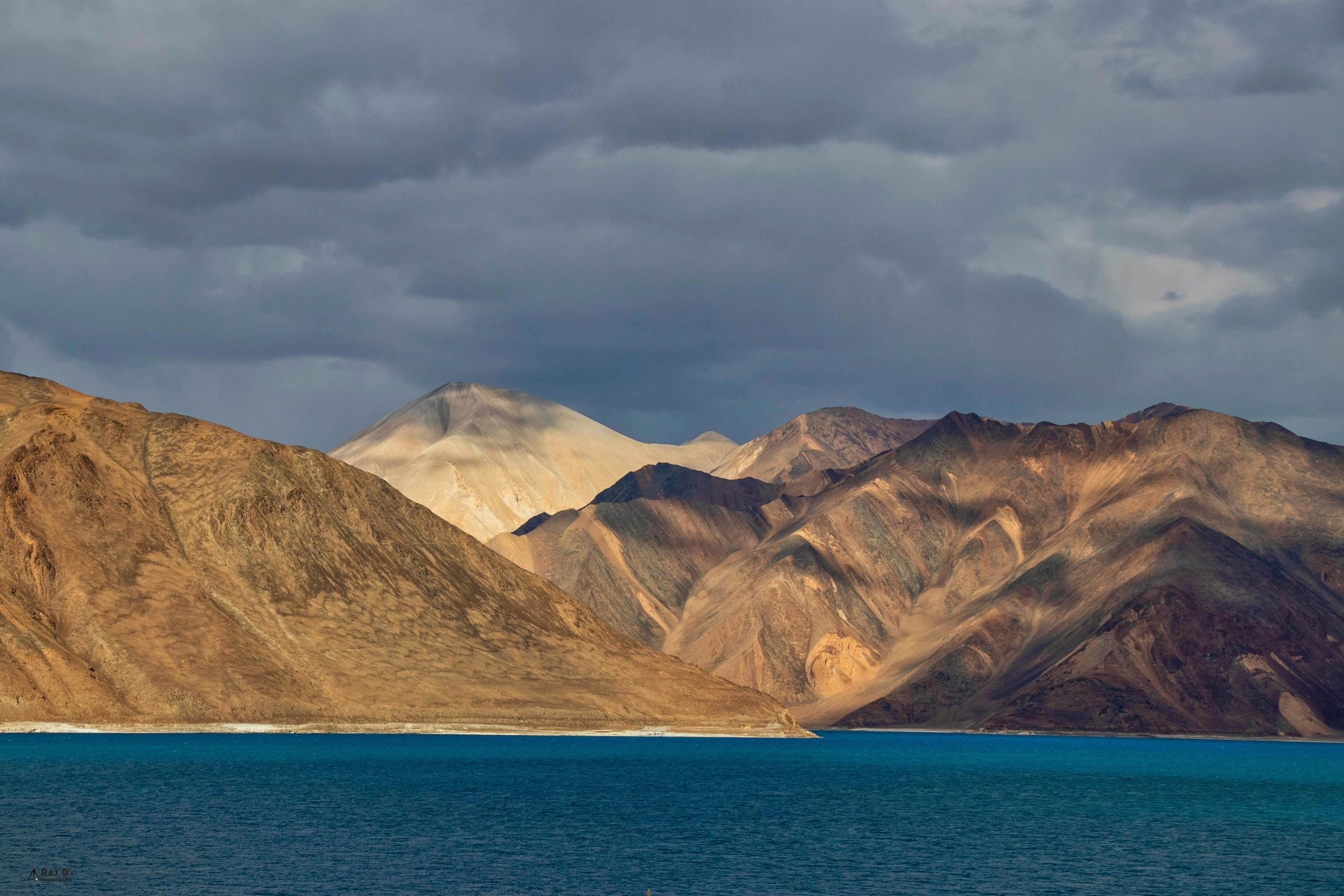
Ladakh is already known for trekking, monasteries, motorable passes and dramatic cold-desert landscapes. In winter, however, snow leopard spotting has attracted a more specialised audience: wildlife photographers, naturalists and travellers prepared for long waits in severe conditions. A regulated vehicle-based safari could make the experience more accessible to some visitors while keeping it within a controlled framework.
That does not mean a Ladakh snow leopard expedition will become easy. Travellers should still expect high altitude, cold weather, long observation periods and uncertain sightings. Anyone planning a wildlife trip should watch for official booking information, seasonal advisories and route rules before finalising itineraries.
The bigger shift may be in how Ladakh presents itself. The safari diversifies tourism beyond adventure sports and cultural circuits, placing biodiversity at the centre of the visitor economy. For a region balancing environmental fragility with tourism demand, that framing could matter as much as the vehicles themselves.
Planning a Snow Leopard Trip to Ladakh
Until official booking details are released, travellers can prepare by planning around the essentials: snow leopards are usually sought in Ladakh between November and March, and at least two to three days of acclimatisation in Leh are essential before heading to valleys such as Rumbak. Our Leh Ladakh travel guide covers permits, altitude safety and packing for cold-season travel.
BizareXpedition designs private, tailor-made journeys across Ladakh that can be built around wildlife interests:
Ladakh Wildlife & Monastery Tour – 14 days through Hemis National Park, Rumbak homestays and the region's great monasteries.
Leh Winter Experience – a private cold-season Leh itinerary with a Pangong day trip, ideal for first-time winter visitors.
Markha Valley Trek – a 12-day trek through Hemis National Park, home to a breeding population of snow leopards.
Spiti Snow Leopard Winter Expedition – an alternative snow leopard trail in Kibber and Chicham, Himachal Pradesh.
Snow leopard tourism is growing across the Himalaya: Uttarakhand has also announced a winter snow leopard tour around Gangotri. Explore more of our wildlife and nature tours across India.
Conservation Questions Will Shape the Rollout
The success of the safari will depend on how strictly the rules are enforced once visitor demand grows. Officials have already identified carrying capacity, visitor numbers, waste management, plastic pollution and wildlife disturbance as issues that must be regulated. Those details will decide whether the safari becomes a conservation-led model or another pressure point in a vulnerable mountain ecosystem.
For now, India's first high-altitude snow leopard safari stands as a notable experiment in guided wildlife tourism. It promises visitors a closer, better-managed encounter with snow leopard habitat while giving local communities a formal role in protecting and interpreting the landscape. The next test is execution: clear booking systems, transparent limits, trained personnel and consistent protection of the wildlife that makes the safari possible.
Frequently Asked Questions
Where does the Ladakh snow leopard safari operate?
The first phase covers Rumbak, Shang and Ulley. Routes are also being identified in Hemis National Park, Changthang, Karakoram Wildlife Sanctuary, Nubra, Zanskar, Sham, Kargil and Drass.
Who runs the safari?
The SHAN Society, in collaboration with the Department of Forest, Ecology and Environment, UT Ladakh.
Is a snow leopard sighting guaranteed?
No. The safari offers regulated access and trained guides, but sightings depend on season, weather and animal movement.
How can I book the safari?
Fares, booking channels and timings have not yet been announced. Watch official UT Ladakh channels, or contact BizareXpedition to plan a private Ladakh wildlife itinerary around the safari once bookings open.
Best Selling Tour Packages
Explore other exciting options for your next adventure!